G Fun Facts Online explores advanced technological topics and their wide-ranging implications across various fields, from geopolitics and neuroscience to AI, digital ownership, and environmental conservation.

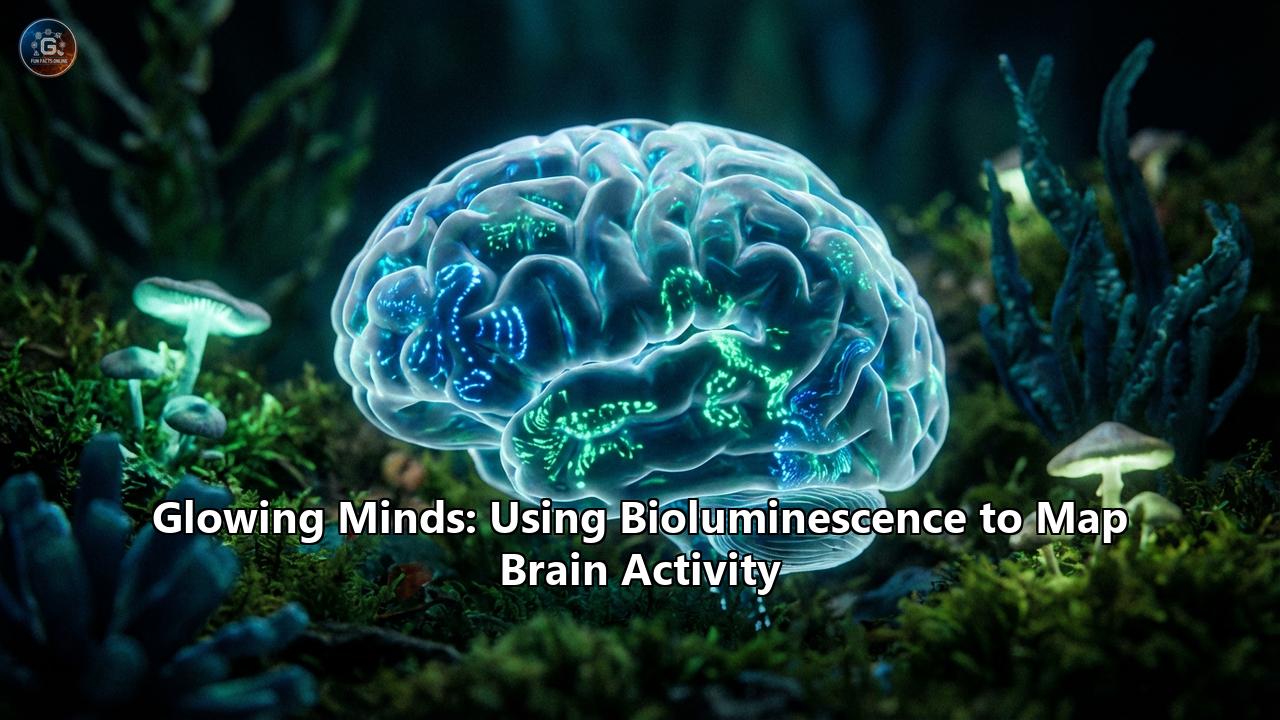
Glowing Minds: Using Bioluminescence to Map Brain Activity

Glowing Minds: Using Bioluminescence to Map Brain Activity

Imagine standing in a dense, dark forest at night. To find your way, you could use a powerful flashlight, sweeping its beam back and forth. This works, but the bright light scares away the wildlife, casts confusing shadows, and only lets you see what is directly in front of you. Now, imagine instead ...
The Geocorona: Earth's Invisible Hydrogen Halo

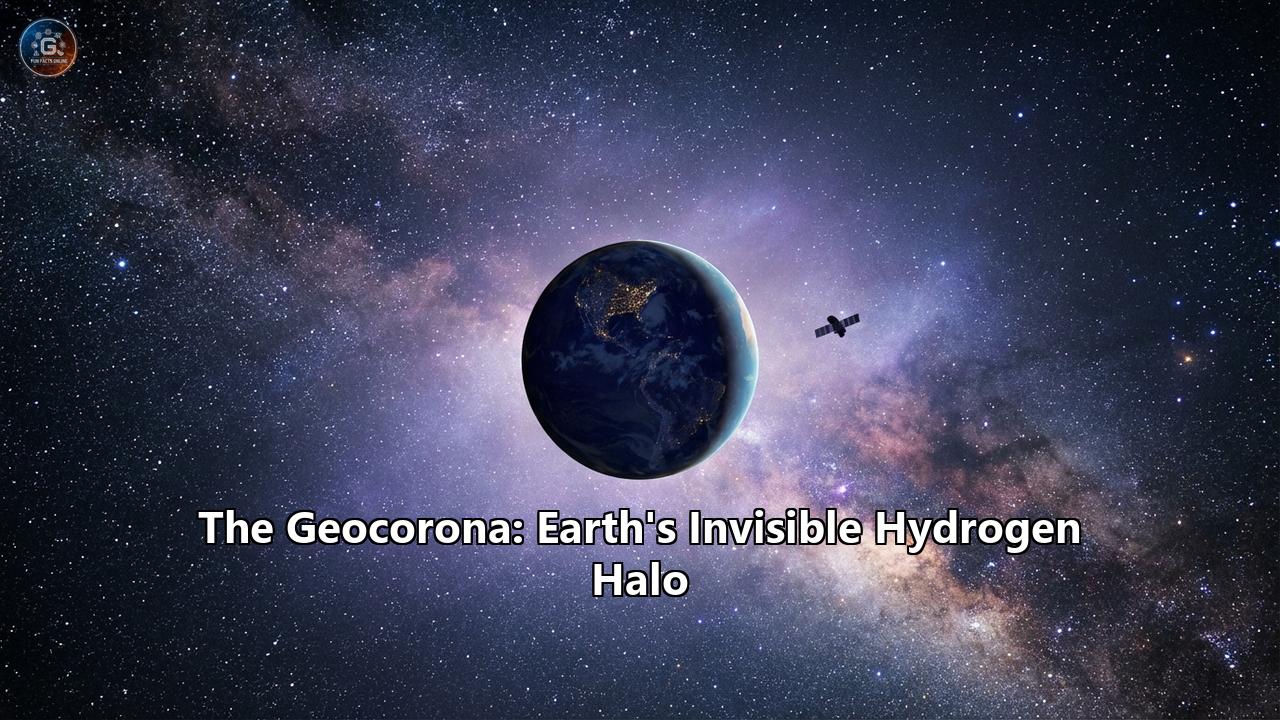
The Geocorona: Earth's Invisible Hydrogen Halo

When we imagine Earth from space, we typically picture the "Blue Marble"—a distinct sphere of rock and water wrapped in a thin, fragile veil of blue atmosphere. We are taught that this atmosphere thins out and effectively ends at the Kármán line, about 100 kilometers (62 miles) up, giving way to the ...

The Sterile Neutrino Verdict: MicroBooNE Silences a Ghost Particle

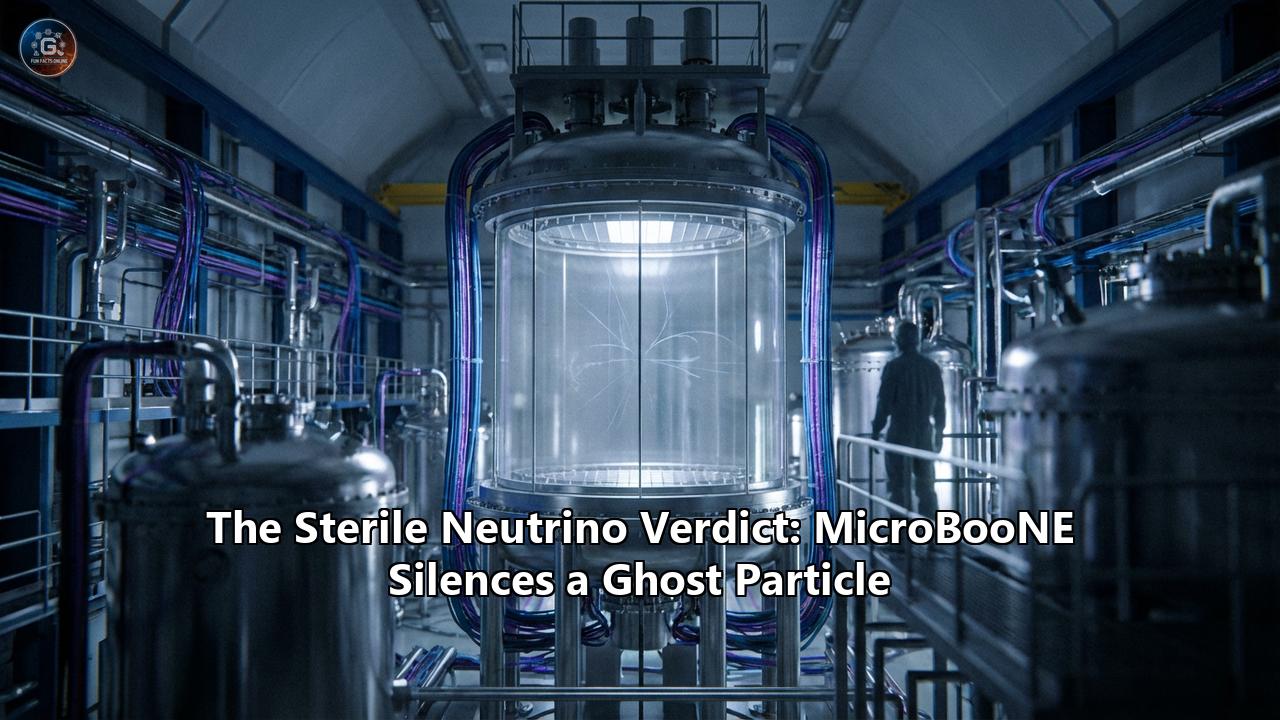
The Sterile Neutrino Verdict: MicroBooNE Silences a Ghost Particle

Prologue: The Ghost in the Machine In the grand and often chaotic theatre of particle physics, few characters are as elusive, frustrating, and compelling as the neutrino. Often dubbed the "ghost particle," the neutrino is a subatomic whisper—a fundamental building block of the universe that outn ...

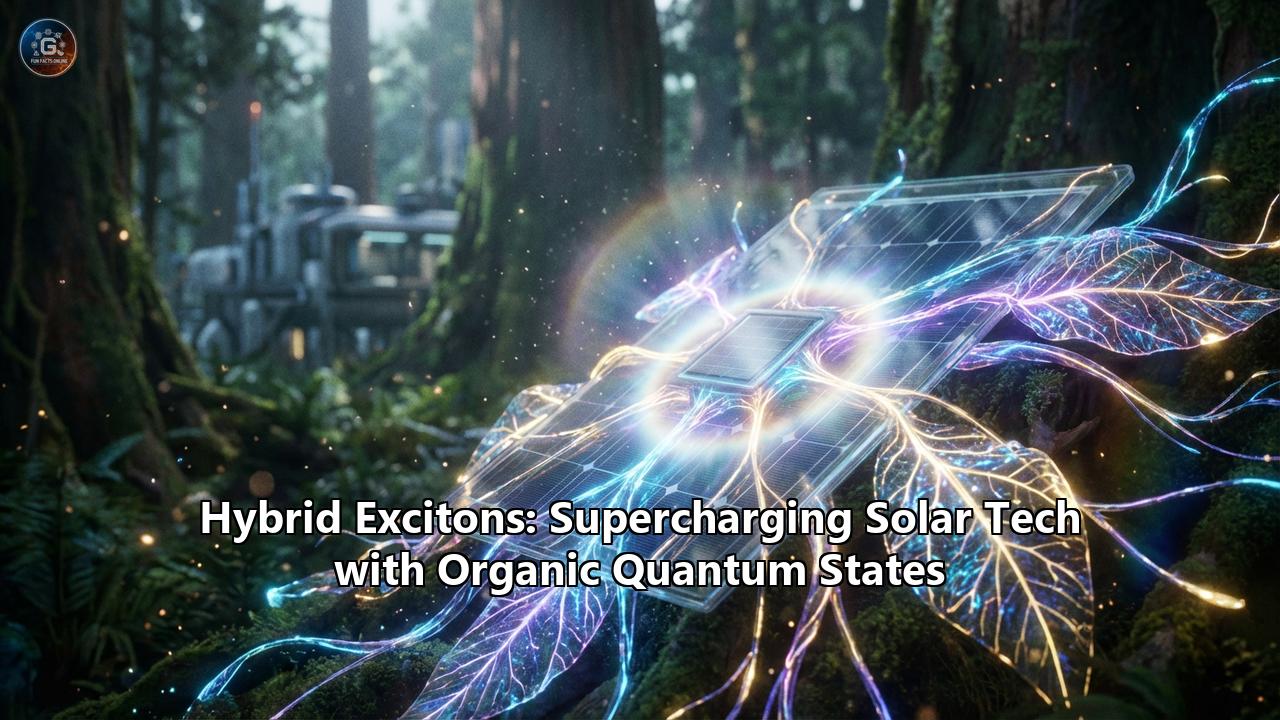
Hybrid Excitons: Supercharging Solar Tech with Organic Quantum States

Hybrid Excitons: Supercharging Solar Tech with Organic Quantum States

The sun is an infinite fusion reactor in the sky, bombarding Earth with enough energy in a single hour to power our civilization for a year. Yet, for decades, our ability to capture this bounty has been throttled by a fundamental law of physics: the Shockley-Queisser limit. This theoretical ceiling ...

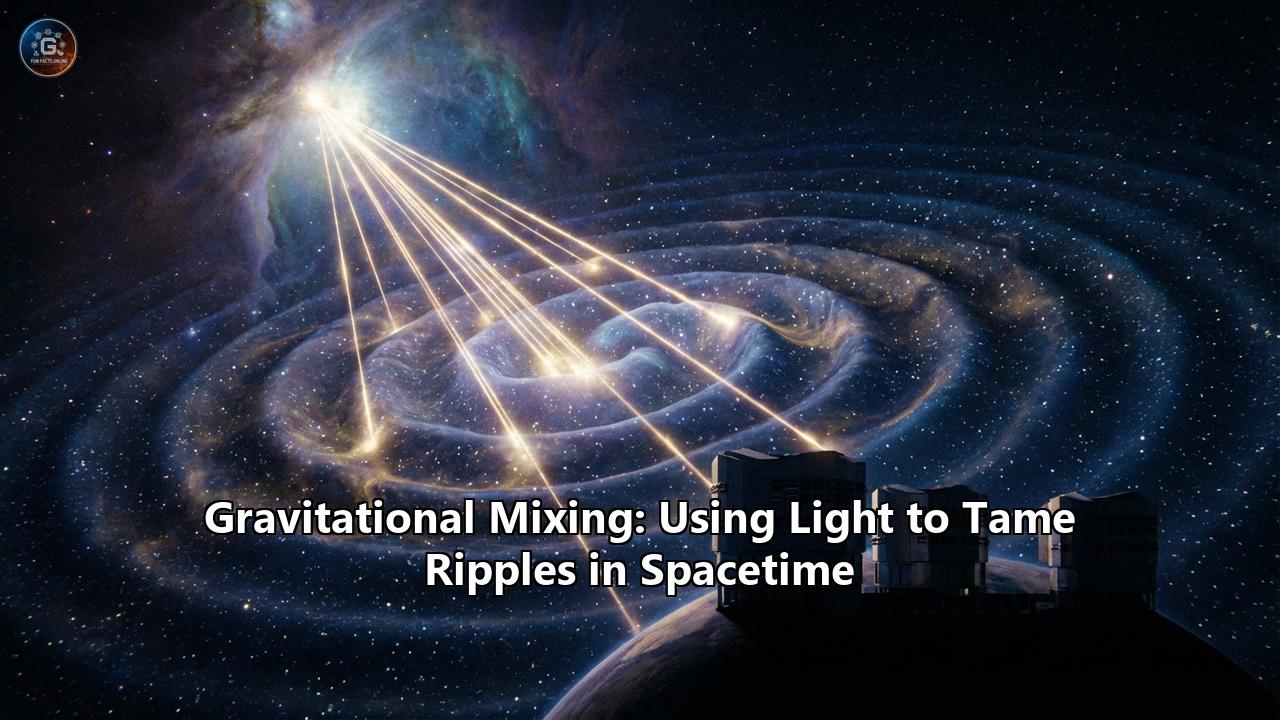
Gravitational Mixing: Using Light to Tame Ripples in Spacetime

Gravitational Mixing: Using Light to Tame Ripples in Spacetime

For a century, humanity stood on the shores of the cosmic ocean, watching the waves roll in. We built monumental ears—LIGO, Virgo, KAGRA—to listen to the splashes made by black holes colliding in the dark. We were passive observers, marveling at the faint trembling of spacetime that washed over our ...

The Chu Symphony: Resurrecting the Lost Orchestra of Wuwangdun

The Chu Symphony: Resurrecting the Lost Orchestra of Wuwangdun

In the fertile lands of Huainan, Anhui Province, beneath layers of earth that have seen empires rise and fall for over two millennia, a silence has finally been broken. It is not the silence of the void, but a pregnant pause that has lasted since the twilight of the Warring States period. For centur ...

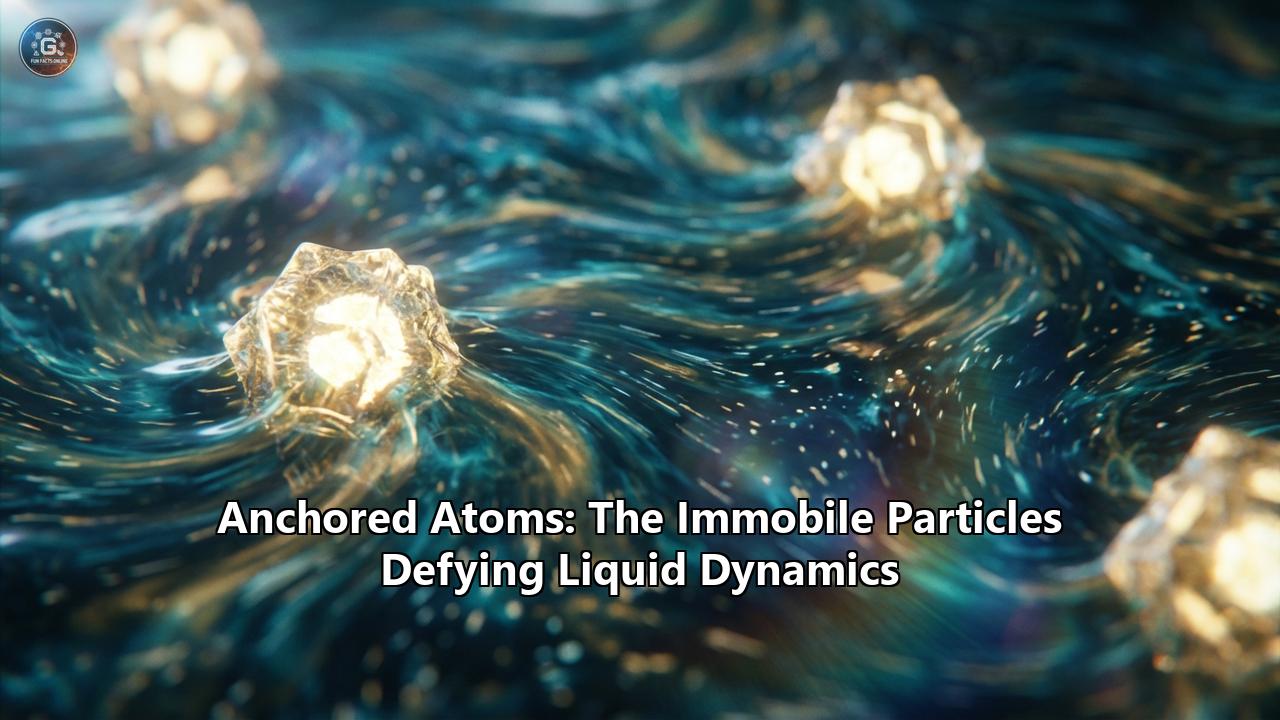
Anchored Atoms: The Immobile Particles Defying Liquid Dynamics

Anchored Atoms: The Immobile Particles Defying Liquid Dynamics

Introduction: The Chaos Paradox For centuries, our understanding of the liquid state has been defined by a single, unshakeable tenet: chaos. In a solid, atoms are the disciplined soldiers of the material world, locked into rigid lattices, vibrating in place but never breaking rank. In a gas, the ...

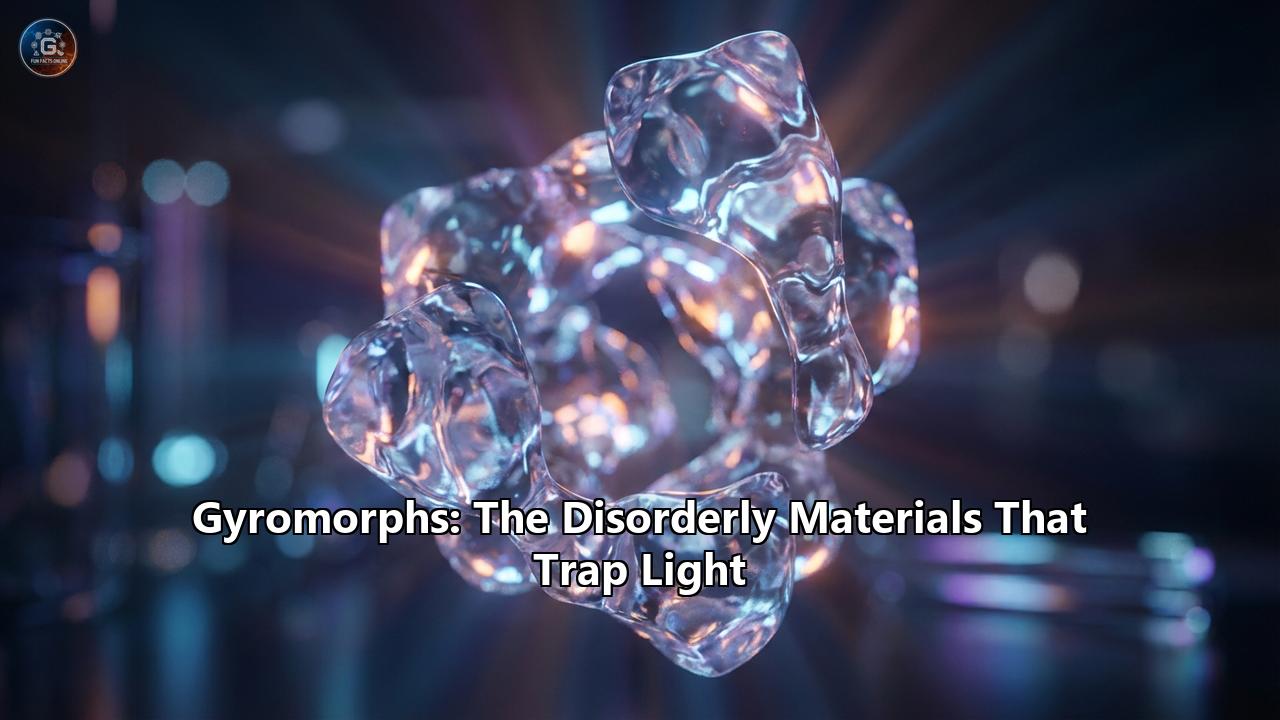
Gyromorphs: The Disorderly Materials That Trap Light

Gyromorphs: The Disorderly Materials That Trap Light

In the high-stakes world of material science and nanophotonics, a quiet revolution is underway. For decades, scientists have been locked in a binary struggle between two forms of matter: the perfectly ordered crystal and the perfectly chaotic liquid. Crystals, with their rigid, repeating atomic latt ...

The Treasury's Secret: Unearthing 12 Skeletons Beneath Petra

The Treasury's Secret: Unearthing 12 Skeletons Beneath Petra

In the sun-scorched canyons of Jordan, where the desert sands meet the towering walls of rose-red sandstone, a secret has lain hidden for two millennia. It is a secret that has survived the rise and fall of empires, the prying eyes of treasure hunters, and the footsteps of millions of tourists who h ...

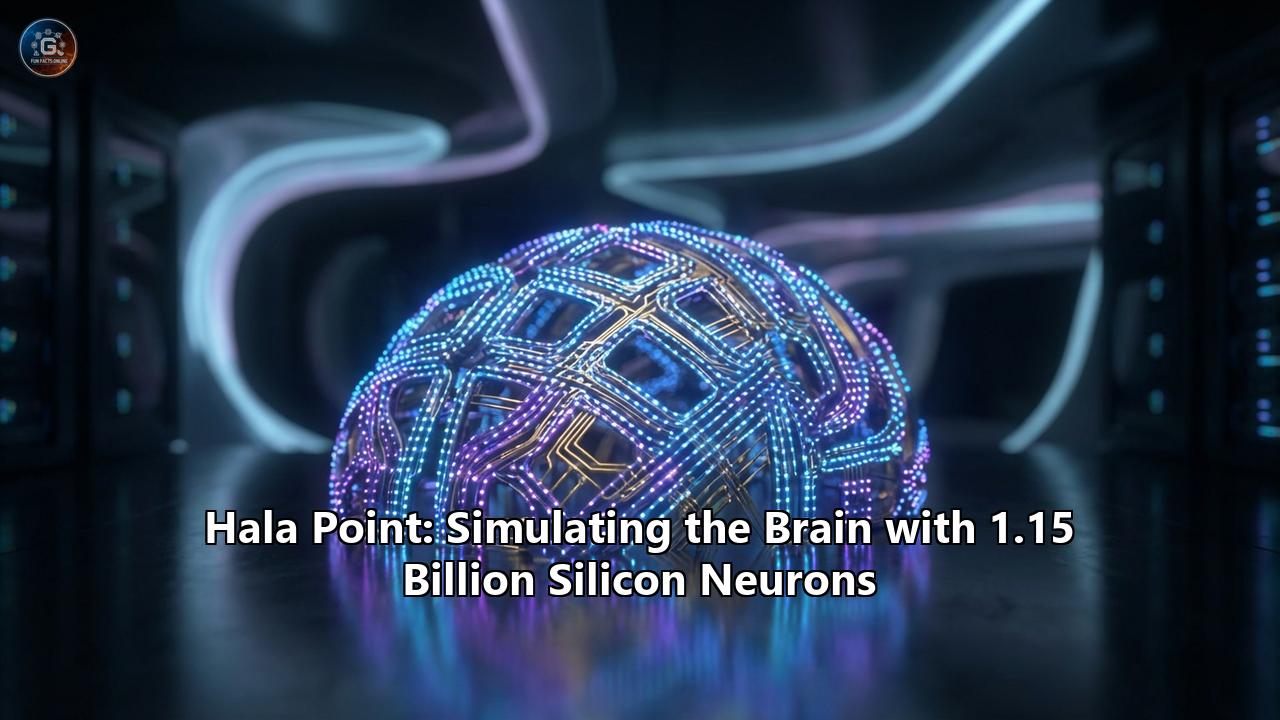
Hala Point: Simulating the Brain with 1.15 Billion Silicon Neurons

Hala Point: Simulating the Brain with 1.15 Billion Silicon Neurons

April 17, 2024, marked a watershed moment in the history of computing. On that day, Intel, in collaboration with Sandia National Laboratories, unveiled Hala Point, the world’s largest neuromorphic system. For decades, computer scientists have chased the dream of building a machine that doesn ...