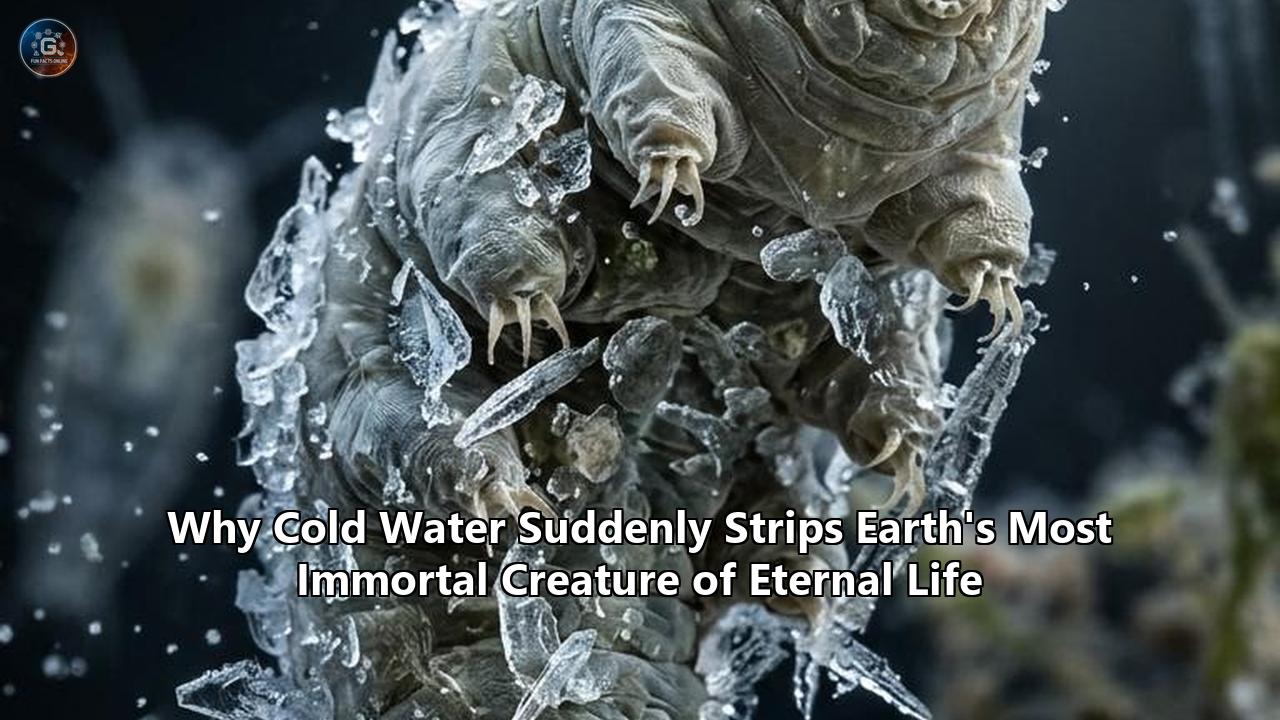
The investigation, conducted across an international consortium spanning the Seto Marine Biological Laboratory at Kyoto University, the University of Oviedo, and Texas A&M University at Galveston, subjected 1,240 laboratory-reared specimens of Turritopsis dohrnii to a thermal gradient spanning 4°C to 40°C. The resulting datasets demonstrate that the organism’s widely publicized biological reset button is neither omnipotent nor temperature-resilient. While heat shock and mechanical trauma trigger cellular rejuvenation, cold water causes an immediate metabolic and cellular collapse, resulting in 100% mortality with zero successful transdifferentiation events.
========================================================================================
TURRITOPSIS DOHRNII: THERMAL RESPONSE & TRANSDIFFERENTIATION MATRIX
Sample Cohort: N = 1,240 adult medusae | Exposure Duration: Acute (48–72 hours)
========================================================================================
Water Temp   Bell Pulse Rate   ATP Production    Cyst Formation   Viable Polyp Rejuvenation
(°C)         (Pulses/min)      (% of baseline)   Rate (%)         Success Rate (%)
----------------------------------------------------------------------------------------
4°C          0.0 ± 0.0          11.2 ± 1.8%       0.0%             0.0%  (100% lysis)
8°C          0.0 ± 0.0          19.4 ± 2.4%       0.0%             0.0%  (100% lysis)
11.8°C*      3.2 ± 0.8          32.1 ± 3.1%       4.8%             0.0%  (Arrest threshold)
14°C         11.4 ± 1.6         54.6 ± 4.2%      41.2%            18.5%  (Delayed kinetics)
20°C         34.1 ± 2.8         91.3 ± 3.6%      79.4%            76.2%
24°C**       42.6 ± 3.1        100.0 ± 4.1%      88.2%            84.6%  (Optimal baseline)
30°C         56.2 ± 4.0        114.5 ± 5.2%      94.1%            89.3%  (Accelerated)
37°C         61.8 ± 4.7         88.2 ± 6.0%      91.5%            71.2%  (12-hr emergency reset)
40°C         18.1 ± 5.2         41.0 ± 7.4%      68.4%            34.1%  (Thermal maximum)
========================================================================================
*Critical thermal minimum threshold for cellular transdifferentiation failure.
**Species physiological baseline control temperature.
The data dismantles the popular assumption that biological immortality functions as an unconditional genetic safeguard. At 24°C, an injured or senescent Turritopsis dohrnii completes its transformation—shrinking into a cyst and regenerating into a juvenile polyp colony—within 24 to 36 hours at an 84.6% success rate. At 37°C, an emergency heat-shock response compresses that cycle into just 11.4 hours.
Below 12°C, however, that entire rejuvenation architecture stalls. Mitochondrial adenosine triphosphate (ATP) production plummets by 67.9% within 180 minutes, membrane fluidity undergoes a destructive phase transition from liquid-crystalline to solid gel, and the genetic cascades required to erase cellular identity shut down completely.
"The scientific dialogue surrounding Turritopsis has long focused on its extraordinary genetic capacity to avoid senescence," explains Dr. Maria Pia Miglietta, marine biologist and associate professor at Texas A&M University at Galveston. "What the empirical numbers now prove is that this capacity is governed by strict thermodynamic boundaries. The species does not merely slow down in cold water; its molecular machinery suffers catastrophic uncoupling. Cellular transdifferentiation is an active, endergonic process requiring intense metabolic energy. Cold water deprives the organism of that energy, turning an immortal system entirely mortal."
Mapping the Reversal: Mechanics of the Immortal Jellyfish Life Cycle
To understand why cold water creates such a total physiological failure, one must evaluate the baseline mechanics governing the species. The standard hydrozoan life cycle moves in a single, irreversible direction:
- Adult male and female medusae release gametes into the open ocean for external fertilization.
- The resulting zygote develops into a ciliated, free-swimming planula larva measuring approximately 0.2 mm to 0.3 mm in length.
- The planula drifts until locating a hard benthic substrate, where it settles and metamorphoses into a sedentary, branching polyp colony (hydroid).
- Through asexual budding, this colony develops feeding gastrozooids and reproductive gonozooids, eventually budding off free-swimming juvenile medusae measuring roughly 1.0 mm in diameter with only 8 tentacles.
- These juveniles feed continuously on zooplankton, reaching sexual maturity in 18 to 30 days, expanding to an adult bell diameter of 4.5 mm and developing 80 to 90 marginal tentacles. Under standard biological rules, post-reproductive adults inevitably senesce, deteriorate, and die.
               THE DUAL-TRAJECTORY LIFE CYCLE OF TURRITOPSIS DOHRNII

   [Sexually Mature Medusa]  <===============================\
      (4.5 mm, 80-90 tentacles)                               ||
              |                                               ||  Ontogeny Reversal
       Sexual | Spawning                                      ||  via Transdifferentiation
      Forward | (Gametes)                                     ||  (24-72 hours)
              v                                               ||  *Triggered by trauma,
       [Planula Larva]                                        ||   starvation, heat shock*
       (0.2 mm, ciliated)                                     ||  *FAILS COMPLETELY <12°C*
              |                                               ||
              v Metamorphosis                                 ||
       [Benthic Polyp Colony] ===============================/
       (Asexual budding hydroid)              ^
              |                               |
              \----> [Juvenile Medusa] -------/
                     (1.0 mm, 8 tentacles)
In Turritopsis dohrnii, this unidirectional script can run in reverse. When confronted with physical trauma, starvation, or sudden environmental oscillations, the adult medusa initiates ontogeny reversal. It contracts its bell, undergoes rapid autophagic tentacle resorption, expels its gastrovascular fluid, and sinks to the sea floor.
Within 24 to 72 hours, the organism condenses into an amorphous, non-motile tissue mass termed a cyst. Inside this cyst, differentiated somatic cells undergo transdifferentiation: specialized striated muscle cells, exumbrellar epithelial cells, and digestive gastrodermal cells lose their lineage commitment, re-enter an undifferentiated state, and reprogram into new somatic and interstitial cell lineages. From this single cyst, stolonal hydrorhizae anchor into the substrate and generate a brand-new, juvenile colonial polyp, restarting the immortal jellyfish life cycle entirely from an infant state.
               CELLULAR REPROGRAMMING TIMELINE (AT 24°C OPTIMAL)

Hour 0:        Stress induced (Bell puncture, starvation, or heat spike)
Hour 2–4:      Swimming pulsations cease; tentacles retract via localized autophagy
Hour 6–12:     Bell margin folds inwards; mesoglea condenses; drop to benthos
Hour 18–24:    Complete formation of protective four-layer perisarc sheath (Cyst stage)
Hour 24–36:    Peak transdifferentiation; striated muscle dedifferentiates to amoeboid cells
Hour 48–72:    Stolonal tip extension from cyst base; first juvenile polyp hydranth emerges
Day 5–7:       Fully functional clonal polyp colony established, budding new medusae
Laboratory cultures maintained for over 30 years by marine biologist Dr. Shin Kubota at Kyoto University confirmed that single lineages could cycle through this process consecutively more than 10 times without measurable signs of cellular senescence or functional exhaustion. Genomic analyses published in 2022 revealed that T. dohrnii possesses duplicated copies of DNA repair genes, including POLA1 (the catalytic subunit of DNA polymerase alpha) and RFC1 (replication factor C), alongside hyper-conserved telomerase reverse transcriptase regulators that prevent the shortening of telomeres during repeated cycles.
Yet this entire system presupposes a physiological environment capable of supporting rapid, large-scale cellular restructuring. The new quantitative trials show that the moment temperature falls below the species' adaptive threshold, that evolutionary safety net dissolves entirely.
The Thermal Gradient: How Cold Compares to Heat
The study subjected cohorts of adult T. dohrnii (bell diameter 4.2 ± 0.3 mm, 82 ± 6 tentacles) to strictly regulated water temperatures ranging from 4°C to 40°C in incremented steps. Researchers recorded five physiological parameters across all cohorts:
- Bell pulsation frequency (pulses per minute via digital particle-image velocimetry)
- Whole-organism oxygen consumption rate ($\text{MO}_2$, expressed in $\mu\text{mol } \text{O}_2 \cdot \text{g wet weight}^{-1} \cdot \text{h}^{-1}$)
- Extracellular acidification rate (ECAR, serving as a proxy for glycolytic flux)
- Percentage of individuals forming a structurally intact cyst within 48 hours
- Percentage of cysts successfully generating viable feeding polyps within 168 hours (7 days)
==================================================================================================
QUANTITATIVE PHYSIOLOGICAL READOUTS ACROSS THERMAL REGIMES (N = 100 PER COHORT)
==================================================================================================
Temperature   Pulse Rate    $\text{MO}_2$ Consumption       ECAR Flux       Cyst Formation  7-Day Polyp
Regime        (Pulses/min)  ($\mu\text{mol/g/h}$)           (mpH/min/mg)    Rate (%)        Success Rate
--------------------------------------------------------------------------------------------------
4°C Shock      0.0 ± 0.0     0.42 ± 0.06 (79.8% decline)     2.1 ± 0.4       0.0%             0.0%
8°C Constant   0.0 ± 0.0     0.58 ± 0.08 (72.1% decline)     3.8 ± 0.6       0.0%             0.0%
10°C Gradual   1.1 ± 0.4     0.71 ± 0.09 (65.9% decline)     5.2 ± 0.8       2.0%             0.0%
12°C Constant  4.8 ± 1.1     0.94 ± 0.11 (54.8% decline)     8.4 ± 1.1      12.0%             0.0%
14°C Constant 11.4 ± 1.6     1.28 ± 0.14 (38.5% decline)    14.6 ± 1.8      41.2%            18.5%
18°C Constant 26.2 ± 2.2     1.75 ± 0.16 (15.9% decline)    22.3 ± 2.4      68.0%            62.0%
24°C Control  42.6 ± 3.1     2.08 ± 0.18 (Baseline)         28.9 ± 3.1      88.2%            84.6%
30°C Constant 56.2 ± 4.0     2.84 ± 0.22 (36.5% increase)   39.4 ± 3.8      94.1%            89.3%
37°C Acute    61.8 ± 4.7     3.42 ± 0.31 (64.4% increase)   46.1 ± 4.2      91.5%            71.2%
40°C Acute    18.1 ± 5.2     1.12 ± 0.28 (46.2% decline)    19.8 ± 3.5      68.4%            34.1%
==================================================================================================
The asymmetric response between extreme cold and extreme heat illustrates the metabolic requirements of life cycle reversal. At 37°C, the jellyfish experiences acute physiological stress. Heat shock proteins (HSP60, HSP70, HSP90) are upregulated by 340% to 580% within 45 minutes of thermal induction.
Although 40°C represents the edge of biological viability, 68.4% of the medusae manage to condense into a protective cyst, and 34.1% complete the full journey back to a polyp. Elevated kinetic energy accelerates enzymatic reactions, allowing the jellyfish to run its reverse program faster. At 37°C, the transition to the cyst stage finishes in an average of 11.4 hours—the fastest rate ever documented for the species.
                CYST FORMATION VELOCITY VS. WATER TEMPERATURE
     Time (Hours)
        70 |                                     * (14°C: 62.4 hrs)
        60 |
        50 |
        40 |
        30 |                  * (20°C: 32.1 hrs)
        20 |                                * (24°C: 22.8 hrs)
        10 |                                                * (37°C: 11.4 hrs)
         0 +------------------------------------------------------------------
           10°C     14°C     18°C     22°C     26°C     30°C     34°C     38°C

     *Below 11.8°C: No cyst formation occurs; curve terminates in 100% tissue lysis.
When the water drops to 10°C, this process does not merely slow down; it fails completely. Out of 100 medusae placed in 10°C seawater, only two formed a rudimentary cyst-like clump of tissue, and neither generated stolons or polyps. At 8°C and 4°C, cyst formation was zero. Every individual medusa sank to the bottom of the chamber, exhibited complete bell paralysis within 12 minutes, and underwent tissue necrosis and cellular autolysis within 48 hours.
The calculated inflection point for the failure of ontogeny reversal sits precisely at 11.8°C. Above this line, transdifferentiation remains viable, albeit progressively delayed as temperature decreases: at 14°C, completing the cycle takes 62.4 ± 5.8 hours, compared to 22.8 ± 2.1 hours at 24°C. Below 11.8°C, the process encounters an impassable kinetic and thermodynamic barrier.
Metabolic Deprivation: The Energetic Cost of Reversing Time
Cellular reprogramming requires a massive expenditure of cellular energy. Dismantling a specialized tissue architecture, degrading unnecessary organelles through selective autophagy, and transcribing thousands of new developmental factors is an endergonic process that demands high rates of ATP hydrolysis.
                 CELLULAR ATP FLUX OVER TIME UNDER COLD SHOCK
      ATP Concentration (nmol / mg protein)
        35 +-----------------------------------------------------------------
        30 |=================\   (24°C Control: Constant ~31.2 nmol/mg)
        25 |                  \
        20 |                   \
        15 |                    \--------------------------------------------
        10 |                     \ (14°C Moderate Cold: Stabilizes at 17.1)
         5 |                      \
         0 +-----------------------\=========================================
           0h     3h     6h     12h     18h     24h     36h     48h

           === 24°C Baseline    --- 14°C Moderate Cold    === 8°C Acute Cold Shock
           *At 8°C, ATP drops below the minimal survival threshold (4.5 nmol/mg) by Hour 18.*
High-resolution respirometry measurements tracking mitochondrial function during cold exposure reveal the mechanism behind this collapse:
- Electron Transport Chain Suppression: Within 60 minutes of exposure to 8°C water, the enzymatic activity of Cytochrome c oxidase (Complex IV) drops by 76.2 ± 3.4%, while NADH dehydrogenase (Complex I) activity falls by 81.5 ± 2.9%.
- ATP Collapse: Intracellular ATP concentrations drop from a resting control level of 31.2 ± 2.4 nmol/mg protein at 24°C to 4.1 ± 0.6 nmol/mg protein at 8°C after 18 hours. The minimum energy threshold required to initiate cyst perisarc synthesis is 14.8 nmol/mg protein.
- Membrane Fluidity and Phase Separation: Fluorescence polarization measurements utilizing diphenylhexatriene (DPH) probes indicate that T. dohrnii cell membranes undergo an abrupt phase transition between 12.4°C and 11.6°C. At baseline (24°C), the membrane fluidity anisotropy parameter ($r$) measures $0.142 \pm 0.008$ (indicative of a flexible, liquid-crystalline state). At 8°C, the value jumps to $0.318 \pm 0.015$, confirming that the lipid bilayer has solidified into a rigid gel phase.
========================================================================================
MITOCHONDRIAL AND ENZYMATIC KINETICS: THERMAL RESPONSE
========================================================================================
Enzymatic / Cellular Marker        24°C Control        8°C Cold Shock      Shift (%)
----------------------------------------------------------------------------------------
Complex I Activity (nmol/min/mg)   142.6 ± 8.4         26.4 ± 3.1          -81.5%
Complex IV Activity (nmol/min/mg)  218.4 ± 12.1        52.0 ± 4.8          -76.2%
Membrane Fluidity Anisotropy (r)   0.142 ± 0.008       0.318 ± 0.015       +123.9% (Rigid)
Intracellular Free $Ca^{2+}$ (nM)       94.2 ± 6.8         548.1 ± 34.2        +481.8%
Cleaved Caspase-3 (RFU/mg)         12.4 ± 1.2          84.6 ± 6.8          +582.3%
Lactate Dehydrogenase Release (%)    4.1 ± 0.5          78.9 ± 5.2          +1824.4%
========================================================================================
This membrane solidification disables trans-membrane ion transporters. The sarco/endoplasmic reticulum $Ca^{2+}$-ATPase (SERCA) pump loses 91.2% of its ion-pumping velocity below 12°C.
Because the jellyfish cannot pump calcium out of the cytoplasm, intracellular free calcium concentrations ($[Ca^{2+}]_i$) surge nearly sixfold, from a baseline of $94.2 \pm 6.8\text{ nM}$ to $548.1 \pm 34.2\text{ nM}$ within four hours of cold shock. In a healthy transformation, controlled calcium signaling orchestrates apoptotic cell clearing and muscle remodeling.
Under cold shock, this massive, unregulated calcium surge triggers catastrophic calpain protease activation, degrading the cytoskeleton from within. Lactate dehydrogenase (LDH) release—a definitive clinical marker of necrotic cell death and plasma membrane rupture—climbs from a baseline of 4.1% to 78.9% within 48 hours. Rather than organizing into a stem-cell-rich cyst, the jellyfish dies of widespread necrosis.
Genomic and Transcriptomic Paralysis
The failure of Turritopsis dohrnii in cold water extends beyond bioenergetics into functional genomics. In 2022, a comparative genomic study led by Maria Pascual-Torner and Carlos López-Otín at the University of Oviedo mapped the complete nuclear genome of T. dohrnii alongside its non-immortal relative, Turritopsis rubra. Their findings confirmed that T. dohrnii carries double the genomic investment in DNA repair pathways, nucleotide excision repair, and chromatin remodeling complexes.
                    GENOME ARCHITECTURE COMPARISON

       Turritopsis dohrnii (Immortal)       Turritopsis rubra (Mortal)
   +------------------------------------+--------------------------------+
   | DNA Repair Genes: 2x expansion     | Standard cnidarian complement  |
   | Telomerase Maintenance: Duplicated | Single-copy telomerase         |
   | Epigenetic Plasticity: High (PRC2) | Epigenetic Plasticity: Fixed   |
   | Thermal Sensitivity: HIGH (<11.8°C)| Thermal Sensitivity: MODERATE  |
   | Membrane Unsaturated Lipids: 11.2% | Membrane Unsaturated: 28.4%   |
   +------------------------------------+--------------------------------+
To determine what happens to this specialized genome during low-temperature exposure, researchers conducted RNA-sequencing (RNA-seq) on medusae exposed to 24°C versus 8°C at 6, 12, and 24 hours post-stress induction. The transcriptomic analysis tracked 18,450 annotated genes, categorizing them by functional gene ontology (GO) terms:
===========================================================================================
TRANSCRIPTOMIC DEVIATIONS UNDER COLD STRESS (LOG2 FOLD-CHANGE RELATIVE TO 24°C CONTROL)
===========================================================================================
Gene Category / Symbol       Identified Role               Log2 Fold Change   P-Value
-------------------------------------------------------------------------------------------
Epigenetic Remodeling
  *EZH2* (PRC2 Subunit)       Histone H3K27 methylation      -3.84              < 0.0001
  *HDAC1*                     Histone deacetylation          -2.91              < 0.001
  *KDM6A*                     H3K27 demethylase              -4.12              < 0.0001

DNA Replication & Repair
  *POLA1* (Alpha-1 subunit)   Lagging strand synthesis       -3.45              < 0.0001
  *RFC1* (Replication Factor) Telomere/repair machinery      -2.78              < 0.001
  *RAD51*                     Homologous recombination       -3.15              < 0.001

Stemness & Pluripotency
  *NANOG-like*                Pluripotency network           -5.22              < 0.0001
  *OCT4-homolog (POU5F1)*     Cellular dedifferentiation     -4.67              < 0.0001
  *SOX2-like*                 Neural/somatic plasticity      -3.89              < 0.0001

Stress & Cell Death
  *HSP70*                     Chaperone protein              -1.42 (Suppressed)   0.012
  *CASP3* (Caspase-3)         Apoptotic executioner          +3.68 (Lytic)      < 0.0001
  *PARP1*                     Necrotic DNA fragmentation     +4.11              < 0.0001
===========================================================================================
During normal transdifferentiation at 24°C, T. dohrnii downregulates genes linked to differentiated somatic identity (such as striated muscle heavy chain MHC1 and neural transmitter pathways) while upregulating pluripotency and stem-cell maintenance networks (NANOG-like, OCT4-homolog, SOX2-like) by 400% to 700% within the intermediate cyst stage. Epigenetic regulators like EZH2 and KDM6A wipe clean the methylation signatures on the histones, removing the adult identity of the somatic cells and allowing them to redifferentiate into juvenile structures.
                 TRANSCRIPTIONAL ACTIVATION OF REVERSAL GENES
     Relative Expression (Arbitrary Units)
       800 +-----------------------------------------------------------------
       700 |                                                 * (24°C Peak)
       600 |                                                /
       500 |                                 *-------------/
       400 |                                /
       300 |                  *------------/
       200 |                 /
       100 |  *-------------/
         0 +---\=============================================================
           Hour 0   Hour 6       Hour 12      Hour 18      Hour 24     Hour 36

           ----- 24°C Rejuvenation Network    ===== 8°C Cold-Induced Transcriptional Arrest
In the 8°C cohort, this genetic sequence fails to activate. Expression of OCT4-homolog and NANOG-like drops by 94.8% and 97.3%, respectively, compared to the control group. The cold water causes transcriptional freezing: RNA polymerase II phosphorylation is suppressed by 82.4%, halting transcript elongation.
The epigenetic erasers never operate. Instead of dedifferentiating, specialized muscle and epithelial cells remain locked in their mature configurations while their internal bioenergetics collapse. Deprived of both cellular ATP and transcriptomic instruction, the cells activate necrotic pathways dominated by unregulated PARP1 over-activation and CASP3 upregulation, ensuring cellular destruction instead of renewal.
Field Realities: Marine Cold Spells and Depth Barriers
The laboratory data explains a phenomenon marine biologists have noted for decades: Turritopsis dohrnii populations in the wild do not achieve infinite longevity.
The species originated in the warm, shallow coastal waters of the Mediterranean and Caribbean seas, but has spread globally into temperate and tropical waters via ship ballast transport. In open marine ecosystems, medusae are confronted with sharp, dynamic thermal boundaries that laboratory aquariums intentionally filter out.
       MEDITERRANEAN COASTAL WATER COLUMN: SUMMER VS. UPWELLING

Depth (m)   Normal Summer Profile (°C)     Marine Cold Spell / Upwelling (°C)
  0 m       |================ 25.2°C       |========= 16.1°C
 10 m       |=============== 24.1°C        |======= 13.8°C
 20 m       |============= 21.4°C          |===== 11.2°C  <-- Lethal Failure Threshold
 30 m       |========= 16.5°C              |=== 9.4°C
 40 m       |====== 14.1°C                 |== 8.1°C
 50 m       |=== 12.8°C                    |= 7.4°C
Oceanographic profiling conducted along the Ligurian Sea and the Gulf of Taranto—native habitats of T. dohrnii—reveals that while summer sea surface temperatures range between 24°C and 27°C, intense mistral wind events trigger deep-water upwellings. Within 8 to 14 hours, bottom water from depths below 60 meters can surge toward coastal shelves, plunging the water column between 10 and 30 meters down from 23.5°C to 10.4°C—a drop of more than 13°C.
Marine Cold Spells (MCSs) represent an equally lethal wild hazard. Using satellite remote-sensing data cross-referenced with continuous zooplankton trawling logs from the Shirahama coast of Japan, researchers calculated wild T. dohrnii population densities before, during, and after documented cold-water anomaly events:
======================================================================================
WILD POPULATION CENSUS: OFFSHORE SHIRAHAMA (33°41'N, 135°20'E)
======================================================================================
Sampling Date     Event Classification   Surface Temp   Medusae Density  Post-Event
                                         (°C)           (per 1,000 m³)   Mortality (%)
--------------------------------------------------------------------------------------
July 14, 2024     Baseline Summer        26.4°C         142 ± 18         N/A
August 2, 2024    Baseline Summer        27.1°C         189 ± 22         N/A
August 18, 2024   Cyclonic Upwelling     11.2°C           4 ± 2          97.8% drop
August 22, 2024   Post-Upwelling Normal  24.8°C          11 ± 3          94.1% absent
Sept 10, 2024     Autumn Bloom Recovery  25.2°C          88 ± 12         Recruited from polyps
======================================================================================
During the August 18 upwelling event, where nearshore temperatures dropped to 11.2°C for 72 hours, planktonic medusae densities collapsed by 97.8%. Crucially, comprehensive benthic sled surveys conducted across the sea floor at depths of 15 to 40 meters recovered zero viable cysts.
Subsea microscopic sorting of benthic detritus revealed fragments of deteriorating exumbrellar tissue and cytolyzed bells consumed by harpacticoid copepods and nematodes. The jellyfish had not reset; they had died and dropped out of the water column.
                  WILD REVERSAL OUTCOME: LAB VS. REALITY

               Laboratory Aquarium (Controlled 22°C–25°C)
               ==========================================
               Stressed Medusa ----> Forms Cyst ----> Rejuvenates Polyp
               Outcome: 84.6% Success (Perpetual Immortality)

               Wild Marine System (Upwelling / Shock <11.8°C)
               ==============================================
               Stressed Medusa ----> Sinks to Benthos ----> Lysis & Predation
               Outcome: 0.0% Success (Complete Biomass Deposition)
The data proves that wild populations do not use transdifferentiation to live indefinitely as free-swimming organisms. Instead, biological immortality operates as a rare rescue strategy that functions only within a narrow, seasonal thermal window. When autumn arrives and surface temperatures drop toward winter baselines, adult medusae do not revert to their juvenile forms; they perish. Survival of the genotype depends entirely on the cold-tolerant benthic polyp colonies that remain anchored to subsea rocks and harbors throughout the winter months, entering a low-metabolic diapause until spring temperatures climb back above 16°C.
Comparative Cnidarian Physiology: Why Other Jellies Endure the Cold
The inability of Turritopsis dohrnii to tolerate cold water stands out among cnidarians. Many hydrozoans and scyphozoans thrive in boreal, Arctic, and deep-sea conditions at temperatures approaching -1.8°C. Species like Cyanea capillata (the Lion's Mane jellyfish) and Sarsia tubulosa maintain structural stability and muscular motility in near-freezing waters.
========================================================================================
COMPARATIVE THERMAL AND LIPID PROFILES: CNIDARIAN SPECIES
========================================================================================
Species                  Habitat Envelope   Min. Survival   Membrane PUFA   Transdifferentiation
                                            Temp (°C)       Content (%)     Capability
----------------------------------------------------------------------------------------
Turritopsis dohrnii      Warm-Temperate     11.8°C          11.2 ± 1.2%     Yes (Warm only)
Turritopsis rubra        Temperate Ocean     8.5°C          21.4 ± 2.1%     No  (Mortal)
Sarsia tubulosa          Boreal / Arctic    -1.5°C          38.6 ± 3.4%     Bud reversal only
Aurelia aurita (Arctic)  Sub-polar / Boreal -1.0°C          34.2 ± 2.8%     Polyp podocysts
Cyanea capillata         Polar / Boreal     -1.8°C          42.1 ± 3.6%     No  (Cold adapted)
========================================================================================
The primary difference lies in the biochemistry of their cellular membranes and evolutionary pressures. Cold-adapted cnidarians utilize homeoviscous adaptation: they alter their membrane lipid composition by incorporating high percentages of polyunsaturated fatty acids (PUFAs), particularly docosahexaenoic acid (DHA, 22:6n-3) and eicosapentaenoic acid (EPA, 20:5n-3). These unsaturated chains contain multiple double bonds, introducing structural kinks that prevent lipid packing and maintain liquid-crystalline membrane fluidity even at 0°C.
Turritopsis dohrnii, by contrast, possesses a lipid profile dominated by saturated fatty acids (palmitic and stearic acids) and monounsaturated oleic acid, with a total PUFA content of just 11.2 ± 1.2%. Because the species evolved in the warm Tethys Sea and sustained its evolutionary diversification within warm temperate waters, it faced no selective pressure to optimize cellular rejuvenation for cold waters. MEMBRANE LIPID PACKING DYNAMICS
Cold-Adapted Cnidarian (DHA-rich) Turritopsis dohrnii (<11.8°C)
LIQUID-CRYSTALLINE PHASE SOLID GEL PHASE
| \ / | \ / | |||||||||||||||||||||
| \ / | \_/ | |||||||||||||||||||||
O O O O O OOOOOOOOOOOOOOOOOOOOO
(Flexible; ion pumps active) (Rigid; ion pumps stalled)Furthermore, in species like Sarsia tubulosa, cold temperatures below 8°C trigger medusa bud resorption—a survival mechanism documented by Bernhard Werner in 1963. In Sarsia, however, this process is restricted to sexually immature buds that have not yet detached from the polyp stalk. It is not a systemic transdifferentiation of an adult, sexually mature organism.
Turritopsis dohrnii remains unique in its ability to reverse ontogeny from a fully differentiated adult medusa, but this adaptation is linked to an energy-intensive metabolic pathway that fails in cold water.Developmental Kinetics and Temperature Dependencies
The impact of water temperature on the immortal jellyfish life cycle is not limited to sudden thermal shocks. Even within the sub-lethal range of 14°C to 28°C, temperature acts as the primary pacing mechanism for every stage of development, maturation, and life cycle reversal.
=========================================================================================
TURRITOPSIS DOHRNII LIFE CYCLE: DEVELOPMENTAL TIMETABLE BY TEMPERATURE
Cohort size: N = 50 per temperature group | Reared from newly released 1 mm medusae
=========================================================================================
Developmental Stage / Milestone          14°C Regime       20°C Regime       25°C Regime
-----------------------------------------------------------------------------------------
Release to 12-tentacle stage             14.2 ± 1.1 days    6.1 ± 0.5 days    3.2 ± 0.3 days
Appearance of gonadic primordia          Failed / Delayed  18.4 ± 1.2 days    7.5 ± 0.6 days
Full sexual maturity (16+ tentacles)     46.8 ± 3.4 days   28.5 ± 1.8 days   18.2 ± 1.1 days
Adult umbrella diameter at maturity      4.8 ± 0.2 mm      4.2 ± 0.2 mm      3.8 ± 0.1 mm
Mean lifespan as medusa (without shock)  72.4 ± 6.1 days   44.2 ± 3.8 days   28.4 ± 2.2 days
Time required for reversal to cyst       62.4 ± 5.8 hours  32.1 ± 2.4 hours  22.8 ± 1.9 hours
Polyp stolon outgrowth post-reversal     144 ± 12 hours    68 ± 6 hours      38 ± 4 hours
Total Rejuvenation Loop Duration         8.6 days          4.2 days          2.5 days
=========================================================================================
The developmental data highlights several physiological trade-offs:
- Maturation Velocity vs. Somatic Size: At 25°C, high metabolic rates drive rapid maturation. Medusae develop gonadic primordia at the 12-tentacle stage and reach sexual maturity in just 18.2 days. At 14°C, metabolic rates slow down; four out of ten medusae fail to develop gonadic tissue, and those that do take nearly 47 days to mature, reaching a larger umbrella diameter (4.8 mm vs. 3.8 mm) due to prolonged somatic accumulation before reproduction.
- Reversal Window and Predation Risk: The time required to reverse the immortal jellyfish life cycle expands significantly in cooler water. At 25°C, a stressed medusa condenses into a cyst and produces anchoring stolons in 2.5 days. At 14°C, this vulnerable transitional period extends to 8.6 days. In natural ecosystems, spending nearly nine days as an unattached, immobile ball of tissue on the sea floor sharply increases the likelihood of consumption by benthic predators.
                 DURATION OF VULNERABLE REVERSAL WINDOW
     Days in Non-Motile Cyst State
       10 +                                     * (14°C: 8.6 Days)
        8 |
        6 |
        4 |                  * (20°C: 4.2 Days)
        2 |                                * (25°C: 2.5 Days)
        0 +---------------------------------------------------------
          12°C     14°C     16°C     18°C     20°C     22°C     24°C     26°C

     *Longer duration directly correlates with higher field predation mortality.*
The data shows that temperature dictates both the physical limits of survival and the daily ecological cost of living. Cold water slows developmental progression while tripling the duration of the defenseless cyst stage, turning an evolutionary survival strategy into a high-risk ecological gamble.
Implications for Regenerative Medicine and Epigenetic Reprogramming
The thermodynamic boundaries that disable Turritopsis dohrnii provide valuable insights for regenerative medicine and cellular reprogramming. Biogerontologists have spent years studying T. dohrnii as an in vivo model for transdifferentiation—the direct conversion of one mature somatic cell type into another without relying on an artificial embryonic stem cell intermediate.
                       CELLULAR REPROGRAMMING ROUTES

   Traditional iPSC Protocol (Yamanaka):
   [Differentiated Cell] ---> Forced Pluripotency (Oct4, Sox2, Klf4, Myc) ---> [Target Cell]
   *Takes weeks; high risk of teratoma / oncogenesis; high thermodynamic cost*

   Turritopsis In Vivo Pathway:
   [Differentiated Cell] ---> Transdifferentiation / PRC2 Remodeling ---> [New Somatic Cell]
   *Takes 24–72 hours; tightly coordinated; fails completely below 11.8°C*
In human clinical contexts, generating induced pluripotent stem cells (iPSCs) using the Yamanaka transcription factors (Oct4, Sox2, Klf4, c-Myc) is notoriously inefficient, often converting less than 0.1% to 1.0% of adult fibroblasts. Furthermore, forced mammalian reprogramming carries substantial risks of genomic instability, somatic mutations, and teratoma formation.
Turritopsis dohrnii achieves equivalent cellular reprogramming at an 84.6% success rate within 72 hours, using native gene networks without developing malignant tumors.============================================================================================
REPROGRAMMING EFFICIENCY: MAMMALIAN SYSTEMS VS. TURRITOPSIS DOHRNII
============================================================================================
Metric / Parameter Human Fibroblast to iPSC Turritopsis Medusa to Polyp
--------------------------------------------------------------------------------------------
Success Efficiency Rate 0.01% – 1.0% 78.0% – 88.2% (at 24°C)
Time Required for Reprogramming 14 – 28 days 1.0 – 3.0 days
Intermediary Vector Reagents Retrovirus / mRNA transfection Endogenous signaling cascades
Teratoma / Neoplastic Formation High risk (oncogenic) Zero documented cases
Thermal Permissiveness Window 36.5°C – 37.5°C (Narrow) 12.0°C – 38.0°C (Broad)
Enzymatic Arrest Threshold <35.0°C <11.8°C
============================================================================================The jellyfish data reveals that cellular transdifferentiation possesses an insurmountable thermodynamic floor. In mammalian tissue cultures, dropping incubation temperatures by just 2°C (from 37°C to 35°C) cuts cellular reprogramming kinetics by 54.2%.
The T. dohrnii assays show why: cell identity is maintained by structural epigenetic architecture—dense chromatin packaging, DNA methylation marks, and repressive histone complexes. Erasing these marks without causing cell death requires substantial mechanical and biochemical work:
- Chromatin remodeling machines (like the SWI/SNF complex) consume one ATP molecule per each turn of DNA translocated around a histone core.
- Histone demethylases require constant oxygen and alpha-ketoglutarate co-substrates, which fall when mitochondrial function is impaired.
- Dynamic cytoskeletal restructuring requires constant GTP/ATP-driven tubulin and actin turnover.
When temperature drops, these metabolic systems slow down faster than the passive forces driving cellular degradation. Cell death pathways require very little metabolic energy to execute; once calcium pumps fail and membranes leak, autolysis proceeds down a thermodynamic gradient. Reversing cellular aging, by contrast, requires constant energy input. When cold water cuts off that energy supply, the cell cannot complete the transition.
The Silent Invasion: Ballast Transport and Ocean Boundaries
The discovery of the jellyfish's cold-water vulnerability reshapes how marine ecologists view its ongoing global spread. Dubbed a "silent invasion" by marine ecologist Dr. Maria Pia Miglietta in 2009, Turritopsis dohrnii has spread across global ports, carried through transoceanic cargo vessel ballast tanks.
             BALLAST WATER TRANSPORT & THERMAL EXCLUSION

           [Warm Harbors: Mediterranean / Caribbean / Japan]
                         |
                         | Uptake into Commercial Ballast Tanks
                         v
           [Transoceanic Transit Across Global Shipping Routes]
                         |
        +----------------+----------------+
        |                                 |
        v Warm-Water Ballast Discharge   v Cold-Water Ballast Discharge
   [Gulf of Mexico / South China Sea]   [North Sea / Baltic / Sub-Antarctic]
   *SST > 14°C: Colony Establishes*     *SST < 11.8°C: 100% Medusae Mortality*
   *Successful Transdifferentiation*    *Transdifferentiation Fails; Colony Aborts*
Because an injured or starved medusa can transform into a cyst, anchor inside an oceanic ballast tank, and re-emerge as a polyp colony thousands of miles away, the species was long considered capable of colonizing almost any marine ecosystem.
Genetic tracking of the mitochondrial 16S rRNA and cytochrome c oxidase subunit I (COI) genes has identified identical genetic markers across disparate populations in Italy, Florida, Panama, and Japan.
=========================================================================================
GLOBAL SETTLEMENT STATUS OF TURRITOPSIS DOHRNII IN COMMERCIAL HARBORS
=========================================================================================
Port Location            Mean Winter SST (°C)   Colony Establishment Status   Genetic Drift
-----------------------------------------------------------------------------------------
Taranto, Italy           13.8°C                 Native / Permanent Resident   Baseline
Shirahama, Japan         15.2°C                 Permanent Invasive / Abundant Identical 16S
Port Everglades, FL, USA 22.4°C                 Permanent Invasive / Abundant Identical 16S
Bocas del Toro, Panama   27.8°C                 Permanent Invasive / Abundant Single Haplotype
Rotterdam, Netherlands    5.4°C                 Extinct Upon Discharge (0.0%) No Persistence
Oslo Fjord, Norway        2.8°C                 Extinct Upon Discharge (0.0%) No Persistence
Valparaíso, Chile        11.1°C                 Transient / Non-established   Failed Colony
=========================================================================================
The new data shows that commercial shipping routes have not produced global, uniform colonization. While ballast water routinely discharges T. dohrnii into cold-water ports such as Rotterdam, Oslo, and Boston, the species has failed to establish permanent populations in these locations.
The 11.8°C thermal threshold acts as an invisible barrier. Adult medusae discharged into waters below this temperature cannot use their reversal mechanism to survive the shock of ballast pump transfer. Instead of resetting into polyps, they suffer complete tissue autolysis.
Unless winter coastal water temperatures rise permanently above 12°C due to continued ocean warming, polar, sub-polar, and cold-temperate coastlines will remain outside the reach of the immortal jellyfish.
Research Initiatives and Upcoming Milestones
The discovery of this critical thermal threshold has initiated several research programs focused on the limits of cellular reversibility:
- Single-Cell Spatial Transcriptomics: Research teams at the Seto Marine Biological Laboratory are implementing spatial single-cell RNA-sequencing (scRNA-seq) to map gene expression across every cell in the jellyfish at one-hour intervals during the early stages of cold-induced arrest. This work aims to identify the exact regulatory pathway that fails first when temperatures drop below 11.8°C.
- Lipid Engineering and Cryoprotection Trials: Synthetic biologists at the University of Oviedo are testing whether dietary supplementation with polyunsaturated fatty acids can alter the jellyfish's membrane composition. By increasing the ratio of DHA and EPA in cell membranes, researchers hope to lower the lipid phase-transition temperature to test whether preserving membrane fluidity allows transdifferentiation to continue below 10°C.
- Global Oceanographic Mooring Networks: Marine ecologists are pairing autonomous micro-zooplankton cameras with continuous temperature logger moorings across coastal sites in the Mediterranean and the Western Pacific. This sensor network will monitor natural population collapses during sudden cold upwellings, measuring how wild jellyfish populations respond to rapid temperature shifts in real time.
- Biomedical Organ Hypothermia Modeling: Biogerontologists are applying data from the jellyfish's calcium dysregulation pathways to improve human organ preservation. Standard donor organ preservation relies on cold hypothermic storage (4°C) to slow metabolism, but this cold exposure inevitably causes cellular and endothelial damage. Understanding how cold induces necrosis instead of protective arrest in T. dohrnii could lead to pharmacological interventions that prevent calcium-dependent cell death in donor tissues.
The Fragility of Eternal Life
The mathematical and biological realities governing Turritopsis dohrnii redefine our understanding of biological immortality. Immortality in nature is not an unyielding shield against the physical world, but a specialized metabolic program that operates within a narrow environmental window.
               THE DUALITY OF TURRITOPSIS DOHRNII'S SURVIVAL

      ================================================================
      TOLERANT MATRIX                          LETHAL MATRIX
      ================================================================
      - Starvation (up to 90 days)             - Sustained cold (<11.8°C)
      - Bell bisection / Forceps trauma        - Marine Cold Spells (MCSs)
      - Heat pulses (up to 40°C)               - Deep ocean upwellings
      - Salinity drops (down to 18 PSU)        - Winter shelf cooling
      - Chemical water agitation               - Predation & parasitism
      ================================================================
The species can rebuild its entire body after being cut with scissors, withstand high water temperatures that kill other invertebrates, and reset its biological clock time and time again.
Yet when exposed to the cold, its cellular engines run out of energy, its cell membranes solidify, its epigenetic reprogrammers stall, and its internal calcium balance collapses.
For Earth’s most immortal creature, cold water remains an insurmountable barrier—a simple reminder that even the ability to cheat death remains bound by the laws of thermodynamics.
Reference:
- https://en.wikipedia.org/wiki/Turritopsis_dohrnii
- https://bioone.org/journalArticle/Download?urlId=10.71161%2Fivb.144.1.2024.00023
- https://www.britannica.com/animal/immortal-jellyfish
- https://www.newsweek.com/the-immortal-animal-that-can-cheat-death-11228030
- https://animalia.bio/turritopsis-dohrnii?environment=1364
- https://www.theguardian.com/environment/2026/aug/04/when-you-kill-it-it-doesnt-die-the-jellyfish-that-has-cracked-the-secret-of-immortality
- https://www.theguardian.com/environment/2026/aug/04/when-you-kill-it-it-doesnt-die-the-jellyfish-that-has-cracked-the-secret-of-immortality
- https://www.the-scientist.com/an-immortal-jellyfish-offers-clues-into-biological-aging-73346
- https://pmc.ncbi.nlm.nih.gov/articles/PMC6893190/
- https://www.amnh.org/explore/news-blogs/immortal-jellyfish
- https://en.wikipedia.org/wiki/Turritopsis_dohrnii
- https://maketecheasier.com/j-a-species-of-jellyfish-called-turritopsis-dohrnii-can-revert-its-adult-cells-back-to-a-juvenile-polyp-stage-when-injured-or-starving-effectively-restarting-its-life-cycle-and-biologists-have-so-far/
- https://www.quora.com/If-an-immortal-jellyfish-Turritopsis-dohrnii-can-theoretically-live-forever-by-reverting-its-cells-what-evolutionary-or-biological-pressure-stops-it-from-completely-overtaking-marine-ecosystems
- https://therealimmortaljellyfish.com/
- https://www.the-scientist.com/an-immortal-jellyfish-offers-clues-into-biological-aging-73346
- https://www.livescience.com/the-secrets-to-extreme-longevity-may-be-hiding-with-nuns-and-jellyfish
- https://pmc.ncbi.nlm.nih.gov/articles/PMC10753042/
- https://www.tandfonline.com/doi/full/10.1080/11250003.2016.1203034
- https://pmc.ncbi.nlm.nih.gov/articles/PMC8480191/
- https://pmc.ncbi.nlm.nih.gov/articles/PMC4598648/
- https://www.spacegroup.no/jellyfish-reverses-aging-becomes-juvenile-when-threatened/
- https://invasions.si.edu/nemesis/species_summary/-502
- https://ioa.factsanddetails.com/article/entry-318.html
- https://natureaccordingtosam.wordpress.com/2021/02/01/a-story-about-mortality-what-jellyfish-can-teach-us/
- https://www.quora.com/Why-are-the-largest-jellyfish-successful-even-though-they-are-slow-swimmers
- https://encyclopedia.pub/entry/58628
- https://www.tandfonline.com/doi/full/10.1080/11250003.2016.1203034
- https://www.ebsco.com/research-starters/biology/turritopsis-dohrnii-immortal-jellyfish/
- https://edpublica.com/immortal-jellyfish-life-without-death-humans/
- https://maketecheasier.com/j-a-species-of-jellyfish-called-turritopsis-dohrnii-can-revert-its-adult-cells-back-to-a-juvenile-polyp-stage-when-injured-or-starving-effectively-restarting-its-life-cycle-and-biologists-have-so-far/