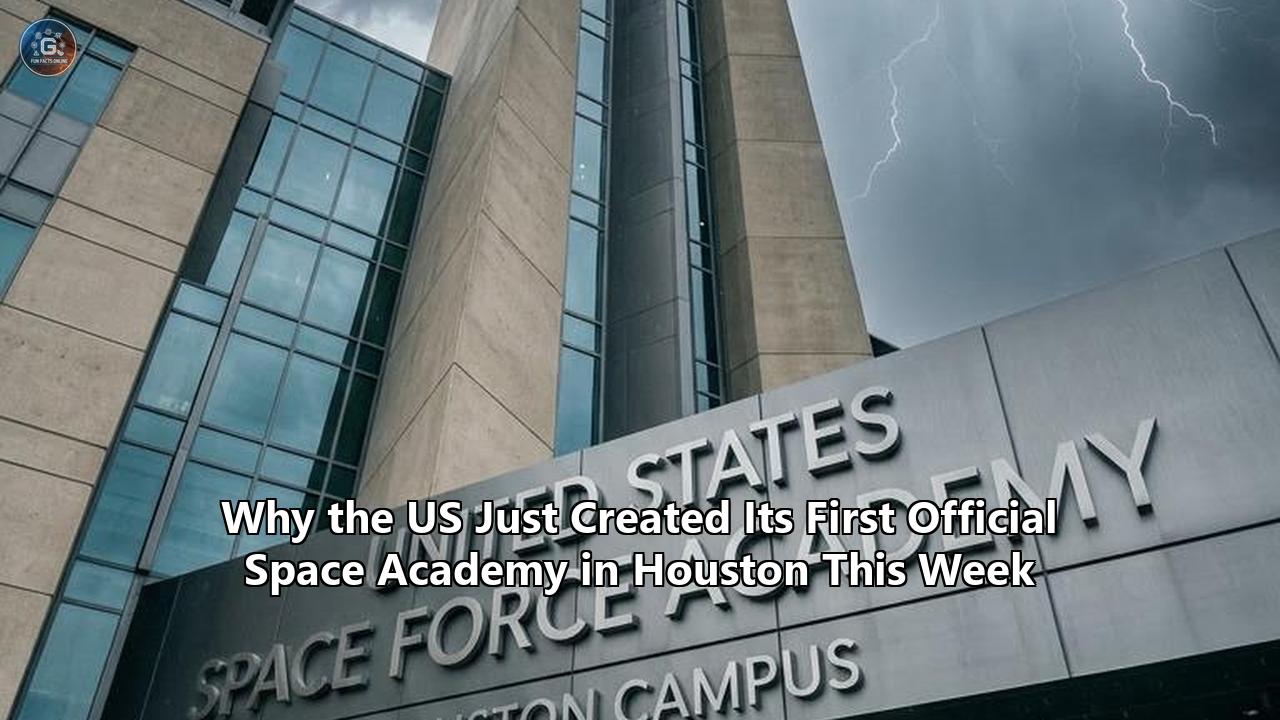
Standing inside the Christopher C. Kraft Jr. Mission Control Center complex at NASA’s Johnson Space Center on August 28, 2026, President Donald Trump signed an executive order initiating the creation of the nation’s first dedicated, degree-granting U.S. Space Academy. The ceremony, originally convened to award the Congressional Space Medal of Honor to the four-person crew of Artemis II—Reid Wiseman, Victor Glover, Christina Koch, and Jeremy Hansen—quickly shifted into a foundational policy announcement for American aerospace training.
The order establishes a presidential commission led by NASA Administrator Jared Isaacman alongside Defense Secretary Pete Hegseth, Air Force Secretary Troy Meink, and White House Office of Management and Budget Director Russ Vought. Tasked with delivering a binding operational blueprint within 120 days, the panel must resolve governance models, graduate service requirements, statutory pathways, and campus selection.
While the White House weighed competing geographic pitches, the political and infrastructural momentum behind a permanent US Space Academy Houston campus immediately dominated discussions. The decision to establish a standalone federal academy dedicated to the exoatmospheric domain marks a structural departure from how the United States has educated its military, scientific, and technical elites for two centuries. Instead of channeling recruits exclusively into uniform or relying entirely on distributed civilian universities, the new initiative introduces a hybrid institutional model designed to serve military, civil, and commercial demands simultaneously.
The Institutional Model: West Point vs. Kings Point
The central structural tension in designing the academy lies in its legal classification and graduate pipeline. Since 1802, the United States has relied on dedicated service academies—the U.S. Military Academy at West Point, the Naval Academy at Annapolis, and the Air Force Academy at Colorado Springs—to produce career officers bound to their respective branches by mandatory active-duty commitments.
┌─────────────────────────────────────────────────────────────────────────┐
│                      FEDERAL ACADEMY TRADEOFFS                          │
├────────────────────────────┬────────────────────────────────────────────┤
│ Traditional Military Model │ Hybrid Civil-Military Model                │
│ (West Point, USAFA)        │ (Proposed US Space Academy / Kings Point)  │
├────────────────────────────┼────────────────────────────────────────────┤
│ • 100% active-duty comms.  │ • Split service options: Space Force,      │
│ • Uniform tactical focus   │   NASA civil service, commercial defense   │
│ • Title 10 DoD governance  │ • Dual-domain curriculum (Orbital War      │
│ • Military insularity      │   + Deep-Space Exploration Engineering)    │
│                            │ • Title 51 / Title 10 Joint Governance     │
└────────────────────────────┴────────────────────────────────────────────┘
The U.S. Space Force, established in December 2019, has historically commissioned its Guardians through the Air Force Academy, civilian ROTC detachments, and Officer Training School (OTS). However, senior defense strategists have consistently argued that orbital mechanics, cyber warfare, electromagnetic spectrum management, and cislunar monitoring require a distinct intellectual foundation rather than one borrowed from atmospheric combat doctrines.
Rather than mirroring West Point or the Air Force Academy outright, administration officials indicate the institution will follow the blueprint of the U.S. Merchant Marine Academy (USMMA) at Kings Point, New York.
The Merchant Marine Precedent
Under the Kings Point framework, students attend on full federal scholarships in exchange for a mandatory service obligation that accommodates multiple sectors:
- Active-duty military commissioning (U.S. Space Force or naval/air branches).
- Civilian federal service within NASA, the National Oceanic and Atmospheric Administration (NOAA), or the National Reconnaissance Office (NRO).
- Employment within the private defense industrial base or commercial launch operators under a reserve commitment.
This multi-track pipeline directly addresses the unique nature of the modern space economy. Unlike land, sea, or air warfare, where tactical operations are overwhelmingly restricted to government hardware, the space domain relies on shared infrastructure. Commercial entities launch national security payloads, operate commercial space stations, manage mega-constellations in low Earth orbit (LEO), and build lunar surface landers.
Confining the institution’s graduates to strict military service would sever the talent pipeline from the civilian and commercial firms driving hardware cycles. Conversely, leaving training entirely to the private sector risks leaving critical defense capabilities without standardized, security-cleared technical leadership.
Centralized Federal Academy vs. Distributed University Pipelines
The creation of a centralized institution has ignited sharp debate across academic and defense policy communities. Critics question whether spending hundreds of millions of dollars on a new undergraduate institution makes economic sense when established civilian institutions already run top-tier aerospace programs.
┌─────────────────────────────────────────────────────────────────────────┐
│                    TALENT PIPELINE COMPARISON                           │
├────────────────────────────┬────────────────────────────────────────────┤
│ Centralized Academy        │ Distributed University System              │
├────────────────────────────┼────────────────────────────────────────────┤
│ • Standardized security    │ • Massively diversified research base      │
│   clearance pipeline       │ • Scalable capacity across 50 states       │
│ • Shared institutional     │ • Zero direct federal capital expenditure  │
│   ethos and doctrine       │   for campus construction                  │
│ • Custom-built lunar/Mars  │ • High attrition risk to commercial tech   │
│   simulation assets        │   firms outside aerospace                  │
└────────────────────────────┴────────────────────────────────────────────┘
Opponents of a dedicated academy advocate for expanding the National Space Grant College and Fellowship Program alongside dedicated Space Force ROTC units at institutions like Purdue, MIT, Georgia Tech, Stanford, and Texas A&M.
The Scalability Argument
Civilian universities currently graduate tens of thousands of STEM majors annually, providing the breadth of disciplines required for modern aerospace—from advanced materials science to artificial intelligence and additive manufacturing. A single academy, likely capped at an enrollment of 1,000 to 4,000 students, represents a fraction of that overall output.
"Many universities offer high-quality degree programs focused on space and space-related subjects," noted former NASA historian and policy analyst Marcia Smith, questioning the need for an independent public expense when existing university ecosystems are already optimized for technical degrees.
The Doctrinal Argument
Proponents of the federal academy counter that standard university engineering programs do not provide the integrated operational immersion, high-level security clearance processing, and specialized cislunar tactical training required for next-generation missions.
A dedicated federal academy provides four operational advantages that distributed universities struggle to match:
- Integrated Multi-Domain Curriculum: Cadets study orbital maneuvering, space-based directed energy, rendezvous and proximity operations (RPO), and planetary geology within a single, unified degree structure.
- Early-Stage Security Clearance Processing: Students graduate with active Top Secret/SCI clearances, eliminating the 12- to 18-month post-graduate onboarding bottlenecks that currently stall federal aerospace hires.
- Dedicated Physical Testbeds: Access to high-vacuum operational bays, full-scale lunar simulant yards, and real-time hardware-in-the-loop orbital simulation arrays directly integrated into daily instruction.
- Service Obligation Enforcement: In exchange for full tuition coverage, graduates are bound to public service, stemming the brain drain of specialized engineers migrating to non-aerospace tech conglomerates.
Regional Contenders: The Battle for the Academy Campus
While the 120-day presidential commission evaluates national proposals, intense inter-state competition has emerged over where the academy will be permanently built. Five distinct regions represent competing philosophies of aerospace dominance.
┌─────────────────────────────────────────────────────────────────────────┐
│                      REGIONAL SITE CONTENDERS                           │
├──────────────────┬──────────────────────────────────────────────────────┤
│ Region           │ Core Strategic Pitch                                 │
├──────────────────┼──────────────────────────────────────────────────────┤
│ Houston, TX      │ Human spaceflight mission control, deep-space        │
│                  │ exploration nexus, $200M A&M lunar facility          │
├──────────────────┼──────────────────────────────────────────────────────┤
│ Colorado Springs │ U.S. Space Command, Space Operations Command,        │
│                  │ established USAFA infrastructure                     │
├──────────────────┼──────────────────────────────────────────────────────┤
│ Huntsville, AL   │ Propulsion engineering, Marshall Space Flight Center,│
│                  │ Redstone Arsenal defense cluster                     │
├──────────────────┼──────────────────────────────────────────────────────┤
│ Space Coast, FL  │ High-tempo orbital launch complexes, Kennedy Space   │
│                  │ Center, Cape Canaveral Space Force Station           │
├──────────────────┼──────────────────────────────────────────────────────┤
│ El Segundo, CA   │ Space Systems Command, defense acquisitions nexus,   │
│                  │ commercial aerospace design hubs                     │
└──────────────────┴──────────────────────────────────────────────────────┘
[Colorado Springs, CO]
• Space Command HQ
• USAFA Co-location
│
▼
[El Segundo, CA] ───────► [HOUSTON, TX] ◄─────── [Huntsville, AL]
• Space Systems Command • Johnson Space Center • MSFC Propulsion
• Commercial Design Hub • Texas Space Comm. • Defense Complex
• TAMU Space Institute
▲
│
[Space Coast, FL]
• Launch Operations
• Space Force StationThe Case for Houston
The push to establish the US Space Academy Houston campus centers on the city's role as the command center for American human spaceflight. Houston hosts NASA’s Johnson Space Center, the Christopher C. Kraft Jr. Mission Control Center, and the primary astronaut training corps.
Beyond legacy infrastructure, the state of Texas has committed significant capital to consolidate space development:
- The Texas Space Commission, created by the state legislature, holds a multi-million-dollar war chest to finance aerospace research, workforce development, and corporate integration.
- Texas A&M University broke ground on its $200 million Space Institute directly adjacent to Johnson Space Center. Spanning 400,000 square feet, the complex includes 234,000 square feet of dedicated indoor lunar and Martian surface simulation environments—the largest indoor planetary testbeds built to date.
- Commercial lunar lander and rover developers, including Intuitive Machines and Astrolab, have established operational test facilities at the site to prepare vehicles for NASA's Artemis lunar surface campaigns.
During the August announcement, Senator Ted Cruz aggressively lobbied the White House to designate the Houston cluster as the permanent home for the institution, pointing to the immediate availability of neighboring land and shared simulation infrastructure.
The Colorado Springs Defense Nexus
Colorado Springs offers an alternative rooted in national defense infrastructure. The city hosts U.S. Space Command headquarters, Space Operations Command (SpOC), Peterson Space Force Base, and Schriever Space Force Base, alongside the existing Air Force Academy campus. Proponents of a Colorado location argue that co-locating the Space Academy near operational military space wings simplifies shared faculty, classified laboratory access, and security logistics.
However, detractors emphasize that placing a new space academy inside the defense-heavy Colorado corridor would reinforce military priorities at the expense of NASA’s civilian exploration mandate and commercial sector integration.
The Space Coast, Huntsville, and Southern California
Florida’s Space Coast (Brevard County) frames its bid around physical launch cadence, offering students front-row exposure to multi-weekly orbital launches conducted by NASA, Space Force Space Launch Delta 45, SpaceX, and Blue Origin.
Huntsville, Alabama, leverages the deep propulsion lineage of NASA's Marshall Space Flight Center, the U.S. Army Space and Missile Defense Command, and the defense industrial complex at Redstone Arsenal.
Meanwhile, El Segundo, California, points to the presence of the Space Force’s Space Systems Command (SSC) and the concentration of legacy aerospace prime contractors and Silicon Valley-backed space startups across the Los Angeles basin.
Civilian Exploration vs. Military Operational Readiness
The academy’s founding highlights an enduring philosophical and structural divide in American space policy: the separation of peaceful civilian exploration from military deterrence.
When Congress passed the National Aeronautics and Space Act of 1958, it deliberately established NASA as an open, civilian agency dedicated to scientific discovery, intentionally distinct from Department of Defense missile and surveillance activities. The creation of a single national academy that trains both NASA flight directors and Space Force Guardians tests this historic boundary.
┌─────────────────────────────────────────────────────────────────────────┐
│                    CULTURE & DOCTRINE BALANCING                         │
├────────────────────────────┬────────────────────────────────────────────┤
│ NASA Civil Exploration     │ U.S. Space Force Defense                   │
├────────────────────────────┼────────────────────────────────────────────┤
│ • Open scientific inquiry  │ • Classified operational security          │
│ • International coalitions │ • Threat mitigation, electronic warfare,   │
│   (Artemis Accords, ESA)   │   and space situational awareness (SSA)    │
│ • Public dissemination of  │ • Deterrence against counter-space weapons │
│   data, findings, and code │   and orbital asset interference           │
│ • Mission profile: Lunar   │ • Mission profile: Protecting sovereign    │
│   bases, Mars exploration  │   LEO/GEO constellations & cislunar lanes  │
└────────────────────────────┴────────────────────────────────────────────┘
NASA Administrator Jared Isaacman framed the institution as an undergraduate engine for civilian science, deep-space logistics, and nuclear space propulsion. "President Trump’s vision for a new academy is a transformational step to educate the engineers, scientists, technicians, operators, and even the astronauts who will be necessary for the inspiring future we are pursuing in space," Isaacman stated following the executive order signing.
In contrast, defense officials focus on the escalating contested environment in Earth orbit. Adversary nations have deployed kinetic anti-satellite (ASAT) weapons, co-orbital inspection satellites capable of robotic interference, high-powered ground-based lasers, and sophisticated uplink/downlink jamming systems.
Balancing these two missions creates tangible curricular and administrative hurdles:
- Information Security Controls: Integrating international students or civilian researchers into an institution that conducts classified military modeling could trigger strict International Traffic in Arms Regulations (ITAR) and Export Administration Regulations (EAR) complications.
- Faculty Composition: Designing a tenure track that accommodates civilian planetary geologists alongside active-duty military tacticians specializing in space control doctrines.
- Student Culture: Reconciling the strict hierarchical discipline of a service academy with the flexible, risk-tolerant culture common across high-velocity commercial aerospace startups.
International Paradigms: How Other Powers Train Space Personnel
The American initiative to build a hybrid academy responds directly to centralized aerospace training models developed by major strategic competitors, most notably China and Russia.
┌──────────────────────────────────────────────────────────────────────────────────────────┐
│                             GLOBAL SPACE TRAINING SYSTEMS                                │
├───────────────┬────────────────────────────┬─────────────────────────────────────────────┤
│ Nation        │ Primary Institutions       │ Operational Model                           │
├───────────────┼────────────────────────────┼─────────────────────────────────────────────┤
│ United States │ Proposed US Space Academy  │ Hybrid military-civilian; full scholarship  │
│               │ (Houston, TX framework)    │ with multi-track public/commercial service  │
├───────────────┼────────────────────────────┼─────────────────────────────────────────────┤
│ China         │ Beihang University, Harbin │ Fully integrated civil-military fusion;     │
│               │ Institute of Technology    │ state-directed placement into PLA aerospace │
├───────────────┼────────────────────────────┼─────────────────────────────────────────────┤
│ Russia        │ Gagarin Research & Test    │ Centralized, state-run military-to-civilian │
│               │ Cosmonaut Training Center  │ cosmonaut corps with specialized institutes │
├───────────────┼────────────────────────────┼─────────────────────────────────────────────┤
│ European      │ International Space        │ Distributed university network with         │
│ Union / ESA   │ University (ISU), ESA Labs │ multinational civilian agency coordination  │
└───────────────┴────────────────────────────┴─────────────────────────────────────────────┘
The Chinese Model: Military-Civil Fusion
China structures its aerospace talent pipeline through a state-directed civil-military fusion system. Elite technical universities—most notably Beihang University (formerly Beijing Institute of Aeronautics and Astronautics) and the Harbin Institute of Technology (HIT)—operate under direct guidance from the Ministry of Industry and Information Technology (MIIT).
Graduates transition directly into the People's Liberation Army (PLA) Strategic Support and Aerospace Forces, the China Aerospace Science and Technology Corporation (CASC), or the China National Space Administration (CNSA). Research projects, simulation facilities, and academic curricula are fully synchronized with national strategic goals, allowing rapid deployment of engineers into orbital defense, quantum communications, and lunar exploration programs.
The Russian Model: The Cosmonaut Pipeline
Russia relies on a heritage infrastructure inherited from the Soviet space program, anchored by the Gagarin Research & Test Cosmonaut Training Center in Star City (Zvyozdny Gorodok) outside Moscow.
While technically comprehensive, Russia’s pipeline remains heavily centralized around state corporation Roscosmos and the military, struggling with aging infrastructure and capital constraints. Unlike the proposed American model, Russia lacks a vibrant commercial space sector capable of absorbing graduates or co-funding joint technical facilities.
The European Model: Distributed Multilateralism
The European Space Agency (ESA) relies on distributed academic networks across member states, drawing researchers from technical universities in Germany, France, Italy, and the UK, supplemented by specialized post-graduate institutions like the International Space University (ISU) in Strasbourg. While academically rigorous, Europe's model lacks a unified sovereign command structure, creating bureaucratic friction across multi-state procurement programs.
The U.S. Space Academy model aims to combine the focused national direction of the Chinese system with the commercial dynamism and entrepreneurial flexibility unique to the American private space market.
Curricular Architecture and Technical Capabilities
Unlike legacy military academies where coursework balances humanities, physical fitness, and conventional tactical leadership, the proposed curriculum at the US Space Academy Houston site is being engineered around four technical pillars:
┌─────────────────────────────────────────────────────────────────────────┐
│                     PROPOSED CORE ACADEMIC PILLARS                      │
├────────────────────────────┬────────────────────────────────────────────┤
│ 1. Astrodynamics &         │ Non-Keplerian trajectory design, low-thrust│
│    Cislunar Logistics      │ ion propulsion, Lagrange point navigation  │
├────────────────────────────┼────────────────────────────────────────────┤
│ 2. Space Domain            │ Multi-spectral optical tracking, radar     │
│    Awareness & Cyber       │ cross-section analysis, resilient comms    │
├────────────────────────────┼────────────────────────────────────────────┤
│ 3. Autonomous Robotic      │ Autonomous rendezvous & proximity ops,     │
│    Systems & AI            │ remote manipulation, in-situ servicing     │
├────────────────────────────┼────────────────────────────────────────────┤
│ 4. Planetary Surface       │ In-situ resource utilization (ISRU), closed│
│    Engineering & ISRU      │ loop life support, regolith processing     │
└────────────────────────────┴────────────────────────────────────────────┘
┌──────────────────────────────┐
│ CORE UNDERGRADUATE TRACK │
│ (Astrodynamics & Mechanics) │
└──────────────┬───────────────┘
│
┌────────────────────────┴────────────────────────┐
▼ ▼
┌──────────────────────────────┐ ┌──────────────────────────────┐
│ MILITARY TRACK │ │ CIVIL & COMMERCIAL TRACK │
│ (Space Force Guardians) │ │ (NASA Engineers & Industry) │
├──────────────────────────────┤ ├──────────────────────────────┤
│ • Counter-Space Tactics │ │ • Closed-Loop Life Support │
│ • Electronic Warfare │ │ • Planetary Geology / Mining │
│ • Cyber Defense in LEO/GEO │ │ • Spacecraft Additive Mfg. │
│ • Cislunar Threat Tracking │ │ • Commercial Flight Software │
└──────────────────────────────┘ └──────────────────────────────┘1. Astrodynamics and Cislunar Orbital Mechanics
Standard aerospace curricula focus heavily on atmospheric aerodynamics, lift-to-drag ratios, and classical orbital mechanics. The new academy curriculum shifts focus toward three-body gravitational dynamics, non-Keplerian orbital trajectories, low-thrust electric propulsion transfers, and stable transit orbits throughout the Earth-Moon system.
2. Space Domain Awareness and Orbital Electronic Warfare
Students will receive hands-on training in processing real-time sensor streams from global phased-array radars, optical tracking stations, and space-based infrared sensors. Coursework will cover satellite communication hardening, anti-jamming protocols, quantum key distribution, and laser-based optical communications networks.
3. Robotic Autonomy and Autonomous Rendezvous Proximity Operations (RPO)
Given the speed of orbital dynamics and communication latency across cislunar distances, real-time human control is often unfeasible. Cadets will study machine learning architectures, autonomous optical navigation, and computer vision systems for in-space servicing, assembly, and manufacturing (ISAM) missions.
4. In-Situ Resource Utilization (ISRU) and Extreme-Environment Engineering
Training for sustained lunar and Martian surface architecture requires expertise in extracting water ice from permanently shadowed lunar craters, oxygen separation from regolith, autonomous construction techniques using local materials, and space nuclear power integration.
The Commercial Retention Dilemma
A major policy challenge facing the presidential commission is the commercial retention dilemma. Educating a cadet through a four-year federal service academy costs taxpayers roughly $300,000 to $500,000.
In conventional military academies, graduates are legally bound to complete a minimum five-year active-duty service commitment. If the Space Academy adopts a flexible model allowing graduates to enter the commercial space industry directly, it risks functioning as a government-subsidized training ground for private aerospace corporations.
┌─────────────────────────────────────────────────────────────────────────┐
│                      SERVICE OBLIGATION PATHS                           │
├────────────────────┬────────────────────────────────────────────────────┤
│ Career Path        │ Proposed Service Commitment Mechanism              │
├────────────────────┼────────────────────────────────────────────────────┤
│ Military           │ 5 years active duty as commissioned Space Force    │
│ (Space Force)      │ Officer (Guardian)                                 │
├────────────────────┼────────────────────────────────────────────────────┤
│ Civil Service      │ 6–8 years full-time civilian service at NASA, NRO, │
│ (NASA / DoD)       │ NOAA, or federal national laboratories             │
├────────────────────┼────────────────────────────────────────────────────┤
│ Commercial         │ 4 years at certified defense/aerospace contractor  │
│ Industry           │ + 6 years active Space Force Reserve commitment    │
└────────────────────┴────────────────────────────────────────────────────┘
To resolve this issue, the advisory commission is structuring a tiered service commitment:
- Option A (Military Track): A five-year active-duty commission in the U.S. Space Force.
- Option B (Civil Agency Track): A six-to-eight-year commitment as a civilian engineer or scientist within NASA, the Department of Defense, or the intelligence community.
- Option C (Commercial Industry Track): Direct employment with an approved domestic space contractor, paired with a mandatory six-year active reserve commitment in the Space Force Reserve or National Guard.
Failure to fulfill these service commitments would trigger an automatic conversion of all four years of tuition, room, and board into standard federal student loans due with accrued interest.
Strategic Implications and Next Steps
The establishment of the Space Academy highlights a broader transformation in how the United States approaches the orbital economy and deep-space infrastructure. Space is no longer treated solely as a scientific research domain or a supporting communications layer for terrestrial forces—it is recognized as an active economic and geopolitical operating theater.
Over the next 120 days, several key milestones will determine the academy's exact trajectory:
┌─────────────────────────────────────────────────────────────────────────┐
│                      120-DAY IMPLEMENTATION TIMELINE                    │
├────────────┬────────────────────────────────────────────────────────────┤
│ Window     │ Milestone & Deliverables                                   │
├────────────┼────────────────────────────────────────────────────────────┤
│ Days 1–30  │ Presidential Commission convening led by Jared Isaacman,   │
│            │ Pete Hegseth, and Troy Meink                               │
├────────────┼────────────────────────────────────────────────────────────┤
│ Days 31–60 │ Site evaluation visits to Houston, Colorado Springs,       │
│            │ Huntsville, Space Coast, and Los Angeles                   │
├────────────┼────────────────────────────────────────────────────────────┤
│ Days 61–90 │ Legislative draft preparation for Title 10/Title 51        │
│            │ congressional authorization in the defense budget          │
├────────────┼────────────────────────────────────────────────────────────┤
│ Day 120    │ Final report delivered to the White House with site,       │
│            │ governance structure, and first class admission targets    │
└────────────┴────────────────────────────────────────────────────────────┘
The long-term development of a permanent US Space Academy Houston footprint will hinge on upcoming legislative negotiations. Congress must pass statutory authorizations to formally establish the school, establish its degree-granting authority, and allocate initial capital construction funding within upcoming defense and science appropriations bills.
As NASA prepares for lunar surface landings under the Artemis campaign and the Space Force deploys new cislunar tracking constellations, the demand for cross-trained personnel will only intensify. Whether this federal academy successfully creates a sustainable talent pipeline—or runs into institutional friction between military readiness and civilian science—will depend on how its foundational charter is written in the coming months.
Reference:
- https://www.military.com/trump-signs-order-to-create-us-space-academy-a-new-pipeline-for-space-force-and-nasa
- https://www.houstonchronicle.com/news/houston-texas/space/article/trump-space-academy-nasa-houston-22408143.php
- https://www.aljazeera.com/news/2026/8/28/president-donald-trump-signs-order-creating-us-space-academy
- https://www.space.com/space-exploration/its-going-to-be-beautiful-president-trump-signs-order-to-create-us-space-academy
- https://www.nasa.gov/news-release/president-trump-signs-executive-order-to-create-us-space-academy/
- https://www.cbsnews.com/news/trump-signs-executive-order-to-create-a-us-space-academy/
- https://www.youtube.com/watch?v=BM7Q4T5Atr8
- https://houston.org/news/texas-am-space-institute-tops-out-attracts-new-tenants/
- https://www.houston.org/news/nasa-taps-texas-to-strengthen-skilled-aerospace-workforce/
- https://space.tamu.edu/institute/facility/
- https://en.wikipedia.org/wiki/Johnson_Space_Center