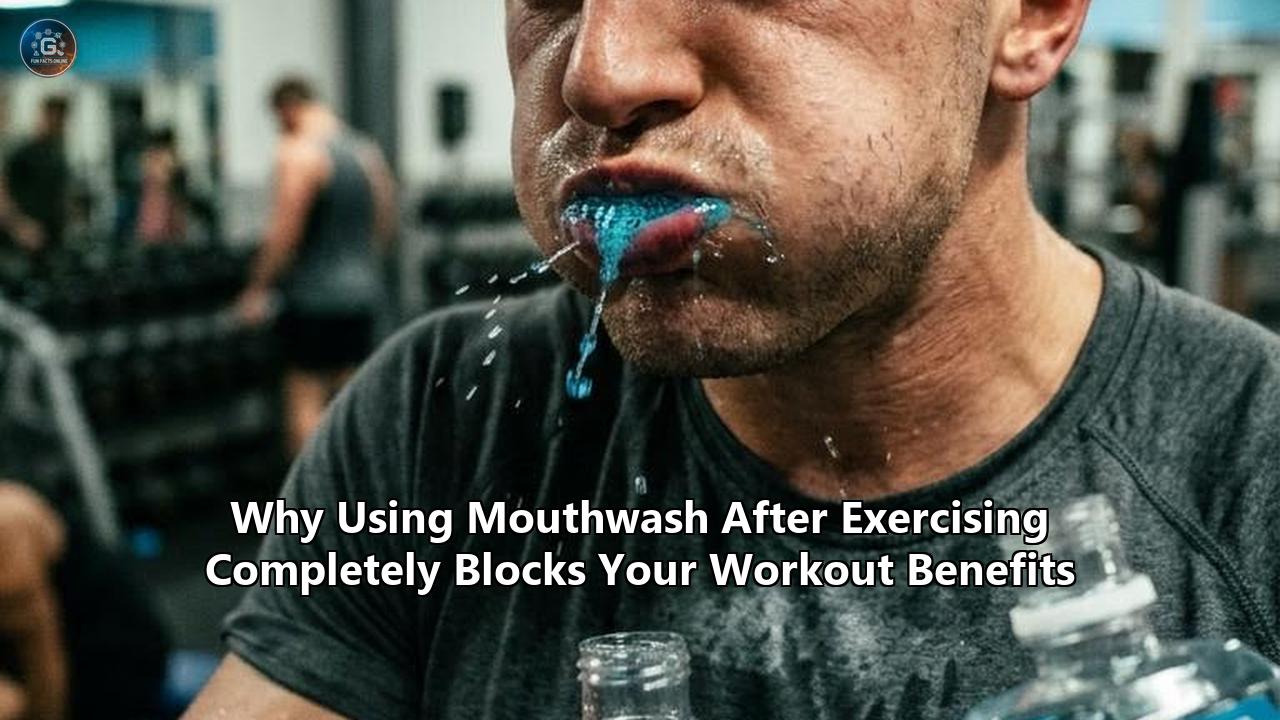
When a team of exercise physiologists and oral health scientists at the University of Plymouth published clinical trials examining the systemic effects of post-workout oral care, their findings disrupted a foundational assumption in sports medicine. For decades, scientists believed that post-exercise hypotension—the sustained lowering of blood pressure that occurs after physical activity—was driven entirely by autonomous human physiology: endothelial nitric oxide synthase, neural sympathetic withdrawal, and local metabolic autoregulation.
The research revealed something entirely different: human beings cannot fully process the vascular benefits of physical exertion on their own. Instead, sustained post-exercise vasodilation depends on a symbiotic metabolic loop carried out by bacteria living on the surface of the tongue.
When clinical trial subjects rinsed with a common over-the-counter antibacterial mouthwash following a treadmill workout, the expected reduction in systolic blood pressure was blunted by 61% during the first hour of recovery and completely eradicated by the two-hour mark. Blood samples confirmed that eliminating oral bacteria prevented the post-workout rise in circulating plasma nitrite—the key molecular driver of vascular relaxation.
Using mouthwash after exercise directly sabotages one of the most critical cardiovascular adaptations triggered by physical activity. This finding serves as a compelling case study in physiological interconnectedness, demonstrating how a routine hygiene habit can unwittingly break an essential host-microbiome circuit.
┌─────────────────────────────────────────────────────────────────────────┐
│              THE ENTEROSALIVARY NITRATE-NITRITE-NO PATHWAY             │
└─────────────────────────────────────────────────────────────────────────┘

 1. EXERCISE      ➜ Endothelial cells generate Nitric Oxide (NO)
                     NO rapidly oxidizes into Nitrate (NO₃⁻) in blood
                                       │
                                       ▼
 2. TRANSPORT     ➜ Active circulation delivers NO₃⁻ to salivary glands
                     Salivary glands concentrate NO₃⁻ 10x higher than blood
                                       │
                                       ▼
 3. REDUCTION     ➜ Tongue bacteria (Veillonella, Actinomyces, Rothia)
                     use nitrate reductase to convert NO₃⁻ ➜ Nitrite (NO₂⁻)
                     *HUMANS LACK THIS ENZYME*
                                       │
                        ┌──────────────┴──────────────┐
                        │                             │
                  [PLACEBO RINSE]            [ANTIBACTERIAL MOUTHWASH]
                        │                             │
                        ▼                             ▼
 4. RECOVERY      ➜ Nitrite swallowed           ➜ Bacteria wiped out
                     Converted back to NO          Nitrite synthesis blocked
                     Vessels stay dilated          Vessels constrict prematurely
                     BP drops (-5.2 mmHg)          BP reduction erased (-2.0 mmHg)
                     Nutrient delivery maxed       Vascular benefits lost
The Case Study: Dismantling the Endothelial Myth
To understand how a chemical rinse can undo an intense workout, one must examine the specific trial parameters established by lead researcher Dr. Raul Bescos and his colleagues at the University of Plymouth, collaborating with the Centre for Genomic Regulation in Barcelona.
The trial targeted a well-documented phenomenon known as post-exercise hypotension (PEH). When an individual exercises, cardiac output increases and blood vessels expand to deliver oxygenated blood to contracting skeletal muscle tissues. After exercise stops, systemic vascular resistance remains lowered for several hours, causing blood pressure to settle below pre-exercise baseline levels. PEH is not a passive artifact of fatigue; it is a primary therapeutic mechanism through which physical activity treats essential hypertension, reduces arterial stiffness, and enhances long-term endothelial function.
POST-EXERCISE SYSTOLIC BLOOD PRESSURE RESPONSE (1-2 HOURS RECOVERY)

Baseline Change (mmHg)
  0 ─────────────────────────────────────────────────────────────
 -1
 -2 ─────────────── [ANTIBACTERIAL MOUTHWASH] (-2.0 mmHg at 1 hr / 0 mmHg at 2 hr)
 -3
 -4
 -5 ─────────────── [CONTROL / WATER RINSE] (-5.2 mmHg sustained drop)
 -6
For decades, exercise physiologists attributed PEH exclusively to the classic endogenous pathways:
- Direct mechanical shear stress on the inner lining of arteries triggers endothelial nitric oxide synthase (eNOS).
- eNOS converts L-arginine into nitric oxide ($\text{NO}$), a gas that diffuses into vascular smooth muscle cells, stimulating soluble guanylyl cyclase (sGC) to produce cyclic guanosine monophosphate ($\text{cGMP}$), which forces the vascular wall to relax.
However, pharmacological attempts to isolate this pathway revealed a paradox. When researchers administered eNOS inhibitors after exercise, post-exercise hypotension was attenuated, but not completely suppressed. A secondary mechanism had to be sustaining vessel dilation long after exercise had ceased.
The Plymouth study isolated this missing variable. Healthy male and female participants completed two separate treadmill sessions at moderate intensity ($65\%$ of $\text{VO}_2$ peak) for 30 minutes. During the recovery window, subjects rinsed their mouths at 1, 30, 60, and 90 minutes post-exercise with either a mint-flavored placebo (water) or an antibacterial rinse containing $0.2\%$ chlorhexidine gluconate—a gold-standard broad-spectrum antiseptic.
The physiological divergent outcomes were stark:
- Placebo Control Group: Experienced a prompt and sustained drop in systolic blood pressure, averaging a reduction of $-5.2 \text{ mmHg}$ at 60 minutes post-workout. Plasma nitrite concentrations rose significantly, corresponding with enhanced tissue oxygenation in peripheral skeletal muscle.
- Mouthwash Group: Rinsing with mouthwash after exercise reduced the systolic blood pressure drop to just $-2.0 \text{ mmHg}$ at 60 minutes. By 120 minutes post-exercise, the blood pressure-lowering benefit in the mouthwash group was completely gone, returning subjects to their pre-workout baseline, while the placebo group retained significant hypotension.
Blood analysis provided the molecular proof. In the placebo group, plasma nitrite levels elevated steadily throughout the two-hour recovery window. In the group that used mouthwash after exercise, circulating nitrite levels failed to rise at all.
The chemical rinse had selectively wiped out the oral bacterial colonies responsible for transforming salivary nitrate into bioavailable nitrite, effectively severing the vascular signal mid-transit.
PLASMA NITRITE & VASCULAR RECOVERY TRAJECTORY

Circulating Nitrite (nM)
   │
300│                                    ▲ Control (Water Rinse)
250│                             ▲───────
200│                      ▲──────
150│               ▲──────
100│───────────────■────────────────────■ Antibacterial Mouthwash
 50│
  0└──────────────────────────────────────────────
   Pre-Workout   30-Min Post   60-Min Post   120-Min Post
The Nitrate-Nitrite-Nitric Oxide Pathway: A Co-Evolved Circuit
To comprehend why this metabolic breakdown occurs, one must look at human genomic limitations. Mammalian cells express three forms of nitric oxide synthase enzymes: endothelial ($\text{eNOS}$), neuronal ($\text{nNOS}$), and inducible ($\text{iNOS}$). These enzymes rely on L-arginine and oxygen to synthesize $\text{NO}$.
However, the $\text{eNOS}$ pathway is inherently self-limiting. As nitric oxide is synthesized, it reacts quickly with oxygenated hemoglobin and reactive oxygen species, degrading into nitrate ($\text{NO}_3^-$) within seconds.
For generations, biological textbooks taught that nitrate ($\text{NO}_3^-$) was an inert metabolic waste product destined for urinary excretion. That model missed an entire system of recycling. Humans possess an enterosalivary circulation loop that actively reclaims nitrate from the bloodstream.
                                SYSTEMIC CIRCULATION
                                         │
                   ┌─────────────────────┴─────────────────────┐
                   ▼                                           ▼
         Salivary Glands (10x Conc)                 Kidneys (Excretion)
                   │
                   ▼
            Saliva (NO₃⁻)
                   │
                   ▼
         Tongue Microenvironment
     (Veillonella, Actinomyces)
                   │
                   │ [Nitrate Reductase Enzymes]
                   ▼
            Saliva (NO₂⁻)
                   │
                   ▼
            Swallowed to Stomach
                   │
                   ▼
         Gastric Acid (H⁺ + NO₂⁻ ➜ NO)
                   │
                   ▼
        Systemic Absorption (NO₂⁻)
                   │
                   ▼
      Peripheral Hypoxic/Acidic Tissue
     (Deoxyhemoglobin converts NO₂⁻ ➜ NO)
                   │
                   ▼
       Sustained Vasodilation & Recovery
The human body absorbs circulating nitrate—both generated endogenously from exercise and ingested through nitrogen-rich vegetables like beets and spinach—and concentrates it in the salivary glands. Salivary nitrate concentrations reach levels 10 times higher than those in systemic plasma.
When saliva is secreted into the oral cavity, it coats the posterior surface of the tongue, where dense biofilms of facultative anaerobic bacteria reside.
Here is the central evolutionary constraint: Human DNA lacks the gene to express nitrate reductase enzymes. Humans cannot convert nitrate ($\text{NO}_3^-$) into nitrite ($\text{NO}_2^-$). We are entirely dependent on specialized oral bacteria to perform this chemical reduction.
The Key Bacterial Species
The primary microbial drivers of this pathway include specific taxa:
- Veillonella atypica
- Veillonella dispar
- Actinomyces odontolyticus
- Rothia mucilaginosa
- Rothia dentocariosa
- Haemophilus parainfluenzae
These species utilize nitrate as a terminal electron acceptor during respiration, reducing $\text{NO}_3^-$ to $\text{NO}_2^-$ via bacterial nitrate reductases (e.g., NarGHI enzyme complexes).
When these microbes process salivary nitrate, they secrete massive amounts of nitrite ($\text{NO}_2^-$) back into the mouth. The host then swallows this nitrite-rich saliva. Upon reaching the acidic environment of the stomach, a portion of this nitrite is reduced instantly to nitric oxide gas ($\text{NO}$), killing gut pathogens and improving gastric mucosal blood flow.
The remaining nitrite enters the small intestine, passes into systemic circulation, and travels through the bloodstream.
When circulating nitrite reaches peripheral tissues—particularly skeletal muscle beds that are hypoxic and mildly acidic following strenuous physical exercise—it undergoes enzymatic and non-enzymatic reduction back into active nitric oxide gas ($\text{NO}$). This secondary pulse of $\text{NO}$ binds to vascular receptors, sustaining blood vessel relaxation and maintaining elevated muscle blood flow for hours after the workout has concluded.
                          BIOMARKER SPECTRUM COMPARISON

Metric                     Placebo / Water        Antibacterial Mouthwash
──────                     ───────────────        ───────────────────────
Systolic SBP Change        -5.2 mmHg              -2.0 mmHg (61% Loss)
2-Hour Recovery SBP        Sustained Drop         Returned to Baseline
Plasma Nitrite Levels      +35-50% Elevation      0% Elevation (Suppressed)
Tissue Oxygenation (StO₂)  Sustained High         Blunted / Rapid Drop
Glucose Translocation      Optimized GLUT4        Attenuated Sensitivity
When an athlete uses an antibacterial mouthwash after exercise, chemical agents like chlorhexidine, cetylpyridinium chloride (CPC), or high-concentration alcohol flood the oral cavity. Chlorhexidine works by binding to negatively charged bacterial cell walls, disrupting their membrane integrity and causing rapid cell lysis. While this wipes out plaque-forming bacteria like Streptococcus mutans, it also eradicates the nitrate-reducing commensal colonies residing in the crypts of the tongue.
With these bacterial colonies inactivated, the enterosalivary loop breaks. Salivary nitrate accumulates uselessly in the mouth, unable to be converted to nitrite. The host swallows inert nitrate, plasma nitrite levels fall, peripheral blood vessels constrict prematurely, and the systemic benefits of the workout are abruptly truncated.
Broader Physiological Collateral Damage
While post-exercise hypotension is the most easily measured variable, the biological damage caused by post-workout oral antiseptics extends far beyond resting blood pressure values. Nitric oxide serves as a fundamental signaling transducer across multiple human physiological systems. Interrupting its post-workout generation creates a domino effect across recovery pathways.
                  POST-WORKOUT ANTISEPTIC DISRUPTION MATRIX

    ┌─────────────────────────────────────────────────────────────┐
    │             ANTIBACTERIAL MOUTHWASH AFTER EXERCISE          │
    └──────────────────────────────┬──────────────────────────────┘
                                   │
         ┌─────────────────────────┼─────────────────────────┐
         ▼                         ▼                         ▼
┌──────────────────┐      ┌──────────────────┐      ┌──────────────────┐
│  CARDIOVASCULAR  │      │   METABOLIC      │      │  MUSCULOSKELETAL │
├──────────────────┤      ├──────────────────┤      ├──────────────────┤
│• Loss of PEH     │      │• Blunted GLUT4   │      │• Reduced Hyper-  │
│  (-61% drop)     │      │  translocation   │      │  emic perfusion  │
│• Sustained arterial│    │• Reduced acute   │      │• Delayed clearance│
│  stiffness       │      │  insulin sensitivity│   │  of metabolites  │
│• Reduced long-term│     │• Impaired systemic│     │• Suboptimal mitochondrial│
│  eNOS upregulation│     │  glucose disposal │     │  biogenesis signaling│
└──────────────────┘      └──────────────────┘      └──────────────────┘
1. Impaired Skeletal Muscle Perfusion and Metabolite Clearance
During high-intensity exercise, skeletal muscles accumulate metabolic byproducts—including hydrogen ions, lactate, inorganic phosphate, and adenosine. Clearing these metabolites and delivering fresh oxygen, amino acids, and glucose requires hyperemic blood flow.
Nitric oxide generated via the enterosalivary pathway plays a central role in maintaining post-exercise hyperemic perfusion. When mouthwash after exercise abolishes plasma nitrite accumulation, capillary beds within overworked muscles constrict faster than they should. Microvascular perfusion drops, slowing the clearance of metabolic waste, limiting acute oxygenation ($StO_2$), and interfering with the early signaling events that drive tissue repair.
2. Attenuation of Exercise-Induced Insulin Sensitivity
One of the most valuable adaptations to physical training is an increase in insulin sensitivity. Exercise causes skeletal muscle cells to mobilize glucose transporter type 4 (GLUT4) vesicles to the cell membrane, allowing glucose uptake independent of insulin.
Nitric oxide is a direct molecular stimulant of GLUT4 translocation. Research led by Dr. Joseph Beals and colleagues demonstrated that inhibiting nitric oxide generation following exercise impairs acute insulin sensitivity and glucose tolerance. By killing oral nitrate-reducing bacteria, individuals who use antiseptic rinses attenuate the post-exercise increase in glucose disposal. This habit directly undermines workouts aimed at managing type 2 diabetes, metabolic syndrome, or insulin resistance.
                          GLUCOSE DISPOSAL MECHANISM

   Exercise / Muscle Contraction ──► Nitric Oxide (NO) Boost
                                          │
                                          ▼
                             AMPK & sGC Activation
                                          │
                                          ▼
                             GLUT4 Translocation to Membrane
                                          │
                        ┌─────────────────┴─────────────────┐
                        │                                   │
            [NORMAL ENTEROSALIVARY]              [MOUTHWASH USAGE]
                        │                                   │
                        ▼                                   ▼
              Robust Glucose Clearance            Attenuated Glucose Uptake
              Improved Insulin Sensitivity        Suppressed Metabolic Adaptation
3. Long-Term Arterial Remodeling and Vascular Tone
Repeated bouts of exercise-induced hyperemia strain the vascular endothelium in a controlled manner, triggering vascular remodeling, increased capillary density, and upregulated baseline $\text{eNOS}$ expression. This is how long-term exercise lowers baseline resting blood pressure.
When the nitrate-nitrite-$\text{NO}$ secondary cascade is systematically blunted after every workout via antibacterial mouthwash, the total area under the vascular dilation curve is cut in half. Over months of training, this reduction in vascular wall exposure to nitric oxide can damp down the structural vascular remodeling that typically accompanies aerobic conditioning.
The Modern Hygiene Trap: Over-Sanitizing Human Adaptation
The realization that using mouthwash after exercise compromises training outcomes provides a vital window into a broader biological principle: Human health depends on evolutionary signaling pathways that modern hygiene protocols frequently disrupt.
For over a century, the medical and commercial posture toward microbes was governed by a simplified interpretation of Germ Theory: all micro-organisms in human cavities represent disease vectors that should be eliminated. This mindset yielded broad-spectrum chemical agents designed to leave the oral cavity pristine.
However, the human host co-evolved alongside microbial communities for millions of years. In exchange for nutrients and habitat, these microbial populations carry out essential biochemical transformations that human genetics never evolved to perform.
                               THE SANITIZATION PARADOX

   Modern Hygiene Impulse                             Human Biological Architecture
 ┌─────────────────────────┐                        ┌───────────────────────────────┐
 │ Sterilize Microenvironment│                        │ Co-Evolved Symbiotic Loops   │
 │ Kill 99.9% of Bacteria  │                        │ Rely on Microbes for Reductions│
 └────────────┬────────────┘                        └───────────────┬───────────────┘
              │                                                     │
              └───────────────────────┬─────────────────────────────┘
                                      │
                                      ▼
                        CROSS-SYSTEM SIGNAL CANCELLATION

  1. Mouthwash after exercise ──► Destroys Oral Nitrate Reductase ──► Blunts PEH & Vascular Adaptation
  2. Ice Baths Post-Hypertrophy ──► Suppresses Acute Inflammation   ──► Blunts Muscle Protein Synthesis
  3. Megadose Vitamin C/E    ──► Quenches ROS Signaling        ──► Blunts Mitochondrial Biogenesis
This pattern of self-defeating over-sanitization extends well beyond oral rinses. The fitness and health world features multiple examples of interventions where attempting to sterilize or instantly suppress natural biological stress responses inadvertently cancels out the desired training effect:
The ROS Paradox (Antioxidant Overdosing)
During exercise, mitochondria produce reactive oxygen species (ROS). Historically viewed as harmful agents of cellular oxidative stress, exercise physiologists now recognize ROS as critical primary signaling molecules. ROS induce the expression of peroxisome proliferator-activated receptor gamma coactivator 1-alpha ($\text{PGC-1}\alpha$), the master regulator of mitochondrial biogenesis.
When researchers gave athletes high doses of synthetic antioxidants (e.g., $1000\text{ mg}$ Vitamin C combined with Vitamin E) immediately before or after exercise, the antioxidants scavenged these vital ROS molecules. The result? The subjects showed significantly reduced mitochondrial adaptations and blunted training gains compared to those given a placebo.
The Post-Workout Cryotherapy Trap
Cold water immersion (ice baths) immediately following hypertrophy-focused resistance training is widely used to suppress muscle soreness and inflammation.
However, acute post-exercise inflammation—driven by macrophage infiltration and inflammatory cytokines—is the precise biological trigger that activates satellite cells and drives muscle protein synthesis ($\text{MPS}$). Research shows that regular cold water immersion immediately post-workout attenuates the $\text{mTORC1}$ signaling cascade, reducing long-term muscle hypertrophy and strength gains.
The Oral Microbiome Disruption
Just as high-dose antioxidants quench ROS signaling and ice baths suppress hypertrophic inflammatory cascades, broad-spectrum antiseptic rinses extinguish the biochemical signal required for sustained post-workout vasodilation.
All three phenomena stem from the same foundational mistake: treating beneficial biological stress and its complementary signaling systems as defects that need to be erased.
                          PARALLEL PHYSIOLOGICAL BLUNTING

Intervention           Target Mechanism        Intended Outcome     Unintended Consequence
────────────           ────────────────        ────────────────     ──────────────────────
Mouthwash after        Oral Nitrate Reductase  Oral Hygiene         61% reduction in post-workout
Exercise               Bacteria                                     hypotension; lost NO signaling

High-Dose Vitamin C/E  Exercise-Induced ROS    Reduce Oxidative     Suppressed PGC-1α; blunted
Post-Workout                                   Damage               mitochondrial biogenesis

Post-Workout Ice       Acute Muscle            Reduce Soreness /    Attenuated mTORC1 signaling;
Baths (Cryotherapy)    Inflammation            Swelling             reduced hypertrophic growth
Parsing the Oral Antiseptics: Chemical Profiling
Not all mouthwashes affect the oral microbiome and systemic cardiovascular function to the same degree. Understanding the chemical differences between distinct commercial formulations is crucial for evaluating their impact on exercise recovery.
CHEMICAL AGENT IMPACT COMPARISON ON SYSTEMIC NO PATHWAYS

High Impact / Maximal Blunting
 ├── Chlorhexidine Gluconate (0.12% - 0.20%)
 │     └── Broad-spectrum cell lysis; reduces oral nitrate reduction by ~90%
 └── Cetylpyridinium Chloride (CPC 0.05% - 0.07%)
       └── Surfactant disruption; strongly inhibits oral nitrate synthesis

Moderate Impact / Variable Blunting
 ├── Alcohol-Based Essential Oils (e.g., Ethanol + Eucalyptol/Menthol)
 │     └── Denatures proteins; transiently lowers microbial diversity
 └── Hydrogen Peroxide Rinses (1.5% - 3.0%)
       └── Oxidative stress; alters biofilm architecture

Minimal Impact / Neutral / Beneficial
 ├── Isotonic Saline / Fluoride Rinses (Non-Antiseptic)
 │     └── Cleanses debris without bactericidal action
 └── Propolis / Botanical Prebiotic Rinses
       └── Maintains nitrate-producing activity while supporting oral health
Chlorhexidine Gluconate (CHX)
Chlorhexidine is a cationic bisbiguanide with broad-spectrum bactericidal activity. It binds strongly to the cell walls of both Gram-positive and Gram-negative bacteria, disrupting membrane integrity and causing cytoplasmic leakage.
Clinical studies demonstrate that a 7-day regimen of chlorhexidine mouthwash reduces oral nitrate-reduction capacity by up to $90\%$. This drops plasma nitrite levels by $25\%$ and induces a resting blood pressure increase of $2\text{ to }5\text{ mmHg}$ in normotensive and hypertensive individuals. Rinsing with chlorhexidine mouthwash after exercise represents the most severe disruption to post-workout vascular recovery.
Cetylpyridinium Chloride (CPC)
CPC is a cationic quaternary ammonium compound found in many daily consumer mouthwashes. It functions as a surfactant, destroying bacterial cell membranes.
Recent clinical evaluations confirm that CPC rinses also significantly inhibit oral nitrate reduction and blunt systemic post-exercise hypotension. While marketed for daily use, its capacity to disrupt the enterosalivary loop makes it nearly as counterproductive post-exercise as prescription chlorhexidine.
Essential Oils and High-Alcohol Rinses
Formulations combining high-percentage ethanol ($20\text{--}26\%$) with essential oils (menthol, thymol, eucalyptol) function by denaturing bacterial enzymes and disrupting cell walls.
While less persistent than chlorhexidine, high-alcohol essential oil rinses significantly reduce the metabolic activity of tongue-dwelling anaerobes. The acute loss of nitrate-reducing capacity blunts the conversion of salivary nitrate during the crucial two-hour post-exercise window.
Non-Antiseptic Alternatives (Propolis, Fluoride, and Saline)
Emerging research from the University of Plymouth has begun comparing standard chemical mouthwashes against alternative natural and non-bactericidal agents.
A landmark 2025 study investigated propolis mouthwash—a resinous mixture produced by honeybees containing rich concentrations of flavonoids and phenolic compounds. Propolis demonstrated potent anti-inflammatory and targeted antibacterial effects against pathogenic oral strains without suppressing the total nitrogen-producing activity (NPA) of the oral microbiome.
Unlike chlorhexidine, propolis maintained the abundance and functionality of nitrate-producing bacteria, preserving systemic blood pressure regulation while still promoting oral health. Simple isotonic saline or basic non-antiseptic fluoride rinses similarly clean the teeth and gums without harming the commensal microbes driving the enterosalivary loop.
                      MOUTHWASH COMPOUND SPECTRUM

Agent                    Target Mechanics        Effect on Oral Nitrite   Vascular Impact Post-Exercise
──────────────────────   ───────────────────     ──────────────────────   ─────────────────────────────
Chlorhexidine (CHX)      Cationic Cell Lysis     -90% Reduction           Total PEH Suppression
Cetylpyridinium (CPC)    Surfactant Disruption   Significant Drop         Severe PEH Suppression
Essential Oils / Ethanol Protein Denaturation    Moderate Drop            Moderate PEH Attenuation
Propolis Extract         Selective Phenolic      Preserved / Maintained   PEH Fully Retained
Isotonic Saline          Mechanical Debris Wash  No Effect                PEH Fully Retained
Dietary Interventions and the Microbiome
Understanding the dependence of cardiovascular response on oral bacteria changes how we view nutrition, especially performance-enhancing strategies focused on inorganic nitrate.
                         DIETARY NITRATE ASSIMILATION

                Dietary Intake (Beetroot Juice / Leafy Greens)
                                      │
                                      ▼
                        High Plasma Nitrate (NO₃⁻)
                                      │
                                      ▼
                      Active Concentrated Salivary Excretion
                                      │
                       ┌──────────────┴──────────────┐
                       │                             │
               [HEALTHY ORAL FLORA]          [ANTISEPTIC MOUTHWASH]
                       │                             │
                       ▼                             ▼
            Salivary Nitrite Produced      Nitrate Left Unconverted
                       │                             │
                       ▼                             ▼
            Swallowed & Systemically           Swallowed as Inert NO₃⁻
                   Absorbed                          Excreted in Urine
                       │                             │
                       ▼                             ▼
            • Increased Time to Exhaustion  • Zero Performance Benefit
            • Lower Oxygen Cost of Exercise • Zero Blood Pressure Reduction
            • Enhanced Ergogenic Yield     • Wasted Dietary Supplementation
Over the past two decades, dietary inorganic nitrate supplementation—most notably concentrated beetroot juice—has become standard practice in endurance sports. Athletes drink beetroot juice to elevate systemic nitric oxide levels, lower the oxygen cost of submaximal exercise, improve muscular efficiency, and delay time to exhaustion.
However, clinical research reveals that the performance benefits of beetroot juice vanish if the athlete uses an antibacterial mouthwash.
In trials where subjects ingested high doses of inorganic nitrate alongside antibacterial mouthwash rinses, the expected spike in plasma nitrite was completely blocked. The nitrate passed through the salivary glands, entered the oral cavity, but encountered a biologically sterile environment. Unable to be converted into nitrite, the excess nitrate was swallowed intact, passed through the gastrointestinal tract without releasing nitric oxide, and was eventually excreted unchanged in urine.
This finding underscores a critical lesson for sports nutrition: An ergogenic supplement is only as effective as the microbial machinery present to metabolize it. An athlete can consume large amounts of dietary nitrate, but without a functional oral microbiome, the performance gains remain entirely inaccessible.
                     BEETROOT SUPPLEMENTATION OUTCOMES

     Systemic Plasma Nitrite (nM)
       800 ────────────────────────────────────────────────────────
       700
       600 ─────────────────────────────── [BEETROOT + WATER RINSE]
       500                                 (Maximal Ergogenic Yield)
       400
       300
       200 ─────────────────────────────── [BEETROOT + ANTISEPTIC MOUTHWASH]
       100                                 (Zero Conversion / Ergogenic Failure)
         0 └───────────────────────────────────────────────────────
Tactical Protocols: Optimizing Post-Workout Recovery and Hygiene
Given the scientific evidence establishing that using mouthwash after exercise compromises exercise adaptations, athletes, practitioners, and health-conscious individuals need clear, actionable strategies to maintain both oral health and workout benefits.
┌─────────────────────────────────────────────────────────────────────────┐
│              POST-WORKOUT ORAL CARE DECISION MATRIX                     │
└─────────────────────────────────────────────────────────────────────────┘

  WORKOUT COMPLETED (Treadmill, Lifting, HIIT, Cycling)
    │
    ├─► IMMEDIATE (0 - 120 Minutes Post-Workout) ── CRITICAL NO RECOVERY WINDOW
    │    ├── ❌ DO NOT use antibacterial mouthwash (CHX, CPC, Alcohol)
    │    ├── ❌ DO NOT use high-dose antiseptic oral gels
    │    ├── ─────────────
    │    ├── ✔️ DO rinse with plain water or isotonic saline
    │    ├── ✔️ DO hydrate with water to support saliva flow
    │    └── ✔️ DO ingest inorganic nitrates (beetroot, leafy greens)
    │
    └─► EVENING / SEPARATED HOURS (At least 2-4 Hours Post-Workout)
         ├── ✔️ Perform standard mechanical brushing & flossing
         ├── ✔️ If mouthwash is medically necessary, use non-bactericidal
         │       or propolis-based formulations
         └── ✔️ Focus tongue cleaning on gentle scraping without harsh chemicals
Protocol 1: Implement the Two-Hour Anabolic/Vascular Protection Window
The primary post-exercise hypotension and hyperemic signaling window spans the first 120 minutes following exercise completion.
- Rule: Eliminate all antibacterial mouthwashes, chemical rinses, and antiseptic lozenges for at least two hours after completing physical training.
- Alternative: If oral cleansing is needed immediately after a workout (e.g., after swimming in a pool or consuming sticky sports gels), rinse thoroughly with plain water or a basic isotonic saline solution. Water removes physical debris and sugars without destroying the oral microenvironment.
Protocol 2: Shift to Mechanical Hygiene Over Chemical Eradication
Chemical antiseptics act indiscriminately, killing both beneficial nitrate-reducing bacteria and pathogenic plaque-forming organisms.
- Rule: Prioritize mechanical oral hygiene—thorough brushing with a soft-bristled toothbrush and daily flossing—over chemical sterilization.
- Application: Mechanical brushing disrupts pathogenic dental plaque on tooth enamel without stripping the deep bacterial biofilms residing in the posterior crypts of the tongue where nitrate reduction predominantly occurs. Gentle tongue scraping can be performed, but chemical sterilizing sprays should be avoided.
Protocol 3: Selective Timing for Medically Necessary Rinses
For patients prescribed chlorhexidine or antibacterial rinses by a dentist to treat active periodontitis or post-surgical dental infections:
- Rule: Separate the timing of the therapeutic mouthwash from your exercise window.
- Application: Use prescribed medicated rinses at least 4 to 6 hours away from workout sessions. Alternatively, schedule high-intensity physical training for first thing in the morning and perform prescribed antiseptic routines in the late evening, allowing the oral microbial population time to restore metabolic activity between events.
Protocol 4: Fuel the Nitrate-Reducing Biofilm
To maximize post-workout vasodilation, tissue oxygenation, and performance adaptations, actively feed the symbiotic oral flora.
- Rule: Regularly consume whole-food inorganic nitrates, including arugula, spinach, dark leafy greens, red beetroot, and celery.
- Application: Consuming green vegetables provides the substrate required for oral bacteria to generate nitrite. Avoid combining nitrate-rich meals or pre-workout beetroot supplements with antiseptic mouthwashes, as this completely nullifies their metabolic value.
                       RECOVERY OPTIMIZATION TIMELINE

 Timeline          Action Required                       Physiological Rationale
 ────────          ───────────────                       ───────────────────────
 Pre-Workout       Consume dietary nitrates (optional)   Provides substrate for enterosalivary
 (-60 Min)                                               nitrate accumulation.

 Workout           Hydrate with plain water              Sustains salivary gland secretion and
 (0 Min)                                                 maintains oral pH balance.

 Immediate Post    Rinse with water or saline only       Protects oral nitrate-reducing bacteria;
 (0 - 120 Min)     ❌ NO ANTISEPTIC MOUTHWASH            allows uninterrupted plasma nitrite rise.

 Post-2 Hours      Standard food / protein intake        Sustained hyperemic blood flow delivers
                                                         nutrients directly to muscle tissue.

 Evening Routine   Brush, floss, use non-bactericidal    Maintains dental hygiene without interrupting
 (+4+ Hours)       or propolis-based rinses              the post-workout vascular adaptation window.
Principles of Systems Physiology Derived from the Discovery
The discovery that using mouthwash after exercise cancels out workout benefits provides key insights into modern human biology. Extracting these broader principles allows us to rethink how we approach recovery, hygiene, and exercise prescription.
┌─────────────────────────────────────────────────────────────────────────┐
│              CORE LESSONS FROM THE MOUTHWASH CASE STUDY                 │
└─────────────────────────────────────────────────────────────────────────┘

 1. REDUNDANCY IS A MYTH
    • Human physiology relies on co-evolved microbial shortcuts.
    • Losing bacterial nitrate reductases permanently blunts recovery pathways.

 2. SIGNALING REQUIRES STRESS
    • Adaptations stem from biochemical signals, not just physical effort.
    • Instant suppression of natural biological cascades aborts adaptation.

 3. HYGIENE MUST BE FUNCTIONAL, NOT STERILE
    • Eradicating entire microenvironments disrupts metabolic networks.
    • Targeted preservation of commensal flora protects systemic health.

 4. ISOLATED BIOMARKERS ARE DECEPTIVE
    • Evaluating a habit solely by local metrics (e.g., fresh breath)
      ignores systemic metabolic consequences across the body.
Principle 1: Biological Redundancy Is an Illusion
Scientists long assumed that if an organism required a chemical compound as fundamental as nitric oxide for cardiovascular survival, its genome would contain redundant internal mechanisms to synthesize it under all conditions. The enterosalivary pathway proves this assumption wrong.
Evolution favors metabolic efficiency over redundancy. Because humans co-evolved in microbial environments rich in nitrate-reducing organisms, our genetic architecture outsourced the nitrate-reduction step entirely to microbial partners. When we sterilize those partners, no backup human gene turns on to fill the gap. Systemic physiology fails precisely at the point of microbial loss.
Principle 2: Adaptation Requires Uninterrupted Cascades
Physical exercise does not build fitness during the workout itself; exercise is a catabolic stimulus that triggers an adaptive recovery cascade. The workout provides the initial signal, but the subsequent biological adaptations—mitochondrial biogenesis, muscle protein synthesis, structural arterial remodeling, and post-exercise hypotension—depend on uninterrupted downstream molecular signals.
Interrupting any link in that chain aborts the adaptive response. Just as high-dose synthetic antioxidants quench ROS biogenesis signaling and cryotherapy suppresses hypertrophic inflammatory cues, antibacterial mouthwash breaks the vascular signaling chain. True recovery protocols must protect these delicate signaling cascades rather than rushing to suppress them.
Principle 3: Functional Microbiomics Must Replace Chemical Eradication
The modern paradigm of medicine and dentistry is shifting from indiscriminate sterilization to precision ecosystem management. The goal of oral hygiene cannot simply be the destruction of all oral bacteria to prevent plaque.
Instead, hygiene protocols must preserve the functional metabolic capacity of the oral microbiome. Formulations that selectively target pathogens while keeping nitrate-producing species like Veillonella and Rothia intact—such as propolis-based rinses or targeted prebiotic substrates—represent the future of human health products.
Principle 4: Clinical Biomarker Blind Spots Must Be Addressed
A major reason the negative impact of mouthwash after exercise went unnoticed for so long is that sports medicine and dentistry operated in separate silos. Dentists measured plaque index and gingival bleeding; cardiologists and exercise physiologists measured cardiac output and vascular resistance. Neither discipline looked at the cross-system bridge connecting salivary bacteria to systemic blood pressure.
Modern medicine must actively look for these cross-system connections. Evaluating the safety or efficacy of a consumer product based solely on isolated local metrics risks missing significant systemic trade-offs across the body.
The Horizon: Reimagining Sports Medicine and Oral Health
The discovery of the enterosalivary exercise circuit has sparked a major shift across exercise physiology, sports nutrition, and preventive cardiology. Ongoing clinical research is expanding our understanding of host-microbiome co-metabolism in human athletic performance.
┌─────────────────────────────────────────────────────────────────────────┐
│             FUTURE FRONTIERS IN ENTEROSALIVARY RESEARCH                 │
└─────────────────────────────────────────────────────────────────────────┘

 1. ATHLETIC ORAL MICROBIOME PROFILING
    • Rapid sequencing of tongue flora to identify low-nitrate reducers.
    • Targeted microbial transplantation or tailored prebiotic therapies.

 2. NEXT-GENERATION NON-STERILIZING ORAL CARE
    • Propolis, smart peptides, and narrow-spectrum narrow-target rinses.
    • Oral hygiene products specifically engineered for exercise physiology.

 3. PERSONALIZED HYPERTENSION THERAPEUTICS
    • Combining exercise prescriptions with oral microbiome optimization.
    • Utilizing enterosalivary testing to treat resistant hypertension.
1. Personalized Athletic Oral Microbiome Profiling
Researchers at King’s College London and the University of Plymouth are exploring whether baseline variations in an athlete's oral microbiome explain individual differences in post-exercise vascular recovery and training responsiveness.
Individuals with low populations of nitrate-reducing bacteria show blunted post-exercise hypotension even without using mouthwash. Future sports medicine protocols will likely include rapid genetic profiling of the tongue microbiome to identify athletes with diminished nitrate-reducing capacity, followed by targeted prebiotic or probiotic therapies to restore these vital colonies.
2. Microbial Preservation in Dental Product Design
The commercial oral care industry is undergoing a major shift. Inspired by findings on chlorhexidine and CPC, dental researchers are formulating a new class of "cardio-safe" or "microbiome-sparing" mouthrinses.
These next-generation products use selective antimicrobial peptides, propolis extracts, or specialized prebiotic sugars that suppress cariogenic bacteria like Streptococcus mutans while actively supporting the metabolic activity of nitrate-reducing organisms like Veillonella dispar.
3. Integrative Hypertension Prescriptions
In clinical cardiology, exercise is routinely prescribed as a non-pharmacological treatment for stage 1 and stage 2 hypertension. However, up to $25\%$ of hypertensive patients show poor blood pressure response to exercise programs.
Clinicians are beginning to screen these non-responders for hidden antiseptic habits, such as daily post-workout mouthwash use or heavy reliance on antiseptic lozenges. Eliminating these chemical disruptions represents a simple, zero-cost intervention to immediately unlock the blood pressure-lowering benefits of physical activity.
Summary of Key Findings
| Domain | Historical View | Modern Case Study Reality |
|---|---|---|
| Post-Exercise Vasodilation | Driven purely by endothelial $\text{eNOS}$ and neural reflexes. | Sustained by bacterial conversion of salivary nitrate to nitrite. |
| Oral Microbiome Role | Local dental impact only; target for broad sterilization. | Systemic metabolic partner governing blood pressure and glucose uptake. |
| Post-Workout Mouthwash | Harmless hygiene habit that freshens breath. | Eliminates $\sim 60\%+$ of post-workout blood pressure benefits. |
| Ergogenic Nitrate (Beets) | Direct human metabolic boost. | Ineffective without oral bacteria to perform the initial chemical reduction. |
| Recovery Philosophy | Suppress stress, inflammation, and microbes immediately. | Protect biological signaling cascades to allow full physiological adaptation. |
The human body does not operate as an isolated engine. It functions as an integrated holobiont—a complex ecosystem where optimal physical performance and cardiovascular health depend on trillions of microbial partners. Using antibacterial mouthwash after exercise serves as a clear warning of what happens when we disrupt that partnership.
By stepping away from indiscriminate sterilization and protecting these co-evolved metabolic loops, we allow our workouts—and our bodies—to deliver their full adaptational potential.
References and Sources
- Bescos, R., et al. (2019). Effects of antibacterial mouthwash on post-exercise hypotension and involvement of oral bacteria in vascular response. Free Radical Biology and Medicine, 144, 42-48.
- Cutler, C., et al. (2020). Post-exercise hypotension and skeletal muscle oxygenation is regulated by nitrate-reducing oral bacteria. Science Reports / University of Plymouth Clinical Trials.
- Bescos, R., et al. (2025). The comparative effect of propolis and chlorhexidine mouthwash on oral nitrite-producing bacteria and blood pressure regulation. Journal of Applied Microbiology / Plymouth Oral Microbiome Group.
- Choi, Y., Kang, M. G., & Kim, S. K. (2022). Influence of antibacterial mouthwash on post-exercise hypotension and arterial stiffness. Journal of Men's Health, 18(5), 117.
- Kapil, V., et al. (2013). Physiological role for nitrate-reducing oral bacteria in blood pressure regulation. Free Radical Biology and Medicine, 55, 93-100.
- Beals, J., et al. (2017). Concurrent alteration of nitrate-nitrite-nitric oxide pathway blunts metabolic adaptations and insulin sensitivity following acute exercise. American Journal of Physiology-Endocrinology and Metabolism.
- Bondonno, C. P., et al. (2015). Antibacterial mouthwash blunts oral nitrate reduction and increases blood pressure in treated hypertensive men and women. American Journal of Hypertension, 28(5), 572-575.
Reference:
- https://www.plymouth.ac.uk/news/mouthwash-use-could-inhibit-benefits-of-exercise-new-research-shows
- https://www.cbsnews.com/boston/news/study-suggests-mouthwash-after-exercise-may-counter-a-workouts-blood-pressure-lowering-benefits/
- https://www.jomh.org/articles/10.31083/j.jomh1805117
- https://www.news-medical.net/news/20190904/Mouthwash-impacts-the-effects-of-exercise.aspx
- https://www.sciencefocus.com/news/stop-using-mouthwash-after-exercise-if-you-want-lower-blood-pressure-study-finds
- https://vims.ac.in/vims-hospital/mouthwash-and-its-effects-on-exercise/
- https://www.bioscience.co.uk/blog/how-oral-health-affects-cardiovascular-health
- https://clinicaltrials.gov/study/NCT07356271
- https://pmc.ncbi.nlm.nih.gov/articles/PMC9124908/
- https://pmc.ncbi.nlm.nih.gov/articles/PMC7567004/
- https://neurosciencenews.com/mouthwash-exercise-blood-pressure-14858/