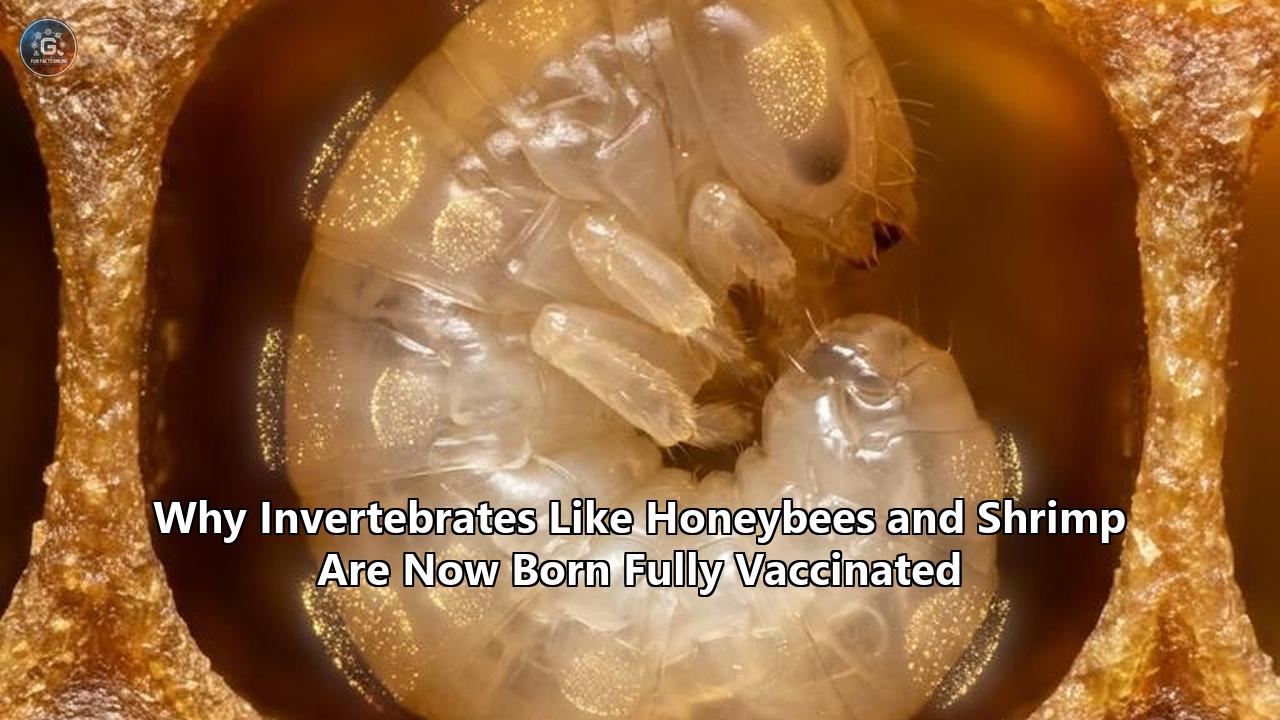
In May 2026, at the World Vaccine Congress in Washington, D.C., a quiet revolution in agricultural biotechnology reached a dramatic tipping point. Dalan Animal Health, an Athens, Georgia-based veterinary biotech firm, unveiled clinical trial data that defied more than a century of immunological dogma. The company announced the successful development of the world’s first vaccine for farmed shrimp—a breakthrough showing that female breeding shrimp, when fed a targeted vaccine formulation, can pass robust, lifelong disease resistance to their offspring.
The clinical results were stark: in controlled challenge trials, shrimp larvae born to vaccinated mothers showed a survival rate of 48% when exposed to the lethal bacteria that cause Early Mortality Syndrome (EMS), compared to just 27% in the unvaccinated control group. Even more astonishing was the response to White Spot Syndrome Virus (WSSV), a highly contagious pathogen that regularly wipes out entire aquaculture facilities; the offspring of vaccinated breeders achieved a 58% survival rate, whereas the unvaccinated control group suffered a total population collapse of 100% mortality.
This development represents far more than an industrial win for the $45 billion global shrimp farming sector. It marks the rapid, high-stakes expansion of a biological frontier: invertebrate vaccination.
Only three years prior, the concept of vaccinating an invertebrate was widely dismissed by mainstream science as a biological impossibility. Invertebrates—a massive animal category comprising 95% of all species on Earth, including insects, arachnids, mollusks, and crustaceans—do not possess an adaptive immune system. They lack the antibodies, T-cells, and B-cells that vertebrates use to remember and fight off specific pathogens. Under classical biological theory, vaccinating them was like trying to install software on a machine without an operating system.
Yet today, millions of honeybees across the United States and Canada are flying out of their hives already immune to the deadliest bacterial disease of their species, and the world's commercial shrimp hatcheries are preparing to breed millions of larvae born fully vaccinated.
The story of how this scientific barrier was broken is an extraordinary tale of escalating discoveries, fierce debate, and a complete rewriting of what we know about the molecular memory of life.
Phase 1: The Biological Wall — Why Invertebrates Were Deemed "Unvaccinable"
To understand why the current moment is so significant, it is necessary to trace the origins of immunological theory. For over a century, the scientific community operated under a rigid, binary division of animal defense mechanisms.
Vertebrates, including humans, possess a dual-layered defense system:
- The Innate Immune System: An ancient, immediate, but non-specific response. It acts like a castle wall and a general foot patrol, identifying broad characteristics of invaders (such as the foreign proteins on a bacterial cell wall) and attempting to destroy them via inflammation, physical barriers, and chemical warfare.
- The Adaptive Immune System: A highly sophisticated, slow-to-start, but incredibly precise military intelligence network. B-lymphocytes create custom-tailored proteins called antibodies that perfectly match the unique "signature" (antigen) of a specific virus or bacterium. Once the infection is cleared, "memory" cells persist for decades, ready to launch a massive, targeted strike if that exact pathogen ever returns.
Because traditional vaccines operate exclusively by introducing an inactive pathogen to trigger this adaptive memory, the scientific consensus was absolute: invertebrates, possessing only an innate immune system, were structurally incapable of being vaccinated. They could not form immunological memory.
[Traditional Vertebrate Model]
Pathogen Exposure ──> T-cells/B-cells Activated ──> Custom Antibodies Created ──> Memory Cells Retained (Immunity)

[Historical Invertebrate Assumption]
Pathogen Exposure ──> General Innate Response (No Memory) ──> Recovery/Death ──> Next Exposure Starts from Zero
This absolute division had catastrophic real-world consequences for global agriculture and aquaculture. When a disease struck an insect colony or a shrimp pond, there was no way to prevent it through immunization.
For beekeepers, the ultimate terror has long been American Foulbrood (AFB), a highly destructive disease caused by the spore-forming bacterium Paenibacillus larvae. Once the bacteria enter a hive, they consume the honeybee larvae from the inside out, turning them into a brown, glue-like sludge that gives off a distinct, decaying odor. The spores of P. larvae are incredibly resilient, surviving in the environment for more than 40 years, resistant to heat, drying, and chemical disinfectants. Because there was no cure or vaccine, the only legally mandated way to stop an outbreak in most agricultural jurisdictions was to burn the entire infected hive, its wooden components, and its thousands of bees, burying the ashes in the ground.
In the aquaculture sector, the situation was similarly dire. Since the late 2000s, shrimp farms throughout Southeast Asia and Central America have been ravaged by outbreaks of early mortality syndrome and white spot syndrome virus. Ponds that once teemed with whiteleg shrimp (Litopenaeus vannamei) were regularly reduced to sterile, stagnant pools within a matter of days. Lacking any preventative measures, farmers resorted to heavy doses of chemical disinfectants and broad-spectrum antibiotics. This not only failed to stop viral agents like WSSV but also accelerated the global crisis of antibiotic resistance, leaking dangerous residues into local aquatic ecosystems and the human food chain.
For decades, the search for solutions remained deadlocked because scientists were searching for vertebrate tools inside invertebrate bodies. They were looking for antibodies that did not exist.
Phase 2: Early Anomalies — The Discovery of Transgenerational Immune Priming
The first cracks in the wall of this immunological dogma began to appear in the late 1990s and early 2000s. Evolutionary biologists and ecologists conducting field research began noticing patterns that classical theory could not explain.
In 2003, a study led by evolutionary biologist Tom Little at the University of Edinburgh revealed something unexpected in the tiny crustacean Daphnia magna (water fleas). When mother daphnia were exposed to a bacterial pathogen, their offspring were significantly more resistant to the same strain of bacteria than the offspring of unexposed mothers.
Because Daphnia are invertebrates, this observation was highly controversial. How could a mother pass down protection against a specific pathogen strain without the use of maternal antibodies?
Soon, similar anomalies were reported across a wide array of invertebrate species:
- *Mealworms (Tenebrio molitor): Researchers found that larvae born to mothers injected with bacterial cell walls produced higher levels of antimicrobial peptides.
- Red Flour Beetles (Tribolium castaneum): Offspring showed highly specific protection against the exact strains of Bacillus thuringiensis to which their parents had been exposed.
- Bumblebees (Bombus terrestris): Colonies exhibited intergenerational resistance to parasites when the founding queens had been previously challenged.
Scientists coined a new term for this phenomenon: Transgenerational Immune Priming (TGIP).
Timeline of Early Invertebrate Immunology Discoveries
─────────────────────────────────────────────────────────────────────────────
1998  ─── First reported evidence of long-term viral retention in shrimp without antibodies.
2003  ─── Tom Little documents maternal transfer of strain-specific immunity in Daphnia.
2010  ─── Researchers identify elevated phagocytosis and cellular memory-like behaviors in insect hemocytes.
2013  ─── Discovery of Dscam (Down Syndrome Cell Adhesion Molecule) isoforms in shrimp, mediating pathogen binding.
Despite the growing body of literature, the wider scientific community remained deeply skeptical. Many researchers dismissed TGIP as a passive "maternal effect"—perhaps the mother was simply passing down high levels of general, non-specific defensive enzymes, or perhaps the pathogen itself was leaking into the eggs, causing a direct, accidental exposure. Others argued that calling this "immunization" or "vaccination" was a semantic stretch that diluted the definitions of medical science.
The missing link was a clear, repeatable molecular mechanism. To prove that invertebrate vaccination was possible, scientists had to find the exact biological vehicle that carried the information of a pathogen from a mother’s body, across the physiological barriers of reproduction, and directly into the developing embryo.
Phase 3: The Queen’s Messenger — Unlocking the Secret of Vitellogenin
The critical turning point came in the mid-2010s at the University of Helsinki in Finland. It was here that Dr. Dalial Freitak, an Estonian biologist specializing in insect physiology, crossed paths with Dr. Heli Salmela, a researcher studying bee biochemistry.
Freitak was fascinated by how insects survived in highly pathogen-rich environments without an adaptive immune system. Salmela was an expert on vitellogenin, a highly abundant glycolipoprotein found in bees and almost all other egg-laying animals.
Historically, vitellogenin was viewed as a simple structural protein—the primary component of egg yolk, meant solely to provide nutrition to developing embryos. But Salmela and Freitak suspected it did something more.
By tracking fluorescently labeled bacterial fragments inside female bees, the duo made a startling discovery. Vitellogenin was not just food; it was a transport vehicle.
When a queen bee or worker bee ingests food, pathogens present in the gut are digested. Specialized cells in the insect’s body break down these pathogens into tiny, harmless fragments of their cell walls, known as peptidoglycans. The vitellogenin protein circulating in the insect's hemolymph (the insect equivalent of blood) possesses unique binding sites that latch onto these bacterial fragments.
Once bound to the pathogen pieces, the vitellogenin travels directly to the ovaries. It is absorbed into the developing eggs, carrying the inactive pathogen fragments along with it into the yolk.
[The Vitellogenin Transport Mechanism]

  Queen Consumes Inactivated Pathogen
                │
                ▼
  Pathogen Broken down into Peptidoglycans (Gut)
                │
                ▼
  Vitellogenin Protein Binds to Peptidoglycans (Hemolymph)
                │
                ▼
  Vitellogenin Carries Fragments to Ovaries
                │
                ▼
  Pathogen Fragments Deposited in Egg Yolk
                │
                ▼
  Larva Consumes Yolk ──> Innate Immune System Trained ──> Born Vaccinated
When the larva hatches and consumes the yolk, its primitive immune system is exposed to these dead fragments. The exposure triggers a specialized process where prohemocytes (immature immune cells) differentiate into active, pathogen-fighting hemocytes.
The young bee is not born with antibodies; instead, its innate immune cells are pre-primed, highly alert, and uniquely equipped to recognize and destroy that specific pathogen if they encounter it in the wild.
In 2015, Freitak, Salmela, and their colleagues published their findings. They had discovered the molecular mechanism of transgenerational immune priming in insects. The vitellogenin protein was the natural syringe of the invertebrate world.
Phase 4: Commercialization — The Birth of Dalan Animal Health (2018–2022)
While the academic world debated the theoretical implications of the vitellogenin discovery, Dr. Annette Kleiser, a German-born biotech entrepreneur and business development specialist, recognized its commercial potential.
In 2018, Kleiser was evaluating promising startups and research portfolios for the University of Helsinki. When she stumbled upon Freitak’s work, she immediately saw a path to addressing a multi-billion-dollar global crisis. The honeybee populations that underpin global agriculture were in freefall, threatened by a combination of pesticides, habitat loss, parasitic mites, and infectious diseases.
Kleiser and Freitak co-founded Dalan Animal Health in 2018. Their goal was clear: translate the vitellogenin transport mechanism into the world’s first commercially viable veterinary product for insects.
The initial development phase was met with extreme skepticism from both the veterinary pharmaceutical industry and regulatory bodies. Up to this point, agencies like the United States Department of Agriculture (USDA) Center for Veterinary Biologics had never even considered a registration pathway for an insect vaccine. There were no protocols for safety testing, no standardized metrics for insect efficacy, and no precedent for administering a biologic to a swarm of millions of flying creatures.
Key Milestones in the Commercialization of Invertebrate Vaccines
─────────────────────────────────────────────────────────────────────────────
2018  ─── Dalan Animal Health is founded by Annette Kleiser and Dalial Freitak.
2020  ─── Dalan conducts large-scale lab trials proving maternal transfer of AFB immunity.
2022  ─── Commercial beekeeping field trials demonstrate a 30-50% reduction in larval mortality.
2023  ─── USDA grants conditional licensure for the American Foulbrood honeybee vaccine.
2024  ─── Experimental data reveals the vaccine also significantly reduces viral DWV-B levels.
2025  ─── Breakthrough clinical trials expand maternal immune priming technology to farmed shrimp.
2026  ─── World Vaccine Congress presentation announces highly successful dual-pathogen shrimp trial.
Dalan focused its initial efforts on American Foulbrood. The team cultivated a specific strain of Paenibacillus larvae, grew the bacteria in massive vats, and then subjected them to a rigorous inactivation process. The resulting product was not genetically modified, did not contain live bacteria, and used no mRNA or gene-editing technology. It was simply a highly concentrated, purified aqueous solution of dead bacterial cell walls—nature’s original primer.
The next challenge was delivery. You cannot inject a honeybee with a needle.
The team designed an elegant, non-invasive system that integrated seamlessly into standard commercial beekeeping practices. They mixed the inactivated bacterial slurry into "queen candy"—a soft, paste-like mixture of sugar and water used by beekeepers to feed queen bees and their small retinue of attendants during transport and introduction to new hives.
When a queen bee eats the candy, she processes the vaccine. Within days, she begins laying eggs containing vitellogenin-bound bacterial fragments.
Every single larva that hatches from those eggs is born fully vaccinated, carrying a robust defense system that reduces mortality from American Foulbrood by 30% to 50%.
In December 2022, the USDA broke with more than a century of regulatory precedent and officially granted conditional approval to Dalan's honeybee vaccine. It was a historic moment: the world's first approved vaccine for an insect species.
Phase 5: Escalation — The 2025 Bee Crisis and the Discovery of "Trained" Innate Immunity
The arrival of the vaccine on the market in 2023 was a watershed moment, but it was quickly put to a brutal, real-world test.
By the winter of 2024–2025, the North American beekeeping industry was in the grip of an unprecedented ecological emergency. The Honey Bee Health Coalition released a report revealing that commercial beekeepers across the United States had experienced catastrophic colony losses. Between June 2024 and February 2025, operations suffered an average winter mortality rate of 62%—a level described by industry veteran Zac Browning, board chairman of Project Apis m., as "completely unsustainable".
U.S. Honeybee Colony Winter Loss Rates (2018-2025)

  80% │
      │
  60% │                                                 ▲ 62% (Historic Peak)
      │                                                 │
  40% │ ─── 37% ──────── 40% ──────── 39% ──────── 42% ─┘
      │
  20% │
      │
   0% └─── 2018 ──────── 2020 ──────── 2022 ──────── 2025 ───
The primary culprit was not American Foulbrood, but rather a deadly combination of the parasitic Varroa mite and the pathogens it vectors, most notably Deformed Wing Virus (DWV). DWV is a highly contagious RNA virus that attacks the developing pupae, causing them to emerge with shriveled, useless wings, leaving them unable to fly or forage.
While commercial beekeepers were struggling to keep their hives alive, Dalan Animal Health was conducting a massive, full-season field study across 400 commercial hives. The trial was designed primarily to meet the ongoing safety and efficacy requirements of the USDA to transition their vaccine from "conditional" to "full" licensure.
But when the researchers analyzed the molecular data from these 400 hives in late 2024, they made an unexpected discovery.
They found that hives treated with the American Foulbrood vaccine—which contains only killed bacteria—showed an 83% reduction in the levels of Deformed Wing Virus Variant B (DWV-B) compared to untreated hives. This reduction was highly significant, completely independent of the mite load on the bees, and lasted for an entire foraging season.
This finding stunned the scientific community. To our knowledge, this was the first documented instance of a bacterial vaccine providing robust protection against a viral threat in an invertebrate.
How was this possible? The answer lay in a rapidly emerging field of immunology known as trained innate immunity.
[The Concept of Trained Innate Immunity]

Traditional Vertebrate Vaccine:
  Antigen-Specific ──> Triggers Adaptive Cells ──> Protects ONLY against target pathogen

Invertebrate Innate Vaccine:
  Broad-Spectrum ──> Triggers Cellular Priming ──> Broadly enhances phagocytosis and blocks multiple pathogens
In vertebrates, we expect a vaccine to be highly specific; a flu shot does not protect you from the common cold. But because invertebrates rely solely on the innate immune system, their vaccination process acts more like a general upgrade to their biological operating system.
When the larvae are exposed to the inactivated bacterial fragments in the egg yolk, it does not just prepare them to fight that specific bacterium. Instead, it triggers a systemic, epigenetic reprogramming of their innate immune cells.
The expression of genes associated with cellular defense, tissue repair, and pathogen recognition is permanently dialed up. The bee's hemocytes become hyper-reactive, far more efficient at recognizing foreign genetic material, engulfing invading particles (phagocytosis), and shutting down viral replication before it can take hold.
"This broad-spectrum effect was the ultimate proof of concept," said Dr. Annette Kleiser in a veterinary briefing. "We aren't just fighting one disease at a time. We are training the innate immune system to be stronger, healthier, and more resilient across the board."
Phase 6: The Aquatic Leap — Bringing Invertebrate Vaccination to the Shrimp Industry
With the success of the honeybee vaccine and the discovery of trained innate immunity, Dalan and other researchers realized that this biological platform was not unique to insects. It was an evolutionary mechanism shared across a vast range of invertebrates—including marine crustaceans.
In mid-2025, Dalan officially announced that it was expanding its maternal immune priming platform into global aquaculture, specifically targeting farmed whiteleg shrimp (Litopenaeus vannamei).
The Crustacean Threat Landscape
─────────────────────────────────────────────────────────────────────────────
Pathogen:        Vibrio parahaemolyticus (EMS)
Type:            Bacterium
Impact:          Causes acute hepatopancreatic necrosis, killing up to 100% of young shrimp within 30 days.

Pathogen:        White Spot Syndrome Virus (WSSV)
Type:            Double-stranded DNA Virus
Impact:          Highly contagious, causing rapid systemic cell death and total pond wipeouts.
─────────────────────────────────────────────────────────────────────────────
For the aquaculture industry, the timing of this announcement was critical. Farmed shrimp is one of the most widely consumed seafoods on earth, but the industry is constantly on the brink of economic collapse due to disease.
A single outbreak of White Spot Syndrome Virus can cost a hatchery millions of dollars in a matter of days, forcing farmers to drain their ponds, disinfect the soil with chlorine, and start from scratch. Annual global losses from disease in the shrimp sector are estimated to be between $3 billion and $5 billion.
Because shrimp are invertebrates, they present the exact same immunological profile as honeybees: they possess no adaptive immune system and cannot make antibodies.
However, shrimp do have their own evolutionary version of the vitellogenin transport system. During egg development, female shrimp produce massive quantities of vitellogenin to load yolk into their developing oocytes.
Dalan’s research team hypothesized that they could use this exact pathway to vaccinate shrimp on an industrial scale.
The logistical challenge, however, was vastly different. While a honeybee colony has a single queen that can be easily isolated and fed a specialized sugar paste, a commercial shrimp hatchery contains thousands of female breeders, known as broodstock, kept in massive, dark tanks of seawater.
To solve this, Dalan’s scientists developed a feed-based formulation. They incorporated inactivated bacterial and viral fragments directly into the high-protein feed pellets consumed by the female broodstock.
[Shrimp Industrial Feed-Based Delivery]

  Inactivated Pathogens Formulated into Feed Pellets
                     │
                     ▼
  Broodstock Consumes Pellets in Breeding Tanks
                     │
                     ▼
  Vitellogenin Binds to Fragments & Deposits them into Oocytes
                     │
                     ▼
  Offspring Spawned in Massive Hatchery Tanks
                     │
                     ▼
  Millions of Larvae Born with Trained Innate Immunity (Protected)
The results of the proof-of-concept laboratory trials, which culminated in the landmark May 2026 World Vaccine Congress presentation, exceeded the company's wildest expectations.
By vaccinating only a small number of valuable breeding females, hatcheries were able to produce millions of offspring that inherited a highly active, trained innate immune response. The larvae did not need to be individual-injected, bathed in chemical stimulants, or continuously treated with antibiotics. They were quite literally born vaccinated.
This feed-based approach also solved a major economic hurdle for aquaculture. Historically, attempts to stimulate shrimp immunity involved dumping costly immune boosters or chemical adjuvants directly into the pond water. This forced the shrimp to constantly expend energy keeping their immune systems in an active, inflamed state, which severely stunted their growth rates and increased feed costs.
Under the maternal priming model, the offspring's immune system is primed but dormant. It is prepared to act only if an actual pathogen is encountered, meaning there is zero metabolic cost to the shrimp's growth or development under normal conditions.
"What the next generation needs is to be prepared in case a stimulus comes," Dr. Annette Kleiser explained. "But if the stimulus isn't there, they don't have to respond. So there's no cost to the individual."
The Broader Scientific Implications of Invertebrate Vaccination
The successful deployment of invertebrate vaccination in both honeybees and marine shrimp has triggered a profound shift in how biologists, evolutionary theorists, and agricultural scientists view the natural world.
The historical division between the "primitive" innate immune system of invertebrates and the "advanced" adaptive system of vertebrates has collapsed. We now understand that the innate immune system is not a crude, static wall; it is a highly dynamic, epigenetic learning engine capable of storing, processing, and transferring immunological experiences across generations.
This realization is opening up new avenues of research and application that were unimaginable a decade ago.
1. Overcoming the Antibiotic Resistance Crisis
For decades, intensive animal farming—whether on land or in water—has relied on a heavy crutch of antibiotics to keep crowded populations alive. This practice has fueled the rise of multi-drug-resistant superbugs that threaten human health.
By replacing prophylactic antibiotic treatments with targeted, maternal immune priming, invertebrate vaccination offers a viable path toward a post-antibiotic era in agriculture. Farmers can now raise entire cohorts of disease-resistant animals using natural, organic-compatible biological mechanisms rather than chemical interventions.
Comparison of Disease Management Strategies
┌─────────────────────────┬──────────────────────────────┬─────────────────────────────┐
│ Feature                 │ Chemical/Antibiotic Approach │ Invertebrate Vaccine        │
├─────────────────────────┼──────────────────────────────┼─────────────────────────────┤
│ Target                  │ Kills bacteria directly      │ Trains host immune system   │
│ Resistance Risk         │ High (causes superbugs)      │ Extremely Low               │
│ Application             │ Mass delivery to entire pond │ Fed only to breeding females│
│ Environmental Leakage   │ High chemical runoff         │ Zero (biodegradable protein)│
│ Cost Structure          │ Continuous, recurring expense│ One-time breeder treatment  │
└─────────────────────────┴──────────────────────────────┴─────────────────────────────┘
2. Safeguarding Global Food Security
As the human population marches toward 9 billion, the pressure on global food systems is intensifying. Invertebrates play an indispensable role in this system:
- Honeybees and other insects pollinate more than one-third of the crops we eat, supporting a global agricultural value of hundreds of billions of dollars.
- Crustaceans like shrimp are a primary source of animal protein for billions of people, particularly in developing coastal nations.
A major disease outbreak in either of these sectors has immediate, severe impacts on food supply chains, prices, and livelihoods. Maternal immune priming provides a highly scalable shield to protect these vital food-producing populations from sudden, catastrophic collapse.
3. Rewriting Evolutionary Biology
The discovery of vitellogenin-mediated transport and trained innate immunity is forcing evolutionary biologists to reconsider how organisms adapt to their environments in real time.
Traditional evolutionary theory dictates that adaptation occurs over generations through random genetic mutations and natural selection. Transgenerational immune priming, however, represents a form of soft inheritance—a way for an individual organism to pass critical, life-saving information about its immediate environmental threats to its offspring within a single reproductive cycle.
This rapid adaptive loop allows species with short lifespans to survive in highly volatile, fast-evolving pathogen landscapes.
What to Watch Next: The Upcoming Milestones
As we look toward the latter half of 2026 and beyond, the field of invertebrate vaccination is poised for rapid acceleration. Several critical milestones, regulatory reviews, and expanded applications are on the immediate horizon:
The Path to Full USDA Licensure (2027)
Dalan Animal Health is currently working closely with the USDA Center for Veterinary Biologics to transition its honeybee vaccine from conditional to full licensure.
The company submitted its final clinical efficacy data in late 2025, and regulatory approval is projected for the 2027 commercial season at the earliest. A full license will allow the vaccine to be distributed much more broadly and integrated directly into standard pest management programs across North America and Europe.
Regulatory Pathway of Dalan's Honeybee Vaccine
┌────────────────────────────────────────────────────────┐
│ Dec 2022: Conditional USDA Approval Granted            │
└───────────────────────────┬────────────────────────────┘
                            │
                            ▼
┌────────────────────────────────────────────────────────┐
│ Late 2024: 400-Hive Commercial Field Trial Completed   │
└───────────────────────────┬────────────────────────────┘
                            │
                            ▼
┌────────────────────────────────────────────────────────┐
│ Nov 2025: Final Efficacy Data Submitted to USDA        │
└───────────────────────────┬────────────────────────────┘
                            │
                            ▼
┌────────────────────────────────────────────────────────┐
│ 2027: Projected Full USDA Licensure & Global Rollout   │
└────────────────────────────────────────────────────────┘
Commercial Shrimp Field Trials in Asia-Pacific
Following the highly successful laboratory trials presented in May 2026, the first large-scale, open-water field trials of the shrimp vaccine are scheduled to begin in commercial hatcheries across Vietnam, Thailand, and Indonesia later this year.
These trials will test the durability of the maternal immune priming effect under real-world, high-stress pond conditions, where shrimp are exposed to fluctuating water temperatures, salinity changes, and multiple competing pathogens simultaneously.
Expanding to Other High-Value Invertebrates
With the proof of concept established in both insects (bees) and crustaceans (shrimp), researchers are already looking at other high-value invertebrates that could benefit from vaccination:
- Black Soldier Fly (Hermetia illucens): A species rapidly becoming a cornerstone of the sustainable animal feed industry, but highly vulnerable to viral collapses in massive breeding facilities.
- Mealworms and Silkworms: Industrial insect-farming operations are seeking vaccines to prevent devastating bacterial diseases that can wipe out entire production lines.
- Oysters and Clams: Marine mollusks, which are heavily impacted by ocean warming and escalating bacterial pathogens like Vibrio*, could be primed using similar vitellogenin-like transport pathways.
The Untamed Frontier
The journey from a curious lab discovery in Helsinki to a global agricultural reality has been remarkably brief. It highlights a profound truth about modern science: some of our most powerful innovations come not from inventing entirely new technologies, but from finally understanding and harnessing the elegant, ancient systems that nature perfected millions of years ago.
For more than a century, humanity viewed the immune systems of invertebrates as primitive, rigid, and incomplete. By letting go of our vertebrate-centric biases, we have unlocked a biological master key.
As vaccinated honeybees take flight to pollinate our crops and vaccinated shrimp hatch in the coastal waters of Asia, we are witnessing the dawn of a new era in biotechnology. The boundary of what can be saved has officially been redefined.
Reference:
- https://www.sciencenews.org/article/honeybees-and-shrimp-getting-vaccinated
- https://www.seafoodsource.com/news/aquaculture/dalan-animal-research-has-succeed-in-vaccinating-shrimp-for-common-diseases
- https://aquaasiapac.com/2025/06/26/revolutionary-breakthrough-in-vaccinating-shrimp-against-common-diseases/
- https://www.globalseafood.org/advocate/why-shrimp-cannot-be-vaccinated/
- https://www.dvm360.com/view/vaccine-for-honeybees-successfully-completes-efficacy-trials
- https://pmc.ncbi.nlm.nih.gov/articles/PMC6703094/
- https://pmc.ncbi.nlm.nih.gov/articles/PMC4024302/
- https://vaccinescongress.com/program/scientific-program/2022/new-technologies-in-shrimp-and-other-crustacean-vaccines
- https://pmc.ncbi.nlm.nih.gov/articles/PMC3718771/
- https://www.forbes.com/sites/amyfeldman/2024/12/17/this-startup-makes-a-vaccine-for-honeybees-shrimp-are-next/
- https://foro3d.com/en/2026/junio/vacunas-para-abejas-y-camarones-inmunidad-de-serie-para-invertebrados.html
- https://themindfulbeekeeper.com/more-on-the-honeybee-vaccine-from-dalan-animal-health/
- https://www.prnewswire.com/news-releases/dalan-animal-health-announces-successful-efficacy-trials-for-its-honeybee-vaccine-advancing-toward-full-usda-licensure-302603886.html
- https://americanbeejournal.com/company-behind-first-honey-bee-vaccine-reports-promising-new-data-with-83-effectiveness-against-deadly-viral-pathogen/
- https://www.researchgate.net/publication/23142174_Vaccination_of_shrimp_against_viral_pathogens_Phenomenology_and_underlying_mechanisms