On September 9, 2026, an international team of bioarchaeologists and analytical chemists published findings in Science Advances that dismantled one of the most resilient dogmas in anthropological science: the belief that habitual psychoactive drug consumption is a product of settled agricultural societies.
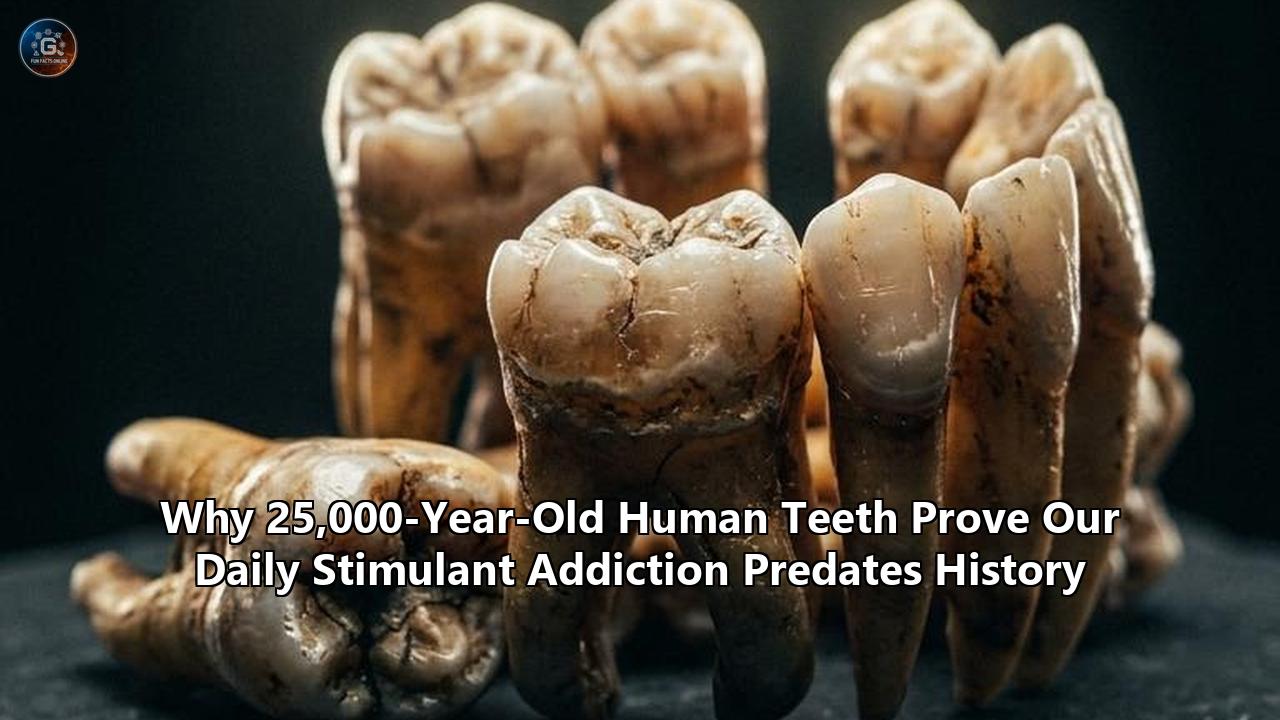
Excavating limestone cave strata on the Indonesian island of Sulawesi, researchers recovered fossilized human teeth dating back 25,000 years. The teeth did not merely contain dietary microfossils or routine masticatory wear. Instead, they preserved distinctive, deep circumferential trenches carved into the enamel and dentin, alongside unambiguous molecular signatures of arecoline—the primary psychoactive alkaloid found in the betel nut (Areca catechu).
Led by Professor Adam Brumm of Griffith University’s Australian Research Centre for Human Evolution (ARCHE), alongside Indonesian archaeologists from the National Research and Innovation Agency (BRIN) and Hasanuddin University, the research team demonstrated that Late Pleistocene hunter-gatherers were habitually consuming plant-based stimulants tens of thousands of years before the domestication of plants or the invention of pottery.
“Emerging by up to 25,000 years ago in Sulawesi, thus long preceding the onset of agriculture, betel nut-sucking may be the earliest evidence for drug use anywhere in the world,” Brumm stated upon the release of the study. “By identifying the ancient practice underlying betel-nut chewing as we know it, the study implies that some modern drug-taking behaviours are deeply rooted in forager traditions”.
The discovery does more than adjust a timeline on an archaeological chart. It provides a rare physical case study of how early humans interacted with potent neuroactive substances, revealing a relentless somatic feedback loop in which stimulant consumption acted simultaneously as an analgesic coping mechanism and a compounding driver of physical destruction. By analyzing the Sulawesi specimens as an empirical baseline, science can extract fundamental principles that clarify why human biology and central nervous stimulants have remained inextricably entwined across evolutionary time.
The Sulawesi Specimens: Forensic Evidence of a Pleistocene Habit
The empirical foundation of the study rests on the skeletal remains of two prehistoric individuals recovered from the Maros-Pangkep karst region of southwestern Sulawesi, an area celebrated for hosting some of the oldest known figurative cave art on Earth.
The older specimen, designated Maros-LBB-1a, was recovered from Late Pleistocene layers at the Leang Bulu Bettue cave site. Radiocarbon and stratigraphic dating bracket this individual between 25,000 and 16,000 years before the present. The second individual, CPL-R2a, excavated from Leang Cappalombo 1, dates to the early-to-mid Holocene, between 7,600 and 6,300 years ago. Both individuals lived as nomadic hunter-gatherers, foraging within the dense tropical rainforests and rugged karst formations of Wallacea.
CHRONOLOGICAL CONTEXT OF HABITUAL STIMULANT CONSUMPTION

25,000 BP ──────── 13,000 BP ──────── 4,000 BP ──────── Present
    │                   │                 │                │
Sulawesi Betel Nut  Natufian Beer     Bronze Age Quid    600 Million
Sucking (Arecoline)  (Alcohol)        (Thailand/Vietnam) Daily Users
[Leang Bulu Bettue] [Mount Carmel]    [Lime + Leaf]      [Global]
Despite the ten-millennium gap separating their lifespans, both foragers exhibited an identical, highly peculiar dental wear pattern that had never before been documented in prehistoric skeletal records:
- Circumferential Basal Grooving: Deep, smooth, rounded furrows wrapped horizontally around the cervical margins of the teeth, just above the gum line.
- Localized Asymmetry: The lesions were concentrated on specific premolars and molars rather than distributed evenly across the occlusal (biting) surfaces, ruling out normal dietary mastication or grit-induced attrition.
- Pulp Chamber Exposure: In the older Pleistocene individual (Maros-LBB-1a), the mechanical abrasion was so extreme that it completely ground away the protective enamel and the underlying secondary dentin, punching open the vascularized inner pulp chamber.
- Absence of Occlusal Crushing Fractures: The tooth crowns lacked the typical high-impact microfractures associated with biting down on hard shells, bones, or raw nut casings, indicating an action defined by continuous, static abrasion rather than chewing.
To solve the mechanical mystery of these grooves, the research team turned to historical and occupational bioarchaeology. The wear facets bore an unmistakable structural resemblance to the famous "clay pipe facets" observed in 17th- and 18th-century European sailors and laborers. Habitual pipe smokers clenched abrasive kaolin clay pipe stems between their teeth in identical positions for hours on end, gradually sanding away their enamel through low-friction, repetitive movement.
The Sulawesi foragers were not smoking pipes. The diameter, curvature, and smooth interior polishing of the dental grooves matched the physical dimensions of the hard, fibrous seed of Areca catechu. Rather than chewing the seed into fragments, these hunter-gatherers were wedging the whole, unprocessed nut against their buccal mucosa and teeth, holding it in place and sucking on it continuously throughout the day.
The physical wear established the mechanical habit; analytical chemistry confirmed the substance.
Associate Professor Carney Matheson of Griffith University conducted liquid chromatography-tandem mass spectrometry (LC-MS/MS) on dental calculus and micro-samples scraped from the interior dental tissues of both individuals. The tests yielded definitive chemical signatures of arecoline, the volatile tertiary amine alkaloid that serves as the primary psychoactive and physiological driver of the areca palm. Traces of arecaidine, a key breakdown product and GABA reuptake inhibitor, were also identified.
Crucially, the chemical analysis revealed what was missing. Modern betel nut chewing across South and Southeast Asia involves a sophisticated pharmacologically prepared package known as a "quid". Users wrap chopped areca nut in the leaf of the betel pepper vine (Piper betle), adding slaked lime (calcium hydroxide) derived from roasted limestone or incinerated seashells. The slaked lime raises the oral pH, converting arecoline from an ionized salt into an uncharged, lipophilic free base that crosses the buccal mucosa and the blood-brain barrier with rapid efficiency.
The Sulawesi samples showed no detectable residues of slaked lime reactions, nor did the teeth bear the distinctive deep red or jet-black chemical staining characteristic of modern quid chewing. The hunter-gatherers were consuming the raw, unadulterated plant material directly from the forest canopy.
To verify whether raw nut sucking could deliver a pharmacologically meaningful dose of stimulants without the chemical catalyst of slaked lime, co-author Professor Roger Papke of the University of Florida led an experimental pharmacology trial. The team steeped whole, unbroken areca seeds in an artificial saliva matrix calibrated to human oral enzymes and temperature.
They applied the resulting liquid extracts to cloned human neural receptors expressed in Xenopus frog oocytes. The laboratory results proved decisive: simple oral suction on an unprocessed nut successfully extracts bioavailable arecoline in concentrations sufficient to trigger significant nervous system activation.
Tens of thousands of years before humans developed the chemical sophistication to manufacture slaked lime, they had already identified and exploited the neuroactive properties of the areca seed.
Case Principle 1: The Somatic Feedback Loop and the Dependency Trap
The most consequential analytical insight provided by the Sulawesi discovery lies in the pathological condition of the specimens’ jaws. This was not a picture of idyllic, harmonized paleo-botanical balance; it was direct bioarchaeological evidence of an escalating, self-perpetuating cycle of dependence.
Arecoline operates within the mammalian central and peripheral nervous systems via a dual-action pathway:
- Muscarinic Acetylcholine Receptor Agonism: It acts as a non-selective partial agonist across $M_1$, $M_2$, and $M_3$ receptors, driving parasympathetic stimulation, promoting salivation, stimulating smooth muscle activity, and elevating alertness.
- Nicotinic Acetylcholine Receptor Modulation: It interacts directly with $\alpha_4\beta_2$ and $\alpha_6\beta_3$ nicotinic receptors—the exact receptor subtypes that mediate nicotine dependence and drive dopamine release in the nucleus accumbens. Furthermore, it acts as a silent agonist at $\alpha_7$ nicotinic receptors, which regulate endogenous anti-inflammatory cascades and central pain inhibition.
In practical physiological terms, holding an areca nut in the mouth produces three immediate sensations: a modest surge in central adrenergic and cholinergic alertness, a mild sense of euphoria, and localized peripheral numbness.
THE PLEISTOCENE ANALGESIC-DECAY FEEDBACK LOOP

   ┌──────────────────────────────────────────────┐
   │        Raw Areca Seed Held in Mouth         │
   │  - Systemic: Mild euphoria & alertness       │
   │  - Local: Muscarinic antinociception (relief)│
   └──────────────────────┬───────────────────────┘
                          │
                          ▼
   ┌──────────────────────────────────────────────┐
   │      Continuous Low-Friction Abrasion        │
   │  - Mechanical wearing of tooth enamel        │
   │  - Loss of underlying secondary dentin       │
   └──────────────────────┬───────────────────────┘
                          │
                          ▼
   ┌──────────────────────────────────────────────┐
   │          Pulp Chamber Fenestration           │
   │  - Direct nerve & vascular exposure          │
   │  - Excruciating oral pain & abscesses        │
   └──────────────────────┬───────────────────────┘
                          │
                          ▼
   ┌──────────────────────────────────────────────┐
   │         Compulsive Need for Relief           │
   │  - Individual reinserts areca nut to numb    │
   │    the excruciating nerve agony              │
   └──────────────────────┬───────────────────────┘
                          │
                          └──────────► (Cycle Repeats and Deepens)
The bioarchaeological analysis conducted by Dr. Melandri Vlok, a paleopathologist at Charles Sturt University, revealed that both Sulawesi individuals suffered from chronic dental pathology. In late Pleistocene Wallacea, forager diets rich in wild tubers, unrefined starches, and fibrous vegetation subjected hunter-gatherer dentition to intense occlusal wear and frequent periodontal infections. Toothaches, pulpitis, and periapical abscesses were common, debilitating conditions for which Pleistocene medicine had virtually no definitive remedies.
Here emerged the somatic trap.
When a Sulawesi forager wedged an areca seed against a diseased, aching molar, the mechanical release of arecoline numbed the inflamed gingival tissues and dampened nociceptive pain signals. The user experienced fast, accessible relief, paired with an elevation in mood and vigilance.
However, the seed of Areca catechu is a dense, hard, fibrous sphere packed with silica and abrasive phytoliths. Sucking on this object for hours a day subjected the cervical margin of the tooth to relentless friction.
Over months and years, the fibrous husk cut into the dental enamel like a slow-motion jeweler’s saw. The enamel thinned; the underlying dentin eroded; and ultimately, the pulp chamber—the vascularized, nerve-dense core of the living tooth—was breached.
Once the pulp was exposed, the pain would have escalated from a dull chronic ache to blinding, acute agony. Cold air, water, or food particles contacting the raw nerve fibers would trigger systemic distress.
Under such excruciating circumstances, what was the sufferer’s most immediate, accessible recourse? The answer was to place the areca nut right back against the exposed nerve, leaning into the alkaloid's antinociceptive properties to drown out the very agony the physical nut was generating.
“So while this habit may have been a remedy for toothache, years of prolonged nut-sucking eventually caused much worse dental health problems, creating a cycle of continued habitual use,” Brumm explained.
This feedback mechanism provides a tangible, ancient model for the history of human stimulants. Across human cultures and historical eras, stimulant use does not occur within a pristine bio-behavioral vacuum.
Stimulants are frequently adopted to mitigate the acute somatic, physical, or environmental costs imposed by an individual’s operating reality. Yet because these molecules carry real physiological, structural, and behavioral consequences, their sustained consumption routinely intensifies the underlying pathology, turning an adaptive coping strategy into a chronic, self-reinforcing dependency.
Case Principle 2: Deconstructing the Neolithic Horizon
For more than half a century, historical anthropology operated under the structural assumption that habitual psychoactive substance use was an artifact of the Neolithic Revolution.
The classical model, championed by scholars like the late archaeologist Andrew Sherratt, argued that psychoactive plants and fermented substances were intrinsically linked to settled agricultural societies. The logic seemed intuitive:
- Agriculture generated caloric and labor surpluses, affording human populations the leisure time and resource buffer necessary to experiment with non-caloric, mind-altering flora.
- The processing of psychoactive plants required specialized material culture: ceramic fermentation vats, distillation retorts, specialized ceramic pipes, storage granaries, and cultivation plots.
- Sedentary societies required social lubrication, ritual cohesion, and elite prestige goods to navigate the hierarchical tensions of village and proto-urban life, formalizing drugs into institutional rituals.
Prior to the Sulawesi findings, the undisputed crown jewel of early chemical archaeology was the discovery of 13,000-year-old starch residues from fermented wheat and barley at Raqefet Cave in Mt. Carmel, Israel. Produced by the semi-sedentary Natufian culture, this primordial beer was widely cited as proof that the earliest chemical alterations emerged precisely on the precipice of plant domestication.
When it came to betel nut consumption, the conventional scientific consensus placed its beginnings roughly 3,500 to 4,000 years ago. The earliest biochemically confirmed evidence had been established via dental calculus analysis from Bronze Age skeletons at the Nong Ratchawat cemetery in central Thailand, dating to roughly 2000 BCE. The Thai discovery coincided with the regional emergence of specialized agricultural villages and marine trade routes, reinforcing the assumption that betel use was a domesticated, post-foraging phenomenon.
The 25,000-year-old Sulawesi teeth systematically dismantle that entire theoretical architecture.
HISTORICAL TIMELINE OF PSYCHOACTIVE EXPLOITATION

Period               Evidence / Substance                          Location
──────────────────────────────────────────────────────────────────────────────────────────
Late Pleistocene     *Areca catechu* (Arecoline) Sucking           Sulawesi, Indonesia
(25,000–16,000 BP)   [Direct dental grooving & mass spectrometry]   [Leang Bulu Bettue]

Epipaleolithic       Fermented Wild Barley/Wheat Beer              Mt. Carmel, Israel
(13,000 BP)          [Mortar microfossil starches]                  [Raqefet Cave]

Early Holocene       *Nicotiana attenuata* (Nicotine) Seeds        Utah, United States
(12,300 BP)          [Hearths & seed carbonization]                [Wishbone Site]

Neolithic / Bronze   *Erythroxylum* (Cocaine) Mastication          Nanchoc Valley, Peru
(8,000–4,000 BP)     [Dental calculus & lime-calcined residues]

Bronze Age           Complex *Areca* Quid with Slaked Lime         Nong Ratchawat, Thailand
(4,000 BP)           [Dental calculus arecoline signatures]
The Sulawesi hunter-gatherers were not sedentary. They lived in highly mobile bands, enduring the fluctuating environmental stresses of the Last Glacial Maximum. They constructed no permanent architecture; they forged no ceramics; they cleared no fields.
Yet they possessed an exhaustive, highly specialized empirical knowledge of the rainforest’s biochemical pharmacopeia.
This reassessment shifts how researchers must reconstruct the history of human stimulants. Stimulant use was not a cultural luxury born of agricultural surplus; it was a fundamental foraging technology.
Long before humans learned to reshape plant genomes through selective breeding, they were actively surveying their botanical environments for molecules that could fine-tune human cognitive performance, suppress appetite, sustain thermal output, and blunt chronic physical pain. The Pleistocene mind was not chemically innocent.
It was an active pharmacological laboratory operating within the wild ecosystems of the Ice Age.
Case Principle 3: Evolutionary Pharmacophagy and Receptor Convergence
To understand why a 25,000-year-old human would persistently suck on an abrasive forest palm seed until their jaw bone was compromised, science must reckon with the deeper evolutionary logic governing plant-animal interactions.
Plants do not synthesize alkaloids to entertain mammalian nervous systems. Molecules such as arecoline, nicotine, caffeine, ephedrine, and cocaine evolved over millions of years as formidable chemical weapons. Known as secondary metabolites, these nitrogenous compounds serve primarily as insecticides, feeding deterrents, and fungicides.
- Insects consuming arecoline or nicotine suffer massive, lethal overstimulation of their nervous systems, triggering convulsions, paralysis, and death.
- Caffeine interferes with insect reproduction and paralyzes herbivorous pests by disrupting intracellular calcium signaling and blocking phosphodiesterases.
- Cocaine inhibits the reuptake of octopamine in invertebrate nervous systems, destroying normal motor coordination.
The fundamental paradox of the history of human stimulants is that our mammalian ancestors took these precise chemical defenses—designed to punish and repel animal life—and converted them into daily functional consumables.
THE EVOLUTIONARY CONVERGENCE OF NATURAL STIMULANTS

Plant Species            Primary Alkaloid     Primary Target Mechanism      Human Subjective Effect
────────────────────────────────────────────────────────────────────────────────────────────────────
*Areca catechu*          Arecoline            Muscarinic ($M_1/M_2/M_3$) &    Alertness, peripheral
(Betel Palm)                                  Nicotinic ($\alpha_4\beta_2$) partial   analgesia, tachycardia,
                                              receptor agonism              mild euphoria

*Nicotiana rustica*      Nicotine             Nicotinic ($\alpha_4\beta_2$)            Dopamine release,
(Tobacco)                                     receptor full agonism         sustained vigilance,
                                                                            anxiolysis

*Coffea arabica*         Caffeine             Adenosine ($A_1/A_{2A}$)         Fatigue suppression,
(Coffee)                                      receptor antagonism           heightened arousal

*Catha edulis*           Cathinone            Norepinephrine & dopamine     Sympathetic arousal,
(Khat)                                        transporter reversal          anorexia, logorrhea

*Erythroxylum coca*      Cocaine              Triple monoamine reuptake     Intense euphoria,
(Coca)                                        inhibition (DAT/NET/SERT)     altitude tolerance,
                                                                            analgesia
Why did this trans-species hijacking occur? The answer lies in evolutionary conservation.
The basic neurotransmitters and protein receptors that regulate movement and sensory processing in insects share deep structural homology with the neurochemical signaling networks of mammals. Acetylcholine, dopamine, serotonin, norepinephrine, and adenosine are ancient molecular regulators that predate the divergence of vertebrates and invertebrates.
When hominins encountered plants containing these allelochemicals, their expanded cerebral cortices allowed them to calculate a profound ecological trade-off:
- At high doses, plant alkaloids are acutely neurotoxic and fatal.
- At sub-toxic, micro-titrated doses, these identical compounds selectively bind to human neuromodulatory receptors, producing targeted physiological shifts: enhanced wakefulness, temporary resistance to muscular exhaustion, blunted hunger, and elevated mood.
The Sulawesi foragers were exploiting this exact evolutionary loophole. By sucking a raw Areca catechu seed rather than crushing and swallowing it whole, Maros-LBB-1a discovered a crude but effective method of continuous pharmacological microdosing.
The slow infusion of saliva across the fibrous surface of the nut liberated tiny, non-lethal microgram quantities of arecoline across the oral mucosa, allowing the individual to remain in a sustained state of light cholinergic activation throughout the waking day.
This dynamic reveals an essential principle: human societies do not arbitrarily "invent" drug habits out of thin air. Instead, our species repeatedly converges upon the same handful of plant families across the globe because our neurochemistry contains the pre-existing locks for which these botanical keys were by chance evolved.
Whether it is a Pleistocene hunter-gatherer holding a betel palm nut in Sulawesi, an Andean forager carrying a bag of coca leaves across the altiplano, or an Ethiopian pastoralist chewing fresh Catha edulis leaves in the Great Rift Valley, the biological blueprint is identical.
Humans identify neurotoxic defenses in plants and co-opt them into metabolic enhancements.
Case Principle 4: Stimulants as Metabolic and Labor Infrastructure
A persistent flaw in both classical archaeology and popular culture is the tendency to view psychoactive consumption through the narrow lens of modern recreational intoxication.
When modern commentators hear that Ice Age humans were "using drugs," the cultural imagination defaults to images of ritual transcendence, psychedelic shamanism, or hedonistic escapism.
The forensic evidence from Sulawesi forces a far more sober, utilitarian realization: throughout history, the most deeply entrenched stimulants have functioned primarily as labor technologies and metabolic infrastructure.
To evaluate this principle, consider the energetic budget of a Late Pleistocene hunter-gatherer living in the tropical karst environment of Wallacea.
Contrary to romanticized portrayals of hunter-gatherer ease, navigating humid rainforests, scaling jagged limestone karst to harvest edible birds' nests or wild honey, tracking elusive marsupial cuscus (Ailurops and Strigocuscus), and processing toxic tubers represented grueling, calorically volatile labor.
Wallacea was an island biogeographic zone with impoverished terrestrial mammal fauna compared to mainland Sundaland (Java, Sumatra, Borneo). Food resources were patchy, physically taxing to secure, and required exceptional sustained vigilance to acquire without suffering injury.
In this environment, a chemical agent capable of providing cholinergic stimulation offered clear adaptive advantages:
- Sustained Vigilance Without Sleep: Arecoline’s stimulation of central muscarinic acetylcholine receptors promotes rapid desynchronization of electroencephalographic (EEG) waveforms, suppressing the neurochemical onset of sleepiness. In an environment populated by venomous snakes, steep vertical karst cliffs, and rival bands, maintaining hyper-vigilance during physical exhaustion was an asset.
- Appetite Suppression: Like nicotine, arecoline acts upon central hypothalamic feeding circuits to blunt subjective hunger. During periods of foraging failure or seasonal scarcity, the capacity to suppress the distracting physiological distress of an empty stomach allowed foragers to maintain endurance hunting runs without succumbing to fatigue-induced despair.
- Metabolic Acceleration and Thermal Maintenance: Stimulants increase peripheral vasoconstriction and basal metabolic rate through sympathetic activation, helping individuals tolerate damp, uninsulated cave environments during wet monsoon cycles.
- Labor Endurance: By raising heart rate and releasing endogenous stores of glucose via sympathetic discharge, cholinergic stimulants allow individuals to overcome muscular fatigue during sustained repetitive labor, from knapping thousands of stone flakes to processing fibrous botanical cordage.
STIMULANT AS PRODUCTION TECHNOLOGY ACROSS EPOCHS

Historical Context       Dominant Stimulant              Economic / Labor Function
──────────────────────────────────────────────────────────────────────────────────────────────
Pleistocene Sulawesi     Raw *Areca catechu* (Arecoline)  Foraging vigilance, cold tolerance,
(25,000 BP)                                              appetite blunting, dental analgesia

Inca Empire              *Erythroxylum coca* (Cocaine)    High-altitude silver mining, chasqui
(15th Century)                                           courier system, military forced marches

Ottoman Empire & Europe  *Coffea arabica* (Caffeine)      Shift-based urban manufacturing,
(17th–18th Century)                                      bureaucracy, maritime trade calculations

Industrial Revolution    *Nicotiana tabacum* (Nicotine)  Factory assembly line synchronization,
(19th–20th Century)                                      suppression of manual worker fatigue

Post-Industrial Tech     Methylphenidate / Modafinil     High-density symbolic data processing,
(21st Century)                                           algorithmic monitoring, continuous shifts
When this historical dynamic is viewed from a macroeconomic perspective, a clear pattern emerges: human civilizational structures have rarely functioned on unaugmented biology.
- The expansion of the Inca Empire across the vertical gradients of the Andes was explicitly powered by state-managed distributions of coca leaves (Erythroxylum) to miners extracting gold and silver at 14,000 feet above sea level, and to chasqui runners sprint-delivering imperial messages across thousands of miles of alpine roads.
- The rise of European capitalism, the Enlightenment, and the Industrial Revolution was fueled by the sudden mass importation of three non-native methylxanthine stimulants: coffee from the Middle East, tea from China, and cacao from the Americas. As historian Wolfgang Schivelbusch documented in Tastes of Paradise, coffee directly replaced beer and wine as the standard breakfast of the European artisan and merchant, transitioning society from a depressant-fueled, agrarian stupor to a stimulant-fueled, clock-regulated industrial precision.
- In the 20th century, the relentless physical assembly lines of manufacturing empires were greased by mass-produced cigarettes, while military pilots and mechanized infantry in World War II were systematically issued synthetic amphetamines (Benzedrine, Pervitin) to sustain multi-day offensives without sleep.
The Sulawesi teeth prove that this phenomenon did not begin with the clock, the factory, or the imperial empire.
The instrumentalization of stimulants to stretch human biological limits beyond their natural homeostasis is as old as our species’ presence in the tropical world. Long before there were bosses, shifts, or production quotas, Pleistocene foragers were leaning on arecoline to power through the punishing physical realities of survival.
Case Principle 5: The Paleometabolomic Revolution
The true methodological leap illuminated by the Sulawesi discovery is not merely what was found, but how it was found.
For more than a century, archaeology was constrained by a severe taphonomic bias. Traditional excavations relied entirely on macroscopic physical objects that could survive thousands of years of environmental degradation: stone tools, burnt ceramic shards, animal bones, structural postholes, and monumental earthworks.
This material-first bias created a profound blind spot regarding the biological history of our species.
Organic matter rots. In wet, acidic, tropical environments like the equatorial forests of Indonesia, plant leaves, soft bark, seeds, and wooden paraphernalia dissolve into indistinguishable soil components within decades.
Consequently, archaeologists routinely fell into the intellectual trap of equating an absence of physical botanical evidence with an absence of human behavior. Because they could not find a 20,000-year-old pipe or a clay jar containing beer residue, they concluded that early humans were not consuming psychoactive substances.
The Sulawesi study marks the coming-of-age of paleometabolomics and high-resolution biomolecular archaeology.
ARCHAEOMETRIC EVOLUTION: DETECTING ANCIENT STIMULANTS

Technological Era       Primary Analytical Tools           Archaeological Target
──────────────────────────────────────────────────────────────────────────────────────────
Classical Archaeology   Visual macro-inspection, trowel,   Intact seeds, ceramic pipes,
(1880–1970)             coarse sieving                     fermentation vats, visual residue

Microbotanical Phase    Optical microscopy, starch grain   Phytoliths, pollen grains,
(1970–2000)             analysis, cross-polarization       charred seed morphology

Paleometabolomics       LC-MS/MS, GC-MS, high-resolution   Intramolecular alkaloids (arecoline,
(2010–Present)          mass spectrometry, metabolomics    cotinine), calcified dental proteomes
Instead of looking for discarded tools, the ARCHE team looked at the human body itself as a biological recording device. Human teeth are uniquely suited to preserve chemical signatures across deep geological time:
- Enamel and Dentin Preservation: The hydroxyapatite crystal matrix of tooth enamel is the hardest, most resilient biological tissue in the mammalian body, capable of withstanding millions of years of fossilization while sealing internal vascular channels from environmental contamination.
- Dental Calculus as a Molecular Safe: When dental plaque calcifies during an individual’s life, forming hardened dental tartar (calculus), it entrains ambient oral fluids, micro-botanical fibers, bacterial DNA, and circulating chemical metabolites. This mineralized shield acts as a hermetically sealed time capsule, protecting organic compounds from the oxidative and microbial forces that destroy surface artifacts.
Using liquid chromatography-tandem mass spectrometry (LC-MS/MS), Associate Professor Carney Matheson was able to separate, identify, and quantify chemical molecules at parts-per-billion sensitivity.
The mass spectrometer measures the precise mass-to-charge ratio of fragmented ions, generating a unique spectral fingerprint that cannot be counterfeited by background humic acids, fungal decay, or modern handling contaminants.
When the mass-to-charge ratios for arecoline ($C_8H_{13}NO_2$, molecular weight 155.19 g/mol) and its daughter fragments registered on the monitors, the team obtained indisputable molecular proof that the organic compound had circulated within the living oral tissues of a human who died when mammoths and sabertooth cats still walked the earth.
“We demonstrate that dental calculus can preserve chemical signatures of psychoactive plant use for millennia, even when conventional archaeological evidence is completely absent,” observed anthropologist Dr. Shannon Tushingham of the California Academy of Sciences regarding biomolecular calculus analysis. “In essence, we’ve developed a way to make the invisible visible—revealing behaviors and practices that have been lost to time”.
This analytical capability changes the future of research into the history of human stimulants.
Museum drawers across the globe currently house hundreds of thousands of fossilized hominin teeth collected from Neanderthal caves, Paleolithic rock shelters, and early Homo sapiens burials. Most of these teeth have been evaluated solely through the lens of craniometrics, stable isotope dietary ratios, or ancient DNA sequencing.
As paleoproteomic and metabolomic protocols become standard bioarchaeological procedure, researchers will be running chemical extractions on teeth dating back 50,000, 100,000, or even 300,000 years.
The Sulawesi discovery is almost certainly not an isolated anomaly. It is simply the first time science possessed the molecular instrumentation to read the chemical ledger written in prehistoric enamel.
Case Principle 6: Cultural Longevity and Public Health Inertia
The final lesson provided by this 25,000-year-old case study concerns the extraordinary cultural and epidemiological persistence of stimulant architectures.
Today, the habit uncovered in the limestone caves of Sulawesi has expanded into a global public health crisis.
Betel nut is the fourth most widely consumed psychoactive substance on Earth, surpassed only by alcohol, caffeine, and nicotine. It is consumed daily by an estimated 600 million people—approximately one out of every ten human beings alive.
From India, Bangladesh, and Myanmar to Taiwan, Papua New Guinea, and the outer Pacific islands, betel quid use remains a ubiquitous, socially mandatory fabric of everyday life.
CURRENT GLOBAL BURDEN OF THE ARECOLINE HABIT

Metrics                     Global Epidemiology
──────────────────────────────────────────────────────────────────────────────
Daily Active Users          ~600 Million individuals (8–10% of global population)
Geographic Epicenter        South Asia, Southeast Asia, Western Pacific Rim
Primary Active Molecule     Arecoline (natural cholinergic alkaloid)
Key Somatic Manifestations  Oral Submucous Fibrosis (OSF), Squamous Cell Carcinoma
Public Health Class         Group 1 Human Carcinogen (IARC / World Health Org)
Annual Carcinoma Deaths     Tens of thousands across India, Taiwan, Southeast Asia
The biomedical consequences of modern betel nut use are catastrophic:
- The International Agency for Research on Cancer (IARC) classifies Areca catechu—with or without tobacco—as a Group 1 human carcinogen.
- Chronic use induces oral submucous fibrosis (OSF), an incurable, progressive condition characterized by severe scarring of the oral mucosal tissue, rigid binding of the cheek muscles, and an inability to open the mouth or swallow solid food.
- It is the primary epidemiological driver of oral squamous cell carcinoma across the Indian subcontinent and Southeast Asia, where oral cancer routinely ranks as the single most common, lethal malignancy among adult men.
For decades, international health organizations, national ministries of health, and epidemiological task forces have struggled to curb betel nut use through public awareness campaigns, warning labels, and punitive taxation.
These initiatives routinely fail or produce only marginal decreases in consumption.
The Sulawesi discovery clarifies why these modern interventions encounter such ferocious resistance. Betel nut chewing is not a recent, superficial commercial fad. It is an unbroken bio-cultural behavior that has existed across at least a thousand human generations.
When a contemporary taxi driver in Jakarta, a construction laborer in Taipei, or an agricultural worker in rural Bihar places a betel quid into their mouth today, they are executing an identical neuro-behavioral routine that their Late Pleistocene ancestors developed during the depths of the last Ice Age.
THE EVOLUTION OF THE 25,000-YEAR ARECOLINE ARC

Phase 1: Raw Suction (Pleistocene: 25,000–10,000 BP)
Raw seed sucked whole ──► Mechanical enamel destruction ──► Extreme pulp exposure
[Sulawesi forager: Maros-LBB-1a]

        │
        ▼

Phase 2: Complex Quid Innovation (Neolithic/Bronze Age: 4,000 BP)
Seed crushed + Slaked Lime added ──► Free-base alkaloid conversion ──► Rapid mucosal absorption
[Thailand / Vietnam burials: Nong Ratchawat]

        │
        ▼

Phase 3: Industrial Mass Production (Modern Era: 19th–21st Century)
Standardized betel quid / Gutkha packets ──► Daily systemic consumption ──► Epidemic OSF & oral cancer
[600 Million contemporary global users]
This realization provides a vital principle for modern epidemiology and drug policy. When a stimulant habit successfully anchors itself within human biology and culture for millennia, it ceases to be a simple "decision" that can be dissolved by rational public health pamphlets.
It becomes encoded into linguistic rituals, wedding ceremonies, mourning practices, daily economic labor organization, and physiological dependency networks.
The history of human stimulants proves that once a neuroactive plant integrates itself into the metabolic and social machinery of human societies, it develops near-permanent institutional inertia.
Banning or eradicating such substances is extraordinarily difficult because human culture and neurophysiology have co-adapted around their chemical availability.
Future Frontiers: What Lies Ahead for Chemical Archaeology
The publication of the Sulawesi teeth has created a seismic ripple across bioarchaeology, paleobotany, and neuro-anthropology, generating a concrete roadmap for research over the coming decade.
Five primary investigative fronts have emerged from the findings:
1. Expanding the Wallacean Sampling Program
The discovery of arecoline at Leang Bulu Bettue raises an immediate geographic question: how widespread was this habit across the Indonesian archipelago during the Pleistocene?
Teams from Griffith University and BRIN are currently preparing systematic micro-sampling protocols for fossil human remains previously excavated from Flores, Java, and East Timor.
A central question is whether early Homo sapiens were the only hominins to utilize areca seeds, or whether archaic hominins—such as Homo floresiensis ("the Hobbit") or the enigmatic Denisovans who crossed lines with early humans in Wallacea—also engaged in botanical self-medication and stimulant harvesting.
2. High-Throughput Metabolomic Screening of Museum Collections
Archaeometric laboratories are moving beyond one-off tests of single skeletons toward high-throughput LC-MS/MS and GC-MS screening pipelines.
Priority targets include:
- Dental calculus from Upper Paleolithic human burials across western Europe (dating between 35,000 and 15,000 years ago) to screen for alkaloids from Ephedra (ephedrine) and Hyoscyamus (hyoscyamine).
- Early Holocene hunter-gatherer teeth from the Great Basin and the American Southwest to identify the precise inception point of wild tobacco (Nicotiana attenuata) mastication and combustion.
- Pre-ceramic human remains from the eastern slopes of the Andes and the Amazon basin to track the transition from wild harvesting to systematic cultivation of Erythroxylum (coca).
3. Neuropharmacological Drug Discovery
The Papke-Brumm laboratory model—recreating ancient extraction dynamics in artificial saliva and testing raw broths against cloned human receptors—opens an entirely new avenue for modern ethnopharmacology.
Arecoline is widely recognized as a chemically hazardous molecule due to its non-selective carcinogenicity and cardiac toxicity.
However, its unique affinity for $\alpha_7$ silent nicotinic receptors and $M_1$ muscarinic receptors has made it an active lead molecule for neuroscientists developing treatments for Alzheimer’s disease, cognitive impairment, and schizophrenia.
By analyzing how natural modifications, traditional preparation techniques, and related wild Areca species release their alkaloid payloads, medicinal chemists hope to isolate derivative compounds that preserve the cognitive-enhancing and anti-inflammatory benefits of arecoline while eliminating its mutagenic liabilities.
4. Rewriting the Archaeology of Mind
Anthropological theory must now formally abandon the assumption that non-agricultural peoples inhabited a baseline of biological sobriety.
Curricula and scholarly frameworks covering Paleolithic archaeology are being updated to incorporate chemical foraging as an essential survival strategy rather than a historical anomaly.
Fieldwork methodologies will increasingly require chemical micro-sampling of sediment residues, bone matrixes, and dental calculus at primary excavation sites, ensuring that ephemeral molecular traces are captured before fragile organic residues are lost to the air.
The Unbroken Arc
The human skeleton resting beneath the limestone silt of Leang Bulu Bettue lived in a world unrecognizable to modern consciousness. Glaciers locked away the water of the northern hemisphere; sea levels were hundreds of feet lower than they are today; and giant, extinct fauna moved through the forests of the ancient Sunda shelf.
Yet that individual carried within their jaw a physical and chemical signature that connects them directly to hundreds of millions of people living today.
Holding an abrasive palm seed between their teeth, running their tongue across worn enamel, balancing the pain of a rotting nerve against the soothing numbness and vigilance of a plant-born stimulant, this Ice Age forager walked a path that humans have never truly abandoned.
The grooves in those 25,000-year-old teeth do not simply record an ancient bad habit. They provide definitive, indelible proof that humanity's search for chemical stimulation, cognitive enhancement, and pain relief is not an aberration of modern life, industrial labor, or agricultural excess.
It is an ancient, deeply wired biological imperative that has defined our species from the very beginning.
Reference:
- https://ground.news/article/archaeologists-discover-the-worlds-oldest-evidence-of-habitual-drug-use-in-the-teeth-of-a-hunter-gatherer-who-lived-up-to-25-000-years-ago
- https://news.griffith.edu.au/2026/09/10/ice-age-origins-of-one-of-humanitys-oldest-drug-habits/
- https://www.dailyexcelsior.com/ancient-teeth-reveal-the-ice-age-origins-of-the-worlds-4th-most-common-addictive-drug/
- https://www.thebrighterside.news/post/25000-year-old-teeth-may-reveal-the-worlds-earliest-evidence-of-drug-use/
- https://www.openculture.com/2026/09/scientists-discover-the-earliest-evidence-of-drug-use-in-25000-year-old-teeth.html
- https://sciencemediacentre.es/en/what-may-be-oldest-evidence-drug-use-pre-agricultural-hunter-gatherers-has-been-discovered
- https://hightimes.com/psychedelics/prehistoric-high-25000-year-old-teeth-may-hold-the-oldest-evidence-of-psychoactive-drug-use/
- https://en.wikipedia.org/wiki/Arecoline
- https://www.facebook.com/newscientist/posts/strange-rounded-grooves-in-prehistoric-teeth-are-thought-to-have-been-made-by-re/1519996626835616/
- https://scitechdaily.com/a-25000-year-old-drug-habit-was-hidden-in-ancient-teeth/
- https://news.csu.edu.au/opinion/ancient-teeth-reveal-the-ice-age-origins-of-the-worlds-4th-most-common-addictive-drug
- https://www.cp24.com/news/world/2026/09/12/earliest-known-drug-use-may-have-trapped-prehistoric-foragers-in-a-vicious-cycle/
- https://studyfinds.com/humanitys-oldest-drug-habit-ice-age/
- https://www.bignewsnetwork.com/news/279297989/study-finds-earliest-evidence-of-habitual-drug-use
- https://www.smithsonianmag.com/smart-news/archaeologists-discover-the-worlds-oldest-evidence-of-habitual-drug-use-in-the-teeth-of-a-hunter-gatherer-who-lived-up-to-25000-years-ago-180989485/
- https://journals.plos.org/plosone/article?id=10.1371/journal.pone.0140907
- https://www.frontiersin.org/journals/integrative-neuroscience/articles/10.3389/fnint.2025.1545260/full
- https://archaeology.org/news/2026/09/11/indonesian-hunter-gatherers-may-have-treated-toothaches-with-betel-nuts/
- https://www.eurekalert.org/news-releases/1142700
- https://www.sciencedaily.com/releases/2026/09/260909231705.htm
- https://www.sciencedaily.com/releases/2025/08/250801020102.htm
- https://www.iflscience.com/25000-year-old-addict-with-a-betel-nut-habit-is-the-earliest-evidence-yet-of-drug-use-in-humans-84607
- https://www.facebook.com/dentistryuk/posts/did-toothache-help-create-one-of-humanitys-oldest-drug-habitsforget-coffee-and-e/1775644441230814/
- https://www.livescience.com/49666-prehistoric-humans-psychoactive-drugs.html
- https://drugs.ncats.io/drug/4ALN5933BH