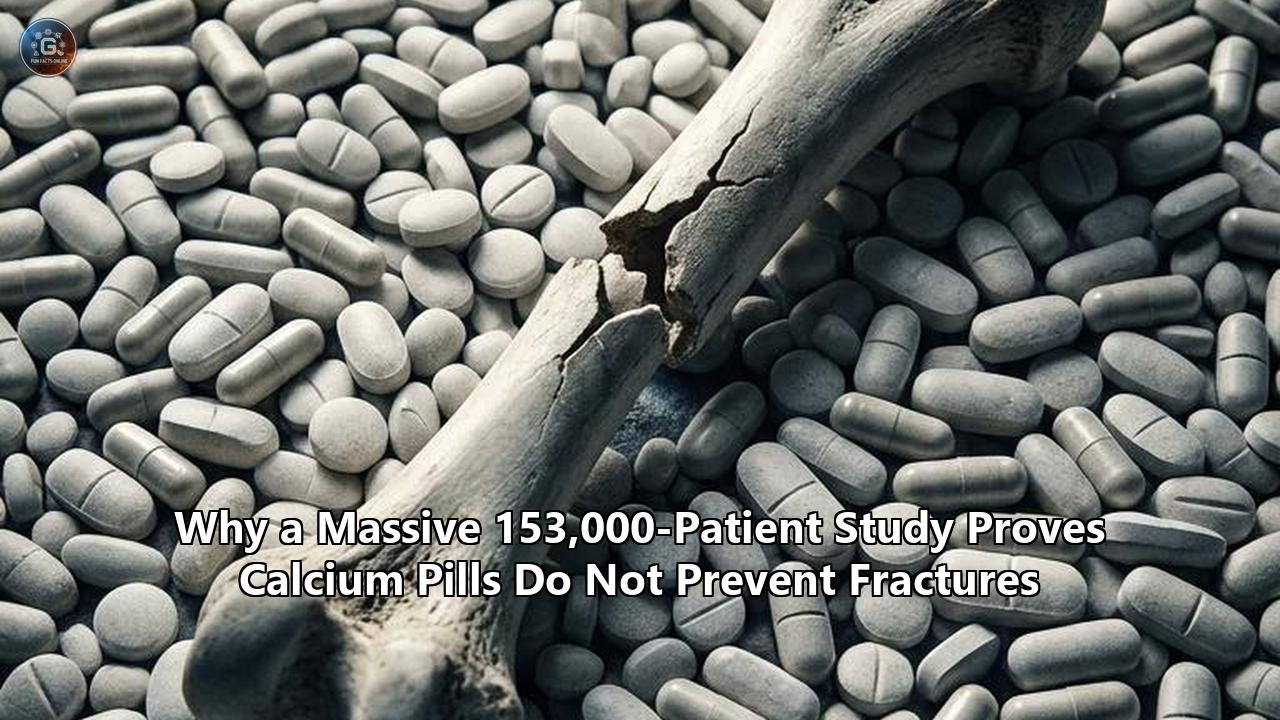
A massive systematic review and meta-analysis published in The BMJ has delivered what researchers describe as the most definitive clinical verdict yet on over-the-counter bone health regimens: routine calcium pills, taken alone or paired with vitamin D, fail to offer clinically meaningful protection against bone fractures or falls in older adults.
The investigation, led by clinical pharmacist Dr. Olivier Massé and an international research team based at CIUSSS du Nord-de-l'Île-de-Montréal and McGill University, analyzed 69 randomized controlled trials pooling data across 153,902 participants. Across dozens of rigorously conducted trials, the administration of supplemental calcium produced no statistically significant or clinically relevant reduction in the primary outcome of any fracture.
The findings arrive at a moment of acute clinical tension. For four decades, healthcare providers, public health campaigns, and a multi-billion-dollar wellness industry have urged postmenopausal women and older men to take daily calcium supplements to stave off osteoporosis and protect aging skeletons. Massé and colleagues concluded that the practice rests on an evidentiary house of cards.
"These findings do not support routine supplementation with calcium, vitamin D, or combined supplementation to prevent fractures or falls," Dr. Massé stated, urging that clinicians, clinical practice guideline panels, and global regulatory bodies immediately re-evaluate their universal recommendations.
The fallout from the 153,000-patient review exposes a divide within internal medicine, orthopedics, and endocrinology. On one side stand decades of habitual prescribing, deeply rooted in surrogate markers such as bone mineral density (BMD) scores. On the other stands an empirical wall of outcome-driven trials revealing that taking calcium carbonate or calcium citrate tablets does virtually nothing to stop an older person’s femur, wrist, or spine from breaking during a fall. As health systems grapple with an aging demographic, the study forces an unavoidable reassessment: comparing the widespread, passive habit of mineral supplementation against alternatives like targeted antiresorptive and anabolic pharmacotherapy, the food-first matrix of whole-diet nutrition, and neuromuscular resistance training.
The 153,902-Patient Dissection: Numbers, Metrics, and the Illusion of Benefit
The BMJ review is marked by its sheer scale and methodological rigor. Rather than merely calculating whether an outcome cleared the arbitrary threshold of statistical significance ($p < 0.05$), the researchers incorporated the Grading of Recommendations Assessment, Development and Evaluation (GRADE) framework. Under GRADE, the authors predefined explicit thresholds for what constitutes an absolute risk reduction (ARR) large enough to actually make a clinical difference in an individual’s life.
The findings dismantle the primary justifications for routine prescribing across three distinct therapeutic arms:
+---------------------------------------------------------------------------------------------------+
|               THE 2026 BMJ META-ANALYSIS: FRACTURE EFFICACY AT A GLANCE                           |
+--------------------------+----------+--------------+-------------------+--------------------------+
| Intervention             | Trials   | Participants | Risk Ratio (95% CI)| Clinical Assessment     |
+--------------------------+----------+--------------+-------------------+--------------------------+
| Calcium Monotherapy      | 11       | 9,067        | 0.91 (0.81–1.01)  | No significant effect;   |
|                          |          |              |                   | crosses null line       |
+--------------------------+----------+--------------+-------------------+--------------------------+
| Vitamin D Monotherapy    | 36       | 92,045       | 1.00 (0.95–1.06)  | High-certainty evidence  |
|                          |          |              |                   | of zero benefit         |
+--------------------------+----------+--------------+-------------------+--------------------------+
| Combined Calcium + Vit D | 15       | 51,126       | 0.91 (0.84–0.99)  | Statistically significant|
|                          |          |              |                   | absolute risk reduction  |
|                          |          |              |                   | of only ~1% (below       |
|                          |          |              |                   | clinical relevance)    |
+--------------------------+----------+--------------+-------------------+--------------------------+
When evaluating calcium supplements taken as monotherapy, the data revealed an uninspiring risk ratio of 0.91 with a 95% confidence interval stretching from 0.81 to 1.01. Because the confidence interval encompasses the neutral value of 1.00, the result fails basic tests of statistical significance. Moderate-certainty evidence demonstrated that taking an isolated calcium pill does not reliably reduce an adult's chances of sustaining a broken bone.
The numbers for vitamin D monotherapy were equally unsparing: 36 randomized trials encompassing 92,045 participants delivered a risk ratio of exactly 1.00 (95% CI 0.95 to 1.06). This constitutes high-certainty evidence that vitamin D pills, when taken without other interventions, do not alter fracture risk at all.
The combined regimen of calcium and vitamin D generated the lone instance of statistical significance: a risk ratio of 0.91 with a confidence interval between 0.84 and 0.99. Decades of marketing have capitalized on relative risk reductions of this size, touting a 9% reduction in fractures. However, Dr. Massé’s team stripped away the relative framing to evaluate the absolute clinical impact.
The absolute risk reduction was roughly 1% (95% CI 0.1% to 1.8%). In clinical terms, between 60 and 100 individuals would need to take high-dose calcium pills paired with vitamin D every single day for several years to prevent one fracture. For specific fracture types, such as hip fractures and vertebral crush injuries, the absolute benefit was smaller still.
The central clinical inquiry—do calcium supplements prevent fractures in real-world populations—has hit an evidentiary wall. For most community-dwelling adults, the answer provided by this systematic synthesis is that they do not provide meaningful protection.
The Absolute vs. Relative Risk Reality:
[100 Community-Dwelling Adults Taking Daily Supplements for 3-5 Years]
──────────────────────────────────────────────────────────────────
[99 Patients]: Experience identical clinical outcomes (no fractures prevented)
[ 1 Patient ]: May avert a fracture
──────────────────────────────────────────────────────────────────
Trade-off: 100% of the cohort is exposed to gastrointestinal distress,
potential vascular calcification, and a documented 17% increase in kidney stones.
Deconstructing the Chapuy Anomaly: How a 1992 Trial Skewed Decades of Medicine
The medical community's conviction that calcium supplements prevent skeletal catastrophe stems largely from a single, heavily influential trial: the 1992 French study conducted by Dr. Marie-Christine Chapuy and colleagues, published in The New England Journal of Medicine.
The Chapuy trial reported that daily supplementation with 1,200 milligrams of tricalcium phosphate and 800 International Units of vitamin D3 reduced hip fractures by an astounding 43% and overall non-vertebral fractures by 32%. It served as the empirical cornerstone for global guidelines for the next thirty years. However, comparing the characteristics of Chapuy's cohort against modern populations exposes why those results were never replicable in community settings:
- Extreme Institutionalization and Frailty: The Chapuy cohort comprised 3,270 institutionalized elderly women residing in nursing homes or apartment complexes for the retired, with an average age of 84 years. They had virtually no outdoor sun exposure, and their nutritional intake was deeply compromised.
- Profound Baseline Deficiency: The baseline circulating 25-hydroxyvitamin D [25(OH)D] in the Chapuy group averaged roughly 13 to 16 nmol/L—a level of catastrophic clinical deficiency rarely encountered in community-dwelling adults. At this baseline, secondary hyperparathyroidism runs rampant, leaching mineral salts directly from the skeleton to maintain basal serum calcium.
- Severe Nutritional Malnutrition: Baseline dietary calcium intake in the nursing home residents hovered around 500 mg per day.
When Massé and his co-authors performed sensitivity analyses on the 153,902-patient dataset, they uncovered a telling pattern: when the historic Chapuy trial was isolated or omitted from the analysis, the already marginal combined effect of calcium and vitamin D weakened substantially. In modern trials like the British RECORD (Randomised Evaluation of Calcium Or vitamin D) study—which evaluated 5,292 participants aged 70 or older who had already suffered a low-trauma fracture—calcium monotherapy (1,000 mg/day) and vitamin D3 monotherapy (800 IU/day), alone or combined, failed to reduce the incidence of subsequent fractures.
+----------------------------------------------------------------------------------------------------+
|               POPULATION CONTRAST: THE CHAPUY TRIAL (1992) VS. MODERN COHORTS                      |
+--------------------------+------------------------------------+------------------------------------+
| Dimension                | Chapuy Nursing Home Cohort (1992)  | Modern Meta-Analysis Cohorts (2026)|
+--------------------------+------------------------------------+------------------------------------+
| Mean Age & Status        | 84 years; bedbound / residential   | 62–74 years; community-dwelling   |
+--------------------------+------------------------------------+------------------------------------+
| Baseline Vitamin D       | ~13–16 nmol/L (Severe Deficiency)  | >50 nmol/L (Sufficiency Range)     |
+--------------------------+------------------------------------+------------------------------------+
| Baseline Calcium Intake  | ~513 mg/day (Severe Starvation)    | 800–1,100 mg/day (Typical Diet)    |
+--------------------------+------------------------------------+------------------------------------+
| Skeletal Physiology      | Severe secondary hyperparathyroidism| Age-related osteopenia/osteoporosis|
+--------------------------+------------------------------------+------------------------------------+
| Mechanism of Benefit     | Rescuing gross nutritional failure | Attempting to enrich replete bones |
+--------------------------+------------------------------------+------------------------------------+
The medical establishment committed a fundamental extrapolative error. It took an intervention that rescued institutionalized, severely malnourished octogenarians from systemic deficiency and prescribed it as a universal prophylactic shield for healthy 60-year-olds living independent lives in the community. The 2026 BMJ meta-analysis has closed the door on that logic.
Over-the-Counter Pills vs. High-Caliber Pharmacotherapy
The persistence of calcium supplementation is not merely benign nutritional optimism; it introduces a clinical opportunity cost. When clinicians evaluate whether do calcium supplements prevent fractures with the magnitude of effect required for an osteoporotic skeleton, comparing elemental mineral pills directly to approved prescription pharmacotherapy reveals an insurmountable therapeutic divide.
                              TREATMENT ARCHITECTURE
                                         │
                 ┌───────────────────────┴───────────────────────┐
                 ▼                                               ▼
     OVER-THE-COUNTER SALTS                          PRESCRIPTION PHARMACOTHERAPY
  (Calcium Carbonate / Citrate)                  (Antiresorptives & Bone Anabolics)
                 │                                               │
   ┌─────────────┴─────────────┐                   ┌─────────────┴─────────────┐
   ▼                           ▼                   ▼                           ▼
SURROGATE SHIFT         FRACTURE OUTCOME      ANTIMODELING              DIRECT RISK DROP
Small BMD bump (1-2%)   0% to 1% absolute     Inhibition of RANKL/      30% to 70% relative
at non-critical sites   reduction; fails      osteoclasts or Wnt        reduction in hip,
over 2-3 years          GRADE thresholds      pathway activation        spine, and non-spine
The Mechanism of Antiresorptive and Anabolic Agents
Prescription medications for osteoporosis alter bone turnover dynamics through targeted molecular pathways:
- Bisphosphonates (e.g., Alendronate, Zoledronic Acid): These compounds bind avidly to mineral surfaces at sites of active remodeling. As osteoclasts attempt to resorb bone, they ingest the bisphosphonate, which inhibits farnesyl pyrophosphate (FPP) synthase, triggering osteoclast apoptosis. This halts uncontrolled bone degradation, thickens cortical bone, and preserves trabecular architecture. In landmark phase III clinical trials, such as the Fracture Intervention Trial (FIT), alendronate reduced clinical vertebral fractures by 55% and hip fractures by 51% in women with existing vertebral fractures.
- Denosumab: A human monoclonal antibody that targets the receptor activator of nuclear factor-kappa B ligand (RANKL). By neutralizing RANKL, denosumab prevents the maturation, activation, and survival of osteoclasts. The FREEDOM trial proved that denosumab reduced the relative risk of radiographic vertebral fractures by 68% and hip fractures by 40%.
- Bone Anabolic Agents (Teriparatide, Abaloparatide, Romosozumab): Rather than merely slowing resorption, these agents rebuild the structural skeletal scaffolding. Teriparatide (recombinant human PTH 1-34) and abaloparatide stimulate osteoblastic bone formation. Romosozumab, an antibody targeting sclerostin, possesses a dual action: it promotes vigorous bone formation while simultaneously suppressing bone resorption. The FRAME and ARCH trials demonstrated that romosozumab reduced clinical vertebral fractures by up to 73% within twelve months.
The Contrast with Elemental Calcium Pills
In stark contrast, oral calcium is not an active cellular regulator. It is simply a substrate. Consuming excess calcium cannot compel exhausted osteoblasts to weave new collagen matrices, nor can it prevent uncoupled osteoclasts from excavating deep resorption cavities across thinning cortical bone.
+----------------------------------------------------------------------------------------------------+
|         COMPETING INTERVENTIONS: OVER-THE-COUNTER CALCIUM VS. PHARMACOTHERAPY                      |
+--------------------------+------------------------------------+------------------------------------+
| Metric                   | Supplemental Calcium Salts (Pills) | Targeted Prescription Therapies    |
+--------------------------+------------------------------------+------------------------------------+
| Primary Target           | Mineral pool supply in the gut     | Osteoclast/osteoblast cell signaling|
+--------------------------+------------------------------------+------------------------------------+
| Hip Fracture Reduction   | 0% to 1% absolute reduction       | 30% to 50% relative reduction      |
+--------------------------+------------------------------------+------------------------------------+
| Vertebral Reduction      | Inconsequential / Non-significant| Up to 60% to 70% relative reduction|
+--------------------------+------------------------------------+------------------------------------+
| Biomechanical Impact     | Increases mineral ash; brittle bone| Restores trabecular micro-architecture|
+--------------------------+------------------------------------+------------------------------------+
| Adherence Barriers       | GI distress, constipation, pill size| Injection frequency, mild flu-like |
+--------------------------+------------------------------------+------------------------------------+
| Primary Safety Hazards   | Kidney stones, vascular calcification| Rare osteonecrosis of jaw, atypical |
|                          |                     | subtrochanteric femur fractures    |
+--------------------------+------------------------------------+------------------------------------+
The clinical danger of the over-the-counter paradigm is what geriatricians term the "therapeutic delay." An older individual diagnosed with osteopenia or severe osteoporosis is often sent home with instructions to "take calcium and vitamin D." The patient leaves with the false impression that they are treating their disease. Three years later, after the disease has silently degraded their trabecular architecture, they slip and sustain a devastating femoral neck fracture.
Massé’s analysis underscores that calcium supplements are incapable of serving as a surrogate for genuine pharmacotherapy. While clinical trials for bisphosphonates require participants to have baseline calcium sufficiency to avoid medication-induced hypocalcemia, prescribing mineral pills as a standalone preventive measure for fragility fractures is clinically unsupported.
The Pharmacokinetic Mismatch: Elemental Salts vs. Whole-Food Calcium
The debate over whether do calcium supplements prevent fractures more effectively than nutritional adjustments centers on the physiological divergence between isolated chemical salts and the whole-food matrix. The human digestive tract did not evolve to manage large boluses of unbound mineral salts dumped into the gastric cavity in a single concentrated swallow.
PHARMACOKINETIC SERUM CURVE OVER 12 HOURS
Serum Calcium
(mg/dL)
  ▲
  │         CALCIUM CARBONATE BOLUS (500-1000 mg)
10.5│              ┌─────┐ ◄─── Transient Spike / Extracellular Loading
  │             ┌─┘     └─┐     (Risk: Vascular calcification,
10.0│            ┌┘         └┐   hypercalciuria, hypercoagulability)
  │           ┌─┘             └─┐
 9.5│─ ─ ─ ─ ┌┘─ ─ ─ ─ ─ ─ ─ ─ ─ └──────────────────────────────── Baseline
  │  ───────┴───────────────────────────── WHOLE-FOOD MATRIX
 9.0│  Gradual, sustained, buffered absorption (Milk, Yogurt, Sardines, Greens)
  │
 8.5└─────────────────────────────────────────────────────────────► Time (Hours)
     0       2       4       6       8      10      12
The Peak-and-Clearance Paradox of Supplemental Salts
When a patient ingests a typical 500 mg or 1,000 mg tablet of calcium carbonate or calcium citrate:
- Rapid Gastric Dissolution: The synthetic pill breaks down rapidly in the stomach’s acidic environment.
- Saturating the Transport Channels: In the duodenum and upper jejunum, active transcellular calcium absorption (mediated by the TRPV6 channel and the intracellular binding protein calbindin-D9k) quickly becomes overwhelmed and saturated.
- Passive Paracellular Flooding: Massive quantities of unbound ionic calcium ($Ca^{2+}$) are driven across the intestinal epithelium via non-saturable passive paracellular diffusion.
- The Transient Hypercalcemic Spike: Within two to six hours post-ingestion, the patient’s systemic blood circulation experiences an acute, unphysiological spike in ionized calcium.
This postprandial mineral surge triggers homeostatic alarms. The thyroid's parafollicular cells release calcitonin, and the parathyroid glands shut down secretion of parathyroid hormone (PTH). However, the kidneys face an immediate filtration overload, causing pronounced hypercalciuria (excess calcium excreted in the urine). The remaining transient surplus must clear somewhere, often binding to degraded elastin and collagen fibers inside vascular walls and soft tissues.
The Whole-Food Matrix: Slow, Sustained Buffering
Nutritional calcium from unadulterated whole foods behaves along an entirely different pharmacokinetic profile:
- Nutrient Matrix Binding: In dairy products (milk, yogurt, cheese), calcium is bound structurally to casein micellar structures, whey proteins, and organic phosphorus. In plant sources (bok choy, kale, broccoli, fortified legumes), it is interwoven with fibrous plant cell matrices, polysaccharides, and water.
- Prolonged Intestinal Transit: Digestion requires active enzymatic proteolysis, lipolysis, and mechanical breakdown. Gastric emptying occurs gradually over four to eight hours.
- Balanced Bioavailability: Calcium ions are trickled slowly down the entirety of the small intestine. The active TRPV6 transport systems are continuously engaged without ever being abruptly overwhelmed.
- Absence of Hypercalcemic Shock: Serum ionized calcium remains remarkably stable throughout digestion. There is no massive postprandial spike, no sudden shutdown of homeostatic regulatory loops, and no dumping of concentrated mineral surpluses into the renal tubules.
+----------------------------------------------------------------------------------------------------+
|               CALCIUM SUPPLEMENTS VS. DIETARY INTAKE: COMPARATIVE PROFILE                          |
+--------------------------+------------------------------------+------------------------------------+
| Characteristic           | Supplemental Salts (Pills)         | Dietary Whole Foods                |
+--------------------------+------------------------------------+------------------------------------+
| Serum Calcium Flux       | Sudden peak (hypercalcemic spike)  | Smooth, homeostatic plateau        |
+--------------------------+------------------------------------+------------------------------------+
| Co-Factors Present       | Fillers, binders, occasional Vit D | Protein, phosphorus, magnesium, K2 |
+--------------------------+------------------------------------+------------------------------------+
| Renal Clearance Load     | High postprandial hypercalciuria   | Low, sustained renal filtration    |
+--------------------------+------------------------------------+------------------------------------+
| Gastrointestinal Adverse | Frequent (severe constipation, gas,| Negligible (supports microbiome    |
| Effects                  | acid rebound, cramping)            | and colonic integrity)     |
+--------------------------+------------------------------------+------------------------------------+
| Epidemiological Risk     | Associated with kidney stones and  | Inversely associated with stones;  |
| Profile                  | arterial plaque acceleration       | neutral to protective on arteries  |
+--------------------------+------------------------------------+------------------------------------+
Crucially, prospective cohort studies consistently demonstrate that while supplemental calcium pills are directly tied to an increased risk of nephrolithiasis (kidney stones), high dietary calcium intake is associated with a reduction in kidney stone formation. In food, dietary calcium binds tightly to dietary oxalate within the gut lumen, forming an insoluble precipitate that is safely excreted in the stool, preventing oxalates from crossing into the bloodstream and forming stones in the urinary tract. Taking an isolated calcium pill on an empty stomach breaks this protective equilibrium, directly elevating urinary calcium without binding gastrointestinal oxalates.
The Hidden Harms: Cardiovascular Risks and Renal Disease
The argument for routine calcium supplementation was historically anchored to a simple assumption: even if the benefit was small, calcium was an inert mineral, meaning there was little risk in taking it. A long series of clinical trials—culminating in the granular safety reassessment spurred by Massé’s meta-analysis—has systematically overturned that assumption.
               THE CASCADE OF SUPPLEMENT-INDUCED MINERAL HAZARD
                                      │
                         500–1000 mg Supplemental Salt
                                      │
                                      ▼
                        Transient Hypercalcemic Surge
                                      │
                ┌─────────────────────┴─────────────────────┐
                ▼                                           ▼
      Vascular Calcification                    Renal Tubule Supersaturation
                │                                           │
   ┌────────────┴────────────┐                              ▼
   ▼                         ▼                     Nephrolithiasis
Pro-coagulant State     Vascular Smooth               (Kidney Stones)
(Platelet aggregation,  Muscle Transformation               │
altered blood viscosity)(Calcium hydroxyapatite              ▼
   │                    crystals in tunica media)   Pain, Hematuria,
   ▼                         │                      Infection, Stenting
Increased Myocardial         ▼
Infarction / Stroke     Arterial Stiffening &
Risk                    Hypertension
The Auckland Heart Controversy and Vascular Calcification
Beginning in the late 2000s, researchers at the University of Auckland, led by Dr. Mark Bolland and Dr. Ian Reid, made a troubling observation during a randomized trial examining calcium monotherapy in 1,471 postmenopausal women. While tracking bone loss, the researchers found that myocardial infarctions occurred more frequently in women randomized to receive 1,000 mg of calcium daily compared to those receiving placebo.
Subsequent meta-analyses by Bolland and colleagues published in The BMJ consolidated this warning: calcium supplements, administered with or without vitamin D, were associated with an estimated 25% to 30% increase in the risk of myocardial infarction and a smaller but distinct elevation in ischemic stroke.
The biological plausibility of this signal has been demonstrated in vascular biology:
- Vascular Smooth Muscle Calcification: Vascular smooth muscle cells (VSMCs) inside blood vessel walls are not passive bystanders. When exposed to repeated spikes in extracellular calcium, they upregulate osteogenic genes (such as Runx2) and transdifferentiate into osteoblast-like cells. They actively begin synthesizing mineralized matrix, converting flexible arterial tunica media into rigid, calcified tubes.
- Platelet Activation and Clotting Cascades: Extracellular calcium is an essential co-factor in the coagulation cascade. Acute elevations in circulating ionized calcium accelerate platelet responsiveness and thrombin generation, promoting an environment ripe for coronary thrombosis.
- Coronary Artery Calcium (CAC) Progression: In the Multi-Ethnic Study of Atherosclerosis (MESA), which tracked over 2,700 participants over ten years, high total calcium intake from whole food was associated with a lower risk of incident atherosclerosis. Conversely, supplement users showed a 22% higher risk of incident coronary artery calcification, reinforcing the stark divide between natural dietary consumption and concentrated chemical dosing.
+----------------------------------------------------------------------------------------------------+
|               THE DIVERGENT ARTERIAL IMPACT: FOOD VS. SUPPLEMENTAL SALTS                           |
+--------------------------+------------------------------------+------------------------------------+
| Pathological Marker      | Calcium from Dietary Sources       | Calcium from Oral Supplements      |
+--------------------------+------------------------------------+------------------------------------+
| Coronary Plaque Accretion| Neutral or slowed progression      | Accelerated CAC score progression  |
+--------------------------+------------------------------------+------------------------------------+
| Vascular Compliance      | Preserves arterial elasticity      | Contributes to arterial stiffness  |
+--------------------------+------------------------------------+------------------------------------+
| Thrombus Formation Risk  | Stable homeostatic coagulation     | Postprandial hypercoagulability    |
+--------------------------+------------------------------------+------------------------------------+
The Renal Burden: Nephrolithiasis
Beyond the vascular system lies the urinary tract. In the massive Women’s Health Initiative (WHI) randomized trial—which assigned 36,282 postmenopausal women to receive either 1,000 mg of elemental calcium plus 400 IU of vitamin D3 daily or a matching placebo—the supplement group experienced a statistically significant 17% increase in the incidence of urinary tract stones.
Over the average seven-year follow-up period, hundreds of women in the intervention group suffered episodes of acute renal colic, hematuria, and required painful invasive interventions such as extracorporeal shock wave lithotripsy (ESWL) or ureteroscopy to fragment obstructing calcium oxalate stones.
When weighed against a non-significant reduction in hip fractures or a modest 1% absolute decline in all fractures, the safety calculus collapses. When considering whether do calcium supplements prevent fractures safely, modern clinicians must factor in the real possibility that the pills are more likely to generate a nephrologist visit than save a patient from an orthopedic trauma bay.
Biomechanics vs. Mineral Chemistry: Why Falling Skeletons Fracture
The failure of calcium supplements to meaningfully protect aging individuals reveals a conceptual flaw in how healthcare systems have approached fragility fractures. Fractures are treated as diseases of biochemical mineral depletion, when in reality, they are usually traumatic biomechanical failures triggered by kinetic impacts.
                     PRIMARY CAUSE OF A HIP FRACTURE
                                    │
           ┌────────────────────────┴────────────────────────┐
           ▼                                                 ▼
   BIOCHEMICAL PROFILE                             BIOMECHANICAL EVENT
Bone mineral density score (BMD)              Kinetic impact of a mechanical fall
       [Accounts for only                              [Responsible for over
     10% to 20% of variance]                          90% of hip fractures]
More than 90% of hip fractures and wrist fractures occur because an individual falls to the floor. A healthy young bone can withstand modest physical shocks, but even a dense bone will crack if the mechanical force of a fall exceeds the bone's structural capacity.
Taking a daily calcium supplement does nothing to address the physiological drivers of falling:
- It does not improve proprioceptive acuity or inner ear vestibular function.
- It does not train type II fast-twitch muscle fibers, which are essential for taking a rapid, reactive step to catch one’s balance.
- It does not improve joint stiffness, enhance vision, or rectify cardiovascular orthostatic hypotension.
The Contrast: Neuromuscular Loading vs. Chemical Ingestion
While supplemental minerals deliver a negligible reduction in falls or breaks, structured biomechanical interventions provide an evidence-based alternative:
+----------------------------------------------------------------------------------------------------+
|               INTERVENTION ARMS: SUPPLEMENTAL PILLS VS. RESISTANCE & BALANCE                       |
+--------------------------+------------------------------------+------------------------------------+
| Feature                  | Daily Calcium & Vitamin D Pills    | Neuromuscular & Heavy Resistance   |
+--------------------------+------------------------------------+------------------------------------+
| Fall Prevention Efficacy | Zero effect (Risk Ratio 1.00)     | 25% to 40% reduction in falls      |
+--------------------------+------------------------------------+------------------------------------+
| Cellular Mechanism       | Influx of extracellular calcium    | Piezo1 mechanosensitive signaling, |
|                          | ions into systemic circulation     | Wnt/β-catenin osteoblast activation|
+--------------------------+------------------------------------+------------------------------------+
| Skeletal Quality         | Modest ash density, questionable   | Cortical thickening along natural  |
|                          | trabecular micro-architecture| mechanical stress vectors          |
+--------------------------+------------------------------------+------------------------------------+
| Functional Adaptations   | None                               | Muscle hypertrophy, motor control, |
|                          |                                    | rapid reactionary balance recovery |
+--------------------------+------------------------------------+------------------------------------+
The Biology of Mechanotransduction
Bones are living organs that respond to physical force. Under the mechanostat theory formulated by Dr. Harold Frost, bone remodeling is driven by mechanical deformation. When an individual performs heavy compound movements—such as squats, deadlifts, loaded carries, or high-impact stomping—the physical load bends and compresses the bone matrix at microscopic levels.
- Fluid Flow Inside Canaliculi: This mechanical deformation forces interstitial fluid through the lacunar-canalicular network housing osteocytes.
- Osteocyte Activation: The shear stress of this fluid flow activates mechanosensitive ion channels, notably Piezo1 and Piezo2, on osteocyte membranes.
- Suppression of Sclerostin: Sensing high mechanical strain, osteocytes downregulate sclerostin production.
- Wnt Pathway Activation: Decreased sclerostin levels unlock the canonical Wnt/$\beta$-catenin pathway, directing mesenchymal stem cells to mature into active bone-forming osteoblasts.
- Structural Cortical Modeling: The resulting bone formation is not dumped randomly across the skeleton; it is targeted precisely where mechanical strain is highest, such as the femoral neck, femoral shaft, and vertebral bodies.
In trials such as the Australian LIFTMOR (Lifting Intervention for Training Muscle and Osteoporosis Rehabilitation) study, postmenopausal women with low bone mass underwent twice-weekly, 30-minute supervised sessions of high-intensity resistance training (deadlifts, overhead presses, back squats) combined with jumping chin-ups.
The results outperformed what calcium pills have ever produced: significant gains in lumbar spine and femoral neck BMD, substantial cortical bone thickening, and zero vertebral fractures—accompanied by dramatic reductions in fall risk due to improved leg power and balance control.
A mineral tablet cannot replicate the physical forces that keep human skeletons upright, structurally functional, and capable of withstanding the kinetic impact of daily life.
                THE MECHANOTRANSDUCTION PATHWAY
                               │
             Mechanical Strain (Deadlift / Squat)
                               │
                               ▼
            Fluid Shear Stress in Bone Canaliculi
                               │
                               ▼
                Piezo1 / Piezo2 Channel Gating
                               │
                               ▼
                   Downregulation of Sclerostin
                               │
                               ▼
               Wnt / β-Catenin Pathway Activation
                               │
            ┌──────────────────┴──────────────────┐
            ▼                                     ▼
Osteoblast Recruitment &            Cortical Thickening Along
Collagen Matrix Synthesis           Real-World Stress Vectors
Guidelines vs. Practice: Navigating the Institutional Schism
The 2026 BMJ meta-analysis has intensified an ongoing split within healthcare organizations. Over the past decade, major medical agencies have quietly begun pulling back from universal calcium recommendations, but this shift has been slow to filter into everyday clinical practice.
+----------------------------------------------------------------------------------------------------+
|                 THE EVOLUTION OF CLINICAL PRACTICE GUIDELINE POSITIONS                             |
+--------------------------+------------------------------------+------------------------------------+
| Agency / Medical Society | Historical Recommendation          | Current Evolving Position          |
+--------------------------+------------------------------------+------------------------------------+
| U.S. Preventive Services | Universal 1,000–1,200 mg           | Recommends AGAINST routine calcium |
| Task Force (USPSTF)      | supplementation for postmenopausal | & vitamin D supplementation in     |
|                          | women                              | non-institutionalized adults       |
+--------------------------+------------------------------------+------------------------------------+
| The Endocrine Society    | Universal empirical dosing and     | Steps back from routine testing and|
| (2024 Guidelines)        | widespread bone panel screenings   | empirical supplements for adults   |
|                          |                                    | aged 50–74                 |
+--------------------------+------------------------------------+------------------------------------+
| Bone Health & Osteoporosis| Aggressive supplemental targeting | Prioritizes dietary sources first; |
| Foundation (BHOF)        | to hit >1,200 mg/day               | restricts pills to close shortfalls|
+--------------------------+------------------------------------+------------------------------------+
| The BMJ Review Team      | Active endorsement of mineral      | Calls for an immediate, universal  |
| (Massé et al., 2026)     | therapy for older demographics     | re-evaluation of all guidelines |
+--------------------------+------------------------------------+------------------------------------+
The Forces Fueling Prescription Inertia
If high-certainty randomized controlled trial data demonstrates that calcium supplements do not provide meaningful fracture prevention for the general public, why does the habit persist?
- The $35-Billion Commercial Complex: Dietary supplements represent a global enterprise heavily insulated by light regulatory frameworks, particularly in the United States under the Dietary Supplement Health and Education Act (DSHEA) of 1994. Manufacturers can market calcium tablets using broad structure-function claims (such as "supports bone health") without being required to prove that their product stops fractures in randomized clinical trials.
- The Comfort of the Surrogate Marker: For decades, medicine relied on dual-energy X-ray absorptiometry (DEXA) scans as the primary metric for bone health. Calcium supplements can produce a small 1% to 2% increase in bone mineral density over two to three years. However, this modest mineral accumulation typically reflects transient remineralization of existing remodeling spaces rather than a true restoration of skeletal strength. It is a cosmetic change on a scan, not a genuine reduction in fracture risk.
- The 10-Minute Consultation Trap: In busy outpatient primary care settings, taking time to educate an older adult on dietary adjustments, reviewing home fall hazards, and arranging referrals for heavy resistance exercise takes significant time and resources. Handing a patient a pamphlet recommending calcium and vitamin D is fast, cheap, and offers the illusion of proactive care.
The Primary Care Cycle of Inertia:
[Brief Consultation] ──► [Prescribe Calcium/Vitamin D] ──► [Patient Reassured]
         ▲                                                          │
         │                                                          ▼
[Omits Exercise/Safety] ◄── [Avoids Prescription Discussion] ◄── [Neglects True Risk]
However, continuing down this path carries ethical and financial implications. Recommending an intervention with clear documentation of minimal clinical benefit—accompanied by gastrointestinal side effects, compliance challenges, and documented vascular and renal risks—diverts valuable public health resources away from strategies that actually protect patients.
The Clinical Exceptions: When Calcium Remains Essential
The finding that routine calcium supplementation is ineffective for community-dwelling adults does not mean the mineral has no role in clinical medicine. The findings of Massé and colleagues specifically evaluate routine population-level supplementation for the prevention of fractures and falls.
Dr. Massé cautioned against applying these findings indiscriminately: "There are still many valid indications for taking calcium and vitamin D, such as taking osteoporosis medication, long-term corticosteroids, certain bone or endocrine diseases, following bariatric surgery, and so on".
+----------------------------------------------------------------------------------------------------+
|              TRIAGE FRAMEWORK: POPULATION PROPHYLAXIS VS. TARGETED THERAPY                         |
+---------------------------------------+------------------------------------------------------------+
| ROUTINE PROPHYLAXIS (NOT SUPPORTED)   | TARGETED CLINICAL THERAPY (MANDATORY)                      |
+---------------------------------------+------------------------------------------------------------+
| • Healthy, community-dwelling adults  | • Patients undergoing antiresorptive/anabolic therapy      |
| • Unscreened older adults >65         | • Severe nutritional starvation / celiac / bariatric surgery|
| • Asymptomatic individuals with       | • Documented secondary hyperparathyroidism                 |
|   baseline-sufficient diet            | • Chronic kidney disease mineral-bone disorder (CKD-MBD)   |
| • Prophylactic attempt to halt falls  | • Patients on chronic high-dose systemic glucocorticoids   |
+---------------------------------------+------------------------------------------------------------+
Specific Clinical Populations Requiring Regulated Supplementation
A blanket rejection of calcium tablets would harm specific patient subgroups who rely on targeted supplementation:
- Patients on Potent Antiresorptives and Anabolic Agents: In clinical trials evaluating denosumab or intravenous zoledronic acid, daily calcium and vitamin D co-administration is mandatory. Powerful antiresorptive agents rapidly suppress bone resorption, cutting off the continuous flow of skeletal calcium back into the bloodstream. Without adequate circulating mineral substrate, patients risk developing severe, life-threatening hypocalcemia. In this context, calcium serves as an essential safety net for the drug, not as the primary therapy preventing fractures.
- Post-Bariatric and Malabsorptive Syndromes: Roux-en-Y gastric bypass and biliopancreatic diversion procedures bypass the duodenum and proximal jejunum—the primary anatomical sites of active calcium and fat-soluble vitamin absorption. These patients cannot extract sufficient minerals from food alone, regardless of diet quality. Without supplemental calcium citrate (which does not depend on gastric acid for dissolution), they face rapidly developing osteomalacia and skeletal collapse.
- Profound Baseline Nutritional Deficiencies: Individuals with circulating 25(OH)D levels below 25 nmol/L, or those whose total dietary calcium intake falls below 400 mg daily, cannot maintain homeostatic balance. In these specific cases of severe deficiency, low-dose therapeutic supplementation is necessary to prevent osteomalacia and mitigate secondary hyperparathyroidism.
The clinical lesson from the 153,902-patient review is not that calcium is physiologically irrelevant, but that nutritional adequacy is not an escalating escalator. Once physiological baseline sufficiency is reached, taking excess calcium pills does not add strength to bone. Instead, it places unnecessary strain on the body's vascular and renal systems.
Reconstructing Bone Health Policy: Where Do We Go From Here?
The publication of the 2026 BMJ systematic review provides clear direction for health policy. Decades of relying on mineral supplements as a simple fix for age-related skeletal fragility has distracted from more effective, comprehensive interventions.
                   THE FUTURE SKELETAL PROTECTION MATRIX
                                     │
      ┌──────────────────────────────┼──────────────────────────────┐
      ▼                              ▼                              ▼
ENVIRONMENT & FUNCTION         NUTRITION FIRST            TARGETED PHARMACOTHERAPY
• Heavy resistance training    • Whole-food calcium       • Risk stratification by
  (Piezo1 mechanotransduction)   (dairy, greens, fish)      FRAX / TBS / HR-pQCT
• Otago balance training       • 800–1,000 mg/day from    • Bisphosphonates, Denosumab,
• Environmental fall-proofing    natural food matrix        Romosozumab for high-risk
• Vestibular & vision therapy  • Normal protein intake      individuals only
Transforming modern fracture prevention will require moving away from mass supplement prescribing and focusing resources on strategies with proven outcomes:
1. Phasing Out Routine Prophylactic Prescribing
Health organizations, hospital formularies, and professional societies should update their clinical recommendations to state clearly that over-the-counter calcium and vitamin D supplements are not recommended for preventing fractures or falls in community-dwelling adults without specific clinical indications.
2. Prioritizing Whole-Food Nutrition Over Synthetic Salts
Public health initiatives should focus on whole-food nutritional strategies. An Australian cluster-randomized trial published in The BMJ by Iuliano and colleagues offered a clear example of this approach: providing older adults in aged-care facilities with high-calcium, high-protein foods (milk, yogurt, and cheese to reach 1,142 mg calcium/day and 1.1 g protein/kg/day) reduced hip fractures by 33% and all fractures by 19%.
Unlike synthetic tablets, this food-first strategy provided complete dairy matrices, essential amino acids to preserve muscle mass, and bioavailable phosphorus—improving both bone architecture and muscle strength without generating hypercalcemic spikes.
3. Elevating Resistance Training to Standard Clinical Care
Physical therapy and progressive resistance exercise must be integrated into medical benefits programs. If public health agencies redirected a fraction of the capital spent on unproven mineral supplements toward supervised, community-based balance and resistance training (such as the Otago Exercise Programme and high-intensity bone-loading regimens), the return in fall reductions and preserved functional independence would easily eclipse the marginal effects seen with over-the-counter pills.
+----------------------------------------------------------------------------------------------------+
|               FRACTURE PREVENTION: EFFICACY AND RESOURCE ALLOCATION SUMMARY                        |
+--------------------------+-----------------------+-----------------------+-------------------------+
| Strategic Pillar         | Evidence Certainty    | Primary Target        | Public Health Priority  |
+--------------------------+-----------------------+-----------------------+-------------------------+
| Targeted Pharmacotherapy | High                  | Bone turnover &       | High (for established   |
| (High-risk patients)     |                       | trabecular micro-arch | osteoporosis)           |
+--------------------------+-----------------------+-----------------------+-------------------------+
| Progressive Resistance & | Moderate to High      | Muscle power, balance,| High (broad community   |
| Balance Training         |                       | fall avoidance, cortex| application)    |
+--------------------------+-----------------------+-----------------------+-------------------------+
| Food-First Matrix        | Moderate              | Sustained nutrition,  | High (dietary education |
| (Nutritional sufficiency)|                       | protein & minerals    | & access)       |
+--------------------------+-----------------------+-----------------------+-------------------------+
| Over-the-Counter Calcium | Moderate to High      | Non-specific ash      | De-emphasize / Deprecate|
| Supplements (Pills)      | (Evidence of INutility| density (fails to     | for routine use |
|                          |)              | prevent fractures)|                     |
+--------------------------+-----------------------+-----------------------+-------------------------+
The medical field's long-running inquiry—do calcium supplements prevent fractures—has now been answered with high-certainty evidence across 153,902 clinical trial participants. They do not.
Continuing to rely on routine calcium pills as a primary shield against skeletal decline is no longer supported by evidence-based medicine. Sustaining genuine skeletal health requires addressing the full biological picture: preserving muscular power, maintaining balance, prioritizing whole-food nutrition, and directing proven pharmacotherapy toward patients who face true structural risks.
Reference:
- https://www.marahnatural.com/blogs/blog/do-calcium-supplements-prevent-fractures
- https://pubmed.ncbi.nlm.nih.gov/42161415/
- https://www.drugs.com/news/calcium-vitamin-d-combo-supplements-do-little-prevent-fracture-falls-130097.html
- https://www.sciencedaily.com/releases/2026/09/260920030147.htm
- https://economictimes.indiatimes.com/news/international/global-trends/millions-take-calcium-and-vitamin-d-to-protect-their-bones-the-biggest-review-yet-suggests-the-daily-pills-may-not-prevent-the-falls-they-fear-most/articleshow/134392622.cms?from=mdr
- https://www.bmj.com/cgi/reprint/393/may20_8/s913
- https://www.nutraingredients.com/Article/2026/05/27/research-challenges-calcium-and-vitamin-d-use-for-bone-health/
- https://www.bmj.com/content/393/bmj-2025-088050/rr-16
- https://www.bmj.com/content/394/bmj-2026-100507
- https://www.sciencemediacentre.org/expert-reaction-to-meta-analysis-looking-at-evidence-for-vitamin-d-supplementation-and-fracture-and-fall-prevention-in-older-people/
- https://www.bmj.com/content/393/bmj-2025-088050
- https://globalnews.ca/news/11888607/vitamin-d-and-calcium-health-study/
- https://www.discovermagazine.com/calcium-and-vitamin-d-supplements-may-not-prevent-fractures-or-falls-in-older-adults-49253
- https://www.epocrates.com/online/article/endo-2024-updated-vitamin-d-guideline
- https://www.news-medical.net/news/20260520/Calcium-and-vitamin-D-supplements-show-limited-fracture-prevention-benefits.aspx