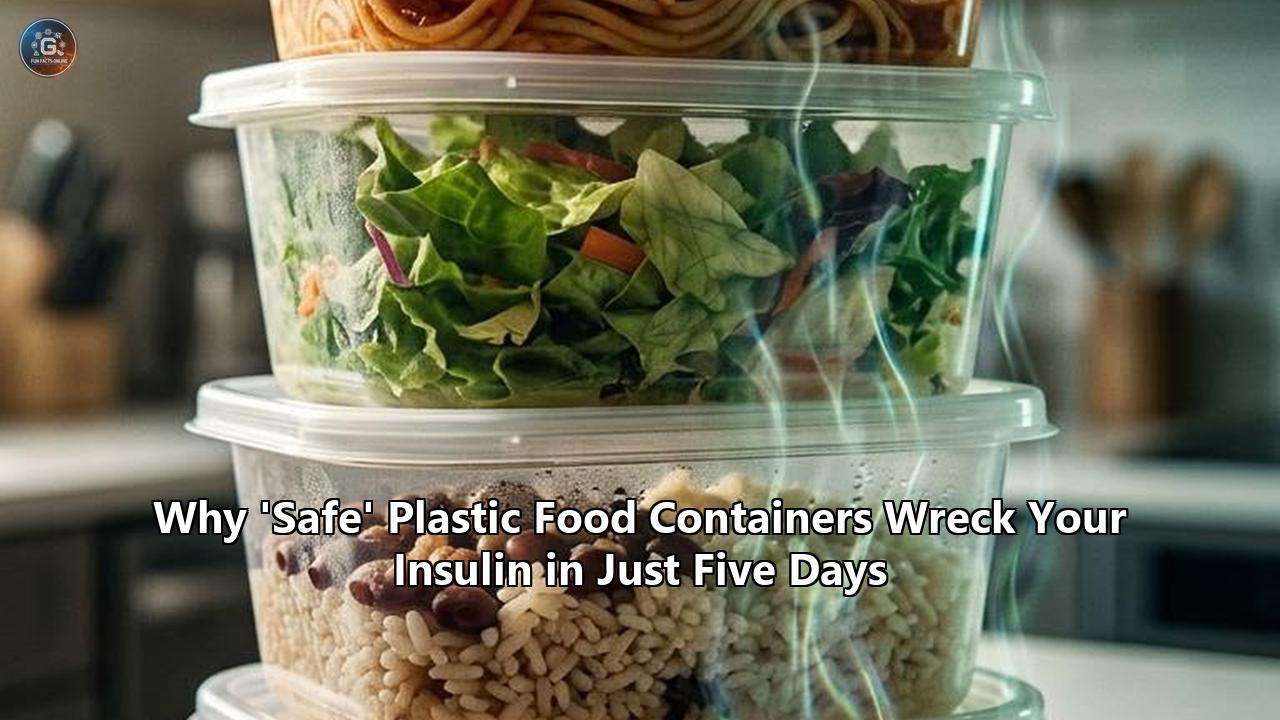
In a temperature-controlled metabolic ward at California Polytechnic State University, forty young, healthy volunteers spent five days adhering to a strictly monitored regimen. None of them changed their caloric intake. None altered their physical activity levels. Their body weights did not shift by so much as a single pound. Yet, by the morning of the fifth day, the metabolic machinery inside their muscles and bloodstream had begun to sputter.
The clinical trial, published in The Journal of Clinical Endocrinology & Metabolism following initial data presented at the American Diabetes Association Scientific Sessions, delivered a finding that has unsettled food safety toxicologists worldwide: oral ingestion of bisphenol A (BPA) at a dose officially designated as safe by the U.S. Environmental Protection Agency (EPA) caused a direct, measurable plunge in peripheral insulin sensitivity in just 120 hours.
For more than three decades, federal regulators and chemical industry representatives have reassured the public that trace chemical migration from food packaging is metabolized too swiftly by the human liver to disrupt glucose homeostasis. Public health agencies have reiterated that as long as exposures remain below the EPA’s reference dose of 50 micrograms per kilogram of body weight per day, consumers face no appreciable risk.
The Cal Poly clinical trial shattered that narrative. Led by metabolic physiologist Dr. Todd Hagobian, the investigation did not rely on epidemiological correlations, food frequency surveys, or rodent proxies. Instead, researchers placed human subjects into a double-blind, randomized crossover trial and measured their peripheral glucose uptake using the 120-minute euglycemic-hyperinsulinemic clamp—the undisputed gold standard of metabolic endocrinology.
The results were unambiguous: after five days of exposure to the legally "safe" threshold, peripheral insulin sensitivity dropped by roughly 9 to 10 percent. The control group, fed an identical baseline diet devoid of synthetic chemical additives, experienced no such decline.
"Given that type 2 diabetes remains one of the leading causes of morbidity and mortality across the globe, identifying previously dismissed environmental drivers is paramount," Dr. Hagobian stated when presenting the preliminary findings. "We were stunned by how rapidly the peripheral tissue responded. We observed direct impairment of insulin action at doses people encounter routinely from food contact materials".
This trial provides the first direct causal evidence in humans that chemical compounds leaching from consumer plastics can induce rapid-onset metabolic dysfunction. It cuts through decades of scientific dispute, exposing a widening chasm between federal chemical regulations drafted in the late 1980s and modern endocrine science.
The Human Clamp Protocol: Unmasking a Five-Day Metamorphosis
To understand why the Cal Poly trial represents a watershed moment in metabolic toxicology, one must look at the technical rigor of the experiment itself. For years, the plastics manufacturing sector successfully defended its materials by pointing out that population-level studies linking packaging chemicals to type 2 diabetes were merely observational. Industry toxicologists routinely argued that people who eat foods packaged in plastic might simply consume more ultra-processed ingredients, exercise less, or carry genetic predispositions that account for their elevated blood sugar.
Dr. Hagobian’s design systematically dismantled every one of those confounders.
The cohort comprised forty healthy, non-obese adults with an average body mass index of 22.1. Prior to the intervention, every participant underwent a two-day "clean" baseline phase. They consumed an energy-balanced, whole-food diet specifically prepared and stored without contact with plastic containers, plastic films, or epoxy-lined cans. During this baseline window, researchers recorded baseline urinary bisphenol concentrations and established each participant's metabolic profile.
Following baseline stabilization, the participants were split into two cohorts under double-blind conditions. One cohort received a daily placebo, while the second ingested 50 micrograms of BPA per kilogram of body weight—an amount carefully calculated to match the upper daily threshold deemed harmless under Title 40 of the U.S. Code of Federal Regulations. Both groups ate the exact same energy-balanced meals, prepared in identical commercial kitchens, with strictly matched macronutrient splits.
On the fifth day, researchers administered the euglycemic-hyperinsulinemic clamp.
The procedure is clinically demanding: catheters are placed in both arms. One line continuously infuses insulin at a fixed rate to shut down hepatic glucose production and flood peripheral tissues—primarily skeletal muscle—with the hormone. The second line infuses a 20 percent dextrose solution at varying rates, with researchers drawing blood every five minutes to monitor plasma glucose. By adjusting the dextrose infusion to maintain the participant’s blood sugar at a steady 90 milligrams per deciliter, scientists can measure the precise rate of glucose disposal. The faster glucose must be infused to prevent hypoglycemia, the more sensitive the tissues are to insulin; the slower the infusion rate, the more resistant the tissues have become.
The resulting data delivered a stark picture. While fasting blood glucose, fasting insulin, and body weight showed no statistically significant divergence over the five-day period, the rate of peripheral glucose disposal in the exposed group plummeted. Their skeletal muscle cells had abruptly developed resistance to insulin's instructions, requiring higher systemic concentrations of the hormone to clear the same quantity of sugar from the blood.
Metabolic Trajectory Over 120 Hours of "Safe" Chemical Exposure:
-----------------------------------------------------------------------------------------
Baseline (Day 0):   Normal-weight adults; baseline urinary BPA ~1-2 ng/mL.
                    Euglycemic clamp establishes baseline peripheral glucose disposal rate.

Day 1 to 2:         Oral dosing begins at 50 µg/kg/day (EPA reference limit).
                    BPA rapidly absorbed through GI tract; unconjugated fraction circulates.
                    Binding to extranuclear estrogen receptors (GPER/GPR30) occurs.

Day 3 to 4:         Pancreatic beta-cells experience persistent micro-pulsing of insulin.
                    Systemic receptor downregulation initiates; GLUT4 translocation blunts.

Day 5 (Endpoint):   Peripheral insulin sensitivity decreases by ~9-10% (p = 0.01).
                    Fasting blood sugar remains deceptively normal; HOMA-IR shows no shift.
                    Skeletal muscle glucose uptake compromised under gold-standard clamp.
-----------------------------------------------------------------------------------------
Crucially, standard clinical markers failed to reveal the underlying damage. Had these participants walked into a routine primary care clinic on day five to receive a standard fasting blood glucose test or a Homeostatic Model Assessment of Insulin Resistance (HOMA-IR), their lab work would have returned completely normal. The liver was still managing basal hepatic glucose output. But the peripheral tissues—the metabolic sinks responsible for clearing more than 80 percent of post-meal glucose from circulation—were already compromised.
The clinical demonstration linking synthetic compounds in everyday plastic containers insulin resistance markers surprised clinicians who had long viewed environmental toxicant exposure as a multi-decade, slow-accumulating hazard. Instead, cellular dysfunction took hold in less than a single work week.
The 1988 Metric: How Regulators Built a Fortress on Obsolete Science
To understand how an exposure level capable of inducing insulin resistance in five days remains legally sanctioned, one must trace the regulatory history back to 1988. That year, the EPA established the oral Reference Dose (RfD) for bisphenol A: 50 micrograms per kilogram of body weight per day.
The agency derived that threshold not from human metabolic trials or modern molecular endocrinology, but from a gross toxicity study conducted on rodents in the early 1980s. In those legacy experiments, laboratory animals were fed massive, escalating amounts of industrial chemicals until researchers noted structural organ pathology and overt weight loss. Because gross bodily wasting was observed at 500 milligrams per kilogram per day, the EPA applied an arbitrary safety factor of 1,000 and declared one-tenth of one percent of that dose—50 micrograms—to be safe for lifelong human exposure.
At the time, traditional toxicology operated under a single dogma established by the Renaissance physician Paracelsus: sola dosis facit venenum—only the dose makes the poison. Under this classical framework, toxicity was assumed to be linear. If high doses caused severe illness, then lower doses caused less illness, and infinitesimally small doses caused no biological harm whatsoever.
Modern endocrinology has thoroughly disproven that assumption when applied to hormone-mimicking substances.
"Endocrine disruptors do not behave like traditional poisons such as arsenic or cyanide," explains Dr. Frederick vom Saal, Curators’ Distinguished Professor Emeritus of Biological Sciences at the University of Missouri, who has spent three decades investigating bisphenols. "Hormones operate inside the human body at parts-per-trillion and parts-per-billion concentrations. When you introduce a synthetic molecule capable of binding to hormone receptors, very low doses can generate dramatic, non-monotonic biological responses that are completely absent at high doses. The EPA’s 1988 safety threshold was obsolete the moment it was published because it completely ignored how the human endocrine system communicates".
Across the Atlantic, European authorities have spent the past several years overhauling their regulatory postures to reflect this reality. In April 2023, the European Food Safety Authority (EFSA) completed a sweeping scientific re-evaluation of dietary bisphenol exposure. Synthesizing hundreds of peer-reviewed animal and cell studies alongside mounting epidemiological data, EFSA concluded that bisphenol exposure suppressed specific immune cells (T-helper cells) and undermined metabolic pathways at levels thousands of times lower than previously admitted.
EFSA responded with a regulatory move that sent shockwaves through the global chemical sector: the agency reduced its Tolerable Daily Intake (TDI) for BPA from 4 micrograms per kilogram of body weight down to 0.2 nanograms per kilogram of body weight per day.
The European safety threshold was slashed by a factor of 20,000.
Comparison of Daily "Safe" Intake Thresholds for BPA:
========================================================================================
Regulatory Body                 Threshold (per kg body weight/day)      Year Established
----------------------------------------------------------------------------------------
U.S. EPA (Reference Dose)       50,000 nanograms (50 µg)               1988
U.S. FDA (Current Guidance)     50,000 nanograms (50 µg)               Affirmed 2014
EFSA - Europe (Previous TDI)    4,000 nanograms (4.0 µg)               2015
EFSA - Europe (Current TDI)     0.2 nanograms (0.0002 µg)              2023
========================================================================================
Note: The U.S. regulatory limit permits an exposure level 250,000 times higher than
the current safety limit established by the European Union.
As the comparative data indicates, the exposure level deemed harmless by the U.S. government is 250,000 times higher than the limit established by European toxicologists. The Cal Poly clinical trial tested humans at precisely the U.S. federal limit—and observed acute metabolic injury.
"What we are seeing is an unsustainable regulatory divide," says Dr. Leonardo Trasande, Director of the Division of Environmental Pediatrics at NYU Grossman School of Medicine and author of Sicker, Fatter, Poorer. "The scientific community has demonstrated repeatedly that environmental chemicals act as 'metabolodistruptors' or chemical diabetogens. When we look at commercial food contact materials and plastic containers insulin resistance is no longer a theoretical risk observed in petri dishes; it is a clinical outcome occurring under existing legal exposure thresholds".
Yet within the United States, federal agencies have moved at an agonizingly slow pace. Petitions submitted to the Food and Drug Administration (FDA) by coalitions of environmental health organizations demanding the revocation of food-contact approvals for bisphenols have faced procedural delays, legal challenges, and heavy resistance from trade organizations like the American Chemistry Council, which continues to maintain that consumer exposure levels remain safe based on historical clearing models.
The Microwave Catalyst: Heat, Lipids, and Chemical Migration
While the Cal Poly trial administered oral doses to isolate chemical toxicity under clinical conditions, real-world human exposure rarely occurs via laboratory capsules. Instead, the primary route of exposure occurs at the kitchen counter, the office breakroom, and the school cafeteria.
Every day, hundreds of millions of people store food inside rigid polymer vessels and place them directly into microwave ovens. The widespread cultural practice of weekly "meal prepping"—cooking vast quantities of food on Sunday, partitioning it into plastic containers, refrigerating it, and reheating individual portions throughout the week—has transformed domestic kitchens into unintended leaching reactors.
Plastic food storage containers are not solid, impermeable monoliths. At the microscopic scale, polymers are long chains of repeating monomer molecules held together by chemical bonds. Suspended within that structural matrix are unbound chemical additives: plasticizers added to give flexibility, thermal stabilizers added to prevent melting during molding, antioxidants added to prevent oxidation, and slip agents added to prevent materials from sticking to machinery.
None of these additive chemicals are covalently bound to the plastic polymer backbone. They sit trapped within the physical spaces between polymer chains. When subjected to physical or thermal agitation, they migrate.
Three distinct accelerators dictate how rapidly these chemicals leach into human food:
1. Thermal Degradation and Microwave Radiation
When a consumer places a plastic container into a microwave oven, the appliance's magnetron produces non-ionizing electromagnetic radiation that causes polar molecules (primarily water, fats, and sugars in the food) to oscillate millions of times per second. This rapid friction generates intense localized heat.
As the food heats, thermal energy transfers directly to the inner surface of the container. That thermal stress causes the polymer chains to expand and relax, accelerating the diffusion of unbound chemical additives out of the plastic and directly into the meal.
A 2023 study conducted by researchers at the University of Nebraska-Lincoln investigated what happens when commercially available polypropylene containers—labeled specifically as "Microwave Safe"—were subjected to routine microwave heating. The findings were staggering: within three minutes of heating, a single square centimeter of the container surface released as many as 4.22 million microplastic particles and 2.11 billion nanoplastic particles into the surrounding food simulants. Along with that physical structural breakdown, the rate of chemical additive migration accelerated by orders of magnitude compared to ambient refrigeration.
Chemical and Particulate Migration Under Varied Temperature States:
-----------------------------------------------------------------------------------------
Condition                   Polymer State          Chemical Leaching      Particulate Shedding
-----------------------------------------------------------------------------------------
Refrigeration (4°C)         Stable, rigid          Low baseline           Minimal
Room Temp (20°C)            Stable                 Baseline               Trace microplastics
Warm Rinse (40°C)           Slight relaxation      Moderate increase      Low
Microwave Heating (100°C+)  High thermal stress;   Extreme spike;         Millions of micro- &
                            polymer relaxation    plasticizers detach    billions of nano-
                                                   into fatty foods       plastics per cm²
-----------------------------------------------------------------------------------------
2. Lipophilic Extraction
Bisphenols, phthalates, and many alternative plasticizers are structurally lipophilic—they have poor water solubility but dissolve effortlessly in dietary lipids. When a consumer heats a meal containing butter, olive oil, cheese, red meat, or sauces with lipid emulsions inside a plastic tub, the dietary fat acts as an organic solvent.
The fatty layer coats the inner walls of the container, pulling chemical compounds directly out of the polymer matrix. An identical container heated with plain distilled water will leach only a fraction of the chemical payload that it will release when heated with a stew, a curry, or a pasta dish containing animal fats or vegetable oils.
3. Acidic Degradation and Hydrolytic Cleavage
The third major catalyst is pH. Acidic food items—tomato-based sauces, citrus dressings, vinegar-marinated proteins, and pickled vegetables—actively attack the ester and ether linkages inside certain food-grade polymers. Under acidic conditions, especially when combined with elevated temperatures, the surface layer of the container undergoes slow hydrolysis, accelerating chemical migration and particulate breakdown.
The widespread label "Microwave Safe" has contributed significantly to public confusion. In regulatory terms, that designation does not certify that the container sheds zero chemicals into your food. It simply confirms that the container will not melt, warp, or cause an electrical fire in the appliance under standard operational conditions.
When analyzing how these continuous domestic exposures impact metabolic regulation, the link between heated plastic containers insulin resistance cascades, and long-term beta-cell exhaustion becomes increasingly visible. The daily consumer who reheats lunch every afternoon is receiving a repeated, chemically dense surge of endocrine disruptors alongside their nutrients.
The 'BPA-Free' Deception: Swapping One Hazard for Another
Following intense consumer advocacy and media attention in the late 2000s, manufacturers rushed to replace bisphenol A in consumer goods. Shelves filled with brightly colored water bottles, meal prep kits, and infant items bearing prominent green stickers proclaiming them "BPA-Free."
To the average consumer, those four letters signaled safety. To synthetic organic chemists, however, the shift represented a classic case of what environmental toxicologists call "regrettable substitution."
To manufacture clear, impact-resistant polycarbonate plastics and epoxy resin coatings without BPA, chemical manufacturers turned to structural analogues—compounds that feature nearly identical chemical architectures with minor elemental tweaks. The most common replacements were Bisphenol S (BPS), Bisphenol F (BPF), and Bisphenol AF (BPAF).
Because these replacement compounds were chemically distinct from bisphenol A, manufacturers could market their products as "BPA-Free" while avoiding regulatory scrutiny. Yet because their molecular structures are nearly identical, their biological effects inside the human body mimic the original compound.
Molecular Architecture of Common Bisphenols:

       OH                    OH                    OH
        |                     |                     |
     (Ring)                (Ring)                (Ring)
        |                     |                     |
     C(CH3)2                S(=O)2                 CH2
        |                     |                     |
     (Ring)                (Ring)                (Ring)
        |                     |                     |
       OH                    OH                    OH

   Bisphenol A           Bisphenol S           Bisphenol F
 (Banned in bottles)   ("BPA-Free" sub)      ("BPA-Free" sub)
Epidemiological and toxicological data tracking these substitutes has yielded sobering insights. A nine-year prospective cohort study following 755 participants in the French D.E.S.I.R. (Data from an Epidemiological Study on the Insulin Resistance Syndrome) study evaluated urinary concentrations of both BPA and its primary substitute, BPS. The researchers found that participants with detectable levels of BPS in their urine were nearly three times as likely to develop incident type 2 diabetes over the follow-up period compared to individuals with undetectable levels—an effect size even stronger than that observed for BPA itself.
Subsequent laboratory investigations have revealed why BPS poses such a significant threat:
- Slower Biodegradation: BPS contains a central sulfone group ($SO_2$) instead of the dimethylmethylene bridge found in BPA. This structural configuration makes BPS significantly more resistant to environmental and enzymatic degradation. It lingers longer in human tissue and wastewater systems.
- Potent Adipogenesis: When human stem cells are exposed to BPS in vitro, the chemical triggers the transcription factor Peroxisome Proliferator-Activated Receptor Gamma (PPAR-$\gamma$), the master regulator of fat cell creation. It forces undifferentiated cells to mature into lipid-storing adipocytes at concentrations equivalent to or lower than BPA.
- Pancreatic Toxicity: Research evaluating pancreatic islets has shown that BPS disrupts calcium signaling pathways within beta cells, causing basal over-secretion of insulin followed by cellular burnout.
Beyond bisphenols, flexible plastic food storage containers and takeout wraps rely heavily on phthalate esters to soften polyvinyl chloride (PVC) and other polymers. When researchers examined the impacts of di-isononyl phthalate (DINP) and di-isodecyl phthalate (DIDP)—substitutes marketed to replace the European-banned chemical DEHP—they found that these replacement plasticizers correlated with elevated systolic blood pressure and higher Homeostatic Model Assessment indices of insulin resistance in human adolescents.
The substitution game has created a false sense of consumer security. By swapping one hazardous molecule for an unstudied analogue, industrial manufacturing preserved its production lines while leaving consumer endocrine pathways vulnerable to identical cellular insults. In the ongoing debate regarding consumer plastic containers insulin resistance has emerged as the central metabolic concern precisely because these structural substitutes continue to target the same hormonal receptors.
The Molecular Bypass: How Endocrine Disruptors Muzzle Insulin Receptors
The rapid timeline observed in the Cal Poly trial—a significant drop in peripheral glucose handling within five days—troubled researchers because genomic alterations typically require longer periods to manifest. To produce profound tissue desensitization in 120 hours, a compound must manipulate cellular operations via non-genomic pathways.
Over the past decade, molecular endocrinologists have uncovered the exact biophysical pathway through which bisphenols short-circuit glucose uptake. The disruption occurs through a two-front molecular sabotage affecting the pancreas and skeletal muscle tissue simultaneously.
The Molecular Sabotage of Insulin Homeostasis:
========================================================================================
PANCREATIC BETA CELL                                 SKELETAL MUSCLE CELL
--------------------                                 --------------------
Chemical (BPA/BPS) binds to GPER/GPR30               Chemical binds to myocyte membrane
         ↓                                                    ↓
Closes K-ATP channels; opens L-type Ca2+             Induces sustained oxidative stress
         ↓                                                    ↓
Rapid, inappropriate influx of calcium ($Ca^{2+}$)   Causes Serine phosphorylation of IRS-1
         ↓                                                    ↓
Acute hyperinsulinemic surge into blood              Inactivates PI3K-Akt signaling axis
         ↓                                                    ↓
Target tissues hit with unnatural insulin waves      Blocks GLUT4 translocation to membrane
         ↓                                                    ↓
CHRONIC RECEPTOR DOWNREGULATION                      PERIPHERAL INSULIN RESISTANCE
========================================================================================
1. The Pancreatic Trap: GPER-Mediated Hyperinsulinemia
Under normal physiological conditions, your pancreas releases insulin strictly in response to rising blood glucose levels. When you consume a meal, glucose enters pancreatic beta cells via glucose transporters, accelerating ATP production. This shift closes ATP-sensitive potassium channels, depolarizes the cell membrane, and opens voltage-gated calcium channels. The resulting rush of calcium ions triggers the exocytosis of insulin storage granules into the bloodstream.
Bisphenols bypass this natural safeguard entirely.
Because of their structural resemblance to natural 17$\beta$-estradiol, bisphenol molecules bind with high affinity to G-Protein Coupled Estrogen Receptor 30 (GPER/GPR30), an extranuclear receptor located directly on the surface of pancreatic beta cells.
This binding does not wait for DNA transcription in the cell nucleus. Instead, it instantly triggers a non-genomic cascade that forces open the cell’s calcium channels.
Within minutes of exposure, the pancreas releases an acute, unnatural burst of insulin into the bloodstream—even if blood glucose levels are completely normal. When healthy tissues are repeatedly subjected to these artificial, chemical-induced pulses of insulin, peripheral cells protect themselves from hormonal overload through receptor internalization and downregulation. The body’s cells, in essence, turn down their hearing aids because the chemical is forcing the pancreas to shout.
2. The Skeletal Muscle Jam: Silencing GLUT4 Translocation
The second half of this metabolic sabotage plays out directly inside skeletal muscle myocytes, the primary tissues responsible for disposing of dietary sugar.
When insulin circulating in your bloodstream encounters a healthy muscle cell, it docks onto the insulin receptor tyrosine kinase located on the cell membrane. This binding activates a cascade of internal enzymes: the receptor auto-phosphorylates, which in turn phosphorylates Insulin Receptor Substrate-1 (IRS-1) at specific tyrosine residues. This signals downstream activation of Phosphoinositide 3-kinase (PI3K) and Protein Kinase B (commonly known as Akt).
Once Akt is fully phosphorylated, it sends a command to internal vesicles carrying Glucose Transporter Type 4 (GLUT4). These vesicles move to the cell surface, fuse with the cell membrane, and open channels that pull glucose out of your bloodstream and into the muscle cell for energy storage or immediate fuel.
Synthetic chemicals interrupt this chain of custody.
Exposure to low-dose bisphenols and phthalate plasticizers triggers the accumulation of intracellular reactive oxygen species (ROS) and activates inflammatory cytokines such as Tumor Necrosis Factor-alpha (TNF-$\alpha$) and Interleukin-6 (IL-6) inside skeletal muscle tissue. These inflammatory kinases phosphorylate IRS-1 at serine residues rather than tyrosine residues.
Serine phosphorylation acts as a molecular kill-switch. It paralyzes the IRS-1 protein, preventing it from activating PI3K and Akt.
Even though insulin is docking to the surface of the cell, the internal message never reaches the GLUT4 vesicles. The glucose gates remain locked inside the cell. The sugar remains trapped in the bloodstream, forcing the pancreas to pump out ever-increasing volumes of insulin to overcome the blockade.
In the Cal Poly trial, this was the exact breakdown uncovered by the euglycemic-hyperinsulinemic clamp: under a sustained infusion of insulin, the volunteers' skeletal muscles could not absorb sugar at normal rates because their internal glucose transport machinery had been chemically silenced.
The Clinical Blind Spot: The Unseen Costs of Chemical Diabetogens
The public health implications of these findings reach far beyond domestic food packaging. For the past half-century, medical doctrine has viewed the global type 2 diabetes epidemic almost exclusively through the lens of caloric surplus and sedentary behavior: patients consumed too many calories, ate too much refined carbohydrate, and failed to engage in sufficient physical exercise.
While nutritional quality and physical activity remain foundational determinants of metabolic health, that traditional framework fails to explain why diabetes rates have surged across demographics that historically exhibited minimal risk. It fails to explain why infant and neonatal obesity rates have trended upward over decades, or why diabetes incidence has risen in wild animal populations living adjacent to human industrial centers.
"We have treated the human body as an isolated thermodynamic machine—calories in minus calories out," notes Dr. Trasande. "What we failed to appreciate is that environmental chemicals alter the sensitivity of the thermostat itself. If an environmental toxicant degrades your peripheral insulin sensitivity by nearly ten percent in five days, that chemical is functioning as an active diabetogen".
Global Burden of Endocrine-Related Metabolic Disease:
-----------------------------------------------------------------------------------------
Metric                                             Current Clinical / Economic Estimate
-----------------------------------------------------------------------------------------
U.S. Adults with Diabetes or Prediabetes           > 130 million (approx. 38% of population)
Annual U.S. Medical Cost for Diagnosed Diabetes    $412.9 billion
NHANES Population with Detectable Urinary Bisphenol > 90% across all demographics
Estimated Annual EU Health Costs Attributed to EDCs > €160 billion (~$175 billion)
Estimated Annual U.S. Healthcare Burden from EDCs  > $340 billion (~2.3% of U.S. GDP)
-----------------------------------------------------------------------------------------
The economic costs of this chemical exposure are staggering. Epidemiological modeling led by health economists and environmental toxicologists estimates that healthcare expenditures directly attributable to endocrine-disrupting chemicals exceed $340 billion annually in the United States alone—roughly 2.3 percent of the nation's gross domestic product. In the European Union, even with tighter regulations, the annual economic toll is estimated at over €160 billion.
The medical establishment is beginning to acknowledge this clinical blind spot. Professional bodies including the Endocrine Society, the American College of Obstetricians and Gynecologists, and the American Diabetes Association have released formal statements warning that synthetic chemicals contribute to metabolic dysregulation, reproductive failures, and neurodevelopmental disorders.
Yet this awareness has not translated into clinical practice. The overwhelming majority of physicians treating patients with insulin resistance, gestational diabetes, and type 2 diabetes are never trained to ask about food storage habits, microwave use, or plastic exposure. A patient showing early signs of insulin resistance is routinely instructed to cut carbohydrates and walk more; rarely are they instructed to stop microwaving their lunch in plastic containers.
Furthermore, observational data from the National Health and Nutrition Examination Survey (NHANES) has consistently revealed that more than 90 percent of Americans carry detectable concentrations of bisphenols and phthalates in their urine on any given day. Exposure is not occasional; it is an ongoing, daily biological reality.
By demonstrating that real-world legal limits directly spark metabolic deterioration, the Cal Poly trial transforms the conversation from one about hypothetical downstream risk to one about immediate biological consequence.
Breaking the Plastic Dependency: Biological Rebound and Systemic Reform
Amid these sobering findings, the clinical data contains an important piece of good news: because many industrial plasticizers are non-persistent organic compounds, the human body retains an extraordinary capacity to heal once external exposure stops.
Unlike per- and polyfluoroalkyl substances (PFAS)—the so-called "forever chemicals" that bind to blood proteins and carry biological half-lives measured in years—compounds like BPA, BPS, and phthalate plasticizers are metabolized relatively rapidly by the human liver. Through hepatic glucuronidation, the liver conjugates these molecules into water-soluble forms that the kidneys filter into urine within 6 to 24 hours.
The primary reason these chemicals appear ubiquitous in human blood and urine is not that they stay trapped in the body forever, but that people replenish their chemical load with every single meal.
When that supply line is cut, internal exposure levels plummet.
A landmark intervention study conducted by the Silent Spring Institute and the Breast Cancer Prevention Partners demonstrated that when families transitioned from a diet packaged in cans and plastic to a fresh-food diet prepared without plastic materials, their urinary BPA levels dropped by an average of 66 percent in just three days. Phthalate metabolites plunged by more than 50 percent over the same 72-hour window.
To reverse domestic exposure and protect cellular insulin signaling, clinical researchers, toxicologists, and functional medicine specialists recommend five concrete lifestyle interventions:
- 1. Eliminate Thermal Plastic Cycling: Never place plastic vessels, silicone containers, or paper containers lined with plastic into a microwave oven. When heating food, transfer it exclusively to borosilicate glass, glazed ceramic, or cast iron cookware.
- 2. Discontinue High-Temperature Dishwashing: Automatic dishwashers use caustic detergents and water temperatures reaching 140°F to 160°F (60°C to 71°C). This process causes mechanical etching and accelerates polymer degradation. Placing plastic meal containers through repeated dishwasher cycles drastically increases chemical migration during subsequent food storage.
- 3. Replace Food Storage Materials with Inert Alternatives: Phase out plastic food storage containers in favor of borosilicate glass containers with untreated silicone or stainless-steel lids. For cold storage and dry goods, stainless steel meal tins, unglazed ceramic crocks, and parchment paper provide chemically inert barriers.
- 4. Avoid Lipids and Acids in Synthetic Vessels: Never store or marinate high-fat foods (oils, dairy, fatty meats) or acidic preparations (citrus, tomato sauces, vinegar) in plastic containers, where chemical extraction rates peak.
- 5. Disregard 'BPA-Free' Marketing Claims: Treat containers labeled "BPA-Free" with the same caution as older plastics. Unless the material is genuinely inert (glass, steel, ceramic), it likely contains BPS, BPF, or proprietary additive plasticizers that trigger the same cellular responses.
Material Safety Matrix for Food Contact Applications:
========================================================================================
Material Category             Thermal Stability  Lipid Leaching Risk   Metabolic Impact
----------------------------------------------------------------------------------------
Borosilicate Glass            Extreme (inert)    Zero                  Zero / Safe
Food-Grade Stainless Steel    High (inert)       Zero                  Zero / Safe
Unglazed Ceramic              High               Zero (if lead-free)   Zero / Safe
Silicone (Food Grade)         Moderate-High      Low (avoid high heat) Minimal
Polypropylene (#5)            Poor under heat    High                  Elevated
Polycarbonate (#7)            Poor               Extreme               High (BPA risk)
"BPA-Free" Blends (BPS/BPF)   Poor               Extreme               High (BPS/BPF)
========================================================================================
While personal mitigation protocols give individuals immediate tools to protect their health, scientists stress that personal responsibility cannot solve an industrial-scale public health problem. Individual avoidance requires financial means, time, and access to fresh, unprocessed ingredients that millions of people in lower-income communities simply do not have.
"Telling people to shop their way out of a chemical contamination crisis is ineffective public health policy," says Dr. Hagobian. "What our research shows is that federal safety standards are fundamentally misaligned with biological reality. Until regulatory bodies update safe-exposure limits to reflect modern clinical data, millions of consumers will continue to suffer metabolic harm from the very products they trust to store their food".
The path forward requires regulatory harmonization. In Europe, the European Chemicals Agency (ECHA) and EFSA have taken the first steps toward grouping entire chemical families together—regulating bisphenols as an entire class rather than engaging in a regulatory game of whack-a-mole with individual analogues.
In the United States, pressure is mounting on both the EPA and the FDA to recalculate their reference limits to reflect the findings of modern clinical trials. Legal petitions backed by decades of laboratory research and capped by the Cal Poly five-day trial have left federal regulators with a shrinking set of justifications.
The question facing health authorities is no longer whether environmental packaging chemicals can alter human metabolism. The clinical data has answered that question definitively: under pristine experimental conditions, the compounds lurking within consumer plastic containers induce measurable insulin resistance in five days.
The question that remains is how much longer regulatory agencies will permit that exposure to continue.
Reference:
- https://academic.oup.com/jcem/article/111/9/2610/8537216
- https://diabetes.org/newsroom/press-releases/study-reveals-decrease-bisphenol-exposure-can-impact-type-2-diabetes-care
- https://www.healio.com/news/endocrinology/20240701/bisphenol-a-tied-to-decreased-insulin-sensitivity-for-healthy-adults
- https://pmc.ncbi.nlm.nih.gov/articles/PMC7392612/
- https://www.ehn.org/bpa-exposure-diabetes
- https://www.medicalnewstoday.com/articles/plastic-bottles-diabetes-risk
- https://pmc.ncbi.nlm.nih.gov/articles/PMC6169468/
- https://www.news-medical.net/news/20180917/FDA-approved-safe-daily-BPA-exposure-may-contribute-to-insulin-resistance.aspx
- https://www.diabetes.co.uk/news/2015/jul/chemicals-found-in-plastic-food-containers-linked-to-insulin-resistance-92247936.html
- https://indianexpress.com/article/lifestyle/health/endocrine-disrupting-chemicals-plastics-blood-sugar-diabetes-risk-10796194/
- https://www.oaepublish.com/articles/jeea.2025.03
- https://www.mdpi.com/2076-3298/8/4/35
- https://www.reddit.com/r/science/comments/1wh243m/researchers_report_the_first_direct_evidence_in/