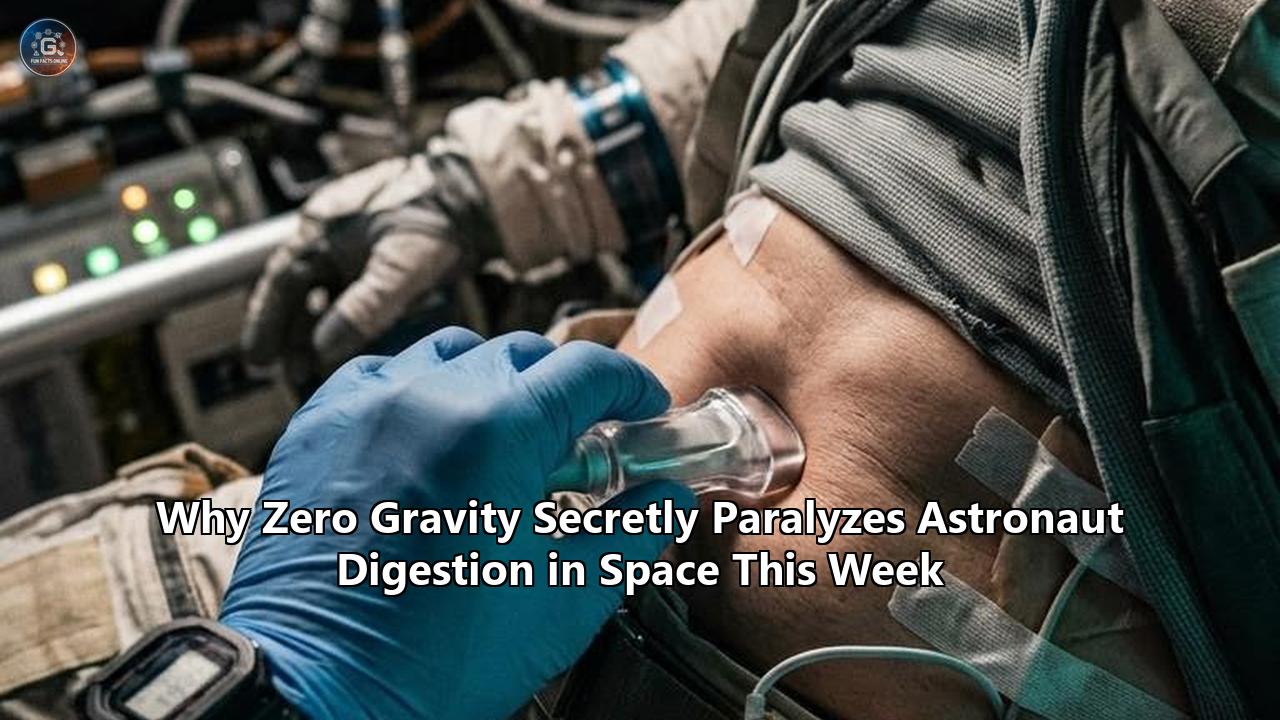
A long-standing biological puzzle of human spaceflight has yielded a startling answer: microgravity actively disrupts the normal mechanical and biochemical rhythms of the gastrointestinal system, triggering a state of gut hypomotility and metabolic toxicity that begins within weeks of orbital insertion.
The revelation stems from a peer-reviewed investigation led by researchers from the University of Copenhagen and NASA, published in Nature Communications. By analyzing 488 longitudinal blood plasma samples collected across 12 years from 52 astronauts stationed aboard the International Space Station (ISS), the team tracked how prolonged weightlessness alters human metabolic output.
For decades, space medicine treated in-flight digestive complaints—frequent severe constipation, nausea, early satiety, and visceral discomfort—as incidental byproducts of space motion sickness, dehydration, or the uninspired fiber profile of freeze-dried space rations. The new data demonstrates a far more systemic breakdown. In the absence of a gravitational vector, the physical mechanics of peristalsis degrade, causing the transit of chyme through the human alimentary canal to slow dramatically.
This physical crawl sets off an internal domino effect. Trapped in an extended transit loop, food remains in the gastrointestinal tract long after its beneficial carbohydrates and soluble fibers have been stripped away. Starved of their primary fuel source, the resident anaerobic bacteria of the large intestine undergo a forced metabolic pivot: they stop fermenting dietary carbohydrates and begin fermenting residual proteins and amino acids instead.
"We see changes in astronauts' blood samples that indicate that the gut bacteria begin to ferment protein to a greater extent than usual within weeks after the astronauts arrive in space, and this change continues until they are back on Earth," says Giorgia La Barbera, associate professor at the University of Copenhagen's Department of Nutrition, Exercise and Sports and joint first author of the study.
The metabolic byproducts of this protein fermentation include compounds such as 3-indoxyl sulfate, phenol sulfate, ammonia, and p-cresol sulfate—molecules familiar to clinical nephrologists as uremic toxins. While astronaut blood chemistries rapidly returned to baseline upon splashdown, the persistence of these toxic circulating metabolites throughout their orbital tenures presents deep challenges for long-range exploration.
As NASA, ESA, and commercial space ventures push forward with lunar architectures under the Artemis program and chart transit corridors to Mars, gut stasis has emerged from an uncomfortable cabin taboo into an urgent physiological bottleneck. Understanding the real drivers of this microgravity-induced paralysis requires untangling an intricate web of fluid physics, intestinal neurobiology, and evolutionary biomechanics.
+-----------------------------------------------------------------------------------+
|               THE MICROGRAVITY GASTROINTESTINAL DYSFUNCTION CASCADE               |
+-----------------------------------------------------------------------------------+
|                                                                                   |
|  1. ABSENCE OF HYDROSTATIC GRADIENT & CEPHALAD FLUID SHIFT                        |
|     * Loss of organ anchoring -> viscus floats upward                             |
|     * ~1.5–2.0 L of venous/interstitial fluid shifts toward thorax and head       |
|     * Splanchnic bed congestion -> mucosal edema, compromised epithelial barrier  |
|                                                                                   |
|  2. LOSS OF GASTROINTESTINAL STRATIFICATION                                       |
|     * Ingested food and digestive acids float into a 3D suspended emulsion        |
|     * Gastric antrum & fundus stretch simultaneously -> false early satiety       |
|     * Impaired pyloric metering delays gastric emptying                           |
|                                                                                   |
|  3. PERISTALTIC ARREST & SLOW-TRANSIT HYPOMOTILITY                                |
|     * Sympathetic hyper-adrenergic tone suppresses parasympathetic motility       |
|     * Interstitial Cells of Cajal (pacemakers) face oxidative stress & uncoupling |
|     * Intestinal transit time significantly lengthens                             |
|                                                                                   |
|  4. METABOLIC TRANSITION: CARBOHYDRATE DEPLETION TO PROTEIN FERMENTATION          |
|     * Microbes rapidly consume all available dietary fiber and starches           |
|     * Starved colonic bacteria pivot to fermenting structural proteins and amino  |
|       acids (tryptophan, tyrosine, phenylalanine)                                 |
|                                                                                   |
|  5. ACCUMULATION OF SYSTEMIC UREMIC TOXINS                                        |
|     * Generation of 3-indoxyl sulfate, phenol sulfate, p-cresol, ammonia, H2S     |
|     * Compounds cross hyperpermeable gut barrier into the portal and venous blood |
|     * Systemic circulation -> renal strain, endothelial damage, neuro-suppression |
|                                                                                   |
+-----------------------------------------------------------------------------------+
The Physics of Weightless Intestines: When Peristalsis Loses Its Anchor
To understand why intestinal motility stumbles in orbit, one must discard the simplistic notion that the human digestive tract functions strictly as a self-sufficient muscular pipe. Terrestrial biology evolved over 3.8 billion years under an unrelenting one-gravity (1G) acceleration vector. While muscular peristalsis—the coordinated contraction and relaxation of longitudinal and circular smooth muscle layers—drives digestion, gravity supplies a silent, indispensable mechanical baseline.
On Earth, gravity acts as an organizer inside the human abdominal cavity. It continuously anchors the small and large intestines against the pelvic floor, generates a steady hydrostatic pressure gradient from head to toe, and stratifies gastric contents based on physical density. When a human standing on Earth eats a meal:
- Heavy solids settle naturally toward the lower stomach (the gastric antrum).
- Lighter liquids remain suspended midway.
- Ingested gases collect cleanly in the upper dome (the fundus) to be vented via the lower esophageal sphincter through burping.
In microgravity, that stratification collapses completely.
Without buoyancy and sedimentation, the contents of the human stomach behave like liquids suspended in a free-floating surface tension regime. Chyme, gastric juices, hydrochloric acid, and swallowed air bubbles whip into a continuous, frothy emulsion that coats the entire interior mucosal surface of the stomach simultaneously.
This distribution plays havoc with the organ's mechanosensory architecture. The fundus, designed to act as an elastic reservoir that accommodates volume without substantial increases in internal pressure, contains sensitive stretch receptors that communicate directly with the solitary tract nucleus in the brainstem via vagal afferent pathways. In weightlessness, floating chyme distends the fundus prematurely, transmitting false signals of gastrointestinal fullness even when an astronaut has consumed only a fraction of their daily caloric target.
At the same time, the distal exit of the stomach—the pyloric sphincter—requires localized mechanical pressure and rhythmic antroduodenal coordination to meter small, precisely liquefied pulses of food into the duodenum. In orbit, the lack of settling at the antrum robs the pylorus of its natural loading pressure. The stomach struggles to empty its suspended payload, creating prolonged gastric retention times.
Farther down the alimentary canal, the loss of visceral packing causes additional mechanical dysfunction. On Earth, the weight of the viscera keeps the flexible loops of the jejunum and ileum lightly compressed against each other and the abdominal wall. In zero gravity, the relaxed musculature of the abdominal wall expands, and the intestines float upward and outward into a loose, unanchored topology.
Peristaltic waves generated by the circular smooth muscle must push against wall tension to propel luminal contents forward. When an organ lacks a rigid mechanical counter-bearing or an external hydrostatic backpressure, the efficiency of those contractions drops precipitously. The muscular contractions continue to pulse, but they spend their energy deforming the loose loops of the gut rather than propelling the chyme forward.
The net operational result is slow-transit intestinal stasis: the biological equivalent of an engine spinning its wheels in slick mud. Food does not stop moving entirely, but its rate of progress slows down, lengthening the transit time from ingestion to excretion.
The Biochemical Shift: Starving Microbes and Toxic Protein Fermentation
The physiological consequences of prolonged transit time are not merely mechanical. The deepest insights from the University of Copenhagen-NASA metabolomics study lie in the biochemical transformation that occurs inside the colonic lumen.
===================================================================================
             EARTH DIGESTIVE METABOLISM vs. SPACE DIGESTIVE METABOLISM
===================================================================================

  CRITERIA               TERRESTRIAL (1G)               ORBITAL (0G)
  ---------------------------------------------------------------------------------
  Gastro Transit Time    Normal (24–48 hours)           Severely Delayed (48–96+ hrs)

  Gastric Stratification Density-driven layering         Homogeneous 3D foam/emulsion
                         (Gas at top, solids at bottom) (Coats all stomach walls)

  Primary Colonic Fuel   Carbohydrates / Fiber          Proteins / Amino Acids
                         (Saccharolytic fermentation)   (Proteolytic fermentation)

  Primary Byproducts     Beneficial Short-Chain         Toxic Uremic Metabolites
                         Fatty Acids (SCFAs)            (3-Indoxyl sulfate, p-Cresol,
                         (Butyrate, Propionate,         Phenol sulfate, Ammonia,
                         Acetate)                       Hydrogen sulfide)

  Intestinal Epithelium  Robust tight junctions,        Stretched tight junctions,
                         well-oxygenated mucosa         mesenteric edema, leaky gut

  Systemic Consequences  Homeostatic energy harvest,    Renal filtration stress,
                         anti-inflammatory signaling   accelerated cell senescence,
                                                        neuro-cognitive dulling
===================================================================================
Under normal terrestrial conditions, the human gut microbiome operates primarily through saccharolytic fermentation. Trillions of resident symbiotic bacteria inhabiting the cecum and colon feed upon complex carbohydrates—such as resistant starches, oligosaccharides, and non-starch polysaccharides (dietary fibers)—that have survived enzymatic breakdown in the upper gastrointestinal tract.
As the microbiota break down these complex fibers, they release short-chain fatty acids (SCFAs), predominantly:
- Acetate
- Propionate
- Butyrate
These SCFAs are metabolic powerhouses. Butyrate serves as the primary direct fuel source for human colonocytes, maintaining the structural integrity of the intestinal lining, reinforcing tight junctions, and suppressing local inflammation. Propionate travels via the portal vein to the liver to regulate gluconeogenesis, while acetate circulates systemically to regulate energy expenditure and modulate neuro-immune tone.
However, because microgravity slows the physical passage of material, this saccharolytic fuel source is consumed long before the chyme completes its journey through the digestive tract.
"Protein fermentation occurs when bacteria in the gut begin breaking down protein rather than fiber after dietary fiber has been depleted," explained Henrik Roager, associate professor and head of the Microbiome & Metabolomics research group at the University of Copenhagen and co-author of the paper. "The lack of gravity in space probably causes food to move more slowly through the intestine, and this fits with the fact that we are seeing signs of increased protein fermentation. This may also help explain constipation in astronauts".
When all fermentable carbohydrates are exhausted in the proximal colon, the bacterial population faces starvation. To survive, the microbiota pivots from saccharolytic to proteolytic fermentation. The microbes unleash proteolytic enzymes to catabolize undigested dietary proteins, shed intestinal mucosal cells, and endogenous enzymes into their individual amino acid components:
- Tryptophan
- Tyrosine
- Phenylalanine
- Branched-chain amino acids (leucine, isoleucine, valine)
While saccharolytic fermentation yields protective SCFAs, proteolytic fermentation yields a cocktail of toxic, reactive nitrogenous and sulfurous metabolites.
Among the primary culprits identified in the blood of astronauts aboard the ISS are:
- 3-Indoxyl sulfate: A byproduct of microbial tryptophan metabolism. Once synthesized by gut bacteria, the indole precursor crosses the intestinal barrier into the bloodstream, where it is converted by the liver into 3-indoxyl sulfate. In terrestrial clinical medicine, indoxyl sulfate is an established uremic toxin known to induce vascular endothelial dysfunction, stimulate renal tubulointerstitial fibrosis, and generate systemic reactive oxygen species (ROS).
- p-Cresol sulfate and Phenol sulfate: Formed during the bacterial fermentation of tyrosine and phenylalanine. These compounds disrupt cell membranes, uncouple mitochondrial oxidative phosphorylation, and have been strongly implicated in accelerated cellular aging and chronic kidney damage.
- Ammonia and Hydrogen Sulfide ($H_2S$): Highly reactive compounds that impair epithelial respiration, damage cellular DNA, and compromise the thick mucus layer that shields gut tissue from pathogenic invasion.
The Copenhagen-NASA study analyzed 488 longitudinal plasma samples using untargeted liquid chromatography-mass spectrometry (LC-MS). They identified roughly 40 distinct circulating metabolic compounds that underwent marked changes during orbital flight. Strikingly, differences in diet—such as shifts in fat, fish, or caffeine intake—accounted for less than 28 percent of these total metabolic changes.
The primary driver was internal: prolonged transit time forced the microbiome into proteolytic desperation. These metabolic disturbances were not gradual. They appeared in blood draws taken within weeks of arriving on the ISS and persisted continuously until the astronauts returned to Earth's gravitational field, where levels normalized within days.
The systemic risks of prolonged exposure to these circulating uremic toxins are substantial. "We know that products of protein fermentation are often associated with negative health consequences, such as kidney damage, potential effects on mood or reduced ability to focus, among others," warns Lars Ove Dragsted, professor of preventive nutrition at the University of Copenhagen and senior author of the study.
For astronauts operating high-risk avionics and life-support machinery, low-grade neurocognitive dampening combined with renal strain represents a serious mission risk.
Neurological Gridlock: Enteric Pacemakers and Autonomic Imbalance
The digestive tract houses its own nervous system: the enteric nervous system (ENS). Often called the body's "second brain," the ENS contains more than 500 million neurons embedded in the walls of the gastrointestinal tract, organized into two interconnected networks:
- The myenteric (Auerbach's) plexus, which commands gastrointestinal motility.
- The submucosal (Meissner's) plexus, which regulates local blood flow, fluid secretion, and nutrient absorption.
The rhythmic contractions of the gut are coordinated by specialized cellular pacemakers situated between the autonomic nerve endings and smooth muscle cells: the Interstitial Cells of Cajal (ICCs). ICCs generate spontaneous, rhythmic electrical slow waves that determine the frequency and direction of smooth muscle peristaltic sweeps.
In a weightless environment, this bioelectrical clock encounters severe disruption. Research utilizing simulated microgravity models—including hindlimb-unloaded rodents and horizontal clinostats—has demonstrated that the physical unweighting of visceral tissues induces cellular stress in these pacemakers.
Exposure to microgravity triggers localized oxidative stress within the intestinal muscularis externa. This oxidative microenvironment leads to a downregulation of the c-Kit receptor tyrosine kinase—a surface protein that is structurally required for ICC survival, phenotype maintenance, and electrical conductivity. Without steady c-Kit signaling, ICC networks uncouple from the surrounding smooth muscle cells, turning coordinated peristaltic contractions into chaotic, non-propulsive spasms or flatlining them into hypomotility.
+-----------------------------------------------------------------------------------+
|               BIOELECTRICAL DYSFUNCTION IN THE ORBITAL GUT WALL                   |
+-----------------------------------------------------------------------------------+
|                                                                                   |
|  [ Autonomic Imbalance: Flight Stress & Fluid Redistribution ]                    |
|         |                                                                         |
|         +---> High Sympathetic (Norepinephrine) Overdrive                         |
|         +---> Suppressed Parasympathetic (Vagal) Tone                             |
|                                                                                   |
|  [ Myenteric Microenvironment: Oxidative Stress Under 0G ]                        |
|         |                                                                         |
|         v                                                                         |
|  Downregulation of c-Kit Tyrosine Kinase Receptors                                |
|         |                                                                         |
|         v                                                                         |
|  Structural Atrophy & Functional Uncoupling of Interstitial Cells of Cajal (ICCs) |
|         |                                                                         |
|         v                                                                         |
|  Loss of Coordinated Electrical Slow Waves across Smooth Muscle Layers            |
|         |                                                                         |
|         v                                                                         |
|  NON-PROPULSIVE SEGMENTAL SPASMS OR COMPLETE HYPOMOTILITY (GUT PARALYSIS)         |
|                                                                                   |
+-----------------------------------------------------------------------------------+
This intrinsic cellular decay is compounded by autonomic nervous system dysregulation. Spaceflight forces the human autonomic nervous system into chronic sympathetic overdrive. Launch g-forces, high cabin workload, disrupted circadian clocks, micro-vibrations, and environmental stressors drive sustained releases of systemic epinephrine and norepinephrine.
The autonomic system controls digestion like a toggle switch:
- The parasympathetic nervous system (governed by the vagus nerve) is the "rest-and-digest" pathway that stimulates digestive secretions, accelerates gastric emptying, and fires colonic propulsion.
- The sympathetic nervous system is the "fight-or-flight" pathway that shunts blood flow away from visceral organs to the skeletal muscles and brain, systematically halting intestinal motility and clamping sphincters shut.
Because orbital crews exist in a state of elevated sympathetic tone coupled with central baroreceptor confusion, vagal outflow to the abdominal viscera is suppressed. The enteric neural circuits receive a continuous systemic command: pause motility, close the sphincters, and reserve resources for immediate survival. The digestive tract obeys, slowing transit to a crawl.
The Cephalad Fluid Shift: Visceral Congestion and the Leaky Gut
Beyond the loss of direct mechanical gravity and autonomic changes, digestion in space is disrupted by a major cardiovascular redistribution: the cephalad fluid shift.
On Earth, gravity pulls the body's blood, lymph, and interstitial fluids downward, where blood vessels in the legs maintain tone to prevent excessive pooling. The moment an astronaut enters microgravity, that downward pull vanishes.
Within hours, approximately 1.5 to 2.0 liters of venous blood and interstitial fluid migrate from the lower limbs upward toward the thorax, neck, and cranium. This fluid shift is the root cause of the "puffy-face, bird-leg" syndrome, nasal congestion, and Spaceflight-Associated Neuro-ocular Syndrome (SANS), which flattens the back of the eyeballs and blurs vision.
While flight surgeons have studied what this fluid shift does to the human brain and eyes, its impact on the abdomen is equally disruptive:
1. Splanchnic Venous Congestion
The relocation of venous volume upward overwhelms central vascular capacity. Central venous pressure spikes initially, triggering systemic baroreceptors to dump plasma volume via the kidneys (spaceflight diuresis). As a consequence, venous return from the mesenteric veins—which drain blood from the small and large intestines into the hepatic portal system—becomes congested against high central thoracic pressures. The entire splanchnic vascular bed becomes engorged with sluggish, poorly oxygenated venous blood.
2. Submucosal Edema
As venous pressure rises inside the mesenteric capillaries, fluid is forced across the capillary walls into the interstitial spaces of the intestinal submucosa. The delicate walls of the intestines swell with fluid, thickening the tissue and increasing diffusion distances. This edema impairs oxygen and nutrient delivery to both the circular and longitudinal smooth muscle fibers, compounding the physical exhaustion of the muscularis externa and paralyzing local peristaltic loops.
3. Compromised Epithelial Barrier Function
The intestinal epithelium is a single layer of specialized cells joined together by tight junctions (consisting of occludin, claudins, and zonula occludens proteins). These junctions act as a cellular wall, allowing digested nutrients to be absorbed while barring toxic macromolecules, digestive enzymes, and whole bacteria from penetrating into the bloodstream.
Edema within the gut wall stretches these tight junctions, increasing epithelial permeability—a condition clinically termed "leaky gut." In animal models flown on orbit, intestinal sections consistently display blunted villi, decreased mucosal thickness, and disrupted tight junction architecture.
4. Translocation of Endotoxins
Once the barrier is breached, lipopolysaccharides (LPS)—toxic fragments from the outer membranes of Gram-negative bacteria—leak across the gut wall into the mesenteric venous circulation and the systemic bloodstream. Once in the blood, LPS engages Toll-like receptor 4 (TLR4) on circulating immune cells, triggering systemic inflammatory cascades.
This gut-derived endotoxemia fuels orbital systemic inflammation, contributes to in-flight immune system dysregulation, and damages the microvasculature of the kidneys and retina.
The Gut-Brain Axis Under Orbital Siege
The gastrointestinal tract does not suffer in isolation. It communicates with the central nervous system through the bidirectional gut-brain axis, mediated by direct vagal afferent wiring, neuroendocrine signaling, and circulating microbial metabolites. In space, this two-way communication line amplifies nausea, disorientation, and psychological strain.
+-----------------------------------------------------------------------------------+
|                       THE ORBITAL GUT-BRAIN AXIS FEEDBACK LOOP                    |
+-----------------------------------------------------------------------------------+
|                                                                                   |
|                 [ Microgravity Disrupts Vestibular System ]                       |
|                   (Conflicting otolith vs. visual signals)                        |
|                                     |                                             |
|                                     v                                             |
|                     Brainstem Vomiting Centers Trigger                            |
|                     Space Motion Sickness / Malaise                               |
|                                     |                                             |
|                                     v                                             |
|                      Vagal Efferent Outflow Shuts Down                            |
|                                     |                                             |
|                                     v                                             |
|             Intestinal Peristalsis Halts & Transit Freezes                        |
|                                     |                                             |
|                                     v                                             |
|            Microbial Shift to Toxic Protein Fermentation                          |
|             (3-Indoxyl Sulfate, Phenols, Ammonia Accumulate)                      |
|                                     |                                             |
|                                     v                                             |
|                 Uremic Metabolites & Inflammatory Cytokines                       |
|                 Breach Blood-Brain Barrier & Alter Vagal Input                    |
|                                     |                                             |
|                                     v                                             |
|       Fatigue, Cognitive Dulling, Disrupted Sleep & Suppressed Appetite           |
|                                                                                   |
+-----------------------------------------------------------------------------------+
When astronauts enter orbit, the vestibular system suffers an immediate crisis. The otolith organs in the inner ear, which rely on the weight of microscopic calcium carbonate crystals to register gravity and linear acceleration, fall silent. Visual inputs tell the brain that the astronaut is moving, but the inner ear reports freefall.
This mismatch triggers Space Motion Sickness (SMS), an affliction affecting over 70 percent of space travelers during their first 48 to 72 hours in microgravity. SMS causes severe nausea, cold sweats, and vomiting.
The brainstem centers that process this vestibular conflict transmit descending inhibitory commands down the vagus nerve directly to the stomach and duodenum. This leads to gastric dysrhythmia—known clinically as gastric tachygastria—where the stomach's normal electrical pacing of three cycles per minute degrades into rapid, uncoordinated electrical fibrillation.
As a result, gastric emptying freezes completely, leaving ingested contents to sit idle while the astronaut struggles with visceral sickness.
Simultaneously, the metabolic shift in the lower gut sends signals back up to the brain:
- The human gastrointestinal tract synthesizes more than 90 percent of the body's total serotonin ($5\text{-hydroxytryptamine}$), along with large quantities of gamma-aminobutyric acid (GABA) and dopamine, which regulate mood, sleep cycles, and cognitive processing.
- The synthesis of serotonin depends heavily on the systemic availability of its amino acid precursor, tryptophan.
- When slow gut transit forces bacteria to ferment proteins, those microbes consume luminal tryptophan, converting it into indole and its toxic cousin, 3-indoxyl sulfate.
This metabolic theft starves the host of the raw materials needed for normal neuroendocrine synthesis. Depleted serotonin synthesis disrupts melatonin production, worsening the insomnia and circadian fragmentation caused by orbiting through 16 sunrises and sunsets every 24 hours.
At the same time, elevated levels of circulating indoxyl sulfate and p-cresol sulfate cross the blood-brain barrier. These uremic neurotoxins promote neuro-inflammation, suppress neurogenesis in the hippocampus, and alter cognitive and emotional function. The listlessness, brain fog, and loss of appetite frequently reported by long-duration crewmembers are not simply emotional reactions to confinement—they are neurological responses driven by an inflamed, stalled digestive tract.
Orbital Pharmacokinetics: When Medications Refuse to Absorb
One of the most dangerous operational fallout effects of gastrointestinal hypomotility involves spaceflight pharmacology. The clinical discipline of space medicine relies on the predictability of oral pharmaceuticals. Astronauts take medications for:
- Space motion sickness (e.g., promethazine, scopolamine)
- Insomnia (e.g., zolpidem, temazepam)
- Pain management (e.g., ibuprofen, acetaminophen)
- Acute infectious disease (e.g., broad-spectrum antibiotics)
Nearly all these drugs are formulated for oral delivery, relying on predictable terrestrial gastric emptying and active small-intestinal mucosal transport.
When digestion in space stalls, standard pharmacological dosing models fail:
+-----------------------------------------------------------------------------------+
|               PHARMACOKINETIC FAILURE IN THE ORBITAL DIGESTIVE TRACT              |
+-----------------------------------------------------------------------------------+
|                                                                                   |
|  1. THE FLOATING PILL ANOMALY                                                     |
|     * Tablet fails to sink into the antrum; remains suspended in gastric foam    |
|     * Dissolution slows or releases active pharmaceutical ingredients (API) into  |
|       empty air-chyme bubbles rather than against the absorptive mucosa           |
|                                                                                   |
|  2. DELAYED GASTRIC EMPTYING (T_max LAG)                                          |
|     * Pylorus fails to meter the dissolved drug into the duodenum                 |
|     * Time-to-peak concentration (T_max) stretches from 30 minutes to 4+ hours   |
|     * The drug fails to reach therapeutic blood thresholds when acutely needed    |
|                                                                                   |
|  3. ACCIDENTAL OVERDOSE VIA "DOSE DUMPING"                                        |
|     * Astronaut takes a second dose, assuming the first failed to work            |
|     * Motility spontaneously resumes -> both doses clear into the duodenum at once|
|     * Serum levels spike into acute systemic toxicity                             |
|                                                                                   |
|  4. BLUNTED SMALL BOWEL ABSORPTION                                                |
|     * Submucosal edema and altered microvilli architecture impair active transport|
|     * First-pass hepatic clearance is unpredictable due to portal congestion     |
|     * Circulating bioavailability drops, rendering standard dosages ineffective  |
|                                                                                   |
+-----------------------------------------------------------------------------------+
Consider the clinical dilemma of an astronaut suffering from debilitating sleep disruption. They ingest a prescribed dose of zolpidem. On Earth, the drug dissolves rapidly in the gastric pool, clears the pylorus within 15 to 20 minutes, and reaches peak plasma concentration ($T_{\max}$) in the small intestine within 45 to 60 minutes, inducing sleep.
In microgravity, that tablet meets an unstratified, floating emulsion. The drug dissolves erratically. Because gastric emptying is delayed, the active compounds remain trapped inside the stomach for hours, far from the primary absorptive surfaces of the duodenum and jejunum.
The astronaut lies awake for two hours, concludes the medication was ineffective, and takes a second tablet.
Hours later, as the astronaut exercises or adjusts posture, the stomach finally empties its contents into the duodenum. Both doses are absorbed simultaneously. The astronaut experiences an uncontrolled, toxic surge in plasma drug concentration, leading to severe morning grogginess, impaired motor coordination, and compromised performance during mission-critical tasks.
A similar dynamic threatens antibiotic therapies. If delayed gut motility and altered transit times compromise the bioavailability of antibiotics, circulating concentrations may hover below the minimum inhibitory concentration (MIC) needed to kill pathogens. This sub-therapeutic exposure risks therapeutic failure while actively breeding drug-resistant bacterial strains within the astronaut's disrupted microbiome.
Mission Economics and the Long Road to Mars
The physiological hurdles of gastrointestinal stasis carry steep programmatic and financial costs for space agencies. In human spaceflight, payload mass is the ultimate budget driver. Every kilogram launched out of Earth's gravity well demands thousands of pounds of propulsive fuel, translating to launch costs of roughly \$2,500 to \$20,000 per kilogram depending on the orbital architecture.
When astronaut digestion falters, space agencies face expensive logistical penalties:
+-----------------------------------------------------------------------------------+
|                     THE SYSTEMIC RISKS OF LONG-DURATION TRANSIT                   |
+-----------------------------------------------------------------------------------+
|                                                                                   |
|  UNCONTROLLED CREW EMACIATION                                                     |
|  * Satiety signaling -> caloric deficits of 500–1,000 kcal/day                    |
|  * Persistent loss of muscle mass (sarcopenia) despite 2+ hrs daily resistance    |
|  * Accelerates bone demineralization (osteopenia) due to impaired calcium uptake  |
|                                                                                   |
|  PAYLOAD WATER BUDGET OVERRUNS                                                    |
|  * Severe constipation requires therapeutic interventions (laxatives, enemas)     |
|  * Altered stool hydration profiles complicate ISS water recovery loops          |
|  * Increased demand for rehydration fluid loads                                   |
|                                                                                   |
|  ORGAN-LEVEL TOXICITY ON DEEP-SPACE MISSIONS                                      |
|  * 9-month transit to Mars: continuous exposure to 3-indoxyl sulfate & phenols    |
|  * Accelerated renal decline in an environment where dialysis is impossible       |
|  * Increased risk of renal stones due to simultaneous bone calcium shedding       |
|                                                                                   |
+-----------------------------------------------------------------------------------+
First is the challenge of caloric deficit and in-flight emaciation. Despite access to calibrated diets containing 2,800 to 3,200 kilocalories per day, astronauts aboard the ISS routinely lose 5 to 10 percent of their pre-flight body weight.
While part of this weight loss stems from fluid loss, much of it is the direct result of voluntary caloric restriction: astronauts often under-eat simply because their floating chyme and sluggish gastric emptying make them feel continuously bloated, uncomfortable, and full.
When the body enters an energy deficit in space, it accelerates the catabolism of its own skeletal muscle tissue. The body burns through muscle amino acids even as astronauts perform two hours of intense daily resistance exercise using the Advanced Resistive Exercise Device (ARED).
Worse, sluggish gut transit compromises calcium and vitamin D absorption. Astronauts already shed bone density at an alarming rate of 1.0 to 1.5 percent per month in microgravity due to skeletal unweighting. When an inflamed, hypomotile gut fails to absorb dietary calcium, the body extracts it from the skeleton, accelerating osteopenia and flooding the kidneys with excess minerals, drastically elevating the risk of agonizing, mission-ending kidney stones.
Second is the systemic threat posed by an interplanetary transit to Mars. A round-trip journey to Mars requires a transit duration of approximately six to nine months each way, combined with an orbital or surface stay of up to 500 days.
Aboard the ISS, astronauts can be evacuated to an Earth-based hospital via an emergency Soyuz or Crew Dragon capsule within 24 hours if they develop acute bowel impaction, toxic megacolon, or acute renal failure. On a trajectory to Mars, that safety net disappears entirely.
If long-duration transit sustains high levels of circulating uremic toxins over hundreds of days, astronauts may suffer progressive vascular endothelial damage, compromised kidney function, and cognitive degradation—at the exact moment they need peak physiological performance to land and operate on the Martian surface.
The Countermeasure Pipeline: Engineering the Orbital Gut
Solving the puzzle of gastrointestinal stasis requires a multi-layered approach that merges functional nutrition, advanced pharmacology, and artificial gravity systems.
+-----------------------------------------------------------------------------------+
|               COUNTERMEASURE MATRIX: RESTORING ORBITAL MOTILITY                   |
+-----------------------------------------------------------------------------------+
|                                                                                   |
|  TARGETED NUTRITIONAL BIOENGINEERING                                              |
|  * Deploy slow-fermenting, complex oligosaccharides & resistant starches          |
|  * Continuous supply of fermentable substrate to the distal colon                 |
|  * Halts bacterial metabolic pivot toward protein breakdown                       |
|                                                                                   |
|  PRECISION PHARMACOLOGICAL PROKINETICS                                            |
|  * 5-HT4 receptor agonists (e.g., prucalopride) to trigger peristaltic waves      |
|  * Peripherally restricted mu-opioid receptor antagonists                         |
|  * Sublingual and transdermal drug delivery bypasses gastric emptying lags        |
|                                                                                   |
|  MECHANICAL & PHYSIOLOGICAL PRESSURE SYSTEMS                                      |
|  * Mobile Lower Body Negative Pressure (LBNP) suits reverse cephalad fluid shift  |
|  * Decongests mesenteric venous bed and reduces intestinal mucosal edema          |
|                                                                                   |
|  CENTRIFUGAL ARTIFICIAL GRAVITY                                                   |
|  * Short-radius centrifuges aboard deep-space transit vehicles                    |
|  * Periodic 1G exposure stratifies gastric chyme and anchors the viscera          |
|  * Re-establishes normal gastrointestinal mechanoreceptor baselines               |
|                                                                                   |
+-----------------------------------------------------------------------------------+
1. High-Fiber Nutritional Redesign
The most immediate intervention suggested by the Copenhagen-NASA study focuses on dietary modification. The current astronaut diet, while nutritionally balanced, relies heavily on shelf-stable, highly processed, retort-pouch or freeze-dried meals that are broken down rapidly in the proximal small bowel.
The researchers recommend reformulating space flight rations to include high concentrations of slow-fermenting, complex carbohydrates and specialized dietary fibers, such as inulin, resistant maltodextrin, and beta-glucans.
"Our findings can inform potential interventions—either directly through increasing dietary fiber, supplementation with prebiotics or other types of treatments that promote peristalsis and decrease gut transit time," notes Roager. "This would help reduce protein fermentation and thus provide a healthy gut environment and avoid negative health consequences".
By providing a steady supply of fermentable carbohydrates that survive deep into the distal colon, scientists can keep the microbiome nourished with fiber, preventing the switch to protein fermentation and choking off the production of 3-indoxyl sulfate and p-cresol.
2. Prokinetic Pharmacotherapy
Where nutrition falls short, space medicine must turn to targeted pharmacological prokinetics. Space agencies are currently evaluating selective, high-affinity serotonin 5-HT4 receptor agonists, such as prucalopride.
Unlike older stimulant laxatives that cause erratic cramping, 5-HT4 agonists stimulate the myenteric plexus, triggering high-amplitude propagating contractions (HAPCs) throughout the colon to physically advance stored waste.
Concurrently, flight surgeons are moving away from oral tablets for critical medicines, transitioning toward transdermal patches, sublingual wafers, and automated subcutaneous auto-injectors that bypass the gastrointestinal tract entirely.
3. Mechanical Fluid Decongestion
To resolve splanchnic venous congestion and intestinal edema, engineers are refining Lower Body Negative Pressure (LBNP) technology. Devices like NASA's Braslet system and mobile vacuum trousers enclose the lower limbs in a sealed chamber that applies negative ambient pressure.
This vacuum draws pooled fluids downward from the thorax and head back into the leg vasculature. Daily sessions inside an LBNP system could clear fluid from the mesenteric venous system, resolve intestinal wall edema, and restore tight-junction integrity.
4. Centrifugal Artificial Gravity
The ultimate countermeasure for long-duration deep-space transit remains artificial gravity. By incorporating short-radius human centrifuges or rotating crew habitat modules into deep-space transport vehicles, astronauts could experience 1G of centrifugal acceleration for several hours each day.
This would restore the mechanical hydrostatic gradients the human digestive tract needs to operate:
- Settling food cleanly against the antrum.
- Allowing gas bubbles to vent upward naturally.
- Providing the physical baseline required for coordinated peristalsis.
Earthside Dividends: What Space Gut Science Teaches Clinical Medicine
The lessons learned from studying the immobilized intestines of astronauts extend far beyond the launchpad. The physiological changes observed in healthy astronauts in microgravity mirror the gastrointestinal failure patterns seen in vulnerable terrestrial populations:
- Long-term bedridden and intensive care unit (ICU) patients.
- Individuals living with spinal cord injuries.
- Frail, sedentary elderly populations suffering from chronic slow-transit constipation.
"You can use this knowledge to help bedridden patients. They also experience constipation and likely also have increased protein fermentation that may aggravate health conditions," notes Dragsted.
When a hospital patient is confined to a bed horizontally for weeks, they lose the vertical gravitational vector that assists human digestion. Like astronauts, their intestinal transit slows, their autonomic balance tips toward sympathetic stress, and their colonic microbiomes run out of fermentable carbohydrates.
For elderly individuals or ICU patients fighting sepsis, the resulting leak of 3-indoxyl sulfate, phenol sulfate, and bacterial endotoxins into the bloodstream can trigger acute kidney injury, worsen heart failure, and drive cognitive delirium.
Insights gained from ISS metabolomics are already guiding new clinical protocols in terrestrial hospitals. Physicians are testing specialized prebiotic fiber blends and targeted 5-HT4 prokinetic agents in immobilized patients to suppress protein fermentation and prevent systemic metabolic decline. By tracking metabolic breakdown in orbit, researchers are discovering how to safeguard fragile digestive tracts back on Earth.
The Road Ahead: The Next Phase of Deep-Space Medicine
The discovery that weightlessness alters digestion in space and induces toxic protein fermentation marks a pivotal transition in aerospace physiology. For decades, the biological barriers to long-duration human spaceflight were viewed through the lenses of microgravity-induced bone demineralization, cardiovascular atrophy, and cosmic ionizing radiation. Today, the alimentary canal and its resident microbial ecosystem have taken center stage in deep-space operational planning.
A battery of upcoming flight experiments aims to resolve the remaining questions:
- In-flight ingestible sensor capsules—miniaturized "smart pills" equipped with pH, pressure, and temperature telemetry—are being developed to map the real-time transit velocity of chyme across individual segments of the human gut during orbital transit.
- Controlled clinical trials planned for commercial platforms and future lunar gateway missions will directly evaluate whether specialized, slow-fermenting prebiotic supplements can suppress toxic metabolite synthesis in blood plasma.
- Longitudinal studies will examine whether chronic microgravity-induced intestinal hyperpermeability accelerates the cellular entry of cosmic radiation byproducts, compounding genetic damage.
The human body is an integrated biological machine, evolved to run in balance with Earth's gravity. When we remove that physical anchor, the entire internal ecosystem—from visceral organs down to the metabolism of the microbiome—must adapt.
Safeguarding human health on the long road to Mars will require mastering not just the rocket engineering that propels our ships, but the subtle internal mechanics of digestion in space that keep our crews alive and thriving from the inside out.
Reference:
- https://scitechdaily.com/scientists-may-have-finally-explained-why-astronauts-get-constipated-in-space/
- https://www.discovermagazine.com/astronauts-tend-to-get-constipated-in-space-a-blood-test-may-reveal-why-49739
- https://www.sciencedaily.com/releases/2026/09/260927225030.htm
- https://www.space.com/space-exploration/human-spaceflight/its-harder-to-poop-in-space-scientists-may-finally-know-why
- https://pmc.ncbi.nlm.nih.gov/articles/PMC13539599/
- https://www.nasa.gov/stem-content/stemonstration-digestion-activity/
- http://www.sciencedaily.com/releases/2026/09/260927225030.htm
- https://www.cnet.com/science/space/researchers-seem-to-have-figured-out-why-its-harder-to-poop-in-space/
- https://economictimes.indiatimes.com/news/international/us/52-astronauts-left-earth-for-months-in-orbit-and-within-weeks-their-gut-bacteria-changed-how-they-processed-food-revealing-why-spaceflight-can-trigger-constipation-and-potentially-affect-brain-health/articleshow/133301736.cms?from=mdr
- https://pmc.ncbi.nlm.nih.gov/articles/PMC13473307/
- https://timesofindia.indiatimes.com/science/scientists-discover-why-astronauts-struggle-to-poop-in-space-revealing-how-microgravity-creates-a-hidden-health-risk/articleshow/133466952.cms
- https://www.livescience.com/space/space-exploration/scientists-finally-know-why-astronauts-struggle-to-poop-in-space-and-reveal-a-hidden-risk-of-long-haul-spaceflight
- https://studyfinds.com/astronauts-spaceflight-constipation/
- https://www.sciencedaily.com/releases/2026/09/260927225030.htm
- https://www.nasa.gov/stem-content/stemonstration-digestion-activity/
- https://www.quora.com/Will-an-astronauts-gastric-juice-float-in-their-stomach-while-they-are-living-in-the-spacecraft
- https://www.binghamton.edu/news/story/6386/spaceflight-could-change-how-astronauts-swallow-eat-and-drink-in-subtle-ways-binghamton-expert-explains
- https://www.intechopen.com/chapters/59772
- https://neurosciencenews.com/microbiome-jet-lag-circadian-31113/
- https://scitechdaily.com/scientists-may-have-finally-explained-why-astronauts-get-constipated-in-space/