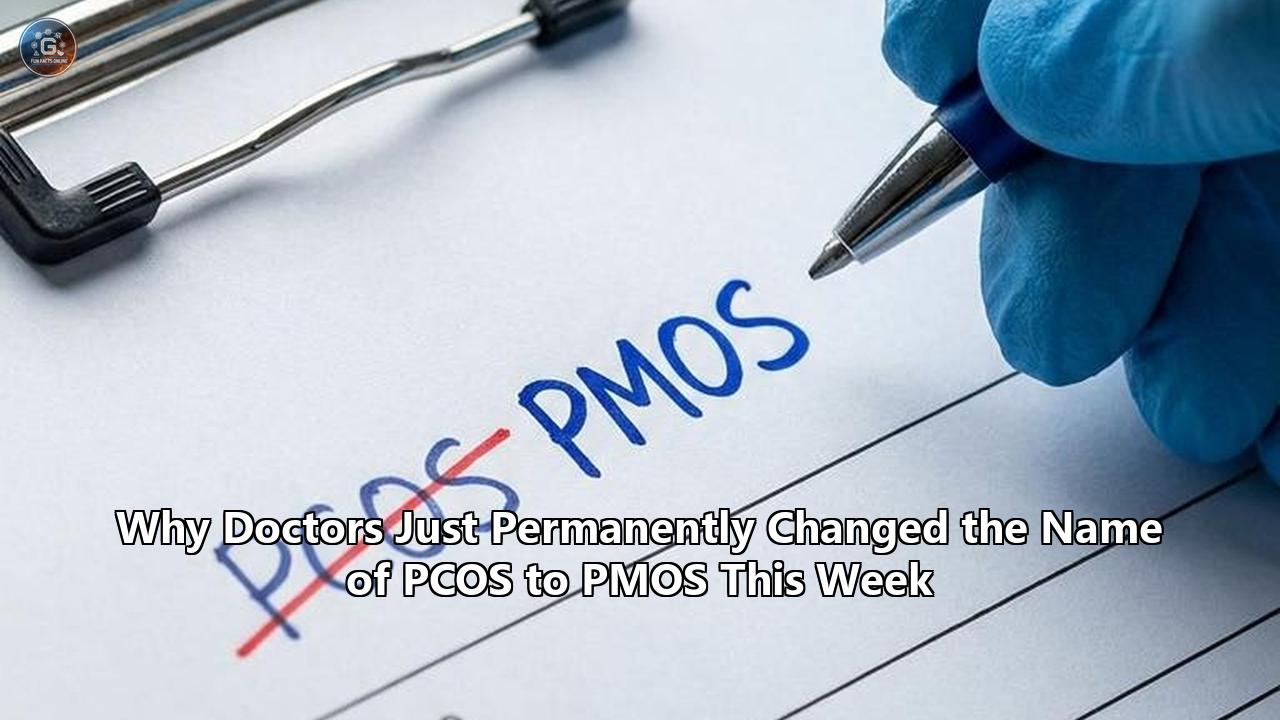
On Tuesday, May 12, 2026, global health authorities enacted a permanent nomenclature correction that fundamentally redraws the map of women’s health. After 14 years of intensive lobbying, global consultation, and fierce medical debate, polycystic ovary syndrome (PCOS) was officially renamed polyendocrine metabolic ovarian syndrome (PMOS).
The decision, published formally in The Lancet and announced at the European Congress of Endocrinology in Prague, marks the end of one of modern medicine’s most entrenched misnomers. For decades, the old acronym anchored the condition exclusively to the ovaries, forcing physicians and patients to focus on a reproductive symptom—ovarian "cysts"—that are neither actual cysts nor the root cause of the disorder.
PMOS affects an estimated one in eight women globally, totaling more than 170 million people. The PCOS name change is not merely a semantic update; it is a clinical recalibration intended to transform how the condition is diagnosed, billed, researched, and treated.
“For too long, the narrow definition of PCOS has overlooked its metabolic and hormonal complexity, leaving many patients undiagnosed or misunderstood,” Dr. Melanie Cree, a pediatric endocrinologist at the University of Colorado Anschutz and a key architect of the transition, explained following the announcement.
The new terminology dictates that the condition is a whole-body, multisystem disease. By placing the words "polyendocrine" and "metabolic" at the front of the acronym, the medical establishment is conceding what endocrinologists have argued for years: this is a sweeping metabolic and hormonal disorder that happens to affect the reproductive system, not a localized gynecological problem that occasionally causes weight gain.
Understanding why this shift happened this week requires dissecting the history of the disease, the biological realities that outgrew its original name, and the vast economic mechanics that govern how medical care is delivered.
The Anatomy of a Medical Misnomer
The origin of the flawed terminology dates back to 1935, when American gynecologists Irving Stein and Michael Leventhal published a paper describing seven women who presented with a specific triad of symptoms: amenorrhea (absent periods), hirsutism (excess body hair), and enlarged ovaries featuring multiple cysts. For decades, the condition was colloquially known as Stein-Leventhal Syndrome.
As diagnostic imaging advanced in the 1970s and 1980s, ultrasound technology allowed doctors to look inside the pelvis non-invasively. They saw what appeared to be dozens of small cysts lining the periphery of the ovaries, resembling a string of pearls. The medical community officially adopted the term "Polycystic Ovary Syndrome," anchoring the diagnosis to this visual evidence.
There was a massive biological flaw in this terminology: the "cysts" were never cysts.
In gynecological pathology, a true cyst is a fluid-filled sac that grows abnormally, potentially rupturing or requiring surgical removal. The structures observed in PCOS patients are entirely different. They are arrested ovarian follicles. Every month, a healthy ovary develops several follicles, each containing an immature egg. Usually, one follicle becomes dominant, releases an egg during ovulation, and the rest dissolve. In patients with this syndrome, a complex hormonal imbalance halts this process prematurely. The follicles stop developing, fail to release an egg, and simply sit on the ovary.
Naming the disorder after these arrested follicles was akin to naming pneumonia "Chronic Cough Syndrome." It highlighted a downstream symptom while entirely ignoring the systemic pathogen causing the crisis.
The clinical consequences of this naming error have been devastating. Studies indicate that diagnostic delays affect up to 70% of those with the condition. Because the name demanded the presence of "polycystic ovaries," general practitioners and gynecologists frequently dismissed symptomatic patients whose ultrasound scans looked normal. Conversely, doctors frequently over-diagnosed healthy adolescents whose ovaries naturally appeared multi-follicular during the chaotic hormonal fluctuations of normal puberty.
Furthermore, the ovarian focus effectively ghettoized the disease. It was classified primarily as a fertility issue. Women who presented with severe metabolic symptoms—rapid weight gain, insulin resistance, clinical depression, or severe acne—were routinely told by doctors to return only when they wanted to get pregnant. The underlying metabolic storm was left untreated, allowing a preventable progression toward chronic diseases like Type 2 diabetes and cardiovascular dysfunction.
Decoding PMOS: The Biological Reality Behind the Acronym
The new acronym, PMOS, was meticulously engineered through a multi-step global consensus process to reflect the condition's actual pathophysiology. Breaking down the acronym reveals the complex biological mechanics that drive the disease.
"P" is for Polyendocrine
The term "polyendocrine" recognizes that the condition is underpinned by multiple interacting hormonal disturbances rather than an isolated ovarian dysfunction.
The root of PMOS lies deep within the brain, specifically in the hypothalamic-pituitary-gonadal (HPG) axis. The hypothalamus secretes Gonadotropin-Releasing Hormone (GnRH) in distinct pulses. In a typical system, these pulses prompt the pituitary gland to release balanced amounts of Luteinizing Hormone (LH) and Follicle-Stimulating Hormone (FSH).
In patients with PMOS, the GnRH pulse generator fires at an abnormally rapid frequency. This rapid firing causes the pituitary gland to secrete a massive excess of LH relative to FSH.
This inverted LH-to-FSH ratio creates chaos in the ovaries. High levels of LH overstimulate the ovarian theca cells, turning them into androgen-producing factories. The result is hyperandrogenism—an excess of male hormones like testosterone and androstenedione. At the same time, the relative deficiency of FSH means the ovarian follicles never receive the signal to fully mature and release an egg, leading to anovulation.
Simultaneously, the adrenal glands are frequently involved. Up to 30% of patients with the condition exhibit adrenal hyperandrogenism, specifically an overproduction of DHEA-S (Dehydroepiandrosterone sulfate). By labeling the condition "polyendocrine," researchers explicitly acknowledge that the pituitary gland, the adrenal glands, and the ovaries are all caught in a dysfunctional feedback loop.
"M" is for Metabolic
The most critical addition to the new name is "metabolic." For decades, the medical establishment treated the weight gain associated with the condition as a lifestyle failure on the part of the patient. The inclusion of the "M" ends this narrative by formally recognizing the severe inherent metabolic dysfunctions driving the disorder.
An estimated 70% to 80% of individuals with PMOS suffer from systemic insulin resistance, independent of their body mass index (BMI). Insulin resistance occurs when the body's cells stop responding efficiently to the hormone insulin, forcing the pancreas to pump out increasingly higher amounts to keep blood sugar levels stable.
This hyperinsulinemia interacts disastrously with the endocrine system. While muscle and fat cells in PMOS patients are resistant to insulin, their ovarian tissues remain highly sensitive to it. The massive amounts of circulating insulin bind to receptors on the ovaries and amplify the production of testosterone. Furthermore, high insulin levels suppress the liver's production of Sex Hormone-Binding Globulin (SHBG). SHBG acts as a sponge, soaking up free testosterone in the bloodstream. With SHBG suppressed, free testosterone levels skyrocket, causing severe acne, hair thinning (androgenic alopecia), and hirsutism.
The long-term metabolic consequences are severe. Patients with PMOS are at a substantially elevated risk for developing Type 2 diabetes by age 40, non-alcoholic fatty liver disease (NAFLD), sleep apnea, and significant cardiovascular morbidity. Elevating the "M" into the acronym instructs clinicians to screen for these silent, life-threatening comorbidities rather than solely focusing on menstrual regularity.
"O" is for Ovarian
While the new terminology aggressively pivots toward systemic health, it intentionally retains the word "ovarian" to maintain historical continuity and acknowledge the severe reproductive consequences of the disease.
Ovarian dysfunction remains a core pillar of the diagnosis. The overproduction of Anti-Mullerian Hormone (AMH) by the arrested follicles further inhibits ovulation. For many patients, the most immediate and distressing manifestation of PMOS is infertility. By keeping the "O," the international consensus ensures that reproductive endocrinology remains fundamentally involved in the care matrix, guaranteeing that fertility treatments, ovulation induction protocols (like letrozole and clomiphene), and endometrial protection remain standard care protocols.
"S" is for Syndrome
A syndrome is a group of symptoms that consistently occur together, characterizing a specific condition. PMOS is a highly heterogeneous syndrome, meaning it looks drastically different from patient to patient.
Clinicians categorize the syndrome into four distinct phenotypes based on the Rotterdam criteria:
- Phenotype A (Classic): Patients present with hyperandrogenism, ovulatory dysfunction, and polycystic ovarian morphology on an ultrasound. This is the most severe manifestation, carrying the highest risk for metabolic complications.
- Phenotype B (Classic non-polycystic): Patients have high androgens and ovulatory dysfunction, but their ovaries look completely normal on an ultrasound.
- Phenotype C (Ovulatory): Patients have high androgens and polycystic ovaries, but their menstrual cycles are completely regular.
- Phenotype D (Non-hyperandrogenic): Patients have irregular cycles and polycystic ovaries, but normal androgen levels.
The new PMOS nomenclature effortlessly blankets all four phenotypes. Under the old name, a patient with Phenotype B (who had normal-looking ovaries) felt immense confusion being diagnosed with a "polycystic" disease. The updated acronym resolves this clinical dissonance.
The 14-Year Campaign: How 56 Organizations Forced a Consensus
The PCOS name change announced this week was not the sudden whim of a few academics. It represents the culmination of 14 years of grueling international debate, massive data collection, and fraught bureaucratic maneuvering.
The campaign was spearheaded by Monash University’s Professor Helena Teede, a leading voice in international endocrinology, alongside 56 academic, clinical, and patient advocacy organizations globally. The methodology used to reach the new name relied on Delphi consensus protocols—a structured communication technique where panels of experts undergo iterative rounds of questionnaires to arrive at a converged opinion.
The researchers understood that changing the name of a disease recognized by the World Health Organization and embedded in billions of medical records required overwhelming evidence. The consortium launched iterative global surveys that ultimately garnered responses from over 14,300 people living with the condition, alongside thousands of multidisciplinary health professionals across six continents.
The data was clear: patients and doctors universally despised the old name. Patients reported feeling gaslit and misunderstood, while clinicians admitted the name forced them into narrow, inadequate treatment paradigms.
However, deciding what to change it to sparked massive internal friction. Early proposals included Metabolic Reproductive Syndrome (MRS) and Reproductive Metabolic Syndrome (RMS). Some purists argued that "ovary" should be struck from the name entirely to forcefully push the discipline into pure endocrinology. Others worried that removing the ovary would panic patients undergoing IVF or cause a disruption in funding for reproductive research.
The final consensus—Polyendocrine Metabolic Ovarian Syndrome (PMOS)—emerged as the perfect structural compromise. It prioritized scientific accuracy while retaining an acronym that sounded phonetically similar to the old one. "An accurate new name was prioritized over retaining the PCOS acronym or a generic name," the authors wrote in The Lancet. The addition of "polyendocrine" perfectly satisfied the hormonal researchers, "metabolic" satisfied the obesity and diabetes experts, and "ovarian" kept the gynecological foundations intact.
The Economic Ripple Effect: Insurance, Billing, and Medical Coding
While the scientific reasoning behind the PCOS name change is robust, the most immediate structural impacts will be financial. The transition to PMOS will trigger a massive rewiring of global medical coding, insurance billing, and pharmaceutical funding.
The modern medical system runs on the International Classification of Diseases (ICD). Under previous iterations, PCOS was heavily coded as a localized gynecological and fertility issue. In countries with private healthcare models, such as the United States, this coding led to chronic insurance denials. Many insurance plans explicitly exclude coverage for fertility treatments or anything classified under reproductive syndrome codes. If a doctor prescribed metformin (a diabetes drug) or a GLP-1 receptor agonist to treat a patient's severe insulin resistance, insurers frequently denied the claim because the primary diagnostic code indicated a "gynecological" problem, not a metabolic one.
The shift to Polyendocrine Metabolic Ovarian Syndrome directly attacks this administrative loophole. By officially embedding "endocrine" and "metabolic" into the nomenclature, healthcare providers gain immense leverage when negotiating with insurance companies. The disease is now formally classified as a systemic metabolic failure. This reclassification forces payers to cover the extensive blood work, lipid panels, continuous glucose monitors, and advanced metabolic therapeutics required to manage the condition properly.
Research funding will also undergo a seismic shift. At major institutions like the National Institutes of Health (NIH), funding pools are strictly categorized. Historically, the syndrome competed for the relatively small pool of funds allocated to women's reproductive health. The new PMOS designation allows researchers to aggressively tap into the vastly deeper funding reservoirs dedicated to cardiometabolic disease, obesity research, and endocrinology.
For the pharmaceutical and nutraceutical industries, the renaming signals a lucrative pivot. Nutritional Outlook noted that the transition offers companies producing metabolic supplements—such as myo-inositol, Omega-3s, and specialized probiotics—an opportunity to align their research and marketing with the new scientific standard. The systemic nature of PMOS validates the development of drugs that target insulin resistance and neuroendocrine pathways rather than just pushing patients toward oral contraceptives.
Beyond Ultrasound: Redefining Diagnostics in the PMOS Era
The diagnostic process is actively transforming alongside the name. Historically, diagnosing the condition required a patient to wait months for an ultrasound appointment, undergo an invasive transvaginal scan, and wait for a radiologist to count the number of follicles on their ovaries.
The PMOS framework drastically de-emphasizes the role of ultrasound, particularly for young women. The 2023 international guidelines had already begun shifting away from ultrasound as a primary diagnostic tool for adolescents, recognizing that multi-follicular ovaries are a normal phase of adolescent development. Now, with the official name change, the emphasis shifts entirely to biochemical markers.
Clinicians are now trained to look for systemic evidence. The new standard of care involves comprehensive blood panels. Doctors will measure free and total testosterone, DHEA-S, and fasting insulin levels. They will assess lipid profiles to check for dyslipidemia (high triglycerides and low HDL cholesterol, which are rampant in PMOS patients).
The use of Anti-Mullerian Hormone (AMH) as a diagnostic blood test is also rapidly becoming standard practice. Because AMH is secreted by the arrested follicles, extremely high levels of AMH in the blood can serve as a proxy for ovarian dysfunction, eliminating the need for a pelvic ultrasound entirely in many cases.
This biochemical approach empowers general practitioners to make the diagnosis much earlier. "We're really empowered now to make a diagnosis," Dr. Magdalena Simonis told newsGP in the wake of the announcement. "We don't need to focus on cysts and the size of cysts on ovaries as a diagnostic criterion, which PCOS always featured as the key criterion". By identifying the endocrine and metabolic markers early, doctors can intervene years before the patient experiences irreversible metabolic damage or severe fertility crises.
The Treatment Pipeline: Moving from Birth Control to Targeted Therapeutics
For 50 years, the default medical response to the syndrome was a prescription for oral contraceptives. If a patient complained of irregular periods, acne, and weight gain, doctors prescribed the birth control pill to force a monthly withdrawal bleed and lower androgens. While oral contraceptives successfully mask the symptoms, they do absolutely nothing to address the underlying insulin resistance or metabolic dysfunction.
The PMOS designation signals a definitive end to the "birth control band-aid" era. As the medical community fully adopts the metabolic reality of the disease, the treatment pipeline is shifting dramatically toward targeted systemic therapeutics.
The most prominent disrupters in this space are GLP-1 receptor agonists (such as semaglutide and tirzepatide). Originally developed for Type 2 diabetes and obesity, these medications are showing unprecedented efficacy in managing PMOS. By delaying gastric emptying, reducing appetite, and drastically improving insulin sensitivity, GLP-1s directly dismantle the metabolic engine driving the disorder. Patients using these medications frequently report a spontaneous return of ovulatory menstrual cycles, a drop in androgenic symptoms, and significant improvements in fatty liver markers.
Additionally, researchers are exploring investigational drugs that target the neuroendocrine origins of the disease. Neurokinin 3 (NK3) receptor antagonists, currently being researched for menopausal hot flashes, are being studied for their ability to suppress the rapid GnRH pulses in the hypothalamus. If successful, these drugs could halt the cascade of LH and androgens at the very source, offering a true biochemical cure rather than just symptom management.
On the non-pharmaceutical front, evidence-based nutraceuticals are receiving enhanced validation. Inositol (specifically a 40:1 ratio of myo-inositol to D-chiro-inositol) has proven highly effective at improving intracellular insulin signaling in PMOS patients, acting as a natural insulin sensitizer. The elevation of PMOS as a respected metabolic disorder forces the medical establishment to take these adjunctive therapies seriously, integrating them into standard endocrinology protocols rather than dismissing them as alternative medicine.
Unpacking the Psychological Toll: Validation Through Vocabulary
The physical symptoms of PMOS are debilitating, but the psychological damage inflicted by decades of medical gaslighting has been equally severe. Rates of anxiety and clinical depression among individuals with the condition are exponentially higher than the general population. Up to 60% of patients experience psychiatric comorbidities, and eating disorders—particularly binge eating disorder and bulimia—are highly prevalent, driven by the intense metabolic hunger and insulin crashes inherent to the disease.
For years, patients presenting with these symptoms were dismissed. The standard clinical advice was brutal in its simplicity: "Just eat less and lose weight." This advice ignored the biological reality that severe insulin resistance makes standard calorie-deficit weight loss nearly impossible.
The transition to PMOS offers immense psychological validation to millions of patients. “Language matters in medicine,” Dr. Cree noted in her post-announcement interview. “The previous name often led to misconceptions and stigma... This change helps shift the conversation toward overall health rather than a single aspect of the condition”.
Lorna Berry, an Australian patient advocate involved in the renaming consensus, echoed this sentiment. “This is about accountability and progress,” Berry said. “We deserve clarity, understanding, and equitable healthcare from the very beginning”.
When a doctor writes "Polyendocrine Metabolic Ovarian Syndrome" on a chart, it absolves the patient of the moral failing often associated with metabolic weight gain. It frames the struggle as a complex, whole-body endocrine failure requiring medical intervention, not a lack of willpower. It also forces healthcare providers to address the psychological symptoms directly. By classifying PMOS as a multisystem disorder, mental health screening becomes a mandatory component of the intake process, ensuring patients receive referrals to cognitive behavioral therapists and psychiatrists familiar with endocrine-driven mood disorders.
Global Rollout: The 36-Month Implementation Strategy
Implementing a PCOS name change across the vast architecture of global healthcare cannot happen overnight. The international consensus group has established a managed three-year transition period to execute the rollout systematically.
Between May 2026 and May 2029, medical records, research papers, and patient resources will utilize transitional phrasing such as "PMOS, formerly PCOS" or "PCOS/PMOS". This bridging language ensures that older research remains discoverable in databases while gradually acclimatizing the public and practicing physicians to the new terminology.
The critical milestone in this transition will be the 2028 International Guideline update. Every five years, the global health authorities release comprehensive evidence-based guidelines for the assessment and management of the condition. The 2028 release will serve as the official, permanent cementing of the PMOS acronym into clinical law. By that date, global health systems are expected to have updated their electronic medical records, diagnostic coding software, and medical school curricula.
During this 36-month window, an aggressive international education campaign will target primary care physicians, gynecologists, and pediatricians. The goal is to eradicate the outdated reliance on ultrasound diagnostics and ensure frontline workers understand how to interpret nuanced endocrine panels.
There are still challenges ahead. Medical inertia is a powerful force, and older clinicians accustomed to the "polycystic" terminology may resist the change. Furthermore, health ministries in developing nations will need financial and logistical support to update their localized health guidelines and diagnostic infrastructure to match the new biochemical emphasis.
However, the consensus achieved this week guarantees that the trajectory is irreversible. By permanently discarding a 90-year-old misnomer, the medical community has finally aligned its vocabulary with the biological truth. The shift from an isolated ovarian focus to a comprehensive polyendocrine and metabolic framework guarantees that future generations of women will receive faster diagnoses, targeted systemic therapies, and the clinical respect they have long been denied.
As the implementation phase begins, the immediate focus turns to integrating PMOS into medical school training worldwide. The clinicians of tomorrow will no longer be taught to look for cysts; they will be trained to map complex hormonal feedback loops, treat early-stage insulin resistance, and view women's health through a rigorous, whole-body metabolic lens. The era of the "birth control band-aid" is ending, making way for an era of precision endocrine care.
Reference:
- https://www.healthline.com/health-news/pcos-renamed-pmos-improve-diagnosis-care-multisystem-disease
- https://news.cuanschutz.edu/news-stories/pcos-new-name
- https://www1.racgp.org.au/newsgp/clinical/pcos-officially-renamed-polyendocrine-metabolic-ov
- https://www.contemporaryobgyn.net/view/global-consensus-renames-pcos-to-polyendocrine-metabolic-ovarian-syndrome-pmos-
- https://www.endocrinology.org/news/item/23445/polyendocrine-metabolic-ovarian-syndrome-(pmos)-is-the-new-name-for-pcos-is-the-new-name-for-pcos)
- https://www.ajmc.com/view/pcos-renamed-pmos-in-landmark-shift-reflecting-metabolic-and-endocrine-features
- https://internationalendo.com/pcos-new-name-pmos/
- https://www.nutritionaloutlook.com/view/global-consensus-renames-pcos-to-polyendocrine-metabolic-ovarian-syndrome-pmos-
- https://www.womensweekly.com.au/health/pcos-name-change-pmos/