At the Digestive Disease Week (DDW) 2026 conference in Chicago late last month, researchers presented clinical trial data that answers the single most expensive and physiologically taxing question in modern metabolic medicine: what happens when the injections stop? For the tens of millions of people currently taking GLP-1 receptor agonists, the established reality has been a rapid return to their baseline. The drugs work exceptionally well, but their efficacy traditionally vanishes the moment the patient ceases treatment, forcing a lifelong pharmaceutical subscription.
Now, a surgical technique known as Duodenal Mucosal Resurfacing (DMR) has demonstrated the ability to physically rewire the digestive tract, allowing patients to maintain weight after ozempic or tirzepatide discontinuation without relying on further medication. The data from the REMAIN-1 clinical trial, led by Dr. Shelby Sullivan, director of the Endoscopic Bariatric and Metabolic Program at Dartmouth Health Weight Center, provides the first blinded, randomized, sham-controlled evidence of a procedural "exit ramp" from anti-obesity medications.
The REMAIN-1 trial recruited 45 patients who had successfully lost at least 15 percent of their total body weight—averaging 40 pounds—using tirzepatide (the active ingredient in Zepbound and Mounjaro). All patients were then taken off the medication. Twenty-nine participants underwent the actual DMR procedure, while sixteen received a sham operation. Six months post-discontinuation, the disparity between the two groups was stark. The control group regained massive amounts of their lost weight, an expected physiological rebound. Conversely, patients who received the most extensive resurfacing treatment regained an average of only seven pounds, successfully maintaining over 80 percent of their pharmacologically induced weight loss.
Perhaps most critically, the gap in weight regain between the treated group and the sham group widened progressively between month one and month six, indicating that the procedure acts similarly to a dose-responsive medication, strengthening its metabolic hold over time rather than fading.
The implications extend far beyond a single clinical trial. This development shifts the medical framework of obesity management from an exclusively chronic, lifetime pharmacological dependency to a hybrid model: utilizing synthetic hormones to strip away the initial adipose tissue, followed by a localized anatomical intervention to secure the new metabolic baseline.
The Biological Bottleneck of GLP-1 Discontinuation
To understand why this procedural intervention is necessary, one must examine the precise physiological crash that occurs when a patient stops taking a GLP-1 or dual GLP-1/GIP receptor agonist.
When a patient injects semaglutide (Ozempic, Wegovy) or tirzepatide, the synthetic hormones act as an artificial brake on appetite while fundamentally altering how the pancreas secretes insulin and glucagon. The brain receives continuous signals of satiety, and gastric emptying slows down dramatically. However, the underlying metabolic dysfunction—often rooted in the physical architecture of the gut—remains unaltered. When the drug is withdrawn, the artificial brake evaporates.
A March 2026 study modeled by researchers at the University of Cambridge quantified this rebound with brutal clarity. Within a year of stopping weight loss drugs, patients regain an average of 60 percent of the weight they lost. The regain eventually plateaus, but patients are left keeping off only a dismal 25 percent of their initial weight reduction. For a patient who lost 20 percent of their body mass, stopping the drug means their net long-term reduction settles at a negligible 5 percent.
This rapid regain is driven by severe spikes in the "hunger hormone" ghrelin, produced primarily in the gastric fundus, paired with the sudden absence of GLP-1 receptor activation. The patient's appetite returns with immense ferocity, often described in clinical literature as hyperphagia. Furthermore, the weight regained is disproportionately composed of fat mass. Because patients often lose 25 to 40 percent of their lean muscle tissue during the rapid weight loss phase of GLP-1 therapy—unless strictly counterbalanced by heavy resistance training and high protein intake—the subsequent fat-dominant weight regain leaves them with a worse overall body composition and lower resting metabolic rate than before they ever started the drug.
For medical providers, this creates a clinical trap. Patients cannot safely cycle on and off the medications without suffering severe metabolic damage and deteriorating muscle-to-fat ratios. Yet, dropout rates are staggering. Data indicates that approximately 50 percent of patients abandon GLP-1 therapy within their first year, and 75 percent stop by year two. The reasons range from severe gastrointestinal side effects and supply chain shortages to the sheer financial burden of treatments that can cost upwards of $1,000 to $1,300 per month out-of-pocket.
Finding a viable, non-pharmacological mechanism to maintain weight after ozempic withdrawal has therefore become the most urgent pursuit in metabolic medicine. The DMR procedure answers this exact demand by targeting the source of the metabolic dysfunction rather than continuously masking it.
Decoding Duodenal Mucosal Resurfacing
The biological premise of DMR is rooted in the physical degradation of the upper small intestine caused by modern diets. Over years of consuming hyper-processed, high-fat, and high-sugar diets, the inner mucosal lining of the duodenum thickens and fundamentally alters its cellular composition. This thickened, damaged layer short-circuits the gut's natural ability to properly sense nutrients, blunting the body’s endogenous production of incretin hormones (the natural versions of GLP-1 and GIP) and contributing heavily to systemic insulin resistance.
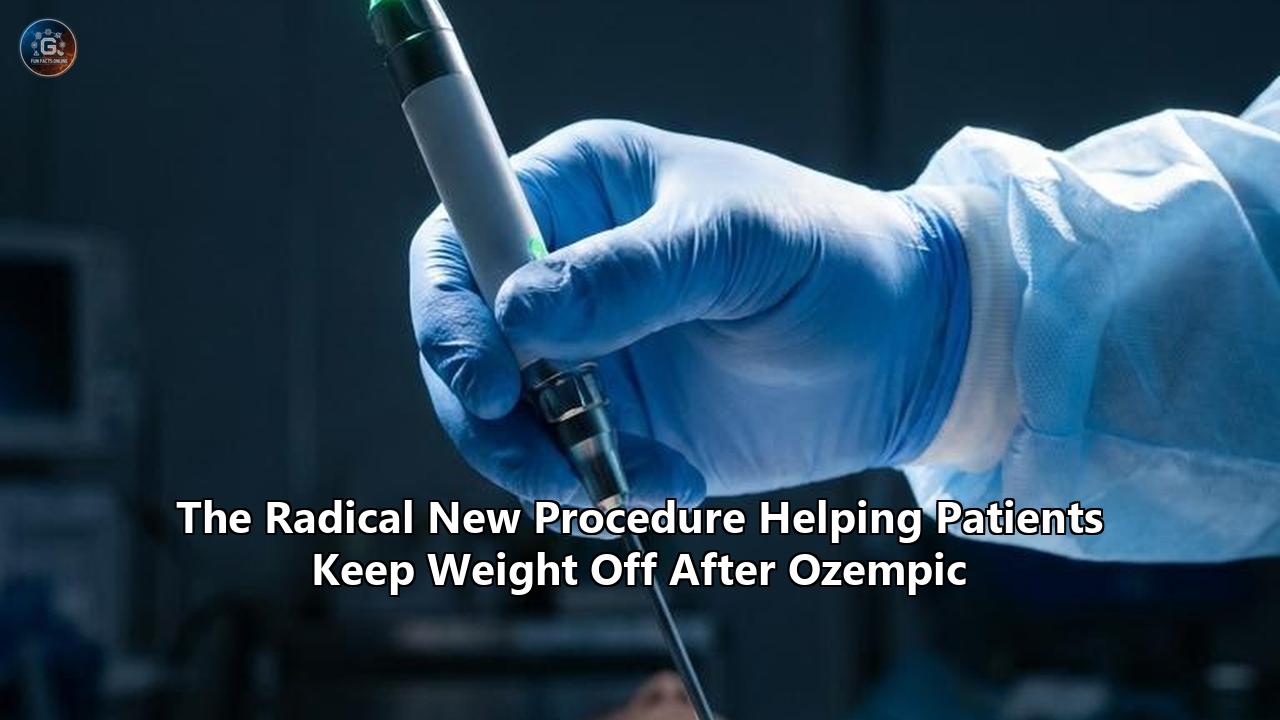
DMR, developed under the trade name Revita by Fractyl Health, directly addresses this localized damage. The procedure is performed entirely on an outpatient basis under mild sedation. A bariatric endoscopist inserts a thin, flexible catheter down the patient's esophagus, through the stomach, and into the duodenum—the first segment of the small intestine.
Once in position, the device utilizes a highly controlled process of hydrothermal ablation. The catheter lifts the mucosal layer by injecting a protective fluid underneath it, shielding the deeper structural tissues of the intestine. Then, a balloon delivers precisely calibrated thermal energy to burn away the dysfunctional, hypertrophic mucosal lining.
The human gut is highly regenerative. Within days of the ablation, the body naturally regrows a completely new, healthy mucosal layer. This fresh tissue restores the gut's normal nutrient-sensing capabilities and reactivates proper hormone signaling. By eliminating the damaged tissue that was driving insulin resistance and metabolic dysfunction, the procedure effectively resets the patient’s baseline metabolism. If a patient undergoes this reset immediately following massive, drug-induced weight loss, their renewed gut biology aligns with their new, lighter body mass, preventing the hormonal panic that typically drives rapid weight regain.
Unlike traditional bariatric surgeries such as Roux-en-Y gastric bypass or vertical sleeve gastrectomy, DMR does not involve cutting, stapling, or permanently rerouting the gastrointestinal anatomy. There are no permanent implants or severe, lifelong malabsorption consequences. In the REMAIN-1 trial, no serious complications were reported regarding either the device itself or the procedural execution.
The Affected Parties: Patients, Prescribers, and Payer Ecosystems
The introduction of an endoscopic exit strategy forces a structural transformation across the entire healthcare ecosystem. The most immediate beneficiaries are patients trapped in the financial and physical fatigue of lifelong injections.
Currently, millions of patients are caught in a holding pattern. They have achieved significant metabolic improvements but live with chronic anxiety regarding insurance coverage changes, employer benefit shifts, or manufacturing shortages that could instantly cut off their drug supply. For these individuals, an outpatient procedure that offers a pathway to discontinue medication without forfeiting their health gains is an incredibly attractive proposition. Patients who experience severe, unremitting nausea, delayed gastric emptying (gastroparesis), or persistent loss of lean muscle mass on GLP-1s now have an alternative that relies on localized tissue regeneration rather than systemic pharmaceutical intervention.
For medical providers, particularly gastroenterologists and bariatric surgeons, DMR represents a massive expansion of scope. Over the past three years, bariatric surgery volumes have faced immense downward pressure as patients overwhelmingly chose injectable medications over permanent anatomical alteration. Surgeons and specialized endoscopists have been searching for a way to integrate themselves into the GLP-1 era. The Revita procedure positions them at the tail end of the treatment pipeline. Bariatric centers will likely pivot from being the first line of defense to serving as the definitive "maintenance phase" providers. Endoscopic bariatric programs, such as those at Brigham and Women's Hospital and Dartmouth Health, are actively restructuring their clinical workflows to accommodate patients transitioning off pharmacotherapy.
The most aggressive pivot, however, will come from health insurance companies and self-funded employer plans. Payers have been engaged in a brutal, multi-year war of attrition against the soaring costs of anti-obesity medications. Covering a drug at $12,000 annually for decades per patient threatens to bankrupt traditional healthcare premium structures. Consequently, insurers have implemented severe prior authorization requirements, strict body mass index (BMI) cutoffs, and forced step-therapy protocols to suppress utilization.
The economic calculus of DMR fundamentally changes payer math. While exact commercial pricing for the Revita procedure is yet to be finalized pending wider FDA clearances, similar advanced endoscopic procedures typically cost between $8,000 and $15,000. For an insurance provider, paying a one-time fee of $12,000 to permanently offload a patient from a $12,000-per-year recurring pharmaceutical expense yields a return on investment in exactly twelve months. Payers will heavily incentivize, and perhaps eventually mandate, transitioning eligible patients to procedures like DMR to cap their long-term liability.
Short-Term Consequences: Access, Waitlists, and Market Dynamics
As the 2026 DDW trial data permeates the medical community, the immediate short-term consequence will be a severe supply-and-demand mismatch. There are millions of patients looking to maintain weight after ozempic safely, but there is only a fraction of trained endoscopists equipped to perform hydrothermal duodenal mucosal ablation.
In the immediate future, patients will face stringent qualification criteria. Initial commercial rollout will likely prioritize patients who have already lost at least 15 percent of their body weight, have demonstrated strict compliance with lifestyle and nutritional guidelines, and are experiencing either severe adverse reactions to GLP-1s or total loss of insurance coverage.
We will also see a sudden scramble within clinical coding and billing departments. Because DMR operates in the liminal space between diabetes management and obesity maintenance, securing standardized Current Procedural Terminology (CPT) codes will require aggressive lobbying. Without established billing pathways, the first wave of patients may have to self-pay for the procedure, creating a sharp socio-economic divide in who gets to secure their weight loss permanently versus who is forced to rebound.
The pharmaceutical industry will not sit idle as device manufacturers build an off-ramp for their most lucrative products. Companies like Novo Nordisk and Eli Lilly have built trillion-dollar valuations on the assumption of chronic, lifelong adherence to semaglutide and tirzepatide. If a procedural cure for the rebound effect gains mainstream traction, it directly threatens the recurring revenue models of these pharmaceutical giants.
In the short term, expect pharmaceutical companies to heavily fund studies emphasizing the secondary cardiovascular and renal benefits of lifelong GLP-1 usage, arguing that stopping the drugs—even if weight is maintained via endoscopy—deprives the patient of systemic anti-inflammatory and cardio-protective effects. We may also see large pharmaceutical firms attempt to outright acquire advanced endoscopic device companies like Fractyl Health to hedge their portfolios, ensuring that whether a patient stays on a drug or opts for a procedure, the revenue flows back to the same parent corporation.
The Mechanics of Procedural Failure and Limitations
While the REMAIN-1 data is highly encouraging, a rigorous clinical analysis requires examining the limitations and potential fail points of the procedure. Duodenal resurfacing is not an impenetrable shield against poor behavioral habits.
The procedure works by regenerating healthy, nutrient-sensing mucosa. However, if a patient undergoes the procedure and immediately returns to the hyper-processed, high-sugar, high-saturated-fat diet that caused the duodenal damage in the first place, the newly regenerated mucosa will eventually degrade. The timeline for this re-thickening is currently unknown. Will patients require a "booster" resurfacing every five or ten years? The six-month post-procedure data shows an expanding gap between the sham and treatment groups, but longitudinal tracking at the three- and five-year marks will be necessary to determine the true durability of the biological reset.
Furthermore, the procedure does not address the issue of muscle preservation. A patient who lost significant lean body mass while taking tirzepatide will still have a depressed basal metabolic rate after the endoscopic procedure. The gut reset prevents the severe hormonal hunger spikes, but if the patient has permanently lowered their daily caloric expenditure by losing twenty pounds of skeletal muscle, they remain highly susceptible to gradual weight creep. Clinical protocols moving forward will likely mandate intensive resistance training and high-protein dietary counseling alongside the DMR procedure to ensure the metabolic reset has a solid muscular foundation to support it.
There is also the matter of the dose-response correlation observed by Dr. Sullivan’s team. Patients who received "extensive resurfacing" kept off over 80 percent of the weight, but variations in procedural execution—such as how much of the duodenal surface area is successfully ablated without damaging deeper tissue—can yield inconsistent outcomes. Standardizing the training for endoscopists to ensure uniform ablation depth and coverage across thousands of global clinics will be a formidable logistical hurdle.
Long-Term Consequences: A New Paradigm in Chronic Disease Management
Looking beyond the immediate rollout, the integration of mucosal resurfacing into standard clinical practice will force a rewrite of international obesity guidelines. For decades, obesity has been categorized strictly as a chronic, relapsing disease requiring lifelong management. The advent of highly effective biological resets challenges that definition, suggesting that certain metabolic dysfunctions can be fundamentally repaired rather than just continuously managed.
This shifts the timeline of obesity treatment. Instead of initiating GLP-1 therapy with the assumption that it will continue indefinitely, physicians will prescribe these medications with a specific exit date in mind. The new clinical pathway will likely resemble a specialized project:
- Phase 1 (Months 1-12): Aggressive pharmacological intervention (GLP-1/GIP agonists) to strip away visceral and subcutaneous adipose tissue, resolve fatty liver deposits, and lower systemic inflammation.
- Phase 2 (Months 12-14): Transition off the medication, timed perfectly with the endoscopic duodenal mucosal resurfacing to reset the gut's metabolic baseline to the new, lighter body mass.
- Phase 3 (Ongoing): Maintenance via lifestyle, dietary adherence, and regular lean muscle mass monitoring, entirely free of pharmaceutical dependence.
This multi-modal approach creates a sustainable, economically viable pathway for treating the global obesity epidemic. If health systems can cure the metabolic dysfunction for a fixed procedural cost rather than paying a perpetual pharmaceutical toll, broad access to care will expand significantly.
The research pipeline is also rapidly accelerating to address other anatomical targets. While the REMAIN-1 trial focused on the duodenum to reset insulin and incretin pathways, other researchers are developing endoscopic mucosal ablation techniques specifically targeting the gastric fundus to permanently reduce ghrelin production. In a 2024 first-in-human trial, gastric fundus ablation resulted in a 40 percent reduction in fasting ghrelin levels and severely diminished patient hunger cues.
By the end of the decade, it is highly probable that patients looking to safely maintain weight after ozempic will undergo a combined endoscopic procedure: simultaneously ablating the gastric fundus to permanently kill excess hunger signals, and resurfacing the duodenum to restore healthy insulin and nutrient sensing. This dual-pronged anatomical reset would replicate the hormonal benefits of a full gastric bypass without making a single incision.
The Horizon: What to Watch for Next
The landscape of metabolic intervention is moving with unprecedented velocity. As we progress through the remainder of 2026, the medical and financial sectors will be intensely focused on the larger, multi-center readouts from the ongoing REMAIN-1 trial and subsequent FDA applications.
Several critical milestones will define the exact trajectory of this treatment. First, the 12-month and 24-month follow-up data on the current cohort of 45 patients will prove whether the metabolic reset holds its integrity against the pressures of modern food environments. If the seven-pound regain holds steady at year two, the procedure will instantly become the gold standard for maintenance therapy.
Second, the response from the Centers for Medicare & Medicaid Services (CMS) regarding coverage codes will dictate the commercial viability of the procedure. If CMS designates DMR as a necessary maintenance therapy following FDA-approved weight loss, private insurers will be forced to follow suit, unlocking access for millions of Americans.
Lastly, watch the strategic maneuvers of pharmaceutical developers. The ability to successfully maintain weight after ozempic without needing to buy more Ozempic is a direct threat to the most profitable drug franchise in medical history. Whether the major pharmaceutical companies attempt to discredit the durability of endoscopic procedures, pivot their marketing toward the prevention of neurological and cardiovascular diseases regardless of body weight, or simply acquire the technology themselves, the collision between lifelong pharmacology and procedural cures has officially begun.
Patients finally have a glimpse of a finish line. The next twenty-four months will determine how quickly they are allowed to cross it.
Reference:
- https://www.sciencedaily.com/releases/2026/04/260423022002.htm
- https://scitechdaily.com/simple-gut-reset-may-prevent-weight-gain-after-ozempic-or-wegovy/
- https://www.medicalnewstoday.com/articles/ozempic-rebound
- https://www.cam.ac.uk/research/news/patients-regain-weight-rapidly-after-stopping-weight-loss-drugs-but-still-keep-off-a-quarter-of
- https://www.medicalnewstoday.com/articles/new-weight-loss-endoscopic-procedure-could-help-reduce-hunger-hormone
- https://wholelifecyclenutrition.com/weight-regain-after-ozempic/
- https://firstwordpharma.com/story/7270016
- https://www.pharmacytimes.com/view/preliminary-results-show-new-procedure-maintains-weight-loss-after-discontinuing-glp-1-medication
- https://thesurgicalclinics.com/can-you-take-ozempic-if-you-had-bariatric-surgery/
- https://www.drugs.com/medical-answers/ozempic-safe-after-gastric-bypass-sleeve-surgery-3578801/
- https://www.boltpharmacy.co.uk/guide/ozempic-after-gastric-bypass
- https://health.economictimes.indiatimes.com/news/industry/endoscopic-procedure-helps-prevent-weight-regain-after-stopping-diabetes-medication/130512115
- https://barilife.com/blogs/news/semaglutide-use-after-bariatric-surgery
- https://www.forhers.com/blog/ozempic-after-gastric-bypass