An Unprecedented Ban at the Gate: The July 13 Federal Order
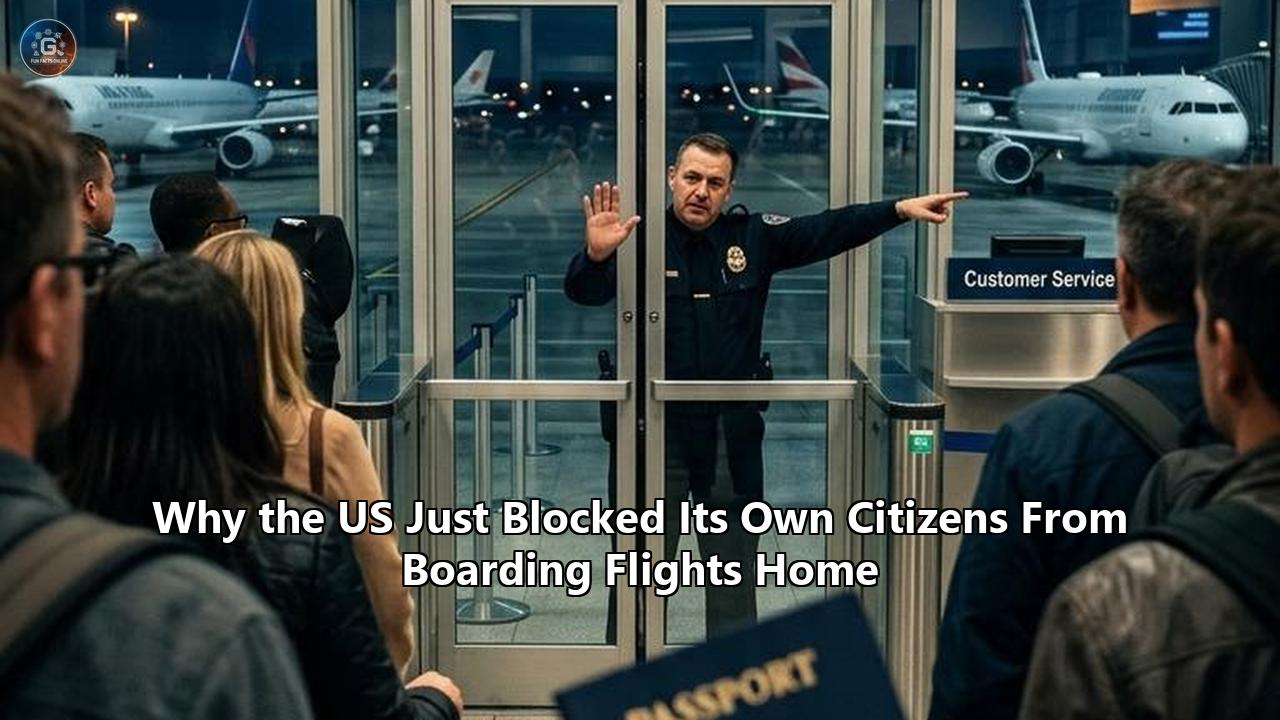
On Monday, July 13, 2026, the United States government enacted an extraordinary public health measure that has sent shockwaves through the international travel and legal communities. By direct order of Department of Health and Human Services (HHS) Secretary Robert F. Kennedy Jr., the federal government began placing U.S. citizens currently in the Democratic Republic of the Congo (DRC) on a federal "Do Not Board" (DNB) list. The move effectively blocks them from boarding commercial flights home.
Under the new restrictions, any American citizen currently in the DRC, or who has recently departed the country, is barred from boarding U.S.-bound commercial flights. To return home, they must first spend at least 21 days—the maximum incubation period for the Ebola virus—in an unnamed third country. The immediate fallout was felt the very next morning. On Tuesday, July 14, 2026, approximately two dozen Americans preparing to board flights back to the U.S. were turned away at boarding gates.
The decision marked the first time in modern public health history that healthy US citizens blocked from flights were barred from returning home under a blanket federal travel ban. While the administration defends the move as a vital defense against a widening Ebola outbreak, the decision has ignited a fierce debate. The policy forces a confrontation between national security, public health protocols, and the fundamental constitutional rights of American citizens.
As news spread of US citizens blocked from flights at international departure gates, legal scholars and human rights advocates raised alarms. The situation has exposed a critical vulnerability in the intersection of international travel, executive power, and civil liberties.
The Dual-Title Legal Leverage: How Title 42 and Title 49 Were Deployed
To execute this sweeping travel ban, the administration did not rely on standard immigration laws, which explicitly protect the right of citizens to enter the country. Instead, federal agencies utilized a potent combination of public health laws and transportation security regulations. Specifically, the CDC acted under Title 42 of the U.S. Code, which governs public health, while the Department of Homeland Security (DHS) deployed its powers under Title 49, which regulates transportation safety.
┌────────────────────────────────────────────────────────────────────────┐
│                        FEDERAL LEVERAGE MATRIX                         │
├───────────────────────────────────┬────────────────────────────────────┤
│             TITLE 42              │              TITLE 49              │
│          (Public Health)          │      (Transportation Safety)       │
├───────────────────────────────────┼────────────────────────────────────┤
│ • Managed by the CDC              │ • Enforced by the TSA              │
│ • Identifies infectious threats   │ • Controls commercial manifest lists│
│ • Flags high-risk travel corridors│ • Restricts physical boarding      │
└───────────────────────────────────┴────────────────────────────────────┘
The "Do Not Board" list was originally established in June 2007. It was designed as a highly targeted, surgical tool to prevent individuals known or strongly suspected of carrying highly contagious, dangerous diseases—primarily multidrug-resistant tuberculosis (MDR-TB)—from boarding flights. Under standard protocols, a person is placed on the DNB list only if they meet strict criteria:
- They are confirmed or suspected to be infectious with a serious contagious disease.
- They represent a direct threat to fellow travelers.
- They are deemed likely to travel commercially and have demonstrated non-compliance with local health directives.
The current order bypasses this individualized assessment. By placing a broad class of citizens on the DNB list based solely on their geographic location, the administration has transformed a targeted quarantine mechanism into a mass-exclusion tool.
The administrative logic behind keeping US citizens blocked from flights rests on an aggressive interpretation of HHS powers. Secretary Kennedy’s order argues that the rapid spread of the Bundibugyo strain of Ebola represents an extraordinary hazard to domestic aviation and national security. Because the virus has moved to areas just hours outside of Kinshasa, the DRC's capital, the administration contends that standard airport screenings are no longer sufficient to guarantee the virus will not slip past the border.
A Constitutional and Ethical Crisis: The Rights of Citizens vs. State Security
The constitutional implications of the order are profound. Under U.S. constitutional law and international treaties, the right of a citizen to return to their home country is considered nearly absolute. Article 12, Paragraph 4 of the International Covenant on Civil and Political Rights (ICCPR)—to which the U.S. is a signatory—explicitly states that "no one shall be arbitrarily deprived of the right to enter his own country."
Historically, domestic courts have held that while the federal government has broad power to regulate entry, isolate infected travelers, and mandate quarantines, it cannot banish or permanently lock out its own citizens. The government has traditionally resolved public health threats at the border by letting citizens land and immediately placing them into federal quarantine facilities.
By shifting the quarantine burden overseas, the federal government has created a legal gray area. Because the citizens are physically blocked from boarding flights in foreign airports, they cannot reach a U.S. port of entry where they could assert their constitutional rights, request a hearing, or demand a medical evaluation on American soil.
                  TRADITIONAL REPATRIATION PROCESS

   ┌─────────────────┐       ┌─────────────────┐       ┌─────────────────┐
   │  U.S. Citizen   │ ───►  │ Arrives at U.S. │ ───►  │   Monitored /   │
   │   Leaves DRC    │       │  Port of Entry  │       │ Isolated in U.S.│
   └─────────────────┘       └─────────────────┘       └─────────────────┘

                  JULY 2026 DNB PROTOCOL (TITLE 49)

   ┌─────────────────┐       ┌─────────────────┐       ┌─────────────────┐
   │  U.S. Citizen   │ ───►  │ Added to Federal│ ───►  │ Stranded in     │
   │   In the DRC    │       │ "Do Not Board"  │       │ Third Country   │
   └─────────────────┘       └─────────────────┘       └─────────────────┘
"Preventing citizens from coming home is a rubicon we should not cross," said Sarah Harrison, a constitutional attorney specializing in international travel rights. "If the government can use commercial flight lists to prevent citizens from returning to American soil during a health crisis, it effectively holds the power of temporary banishment. That is a massive expansion of executive authority without judicial oversight."
Furthermore, the lack of clarity regarding which "third countries" will accept these travelers complicates the situation. Many nations have already restricted travel from the DRC. Stranded Americans face the prospect of being stuck in transit hubs without valid visas, running out of funds, and lacking access to consular protection or medical care.
The Public Health Paradox: Shifting the Burden and Encouraging Secrecy
The reality of having US citizens blocked from flights home has immediately impacted those on the front lines of global health. While the administration frames the policy as a defensive shield, prominent public health experts warn that it could actively make the global outbreak worse.
Dr. Daniel Jernigan, a highly respected public health leader and the former director of the National Center for Emerging and Zoonotic Infectious Diseases at the CDC, spoke out strongly against the directive. Jernigan, who led the federal agency's response during the devastating 2014–2015 West Africa Ebola outbreak and resigned in August 2025 over concerns of political interference in scientific agencies, called the current use of the DNB policy "unprecedented" and dangerous.
"This change in policy risks shifting medical and public-health responsibility to third countries," Jernigan warned. "It may encourage travelers to conceal itineraries or exposures, and it will make recruitment of American outbreak responders more difficult."
┌────────────────────────────────────────────────────────────────────────┐
│                        THE PUBLIC HEALTH PARADOX                       │
├───────────────────────────────────┬────────────────────────────────────┤
│         INTENDED BENEFIT          │        UNINTENDED CONSEQUENCE      │
├───────────────────────────────────┼────────────────────────────────────┤
│ • Prevents virus importation      │ • Encourages travelers to hide     │
│                                   │   travel history & bypass tracking │
│                                   │                                    │
│ • Shields domestic population     │ • Shifting quarantine to weaker    │
│                                   │   health systems risks wild spread │
│                                   │                                    │
│ • Minimizes contact on planes     │ • Discourages humanitarian workers │
│                                   │   from deploying to the front line │
└───────────────────────────────────┴────────────────────────────────────┘
The public health paradox is built on three core systemic failures:
- The Incentive for Deception: When travelers know that disclosing their presence in the DRC will result in being stranded abroad for three weeks, they are far more likely to lie about their travel history. They may travel overland across porous borders to neighboring nations, obtain secondary passports, or use complex multi-leg bookings to obscure their point of origin. This makes contact tracing and epidemiological surveillance nearly impossible.
- Undermining the Outbreak Response: Outbreaks are contained at their source, not at the borders of distant nations. The DRC relies heavily on American epidemiologists, logisticians, and medical professionals from organizations like Samaritan's Purse, Doctors Without Borders, and the Serge missionary group. If these professionals know they could be barred from returning to their families or forced into unpredictable third-country quarantines at their own expense, recruitment will collapse.
- Weakening Global Cooperation: Forcing neighboring or third-party countries to absorb potential Ebola exposures without their consent strains international alliances. It shifts the financial and clinical burden of monitoring American citizens onto foreign healthcare systems that may already be struggling under the weight of local crises.
Understanding the Threat: The Bundibugyo Ebola Strain
To understand why federal authorities implemented such drastic measures, it is necessary to examine the specific biological threat posed by the active outbreak.
The current epidemic in the DRC and Uganda is driven by the Bundibugyo ebolavirus (BDBV). First identified in late 2007 during an outbreak in the Bundibugyo District of Uganda, this species of the virus is distinct from the more common Zaire ebolavirus.
         COMPARATIVE ANALYSIS: EBOLA VIRUS SPECIES

   ┌─────────────────────────────────┬─────────────────────────────────┐
   │        ZAIRE EBOLAVIRUS         │      BUNDIBUGYO EBOLAVIRUS      │
   ├─────────────────────────────────┼─────────────────────────────────┤
   │ • Ervebo Vaccine Approved       │ • No Certified Vaccine          │
   │                                 │                                 │
   │ • Inmazeb / Ebanga Treatments   │ • No Certified Therapeutics     │
   │                                 │                                 │
   │ • High Mortality (up to 90%)    │ • Moderate Mortality (30%-40%)  │
   │                                 │                                 │
   │ • Broad Diagnostic History      │ • Difficult Early Detection     │
   └─────────────────────────────────┴─────────────────────────────────┘
While the Zaire ebolavirus is highly lethal, international health agencies have spent the last decade developing a robust toolkit to fight it. The Ervebo vaccine is highly effective, and monoclonal antibody treatments like Inmazeb and Ebanga have significantly reduced mortality rates.
Unfortunately, none of these tools work against the Bundibugyo strain. Because of genetic differences between the species, the Zaire vaccine and monoclonal treatments provide no protection or therapeutic benefit against BDBV. This has forced clinical teams to start from scratch, relying on experimental candidate vaccines and enrolling patients in new scientific trials to find effective treatments.
The current outbreak has escalated rapidly:
- First Reported: May 14, 2026, in the Ituri Province of the DRC.
- WHO Declaration: Declared a Public Health Emergency of International Concern (PHEIC) on May 16, 2026.
- Current Toll: As of mid-July 2026, health authorities have confirmed 2,032 cases and 756 deaths.
- Geographic Spread: The virus has spread rapidly across the DRC’s Ituri, North Kivu, South Kivu, Haut-Uélé, and Tshopo provinces, with imported cases detected in Kampala, Uganda, and even in Paris, France.
The risk to Americans was brought home directly on Friday, July 10, 2026, when the CDC confirmed that a U.S. citizen working for a humanitarian organization in the DRC had tested positive for the Bundibugyo strain. That patient, along with another infected American missionary, had to be medically evacuated to Germany for high-containment care because of the lack of regional treatment infrastructure.
The lack of specialized countermeasures, combined with the conflict-ridden and densely populated nature of the eastern DRC, created a worst-case scenario for U.S. health officials. Faced with the prospect of the Bundibugyo strain reaching major American transportation hubs, HHS officials decided that complete exclusion was their only viable defense.
The Path Forward: Restoring Public Health Screening and Safe Repatriation
With dozens of citizens stranded and a growing legal challenge on the horizon, public health leaders, legal advocates, and lawmakers are scrambling to find a compromise. A problem-solution framework demands that the U.S. transition away from blanket bans toward sustainable, constitutionally sound alternatives.
                  PATHWAYS TO RECOVERY & REPATRIATION

       STRENGTHEN REGIONAL            RESTORE DESIGNATED            ESTABLISH FEDERAL
      CONTAINMENT HUBS (AFRICA)      AIRPORT SCREENING (U.S.)      QUARANTINE ENCLAVES
     ┌─────────────────────────┐    ┌─────────────────────────┐    ┌─────────────────────────┐
     │ • Build 50-bed facilities│    │ • Route through JFK/ATL │    │ • Create secure transit │
     │ • Fund Africa CDC labs  │    │ • Deploy rapid BDBV tests│    │   facilities on bases   │
     │ • Secure local consents │    │ • Mandatory 21-day self-│    │ • Guarantee legal rights│
     │                         │    │   quarantine with tech  │    │   of returnees          │
     └─────────────────────────┘    └─────────────────────────┘    └─────────────────────────┘
1. Re-establishing the Designated Airport Screening Protocol
Prior to the July 13 ban, the CDC successfully managed travel risks using a targeted screening and rerouting protocol. Under this system, any traveler arriving from an Ebola-affected region was rerouted through one of four major U.S. airports equipped with advanced quarantine stations:
- John F. Kennedy International Airport (JFK) in New York
- Washington-Dulles International Airport (IAD) in Virginia
- Hartsfield-Jackson Atlanta International Airport (ATL) in Georgia
- George Bush Intercontinental Airport (IAH) in Houston
At these hubs, Customs and Border Protection (CBP) and CDC officers conducted physical screenings, temperature checks, and risk assessments. Travelers were then allowed to return to their home states under the supervision of local health departments, which monitored them daily for the duration of the 21-day incubation window.
Restoring this protocol would respect the constitutional rights of citizens while maintaining rigorous oversight. To enhance this system, health authorities are pushing for the rapid deployment of the newly listed WHO diagnostic test for the Bundibugyo virus. This test could be administered directly at airport quarantine stations, providing rapid results and identifying infected individuals before they leave the airport.
2. Resolving the Overseas Quarantine Infrastructure Friction
To make the 21-day third-country requirement viable and humane, the U.S. must build dedicated, state-of-the-art quarantine enclaves in cooperation with regional allies.
This approach has faced significant local resistance. The U.S. government previously planned to build a 50-bed isolation and quarantine facility near the Laikipia Air Base in Kenya. However, a Kenyan court halted construction following legal challenges and intense protests from local communities concerned about bringing the deadly virus near their homes.
To salvage this strategy, diplomats must negotiate binding bilateral agreements that include:
- Full U.S. funding for the construction and operation of regional isolation facilities.
- Dual-use capabilities, allowing local populations to use the facilities for general infectious disease care when not occupied by quarantined travelers.
- Ironclad safety guarantees, including staffing by specialized U.S. military medical personnel and public health contractors to eliminate the risk of local transmission.
3. Defining Executive Limits through Judicial and Legislative Action
Ultimately, the administrative overreach represented by the Title 49 "Do Not Board" order must be addressed by the courts and Congress. Civil liberties groups are already preparing emergency injunction requests to challenge the legality of the ban.
Legal advocates argue that Congress must amend the Aviation and Transportation Security Act to clarify that the DNB list cannot be used as a de facto immigration barrier for healthy U.S. citizens. A clear statutory distinction must be drawn between an individual known to be actively infectious and a broad class of healthy citizens who are simply returning from an affected region.
If public health policy continues to leave US citizens blocked from flights, the long-term impact on global health cooperation could be devastating. By codifying clear, constitutional pathways for citizen repatriation during health crises, the U.S. can protect its domestic population without abandoning its citizens abroad or undermining the global fight against deadly pathogens.
Reference:
- https://economictimes.indiatimes.com/news/international/world-news/us-bars-citizens-in-congo-from-boarding-flights-home-over-ebola/articleshow/132379364.cms?from=mdr
- https://www.thehindu.com/news/international/us-to-blockcitizens-in-congo-from-immediate-travel-home-citing-ebola/article71219847.ece
- https://www.thestreet.com/travel/latest-rfk-jr-travel-ban-prevents-some-americans-from-returning-home
- https://www.cnbcafrica.com/2026/us-to-block-citizens-in-congo-from-immediate-travel-home-citing-ebola
- https://www.businessghana.com/site/news/politics/352140/US-to-block-citizens-in-Congo-from-immediate-travel-home-citing-Ebola
- https://www.polity.org.za/article/us-quarantine-order-for-americans-returning-from-congo-will-hurt-ebola-response-aid-group-says-2026-07-16
- https://www.cdc.gov/port-health/travel-restrictions/index.html
- https://www.aclu-tn.org/news/cbp-cant-detain-domestic-flight-passengers-refusing-suspicionless-id-checks/
- https://www.cdc.gov/ebola/situation-summary/returning-travelers.html
- https://pmc.ncbi.nlm.nih.gov/articles/PMC5605433/
- https://en.wikipedia.org/wiki/2026_Ebola_epidemic
- https://timesofindia.indiatimes.com/world/us/us-plans-to-bar-its-citizens-in-congo-from-flying-home-directly-amid-ebola-outbreak/articleshow/132380198.cms
- https://en.wikipedia.org/wiki/Daniel_B._Jernigan
- https://www.newsmax.com/newsfront/us-to-block%C2%A0citizens-in-congo-from-immediate-travel-home-citing-ebola/2026/07/14/id/1262831/
- https://www.notus.org/health-science/cdc-officials-resign-cnn-kaitlan-collins-demetre-daskalakis-debra-houry-daniel-jernigan
- https://www.who.int/emergencies/situations/ebola-outbreak---drc-2026
- https://www.bignewsnetwork.com/news/279186899/us-bars-americans-in-dr-congo-from-flying-home-reuters
- https://www.beckershospitalreview.com/quality/public-health/white-house-blocks-americans-in-congo-from-returning-to-us-on-commercial-flights-3-ebola-updates/
- https://www.ecdc.europa.eu/en/ebola-outbreak-democratic-republic-congo-and-uganda