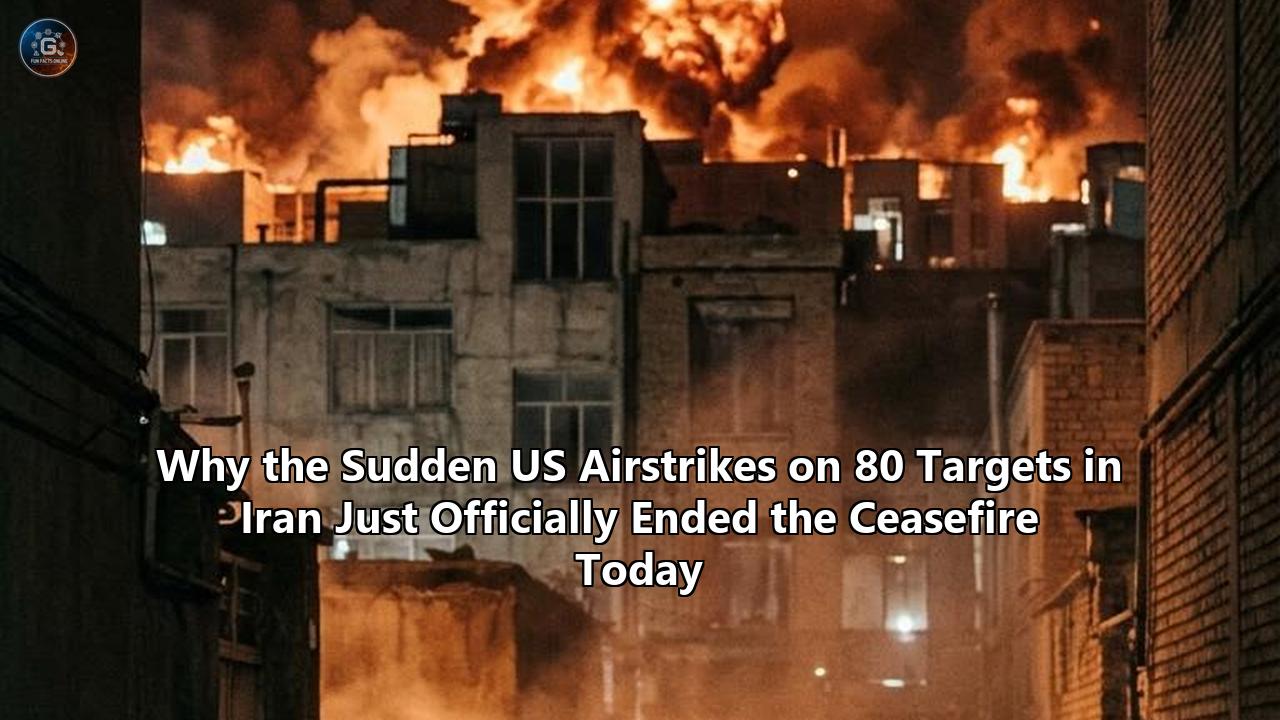
The tenuous peace that had temporarily paused the war in the Middle East has officially disintegrated.
Speaking on the sidelines of the NATO summit in Ankara, Turkey, U.S. President Donald Trump formally declared that the three-month-old ceasefire with the Islamic Republic of Iran is "over". The collapse of the June memorandum of understanding comes in the wake of a devastating series of U.S. airstrikes that struck over 80 military targets across southern Iran.
The military action represents the most significant escalation since the war initially broke out on February 28, 2026, when a joint U.S.-Israeli offensive killed several high-ranking Iranian officials, including Supreme Leader Ali Khamenei.
The latest crisis began unfolding in the early hours of Tuesday, July 7, 2026, when U.S. Central Command (CENTCOM) launched a coordinated, high-intensity bombardment aimed at degrading Iran’s ability to disrupt international maritime trade. By Wednesday night, a second, even larger wave of airstrikes rattled Iranian coastal cities, signaling a full-scale return to active hostilities.
With the Strait of Hormuz once again a primary battleground, oil prices have spiked, stock markets have slumped, and regional military bases are on high alert. The breakdown of the truce marks a dangerous turning point, raising the specter of an unrestricted regional conflict with global economic consequences.
The Spark in the Strait: Tanker Attacks and Retaliation
The immediate catalyst for the collapse of the ceasefire was a series of brazen attacks on commercial shipping in the Strait of Hormuz, the world’s most critical oil transit chokepoint. According to U.S. defense officials, Iran's Islamic Revolutionary Guard Corps (IRGC) targeted three merchant vessels transiting the international waterway earlier in the week.
STATIONED IN THE STRAIT: RECENT VESSEL TARGETS
┌──────────────────────┬──────────────────┬────────────────────────┐
│ Vessel Name          │ Flag State       │ Target Status          │
├──────────────────────┼──────────────────┼────────────────────────┤
│ Al Rekayyat          │ Marshall Islands │ Projectile Damage      │
│ Wedyan               │ Saudi Arabia     │ Projectile Damage      │
│ Cyprus Prosperity    │ Liberian-flagged │ Projectile Damage      │
└──────────────────────┴──────────────────┴────────────────────────┘
The attacks occurred despite the explicit terms of the June 17 Memorandum of Understanding, which required both nations to halt hostile actions and ensure the unhindered flow of commercial navigation. CENTCOM quickly attributed the ship attacks directly to Iranian forces, labeling the action "unwarranted, dangerous, and a clear violation of the ceasefire".
Hours after the final vessel was hit, President Trump authorized the first retaliatory wave. U.S. forces targeted a vast network of coastal defenses, command-and-control nodes, and naval assets. In total, the U.S. military confirmed it hit more than 80 discrete targets, including:
- More than 60 IRGC small fast-attack craft docked or operating near key harbors.
- Active air defense systems and surface-to-air missile batteries protecting Iran's southern coast.
- Coastal radar installations and surveillance networks used to track international shipping.
- Anti-ship cruise missile launch sites situated along key littoral cliffs.
- Command-and-control infrastructure used by IRGC commanders to orchestrate maritime interdictions.
The physical destruction was accompanied by a severe economic blow. Simultaneously, the U.S. Treasury Department revoked a temporary general license that had permitted Iran to sell a limited volume of oil internationally under the ceasefire agreement. This dual-track approach—combining kinetic force with immediate economic strangulation—was designed to impose maximum cost on Tehran.
Deep Dive: The Air Campaign and Tactical Objectives
The tactical execution of the US airstrikes in Iran highlights a highly coordinated joint-service operation utilizing assets stationed throughout the Middle East and aboard aircraft carrier strike groups in the Arabian Sea.
The primary waves on Tuesday and Wednesday nights were conducted by a mix of land-based and carrier-borne strike aircraft, supported by strategic bombers and unmanned aerial vehicles. F-35A Lightning II aircraft, operating from undisclosed regional bases, flew alongside F/A-18E/F Super Hornets launched from carriers stationed outside the Persian Gulf. These stealth and conventional fighters were supported by KC-135 Stratotanker aerial refueling tankers, allowing them to sustain prolonged operational times over Iranian airspace.
Additionally, U.S. Air Force B-1B Lancer strategic bombers were utilized to deploy Long-Range Anti-Ship Missiles (LRASMs) to neutralize Iranian surface vessels before they could contest the airspace or the sea lanes.
U.S. AIRPOWER DEPLOYMENT SUMMARY (JULY 2026 WAVE)
┌─────────────────────────┬─────────────────────────┬───────────────────────────┐
│ Aircraft Platform       │ Launch Origin           │ Primary Mission           │
├─────────────────────────┼─────────────────────────┼───────────────────────────┤
│ F-35A Lightning II      │ Regional Airbases       │ Stealth Penetration & SAM │
│                         │                         │ Suppression               │
├─────────────────────────┼─────────────────────────┼───────────────────────────┤
│ F/A-18E/F Super Hornet  │ Carrier Strike Groups   │ Precision Strike & Escort │
├─────────────────────────┼─────────────────────────┼───────────────────────────┤
│ B-1B Lancer             │ CONUS / Forward Deployed│ Stand-off Missile Launch  │
│                         │                         │ (LRASM)                   │
├─────────────────────────┼─────────────────────────┼───────────────────────────┤
│ KC-135 Stratotanker     │ Regional Hubs           │ Aerial Refueling Support  │
└─────────────────────────┴─────────────────────────┴───────────────────────────┘
The strikes targeted key geographic nodes along Iran's southern coast, with significant explosions reported by state media in Bandar Abbas, Sirik, Konarak, and Chabahar.
               IRAN
  ┌───────────────────────────────────┐
  │                                   │
  │     [Bushehr Nuclear Plant]       │
  │                 ☼                 │
  │                                   │
  │                                   │
  │  Bandar Abbas      Sirik  Chabahar│
  │     💥              💥      💥    │
  └──────┬───────────────┬───────┬────┘
         │               │       │
  ───────▼───────────────▼───────▼─────────
              Strait of Hormuz
  ─────────────────────────────────────────
Bandar Abbas and Sirik
Bandar Abbas, home to the primary naval base of the Islamic Republic of Iran Navy (IRIN) and a major IRGC naval hub, was a focal point of the bombardment. U.S. precision munitions struck military piers, dry docks, and dry-docked fast attack craft. In nearby Sirik, local officials reported that fishing and commercial piers were hit, causing fires that consumed several vessels. Shrapnel from these explosions reportedly injured several civilians, according to Iranian state television.
Chabahar and Konarak
Further east, near the border with Pakistan, the port of Chabahar was heavily hit. Iranian sources confirmed that two marine piers and a critical maritime traffic control tower were destroyed by U.S. precision-guided bombs. Nearby Konarak, which hosts a major naval airfield and support base, also reported multiple heavy explosions as air defense radars were taken offline.
Abu Musa Island
Another major target area was Abu Musa Island, one of three highly contested islands in the southern Persian Gulf claimed by both Iran and the United Arab Emirates. Abu Musa serves as a strategic fortress for the IRGC, providing radar coverage and missile emplacements that dominate the western approaches to the Strait of Hormuz. U.S. strikes targeted these hardened artillery and missile bunkers to prevent them from targeting passing warships.
Bushehr Province
Perhaps the most sensitive area hit was Bushehr province, which houses Iran's only operational commercial nuclear power plant. While explosions were reported nearby, the Iranian semi-official Mehr News Agency quickly clarified that the strikes did not cause physical damage to the nuclear facility itself. Analysts suggest the strikes in Bushehr were directed at air defense radars and coastal missile batteries stationed nearby to protect the plant, rather than the nuclear reactor itself.
The Political Volcano: Trump's Declaration at the NATO Summit
The geopolitical fallout from the US airstrikes in Iran immediately spilled over into the NATO summit in Ankara, Turkey, where allied leaders had gathered to discuss global security. The atmosphere, already tense, turned combative when President Trump sat down next to NATO Secretary General Mark Rutte.
When questioned by reporters on whether he believed the hard-fought June ceasefire was still in effect, Trump was uncharacteristically blunt.
"As far as I'm concerned, it's over," Trump said, dismissively waving his hand. "I don't want to deal with them anymore. They're scum. You know what scum is? They're scum. They're sick people. They're led by sick people and they're vicious, violent people. And if they had a nuclear weapon, they'd use it."
The president's fiery rhetoric caught many European diplomats off guard, raising concerns that the United States was unilaterally committing to a prolonged, high-intensity conflict without consulting its allies. Rutte and other European leaders had spent the previous evening bracing for a difficult summit, but the sudden collapse of the Middle East truce overshadowed the planned agenda.
Trump also utilized the press conference to air long-standing grievances against specific European allies, notably the United Kingdom. He openly criticized British Prime Minister Keir Starmer for initially denying the U.S. military permission to use RAF Fairford in Gloucestershire for bombing missions during the early stages of the war in the spring of 2026.
"The United Kingdom wouldn't let us use the island for two weeks, so we had to fly back," Trump complained, referencing the operational difficulties caused by the initial British diplomatic resistance. Though Starmer eventually relented, permitting limited U.S. strike support from British soil, the delay remained a point of contention for the American president.
Trump went on to threaten Spain with trade cutoffs over disputes regarding defense spending targets, further straining the cohesion of the alliance at a moment of acute international crisis.
Echoes of Operation Roaring Lion: How We Got Here
To understand the fragility of the collapsed ceasefire, it is necessary to examine the broader timeline of the 2026 war, which began with unprecedented violence on February 28.
Following months of failed diplomatic efforts to curb Iran's nuclear program, the United States and Israel launched a massive, surprise joint military operation codenamed Operation Roaring Lion. In what the Israeli Air Force described as the largest combat sortie in its history, allied jets struck over 500 military targets across Iran in a single 24-hour period, dropping more than 1,200 precision-guided bombs.
┌──────────────────────────────────────────────────────────────────┐
│                   WAR CHRONOLOGY: YEAR 2026                      │
├─────────────────┬────────────────────────────────────────────────┤
│ February 28     │ U.S. and Israel launch Operation Roaring Lion. │
│                 │ Supreme Leader Ali Khamenei is killed.         │
├─────────────────┼────────────────────────────────────────────────┤
│ March - May     │ High-intensity war; Iran launches missile and  │
│                 │ drone barrages at U.S. bases and Gulf states.  │
├─────────────────┼────────────────────────────────────────────────┤
│ June 17 / 28    │ Ceasefire MOU signed; temporary oil export    │
│                 │ license granted to Iran.                       │
├─────────────────┼────────────────────────────────────────────────┤
│ July 7          │ Iran attacks tankers; U.S. launches strikes on │
│                 │ 80 targets; oil license revoked.               │
├─────────────────┼────────────────────────────────────────────────┤
│ July 8 - 9      │ Second wave of U.S. strikes; Trump declares   │
│                 │ the ceasefire officially "over."               │
└─────────────────┴────────────────────────────────────────────────┘
The most consequential outcome of the February 28 attacks was the death of Iran’s Supreme Leader, Ayatollah Ali Khamenei, who was killed alongside thousands of IRGC personnel when key command facilities in Tehran and Qom were leveled. The decapitation of the Iranian leadership plunged the country into chaos, but rather than surrendering, the remaining military structure consolidated power under a hardline, decentralized junta.
Iran responded with a relentless campaign of asymmetric warfare:
- Massive Missile and Drone Barrages: Fired at U.S. military bases in Iraq, Syria, Qatar, and Bahrain.
- Targeting Gulf Allies: Launching retaliatory strikes against infrastructure in Saudi Arabia, the UAE, and Kuwait.
- Maritime Blockade: Attempting to entirely close the Strait of Hormuz by deploying hundreds of naval mines and utilizing swarm tactics with IRGC fast-attack boats.
The conflict ground into a brutal stalemate. While U.S. and allied air defense systems intercepted the vast majority of incoming threats, Iranian strikes managed to damage critical U.S. military installations, including the Combined Air Operations Center (CAOC) in Qatar.
By mid-June, both sides were exhausted. Facing rising economic pressure and a global energy crisis, the U.S. and Iran signed a temporary memorandum of understanding. The agreement established a three-month ceasefire, allowing Iran to resume limited oil exports in exchange for lifting its blockade on the Strait of Hormuz.
However, the truce was inherently unstable. Both sides accused the other of systemic violations. Tehran argued that the U.S. was continuing to allow Israel to conduct strikes against Iranian-backed groups in Lebanon, while Washington maintained that Iran was covertly continuing to seed the Persian Gulf with naval mines and coordinate drone harassment against commercial vessels.
Iran’s Response: Retaliatory Strikes on Kuwait and Bahrain
True to its established military doctrine, Iran did not wait long to retaliate against the latest round of US airstrikes in Iran. Within hours of the Tuesday night bombardment, the IRGC launched coordinated missile and drone barrages targeting U.S. military installations and allied nations in the Persian Gulf.
Air raid sirens sounded across Bahrain and Kuwait as air defense batteries scrambled to intercept incoming targets. Bahrain, which hosts the U.S. Navy's Fifth Fleet headquarters, came under attack from a wave of one-way attack drones launched from Iran’s southwestern coast.
                     IRAN (IRGC Missile Sites)
                              │
                    ┌─────────┴─────────┐
                    ▼                   ▼
                 KUWAIT              BAHRAIN
            (2 Ballistic Missiles) (Multiple Drones)
            (13 Drones Fired)           │
                    │                   ▼
                    ▼              U.S. 5th Fleet
             Interceptions by          HQ Target
             Patriot Batteries
In Kuwait, the military reported a significant air defense engagement at dawn on Wednesday, July 8. According to a statement released on X by the Kuwaiti Army, local air defenses successfully intercepted and destroyed:
- Two hostile ballistic missiles targeting key logistics hubs.
- 13 hostile one-way attack drones entering Kuwaiti airspace from the north.
The Kuwaiti authorities confirmed that there were no civilian or military casualties as a result of the interceptions. However, the strikes underscored the extreme vulnerability of Gulf Arab nations, which find themselves physically positioned between the two warring powers.
The political consequences of these retaliatory strikes are already mounting. Qatar, which has historically played the role of mediator between Washington and Tehran, issued a statement warning that further military escalation would have "severe, irreversible consequences" for the stability of the entire region. Simultaneously, Doha held Iran "fully legally responsible" after a Qatari liquefied natural gas (LNG) carrier was reportedly struck by a stray missile in the northern Gulf, causing a localized fire in its engine room.
Military Strategy: Why the US Is Seizing the Initiative
According to military analysts, the latest round of US airstrikes in Iran represents a fundamental shift in U.S. strategic doctrine. Rather than adopting a reactive posture—waiting for an Iranian attack and then responding with proportional force—the Pentagon is now actively seeking to "seize the initiative" and dictate the tempo of military operations.
This proactive strategy, which has been quietly taking shape since April 2026, is aimed at shaping the battlefield before Iran can mount a coordinated offensive. By preemptively striking 80 high-value targets, including the backbone of the IRGC's fast-attack fleet and coastal radar networks, the U.S. is seeking to systematically strip Iran of its asymmetric leverage.
THE SHIFT IN U.S. MILITARY POSTURE (2026)
┌───────────────────────────────────┬───────────────────────────────────┐
│ Old Doctrine (Reactive)           │ New Doctrine (Proactive/Initiative│
├───────────────────────────────────┼───────────────────────────────────┤
│ Proportional, delayed responses   │ Massed, preemptive strikes to     │
│ to specific attacks.              │ disrupt threat networks.          │
├───────────────────────────────────┼───────────────────────────────────┤
│ Focus on localized deterrence.    │ Focus on systemic degradation of  │
│                                   │ offensive capability.             │
├───────────────────────────────────┼───────────────────────────────────┤
│ Passive defense of shipping lanes│ Hard offensive sweep of coastal   │
│ using convoy escorts.             │ radars, missiles, and IRGC boats. │
└───────────────────────────────────┴───────────────────────────────────┘
By destroying more than 60 IRGC small boats in a single series of strikes, CENTCOM has severely degraded Tehran's capacity to execute "swarm" tactics against commercial vessels or U.S. warships. These small, highly maneuverable craft, often armed with anti-ship missiles or packed with explosives, have historically been Iran’s most effective tool for contesting control of the narrow Strait of Hormuz.
Furthermore, the destruction of coastal surveillance systems and maritime traffic control towers—such as the one in Chabahar—blinds the IRGC's targeting capabilities. Without accurate, real-time radar data, Iranian missile crews are forced to rely on less precise targeting methods, significantly reducing the efficacy of their anti-ship ballistic and cruise missiles.
However, some military experts warn that this aggressive approach carries immense risks. Fatemeh Aman, an Iran expert and former non-resident fellow at the Middle East Institute, emphasized that the success of this strategy hinges on how Tehran interprets the U.S. resolve.
"The latest attacks raise the risk of renewed escalation, but whether they develop into a broader, unrestricted war will depend on the internal calculations of all parties," Aman noted. "The Iranian regime may have calculated there was a 50% chance the U.S. would back down rather than risk another prolonged Middle East war. Now that the U.S. has shown it will not, the IRGC may feel cornered, which often leads to more erratic, high-risk military gambles."
The Economic Shockwaves: Oil, Markets, and Supply Chains
The collapse of the ceasefire and the resumption of major military operations have sent immediate shockwaves through the global economy. On Wednesday, global financial markets reacted with alarm to President Trump's declaration that the truce was over.
         CRUDE OIL PRICE SPIKE (JULY 2026)
  ($ per Barrel)
  $85 ─┐
       │                                     ▲ $82.50
  $80 ─┤                                    ╱
       │                                   ╱
  $75 ─┤                      ▲ $75.00    ╱
       │                     ╱           ╱
  $70 ─┤                    ╱           ╱
       │       ● $68.50    ╱           ╱
  $65 ─┴───────┬───────────┬───────────┬──────────
             June 30     July 7      July 9
          (Ceasefire)  (1st Strike) (Today)
The most dramatic movement occurred in the energy sector. International benchmark Brent crude jumped nearly 8%, trading well over $80 a barrel by Wednesday afternoon. The U.S. domestic contract, West Texas Intermediate (WTI), followed a similar trajectory, rising over 7% to settle at $75 a barrel.
This sudden spike reverses a brief period of energy price stabilization that had occurred during the brief June ceasefire. Investors are highly sensitive to any instability in the Strait of Hormuz, through which roughly one-fifth of the world’s total oil consumption passes daily. A prolonged closure of the strait, or even the threat of active hostilities targeting commercial tankers, could easily push global oil prices back toward record highs, threatening to reignite inflationary pressures in Western economies.
The economic pain is compounded by the U.S. decision to revoke the general license that allowed Iran to sell oil internationally. By removing Iranian crude from the global market once again, the administration is intentionally tightening global supply to starve Tehran of hard currency.
However, this strategy relies on other major oil-producing nations, such as Saudi Arabia and the United Arab Emirates, to increase their production capacity to offset the deficit—a prospect that remains uncertain as both countries face direct threats of retaliation from Iranian missile units.
Global stock markets also suffered significant losses. Major indexes in New York, London, and Tokyo closed down between 1.5% and 2.5% on Wednesday. Tech and manufacturing sectors, which rely heavily on stable global supply chains and maritime shipping lanes, led the market downturn. Freight insurance rates for vessels operating in the Persian Gulf and the Gulf of Oman have skyrocketed, with maritime underwriters classifying the entire region as a high-risk combat zone.
Diplomatic Breakdown: Is Negotiating a "Waste of Time"?
The rapid descent back into war has left diplomatic channels in tatters, raising serious questions about whether a negotiated settlement is still possible. The June ceasefire was originally intended to serve as a stepping stone toward a comprehensive, long-term peace agreement that would permanently address both Iran’s regional military activities and its nuclear enrichment program.
Now, those hopes have evaporated. During his Ankara press conference, President Trump expressed deep skepticism about the utility of continuing to engage with Iranian negotiators. He characterized the ongoing discussions over the Memorandum of Understanding as a "waste of time" and questioned whether the Iranian leadership had ever been serious about adhering to the terms.
"I don't know that we want to make a deal," Trump remarked. "It's a waste of time dealing with them. They don't keep their word, they don't respect our strength, and they only understand one thing, and that's force."
Despite the president's hardline rhetoric, other administration officials have quietly signaled that they are not completely closing the door on diplomacy. A senior State Department official, speaking on the condition of anonymity, indicated that U.S. negotiators remain prepared to engage through third-party intermediaries, such as Qatar or Oman, if Iran demonstrates a genuine willingness to halt its attacks on commercial shipping.
However, the political climate within Iran makes any diplomatic concessions highly unlikely in the near term. Following the death of Supreme Leader Khamenei in February, the country's military leadership has adopted a highly nationalistic, defiant posture. The Iranian state-run media outlet Press TV recently declared that "developments over the past 48 hours have solidified Tehran's resolve," noting that a "new military and strategic doctrine" is now in place to directly confront Western hegemony.
Mohsen Rezaei, a senior military advisor to the Iranian leadership, echoed this defiance in a public post on X, writing that "the aggressor enemy and its accomplices will be severely punished," signaling that Tehran is preparing for a long, grinding war of attrition rather than a return to the negotiating table.
What to Watch: The Next Stages of the Escalation
As the ceasefire officially ends, the international community is bracing for what comes next. The situation is highly fluid, and several critical indicators will determine whether this crisis escalates into a catastrophic regional war or remains a contained, albeit violent, exchange of blows.
1. The Scale of the Iranian Retaliation
While Iran has already launched initial strikes against Kuwait and Bahrain, military analysts are watching to see if Tehran deploys its more advanced, long-range ballistic missiles or orchestrates wider proxy attacks. If the IRGC targets critical infrastructure in Saudi Arabia—such as the Abqaiq oil processing facilities—or launches coordinated strikes via Houthi forces in Yemen against shipping in the Red Sea, the conflict will instantly expand beyond the Persian Gulf.
2. The Deployment of U.S. Strategic Assets
The Pentagon has already signaled that Wednesday night's strikes are likely the beginning of a broader campaign. Observers should monitor the movement of U.S. naval assets, particularly whether additional carrier strike groups are diverted to the Middle East. The deployment of additional stealth bombers to regional hubs like Diego Garcia or Al Udeid Air Base in Qatar will indicate whether the U.S. is planning to target Iran's deeply buried underground nuclear facilities, such as Fordow or Natanz.
3. The Reaction of Regional Allies
The position of Gulf Arab states remains precarious. While Kuwait and Bahrain have been forced into the conflict by virtue of being attacked, other nations, such as Oman and the UAE, are attempting to walk a diplomatic tightrope. If these nations restrict the U.S. military's ability to utilize their airspace or bases for offensive operations out of fear of Iranian retaliation, it could severely complicate CENTCOM's logistics and operational planning.
4. Domestic Political Pressures in the West
In the United States, the resumption of the war has already drawn sharp domestic criticism. Senator Bernie Sanders was quick to condemn President Trump's actions, accusing the administration of restarting a "reckless war" that would "cost more lives and waste more taxpayer dollars."
As the 2026 midterm elections approach, the political cost of rising inflation and high gas prices driven by the conflict could pressure the administration to either seek a rapid military victory or find a diplomatic off-ramp, regardless of how fragile it might be.
A Region on the Brink
The collapse of the June ceasefire and the resumption of intense US airstrikes in Iran have effectively erased months of delicate diplomatic maneuvering. What began as a localized conflict over freedom of navigation in the Strait of Hormuz has once again evolved into an existential confrontation between the world's preeminent military power and a deeply defiant regional adversary.
The death of Ayatollah Khamenei in February did not lead to the collapse of the Iranian regime as some in Washington and Jerusalem had hoped; instead, it has produced a highly militarized, unpredictable leadership structure that appears willing to risk total ruin to assert its sovereignty.
With both sides now committed to reclaiming the tactical initiative, the Middle East is entering its most dangerous period of uncertainty in decades. The coming days will reveal whether the international community can find a way to pull the two combatants back from the edge, or if the region is destined to descend into a war with no clear end in sight.
Reference:
- https://en.wikipedia.org/wiki/2026_Iran_war
- https://taskandpurpose.com/news/military-iran-ceasefire-over/
- https://www.theguardian.com/world/2026/jul/08/trump-declares-ceasefire-iran-over-broadside-nato-summit
- https://www.airandspaceforces.com/us-conducts-fresh-airstrikes-iran-ship-attacks/
- https://www.theguardian.com/world/live/2026/jul/08/us-iran-strikes-trump-nato-summit-live-updates
- https://www.theguardian.com/world/2026/jul/08/us-carries-out-another-wave-of-strikes-on-iran
- https://www.cbsnews.com/live-updates/us-iran-war-trump-says-ceasefire-over/
- https://www.al-monitor.com/originals/2026/07/us-military-says-it-carrying-out-fresh-strikes-iran-after-trump-says-accord-over
- https://www.thenationalnews.com/news/us/2026/07/08/us-strikes-iran-ceasefire/
- https://www.indailysa.com.au/news/just-in/2026/07/08/united-states-iran-attacks-2
- https://www.pbs.org/newshour/world/u-s-carries-out-another-round-on-strikes-on-iran
- https://www.jpost.com/middle-east/iran-news/article-901937
- https://www.google.com/sorry/index?continue=https://www.google.com/search%3Fq%3Dtime%2Bin%2BUnited%2BStates%2Bof%2BAmerica&q=EgS0vKyzGK7Uu9IGIjAs1vJP7jNA5XlPgkJVTVpHoWB-9yIg-Z-TPJWeYkWD3tsejNW4WrzgfXLl0ZB0lFAyAnJSWgFD