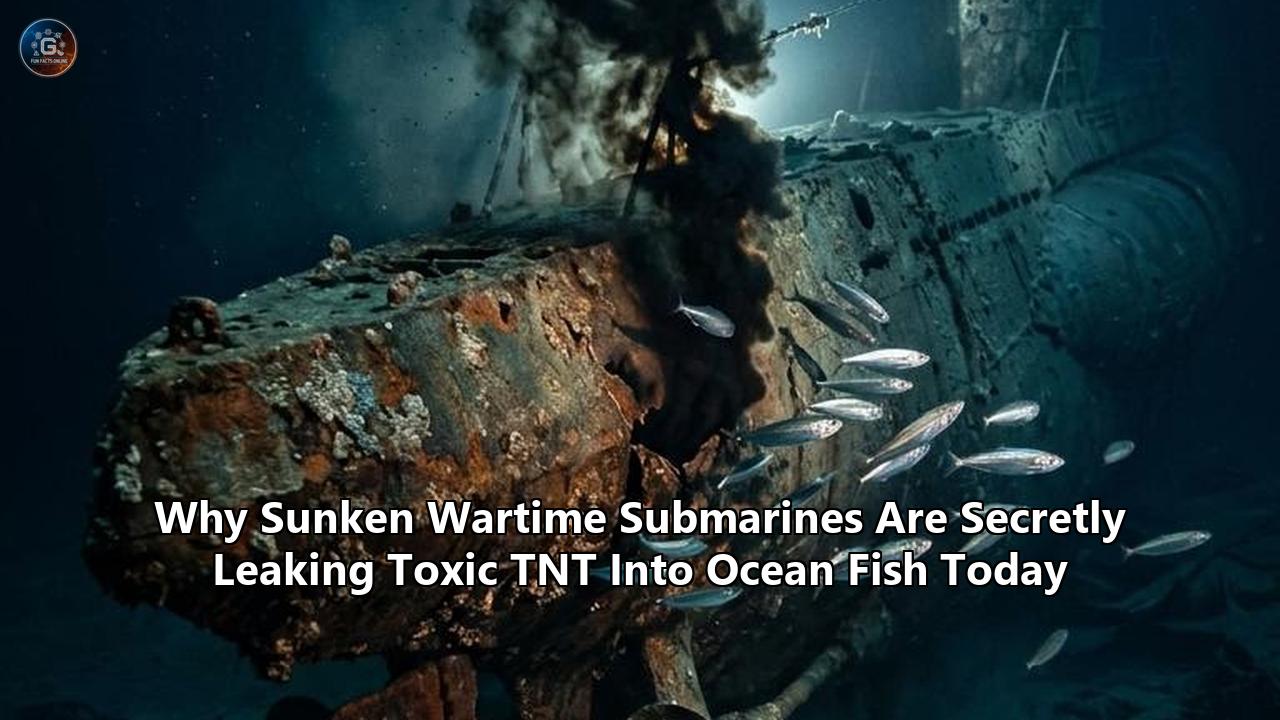
An analysis published in the Marine Pollution Bulletin by researchers from Aarhus University, the Alfred Wegener Institute, and the University Medical Center Schleswig-Holstein has confirmed that munitions resting inside century-old naval wrecks are actively venting carcinogenic compounds into the marine environment. Diving teams and marine geochemists conducting forensic surveys off the Danish and German coasts detected measurable concentrations of 2,4,6-trinitrotoluene (TNT) and its toxic metabolic derivatives bleeding into the water column, settling across adjacent benthic sediments, and accumulating in the tissues of bottom-dwelling wildlife.
The primary sentinel examined in the field trials—the German Imperial Navy minelaying submarine UC-30, lost to a naval mine off the island of Rømø in 1917—still holds up to 4.8 metric tons of high explosives distributed across 18 unexploded sea mines and six torpedoes. The study revealed that steel casings corroded beyond a critical structural threshold have exposed the raw explosive matrix directly to North Sea currents, resulting in TNT concentrations of up to 72.6 nanograms per liter in surrounding waters and inducing immediate cellular distress, metabolic disruption, and impaired energetic reserves in organisms exposed to the plumes.
This revelation coincides with parallel findings from Germany’s Thünen Institute of Fisheries Ecology, which established that wild commercial flatfish—predominantly the common dab (Limanda limanda)—and Atlantic cod (Gadus morhua) captured throughout the North and Baltic Seas are metabolizing these escaped wartime explosives. High-resolution mass spectrometry of fish bile revealed significant concentrations of hazardous nitroaromatic metabolites, confirming that chemicals escaping from corroded munitions are no longer confined to isolated wreck hulls; they have crossed the biological barrier into the marine food web.
The findings mark the crossing of a predicted metallurgical tipping point. Across the global seabed, an estimated 1.6 million metric tons of conventional and chemical munitions lie submerged in German territorial waters alone, with thousands of armed naval wrecks decaying simultaneously across the North Atlantic, the Mediterranean, and the Western Pacific. Maritime scientists, toxicologists, and defense ministries are confronting an escalating environmental emergency: the slow-motion collapse of sunken submarine hulls built during the global conflicts of the 20th century.
1914–1945: The Deposition Era and the Logic of Oceanic Sequestration
The environmental crisis unfolding on the ocean floor began with the industrial scale of naval operations between the outbreak of World War I and the collapse of the Third Reich. Over these three decades, undersea warfare developed from an experimental tactical curiosity into a dominant theater of total war. Germany’s Kaiserliche Marine commissioned 375 U-boats during World War I, followed by the Kriegsmarine’s deployment of 1,162 U-boats during World War II. Hundreds were hunted down and destroyed by depth charges, aerial barrages, ramming, and naval mines; others succumbed to mechanical failures or navigational errors in shallow coastal transit corridors.
Each lost submarine sank as a self-contained arsenal. Submersibles were built not merely to travel underwater, but to deliver massive shock waves through unyielding steel ship plates. Doing so required packing maximum energetic density into minimum volume. Engineers relied on newly synthesized nitroaromatic compounds, most notably 2,4,6-trinitrotoluene (TNT), synthesized by the nitration of toluene with a mixture of nitric and sulfuric acids. To amplify blast velocities and create sustained underwater bubble pulses, military chemists formulated dense composite fillings:
- Schiesswolle (Shoot Wool / Hexanite): A prevalent German torpedo and mine filling combining 60% TNT with roughly 24% hexanitrodiphenylamine (HND) and 16% powdered aluminum, engineered specifically to generate catastrophic shockwaves in aqueous environments.
- Torpex and Amatol: Allied explosives incorporating TNT, ammonium nitrate, and aluminum powder to optimize blast overpressure.
- Hexogen (RDX) and Octogen (HMX): High-velocity nitramine compounds incorporated late in World War II to destabilize Allied armor and merchant shipping.
When an armed vessel such as UC-30 went down in April 1917, it took with it an operational loadout designed for unrestricted mine-laying warfare: 18 UC/200 mines containing heavy charges of compressed TNT and auxiliary priming explosives, alongside its bow and stern torpedo tubes loaded with G6 torpedoes. When British naval aircraft hunted down U-3523—an advanced Type XXI submarine—in the Skagerrak in May 1945, its hull slammed into the seabed packed with modern acoustic-homing torpedoes.
+-----------------------------------------------------------------------------------+
|                        TYPICAL WARTIME SUBMARINE PAYLOAD                          |
+-----------------------------------------------------------------------------------+
|  Component             Payload Chemistry               Structural Containment     |
+-----------------------------------------------------------------------------------+
|  Naval Mines           TNT / Hexanite                  3-5 mm carbon steel        |
|                        (Up to 300 kg per mine)         external casing            |
|                                                                                   |
|  Torpedo Warheads      TNT / RDX / Aluminum            5-8 mm forged steel,       |
|                        (280-300 kg per torpedo)        internal bronze primers    |
|                                                                                   |
|  Demolition Charges    Pure TNT / Picric Acid          Thin sheet metal           |
|                                                                                   |
|  Fuel/Ballast          Heavy bunker oils, lead,        10-22 mm outer/inner       |
|                        cadmium battery banks           pressure hull steel        |
+-----------------------------------------------------------------------------------+
The volume of submerged explosives expanded following the 1945 armistice. Under the Potsdam Agreement, the Allied powers faced the logistical challenge of demilitarizing defeated Germany, whose stockpiles included hundreds of thousands of tons of conventional ammunition, aerial bombs, and artillery shells. Between late 1945 and 1948, the British Admiralty, alongside Soviet and American military authorities, orchestrated dumping operations. Military cargo vessels and captured barges were towed into designated coastal dumpsites—such as the Helgoland Trench, the Bornholm Basin, the Gotland Deep, and the German Bight—and dumped over the side.
Simultaneously, the British military executed Operation Deadlight between November 1945 and February 1946. Of the 156 German U-boats surrendered to Allied forces, 116 were deliberately towed northwest of Ireland into deep Atlantic waters (often exceeding 100 meters) and systematically sunk using artillery gunfire, aerial bombardment, and naval demolition charges. Many went down with operational components, residual auxiliary munitions, and machinery intact.
At the time, the disposal strategy rested on two prevailing scientific dogmas: infinite oceanic dilution and indefinite encapsulation. Naval leadership and defense planners operated under the assumption that the world's oceans represented an inexhaustible sink. It was posited that seawater would gradually enter the hulls, render the firing mechanisms inert, and slowly dilute any escaping chemicals across millions of cubic kilometers of moving water. Chemical engineers assumed that crystalline TNT—highly hydrophobic and possessing a low aqueous solubility (approximately 130 milligrams per liter at 20°C)—would remain solid indefinitely or dissolve so slowly that it could never accumulate to biologically meaningful levels. For the next half-century, that assumption remained unquestioned.
1946–1989: The Silent Decades and the Mechanics of Deep Degradation
For four decades after the war, the submerged fleets sat largely undisturbed beneath commercial fishing grounds, oil transit corridors, and merchant shipping lanes. Because these vessels had sunk in open ocean or within military exercise zones, they were effectively forgotten by civil authorities. When maritime regulators or salvage operators discussed shipwrecks during the Cold War, concerns centered almost entirely on residual heavy bunker oil (HFO) that could rupture and create visible surface slicks, or physical navigational hazards to bottom-trawling fishing gear.
Beneath the seabed sediments, a relentless process of electro-chemical decomposition began. The marine environment is an aggressive electrolytic medium. Seawater contains approximately 3.5% dissolved salts, predominantly sodium chloride ($NaCl$), which facilitates rapid electron transfer across metal surfaces. The rate at which the hulls of sunken submarines and the metal housings of their weapons decay is governed by precise metallurgical and environmental variables:
$$\text{Corrosion Rate} = f([\text{O}_2], \text{ Salinity}, \text{ Temperature}, \text{ Water Velocity}, \text{ Galvanic Coupling}, \text{ Biofilms})$$
In shallow, dynamic environments like the North Sea—characterized by continuous tidal currents, high dissolved oxygen saturation, and abrasive, shifting sands—corrosion rates on structural carbon steels regularly average between 0.05 and 0.15 millimeters per year. In stagnant, oxygen-depleted depressions like the Baltic deeps, abiotic corrosion slows down, but is superseded by microbial processes.
SEAWATER COLUMN (Electrolyte)
       │
       ▼
   O2 + 2H2O + 4e- ──► 4OH-  (Cathodic Reaction: Outer Hull / Bronze Fittings)
       ▲
       │ Electrons flow through conductive metal
       │
   Fe ──► Fe2+ + 2e-         (Anodic Reaction: Steel Hull Perforation Point)
       │
       ▼
  Fe2+ + 2OH- ──► Fe(OH)2 ──► Fe2O3·nH2O (Rust Scale / Flaking)
During this multi-decade period, two distinct corrosion mechanics undermined the structural integrity of the weapons caches:
1. Galvanic Dissimilarity
Submarines and naval torpedoes are not built from uniform metals. A World War I or World War II torpedo utilized forged steel casings for its warhead, bronze or brass impellers and contact-exploder assemblies, aluminum components within its guidance instrumentation, and copper-alloy piping. When immersed in an electrolyte, these metals establish differences in electrochemical potential.
Bronze and copper act as cathodes (noble metals), while structural carbon steel serves as a sacrificial anode. As a result, the steel casings immediately adjacent to naval detonators and valve fittings experienced accelerated galvanic pitting, corroding several times faster than the surrounding primary hull plates.
2. Microbiologically Influenced Corrosion (MIC)
As wrecks settled into the seabed, benthic sediment enveloped their lower sections. In these anoxic microenvironments, anaerobic sulfate-reducing bacteria (SRB), such as Desulfovibrio, colonized the outer surfaces. These microorganisms metabolize ambient marine sulfates ($SO_4^{2-}$), generating hydrogen sulfide ($H_2S$) as a metabolic byproduct:
$$\text{SO}_4^{2-} + 8\text{H}^+ + 8\text{e}^- \xrightarrow{\text{SRB}} \text{S}^{2-} + 4\text{H}_2\text{O}$$
$$\text{Fe}^{2+} + \text{S}^{2-} \xrightarrow{\quad} \text{FeS (Iron Sulfide)}$$
This biogenic iron sulfide forms a porous, brittle black crust that accelerates localized pitting. The steel does not rust uniformly across its surface; instead, microscopic holes bore deeply into the weapon casings, compromising the boundary between raw explosives and the ocean.
Throughout the 1950s, 60s, and 70s, evidence that these processes were destabilizing munitions went largely uncollected. The 1972 Convention on the Prevention of Marine Pollution by Dumping of Wastes and Other Matter (the London Convention) and the subsequent Oslo and Paris Conventions (OSPAR) outlawed the deliberate dumping of munitions and industrial waste into the sea. Yet, these legal frameworks treated historical wrecks and prior dumpings retroactively: what was already underwater was viewed as stable sediment. Sunken submarines were protected as sovereign naval property or consecrated maritime war graves, shielding them from forensic physical sampling.
1990–2009: The First Anomalies and the Toxicology of Nitroaromatics
By the 1990s, the paradigm of benign oceanic containment began to unravel. Commercial fishermen operating across the North Sea and the Skagerrak began pulling up corroded brass artillery casings, perforated depth charges, and clumps of solidified explosive filler caught in their bottom-trawl nets. While acute chemical warfare exposures (such as mustard gas burns sustained by Baltic fishing crews) generated public headlines, marine toxicologists began investigating the less understood, chronic effects of conventional explosives.
A significant turning point occurred in 2003 with the relocation of the wreck of U-864, a German Type IXD2 submarine sunk off the Norwegian island of Fedje in February 1945 by the British submarine HMS Venturer. U-864 had been executing Operation Caesar, a covert mission to deliver military technologies to Japan, including jet engine components and 67 metric tons of liquid metallic mercury contained in steel flasks. When Norwegian authorities surveyed the wreck, they documented catastrophic structural collapse: the submarine was torn in two, and mercury was actively contaminating marine sediments and local fish populations.
However, U-864 was also armed with its full wartime complement of torpedoes. For the first time, environmental ministries were forced to confront a compounding danger: the interaction between heavy-metal toxicity and hundreds of kilograms of corroding conventional explosives.
At the same time, marine fishery institutes in Germany, Denmark, and Poland began registering unexplained pathological trends in benthic fish species. Demersal flatfish, particularly the common dab (Limanda limanda), European flounder (Platichthys flesus), and plaice (Pleuronectes platessa), spend their adult lives resting upon and foraging within seabed sediments. Surveys conducted by the International Council for the Exploration of the Sea (ICES) revealed that flatfish gathered in the vicinity of historical munitions dumping zones—such as the Kolberger Heide in the Bay of Kiel—displayed unusually high frequencies of:
- Externally visible epidermal papillomas and ulcerations.
- Hyperplastic gill tissue alterations.
- Malignant and pre-neoplastic hepatic lesions (liver tumors).
ECOLOGICAL VECTOR: THE BENTHIC EXPOSURE PATHWAY

  Sunken Submarine / Perforated Warhead
           │
           ▼ (Dissolution & Particulate Flaking)
  Seabed Sediment Bound Toxic Boundary Layer
           │
           ├──────────────────────────────┐
           ▼                              ▼
    Filter Feeders                Epibenthic Infauna
  (Mytilus edulis Mussels)      (Polychaetes, Amphipods)
           │                              │
           └──────────────┬───────────────┘
                          │ (Trophic Transfer & Sediment Contact)
                          ▼
            Demersal Fish (Limanda limanda / Dab)
                          │ (Biotransformation via Liver Enzymes)
                          ▼
        Gallbladder Accumulation (ADNTs in Bile Fluid)
                          │
                          ▼
             Edible Muscle Bioaccumulation
                          │
                          ▼
         Apex Marine Predators & Human Consumption
Early attempts to prove that these pathologies were triggered by leaking explosives ran into analytical dead ends. When water samples were collected using standard hydrochemical bottles several meters above known wreck sites, laboratory analysis regularly returned non-detectable levels for TNT.
The analytical blind spot stemmed from a fundamental misunderstanding of the behavior of nitroaromatic explosives in marine environments. Researchers were hunting for the parent compound, 2,4,6-TNT. But pure TNT possesses high electron affinity due to its three strongly electron-withdrawing nitro ($-NO_2$) groups attached to the aromatic benzene ring. In the presence of sunlight, marine bacteria, and reducing sediment conditions, the parent molecule undergoes rapid microbial and abiotic photolytic degradation:
$$\text{TNT} \xrightarrow{\text{Reduction}} \text{2-ADNT} + \text{4-ADNT} \xrightarrow{\text{Further Reduction}} \text{2,4-DANT}$$
The primary degradation products—2-amino-4,6-dinitrotoluene (2-ADNT) and 4-amino-2,6-dinitrotoluene (4-ADNT)—are formed when one of the nitro groups is reduced to an amino ($-NH_2$) group. These transformation products are structurally more stable, persistent, and possess higher bioavailability than pure TNT. Furthermore, because fish and marine organisms possess active enzymatic metabolic systems, pure TNT that enters an organism is quickly converted into amino-dinitrotoluenes and conjugated with glucuronic acid or sulfate for excretion.
Because scientists were analyzing only ambient seawater for unmodified TNT, the true scope of sunken submarine toxic leaks went undetected. Munitions were leaking, but their chemical markers were slipping past contemporary analytical protocols.
2010–2019: The Analytical Revolution and the Biomonitoring Breakthrough
Between 2010 and 2019, modern toxicological chemistry exposed the reality beneath the surface. Propelled by the European Union’s Marine Strategy Framework Directive (MSFD)—which mandated that member states assess all contaminants causing adverse impacts on marine ecosystems—a new generation of interdisciplinary research consortia emerged.
Key among these were:
- CHEMSEA (Chemical Munitions Search & Assessment, 2011–2014)
- MODUM (Towards the Monitoring of Dumped Munitions Threat, 2013–2016)
- DAIMON (Decision Aid for Marine Munitions, 2016–2019)
- North Sea Wrecks (NSW) (2018–2023)
These multi-institution projects, uniting oceanographers from GEOMAR Helmholtz Centre for Ocean Research Kiel, the Alfred Wegener Institute (AWI), Aarhus University, and the University Medical Center Schleswig-Holstein, developed methodologies to detect explosive compounds at trace levels.
CHEMICAL BIOTRANSFORMATION OF TNT IN FISH METABOLISM

              CH3                                  CH3
          O2N ──┬── NO2                        O2N ──┬── NH2
                │                                    │
               NO2                                  NO2
      2,4,6-Trinitrotoluene               4-Amino-2,6-dinitrotoluene
             (TNT)                                 (4-ADNT)
                │                                    │
                │ Hepatic Phase I                    │ Biliary Excretion
                │ Cytochrome P450                    ▼
                ▼ Enzymes                     Concentrated in
          CH3                                 Gallbladder Bile
      H2N ──┬── NO2                           (Detectable at ng/mL)
            │                                        │
           NO2                                       ▼
 2-Amino-4,6-dinitrotoluene                 DNA Strand Breaks &
          (2-ADNT)                          Hepatic Carcinogenesis
The analytical shift relied on tandem mass spectrometry: High-Performance Liquid Chromatography coupled with triple-quadrupole mass spectrometry (HPLC-MS/MS), operating alongside Gas Chromatography-Mass Spectrometry (GC-MS). These instruments dropped the limit of detection for nitroaromatic explosives and nitramines into the picogram-per-liter range.
Instead of scooping water from surface vessels, scientists deployed Remotely Operated Vehicles (ROVs) to extract porewater directly from the sediment surrounding sunken hulls, centimeters from exposed explosive warheads. The data shifted dramatically. Around corroding torpedoes and sunken mine tracks, porewater concentrations of dissolved explosive compounds were measured not in infinitesimal fractions, but in high, biologically active concentrations.
The second breakthrough came through the adoption of sentinel bioaccumulation monitoring, pioneered by teams led by toxicologist Edmund Maser at Kiel University. Researchers recognized that the blue mussel (Mytilus edulis) acts as a continuous passive biological filtration system, pumping up to two liters of seawater per hour through its gills and digestive glands.
Between 2016 and 2019, researchers anchored moorings bearing caged blue mussels directly adjacent to known munitions caches and war wrecks for continuous exposure periods lasting from 11 weeks to several months.
When retrieved and subjected to toxicological profiling, the mussels revealed that explosive compounds were not washing away harmlessly:
- Direct Tissue Absorption: Mussels deployed near corroded munitions accumulated TNT, 2-ADNT, 4-ADNT, and the naval explosive Hexanite in their soft tissues.
- Lysosomal Membrane Instability: Exposure to the nitroaromatic plume induced cellular pathology. The lysosomal membranes in the animals' digestive cells destabilized, releasing hydrolytic enzymes into the cytoplasm.
- Accumulation of Lipofuscin: The mussels displayed marked accumulations of lipofuscin—an insoluble "age pigment" formed by the oxidative degradation of lipids and cellular organelles—serving as a direct biomarker of oxidative stress and membrane damage.
- Depletion of Glycogen Stores: The mussels depleted their glycogen reserves within digestive tissues, exhausting the energy buffers essential for reproductive gametogenesis.
Concurrently, researchers at the Thünen Institute of Fisheries Ecology cracked the puzzle of fish contamination. Because vertebrate livers metabolize parent TNT rapidly, the parent compound rarely lingers in muscular fillets at high concentrations. Instead, the liver's Cytochrome P450 enzyme complex functionalizes the molecule, systematically reducing the nitro groups and routing the resulting toxic metabolites into the gall bladder for excretion.
When researchers extracted bile fluid directly from dab caught near munitions sites, the mass spectrometers lit up. Bile samples contained concentrations of 2-ADNT and 4-ADNT reaching dozens of nanograms per milliliter—several orders of magnitude higher than ambient ocean water. The fish were acting as biological vacuum cleaners, taking in the chemical compounds escaping from corroding wartime ordnance.
2020–2024: The Structural Tipping Point and the Physical Rupture of Submarine Casings
By 2020, oceanographic baseline surveys transitioned into a structural reality: the world's underwater war wrecks had entered their structural failure phase.
Submarine hulls, naval mines, and torpedo warheads built between 1914 and 1945 were constructed from rolled mild steels and carbon-manganese structural alloys designed to withstand the hydrostatic pressure of combat diving depths, but not a century of uninterrupted galvanic and biochemical corrosion. Torpedo casing walls, manufactured to precise weight-to-yield tolerances, typically ranged between 5.0 and 8.0 millimeters in thickness. External mine casings were often thinner—between 3.0 and 5.0 millimeters.
METALLURGICAL CORROSION PROGRESSION OF WARTIME CASINGS

Thickness
 (mm)
  8.0 ┌─────────────────────────────────────────────────────────────┐
      │  Initial Factory Thickness (Wartime Torpedo Shell)          │
  6.0 ├───────────────────────────────┐                             │
      │                               └───┐                         │
  4.0 ├───────────────────────────────────┴─────────┐               │
      │                                             └───┐           │
  2.0 ├─────────────────────────────────────────────────┴─────┐     │
      │ PITTING & MICROBIAL CORROSION                         └───┐ │
  0.0 └───┴─────────────┴─────────────┴─────────────┴─────────────┴─▼─┤
         1920          1940          1960          1980          2000 2026
                                      Year
  =====================================================================
  CRITICAL THRESHOLD REACHED (2015–2025):
  Perforation Occurs -> Seawater Inundates Explosive Void -> Toxic Washout
  =====================================================================
At sustained marine corrosion rates of 0.05 to 0.12 millimeters per year, the mathematical equation for casing integrity had resolved. Between 2015 and 2024, thousands of weapon casings across European waters lost their hermetic seal. Rust perforation penetrated the casing wall, breaching the interior explosive cavity.
As seawater enters the void space, it makes direct physical contact with the solid block of cast TNT or Hexanite. TNT does not dissolve like a sugar cube. It undergoes an erosion-dissolution process characterized by:
- Micro-Crystalline Fragmentation: Saltwater corrodes the organic binding matrices within composite military fillings (such as Schiesswolle), causing the solid block to crumble into microscopic granular particulates.
- Surface Area Multiplication: The conversion of a single solid 300-kilogram TNT casting into billions of micro-particulates increases the active chemical surface area in contact with seawater by several orders of magnitude.
- Advective Washout: As submarine hull frames collapse, tidal currents and internal hydrodynamic surges sweep through the breached torpedo rooms and external mine chutes, continuously carrying dissolved molecules and suspended micro-crystals into open water.
In 2021, the German government took notice. Following sustained lobbying from marine scientists and warnings from the Baltic Marine Environment Protection Commission (HELCOM), the Federal Ministry for the Environment, Nature Conservation, Nuclear Safety and Consumer Protection (BMUV) announced an unprecedented initiative: the Immediate Action Program for Munitions in the Sea (Sofortprogramm Munitionsaltlasten), backed by an initial €100 million appropriation.
The program recognized that conventional containment dogmas had expired. Plans were initiated to commission a specialized floating platform equipped with autonomous subsea robotic manipulators capable of retrieving, containing, and thermally destroying corroded seabed explosives inside closed, emission-filtered chambers without detonating them in open waters.
Yet, as the engineering platforms were still being blueprinted, field data continued to reveal the mounting impact of sunken submarine toxic leaks across major maritime regions.
2025–2026: The Current Breaking Point — Forensic Proof in the Food Web
The publication of comprehensive field data in the Marine Pollution Bulletin and Environmental Sciences Europe has eliminated any remaining scientific ambiguity: toxins escaping from sunken submarines are entering commercial seafood stocks.
The spotlight centered on the forensic investigation of the German Type UC II minelaying submarine UC-30. Resting at a shallow depth of 24 meters off the Danish barrier island of Rømø in the dynamic waters of the North Sea, the wreck offered an ideal field laboratory. The vessel had struck a British mine in April 1917, detonating catastrophically and tearing open its forward compartments. When survey divers from the Royal Danish Navy and researchers led by Katrine Juul Andresen swam the length of the hull, they documented exposed, heavily corroded mine wells where primary explosive fillings had degraded into direct contact with passing seawater.
+-----------------------------------------------------------------------------------+
|               UC-30 FORENSIC SAMPLING DATA (AARHUS / AWI STUDY)                   |
+-----------------------------------------------------------------------------------+
|  Sample Matrix           Analyte Detected       Concentration Profile             |
+-----------------------------------------------------------------------------------+
|  Seawater (Wreck Core)   Parent 2,4,6-TNT       Up to 72.6 ng/L (72.6 ppt)        |
|                                                                                   |
|  Ambient Porewater       2-ADNT / 4-ADNT        Elevated, localized plume         |
|                                                                                   |
|  Benthic Sediments       TNT / Transformation   Sustained chemical footprint      |
|                          Products               radiating from hull               |
|                                                                                   |
|  Caged Sentinel Mussels  TNT / 2-ADNT /         Marked accumulation; reduced      |
|  (Mytilus edulis)        4-ADNT                 glycogen, elevated lipofuscin     |
+-----------------------------------------------------------------------------------+
The biological consequences observed in the test organisms were immediate. Mussels exposed to the UC-30 plume showed:
- Significant down-regulation of primary metabolic pathways.
- Severe inhibition of the enzymatic mechanisms responsible for cellular detoxification.
- Depletion of glycogen energy reserves within the digestive diverticula, limiting the metabolic fuel required for reproduction.
"Pollution is definitely occurring," Andresen stated in the Aarhus University findings. "We found traces of TNT in the wildlife, the seabed, and the water column. It is likely a relatively localized source of pollution, but it will worsen as the wreck continues to deteriorate and expose more of the explosive material inside the mines."
Her assessment was reinforced by toxicologist Edmund Maser: "The problem with these ammunition compounds is that they are not only toxic but also carcinogenic. One single molecule could cause cancer."
Simultaneously, the Thünen Institute published findings under the CONMAR project umbrella that demonstrated these dynamics across broader commercial fishing grounds. Researchers sampled flatfish (Limanda limanda) across the North Sea and Baltic Sea, utilizing advanced triple-quadrupole mass spectrometry to analyze bile fluid and muscle tissue.
The results established that fish caught near German Bight munitions grounds and wreck sites were carrying significant toxic burdens:
- While parent TNT in bile was quickly transformed below detection limits by hepatic enzymes, 2-ADNT was detected at concentrations up to 26.36 ng/mL, and 4-ADNT reached peaks of 95.91 ng/mL.
- In the Baltic Sea, up to 88% of analyzed dab specimens were positive for explosive chemical residues. In the German Bight of the North Sea, over 34% of tested fish carried detectable nitroaromatic metabolites in their bile.
- Residues of HMX (octahydro-1,3,5,7-tetranitro-1,3,5,7-tetrazocine)—a specialized, non-dissolving military explosive—were also detected in Baltic specimens.
- Flatfish muscle samples—the edible fillet harvested for human consumption—tested positive for residual parent TNT, demonstrating that while the liver routes the majority of metabolites to the bile, systemic distribution throughout the fish's muscular tissue occurs simultaneously.
+-----------------------------------------------------------------------------------+
|               BIOCHEMICAL CASCADE: FROM WRECK LEAK TO FISH FILLET                 |
+-----------------------------------------------------------------------------------+
|                                                                                   |
|   1. Chemical Venting: Perforated torpedo casing releases TNT/Hexanite into water |
|                          │                                                        |
|   2. Abiotic/Microbial Breakdown: Rapid reduction to stable 2-ADNT and 4-ADNT     |
|                          │                                                        |
|   3. Benthic Exposure: Demersal flatfish absorb chemicals across gills/diet       |
|                          │                                                        |
|   4. Hepatic Biotransformation: Fish Cytochrome P450 reduces compounds further    |
|                          │                                                        |
|   5. Organ Distribution: Metabolites concentrate in gallbladder bile (ng/mL)     |
|                          │                                                        |
|   6. Systemic Spillover: Lipophilic parent TNT binds to edible muscle tissue      |
|                          │                                                        |
|   7. Cellular Toxicity: Induces DNA strand breaks, gill damage, and liver tumors  |
|                                                                                   |
+-----------------------------------------------------------------------------------+
Laboratory genotoxic evaluations using alkaline comet assays—which measure the physical breaking of DNA strands in individual cells—confirmed that both 2-ADNT and 4-ADNT induce significant DNA damage in fish cells at environmental concentrations. The long-observed liver tumors and epidermal lesions in North and Baltic Sea dab had finally been traced directly to military explosives leaking from undersea ordnance.
The Chemical Mechanisms: How Submerged Explosives Infiltrate Marine Food Chains
Understanding why sunken submarines pose an escalating chemical hazard requires analyzing the chemistry of underwater explosive decomposition and its interaction with marine physiology.
1. Solubility and Phase Dynamics of Nitroaromatics
2,4,6-trinitrotoluene is an aromatic hydrocarbon consisting of a benzene ring substituted with three nitro groups ($-NO_2$) and one methyl group ($-CH_3$). In its solid state, cast TNT forms an ultra-dense, hydrophobic crystalline lattice. In seawater, its solubility remains low under neutral conditions:
$$S_{\text{TNT}} \approx 100 - 130\text{ mg/L at } 20^\circ\text{C}$$
However, marine environments are dynamic. The physical motion of water across an exposed explosive charge promotes the physical detachment of colloidal micro-particles. These particles do not dissolve immediately; they remain suspended within the benthic boundary layer—the slow-moving layer of water directly above the ocean floor.
                  NO2
                   │
             HC ── C ── CH
            //           \\
        O2N─C             C─NO2
            \             /
             C ───────── C
            /             \
          H3C              H
When suspended in seawater, nitroaromatic molecules undergo rapid abiotic reduction. In marine sediments rich in organic carbon and iron-bearing minerals, the redox potential ($\text{Eh}$) is negative. Under these reducing conditions, nitro groups accept electrons, sequentially transforming into nitroso ($-NO$), hydroxylamino ($-NHOH$), and eventually amine ($-NH_2$) groups:
$$-\text{NO}_2 \xrightarrow{+2\text{e}^-, +2\text{H}^+} -\text{NO} \xrightarrow{+2\text{e}^-, +2\text{H}^+} -\text{NHOH} \xrightarrow{+2\text{e}^-, +2\text{H}^+} -\text{NH}_2$$
This pathway produces 2-amino-4,6-dinitrotoluene and 4-amino-2,6-dinitrotoluene. These amines are more soluble in water than parent TNT, allowing them to dissolve and spread more widely through the surrounding ecosystem.
2. Uptake Across Biological Membranes
Marine fish and invertebrates absorb these compounds via two primary vectors:
VECTORS OF EXPOSURE:
1. Passive Gill Epithelial Diffusion: Direct equilibrium partitioning from water
2. Dietary Ingestion: Ingestion of sediment-dwelling polychaetes, clams, and amphipods
Because 2-ADNT and 4-ADNT have moderate octanol-water partition coefficients ($\log K_{\text{ow}} \approx 1.6 - 2.0$), they pass through the semi-permeable lipid membranes of fish gills. Once in the bloodstream, the compounds are transported directly to the liver via the portal vein.
3. Hepatic Biotransformation and Genotoxicity
In the liver, the fish's metabolic detoxification system engages. Phase I hepatic enzymes (predominantly the Cytochrome P450 monooxygenase family) attempt to neutralize the foreign xenobiotic. In this process, the enzymes convert residual nitroaromatics into reactive intermediates, such as hydroxylaminodinitrotoluenes:
$$\text{Nitroaromatic} \xrightarrow{\text{CYP450}} \text{Reactive Hydroxylamino Intermediate} \xrightarrow{\quad} \text{DNA Adduct Formation}$$
These intermediates are mutagenic. They bind covalently to the purine and pyrimidine bases of cellular DNA, forming DNA adducts. When DNA repair enzymes fail to correct these lesions, the strand breaks during mitosis, initiating cellular apoptosis or triggering carcinogenic transformation. This process drives the formation of hepatocellular adenomas and cholangiocarcinomas observed in demersal fish populations dwelling near munitions dump sites.
The conjugated metabolites that survive this process are secreted via bile acids into the gallbladder. In the gallbladder, water is continuously reabsorbed, concentrating the explosive metabolites up to hundreds of times higher than the surrounding ocean water. When the fish feeds, the gall bladder empties its contents into the upper intestinal tract, where a fraction of the toxic metabolites is reabsorbed into the bloodstream via enterohepatic circulation, allowing the compounds to settle in muscle tissue.
Global Scale: Mapping the World’s Underwater Chemical Footprint
While current research has focused heavily on northern Europe due to intensive sampling by Scandinavian and German institutions, the crisis is global. The naval clashes of the two world wars deposited thousands of armed vessels and hundreds of thousands of tons of ordnance across every major maritime corridor.
GLOBAL CONCENTRATIONS OF SUBMERGED ORDNANCE & WRECKS
=====================================================================
Region                     Estimated Munitions Load   Key Threat Factors
---------------------------------------------------------------------
North Sea & Baltic Sea     1.6 - 1.8 Million Metric   Extensive shallow waters;
(German/Danish/UK sectors) Tons                       high-density commercial
                                                      fishing; wind-farm construction
---------------------------------------------------------------------
North Atlantic             Over 116 U-boats sunk      Deep-water deployment;
(Operation Deadlight Site) intact with active weapons severe Atlantic storms;
                                                      structural collapse phase
---------------------------------------------------------------------
Mediterranean Sea          Hundreds of armed Axis &   High salinity accelerates
(Adriatic, Aegean,         Allied naval wrecks;       electrochemical corrosion;
North African Coast)       coastal munitions dumps    warm waters speed metabolism
---------------------------------------------------------------------
Western Pacific            Over 3,000 military wrecks Deep tropical lagoons;
(Chuuk Lagoon, Ironbottom  from Pacific Theater;      typhoon disturbances;
Sound, South China Sea)    thousands of depth charges vulnerable coral food webs
---------------------------------------------------------------------
United States East Coast   Dozens of Operation        Dynamic continental shelf;
& Gulf of Mexico           Drumbeat U-boats;          interaction with major
                           coastal defensive mines    shrimping/fishery zones
=====================================================================
In the Asia-Pacific theater, shallow lagoons across Micronesia and the Solomon Islands harbor the sunken remains of entire imperial fleets. In Chuuk (Truk) Lagoon, dozens of Japanese warships and armed transport vessels rest in warm, tropical waters where microbial and chemical corrosion rates outpace those of the temperate North Atlantic. Many of these hulls hold depth charges and torpedoes that have spent over 80 years decaying adjacent to marine reserves and artisanal reef fisheries.
Across the North Atlantic, the hulls scuttled during Operation Deadlight lie in deeper water, but they are not exempt from decay. While lower temperatures at depths of 100 to 150 meters slow abiotic chemical reactions, deep-sea currents and the hydrostatic pressure exerted on thinning steel hulls can cause sudden structural collapse. When an internally pressurized compartment fails, it triggers the abrupt rupture of corroded weapon casings, releasing concentrated plumes of nitroaromatics into deeper, slow-moving currents that supply nutrients to pelagic ecosystems.
The Remediation Paradox: The Complexities of Subsea Intervention
The confirmation that sunken submarine toxic leaks are contaminating marine life has pushed maritime nations into an engineering, financial, and legal dilemma. Marine authorities face three broad policy options, each carrying distinct environmental tradeoffs:
+───────────────────────────────────────────────────────────────────+
|                  THE INTERVENTION DECISION MATRIX                 |
+───────────────────────────────────────────────────────────────────+
|                                                                   |
|   OPTION A: In-Situ Detonation (Historical Military Protocol)     |
|   ├── Pros: Rapid; eliminates explosive blast hazard immediately  |
|   └── Cons: Disperses up to 80% unburned raw toxic TNT into sea;  |
|             causes catastrophic marine mammal auditory trauma     |
|                                                                   |
|   OPTION B: Indefinite Monitoring / "Do Nothing"                  |
|   ├── Pros: Avoids immediate operational costs and war-grave risks|
|   └── Cons: Guarantees progressive, uncontrolled toxic venting;   |
|             escalating food-web bioaccumulation                   |
|                                                                   |
|   OPTION C: Robotic Precision Recovery & Thermal Delaboration    |
|   ├── Pros: Captures and destroys chemicals in closed chambers;   |
|             protects marine life and preserves maritime heritage  |
|   └── Cons: Requires complex technology; costs hundreds of        |
|             millions of euros per site                            |
|                                                                   |
+───────────────────────────────────────────────────────────────────+
1. The Perils of In-Situ Detonation
Historically, when naval clearance divers encountered unexploded ordnance or torpedoes deemed too hazardous to transport, the standard operating procedure was "blow-in-place": attaching an external counter-charge to detonate the weapon on the seabed.
Extensive geochemical monitoring by GEOMAR and partner institutions has revealed that underwater open-blast detonations are an environmental disaster. Underwater explosions are rarely chemically complete. Studies show that low-order detonations or sympathetic disruptions can disperse between 10% and 80% of the primary charge into the water column as unburned, solid chemical particulate.
A single underwater demolition of a 300-kilogram torpedo warhead can scatter tens of kilograms of microscopic, jagged TNT fragments across several hectares of the seafloor. Instead of destroying the contaminant, detonation transforms a single localized hazard into an expansive, non-recoverable chemical plume that contaminates the sediment for decades. Additionally, underwater shock waves cause auditory damage, organ rupture, and mortality in harbor porpoises (Phocoena phocoena), seals, and fish across a multi-kilometer radius.
2. The Limits of Seabed Capping
Another proposed mitigation strategy—attempted with mixed success on chemical weapons and toxic wrecks like U-864 off Norway—involves subsea "capping". This technique deploys heavy gravel, clean sediment, and geotextile membranes over the wreck to seal the hull beneath an artificial barrier.
While capping can isolate heavy metals like mercury, its efficacy against water-soluble, degrading organic nitroaromatics remains uncertain. Strong tidal currents can strip away capping layers in shallow waters, while anoxic conditions beneath the geotextile blanket accelerate anaerobic microbial corrosion within the hull, risking a concentrated rupture later on.
3. Robotic Recovery and Clean Thermal Destruction
The preferred scientific strategy relies on precision robotic salvage. Under this approach, specialized vessels utilize heavy-lift Remotely Operated Vehicles (ROVs) equipped with water-abrasive suspension cutting systems. The ROVs sever the weapons from the submarine hulls without using heat-generating torches or high-impact cutting tools.
Once brought to the surface, the munitions are placed inside hermetically sealed offshore detonation or deflagration chambers mounted on purpose-built salvage platforms. Inside these high-temperature, negative-pressure chambers, the weapons are mechanically opened, the explosive filler is melted or burned in a controlled environment, and the resulting exhaust gases pass through multi-stage scrubbers, ceramic filters, and catalytic converters to destroy toxic residues before any discharge reaches the atmosphere.
This method is safe, clean—and expensive. Building, deploying, and operating an offshore thermal remediation platform requires hundreds of millions of euros. Moreover, operations must navigate complex maritime law:
- The Sovereign Immunity of Warships: Under international maritime law, military wrecks remain the sovereign property of their flag states in perpetuity. A German U-boat in Danish territorial waters cannot be modified, salvaged, or penetrated without official clearance from the German federal government.
- War Graves Protections: Hundreds of sunken submarines went down with their full crews trapped inside. Many families, veterans' organizations, and national authorities insist that these vessels remain sacred military cemeteries that should never be physically disturbed.
- The Financial Deficit: Postwar treaties largely freed military powers from explicit liability for weapons dumped in international waters prior to modern environmental pacts. Coastal states often face the choice of paying for remediation themselves or waiting for the contaminants to drift into their fishing zones.
What Comes Next: The Escalating Horizon of Marine Chemical Remediation
The trajectory of this environmental crisis is governed by immutable chemical and physical timelines. The steel hulls on the seafloor will not stop corroding. As global sea temperatures climb due to climate change, the kinetics of marine chemical reactions accelerate: metabolic rates in fish rise, oxygen solubility in water drops, and microbial corrosion shifts in unpredictable directions.
Over the coming months and years, the management of sunken wartime munitions will cross several milestones:
1. Mandatory Integration into Marine Food Safety Testing
Currently, national and international food safety authorities routinely test commercial marine fish catches for heavy metals (such as methylmercury, lead, and cadmium), polychlorinated biphenyls (PCBs), and microplastics. Testing for munitions-related compounds (MRCs)—including 2-ADNT, 4-ADNT, RDX, and HND—has remained confined to academic research initiatives.
As empirical studies continue to verify that flatfish muscle tissues are accumulating nitroaromatic compounds above reference dump zones, the pressure on the European Food Safety Authority (EFSA) and international regulatory bodies to establish explicit Maximum Residue Limits (MRLs) for explosive metabolites in edible fish fillets will become unavoidable. Doing so could force fishing closures over historic battle and disposal areas, altering the economics of European fisheries.
METRIC TO WATCH: EFSA MAXIMUM RESIDUE LIMITS (MRLs)
Once formal safety thresholds are established for nitroaromatic metabolites
in fish fillets, hundreds of square kilometers of traditional bottom-trawling
grounds across the North Sea, Skagerrak, and Baltic Sea could face mandatory
seasonal or permanent harvesting bans.
2. Deployment of the World’s First Industrial Munitions Salvage Platforms
Germany’s Sofortprogramm Munitionsaltlasten is moving from feasibility studies toward open-water deployment in the Bay of Lübeck and the Bay of Kiel. The success or failure of these pilot industrial recovery platforms will determine whether the maritime community can scale up operations to address the 1.6 million tons of decaying weapons submerged across its waters. If the technology proves reliable, it will provide a technical blueprint for operations worldwide, including the Mediterranean, the English Channel, and the Asia-Pacific lagoons.
3. Expansion of Advanced Autonomous Biomonitoring
The era of relying on episodic research cruises is drawing to a close. Marine consortia are already integrating mass-spectrometry "lab-on-a-chip" sensor suites onto autonomous underwater vehicles (AUVs). These drones will patrol known wreck coordinates, continuously sampling bottom waters and generating real-time chemical hazard heat maps.
At the same time, regional conservation plans under the OSPAR and HELCOM conventions will need to amend their protective frameworks. Historical shipwrecks can no longer be categorized merely as static cultural artifacts or artificial reefs; they must be monitored as slowly leaking industrial waste sites that happen to carry historical importance.
More than a century after UC-30 slipped beneath the grey waves of the North Sea, the war it fought is still altering marine ecology. The physical submarine hull has reached its metallurgical limit. The steel is breaking down, the containment has failed, and the raw energetic chemistry of the 20th century's naval wars is now written into the organs, tissues, and DNA of the fish that swim through its remains. Ocean scientists and maritime nations no longer have the luxury of treating the ocean as an infinite disposal pit: the deep is returning what was buried within it.
Reference:
- https://scitechdaily.com/scientists-find-tnt-leaking-from-a-100-year-old-submarine-wreck/
- https://studyfinds.com/wwii-shipwrecks-leaking-explosives/
- https://www.thecooldown.com/green-tech/wwi-uboat-leaking-tnt-north-sea/
- https://gizmodo.com/sunken-wwi-and-wwii-ships-and-subs-are-leaking-tnt-pollution-into-the-ocean-2000802357
- https://www.thuenen.de/en/institutes/fisheries-ecology/fields-of-activity/marine-environment/marine-munitions/explosivstoffe-in-nordseefischen-gefunden
- https://macau.uni-kiel.de/servlets/MCRFileNodeServlet/macau_derivate_00001810/Daniel_Koske.pdf
- https://www.thuenen.de/en/institutes/fisheries-ecology/projects/conmar-fish
- https://www.facebook.com/physorg/posts/a-wwi-submarine-wreck-in-the-north-sea-is-leaking-tnt-into-the-surrounding-ecosy/1546301670858549/
- https://www.springermedizin.de/how-contaminated-is-flatfish-living-near-world-wars-munition-dum/50553628
- https://www.researchgate.net/publication/381460175_Explosives_leaking_from_dumped_munition_contaminate_fish_from_German_coastal_waters_a_reason_for_chronic_effects
- https://oceanrep.geomar.de/id/eprint/54473/1/Beck%20et%20al%20MC%20in%20biota_final.pdf
- https://blog.geogarage.com/2019/05/sunken-nazi-u-boat-discovered-why.html
- https://www.hydro-international.com/article/north-sea-wrecks-toxic-legacies-of-war
- https://www.vannportalen.no/sharepoint/downloaditem?id=01FM3LD2XK27TGTGMUVBAJSFOREFTM3DIG
- https://pmc.ncbi.nlm.nih.gov/articles/PMC8241755/
- https://www.thuenen.de/en/thuenen-topics/seas/munition-am-meeresgrund/auswirkungen-von-tnt-und-seinen-metaboliten-auf-fische
- https://www.scinexx.de/news/geowissen/weltkriegswracks-belasten-die-nordsee-mit-freigesetztem-sprengstoff/
- https://www.thecooldown.com/green-tech/wwi-uboat-leaking-tnt-north-sea/
- https://literatur.thuenen.de/digbib_extern/dn068376.pdf
- https://www.researchgate.net/figure/Concentrations-of-2-ADNT-in-urine-and-bile-of-individual-fish-grouped-for-the-regions_fig2_389626735