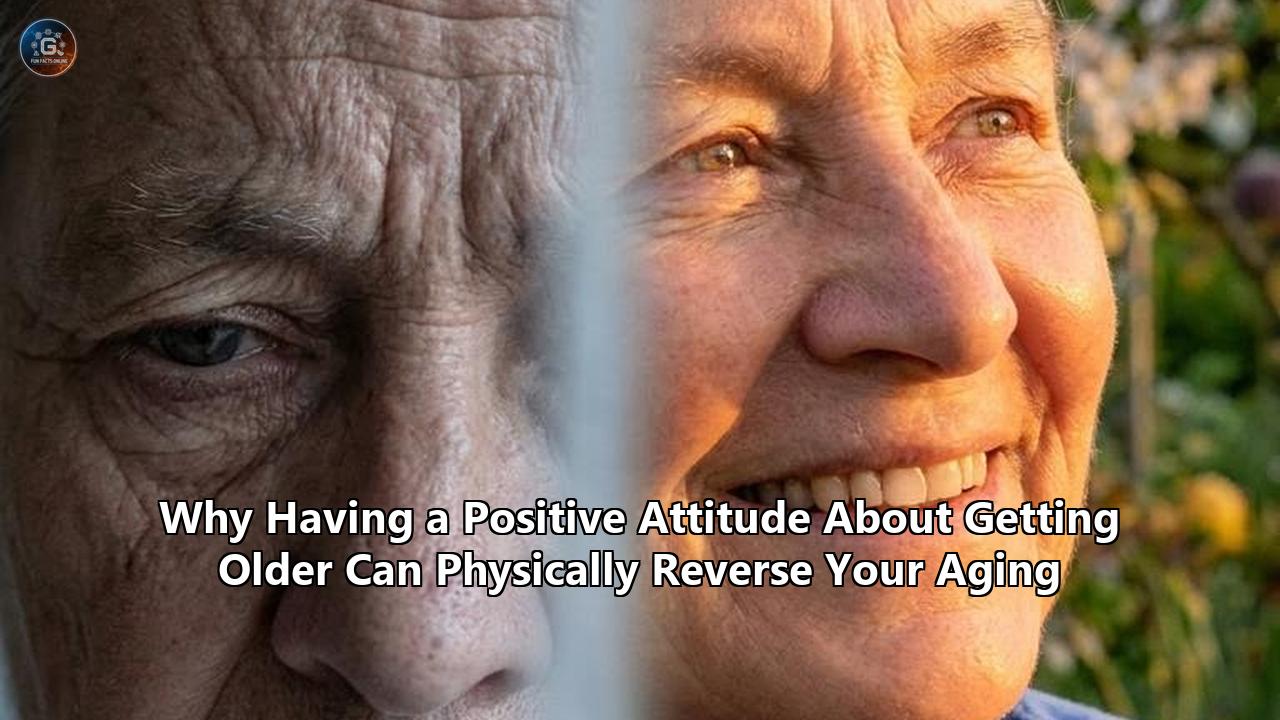
On March 5, 2026, a team of researchers at Yale University published a study in the journal Geriatrics that quietly upended a century of medical dogma. For generations, the scientific community treated cognitive and physical decline in later life as a mathematical certainty—a slow, irreversible slide down a slope of biological wear-and-tear. However, when Dr. Becca R. Levy and Dr. Martin Slade analyzed 12 years of longitudinal data from more than 11,000 older Americans, they discovered something that challenged the very definition of growing old: nearly half of the participants actually got better.
The Yale study revealed that 45% of adults aged 65 and older experienced measurable, clinical improvements in cognitive function, physical walking speed, or both. These gains were not minor statistical anomalies; they were robust, functional restorations that exceeded clinical thresholds for recovery.
When the researchers looked for the underlying driver behind this unexpected biological resilience, they did not find a new pharmaceutical agent, a strict caloric restriction diet, or a rigorous exercise regimen. Instead, they identified a psychological variable: how the participants thought about growing older. Those who held more optimistic, constructive beliefs about older age at the outset of the study were significantly more likely to experience physical and mental restoration.
This discovery coincides with an extraordinary moment in biotechnology. In June 2026, Boston-based biotech firm Life Biosciences announced it had dosed its first human patient with a therapy designed to reset the biological age of cells using partial epigenetic reprogramming—a technique that co-opts Yamanaka factors to roll back cellular damage.
As the medical establishment watches this historic trial unfold, the Yale study offers a parallel revelation: the human mind possesses an endogenous capacity to modify the same biological software that high-tech gene therapies are attempting to rewrite. The story of how science proved that a mental outlook can physically reverse biological aging is a multi-decade detective story of clinical trial breakthroughs, molecular mapping, and epigenetic discoveries.
Act I: The Seed of Doubt and the 7.5-Year Secret (1990s–2002)
The trajectory of this scientific shift began in the late 1990s, not in a sterile laboratory, but on the streets of Tokyo. Becca Levy, then a graduate student in psychology at Harvard University, arrived in Japan on a fellowship to study why the country boasted the longest life expectancy in the world.
+------------------------------------------------------------+
|             THE 30-YEAR PATH TO EPIGENETIC ATTITUDE        |
|                                                            |
|  1990s: Tokyo Observation                                  |
|  Levy notes Japanese cultural respect for aging.           |
|                                                            |
|  2002: The OLSAR Landmark Study                            |
|  Positive age beliefs linked to +7.5 years of life.        |
|                                                            |
|  2016: The Baltimore Cortisol Data                         |
|  Negative views = +44% cortisol; Positive = -10% cortisol.  |
|                                                            |
|  2021: Epigenetic Clock Merging                            |
|  Subjective age mapped directly to DNA methylation speed.   |
|                                                            |
|  2026: The Geriatrics Reversal Breakthrough               |
|  Yale study shows 45% of seniors functionally improve.     |
+------------------------------------------------------------+
While walking through Tokyo, Levy observed a profound cultural contrast with the West. In the United States, aging was frequently associated with uselessness, decay, and cognitive absence—depicted on television and in advertisements as a state of tragic regression.
In Japan, however, aging was treated as a phase of refinement, wisdom, and social value. The country celebrated national holidays like "Respect for the Aged Day," and older citizens were routinely integrated into active communal and professional roles.
Levy noticed tangible physical differences stemming from this cultural lens. For example, menopause in Western societies was widely treated as a clinical affliction, accompanied by a long list of distressing physical symptoms. In Japan, where the transition was viewed as a natural entry into a respected elder status, women experienced dramatically fewer hot flashes and related complaints.
This raised a fundamental question: Were the physical realities of aging dictated by the calendar, or were they shaped by the cultural software running in our minds?
Upon returning to the United States and joining the faculty at the Yale School of Public Health, Levy set out to test this hypothesis empirically. She obtained access to data from the Ohio Longitudinal Study of Aging and Retirement (OLSAR), a long-running survey of 660 individuals aged 50 and older living in a small Ohio town, led by researchers at Miami University.
The OLSAR dataset, which began in 1975, had captured participants' baseline attitudes toward aging by asking them to agree or disagree with statements such as:
- "As you get older, you are less useful."
- "Things keep getting worse as I get older."
- "I am as happy now as I was when I was younger."
Levy and her team cross-referenced these baseline psychological profiles with the participants' actual survival rates over the subsequent 23 years. The findings, published in 2002 in the Journal of Personality and Social Psychology, shocked the gerontological community.
Older individuals who held a positive attitude toward getting older lived, on average, 7.5 years longer than those who held negative, defeatist views of aging.
This survival advantage was not minor; it was monumental. To put the figure in perspective, having a positive outlook on aging provided a greater longevity benefit than:
- Maintaining low cholesterol and low blood pressure (which adds roughly 4 years of life)
- Maintaining a low body mass index (which adds about 1 year of life)
- Refraining from smoking (which adds approximately 3 years of life)
- Engaging in regular physical exercise
Despite the statistical strength of the study, the mainstream medical establishment was deeply skeptical. Critics dismissed the 7.5-year survival gap as a simple correlation, arguing that healthier, more robust individuals naturally felt more positive about their futures.
The prevailing view remained that biological aging was an immutable, genetically programmed countdown. For the scientific community to take these findings seriously, researchers had to prove the physical mechanism—the actual cellular bridge connecting a psychological belief to a beating heart.
Act II: Mapping the Biological Bridge (2003–2016)
To counter the skepticism of biological reductionists, Levy and other health psychologists realized they had to step inside the human endocrine and immune systems. If thoughts were changing the rate of physical decay, there had to be a measurable chemical messenger system carrying those signals from the cerebral cortex to the peripheral organs.
The primary suspect was the body's cardiovascular and endocrine response to chronic stress. Under the Stereotype Embodiment Theory formulated by Levy, negative cultural stereotypes about aging are absorbed by children as young as three years old. These stereotypes lie dormant in the subconscious for decades, acting as a ticking psychological time bomb.
Once an individual crosses the threshold into older age, these internalized negative beliefs become self-relevant. Growing older is no longer something that happens to "other people"—it is happening to them.
If a person believes that old age is a state of worthless decline, every minor physical slip, forgotten word, or gray hair is interpreted as a sign of impending doom. This turns the natural process of chronological aging into a source of chronic, low-grade psychological threat.
To test whether this chronic threat translated to actual physical stress, Levy's laboratory designed experiments that exposed older adults to subliminal aging cues. Using computer screens that flashed words too quickly for conscious processing, they primed some participants with negative aging stereotypes (such as decrepit, dependent, or senile) and others with positive cues (such as wise, accomplished, or guidance).
The physical reactions were immediate and dramatic. When subjected to mild cognitive stressors following the priming, the older adults exposed to negative stereotypes exhibited spikes in:
- Systolic and diastolic blood pressure
- Heart rate
- Skin conductance (a measure of sympathetic nervous system activation)
In contrast, those exposed to positive aging cues maintained stable, calm cardiovascular profiles, suggesting that a positive attitude aging framework acts as an endogenous "stress buffer" that shields the physical cardiovascular system from wear-and-tear.
  [ internalized negative age beliefs ]
                 │
                 ▼ (interpreted as chronic threat)
  [ activation of the HPA axis ]
                 │
                 ▼ (floods blood stream)
  [ chronic cortisol & IL-6 spike ]
                 │
                 ▼ (biological damage)
  [ DNA methylation shift & telomere erosion ]
This experimental data was bolstered by long-term physiological tracking. In a landmark 2016 study published in GeroPsych, Levy and her colleagues analyzed 30 years of longitudinal data from the Baltimore Longitudinal Study of Aging (BLSA). They specifically looked at 1,789 cortisol measurements gathered from 24-hour urine collections from 439 participants.
Cortisol is the body's primary stress hormone. While acute cortisol spikes are survival-critical, prolonged, elevated cortisol levels in older age are highly toxic to brain tissue, degrade bone density, and impair muscle function.
The BLSA data revealed a stark divergence: over three decades, participants who held negative age stereotypes at the beginning of the study experienced a 44% rise in cortisol levels. Meanwhile, those with positive age beliefs showed no such escalation; in fact, their cortisol levels remained stable or showed a slight, healthy decline.
At the same time, research into the biology of aging was zeroing in on a phenomenon known as inflammaging—a state of chronic, sterile, low-grade inflammation that drives nearly every age-related disease, from atherosclerosis to dementia. The primary drivers of inflammaging are elevated levels of pro-inflammatory cytokines, specifically C-Reactive Protein (CRP) and Interleukin-6 (IL-6).
When researchers evaluated the connection between mindset and these inflammatory cytokines, the physical pathways became clearer. Individuals carrying a negative self-perception of aging had significantly higher baseline levels of CRP, even after controlling for existing health conditions, socioeconomic status, and health behaviors like diet and smoking.
By contrast, maintaining a positive attitude about getting older was directly linked to lower circulating CRP. The mind was regulating the body's inflammatory dial, either accelerating or slowing down the biological fire burning inside the vascular walls.
Act III: The Epigenetic Revolution and the Clock of Aging (2013–2021)
While stress hormones and inflammatory markers provided the physiological connective tissue, the true holy grail of longevity science lay deeper: inside the nucleus of the cell, where our DNA resides.
For years, geneticists believed that our DNA sequence was a fixed blueprint. However, the rise of epigenetics revealed that while our genetic sequence remains unchanged throughout our lives, the expression of those genes is highly plastic.
The primary mechanism of this control is DNA methylation—the attachment of tiny chemical tags called methyl groups to specific locations on our DNA. These methyl groups act like a sophisticated system of light dimmers, turning specific genes up, down, or off entirely.
In 2013, UCLA biostatistician Dr. Steve Horvath made a historic breakthrough. By measuring DNA methylation patterns across 353 specific sites in the human genome, he developed the first "epigenetic clock".
This mathematical algorithm was capable of calculating a person's biological age—the actual cellular state of their tissues—as opposed to their chronological age (the number of candles on their birthday cake). If your chronological age was 50, but your cells were highly methylated in a pattern typical of a 60-year-old, your epigenetic clock was showing "age acceleration," which predicted a higher risk of early mortality and age-related disease.
+------------------+-----------------------------------------------------+
| EPIGENETIC CLOCK | PRIMARY MEASUREMENT FOCUS                           |
+------------------+-----------------------------------------------------+
| Horvath (2013)   | Multi-tissue chronological age estimation           |
| PhenoAge (2018)  | Clinical biomarker integration & mortality risk     |
| GrimAge (2019)   | Strongly correlates with time-to-death & lifestyle  |
| DunedinPACE      | Real-time biological "speedometer" of aging pace     |
+------------------+-----------------------------------------------------+
In the years following Horvath's discovery, second- and third-generation clocks emerged, including PhenoAge, GrimAge, and DunedinPACE. DunedinPACE acts like a biological speedometer, measuring how many fractions of a year your body biologically ages for every chronological year that passes.
A person with a DunedinPACE of 0.8 is aging at 20% slower than normal, while someone at 1.2 is rushing toward cellular senescence.
With these objective biological rulers in hand, psychologists and epigeneticists joined forces to ask: Could our psychological self-perception of aging influence our biological clock?
In May 2021, a study published in the journal Psychology and Aging answered this question with statistical precision. Researchers examined the relationship between subjective age and DNA methylation in a cohort of 2,253 older adults from the Health and Retirement Study (HRS). The participants' subjective age—how old they felt compared to their actual chronological age—was recorded in 2008 and 2010, and their epigenetic age was measured via blood samples in 2016 using the PhenoAge clock.
The results were clear: individuals who felt older than their chronological age exhibited accelerated epigenetic aging eight years later.
The statistical model revealed that this relationship was direct, even after adjusting for demographic factors, baseline physical health, and depressive symptoms. When the researchers conducted a mediation analysis, they found that the biological translation occurred in part because of the participants' self-rated physical health and elevated levels of C-Reactive Protein (CRP).
Feeling older increased stress and inflammation, which physically modified the methyl tags on their DNA, forcing their epigenetic clocks to tick faster.
This was the first time that a psychological mindset was shown to leave a physical, lasting signature on the epigenome. It meant that having a positive attitude aging was not a superficial form of positive thinking; it was a form of biological regulation that actively kept the cellular software of the body running in a more youthful state.
Act IV: Defeating Genetic Predestination — The Alzheimer's Paradigm (2018–2022)
The discovery that mindset could alter gene expression via epigenetics set up another major trial for the theory. Could a positive mindset override the most feared genetic risk factors for age-related disease?
In the study of Alzheimer's disease, the most significant genetic risk factor is the APOE-4 gene variant. Inheriting a single copy of APOE-4 from one parent increases a person’s risk of developing Alzheimer’s by about three-fold; inheriting copies from both parents increases the risk by twelve-fold.
For decades, carrying this gene was viewed as a biological death sentence for the brain—an unalterable fate written in a person's sequence at birth.
Dr. Becca Levy and her research team set out to determine whether positive age beliefs could offset this genetic vulnerability. Drawing on a cohort of 4,765 dementia-free participants aged 60 and older from the Baltimore Longitudinal Study of Aging, they tracked individuals over a four-year period to see who developed clinical dementia. All participants underwent genetic testing to identify their APOE status, and their attitudes toward aging were measured.
The results, published in the journal PLOS ONE in 2018, challenged long-held views in neurology.
Among the high-risk carriers of the APOE-4 gene, those who held positive age beliefs had a 47% lower risk of developing dementia than their peers who held negative beliefs about getting older.
Most astonishingly, the dementia risk of the APOE-4 carriers with positive attitudes dropped to the exact same baseline level as individuals who did not carry the high-risk gene at all.
DEMENTIA RISK PROFILES (APOE-4 CARRIERS VS. NON-CARRIERS)

[High-Risk APOE-4 Carrier with Negative Age Beliefs]
========================================= (Sky-high dementia risk)

[High-Risk APOE-4 Carrier with Positive Age Beliefs]
============= (Dementia risk reduced by 47%)

[Baseline Non-Carrier of APOE-4 Gene]
============= (Same risk level as positive-attitude carrier)
How was this possible? The explanation lies in the molecular pathways of Alzheimer’s pathology.
The physical manifestation of Alzheimer’s is driven by the accumulation of amyloid-beta plaques and tau tangles in brain tissue, alongside chronic neuroinflammation. The APOE-4 gene variant makes the brain less efficient at clearing these toxic protein aggregates and more susceptible to inflammatory stress.
However, because chronic stress and cortisol spikes accelerate the accumulation of amyloid plaques and exacerbate neuroinflammation, an individual's psychological resilience plays a critical role.
By holding positive beliefs about getting older, APOE-4 carriers maintained lower lifetime cortisol levels, kept inflammatory cytokines in check, and protected their blood-brain barrier from stress-induced degradation.
The mind did not change the APOE-4 gene sequence, but it silenced its destructive physical expression, acting as a buffer against genetic risk.
Act V: The 2026 Breakthrough — Functional Reversal is Common (March–June 2026)
By the beginning of 2026, the scientific consensus had established that a positive mindset could slow down the rate of aging and protect against genetic disease.
However, a fundamental assumption remained: aging was still a process of inevitable decline. Even if you slowed the descent to a crawl, you were still sliding downward.
This final assumption was shattered in March 2026, when Levy and Slade published their landmark paper, "Aging Redefined: Cognitive and Physical Improvement with Positive Age Beliefs," in the journal Geriatrics.
The study followed 11,314 older adults (aged 65 and older) over a 12-year longitudinal span. Rather than simply measuring who declined the slowest, the Yale researchers tracked whether individuals experienced true physical and cognitive improvements.
To do this, they measured:
- Cognitive Function: Assessed using a comprehensive Telephone Interview for Cognitive Status (TICS) global performance battery.
- Physical Function: Assessed using physical walking speed, which geriatricians refer to as a "vital sign" due to its predictive accuracy for hospitalization, disability, and mortality.
For decades, researchers had missed functional improvements because they relied on statistical averages.
"What's striking is that these gains disappear when you only look at averages," Dr. Levy explained. "If you average everyone together, you see decline. But when you look at individual trajectories, you uncover a very different story. A meaningful percentage of the older participants that we studied got better."
The individual data revealed that 45% of older adults actually improved in physical function, cognitive function, or both.
Specifically, 32% of participants improved cognitively, and 28% improved physically. These improvements were not limited to individuals who started with existing impairments; even those who had entirely normal baseline function showed measurable functional gains over time.
+---------------------------+-----------------------+
| OUTCOME CATEGORY          | PERCENTAGE OF SENIORS |
+---------------------------+-----------------------+
| Improved in either domain | 45%                   |
| Improved cognitively      | 32%                   |
| Improved physically       | 28%                   |
+---------------------------+-----------------------+
When the team looked at the baseline psychological profiles of the participants, they found that those who had internalized positive views of aging were significantly more likely to be in the "improvement" group.
The connection held true even after controlling for age, sex, race, education, chronic illness burden, baseline functional status, depression, and length of follow-up.
"Our findings suggest there is often a reserve capacity for improvement in later life," Levy noted. "And because age beliefs are modifiable, this opens the door to interventions at both the individual and societal level."
This study changed the conversation around aging. Aging was no longer defined as a linear decay process, but as a plastic state containing a latent reserve capacity.
The body and mind possessed the biological machinery necessary to repair connections, build muscle efficiency, and restore cognitive acuity. A positive mindset was the key that unlocked this reserve.
Act VI: The Mind-Biotech Convergence (June 2026)
This psychological breakthrough has arrived at the exact moment that molecular biology is crossing its own historic threshold.
In June 2026, Boston-based biotech startup Life Biosciences successfully dosed its first human patient with an experimental gene therapy designed to reverse cellular aging.
The clinical trial, reported by Nature, targets patients suffering from glaucoma and non-arteritic anterior ischemic optic neuropathy (NAION)—conditions caused by the age-related degeneration of retinal ganglion cells.
The therapy represents the first clinical application of partial cellular reprogramming. It is based on the Nobel Prize-winning work of Dr. Shinya Yamanaka, who discovered that introducing four specific proteins—Oct4, Sox2, Klf4, and c-Myc—could reset any adult cell back to an embryonic stem-cell state.
However, resetting cells completely erases their identity, transforming a functional retinal or heart cell into a blank stem cell, which can lead to tumors.
Cutting-edge Gene Reprogramming (Life Biosciences)
[ Viral Vector Delivery of OSK Factors ] ──▶ [ Modifies Epigenetic Methylation ] ──▶ [ Cell Restores Youthful Function ]

Endogenous Mindset Reprogramming (Yale University)
[ Positive Attitude toward Aging ] ──▶ [ Downregulates HPA Axis & Cortisol ] ──▶ [ Decelerates DNA Methylation ] ──▶ [ Reverses Functional Decline ]
To solve this, Life Biosciences co-founder Dr. David Sinclair and his student Yuancheng Ryan Lu developed a system using just three of the factors (Oct4, Sox2, and Klf4—collectively known as OSK), leaving out the oncogenic c-Myc protein.
In animal trials, injecting this OSK combination into damaged eyes partially reprogrammed the cells. It did not erase their identity as retinal cells; instead, it wiped clean the accumulated chemical damage on their DNA, allowing the cells to read their genetic blueprints clearly again. The cells physically returned to a more youthful state and restored lost vision.
As Dr. Ryan Cole, head of medical and scientific affairs at the Independent Medical Alliance, explained:
"When we're trying to reverse aging, it's basically taking that dimmer switch off and making these tags on the DNA active again, so that the cells can function more normally."
This biological description aligns directly with what psychologists have documented regarding a positive attitude aging framework.
The physical "dimmer switches" Cole describes are the exact same DNA methylation tags that Steve Horvath's clocks measure, and that the 2021 Psychology and Aging study proved are modified by our self-perception of aging.
We are seeing a historic convergence of two fields:
- Biotech Reprogramming: Seeks to use viral vectors and synthetic proteins to manually clear epigenetic damage and restore youthful cellular function.
- Psychological Reprogramming: Uses mindset modification to lower stress hormones and systemic inflammation, naturally allowing the body's endogenous repair systems to clear damage and restore functional capacity.
Both approaches target the exact same biological software: the epigenome.
While gene therapy may one day offer targetable repairs for specific tissues, cultivating a positive outlook toward aging serves as a full-body, non-invasive form of epigenetic regulation. It keeps the biological dimmer switches across our cardiovascular, nervous, and endocrine systems adjusted to their optimal, most youthful settings.
Actionable Neuro-Longevity: Reprogramming Your Internalized Beliefs
Because our beliefs about aging are learned from our surrounding culture, they are not fixed. They are highly plastic and can be intentionally modified at any stage of life.
To help individuals shift their mindsets and harness their bodies' latent capacity for physical restoration, Dr. Becca Levy developed a structured mental training program known as the ABC Method.
            THE ABC METHOD FOR SHIFTING AGE BELIEFS
 ┌─────────────────────────────────────────────────────────────┐
 │ A - AWARENESS                                               │
 │ Identify ageist tropes in media, language, and thought.     │
 ├─────────────────────────────────────────────────────────────┤
 │ B - BLAME-SHIFTING                                          │
 │ Attribute physical setbacks to injuries/habits, not age.    │
 ├─────────────────────────────────────────────────────────────┤
 │ C - CHALLENGING                                             │
 │ Actively reject ageist assumptions in self and society.     │
 └─────────────────────────────────────────────────────────────┘
1. A – Awareness of Ageist Messaging
The first step requires identifying the constant, subtle ageist messaging in media, entertainment, and social interactions.
- Track Cultural Messages: Spend one week noting how older people are portrayed in television shows, commercials, and social media. Are they presented as tech-challenged, physically helpless, or cognitively absent?
- Audit Internalized Language: Notice how you speak about your own experiences. When you misplace your car keys, do you call it a "senior moment"? This common phrase reinforces the negative belief that cognitive decline is inevitable, when in reality, adults of all ages misplace keys due to simple distractions. Reframe the experience as a "retrieval delay" or a temporary lapse in focus.
2. B – Blame-Shifting (Separating Aging from Pathology)
Western culture often attributes all physical and mental setbacks in later life to the calendar, rather than to treatable medical conditions or lifestyle factors.
- Reframe Physical Limitations: If you experience knee pain or a decline in stamina, do not shrug and say, "Well, I guess I'm just getting old". This attitude encourages passive acceptance and discourages recovery.
- Identify the Real Cause: Shift the blame to modifiable factors. Attribute the issue to a lack of conditioning, an old sports injury, or a need for physical therapy. By viewing the problem as a specific, treatable issue rather than an inevitable consequence of aging, you are much more likely to seek treatment and actively work toward recovery.
3. C – Challenging Negative Stereotypes
Actively confront and reject ageist assumptions when you encounter them in your thoughts or in social settings.
- Build a "Positive Aging Portfolio": To combat negative cultural stereotypes, intentionally seek out and document positive examples of older individuals thriving.
- Find Diverse Role Models: Look for older adults in your community, in history, or in public life who are admired for their humor, strength, creativity, or generosity. Examples can include figures like long-distance swimmer Diana Nyad, who completed her historic Cuba-to-Florida swim at age 64, or artist Grandma Moses, who began painting seriously in her late 70s and continued producing work past 100. Your portfolio should include individuals who show that physical, cognitive, and social engagement can expand and improve as we age.
The Next Longevity Frontier
The rapid convergence of health psychology and molecular longevity is pointing toward a major shift in public health and medicine.
As the medical community begins to treat biological aging as a modifiable state rather than an unalterable countdown, the role of our mental and social environments is becoming impossible to ignore.
               THE SPECTRUM OF EPIGENETIC LONGETIVY
 ┌─────────────────────────────────────────────────────────────┐
 │ SYNTHETIC APPROACHES                                        │
 │ • Yamanaka Factors (OSK Therapy)                            │
 │ • Peptide Regimens & Cellular Clearance                      │
 │ • Organ-Specific Epigenetic Reversal Clocks                 │
 ├─────────────────────────────────────────────────────────────┤
 │ ENDOGENOUS MINDSET SYSTEMS                                  │
 │ • Stress buffering via lower cortisol                       │
 │ • Reduced "inflammaging" (CRP/IL-6 downregulation)          │
 │ • Epigenetic clock slowing (PhenoAge/DunedinPACE shifts)     │
 └─────────────────────────────────────────────────────────────┘
As clinical trials of cellular reprogramming technologies progress over the coming decade, we may see the rise of integrated longevity clinics.
These future centers will not rely solely on biochemical injections, peptide therapies, or epigenetic clock measurements. Instead, they will treat cognitive and somatic training as essential clinical interventions of equal importance.
A patient seeking to reduce their biological age might receive a personalized combination of:
- Epigenetic reprogramming treatments to repair specific tissues
- Somatic exercise conditioning
- Cognitive therapies designed to dismantle internalized ageist beliefs
These integrated protocols recognize that injecting young proteins into a body constantly flooded with stress hormones and inflammatory cytokines is a losing battle.
For longevity therapeutics to succeed, the biological environment must be receptive. Keeping our stress response systems calm and our DNA methylation clocks running slowly requires a mind free from the chronic threat of internalized ageism.
This realization shifts the challenge of longevity from a purely technological quest to a broader cultural one. If negative age stereotypes cut 7.5 years off our lives, increase dementia risk, and accelerate epigenetic decay, then combating societal ageism is not just a fight for social equity—it is a critical, multi-billion-dollar public health priority.
Ultimately, cultivating a positive attitude toward getting older is not about denying the physical realities of time. It is about recognizing that our cells are constantly listening to our thoughts, dynamically adjusting their function to match our expectations.
By shedding the culturally inherited belief that aging is a process of inevitable decline, we can align our minds with our bodies' natural capacities for repair, resilience, and renewal.
In a world searching for the elusive fountain of youth, the most potent biological reprogrammer is already inside us, waiting to be turned on.
Reference:
- https://ysph.yale.edu/news-article/yale-study-challenges-notion-that-aging-means-decline-finds-many-older-adults-improve-over-time/
- https://healthjournalism.org/blog/2026/04/study-reframes-aging-narrative/
- https://www.aarp.org/health/healthy-living/yale-study-aging-improvement/
- https://www.goodnewsnetwork.org/new-study-finds-many-older-adults-can-and-do-improve-over-time-depending-on-their-mindset/
- https://www.businessinsider.com/first-ever-reverse-aging-treatment-injected-into-a-human-2026-6
- https://www.sciencefocus.com/the-human-body/drugs-that-can-reverse-ageing
- https://www.menshealth.com/health/a43253062/live-longer-positive-aging-becca-levy/
- https://www.youtube.com/watch?v=-LjiIqQDNPQ
- https://www.upworthy.com/yale-psychologist-says-this-simple-mindset-change-can-help-you-live-nearly-8-years-longer/
- https://www.apa.org/news/press/releases/2002/07/longevity
- https://jubilantage.com/your-age-beliefs-affect-how-long-and-well-you-live/
- https://awarmheart.ca/you-may-be-able-to-live-7-5-years-longer-heres-how/
- https://www.researchgate.net/publication/307553455_Buffer_against_Cumulative_Stress_Positive_Age_Self-Stereotypes_Predict_Lower_Cortisol_across_30_Years
- https://www.forbes.com/sites/carolinecenizalevine/2022/07/18/this-action-can-add-75-years-to-your-life-expectancy--3-ways-to-add-career-longevity-to-match/
- https://blog.insidetracker.com/biological-age-predictor-longevity-healthspan
- https://decodeage.com/blogs/news-ageing/7-key-biomarkers-that-reveal-your-biological-age
- https://www.fountainlife.com/blog/understanding-biological-age
- https://glycanage.com/blog/lifestyle/biological-age
- https://news.stonybrook.edu/university/study-suggests-epigenetic-age-may-predict-memory-function-better-than-actual-age/
- https://lifespan.asia/epigenetic-clocks-and-ai-how-machine-learning-is-redefining-biological-age-measurement-in-2026/
- https://www.youtube.com/watch?v=rAQWcSCrsJ4
- https://brooksleitner.substack.com/p/biological-age-the-science-and-history
- https://www.agemd.com/insights/longevity/biological-age-epigenetic-clocks-2026
- https://yurideigin.medium.com/epigenetic-clock-of-aging-709c1fe1e554
- https://www.prnewswire.co.uk/news-releases/epigenetic-clocks-vs-vo-max-how-do-you-actually-prove-a-longevity-treatment-is-working-healthi-life-analysis-explores-which-biomarkers-hold-up-under-placebo-controlled-scrutiny-302811068.html
- https://pubmed.ncbi.nlm.nih.gov/33956464/
- https://www.news-medical.net/news/20260308/Can-aging-bring-improvement-instead-of-decline-Long-term-study-says-yes.aspx
- https://www.sciencedaily.com/releases/2026/06/260620100428.htm
- https://www.psychologytoday.com/us/blog/flourish-and-thrive/202604/positive-beliefs-about-aging-can-influence-wellness
- https://www.cryptopolitan.com/life-biosciences-human-trial-reverse-aging/
- https://superlife.com/cultivating-positive-age-beliefs-dr-becca-levy/