The Disconnect in the Data: Inside the Hidden Numbers of the Summer 2026 Surge
On the public-facing dashboards of the Centers for Disease Control and Prevention (CDC), the official tally of the nation’s active cyclosporiasis outbreak presents a concerning but seemingly stable figure: 145 laboratory-confirmed, domestically acquired cases across 17 states, with 20 hospitalizations and zero deaths.
But behind the closed doors of state public health laboratories, a far more alarming picture is unfolding.
Epidemiologists and molecular biologists are tracking a massive discrepancy between federal aggregate statistics and the reality on the ground. Over the past week, a sudden, quiet surge of infections has pushed the true nationwide case count well past 700. The epicenter of this sudden escalation is Michigan, where the state’s Department of Health and Human Services (MDHHS) has taken the unusual step of issuing urgent health alerts. Michigan, which typically records around 50 cases of cyclosporiasis in an entire year, has seen more than 300 confirmed infections since June 22 alone—predominantly clustered across Monroe, Lenawee, Washtenaw, Wayne, Livingston, Shiawassee, and Jackson counties.
Simultaneously, the Ohio Department of Health has seen its own caseload climb past 175, while New York State has logged at least 107 infections. With additional cases reported in 15 other states—ranging from Alaska and Colorado to Florida and Massachusetts—local health departments are working under emergency conditions to identify the source of what has rapidly become a highly complex food safety crisis.
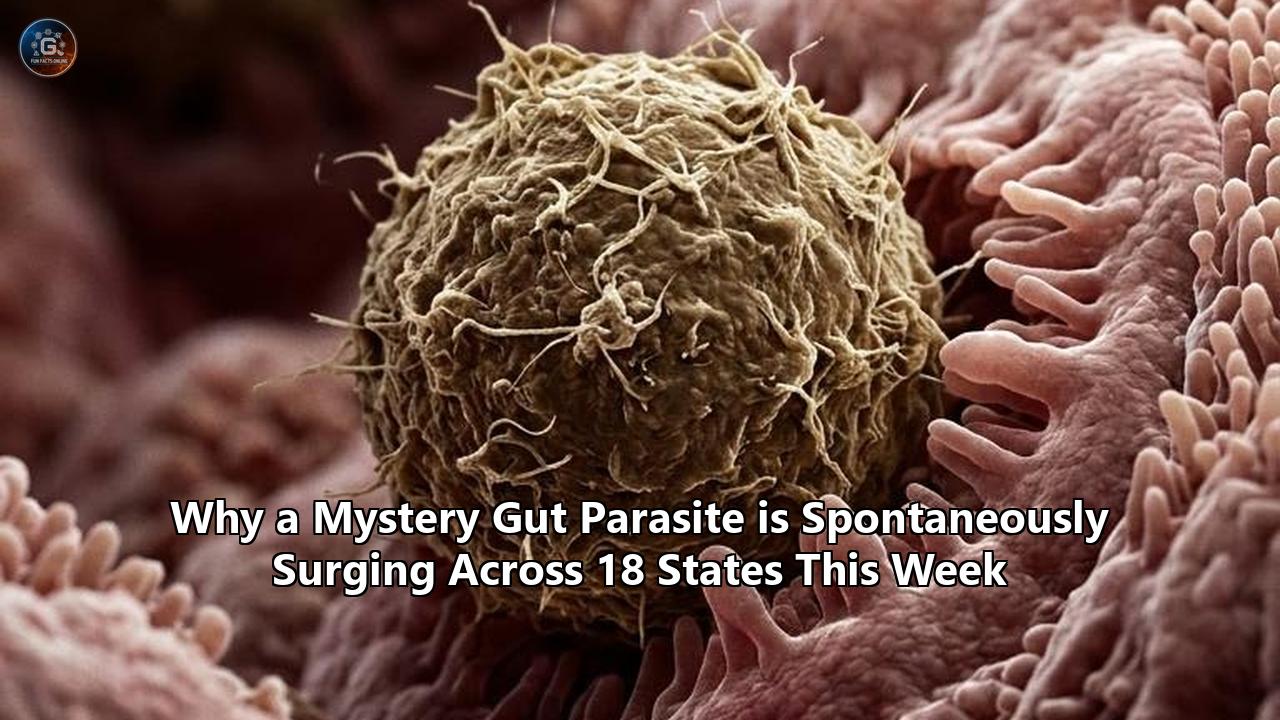
The primary culprit is Cyclospora cayetanensis, a microscopic, single-celled parasite that infects the human small intestine, causing a grueling diarrheal illness that can persist for weeks or even months if left untreated. What has caught public health officials off guard is not merely the volume of the cases, but the speed at which they have materialized.
The disconnect between the CDC’s public dashboard and the state-level counts is a symptom of a highly fragmented, structurally strained public health surveillance system. Under standard operating procedures, local clinics report positive tests to county health departments, which then verify the findings and report them to state agencies. Only after a rigorous validation process—often involving sending clinical specimens to state reference labs for genetic confirmation—does the data enter the federal National Notifiable Diseases Surveillance System (NNDS).
This epidemiological reporting lag typically spans two to four weeks. In a fast-moving crisis, it means federal agencies are operating with a rearview mirror, while local disease detectives are facing an immediate and escalating threat.
As health agencies scramble to contain the expanding mystery gut parasite outbreak, molecular biologists and field epidemiologists are hitting a wall. The lack of a clear, single-source vehicle for the contamination has turned this seasonal uptick into a forensic nightmare. Unlike bacterial food poisoning outbreaks, which can often be traced back to a specific batch of meat or pre-packaged greens within days, tracking Cyclospora requires navigating a maze of biological anomalies, diagnostic failures, and international supply chain blind spots.
The Biological Paradox of Cyclospora cayetanensis
To understand why this parasite is so difficult to trace and control, one must look at its highly unusual life cycle, which defies the standard rules of foodborne pathogens.
Cyclospora cayetanensis is an apicomplexan, coccidian parasite that obligately infects humans. Unlike Cryptosporidium or Giardia, which are immediately infectious upon being shed in host feces, Cyclospora is shed as an immature, non-infectious stage known as an unsporulated oocyst.[Infected Human Host]
│
▼ (Sheds unsporulated, non-infectious oocysts in stool)
[Agricultural Soil / Water Environment]
│
▼ (Requires 7 to 15 days at 22°C - 32°C to mature)
[Sporulated Oocyst] (Highly infectious, containing 2 sporocysts with 2 sporozoites each)
│
▼ (Contaminates fresh produce via irrigation/handling)
[New Human Host] (Ingests contaminated raw produce)This biological trait introduces a profound paradox into epidemiological investigations. When an infected individual passes the parasite in their stool, they cannot directly infect the people around them. Direct person-to-person, fecal-oral transmission is practically non-existent. For the unsporulated oocyst to become infectious, it must spend between 7 and 15 days in the external environment under specific temperature and moisture conditions—ideally between 22°C and 32°C (71°F to 90°F).
During this maturation period, the parasite undergoes sporulation. The single cell within the protective oocyst wall divides into two sporocysts, each of which subsequently develops two active, infectious sporozoites. Only when these sporulated oocysts are ingested via contaminated food or water does the infection cycle begin anew.
This delayed infectivity has massive implications for public health tracking:
- Falsified Point-Source Leads: It is virtually impossible for a sick food service worker or restaurant chef to directly contaminate a plate of food and cause an immediate illness in a customer. If a restaurant is linked to a cluster of cases, the contamination occurred further back in the supply chain—either at the packing facility, the distribution hub, or on the farm itself.
- The Temporal Delusion: Because symptoms typically take a week (and up to 14 days) to manifest after ingestion, and because the parasite itself had to mature in the environment for up to two weeks before that, investigators are looking at environmental contamination events that occurred nearly a month before a patient ever walks into a clinic.
- Inundation Survival: The physical structure of the Cyclospora oocyst is an evolutionary marvel. It is encased in a highly resilient, double-layered outer wall composed of a complex matrix of proteins and lipids. This shell makes the parasite impervious to standard chemical disinfection methods, including chlorine washes, surface sanitizers, and even some agricultural fungicides.
Consequently, standard kitchen hygiene—such as rinsing fresh herbs or lettuce under tap water—is largely ineffective at removing the pathogen. The oocysts are microscopic, measuring just 7.5 to 10 micrometers in diameter, and they possess a slightly sticky surface chemistry that allows them to cling tightly to the microscopic, porous crevices of leafy greens, herbs like cilantro and basil, and the textured surfaces of raspberries and blackberries. Cooking is the only reliable way to destroy the parasite, which explains why cyclosporiasis outbreaks are exclusively tied to fresh, raw, uncooked produce.
The Technical Wall: Why We Cannot Simply Sequence the Outbreak
When state public health departments confront outbreaks of foodborne bacteria like Escherichia coli O157:H7, Salmonella enterica, or Listeria monocytogenes, they rely on PulseNet—a highly coordinated national network that uses Whole Genome Sequencing (WGS) to match bacterial DNA from sick patients. If two patients in different states are infected with bacteria sharing an identical genomic sequence, they are immediately grouped into a single outbreak cluster, allowing investigators to quickly zero in on a common food source.
But for Cyclospora, that advanced molecular playbook is entirely useless. Tracing the origin of a mystery gut parasite outbreak is vastly different from tracking bacterial pathogens like Salmonella or E. coli, as the tools that work seamlessly for bacteria fail when applied to this complex eukaryotic organism.
┌──────────────────────────────────────┬──────────────────────────────────────┐
│       BACTERIAL SURVEILLANCE         │        CYCLOSPORA SURVEILLANCE       │
│       (e.g., Salmonella, E. coli)     │             (Eukaryote)              │
├──────────────────────────────────────┼──────────────────────────────────────┤
│ • Small genome size (4-5 Megabases)  │ • Large genome (~44.5 Megabases)     │
│ • Easily cultured in petri dishes    │ • Cannot be cultured in vitro        │
│ • Pure DNA readily extracted         │ • Fecal samples contaminated with    │
│                                      │   dietary and host DNA              │
│ • Clonal (identical offspring)       │ • Sexual reproduction shuffles genes │
│ • Whole Genome Sequencing (WGS) is   │ • Restricted to Multi-Locus          │
│   the gold standard                  │   Amplicon Genotyping (8 markers)    │
└──────────────────────────────────────┴──────────────────────────────────────┘
The primary obstacle is that Cyclospora cayetanensis cannot be grown in a laboratory. There are currently no cell lines, tissue culture models, or animal hosts that support the propagation of C. cayetanensis in vitro or in vivo. To obtain the parasite’s genetic material, scientists must physically extract oocysts directly from the diarrheal stool specimens of infected human patients.
This process is a molecular extraction nightmare. Clinical stool is an incredibly hostile matrix for genomic research. It is packed with massive amounts of human host DNA, dietary plant DNA, and trillions of competing bacterial, viral, and fungal genomes. Because Cyclospora oocysts are often shed intermittently and in very low numbers—even in patients suffering from severe, watery diarrhea—the ratio of parasite DNA to "background noise" DNA in a sample is frequently less than 1 to 100,000.
Furthermore, the Cyclospora genome is roughly 44.5 million base pairs (megabases) in size—ten times larger and vastly more complex than that of a typical bacterium. Because researchers cannot enrich the parasite population via culturing, obtaining the high-quality, high-coverage genomic DNA required for Whole Genome Sequencing directly from a stool sample is mathematically and technically impractical for routine public health surveillance.
To bypass this technical wall, the CDC’s Advanced Molecular Detection (AMD) program, operating within the Division of Parasitic Diseases and Malaria (DPDM), had to invent a completely new genetic typing system. Instead of sequencing the entire genome, scientists perform targeted deep amplicon sequencing. This technique focuses on amplifying and sequencing a specific panel of eight highly variable genetic markers—comprising two mitochondrial targets (MSR and the junction region) and six nuclear targets (GT1, GT2, GT3, GT4, 360i2, and 378).
By running these amplified regions through custom bioinformatic pipelines—such as the alpha workflow developed by CDC molecular parasitologist Dr. Joel Barratt—investigators can identify specific haplotypes (combinations of genetic alleles) and construct genetic clusters.
Yet, even this cutting-edge genotyping system is hampered by the biological reality of the parasite’s reproduction. Unlike bacteria, which reproduce asexually through binary fission (producing genetically identical clones), Cyclospora undergoes a phase of sexual reproduction within the cells of the human small intestine. During this phase, genetic recombination occurs, shuffling the alleles.
This means that patients who consume contaminated produce from the exact same agricultural field may not shed parasites with identical genetic profiles. Instead, their parasites will show a "sibling-like" or familial relationship, exhibiting slightly varied combinations of the eight target markers.
To make sense of this genomic noise, the CDC relies on an ensemble-based distance statistic (often called the Eukaryotyping pipeline) to calculate the mathematical probability that separate cases belong to a single transmission chain. It is a slow, computationally intensive, and highly sensitive probabilistic modeling process. When a state lab experiences a surge of hundreds of cases overnight, the sequencing and bioinformatic processing queue quickly becomes a massive operational bottleneck, leaving health departments to fly blind during the critical early weeks of an outbreak.
The Political and Bureaucratic Chill at the CDC
While the biological and technical hurdles of Cyclospora tracing are formidable, the response to the current outbreak is facing a sudden, structural headwind: a severely diminished federal public health infrastructure.
The rapid scale of this mystery gut parasite outbreak has highlighted a massive coordination gap between local state laboratories and federal databases. In the summer of 2026, the federal agencies tasked with leading the investigation are operating with a substantially reduced workforce. Sweeping administrative reorganizations and funding cuts enacted by the Trump-Vance administration have hit the CDC and the Food and Drug Administration (FDA) particularly hard.
The CDC’s Advanced Molecular Detection (AMD) initiative and the Division of Parasitic Diseases and Malaria (DPDM)—the exact units responsible for developing and running the Cyclospora genotyping pipelines—have seen significant budget reductions and personnel departures. Veteran bioinformaticians, laboratory technicians, and epidemiological field officers have retired or transitioned to the private sector. The remaining personnel are left to manage a complex, multi-state crisis with skeleton crews.
                [CONGRESS & ADMINISTRATION]
                            │
              (Funding Cuts & Reorganizations)
                            │
                            ▼
                [FEDERAL HEALTH AGENCIES]
           ┌────────────────┼────────────────┐
           ▼                                 ▼
       [CDC DPDM]                        [FDA CORE]
(Genotyping pipeline delays;        (Traceback team shortages;
 2-4 week national lags)             delayed farm audits)
           │                                 │
           └────────────────┬────────────────┘
                            │
               (Shunted Investigatory Burden)
                            │
                            ▼
                [STATE & LOCAL HEALTH DEPARTMENTS]
       (Forced to form independent cross-border groups;
      manual "shoe-leather" epidemiologic tracing)
At the FDA, the Coordinated Outbreak Response and Evaluation (CORE) Network is experiencing similar strain. CORE’s specialized traceback teams—the food safety detectives who audit shipping manifests, invoice records, and customs data to trace contaminated produce back to foreign and domestic growers—are facing severe backlogs. A traceback investigation is an incredibly tedious process that requires manually cross-referencing thousands of paper and digital records from retail stores, wholesale distributors, processing plants, and importing brokers. With fewer investigators on staff, the time required to link a cluster of sick patients in Michigan to a specific packaging facility has stretched from days to weeks.
This federal pullback has shunted the primary burden of disease surveillance onto cash-strapped state and local health departments. The response has become highly decentralized, leading to friction and information gaps:
- Independent Cross-Border Coalitions: Unable to wait for the backlogged federal genotyping results, states have been forced to build their own informal networks. For example, the Michigan Department of Health and Human Services (MDHHS) and the Ohio Department of Health have established a direct, bilateral information-sharing pipeline to compare patient exposure logs across their shared border.
- Manual "Shoe-Leather" Epidemiology: Local county health departments are relying on old-school, labor-intensive tactics. Sanitarians and epidemiologists in counties like Monroe and Lenawee are spending hours on the phone with sick residents, running them through exhausting, 12-page food frequency questionnaires. They ask patients to recall every single ingredient they consumed over the 14 days prior to their illness—including inconspicuous garnishes like the raw cilantro on a taco, the spring mix in a side salad, or the basil in a pasta sauce.
- The Federal Reporting Logjam: Because state labs are prioritizing immediate patient diagnosis over research-grade genotyping, they are slow to upload genetic sequences to the CDC’s centralized database. This has resulted in a fragmented national picture, where the federal government’s official maps show a minor seasonal uptick while individual states are dealing with an unprecedented public health emergency.
The Diagnostic Black Hole: Why Patients Are Falling Through the Cracks
For patients caught in the crosshairs of this mystery gut parasite outbreak, the diagnostic path is often a frustrating, week-long saga of misdiagnoses. Because Cyclospora remains relatively rare compared to viral or bacterial pathogens, the medical community frequently fails to recognize it, allowing cases to multiply undetected in the community.
The clinical presentation of cyclosporiasis is notoriously brutal. The hallmark symptom is watery diarrhea that is frequent, highly persistent, and often described by clinicians and patients as "explosive".
This diarrhea is accompanied by a constellation of debilitating gastrointestinal and systemic symptoms, including profound fatigue, severe abdominal cramping, abdominal bloating, increased flatulence, nausea, vomiting, loss of appetite, significant weight loss, and occasionally a low-grade fever.
Because the parasite infects and damages the enterocytes (absorptive cells) of the small intestine, it severely impairs the body’s ability to absorb nutrients and fluids. Patients often lose 10 to 20 pounds over the course of a few weeks.
Without targeted antimicrobial treatment, the infection does not simply run its course in a few days. Instead, it exhibits a classic remitting-relapsing pattern: symptoms may seemingly improve for a day or two, giving the patient a false sense of recovery, only to return with renewed severity. This agonizing cycle can drag on for months.
Despite this severe clinical profile, diagnosing a Cyclospora infection is incredibly difficult due to three major systemic failure points in the healthcare system:
1. The O&P Microscopy Blind Spot
Historically, when a patient presents with chronic diarrhea, a physician orders a standard stool Ova and Parasite (O&P) microscopic examination. However, a routine O&P exam will completely miss Cyclospora. The oocysts are highly translucent and do not absorb the traditional stains (like Giemsa or trichrome) used to identify other common parasites like Giardia or Amoeba.
To spot Cyclospora under a microscope, a laboratory technician must perform specialized acid-fast staining or a modified "hot" safranin stain, which colors the oocysts a brilliant pink-to-red. Alternatively, they must use an ultraviolet (UV) fluorescence microscope. Because of their unique chemical composition, Cyclospora oocysts naturally autofluoresce under UV light, glowing a bright neon blue or green against a dark background.
Unfortunately, very few standard hospital or commercial laboratories perform these specialized staining or microscopy techniques unless a physician specifically writes "suspect Cyclospora" on the laboratory order.
[Patient with Chronic Diarrhea]
       │
       ├─► [Standard O&P Microscopy] ───────► [False Negative] (Misses unstained oocysts)
       │
       ├─► [Standard Multiplex PCR Panel] ──► [False Negative] (Cyclospora target not included)
       │
       └─► [Targeted Parasite PCR Panel] ───► [True Positive] (Identifies C. cayetanensis DNA)
2. The Multiplex PCR Target Omission
Over the last decade, clinical diagnostics have shifted toward culture-independent diagnostic tests (CIDTs), specifically syndromic multiplex Polymerase Chain Reaction (PCR) panels. These panels (such as the widely used BioFire FilmArray Gastrointestinal Panel) allow a lab to screen a stool sample for 20 or more common bacterial, viral, and parasitic pathogens simultaneously within an hour.
However, many of the standard, first-line multiplex GI panels used in urgent care centers and emergency rooms across the country do not include a target for Cyclospora cayetanensis. Only highly specialized, expanded parasite panels—such as the Genetic Signatures EasyScreen Gastrointestinal Parasite Detection Kit—routinely include Cyclospora alongside other protozoa.
If a clinic utilizes a basic multiplex panel, a patient can test "negative" for food poisoning, leaving the physician to incorrectly assume the illness is viral or a non-infectious condition like Irritable Bowel Syndrome (IBS) or Crohn’s disease.
3. The Intermittent Shedding Problem
Even when the correct molecular or microscopic test is ordered, a single stool sample is often insufficient. Cyclospora oocysts are shed intermittently and often in extremely low concentrations.
A patient can have severe, watery diarrhea but shed zero detectable oocysts on a Tuesday, only to shed a detectable wave on a Thursday. Public health guidelines dictate that a single negative stool test does not rule out cyclosporiasis; diagnosing the infection frequently requires collecting and testing three separate stool specimens collected at 2- to 3-day intervals. Patient compliance with this multi-day stool collection process is notoriously low, leading to a massive volume of undiagnosed, uncounted cases in the community.
These diagnostic hurdles directly feed into the treatment gap. The standard, highly effective first-line treatment for cyclosporiasis is a robust course of the oral antibiotic trimethoprim-sulfamethoxazole (commonly known as TMP-SMX, marketed as Bactrim or Septra). This is a critical clinical detail: Cyclospora is a parasite, yet it does not respond to common anti-parasitic medications like metronidazole (Flagyl).
Furthermore, because physicians often mistake the severe diarrhea for a bacterial infection before receiving lab results, they frequently prescribe fluoroquinolone antibiotics like Ciprofloxacin. Ciprofloxacin has virtually no efficacy against Cyclospora, meaning patients continue to suffer while believing they are taking the correct medication.
For patients with a documented sulfa allergy, the clinical scenario is even more difficult. There is no highly effective, FDA-approved alternative treatment; clinicians are forced to rely on secondary regimens like nitazoxanide, which has highly variable success rates and often fails to completely eradicate the parasite, leading to prolonged, relapsing clinical courses.
Global Supply Chain Vulnerabilities and the Irrigation Water Vector
How does a microscopic parasite that is historically endemic to tropical and subtropical regions of Latin America, Asia, and Africa suddenly trigger a massive public health emergency across 18 states in the American Midwest, Northeast, and South?
The answer lies in the highly complex, "just-in-time" logistics of the global agricultural supply chain.
[Subtropical Growing Region] ──► Human feces contaminates surface agricultural water
            │
            ▼
[Overhead Spray Irrigation] ───► Unsporulated oocysts deposited on fresh herb crops
            │
            ▼
[7-15 Day Maturation Period] ──► Warm, humid climate allows oocysts to sporulate
            │
            ▼
[Harvest & Cold-Chain Shipping] ► Contaminated herbs packaged and cooled
            │
            ▼
[Global Distribution Center] ──► Split into regional restaurant and retail shipments
            │
            ▼
[Local Consumer Plates] ───────► Raw garnish consumed; explosive outbreaks in 18 states
Modern grocery stores and restaurants demand a continuous, year-round supply of fresh, raw produce—including highly perishable herbs like cilantro and basil, leafy greens like baby spinach and mesclun lettuce, and delicate fruits like raspberries and blackberries. Because these crops cannot be grown outdoors year-round in northern climates, North American distributors rely on a massive import pipeline. During the late spring and summer months, the market transitions between domestic production in states like California, Florida, and Texas, and imported harvests from countries like Mexico, Guatemala, Peru, and Colombia.
This globalized trade network has turned seasonal produce into a highly effective vector for pathogen distribution. A single, localized contamination event on a farm in a subtropical region can be rapidly magnified through the supply chain. Within 72 hours of harvest, a batch of cilantro can be cut, pre-washed, packaged in bulk plastic clamshells, loaded into refrigerated shipping containers, flown or trucked across international borders, processed at a regional distribution hub, and distributed to grocery shelves and restaurant kitchens across 18 states.
The root cause of this agricultural contamination is almost always tied to the irrigation water vector.
In many warm-weather agricultural zones, farms rely on surface water—such as open canals, rivers, or holding ponds—for crop irrigation. If nearby rural settlements, farming communities, or temporary harvest worker encampments lack adequate municipal sanitation or possess failing septic systems, untreated human feces can easily wash into these shared water resources during heavy rains.
When this contaminated surface water is sprayed over crops using overhead sprinkler systems, unsporulated Cyclospora oocysts are deposited directly onto the leaves, stems, and fruits.
Once on the plant, the environment acts as a natural incubator. The warm summer temperatures and high humidity on the surface of the growing crops provide the exact environmental conditions required for the unsporulated oocysts to undergo their 7-to-15-day sporulation process. By the time the produce is harvested by field workers, the parasites have transitioned into their highly infectious, sporulated state.
This creates what food safety experts call the "Garnish Problem":
- Inconspicuous Consumption: Unlike a head of iceberg lettuce or a bag of whole carrots, herbs like cilantro and basil are rarely eaten as the main component of a meal. Instead, they are finely chopped and sprinkled over dishes as a garnish—on street tacos, in bowls of pho, on margherita pizzas, or mixed into fresh salsas and guacamoles.
- The Amnesia Factor: When public health workers interview sick patients and ask what they ate over the past two weeks, patients routinely remember major meals, such as a steak, a chicken breast, or a burger. Almost no one remembers consuming a tablespoon of raw cilantro on a taco or a single leaf of basil in a caprese salad.
- The "隐形" (Invisible) Ingredient: Because these herbs are often mixed into complex, multi-ingredient food items at restaurants, patients may not even realize they consumed them. This makes dietary recall logs highly inaccurate, throwing off statistical models and delaying the identification of the contaminated food vehicle.
Anatomy of the Epicenter: The Michigan and Ohio Surge
The current geographic distribution of the outbreak provides a fascinating, albeit troubling, look at how regional supply chains can dictate the path of an infectious disease.
While the CDC's baseline data shows sporadic cases scattered across the country, the massive, highly concentrated spikes in Michigan and Ohio suggest that a major, highly localized distribution event occurred in the Great Lakes region in mid-to-late June 2026.
                 [REGIONAL COLD-CHAIN HUB]
                     (Detroit / Toledo)
                             │
              ┌──────────────┴──────────────┐
              ▼                             ▼
       [MICHIGAN RETAIL]             [OHIO RETAIL]
       (Monroe, Lenawee,             (Toledo, Lucas,
     Washtenaw, Wayne Co.)           Fulton, Wood Co.)
              │                             │
              ▼                             ▼
       > 300 Confirmed               > 175 Confirmed
       Gastroenteritis               Gastroenteritis
In Michigan, the counties of Monroe, Lenawee, Washtenaw, Wayne, Livingston, Shiawassee, and Jackson form a contiguous geographical crescent in the southeastern portion of the state. These counties are highly integrated economic and logistical corridors.
They are served by the same major food distribution networks, which feed out of primary wholesale hubs in Detroit and Toledo, Ohio.
The fact that Ohio’s case counts are surging in tandem—specifically in the northern counties bordering Michigan—points directly to a shared regional distributor or a common shipment of imported produce that arrived at a cold-chain warehouse in the Detroit-Toledo corridor in late May or early June.
According to insider reports from state investigators, traceback teams have begun focusing on several specific culinary vectors:
The Pre-Packaged Salad Mix Hypothesis
Investigators are scrutinizing several regional brands of pre-packaged, convenience-store and grocery-store salad kits. These kits often combine multiple ingredients from different geographical sources—such as romaine lettuce from California, red cabbage from Mexico, and carrots from Texas.
If even one of these components is contaminated with Cyclospora, the entire batch becomes infectious during the high-speed shredding and mixing process at the processing plant.
The Fresh Herb Distribution Network
The sheer volume of cases tied to local, independent Mexican restaurants and casual dining establishments in Monroe and Lenawee counties has placed fresh, imported cilantro at the top of the suspect list.
State agriculture inspectors are currently collecting invoice records from these establishments to map the "last-mile" delivery routes of regional produce wholesalers.
The Seasonal Berry Factor
Because the surge occurred in late June—the peak of the summer berry season—investigators are also reviewing pick-your-own farms and regional berry distributors.
While domestic, northern-grown berries are rarely linked to Cyclospora due to the absence of the parasite in local soils, imported raspberries and blackberries from warmer climates are frequently implicated in early-summer spikes.
The challenge facing the MDHHS and Ohio investigators is that by the time they identify these patterns, the contaminated produce has long since expired, been thrown away, or been consumed. Unlike canned goods or frozen meats, which can remain in a consumer’s freezer for months, the shelf life of fresh cilantro or spring mix is less than two weeks.
By the time a patient develops symptoms (7 days), seeks medical care (3 days), receives a correct diagnosis (4 days), and is interviewed by an epidemiologist (2 days), the physical evidence has vanished.
This leaves investigators dependent on genetic sequencing of patient stool samples to mathematically prove that the infections are linked to a single, ongoing source of contamination rather than multiple, unrelated agricultural events.
Technical Appendix: The Molecular Profiling of C. cayetanensis
For molecular epidemiologists, the quest to trace Cyclospora has driven a rapid evolution in genetic diagnostic technologies. Understanding how the parasite is identified at a molecular level reveals the sheer complexity of public health biosecurity.
Historically, PCR diagnostics for Cyclospora targeted the small subunit ribosomal RNA (18S rRNA) gene. The 18S rRNA gene is highly conserved, meaning it is nearly identical across all members of a species.
While targeting this gene is excellent for binary detection (determining if a patient has Cyclospora or not), it is useless for outbreak tracing. Because the 18S rRNA gene does not vary between different strains, a Cyclospora parasite from Peru looks identical to one from Nepal or Texas under an 18S PCR assay.
                 [PARASITE DNA EXTRACTION]
                             │
                             ▼
             [TARGETED PCR AMPLIFICATION]
           ┌─────────────────┼─────────────────┐
           ▼                                   ▼
 [Mitochondrial Markers]               [Nuclear Markers]
    (MSR & Junction)             (GT1, GT2, GT3, GT4, 360i2, 378)
           │                                   │
           └─────────────────┬─────────────────┘
                             │
                             ▼
             [NEXT-GENERATION SEQUENCING]
                             │
                             ▼
             [BIOINFORMATIC CLUSTERING]
           (Resolves samples into Genotypic Groups)
To solve this, the CDC’s Advanced Molecular Detection initiative developed the multi-locus sequence typing (MLST) genotyping system. This system amplifies eight highly polymorphic (variable) regions of the parasite's genome:
- Mitochondrial Junction Region: A highly variable region within the mitochondrial genome that exhibits significant single-nucleotide polymorphisms (SNPs).
- MSR (Maximal Sequence Repeat): A mitochondrial marker characterized by varying numbers of tandem repeats, which differ widely between geographical strains.
- Nuclear Markers (GT1, GT2, GT3, GT4, 360i2, 378): These six nuclear loci sit on the chromosomes of the parasite. They are highly susceptible to genetic drift and recombination, providing a high-resolution genetic signature of the parasite’s parental lineage.
When clinical stool samples are received by public health laboratories, the DNA is extracted, and these eight regions are amplified using nested PCR protocols. The resulting amplicons are sequenced using Next-Generation Sequencing (NGS) platforms, such as Illumina MiSeq.
The sequence data is then processed through the Eukaryotyping bioinformatic pipeline. The pipeline counts the frequency of different alleles at each of the eight loci and assigns a multi-locus genotype (MLG) to the sample.
If multiple patients share identical or highly similar MLGs (accounting for the genetic shuffling of sexual reproduction), the bioinformatic software flags them as a "genotypic cluster". This molecular link provides the hard evidence epidemiologists need to override inaccurate food logs and prove that a single, specific farm or distributor is sourcing the contaminated food.
Looking Ahead: The Looming Regulatory Battle and the August Deadline
As investigators continue to track the mystery gut parasite outbreak through the heat of summer, the clock is ticking. The official U.S. cyclosporiasis "season" is defined by the CDC as running from May 1 through August 31.
This window is not arbitrary; it aligns precisely with the peak period of global produce shipping and the warm, humid environmental conditions required for parasite sporulation.
We are currently in early July, meaning the peak of transmission and potential exposure is still ahead. If the source of the regional contamination in the Midwest and Northeast is not identified and halted soon, case counts could easily double or triple before the cooler autumn temperatures naturally bring the transmission cycle to an end.
This ongoing crisis is already setting the stage for a major scientific and political showdown over agricultural food safety and regulatory oversight:
  ┌────────────────────────────────────────────────────────┐
  │              THE UPCOMING REGULATORY ROADMAP            │
  ├────────────────────────────────────────────────────────┤
  │                                                        │
  │  [JULY 2026]                                           │
  │  • Peak transmission window; CDC attempts to clear     │
  │    sequencing backlogs.                                │
  │                                                        │
  │  [AUGUST 2026]                                         │
  │  • Peak season deadline; FDA faces pressure for        │
  │    targeted produce import suspensions.                │
  │                                                        │
  │  [FALL 2026]                                           │
  │  • Congressional hearings; push for mandatory          │
  │    agricultural water testing standards (DEUF/BAM 19c) │
  │                                                        │
  └────────────────────────────────────────────────────────┘
The Genotyping Network Expansion
The CDC’s Parasitic Diseases Branch is under intense pressure to transition its experimental alpha genotyping workflow into a fully validated, real-time clinical tool.
Public health advocates are calling for increased funding to expand the national Cyclospora Genotyping Network, allowing more state laboratories to perform amplicon sequencing locally rather than shipping samples to Atlanta, which would drastically reduce the current 2-to-4-week data lag.
Agricultural Water Mandates
The FDA is facing mounting pressure from consumer advocacy groups to implement stricter water quality monitoring standards for both domestic and foreign growers.
Currently, the FDA's Produce Safety Rule regulates water testing, but testing for parasites is not universally mandated due to the complexity and cost of the assays.
There is a growing push to require growers of high-risk crops—specifically cilantro, basil, and leafy greens—to perform routine environmental testing of irrigation water using advanced filtration methods, such as Dead-End Ultrafiltration (DEUF) and the FDA's BAM Chapter 19c protocol, which can concentrate and detect low levels of oocysts in 50-liter water samples.
The Import Inspection Debate
With a significant portion of summer produce imported from countries where Cyclospora is endemic, a political battle is brewing over import controls.
Industry groups warn that sweeping import bans or mandatory border-testing protocols would severely disrupt the fresh food supply, leading to empty shelves and soaring food prices.
Conversely, public health advocates argue that without strict enforcement at the border—including targeted suspensions of facilities linked to recurring outbreaks—American consumers will continue to face preventable, debilitating infections every summer.
For now, the immediate focus remains on containment and clinical awareness. As county health departments in Michigan and Ohio work to break the transmission chains, they are urging local physicians to look past standard diagnostic panels, order targeted parasite testing for any patient presenting with prolonged, watery diarrhea, and immediately report confirmed cases.
The resolution of this summer's crisis depends on a race between the slow, underfunded machinery of public health genetics and a resilient, highly infectious parasite that has found a perfect home in our globalized food supply.
References
- --- Texas Public Radio (TPR Staff). "Texas among states in CDC investigation of foodborne parasite outbreak." Published July 4, 2026. tpr.org
- --- News4Jax. "Federal health officials monitor growing number of cyclosporiasis cases." Published July 1, 2026. news4jax.com
- --- Global News. "CDC investigates uptick in cyclosporiasis, Michigan surge reported." Published July 3, 2026. globalnews.ca
- --- The Guardian (Lucy Campbell). "US CDC works to identify source of parasitic illness causing 'explosive' diarrhea." Published July 3, 2026. theguardian.com
- --- WCNC. "CDC monitors parasite outbreak that has sickened hundreds across 18 states." Published July 1, 2026. wcnc.com
- --- Global Biodefense. "Cyclospora cases spike in Michigan, New York, and beyond amid active season." Published July 4, 2026. globalbiodefense.com
- --- Fox13 News. "CDC investigates multistate outbreak of cyclosporiasis." Published July 1, 2026. fox13news.com
- --- Forbes (Victoria Forster). "Poop Parasite Causes Hundreds Of Cases Of Explosive Diarrhea." Published July 3, 2026. forbes.com
- --- WSJM. "Large and growing outbreak of parasitic infection spreading in Michigan." Published July 2, 2026. wsjm.com
- --- Michigan Public (Edith Pendell). "More than 170 people in Michigan sickened by gastrointestinal parasite." Published July 1, 2026. michiganpublic.org
- --- Centers for Disease Control and Prevention (CDC). "Advanced Molecular Detection (AMD) - Genetic Diversity of Cyclospora." Updated April 12, 2024. cdc.gov
- --- Food Poison Journal. "Cyclospora Update: State Counts Rise While Federal Data Lags." Published July 4, 2026. foodpoisonjournal.com
- --- National Institutes of Health (NIH). "Application of a Multi-Locus Genotyping Tool for Cyclospora Outbreak Investigations." published February 2021. nih.gov
- --- GitHub Repository (Joel Barratt/CDC). "The CDC Cyclospora cayetanensis genotyping workflow - Alpha Test Version." github.com
- --- National Institutes of Health (NIH). "Development of Genomic Markers for Molecular Typing of Cyclospora cayetanensis." nih.gov
- --- Centers for Disease Control and Prevention (CDC). "Cyclosporiasis - Diagnosis." Updated September 4, 2024. cdc.gov
- --- Stony Brook Medicine. "What Is Cyclosporiasis? Transmission, Symptoms, and Prevention." Updated July 2, 2026. stonybrookmedicine.edu
- --- Food and Drug Administration (FDA). "Cyclosporiasis Outbreak Response and Traceback." Updated July 25, 2022. fda.gov
- --- National Institutes of Health (NIH). "Global Epidemiology of Cyclospora cayetanensis Infections." nih.gov
- --- Nurse.com. "Cyclosporiasis Symptoms, Diagnosis, and Treatment Clinical Guide." Updated July 2, 2026. nurse.com
- --- Center for Produce Safety (CPS). "Cyclospora cayetanensis: Complex Biology and Research Priorities." Published June 15, 2021. centerforproducesafety.org
- --- Oxford University Press (OUP). "The Challenges of Genotyping Cyclospora cayetanensis in Outbreaks." Published October 4, 2021. oup.com
- --- Food Safety Magazine. "Why Outbreak Investigations of Cyclosporiasis are Exceptionally Challenging." Published April 20, 2022. food-safety.com
- --- Association of Food and Drug Officials (AFDO). "Investigating Cyclosporiasis Clusters: Fresh Produce Vehicles and Diagnostic Hurdles." Published May 15, 2020. afdo.org
- --- American Society for Microbiology (ASM). "First Hybrid Whole-Genome Assembly of Cyclospora cayetanensis." Published February 3, 2022. asm.org
- --- Centers for Disease Control and Prevention (CDC). "Cyclosporiasis - Clinical Overview and Laboratory Testing Guidelines." Updated March 4, 2024. cdc.gov
- --- CDC Division of Parasitic Diseases (DPDx). "Cyclosporiasis Molecular Diagnostic Protocols." cych.org.tw
- --- National Institutes of Health (NIH). "Development of a Real-Time PCR Assay for Cyclospora oocysts." nih.gov
- --- Centers for Disease Control and Prevention (CDC). "Cyclospora Biology and Life Cycle." Updated April 10, 2019. cdc.gov
- --- Genetic Signatures Whitepaper. "Overcoming Challenges in Diagnosing Cyclospora cayetanensis with Syndromic Testing." geneticsignatures.com
Reference:
- https://www.news4jax.com/news/local/2026/07/01/cdc-tracks-145-cases-of-intestinal-illness-caused-by-tiny-parasite-across-17-states-including-florida-and-georgia/
- https://www.foodpoisonjournal.com/food-poisoning-information/cyclospora-update-michigan-now-tops-300-cases-ohio-climbs-past-175-new-york-at-107-while-the-cdcs-national-count-sits-frozen-at-145/
- https://www.wcnc.com/article/news/nation-world/cyclosporiasis-outbreak-cdc-parasite-causing-diarrhea-17-states-reported-cases/507-324dc57d-f7e6-4562-8b86-dc7ccdcd4cea
- https://www.wsjm.com/2026/07/02/large-and-growing-parasitic-infection-outbreak-spreading-in-michigan-health-officials-say/
- https://globalnews.ca/news/11951740/cyclosporiasis-cases-us-what-to-know/
- https://www.theguardian.com/us-news/2026/jul/03/cdc-investigates-parasite-explosive-diarrhea
- https://globalbiodefense.com/2026/07/04/cdc-investigates-surge-of-parasitic-illness-across-18-states-as-workforce-cuts-raise-response-concerns/
- https://www.tpr.org/public-health/2026-07-04/texas-among-states-in-cdc-investigation-of-foodborne-parasite-outbreak
- https://www.cdc.gov/cyclosporiasis/about/index.html
- https://www.cdc.gov/cyclosporiasis/hcp/clinical-overview/index.html
- https://www.food-safety.com/articles/7675-outbreak-investigations-of-cyclospora-cayetanensis-infections-20132020-progress-made-and-challenges-remaining
- https://www.centerforproducesafety.org/uploads/files/uploads/files/Key-Learnings/2021-CPS-Symposium-Key-Learnings-Session-I-Cyclospora-Final-080424.pdf
- https://pmc.ncbi.nlm.nih.gov/articles/PMC6780905/
- https://www.cdc.gov/dpdx/cyclosporiasis/index.html
- https://health.stonybrookmedicine.edu/cyclosporiasis-symptoms-treatment-and-prevention/
- https://www.cdc.gov/advanced-molecular-detection/php/success-stories/cyclospora.html
- https://www.fda.gov/apology_objects/abuse-detection-apology.html
- https://www.michiganpublic.org/health/2026-07-01/michigan-health-officials-investigate-gastrointestinal-illness-outbreak
- https://geneticsignatures.com/us/our-products/gastrointestinal-infections/cyclospora-laboratory-diagnosis/
- https://www.forbes.com/sites/victoriaforster/2026/07/03/poop-parasite-causes-hundreds-of-cases-of-explosive-diarrhea/
- https://academic.oup.com/jid/article/225/12/2176/6381183
- https://journals.asm.org/doi/10.1128/mra.01072-21
- https://pmc.ncbi.nlm.nih.gov/articles/PMC9200147/
- https://www.afdo.org/wp-content/uploads/2020/09/AFDO-2020_Cyclospora_Straily.pdf
- https://github.com/Joel-Barratt/CDC-Complete-Cyclospora-typing-workflow-ALPHA-TEST
- https://www.nurse.com/blog/cyclosporiasis-symptoms-what-to-know/
- https://www.fox13news.com/news/explosive-diarrhea-parasite-outbreak
- https://www.cych.org.tw/lab/12-%E6%95%99%E5%AD%B8/autorunDPDx/DPDx/HTML/Frames/A-F/Cyclosporiasis/body_Cyclo_MolDiag.htm
- https://pubmed.ncbi.nlm.nih.gov/12609720/
- https://pmc.ncbi.nlm.nih.gov/articles/PMC7147239/