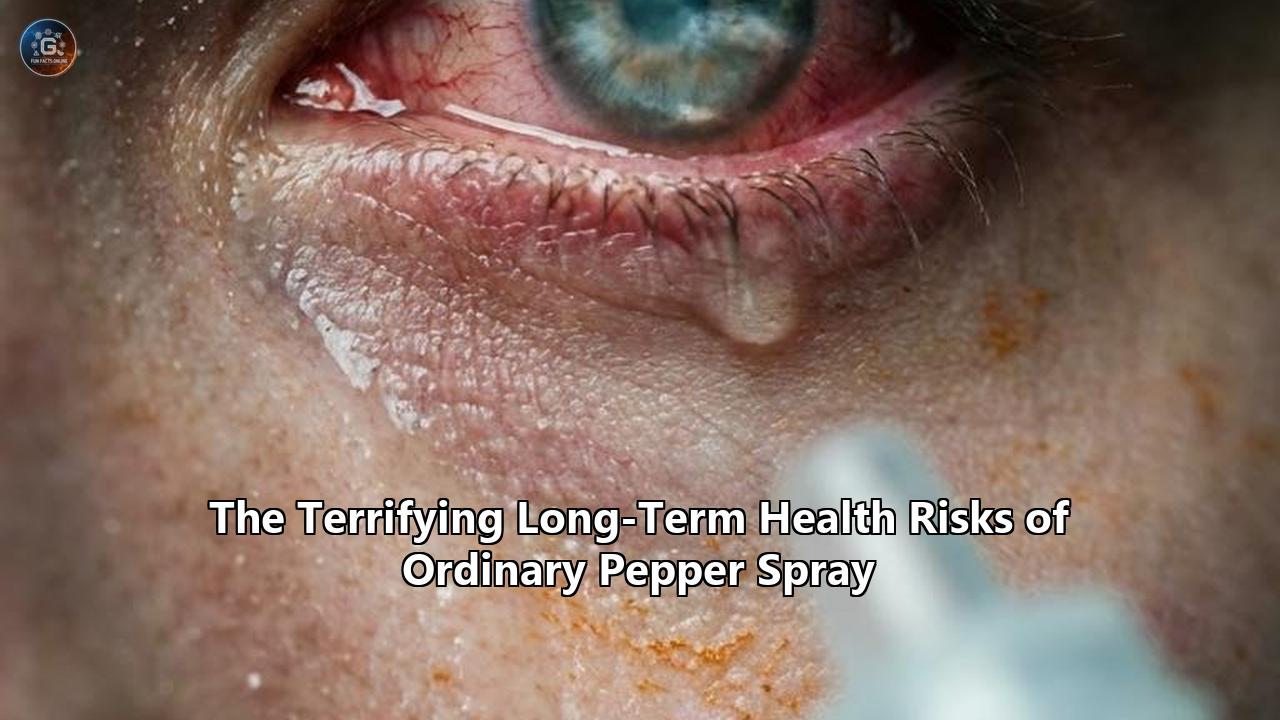
The Winter Flashpoints: When the Smoke Cleared in Minnesota and Arizona
Stinging clouds of chemical irritants exploded from beneath a car full of children in early 2026, forcing them to flee into the snowy streets of Minnesota to seek air that was safe to breathe. A man, his face painted bright orange with liquid chemical spray, was pinned to the icy ground by masked federal agents, physically unable to wipe the agonizing pain from his burning eyes. This was not a foreign battlefield. This was the scene outside the Bishop Henry Whipple Federal Building, where the Department of Homeland Security (DHS) faced daily protests over the agency's largest immigration enforcement operation in its history.
Weeks later, the same mass deportation campaign arrived in Phoenix, Arizona. Masked, camouflaged DHS agents descended on multiple locations of Zipps Sports Grill, arresting dozens of people suspected of being in the country illegally. When crowds gathered to protest the raids, agents deployed chemical irritants directly into their faces. In one video that rapidly circulated across news networks, federal agents driving away in a truck casually sprayed the crowd out of the vehicle's window, indiscriminately coating bystanders and two state lawmakers in a thick, burning mist.
Law enforcement agencies and government officials continuously refer to these chemical agents as "less-lethal" tools designed for temporary pain compliance. Secretary of Homeland Security Kristi Noem publicly justified the widespread use of these agents, categorizing them as standard crowd-control mechanisms. The official narrative suggests that once the burning subsides and the coughing stops, the target returns to normal, suffering no lasting physical damage.
The medical community strongly disagrees. The scientific consensus regarding pepper spray health risks has shifted from viewing the chemical as a temporary, manageable nuisance to a profound toxicological threat with terrifying, long-term implications for the human body. As the frequency of chemical deployments against civilian populations escalates, epidemiologists, emergency physicians, and toxicologists are finally compiling the data that law enforcement agencies have long ignored.
The evidence trail reveals a startling reality: the chemicals housed inside these canisters do not just cause fleeting discomfort. They actively sabotage the respiratory system, hack the body's neurological pain receptors, disrupt reproductive endocrine systems, and inflict permanent cellular damage.
The Medical Establishment Breaks Its Silence
The illusion of pepper spray as a benign compliance tool was shattered on January 16, 2026, when the American Thoracic Society (ATS) issued an unprecedented and forceful warning to the public and law enforcement. The ATS, representing the world's leading respiratory physicians and scientists, declared that inhaling these chemicals—even during a single, brief incident—can severely harm respiratory function and exponentially increase the risk of massive lung complications.
"Chemical irritants like tear gas and pepper spray are not just immediately painful—they are inhalation hazards that can cause lasting lung and laryngeal injury, increase infection risk, exacerbate underlying respiratory conditions, and, in the susceptible, death," stated Dr. Anthony M. Szema, chair of the ATS Section on Terrorism and Inhalation Disasters.
The ATS intervention marked a critical turning point. For decades, emergency rooms treated pepper spray exposure as a minor localized injury requiring basic decontamination: fresh air, water, and soap. But the ATS research proved that the damage extends far deeper into the human anatomy. The organization warned that chemical exposure can trigger airway inflammation so severe that it leads to pneumothorax—a condition where air leaks into the space between the lungs and chest wall, causing the lung to completely collapse.
Furthermore, the researchers identified instances of subcutaneous emphysema, a terrifying condition where air becomes trapped under the tissue of the skin, typically in the chest and neck, as a direct result of acute, chemical-induced airway inflammation. Even in cases where the lungs do not collapse, minimal exposure actively weakens the respiratory system's natural immune defenses, making individuals significantly more susceptible to subsequent viral and bacterial infections, such as bronchitis and pneumonia.
Dr. Szema and the ATS did not simply issue a warning; they demanded a structural shift in how society handles these agents. They called for an immediate moratorium on the use of tear gas and pepper spray, urging the adoption of strictly non-chemical alternatives like slippery mobility denial systems. More critically for the victims of the recent DHS operations, the ATS mandated that these chemicals be universally classified as severe respiratory hazards and called for mandatory, long-term health screenings for anyone exposed, including innocent bystanders and members of the media.
Weaponized Nature: The True Chemistry of Oleoresin Capsicum
To understand the sheer scale of these pepper spray health risks, one must first deconstruct the chemical itself. The active ingredient in standard police pepper spray is Oleoresin Capsicum (OC). Because it is derived from plants in the genus Capsicum, which includes common culinary chili peppers, there is a widespread, fatalistic misconception that pepper spray is simply a concentrated food product—a blast of hot sauce to the face.
This comparison fundamentally misunderstands the chemistry of weaponization. The heat of peppers is measured on the Scoville Heat Units (SHU) scale. A standard green bell pepper measures 0 SHU. A jalapeño pepper, which can cause significant discomfort if rubbed in the eye, scores between 2,500 and 5,000 SHU. The police-grade pepper spray deployed against civilians in Minneapolis and Phoenix measures an astonishing 5.3 million SHU.
Creating a substance of this magnitude requires aggressive chemical extraction. Manufacturers use industrial solvents to strip the capsaicinoids from the organic plant matter, leaving behind a thick, viscous, resinous oil. This is the "oleoresin" in Oleoresin Capsicum. Because it is an oil, it is entirely hydrophobic. When deployed, it does not simply mist the air; it violently adheres to whatever it touches.
When the 5.3 million SHU resin strikes a protester's face, it bonds immediately to the skin, the delicate mucous membranes of the nasal passages, and the surface of the eye. If the victim instinctually reaches up to wipe their face, the physical friction grinds the resin deeper into their pores and across their corneas, exacerbating the trauma. Water alone cannot break down the oil; attempting to wash it off without specific chemical surfactants or heavy soap often just spreads the resin over a larger surface area of the body, reigniting the chemical burn.
Neurological Hijacking: The TRPV1 Receptor
When the heavy resin of Oleoresin Capsicum binds to human tissue, it triggers a highly specific, devastating biological chain reaction. Capsaicin does not actually burn the skin in a thermal sense; rather, it performs a hostile takeover of the body's neurological alert system.
The chemical specifically targets and forcefully binds to the transient receptor potential vanilloid 1 (TRPV1) receptor. Located on sensory nerve endings throughout the body, the TRPV1 receptor is essentially the human body's fire alarm. Its biological purpose is to detect scalding thermal heat and dangerous physical abrasion, warning the brain to pull the body away from a fire or a sharp object.
When a person is sprayed, the capsaicin chemically wedges the TRPV1 receptors open. The receptors instantly flood the brain with maximum-intensity distress signals. The central nervous system processes this signal not as an irritant, but as an active, ongoing, catastrophic thermal burn. The victim's brain genuinely believes the face and lungs are on fire.
Because the brain believes the tissue is being incinerated, it launches a massive physiological defense mechanism known as neurogenic inflammation. The nervous system releases a flood of neuropeptides, most notably Substance P, which act as aggressive vasodilators. Blood vessels instantly expand and become highly permeable, leaking massive amounts of plasma and white blood cells into the surrounding tissue.
This causes immediate and severe edema (swelling), intense erythema (redness), and blistering of the skin. The pain is so absolute that it forces the body into involuntary physiological responses: the eyes snap shut and refuse to open (blepharospasm), the vocal cords may spasm, and the victim loses basic motor control as the brain short-circuits under the sheer volume of the pain signals. Dr. Frank LoVecchio, a toxicology specialist and medical director at ASU’s College of Health Solutions, notes that the sheer panic induced by this neurological hijacking frequently results in secondary traumatic injuries.
"The other thing that we see, unfortunately, is panic, hyperventilation, people collapsing, traumatic injuries," Dr. LoVecchio observed following the Phoenix raids. "You got pepper sprayed in the face. Why did you fall and break your ankle? Well, I was running away. And sadly, that's pretty common".
Respiratory Ruin: When Lungs Become the Battlefield
While the external pain is agonizing, the internal damage is where the most terrifying pepper spray health risks reside. When a high-pressure canister deploys an aerosolized cloud of OC, the microscopic oil droplets bypass the body's upper respiratory defenses and travel directly down the trachea, settling deeply into the bronchioles and alveoli of the lungs.
The immediate result is a severe chemical pneumonitis—an aggressive inflammation of the lung tissue caused by a toxic substance. Victims experience immediate choking, gagging, a feeling of suffocation, and extreme chest tightness. "It's an irritant to your lungs. It'll cause coughing, choking, chest tightness," explains Dr. LoVecchio. In severe cases, direct contact of capsaicinoids with the vocal cords causes laryngospasm, where the throat physically swells shut, completely cutting off the airway.
For healthy individuals, the respiratory distress might subside after a few hours, though a deep, persistent cough can last for weeks as the lungs struggle to clear the heavy oil droplets. But for individuals with underlying respiratory conditions—specifically asthma, chronic obstructive pulmonary disease (COPD), or heart disease—the introduction of aerosolized OC into the lungs can be a lethal event.
The medical literature provides grim evidence of these fatalities. A deeply researched toxicological review published in the North Carolina Medical Journal detailed the custody death of a man with a history of asthma. He was sprayed with pepper spray 10 to 15 times by police officers. The postmortem examination revealed extensive, severe epithelial lung damage. The official cause of death was determined to be severe acute bronchospasm, precipitated directly by the inhalation of the pepper spray.
The danger is amplified exponentially in confined spaces or densely packed crowds, where dispersal of the gas is impossible, and victims are forced to repeatedly inhale high concentrations of the chemical. As fluids leak into the compromised lungs due to neurogenic inflammation, victims can develop pulmonary edema, effectively drowning in their own biological response to the chemical weapon.
The Unseen Epidemic: Menstrual and Reproductive Disruption
Perhaps the most shocking revelation regarding long-term exposure came to light not in an emergency room, but through the painstaking work of epidemiologists tracking the delayed aftermath of chemical deployments. The assumption that pepper spray leaves the body completely after decontamination has been entirely debunked by the discovery of severe endocrine and reproductive disruption.
Asha Hassan, an epidemiologist at the University of Minnesota in Minneapolis, recognized a disturbing pattern while interviewing individuals who had been subjected to heavy chemical deployment during the 2020 and 2021 protests.
"Hearing that like one time, I don't know, maybe sounds like a fluke," Hassan noted. "I heard that several times from my neighbors and community members".
Refusing to dismiss the anecdotal reports, Hassan and her research team launched a massive systematic study, analyzing detailed survey responses from more than 1,200 people who had been directly exposed to chemical agents by law enforcement. The findings, formally published in 2023, sent shockwaves through the medical community.
The researchers discovered that an astonishing 83 percent of the exposed individuals experienced severe reproductive anomalies shortly after the exposure. These symptoms included intense uterine cramping, abnormal breast tenderness, and wildly erratic early or late menstrual bleeding.
The study also established a terrifying dose-dependent relationship. Hassan's team found that individuals who were exposed to the chemical agents on more than two days were twice as likely to experience these adverse reproductive effects compared to those exposed on a single day.
While the exact physiological mechanism requires further long-term epidemiological study, toxicologists point to two likely culprits. The first is the massive activation of the hypothalamic-pituitary-adrenal (HPA) axis. The sheer trauma, terror, and absolute pain of the chemical attack cause the body to release a toxic surge of cortisol and adrenaline. This massive stress response acts as a shockwave through the endocrine system, immediately shutting down or severely disrupting the delicate hormonal balances required to maintain a normal menstrual cycle.
The second, more insidious theory involves the chemical absorption of the industrial solvents used in the pepper spray canisters, many of which are known endocrine disruptors capable of altering human hormone production when absorbed systemically through the skin or lungs.
Ocular Trauma and the Death of Corneal Nerves
The eyes are the primary target of law enforcement chemical deployment. "The short-term impacts are the intended ones," says Dr. Rohini Haar, a California-based emergency physician and medical advisor for Physicians for Human Rights (PHR). "They say they're for pain compliance, or to cause pain so that people comply with authorities".
When the 5.3 million SHU resin strikes the eye, it causes immediate, acute pain and temporary blindness. Dr. LoVecchio confirms that the chemical frequently leads to corneal abrasions and corneal ulcers, causing temporary vision issues that require immediate medical intervention.
But what happens to the eye at a microscopic level? To answer this, researchers in Finland conducted a first-of-its-kind in vivo confocal microscopy study. The study aimed to examine the potential toxic effects of Oleoresin Capsicum on the structural integrity, innervation, and sensitivity of the human cornea. Ten police officers volunteered to be intentionally exposed to a single dose of OC spray under strictly controlled clinical conditions.
Using a noncontact esthesiometer, the researchers measured the mechanical, chemical, and thermal sensitivity of the officers' corneas before and after the exposure, while also measuring tear fluid for nerve growth factor (NGF).
The microscopy revealed that the OC spray caused immediate focal surface epithelial cell damage and severe epithelial swelling. While the surface cells began to heal within a day, the deeper neurological impacts were alarming. The researchers found that the chemical caused immediate and severe changes in the mechanical and chemical sensitivity of the eye—changes that persisted for over a week after a single, minor exposure.
The Finnish scientists concluded that while a single, strictly controlled exposure might not cause permanent blindness, repeated exposures pose a massive threat. They warned that the long-lasting changes in corneal sensitivity are directly associated with the physical damage and degradation of the nerve terminals in the eye, specifically the unmyelinated polymodal nociceptive fibers.
In extreme real-world scenarios, where victims are sprayed at close range or receive massive doses without immediate medical decontamination, the damage scales up aggressively. Medical journals have documented cases where severe OC exposure led to extensive eye scarring, the development of cataracts, and instances of glaucoma—a condition that permanently damages the optic nerve and inevitably leads to irreversible blindness.
The Carrier Chemicals: The Hidden Poisons in the Canister
When evaluating pepper spray health risks, researchers must look beyond the pepper extract itself and examine the hidden chemical payload. Because capsaicin is a heavy resin, it cannot be sprayed out of a canister on its own. It must be dissolved in liquid chemical solvents and forcefully ejected using high-pressure aerosol propellants.
The exact chemical makeup of these solvents and propellants is frequently shielded by manufacturers under the guise of proprietary trade secrets, leaving emergency room toxicologists blind when trying to treat complex reactions. However, chemical analyses have revealed that canisters frequently contain volatile organic solvents, various industrial alcohols, and propellants such as nitrogen, carbon dioxide, Freon, or highly volatile hydrocarbons.
These carrier chemicals are fiercely toxic in their own right. A comprehensive analysis of the Texas Poison Center database between 1998 and 2002 reviewed 1,531 human exposures to pepper spray. The data showed that 97 percent of exposures resulted in notable health effects. While ocular and respiratory irritation were common, a significant number of patients presented with severe dermal erythema, persistent dermatitis, and superficial chemical burns. Prolonged skin contact with the harsh industrial solvents can cause the skin to aggressively blister and peel.
Furthermore, the use of alcohol and volatile hydrocarbon propellants introduces a terrifying, secondary physical risk: flammability. There have been heavily documented instances where police officers sprayed a suspect with solvent-heavy pepper spray and subsequently deployed an electronic stun gun (Taser) to gain compliance. The electrical arc from the stun gun ignited the volatile aerosol cloud and the solvent soaked into the victim's clothing, instantly engulfing the person in flames and causing catastrophic, life-threatening third-degree thermal burns.
The Physical Projectiles: When the Delivery Mechanism Becomes a Weapon
The chemical toxicity is only half of the threat. The physical mechanisms used to deliver these agents—high-pressure metal canisters and rigid plastic pepper balls—are actively killing and maiming civilians through pure kinetic force.
Dr. Haar emphasizes that the delivery systems themselves are deadly. "Those canisters and pepper balls, they act effectively as projectiles, as bullets," she notes. "Those can cause a lot of blunt trauma as well, even in a single exposure".
Physicians for Human Rights (PHR) conducted a massive systematic review of medical literature to document the health effects of chemical irritants globally. The sheer scale of the violence is staggering. The review identified over 100,000 people who had been injured by these weapons since 2015.
Crucially, the PHR report highlighted the extreme danger of what they classify as "hybrid" weapons—devices that combine the characteristics of kinetic impact projectiles (KIPs) with chemical warfare agents. When police fire high-velocity pepper balls (paintball-like projectiles filled with synthetic PAVA or OC powder) directly into crowds, the hard plastic shells cause severe blunt force trauma, bone fractures, and ocular ruptures upon impact, right before exploding and coating the bleeding wound in burning chemical resin.
The metal canisters containing tear gas and high-volume pepper spray are even more dangerous. When fired directly at protesters rather than lobbed into open spaces, the heavy metal cylinders become lethal projectiles. The PHR systematic review documented that at least fourteen people have died directly because of physical trauma inflicted by the impact of the chemical canisters.
"Tear gas canisters, when fired directly at protesters, can be extraordinarily hazardous," the PHR report stated, demanding that the ad hoc misuse of these chemical delivery systems as kinetic impact weapons be strictly regulated and investigated.
Vulnerable Populations and the Myth of the "Healthy Subject"
How did a weapon capable of collapsing lungs, blinding eyes, disrupting menstrual cycles, and killing asthmatics become categorized as "less-lethal" and safe for civilian deployment? The answer lies in decades of heavily skewed, deeply flawed scientific testing.
When government agencies initially evaluated the efficacy and safety of Oleoresin Capsicum, they almost exclusively utilized "healthy subjects." The test groups were composed of highly fit, medically screened police cadets or military recruits. In these clinical evaluations, the subjects were sprayed from a strictly regulated distance in an open-air environment. The subjects were not permitted to rub their eyes, and they were immediately escorted to medical decontamination stations where their eyes and skin were flushed with copious amounts of water and specialized surfactants. Under these pristine, controlled conditions, the permanent damage was minimal, and the agents were deemed safe for widespread use.
Real-world deployment does not happen in a sterile laboratory. When DHS agents or local police forces deploy pepper spray, they fire it indiscriminately into chaotic, densely packed crowds. The aerosol clouds envelop children, pregnant women, the elderly, and individuals severely compromised by chronic diseases like asthma, COPD, and heart disease.
"The airborne nature of tear gas also makes it impossible to use in a manner that doesn't endanger uninvolved people such as innocent bystanders and the media," the ATS stressed in their 2026 warning, explicitly pointing out that children and the elderly face "particularly heightened danger from even brief exposure".
In the streets of Minneapolis and Phoenix, there are no immediate decontamination stations. Victims are left to suffer the chemical burns in the freezing snow or the desert heat, their airways constricting as they panic and hyperventilate in confined spaces. The reliance on flawed "healthy subject" testing created a catastrophic policy blind spot that is only now being rectified by the grim accumulation of real-world medical data.
The Geneva Paradox: Banned in War, Deployed on the Streets
The continued domestic use of these agents highlights a glaring, deeply hypocritical paradox in international law. Under the stipulations of the 1993 Chemical Weapons Convention (CWC)—an international arms control treaty binding 193 nations—the use of riot control measures, including tear gas and pepper spray, is strictly and unequivocally banned in warfare.
The international community recognized that deploying chemical irritants on a battlefield is highly dangerous because the physiological effects are uncontrollable and indiscriminate. Furthermore, in the fog of war, soldiers cannot distinguish between a "less-lethal" cloud of pepper spray and a lethal cloud of sarin or mustard gas, inevitably leading to catastrophic, lethal escalation.
Yet, a specific loophole in the treaty permits the use of these exact same chemical weapons by domestic law enforcement for the purpose of "law enforcement including domestic riot control purposes."
This creates a legal and ethical absurdity: the chemicals sprayed into the faces of teenagers and asthmatics in Minnesota and Arizona are considered too cruel, unpredictable, and dangerous to be used against enemy combatants in an active war zone. Citizens standing on civilian streets are routinely subjected to chemical exposures that would constitute literal war crimes if deployed by a military force across a border.
Human rights organizations, including Amnesty International and Physicians for Human Rights, have spent years fighting this paradox. They argue that the global proliferation of these weapons, masked by the deceptive "less-lethal" label, has resulted in a global public health crisis where security forces operate with impunity, shielded by a lack of rigorous, independent epidemiological oversight.
What Comes Next: The Push for a Moratorium and Medical Monitoring
The events of early 2026 have irreversibly altered the conversation surrounding chemical crowd control. The medical and scientific communities are no longer asking if pepper spray is dangerous; they are meticulously calculating the exact scale of the devastation.
The immediate path forward requires a massive shift in legal and medical protocols. The American Thoracic Society's call for a total moratorium on tear gas and pepper spray provides a powerful medical foundation for upcoming legislative battles. Attorneys and human rights advocates are currently preparing massive class-action lawsuits against federal agencies and local police departments, citing the newly documented evidence of permanent lung damage and reproductive disruption.
Moving forward, emergency medical protocols must fundamentally change. Emergency rooms can no longer treat chemical exposures as superficial irritations that simply require a cold shower. Following the ATS guidelines, hospitals must begin treating victims of chemical deployment as having suffered an acute respiratory toxicological event. The mandate for long-term health screenings for exposed individuals will likely reveal even deeper layers of chronic damage in the years to come.
The veil of the "less-lethal" myth has finally been lifted. As the scientific evidence trail continues to lengthen, it is becoming undeniably clear that the canisters strapped to the belts of law enforcement officers are not tools of temporary compliance. They are highly volatile chemical weapons that permanently alter the biological architecture of the human body, leaving a legacy of invisible scars, compromised lungs, and shattered nervous systems long after the smoke has cleared from the streets.
Reference:
- https://www.sciencenews.org/article/tear-gas-pepper-spray-health-effects
- https://www.kjzz.org/the-show/2026-01-29/pepper-spray-has-some-health-implications-despite-it-being-less-lethal-method-for-crowd-control
- https://www.mprnews.org/story/2025/12/02/how-chemical-irritants-like-pepper-spray-and-tear-gas-impact-human-health
- https://site.thoracic.org/press-releases/tear-gas-and-pepper-spray-pose-serious-respiratory-risks-ats-warns
- https://www.medicalnewstoday.com/articles/238262
- https://digital.library.unt.edu/ark:/67531/metadc623072/
- https://www.aao.org/education/clinical-statement/ocular-exposure-to-pepper-spray-tear-gas-evaluatio
- https://dignity.dk/wp-content/uploads/pepperspray-factsheet-english.pdf
- https://www.worksafebc.com/en/resources/health-care-providers/guides/effect-of-pepper-spray-on-human-health?lang=en&direct
- https://pubmed.ncbi.nlm.nih.gov/9885922/
- https://pmc.ncbi.nlm.nih.gov/articles/PMC4132311/
- https://iovs.arvojournals.org/article.aspx?articleid=2123766
- https://phr.org/our-work/resources/lethal-in-disguise-2/
- https://upr-info.org/sites/default/files/documents/2017-04/phr_upr27_ind_e_main.pdf