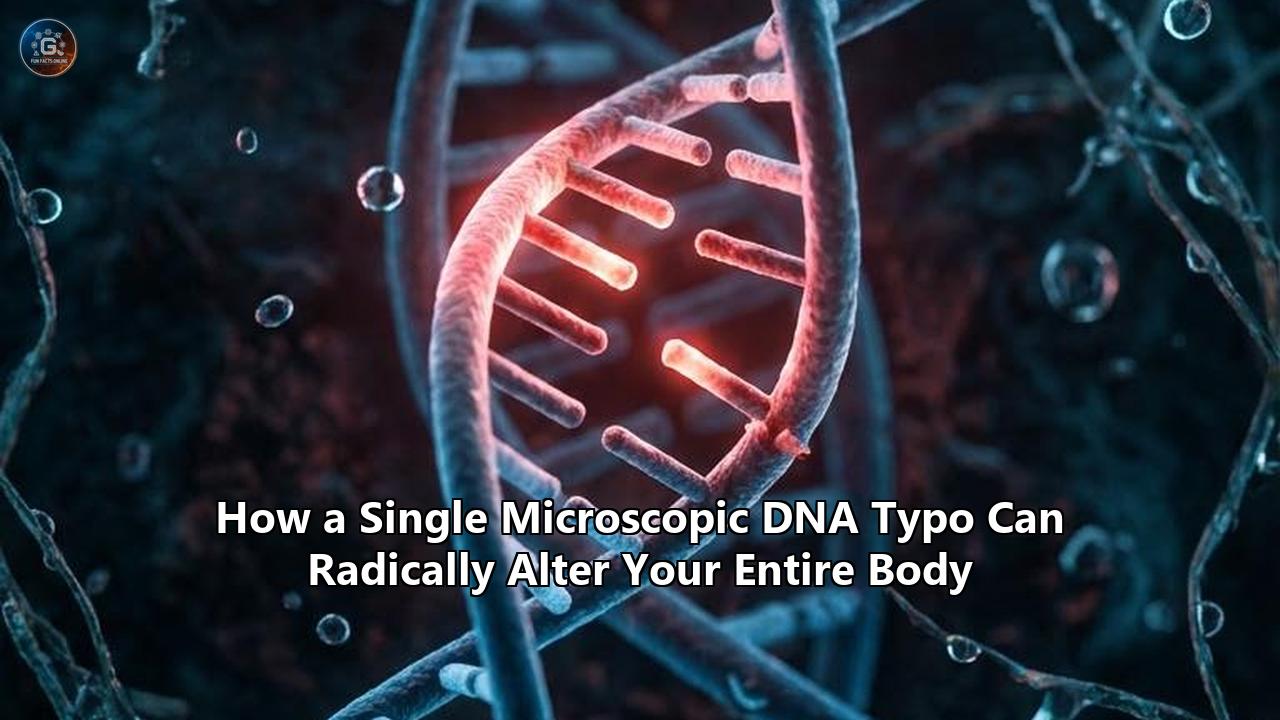
At a press conference on March 2, 2026, a toddler named KJ Muldoon walked across a room. Under ordinary circumstances, a walking toddler does not make international medical news. But KJ was born with carbamoyl-phosphate synthetase 1 (CPS1) deficiency, an ultrarare metabolic disorder that historically guarantees severe brain damage, organ failure, and infant mortality. His disease was not caused by a missing chromosome, a viral infection, or an environmental toxin. It was caused by a single incorrect letter in his DNA—a microscopic typo among the 3.2 billion base pairs in the human genome.
For the first time in medical history, researchers deployed a fully personalized, in vivo base-editing therapy—a technology sometimes referred to as CRISPR 2.0—directly into the boy's body. Delivered via lipid nanoparticles and messenger RNA starting in February 2025, the therapy sought out the specific G-to-A stop variant (Q335X) on his paternal allele. The molecular machinery found the mutated liver cells, temporarily separated the DNA strands, and chemically morphed the errant nucleotide back into its correct form. One year later, KJ is producing the crucial CPS1 enzyme, digesting dietary proteins, and clearing ammonia from his bloodstream.
The success of the Muldoon case coincides directly with a sweeping regulatory overhaul. In February 2026, the U.S. Food and Drug Administration (FDA) finalized its "Plausible Mechanism" framework. This new regulatory pathway dictates that if a specific genetic typo is understood at the cellular level, and a platform therapy physically targets that exact mechanism, researchers can test customized variants of the treatment without filing entirely new drug applications for every possible mutation.
This convergence of ultra-precise base editing and streamlined regulatory oversight signals a fundamental transition in molecular medicine. We are no longer limited to treating the downstream symptoms of systemic diseases; researchers can now target the exact microscopic point of failure. However, intervening at the level of a single nucleotide requires a rigorous understanding of how one misplaced atom can scale up to dismantle an entire biological system.
The Mathematics of a Typo: Scaling Up from Nanometers to Organ Systems
To understand how base editing can rescue a patient from terminal organ failure, it is necessary to examine the physical scale of a single nucleotide variant (SNV). The human genome contains approximately 3.2 billion base pairs of DNA, packed tightly into the nucleus of nearly every cell. The DNA molecule itself is roughly two nanometers wide. A point mutation occurs when a single nucleotide—adenine (A), cytosine (C), guanine (G), or thymine (T)—is swapped for another, deleted, or inserted.
Most point mutations are benign. Because the genetic code is redundant, a change in the third position of a codon often results in the exact same amino acid being incorporated into a protein, a phenomenon known as a silent mutation. However, if the substitution occurs at a critical juncture—known as a missense or nonsense mutation—the results are catastrophic.
Proteins are not static strings of amino acids; they are highly dynamic, three-dimensional machines whose function depends entirely on their physical shape. The shape is dictated by the chemical properties of the constituent amino acids: some repel water (hydrophobic), some attract it (hydrophilic), some carry positive electrical charges, and others carry negative charges. If a genetic typo substitutes a hydrophilic amino acid for a hydrophobic one, the protein will fold incorrectly. It may expose sticky patches that cause it to clump together with other proteins, or it may lose the precise geometric cavity required to bind to a specific enzyme.
In the case of CPS1 deficiency, the single G-to-A mutation created a premature stop codon. The cellular machinery tasked with translating the gene into a protein halted mid-process, producing a truncated, entirely non-functional enzyme. Without CPS1, the liver's urea cycle was severed. Nitrogenous waste, a natural byproduct of protein digestion, could no longer be converted into urea for excretion. Instead, it accumulated as toxic ammonia in the bloodstream. Because ammonia is a highly volatile, lipid-soluble molecule, it readily crosses the blood-brain barrier. Once inside the brain, it is absorbed by astrocytes—star-shaped glial cells that support neurons. The astrocytes attempt to detoxify the ammonia by converting glutamate to glutamine, but the massive influx of glutamine acts as an osmotic sponge, drawing water into the brain cells. The resulting astrocyte swelling causes severe cerebral edema, increased intracranial pressure, coma, and ultimately, death.
All of this systemic destruction—the failure of the liver, the poisoning of the blood, and the swelling of the brain—traces back to an error spanning just a few angstroms in width. Tracing these genetic mutation effects from the atomic level up to the organ level forms the basis of modern molecular pathology.
Blood, Bones, and Brains: The Systemic Reach of Point Mutations
The sheer mechanical power of a single nucleotide substitution becomes even more evident when examining complex, multi-system disorders. The earliest and most thoroughly studied example is sickle cell disease, which affects over 20 million individuals worldwide.
Sickle cell disease is triggered by an A-to-T point mutation in the HBB gene, which provides instructions for making beta-globin, a component of hemoglobin. This specific typo replaces a hydrophilic glutamic acid with a hydrophobic valine at the sixth position of the beta-globin chain. Inside the oxygen-rich environment of the lungs, this modified hemoglobin functions normally. But as the red blood cells travel into the narrow capillaries of the body and release their oxygen, the hydrophobic valine is exposed. Seeking to avoid the watery environment inside the cell, these mutant hemoglobin molecules stick to one another, forming long, rigid polymers.
These molecular chains physically stretch and distort the red blood cell from a flexible, biconcave disc into a stiff, sickle-like shape. The deformed cells scrape the endothelial lining of the blood vessels, provoking inflammation and coagulation. They clump together, creating vascular traffic jams known as vaso-occlusive crises. Tissues downstream of the blockage are starved of oxygen, leading to intense pain, bone necrosis, stroke, and cumulative organ damage. Decades of research culminated in recent therapies targeting this exact pathway. Late 2023 saw the approval of Casgevy, a CRISPR-based therapy that circumvents the defective beta-globin by forcing the body to produce fetal hemoglobin instead. In early 2026, researchers began testing highly targeted oral drugs that degrade the WIZ transcription factor—a protein that normally suppresses fetal hemoglobin in adults—offering a less invasive alternative to stem cell transplants.
While sickle cell disease illustrates how a point mutation alters protein structure, Hutchinson-Gilford Progeria Syndrome (HGPS) demonstrates how a typo can corrupt the cellular blueprint itself. HGPS is an ultra-rare genetic disorder affecting roughly one in eight million people, characterized by dramatic and rapid systemic aging beginning in infancy. Children with progeria develop stiffened arteries, brittle bones, and severe cardiovascular disease, with an average life expectancy of just 14.5 years.
The disease originates from a single-point mutation in the LMNA gene, which produces lamin A, a crucial structural protein that forms the scaffolding of the cellular nucleus. Unlike the sickle cell mutation, the LMNA mutation does not alter the final amino acid sequence directly. Instead, it creates a cryptic splice site. When the cell attempts to process the raw RNA transcript into messenger RNA, it mistakenly snips out a sequence of 150 nucleotides. The resulting protein, known as progerin, is permanently tethered to the nuclear membrane. It accumulates over time, physically buckling the nuclear envelope, disrupting cell division, and triggering premature cellular senescence.
Because CRISPR-Cas9 DNA editing carries the risk of permanent off-target mutations, researchers have sought safer alternatives for treating progeria. In mid-2025, a research team at the Korea Research Institute of Bioscience and Biotechnology (KRIBB) successfully demonstrated an RNA-targeting therapy. Using an engineered RNA-guided molecular scissors system based on the RfxCas13d enzyme, the researchers selectively degraded the toxic progerin RNA transcripts while leaving the normal lamin A transcripts intact. This intervention operates entirely at the RNA level, providing high precision without permanently altering the underlying genome, representing a vital strategy for mitigating specific genetic mutation effects without introducing new genetic errors.
Convergence: How Hundreds of Typos Drive the Same Cellular Fate
While rare monogenic diseases like CPS1 deficiency and progeria offer clear, linear pathways from mutation to disease, conditions like cancer and neurodegeneration present a massive network problem. Tumors are rarely driven by a single point mutation; they are the result of hundreds of genetic alterations spanning diverse biological pathways. Treating such conditions requires untangling a dense web of cause and effect.
In April 2026, researchers at Rockefeller University published a study in Nature detailing a new single-cell technology called PerturbFate. The platform addresses a fundamental bottleneck in modern genomics: once genetic sequencing identifies hundreds of mutated genes associated with a disease, how do researchers design a single therapy to target them collectively?
The PerturbFate system maps the regulatory nodes where disparate genetic perturbations converge. Led by Junyue Cao, head of the Laboratory of Single-Cell Genomics and Population Dynamics, the research team used the platform to track gene regulation in single cells over time. Using melanoma drug resistance as a proof-of-concept, they deliberately introduced large numbers of disease-associated genetic mutations into cultured cells and tracked the resulting changes in cell behavior.
The researchers discovered that despite the mutations following wildly different biological routes—some altering cell signaling, others disrupting gene regulation—they frequently funneled into shared downstream disease states. Specifically, multiple distinct mutations linked to melanoma drug resistance converged on a single survival signal known as VEGFC. When the researchers blocked this specific regulatory node, they significantly reduced the cancer cells' drug resistance.
This finding fundamentally alters how pharmaceutical companies approach drug design. Instead of attempting to engineer bespoke inhibitors for dozens of different mutant proteins, researchers can use platforms like PerturbFate to identify the bottleneck pathways where genetic mutation effects intersect. By targeting these shared nodes, a single therapeutic intervention could neutralize the systemic impact of hundreds of different DNA typos simultaneously. The Rockefeller team has already announced plans to expand this methodology from cultured cells into living models to chart the converging pathways of Alzheimer’s disease and general systemic aging.
The Delivery Bottleneck: Shrinking the Molecular Scissors
Mapping the precise location and downstream impact of a genetic mutation is only half the clinical battle; fixing it inside a living human body requires extraordinary logistical precision. The human body vigorously defends its genetic material. Any foreign protein or nucleic acid injected into the bloodstream is rapidly degraded by nucleases or attacked by the immune system.
To bypass these defenses, researchers rely on delivery vehicles, primarily lipid nanoparticles (LNPs) and adeno-associated viruses (AAVs). LNPs are microscopic spheres of fat that encapsulate the therapeutic payload, shielding it from immune detection. Because LNPs naturally accumulate in the liver, they are the preferred delivery method for hepatic conditions. For example, Beam Therapeutics is currently utilizing LNP delivery in their 2025/2026 Phase I/II clinical trials for Glycogen Storage Disease Type 1a (GSD1a). This metabolic disorder, caused predominantly by the R83C single-nucleotide mutation, prevents the liver from breaking down glycogen into glucose, causing severe, life-threatening drops in blood sugar. The Beam therapy delivers an adenine base editor directly to the hepatocytes to execute a permanent correction of the R83C typo.
However, targeting organs other than the liver—such as the heart, muscles, or central nervous system—typically requires viral vectors like AAVs. Viruses have evolved over millions of years to inject genetic material into human cells efficiently. By hollowing out the viral genome and replacing it with therapeutic CRISPR machinery, scientists can exploit this natural infection mechanism.
The primary limitation of AAVs is their physical size constraint. The standard CRISPR-Cas9 protein, originally isolated from Streptococcus pyogenes, is massive. When combined with the necessary guide RNA and regulatory sequences, the entire gene-editing package exceeds the carrying capacity of a single AAV particle. This size restriction has forced researchers to split the CRISPR machinery across multiple viruses or restrict treatments to cells extracted from the patient, edited in a lab, and reinfused (ex vivo editing).
A major breakthrough resolving this bottleneck occurred in early April 2026. A research team, supported by the National Institutes of Health (NIH) and operating out of the University of Texas at Austin, published findings on an enhanced, miniaturized CRISPR gene-editing system. The team identified a naturally occurring enzyme called Al3Cas12f, which is a fraction of the size of traditional Cas9.
Using advanced imaging and machine learning tools, the researchers analyzed the structural biology of Al3Cas12f. They engineered an enhanced version of the protein that forms a highly stable, tightly connected complex, dramatically improving its editing efficiency in human cells. The team successfully tested the modified enzyme on human cells originally isolated from a leukemia patient, targeting specific point mutations associated with cancer, atherosclerosis, and amyotrophic lateral sclerosis (ALS). Because the Al3Cas12f nuclease is small enough to fit comfortably inside a single AAV vector, this development paves the way for systemic, in vivo gene editing across tissues previously considered inaccessible.
CRISPR 2.0 and 3.0: Base Editing and Prime Editing in Clinical Practice
The original CRISPR-Cas9 system acts as molecular scissors. It finds a specific genetic sequence and severs both strands of the DNA double helix. The cell immediately recognizes this catastrophic damage and attempts to repair it through a process called non-homologous end joining (NHEJ). This repair mechanism is inherently error-prone; it hastily jams the broken DNA ends back together, frequently inserting or deleting random letters in the process. While this is highly effective for knocking out a dysfunctional gene, it is virtually useless for precisely correcting a single point mutation.
To achieve the single-letter precision required to treat conditions like CPS1 deficiency or GSD1a, researchers developed Base Editing (often dubbed CRISPR 2.0) and Prime Editing (CRISPR 3.0).
Base editors, pioneered by David Liu and recognized by the 2025 Breakthrough Prize in Life Sciences, do not cut the DNA double helix. Instead, they utilize a catalytically impaired Cas9 protein (nCas9) that can only nick one strand of the DNA. Attached to this guided search engine is a deaminase enzyme. Once the Cas9 locates the target mutation, the deaminase chemically removes an amino group from the target nucleotide. For example, an adenine base editor (ABE) converts an adenine (A) into inosine (I). The cell's natural replication machinery reads inosine as guanine (G). Thus, an A-T base pair is permanently, cleanly converted into a G-C base pair, without ever fracturing the DNA backbone.
However, base editing is restricted to specific chemical transitions (A to G, or C to T). To execute more complex corrections, researchers utilize Prime Editing. Prime editors fuse the impaired Cas9 to a reverse transcriptase enzyme. The guide RNA in this system is uniquely engineered; it not only directs the Cas9 to the correct location but also contains a physical template of the desired genetic sequence. The reverse transcriptase reads this template and directly "writes" the new DNA sequence into the genome, allowing for targeted insertions, deletions, and any conceivable base-to-base conversion.
These advanced tools are currently entering the clinic at an aggressive pace. In May 2025, Prime Medicine announced positive early data from a clinical trial treating patients with Chronic Granulomatous Disease (CGD) using prime editing to correct the disease-causing mutation without double-stranded breaks. Similarly, YolTech reported in March 2026 that the FDA cleared their in vivo adenine base-editing therapy (YOLT-202) for a Phase 2/3 trial targeting alpha-1 antitrypsin (AAT) deficiency. Early data from the YolTech study showed that high doses of the lipid-nanoparticle-delivered therapy successfully reached the liver and restored normal-range AAT levels in patients, with over 95% of the circulating protein functionally corrected.
Allele-Selective Precision: The Huntington’s Disease Strategy
While repairing a loss-of-function mutation requires converting the broken sequence back to a functional state, treating dominant neurodegenerative diseases poses a different challenge. In autosomal dominant conditions, a single mutated copy of a gene (an allele) produces a toxic protein that actively destroys tissue, even if the patient's other allele is perfectly healthy.
Huntington’s disease (HD) is the quintessential example. HD is caused by a CAG repeat expansion in the HTT gene, resulting in a mutant huntingtin protein that aggregates in neurons, causing progressive motor dysfunction, cognitive decline, and psychiatric symptoms. Because every child of an affected parent has a 50 percent chance of inheriting the mutation, the disease devastates entire families across generations.
The obvious genetic solution is to use CRISPR to knock out the mutated HTT gene. However, the wild-type (healthy) huntingtin protein is absolutely essential for normal brain function and cellular transport. If a gene-editing therapy accidentally disables both the mutant and the healthy alleles, the resulting neurotoxicity would be severe.
To navigate this, biotechnology companies are deploying allele-selective gene editing. Life Edit Therapeutics, the R&D arm of ElevateBio, has advanced a highly specialized approach with their LETI-101 program. Rather than attempting to target the sprawling, repetitive CAG expansion directly, the researchers zero in on a single nucleotide polymorphism (SNP)—a microscopic genetic variation that exists solely on the patient's mutant allele.
Specifically, LETI-101 targets the 'T' allele of an exonic SNP (rs362331) located within the HTT gene. In patients who are heterozygous for this specific SNP—meaning their healthy allele carries a 'C' and their mutant allele carries a 'T'—the CRISPR machinery can use that single molecular difference as a targeted homing beacon. The editing tools bind exclusively to the mutant copy, selectively deactivating the toxic protein production while leaving the essential wild-type protein completely untouched. This strategy represents a profound leap in precision pharmacology; it relies on distinguishing a target from its healthy counterpart based on the chemical signature of a single atom.
Diagnostics: Identifying the Typo in Real Time
Before any patient can receive a personalized genetic therapy, clinicians must rapidly and accurately sequence their genome to identify the exact pathogenic variant. Traditional short-read sequencing platforms, while effective for basic screening, frequently miss insertions, deletions, and structural variations hidden within highly repetitive or GC-rich segments of the human genome.
The diagnostic landscape is scaling to meet the demands of advanced therapeutics. In late 2025, Nucleome Informatics launched the 4 Power Biomarkers WGS-HiFi Test, a clinical platform utilizing High-Fidelity (HiFi) long-read sequencing. This technology produces continuous, highly accurate genomic reads capable of tracking single nucleotide variants (SNVs), structural variations, and epigenetic methylation profiles simultaneously. By capturing the complete genomic structure, oncologists can uncover cryptic cancer-driving mutations that previously went undetected, allowing for immediate alignment with highly targeted therapies.
Simultaneously, researchers are working to decentralize point-mutation diagnostics. In late 2025, a collaborative team encompassing Cardea Bio, UC Berkeley, and CasZyme published data in Nature Biomedical Engineering detailing the SNP-Chip. Pioneered by Dr. Kiana Aran, the SNP-Chip integrates a graphene-coated field-effect transistor with CRISPR biology.
The device utilizes a highly sensitive Cas9 variant (MgaCas9) to scan a raw biological sample—such as blood or saliva—for a specific single-nucleotide mutation. When the Cas nuclease locates and binds to the exact target sequence, the physical interaction disrupts the electrical current flowing across the graphene transistor. This micro-electrical shift provides an immediate digital readout. Unlike traditional PCR tests, the SNP-Chip requires no DNA amplification, complex sample preparation, or expensive optical equipment, producing results with single-nucleotide specificity in under an hour. This amplification-free, point-of-care testing enables rural hospitals and rapid-response clinics to identify systemic genetic errors without waiting weeks for central laboratory sequencing.
Regulatory Reform: The "Plausible Mechanism" Framework
The rapid acceleration of CRISPR tools and diagnostic chips exposed a massive structural flaw in global medical regulation. Regulatory bodies like the FDA were built in the 20th century to evaluate mass-market chemical compounds, such as statins or antibiotics. If a pharmaceutical company wanted to alter the chemical structure of a drug by even a single molecule, they were required to run entirely new, multi-year, billion-dollar clinical trials.
When applied to base editing, this framework became mathematically impossible. There are over 30,000 single-nucleotide polymorphisms associated with human disease. The CFTR gene responsible for cystic fibrosis, for example, can be mutated in hundreds of different ways to produce the exact same systemic disease. Creating a separate base-editing drug, running a bespoke preclinical animal study, and executing a distinct human clinical trial for every individual variant would collapse the biopharmaceutical industry.
Recognizing this bottleneck, the FDA executed a fundamental policy shift in February 2026, finalizing the "Plausible Mechanism Framework for Individualized Therapies". This guidance essentially classifies CRISPR not as a static drug, but as a modular hardware platform.
Under the Plausible Mechanism framework, if the underlying biological cause of a disease is fully understood (e.g., a specific missing enzyme) and the basic delivery vehicle (like an AAV or LNP) and the cutting enzyme (like Cas9 or a base editor) have been proven safe in humans, researchers can alter the guide RNA to target a different mutation in the same gene without starting the regulatory process from scratch.
The FDA now allows a single "umbrella" clinical trial to evaluate a platform customized for multiple individuals. The basic components of the therapy—the molecular delivery and the editing machinery—remain constant, while the specific RNA sequence dictating the target address is swapped out to match each patient's unique genetic typo. This bespoke, "N-of-1" approach directly enabled the rapid approval and administration of the in vivo base-editing therapy for KJ Muldoon's CPS1 deficiency in 2025. By removing decades of administrative red tape, the FDA has legally aligned its protocols with the physical realities of genomic medicine.
The Next Frontier: Unresolved Challenges and Upcoming Milestones
Despite the aggressive pace of clinical deployment, manipulating the human genome at the atomic scale carries profound biological risks that researchers are still struggling to mitigate.
The primary concern remains "bystander editing" and off-target effects. While base editors are incredibly precise, they can sometimes act unpredictably when exposed to high concentrations. A March 2026 study analyzing adenine base editing delivered via LNPs in a mouse model demonstrated this exact vulnerability. Researchers found that when they increased the dosage of the guide RNA to maximize the intended edit in the liver (achieving a highly successful 63% correction rate), the system also triggered a dose-dependent increase in bystander edits—unintended base conversions occurring in the immediate vicinity of the target site. Recalibrating the dosage to maximize therapeutic benefit while completely eliminating collateral DNA damage remains a critical pharmacological hurdle.
Furthermore, understanding the sheer variety of endogenous DNA damage mechanisms requires massive computational power. The Cancer Grand Challenges initiative has highlighted that researchers have identified at least 96 distinct single-base pair and dinucleotide mutational signatures in human tissues. Many of these point mutations arise from error-prone DNA synthesis over chemically altered bases, known as DNA base adducts. Predicting exactly how environmental mutagens interact with cellular chemistry to genesis a point mutation requires linking state-of-the-art small molecule mass spectrometry with advanced organic chemistry. The long-term safety of systemic genetic therapies will depend entirely on ensuring that the viral vectors, lipid nanoparticles, and Cas proteins do not inadvertently introduce novel mutational signatures into dividing stem cells.
The trajectory of genomic medicine over the next decade is clearly defined. Biotechnology firms are expanding their focus from ultrarare monogenic diseases to broader public health targets. In the United States, Scribe Therapeutics has announced plans to initiate late-2026 clinical trials targeting the PCSK9 gene using a CRISPR-based epigenetic silencing platform. Rather than cutting or rewriting the DNA, this system adds epigenetic marks to temporarily turn off the gene responsible for high cholesterol, effectively acting as an on-demand, non-permanent genetic volume dial.
We are observing the rapid maturation of a technology that bridges the gap between molecular physics and systemic human health. The ability to track a disease backward—from catastrophic organ failure, through the disrupted metabolic pathways, down to the misfolded protein, and finally to the single misaligned carbon ring in a DNA base pair—has been a staple of biological research for decades. But the capacity to reach into that living cell, erase the typo, and watch the entire organ system heal in real time shifts our relationship with human biology. Tracking how these platforms navigate the regulatory landscape and manage long-term cellular safety will remain the most critical medical narrative of the coming decade.
Reference:
- https://dnascience.plos.org/2026/03/05/fdas-new-plausible-mechanism-guidance-for-implementing-gene-editing-and-rna-therapies-is-good-news-for-the-rare-disease-community/
- https://erictopol.substack.com/p/the-first-human-to-undergo-in-vivo
- https://innovativegenomics.org/news/crispr-clinical-trials-2026/
- https://frontlinegenomics.com/sickle-cell-disease-a-2024-update/
- https://www.eurekalert.org/news-releases/1092676
- https://www.rockefeller.edu/news/39376-novel-tool-could-identify-new-therapeutic-targets-in-complex-diseases-like-cancer/
- https://www.drugtargetreview.com/new-platform-reveals-shared-drug-targets-across-genetic-mutations-in-cancer-and-neurodegeneration/2135229.article
- https://today.uconn.edu/2025/07/world-first-gene-editing-trial-for-rare-genetic-disease-at-uconn-health/
- https://www.cyagen.com/cyagen-lab-notes/duchenne-muscular-dystrophy-dmd-mouse
- https://www.nih.gov/news-events/news-releases/nih-funded-breakthrough-shrinks-crispr-precision-delivery-body
- https://www.researchgate.net/publication/397099065_CRISPR-Cas9_in_2025_On-Demand_Gene_Editing_FDA_Therapies_and_the_Ethics_of_Human_Enhancement
- https://www.the-scientist.com/david-liu-wins-2025-breakthrough-prize-for-base-editing-and-prime-editing-72888
- https://crisprmedicinenews.com/news/cmn-weekly-20-march-2026-your-weekly-crispr-medicine-news/
- https://www.drugtargetreview.com/allele-selective-gene-editing-a-breakthrough-in-huntingtons-disease-treatment/650421.article
- https://www.nucleomeinfo.com/news/drseq4powerbiomarkers/
- https://www.synthego.com/blog/crispr-snp-chip/
- https://www.cancergrandchallenges.org/mechanisms-driving-mutational-signatures