October 2026: The Circulation Revelation
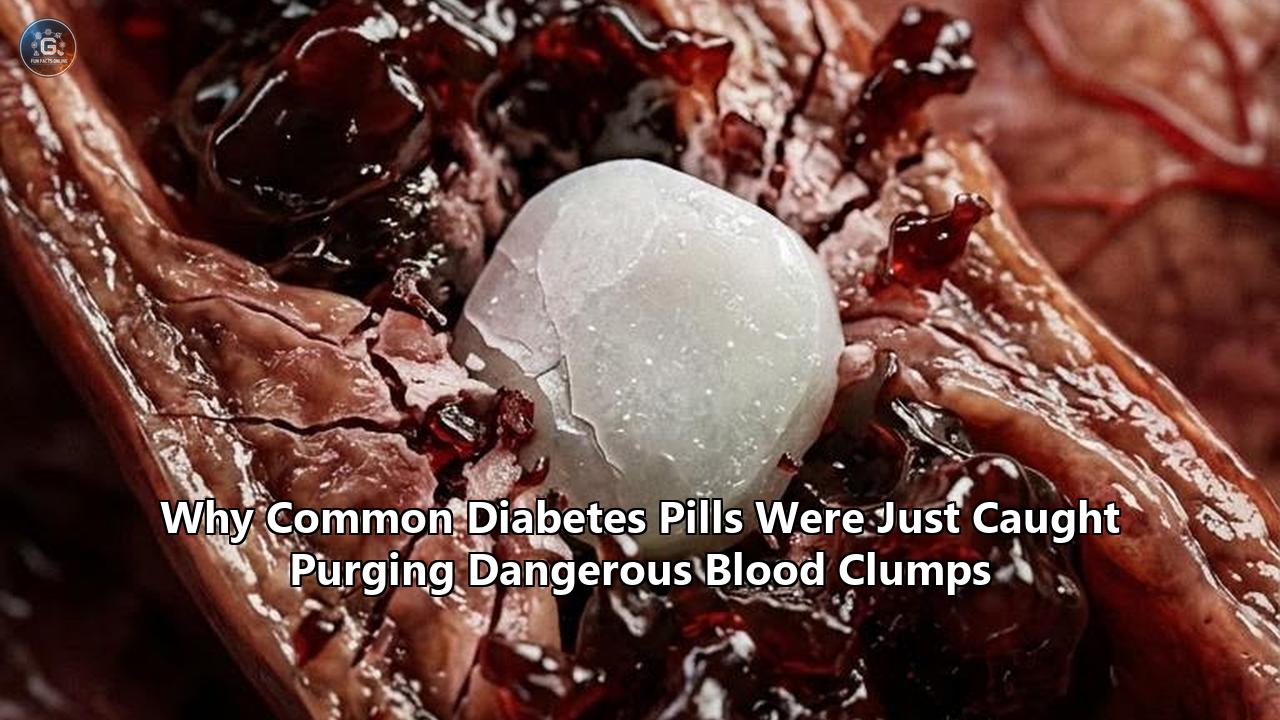
In a study published in the American Heart Association journal Circulation, a team of physician-scientists at Vanderbilt University Medical Center demonstrated that a common, once-daily diabetes tablet performs an unexpected biological cleanup: it actively dismantles microscopic aggregates of immune cells and platelets that roam the human bloodstream.
For years, clinicians prescribed sodium-glucose cotransporter-2 (SGLT2) inhibitors, such as empagliflozin, primarily to flush excess glucose through urine and ease strain on failing hearts. The new human trial, led by Dr. Mona Mashayekhi, assistant professor of medicine in the Division of Diabetes, Endocrinology, and Metabolism at Vanderbilt Health, revealed that the pill swiftly purges circulating monocyte-platelet aggregates (MPAs). These hybrid clusters—formed when blood-clotting platelets bind directly to inflammatory white blood cells—serve as primary biological engines for deep vein thrombosis, pulmonary embolism, arterial occlusion, and microvascular infarction.
                     MONOCYTE-PLATELET AGGREGATE (MPA)

             [ Activated Platelet ]  ---( P-Selectin / CD62P )---
                     |                                           |
                     +-------------------------------------------+
                                         |
                                         v
                                  [ PSGL-1 Receptor ]
                                         |
                               [ Inflammatory Monocyte ]
                                         |
         +-------------------------------+-------------------------------+
         |                               |                               |
         v                               v                               v
 Endothelial Adhesion          Tissue Factor Release           Microvascular Occlusion
 (Atherosclerosis)             (Thrombosis Cascade)            (Tissue Ischemia)
The clinical findings demonstrated rapid kinetics. Patients receiving empagliflozin experienced a statistically significant reduction in circulating MPAs within just two weeks of initiating therapy (-2.88%, p = 0.018), with the clearance deepening across twelve weeks of continuous administration (-4.06%, p = 0.002). A parallel control group of patients assigned to a calorie-restricted diet designed to match the drug’s weight-loss profile showed no meaningful drop in these inflammatory clumps. The result proved that the medication’s clot-purging mechanism is independent of caloric restriction or shedding adipose tissue.
“There had been some suggestive studies in animals with these medications indicating they might be modulating the immune system—affecting inflammation—but that hadn't really been shown in humans,” Dr. Mashayekhi stated upon releasing the findings. “This study provides the first direct evidence of SGLT2 inhibitors altering human immune cells which may potentially reduce cardiovascular risk. This finding is significant because it's the first time this medication has been shown to have an immune effect at the cellular level with some specificity”.
To understand how a metabolic pill designed for renal glucose transport came to be recognized as an interceptor of dangerous vascular clumps, one must trace a decades-long clinical puzzle: the persistent, lethal vulnerability of metabolic patients to pathological blood clots, and medicine's struggle to disarm them without inducing deadly internal bleeding.
1975–1998: The Clotting Paradox of Metabolic Disease
The relationship between dysregulated glucose and vascular disaster has perplexed pathologists since the mid-twentieth century. By the late 1970s, epidemiological surveys such as the Framingham Heart Study had confirmed an unsettling baseline: individuals with type 2 diabetes suffered a two- to four-fold increase in fatal cardiovascular events compared to non-diabetic peers. Curiously, post-mortem analyses repeatedly confirmed that these patients were rarely dying from hyperglycemia itself. Instead, their terminal events were almost universally thrombotic. They suffered massive myocardial infarctions, catastrophic ischemic strokes, and intractable pulmonary emboli.
Hematologists originally conceptualized blood clotting as an enzymatic domino effect, defined by Rudolf Virchow's classic triad: endothelial injury, stasis, and hypercoagulability. Throughout the 1980s, laboratory assays began to expose how profoundly the diabetic bloodstream corrupted each arm of this triad.
First, high ambient blood sugar drove persistent non-enzymatic glycation of vascular proteins, leaving the delicate endothelial lining of blood vessels permanently irritated, stripped of its natural nitric oxide shield, and unable to properly dilate.
Second, the coagulation proteins circulating in plasma were physically distorted:
- Fibrinogen levels rose sharply, creating dense, tangled protein meshworks that proved extraordinarily resistant to plasmin, the body's natural clot-dissolving enzyme.
- Plasminogen activator inhibitor-1 (PAI-1)—the molecular brake on endogenous clot breakdown—circulated at levels three to five times higher than normal, manufactured in mass quantities by inflamed visceral adipose tissue.
- Thrombin generation was continuously turned on, creating an environment where coagulation factors operated on a hair-trigger.
Yet, the central clinical frustration of this era lay in the medicine cabinet. When the landmark United Kingdom Prospective Diabetes Study (UKPDS) reported its preliminary milestones in the 1990s, an uncomfortable truth emerged. Lowering a patient's blood sugar using the foundational therapies of the era—primarily insulin injections and sulfonylureas like glyburide or glipizide—did remarkably little to prevent fatal macrovascular blood clots. Patients achieved improved hemoglobin A1c scores on paper, but their arteries continued to clot shut.
The medical community was forced to confront an escalating biological reality: treating the sugar was not treating the clot. Diabetic blood remained hyper-reactive, prone to spontaneous aggregation, and fundamentally unstable.
1999–2014: The Discovery of Cellular Hybrids and Thrombo-Inflammation
At the turn of the century, hematology moved beyond the classic model of plasma-based clotting cascades to scrutinize the cellular interfaces inside flowing blood. Researchers realized that platelets—long written off as simple, cytoplasmic fragments whose only job was to plug structural holes—were actually immune actors equipped with surface receptors capable of orchestrating full-scale vascular inflammation.
In 1999 and the early 2000s, clinical investigators using multi-color flow cytometry began documenting a phenomenon inside the blood of patients with advanced cardiovascular disease and metabolic syndrome: platelets were not simply aggregating with one another to build white thrombi. Instead, they were physically latching onto circulating monocytes, the large mononuclear white blood cells tasked with patrolling tissue integrity.
THE ADHESION MECHANISM OF MPAs

Activated Platelet Membrane
  |
  +--[ P-Selectin / CD62P ]
         |
         | (Rapid, High-Affinity Ligation)
         v
  +--[ PSGL-1 (P-selectin Glycoprotein Ligand-1) ]
  |
Monocyte Membrane
  |
  +--[ Mac-1 Integrin (CD11b/CD18) ] <====== (Secondary Firm Adhesion) ======> [ GPIb / ICAM-1 ]
These cellular hybrids were formally termed Monocyte-Platelet Aggregates (MPAs). Under normal physiological conditions, MPAs represent a minuscule fraction of circulating immune cells, acting as a temporary bridge to direct immune responses to local trauma. In patients with insulin resistance, obesity, and diabetes, however, MPA levels soared.
The mechanical architecture of an MPA is an inflammatory feedback loop:
- When a platelet becomes activated by metabolic toxins, elevated glucose, or sheer vascular stress, it rapidly translocates a protein called P-selectin (CD62P) from its internal alpha-granules to its outer membrane.
- This surface P-selectin seeks out and binds with high affinity to P-selectin glycoprotein ligand-1 (PSGL-1), a receptor prominently expressed on the surface of monocytes.
- This handshake triggers secondary adhesion molecules, most notably the monocyte integrin Mac-1 (CD11b/CD18), which locks the platelet and monocyte together in a tight structural embrace.
Once welded into an aggregate, the monocyte changes behavior. The platelet delivers biochemical signals that trigger the monocyte to synthesize and expose Tissue Factor—the primary initiator of the extrinsic coagulation cascade. Simultaneously, the aggregate monocyte ramps up production of dangerous inflammatory cytokines, including interleukin-1 beta (IL-1β), tumor necrosis factor-alpha (TNF-α), and reactive oxygen species.
These hybrid aggregates act as abrasive, inflammatory clumps. As they tumble through the vascular tree, they drag along endothelial cell walls, promoting inflammation, destabilizing lipid plaques in coronary and carotid arteries, and creating sticky anchor points where secondary venous thrombi can easily take root.
During this same period, physicians attempting to manage diabetes medication blood clots ran into a wall with traditional pharmacological tools. Standard antiplatelet therapies, primarily low-dose aspirin, suffered from widespread "aspirin resistance" in patients with diabetes. Because diabetic platelets turn over faster and exhibit alternative pathways of hyper-reactivity driven by oxidative stress, aspirin failed to suppress their prothrombotic behavior in up to 40% of cases.
Escalating doses or stacking potent antiplatelet agents like clopidogrel, prasugrel, or direct oral anticoagulants (DOACs) introduced a dangerous trade-off: severe, sometimes fatal gastrointestinal and intracranial hemorrhages. Medicine lacked a way to halt thrombo-inflammation without crippling the body's basic capacity to stop bleeding.
A tantalizing clue surfaced in retrospective epidemiological analyses between 2008 and 2014 regarding metformin, the venerable first-line biguanide pill. Population-scale health records, such as those analyzed by Lu and colleagues in 2014, indicated that patients on metformin regimens suffered significantly lower rates of deep vein thrombosis than those taking other classes of blood sugar medications.
Metformin appeared to subtly reduce PAI-1 levels and quiet platelet activity. Yet metformin’s cellular mechanism remained largely indirect, and its capacity to systematically prevent vascular events remained incomplete, leaving millions of patients exposed to recurrent clotting events.
2015–2018: The EMPA-REG Shock and the Mechanical Enigma
In September 2015, the results of the EMPA-REG OUTCOME trial were presented at the European Association for the Study of Diabetes meeting in Stockholm and simultaneously published in The New England Journal of Medicine. The data sent shockwaves through internal medicine and cardiology.
Empagliflozin, an oral medication developed jointly by Boehringer Ingelheim and Eli Lilly that blocked the SGLT2 protein in the proximal renal tubules, was expected to merely prove cardiovascular safety as mandated by FDA guidelines established in 2008. Instead, the drug demonstrated an unprecedented 38% relative risk reduction in cardiovascular death, a 35% reduction in hospitalizations for heart failure, and a 32% reduction in all-cause mortality among high-risk diabetic patients.
+-----------------------------------------------------------------------------------------+
|                                 THE EMPA-REG PUZZLE                                     |
|                                                                                         |
|  Observed Clinical Benefits (2015)         Conflicting Mechanistic Timelines            |
|  ---------------------------------         ---------------------------------            |
|  * 38% drop in cardiovascular death        * Traditional plaque regression requires    |
|  * 35% drop in heart failure admissions      years; benefits emerged within weeks.      |
|  * 32% drop in all-cause mortality         * HbA1c reductions were modest (~0.4%),       |
|                                              insufficient to explain survival surge.    |
|                                            * Hemodynamic changes (diuresis) explained    |
|                                              part, but not all, ischemic protection.    |
+-----------------------------------------------------------------------------------------+
The medical community celebrated the outcome, but researchers were confronted by a profound mechanistic puzzle. Atherosclerotic plaque regression takes years to manifest. Modest drops in glycated hemoglobin (the drug only reduced HbA1c by an average of 0.4% to 0.6%) could not mathematically account for such a swift, dramatic survival curve divergence. The separation of survival curves began within weeks of drug initiation.
Something fundamental was happening inside the circulation of these patients that hemodynamic shifts alone—such as osmotic diuresis or blood pressure reduction—could not fully explain.
Theories multiplied across academic medical centers:
- Was the drug inducing a state of mild persistent ketosis, providing a "super fuel" (beta-hydroxybutyrate) for the oxygen-starved myocardium?
- Was it systematically offloading the interstitial fluid volume without reducing intravascular volume, protecting kidney filtration?
- Or was the drug altering vascular rheology and directly calming the hyper-reactive cellular components of the vascular stream?
Between 2016 and 2018, translational laboratories began examining whether SGLT2 inhibitors and modern metabolic drugs possessed secret anti-thrombotic properties. A landmark 2016 study published in Scientific Reports by Xin and colleagues demonstrated that metformin could inhibit platelet activation and the release of extracellular mitochondrial DNA (mtDNA)—a primary trigger of modern thrombo-inflammation—without lengthening bleeding time.
The spotlight inevitably turned toward the SGLT2 inhibitors. Hematologists began asking whether these transport-blocking pills could be altering the way platelets and immune cells interacted in real time.
2019–2023: Preclinical Clues in the Vascular Shadow
Between 2019 and 2023, laboratory findings began to build toward a decisive turning point. Preclinical evidence emerged suggesting that the cardioprotective effects of SGLT2 inhibitors were linked to the biology of thrombosis and inflammation, an intersection known as thrombo-inflammation.
In 2021, an investigation led by Kohlmorgen and colleagues, published in Diabetologia, revealed that dapagliflozin—another prominent SGLT2 inhibitor—significantly dampened thrombin generation, curtailed platelet activation markers, and stabilized endothelial cell function in diabetic mouse models.
The treated animals displayed resistance to occlusive arterial thrombus formation. Crucially, when platelets were harvested from these models, they exhibited reduced surface expression of adhesion molecules.
Shortly thereafter, independent research teams noted that empagliflozin appeared to suppress the formation of Neutrophil Extracellular Traps (NETs)—spiderweb-like lattices of decondensed chromatin and granular proteins expelled by activated white blood cells that catch platelets and trigger spontaneous blood clots inside microvessels.
Researchers recognized that if SGLT2 inhibitors were quieting neutrophils, they were almost certainly altering monocytes as well.
Yet, deep skepticism persisted throughout the clinical community:
- The sodium-glucose cotransporter-2 target is almost exclusively expressed in the S1 and S2 segments of the kidney's proximal tubules. It is virtually absent on the surface of human platelets and mature white blood cells.
- How could an oral pill designed to block a renal sugar channel systematically prevent cells in the distant bloodstream from forming dangerous clumps?
- SGLT2 inhibitors, by inducing glycosuria and mild osmotic diuresis, slightly increase hematocrit—the concentration of red blood cells relative to plasma volume. In classical hematology, elevated hematocrit can theoretically increase blood viscosity, an effect that skeptics warned might actually provoke blood clots rather than resolve them.
The argument reached a standoff. Preclinical rodent models demonstrated clear vascular protection, but human biology is notoriously distinct. In rodent systems, immune receptor density and platelet activation thresholds diverge significantly from human physiology.
What the field desperately needed was direct, cellular-resolution tracking of immune-platelet interactions conducted in human bodies under controlled clinical trial conditions.
2024–2025: The Clinical Crossroad and Conflicting Signals
By early 2024, the medical landscape surrounding diabetes medication blood clots had grown intensely complicated. The meteoric rise of GLP-1 receptor agonists—such as injectable semaglutide and tirzepatide—reshaped the dialogue around metabolic pharmacology.
While these drugs delivered transformative weight loss and reduced major adverse cardiovascular events (MACE), a confusing mix of clinical reports began emerging regarding venous thromboembolism (VTE).
EPIDEMIOLOGICAL OBSERVATIONS: NOVEL DIABETES MEDICATIONS & CLOT RISK (2024-2025)

Medication Class           Observed Vascular Effect                Reported Inconsistencies
----------------------------------------------------------------------------------------------------
GLP-1 Receptor Agonists    Significant reduction in arterial        Meta-analyses (Yin et al., Wang et al.)
(Semaglutide, Liraglutide) events; 24% lower VTE rate in some       identified conflicting signals of DVT
                           cohorts compared to DPP-4i controls.     elevation (RR 1.92-2.12) in select RCTs.

SGLT2 Inhibitors           Consistent reduction in heart failure    Mechanistic human proof missing;
(Empagliflozin,            admissions and ischemic death; neutral   elevated hematocrit had raised
Dapagliflozin)             to protective VTE profile across 29 RCTs. theoretical hyperviscosity concerns.
At the 2024 American Society of Hematology (ASH) Annual Meeting, Dr. Rushad Patell of Beth Israel Deaconess Medical Center presented data showing that patients prescribed GLP-1 agonists experienced a 24% reduction in venous thromboembolism rates over 12 months compared to patients prescribed DPP-4 inhibitors.
Simultaneously, however, several systematic reviews and meta-analyses—such as those published by Yin and Wang—analyzing tens of thousands of trial participants suggested conflicting signals. In select cohorts, GLP-1 therapies were associated with an elevated risk of deep vein thrombosis (relative risks ranging between 1.92 and 2.12), likely confounded by rapid fluid shifts, altered gastrointestinal dynamics, or patient selection biases.
In stark contrast, large-scale meta-analyses encompassing 29 randomized controlled trials revealed that SGLT2 inhibitors maintained a uniquely stable, protective thrombotic profile. They did not increase VTE, and repeatedly trended toward reducing deep vascular occlusions.
Yet, the fundamental biological question remained unresolved: Was this protective profile merely a secondary byproduct of patients losing a few kilograms of weight, or was the pill executing a direct, targeted molecular interception of the clotting apparatus?
Clinicians were left balancing complex pharmacological regimens without knowing the underlying cellular mechanisms. If a patient with diabetes was at high risk for fatal microvascular clots, which oral agent was actually disarming the danger?
September–October 2026: The Vanderbilt Trial Breaks the Impasse
The definitive answer arrived when Dr. Mona Mashayekhi, alongside co-investigators Dr. B. Ilkin Safa, Jared M. Oakes, Joshua D. Simmons, and their multidisciplinary team at Vanderbilt University Medical Center, published their findings in Circulation.
The Vanderbilt team designed an elegant, tightly controlled human trial to eliminate the confounding variables that had plagued observational data for a decade.
They enrolled sixteen women diagnosed with obesity and prediabetes—a population characterized by smoldering vascular inflammation and primed for elevated MPA formation.
The trial design was built around a clinical comparator:
- One arm was administered 25 mg of empagliflozin daily for twelve weeks.
- A separate, matched comparator cohort was placed on a structured, low-calorie diet for twelve weeks.
- The caloric deficit in the diet group was calibrated to produce weight loss that mirrored the modest weight reduction typically triggered by empagliflozin.
By doing this, the researchers isolated the drug’s pharmacological effects from the systemic metabolic effects of simply getting lighter.
Peripheral blood mononuclear cells (PBMCs) and plasma were collected under strict baseline conditions, and reassessed precisely at week 2 and week 12. Using a suite of single-cell RNA sequencing, high-dimensional imaging flow cytometry, and computational metabolic profiling (via the SCENITH protocol), the team scrutinized the molecular state of every circulating cell type.
                     VANDERBILT TRIAL RESULTS SUMMARY

 0%  +-------------------------------------------------------------+
     | Baseline                                                    |
-1%  |                                                             |
     |                                                             |
-2%  |                Week 2: -2.88% (p = 0.018)                   |
     |               +-------------------------+                   |
-3%  |               |  Empagliflozin Therapy  |                   |
     |               +-------------------------+                   |
-4%  |                                             Week 12: -4.06% |
     |                                             (p = 0.002)     |
-5%  +-------------------------------------------------------------+
     * Comparator Group (Low-Calorie Diet): NO Significant Reduction
The data was unequivocal:
- In the empagliflozin arm, circulating monocyte-platelet aggregates dropped rapidly and significantly by week 2, registering a -2.88% reduction (p = 0.018).
- By week 12, the clearance had compounded, reaching a -4.06% reduction (p = 0.002).
- In the dietary weight-loss comparator cohort, the frequency of circulating MPAs showed zero statistically significant change across the entire three-month window, despite the patients shedding comparable body weight.
The discovery provided the first direct clinical evidence in human subjects that an SGLT2 inhibitor systematically suppresses and purges circulating thrombo-inflammatory cellular clumps. The protective vascular effect was not a passive consequence of slimming down; the pill was actively intervening in cellular behavior.
Under the Lens: The Biochemical Mechanics of the Purge
To uncover how an SGLT2 inhibitor dissolves these dangerous cell clumps, the Vanderbilt investigators looked beyond surface cell counting and probed the internal bioenergetics of the monocytes. Their findings revealed a process of intracellular metabolic reprogramming.
The Metabolic Reprogramming of the Monocyte
In chronic obesity, prediabetes, and overt type 2 diabetes, monocytes exist in a hyper-inflammatory, primed state. Under continuous metabolic stress, these immune cells become addicted to rapid aerobic glycolysis—a bioenergetic state mirroring the Warburg effect seen in cancer cells.
This hyper-glycolytic state fuels the rapid transcription of pro-inflammatory cytokines, charges the monocyte's membrane potential, and locks its surface integrins (like Mac-1) in a high-affinity conformation.
In this state, the monocyte's capacity for mitochondrial oxidative phosphorylation and fatty acid oxidation is suppressed and dysregulated.
The Vanderbilt team utilized the SCENITH protocol—a single-cell energetic metabolism method that measures protein synthesis levels after inhibiting specific metabolic pathways—to map the energetic profile of MPAs.
They discovered that circulating MPAs exhibited heightened fatty acid oxidation capacity and intense metabolic turnover compared to quiescent, unattached monocytes. They were hyper-active cellular complexes.
When patients took empagliflozin, the drug rewired the metabolic programming of these monocytes:
- Single-cell transcriptomic sequencing revealed a pronounced upregulation of genes responsible for mitochondrial oxidative phosphorylation and mitochondrial integrity.
- The cells ramped up genes governing the synthesis of glutathione—the master antioxidant molecule vital for quenching internal reactive oxygen species (ROS).
- As intracellular oxidative stress plunged, the monocyte shifted away from its hyper-inflammatory, glycolytic state toward a balanced, quiescent homeostatic baseline.
           INTRACELLULAR REPROGRAMMING INDUCED BY EMPAGLIFLOZIN

       Hyper-Inflammatory State                     Reprogrammed State
         (Prediabetes/Obesity)                        (Post-Empagliflozin)
    ------------------------------               ------------------------------
    * Aerobic Glycolysis Driven                  * Mitochondrial Oxidative Phosphorylation
    * High Reactive Oxygen Species (ROS)         * Enhanced Glutathione Synthesis
    * P-Selectin / PSGL-1 Firm Adhesion          * Quenched Intracellular ROS
    * High Cytokine/Tissue Factor Output         * Integrin Inactivation & Aggregate Detachment
The Sodium-Hydrogen Exchanger (NHE-1) Off-Target Cascade
Because monocytes do not express SGLT2 receptors in significant quantities, researchers have identified the drug's off-target inhibition of the Sodium-Hydrogen Exchanger-1 (NHE-1) as a likely molecular driver of this effect.
Empagliflozin is known to structurally bind and inhibit NHE-1, a transport channel abundant on the surfaces of both vascular endothelial cells, platelets, and monocytes.
- By dampening NHE-1 activity, the pill lowers intracellular sodium concentrations inside circulating immune cells and platelets.
- A drop in intracellular sodium alters the balance of the sodium-calcium (Na+/Ca2+) exchanger, lowering free cytosolic calcium levels.
- Intracellular calcium is the master switch required for platelet alpha-granule exocytosis. Without a sharp calcium spike, platelets cannot readily mobilize P-selectin to their outer membranes.
- Deprived of stable P-selectin anchoring and confronted by metabolically calmed monocytes, the structural bridge supporting the monocyte-platelet aggregate collapses.
The clumps separate, and unattached, quiescent cells resume their journey through the bloodstream without attaching to the vessel walls.
Disarming the Plaque Bomb
The clinical significance of dismantling these aggregates is profound. When an MPA rolls across an inflamed arterial wall, it acts as a delivery system for vascular destruction:
- Endothelial Penetration: The monocyte utilizes the platelet's adhesive machinery to firmly dock onto vascular cell adhesion molecule-1 (VCAM-1) and intercellular adhesion molecule-1 (ICAM-1) on the endothelial surface.
- Transmigration and Foam Cell Formation: Once docked, the monocyte squeezes between endothelial junctions into the subendothelial space of the arterial wall. There, it engulfs oxidized LDL cholesterol and transforms into a foam cell—the foundational building block of an atherosclerotic plaque.
- Necrotic Core Expansion: As foam cells die, they release lipid pools and inflammatory debris, forming a necrotic core covered only by a thin fibrous cap.
- Plaque Rupture and Occlusion: The presence of platelet-bound monocytes drives the secretion of matrix metalloproteinases (MMPs), enzymes that chew through the collagen matrix of the fibrous cap. When the cap tears, the bloodstream meets the necrotic core, triggering thrombosis that can instantly cause a fatal heart attack or stroke.
By eliminating circulating MPAs in the bloodstream, empagliflozin starves this cascade of the cellular fuel required to advance vascular lesions. It neutralizes the clumps before they ever reach the arterial lining.
Redefining the Safety Equation for Diabetes Medication Blood Clots
The discovery that an oral metabolic pill can suppress these dangerous cellular clumps introduces a new dimension to how clinicians view diabetes medication blood clots.
For nearly half a century, medicine's approach to preventing thrombosis in high-risk patients has relied on a precarious balance: dampening the clotting system just enough to prevent vessel blockages, while avoiding fatal hemorrhages.
THERAPEUTIC COMPARISON: MANAGING THROMBOTIC RISK IN METABOLIC PATIENTS

Drug Class                Primary Target          Anti-Clot Mechanism           Bleeding Risk
---------------------------------------------------------------------------------------------------
Aspirin                   COX-1 Enzyme            Inhibits Thromboxane A2       High (GI Bleeding,
                                                  Platelet Aggregation          Ulcers, Hemorrhage)

Direct Oral               Thrombin (IIa) or       Blocks Enzymatic Fibrin       High (Systemic Bleeding,
Anticoagulants (DOACs)    Factor Xa               Meshwork Formation            Reversal Agent Required)

SGLT2 Inhibitors          SGLT2 (Renal) /         Dismantles Monocyte-Platelet  Zero Primary
(Empagliflozin)           NHE-1 / Mitochondria    Aggregates; Quenches ROS      Hemostatic Risk
Traditional anticoagulants (such as warfarin, apixaban, and rivaroxaban) target the circulating enzymatic clotting cascade. Antiplatelet agents (such as aspirin and clopidogrel) target platelet cyclooxygenase or P2Y12 ADP receptors.
Both approaches impair hemostasis—the physiological process required to seal a severed vessel or stop an internal bleed. If an elderly patient with diabetes on dual antiplatelet therapy suffers a mechanical fall or develops an erosion in their stomach lining, the medications that were prescribed to protect their heart can cause a fatal hemorrhage.
Empagliflozin operates on a fundamentally different axis:
- It does not poison platelet cyclooxygenase.
- It does not deplete circulating clotting factors.
- It does not prolong prothrombin time (PT) or activated partial thromboplastin time (aPTT).
- It does not lengthen primary bleeding time in human subjects.
Instead, it targets thrombo-inflammation. It strips away the pathological adhesiveness that causes inflammatory monocytes to clump with activated platelets under diabetic conditions, while leaving normal, baseline hemostatic clotting pathways functional.
A patient taking an SGLT2 inhibitor retains the biological capacity to form a normal, protective hemostatic plug if they cut their skin or sustain a mechanical injury. Yet, their circulating blood is purged of the chronic, slow-moving micro-aggregates that drive insidious vascular disease.
This distinction explains why the cardiology community has observed a broad reduction in cardiovascular mortality across dozens of trials without seeing an accompanying spike in bleeding events. The medication quietly addresses the inflammatory trigger of the clot without stripping the blood of its defensive mechanics.
The Clinical Frontier: Vanderbilt's Expanding Phase and the Unresolved Questions
While the results published in Circulation establish clear human evidence of MPA reduction, the Vanderbilt research team is moving quickly to expand the scale of their investigations.
Dr. Mona Mashayekhi and her colleagues have enrolled participants in a follow-up, double-blind, randomized, placebo-controlled trial designed to capture a wider, more diverse cross-section of patients with metabolic syndrome.
               THE EXPANDED VANDERBILT RANDOMIZED CONTROLLED TRIAL

                      [ Cohort: 74 Diverse Adult Participants ]
                       (Diagnosed with Metabolic Syndrome & Obesity)
                                          |
                      +-------------------+-------------------+
                      |                                       |
                      v                                       v
          [ Empagliflozin 25 mg/day ]                [ Matched Placebo ]
                      |                                       |
                      +-------------------+-------------------+
                                          |
                                          v
                    Multi-Omic Endpoints Tracked Across Time:
                    * High-Resolution MPA Flow Cytometry
                    * Single-Cell Monocyte Transcriptomics
                    * Platelet Surface Proteomics (P-Selectin)
                    * Coronary Endothelial Flow-Mediated Dilation
                    * Tissue-Level Macrophage Energetics
This expanded trial, targeting a planned cohort of 74 participants at Vanderbilt Health, aims to address several crucial questions left open by the initial pilot study:
1. Is this a class effect across all SGLT2 inhibitors?
While empagliflozin has established proof of concept in humans, clinicians must know whether this property is shared identically by dapagliflozin, canagliflozin, and the dual SGLT1/2 inhibitor sotagliflozin.
Canagliflozin, for example, possesses a slightly different off-target receptor affinity profile, while sotagliflozin delays intestinal glucose absorption. Comparative single-cell trials will determine whether some agents clear these clumps more aggressively than others.
2. What happens in patients with established, multi-vessel cardiovascular disease?
The pilot cohort focused intentionally on individuals with obesity and prediabetes to view the drug's mechanisms before extensive vessel scarring, bypass grafting, or vascular stenting had altered blood dynamics.
The medical community is eager to see whether empagliflozin achieves the same clearance rate in patients with advanced triple-vessel coronary artery disease, calcified peripheral arteries, or recurrent deep vein thrombosis.
3. Can the therapy be deployed in non-diabetic thrombo-inflammatory syndromes?
Because the Vanderbilt pilot proved that MPA clearance is decoupled from weight loss and operates via monocyte metabolic reprogramming rather than glycemic normalization, an intriguing hypothesis emerges: Could SGLT2 inhibitors be prescribed strictly as anti-thrombotic, anti-inflammatory agents in patients who do not have diabetes or prediabetes?
Conditions characterized by systemic micro-clotting and persistent immune activation—such as post-acute sequelae of COVID-19 (Long COVID), systemic lupus erythematosus, and rheumatoid arthritis—feature documented elevations in circulating platelet-leukocyte complexes. If an SGLT2 inhibitor can safely break up these aggregates without inducing hypoglycemia, the implications could extend far beyond endocrinology clinics.
A Shifting Medical Philosophy: The Next Era of Vascular Protection
The discovery that common diabetes pills dismantle dangerous blood clumps marks a decisive turning point in how medicine conceptualizes metabolic pharmacology.
For decades, the fields of endocrinology, cardiology, and hematology operated in distinct silos:
- Endocrinologists tracked the bloodstream’s chemical solutes (glucose and HbA1c).
- Cardiologists evaluated the mechanical pump and the gross architecture of large vessels.
- Hematologists managed the coagulation factors and the acute development of occlusive thrombi.
The journey from the empirical clues of the UKPDS in the 1990s, through the unexpected survival outcomes of the 2015 EMPA-REG trial, to the 2026 Vanderbilt human cellular discovery has erased these boundaries.
Cardiovascular-Kidney-Metabolic (CKM) syndrome is increasingly understood as an integrated disease state driven by a common engine: thrombo-inflammation. In this environment, the immune system and the clotting cascade merge to damage blood vessels from within.
CHRONOLOGICAL ESCALATION OF THE DISCOVERY

1975–1998  ===>  The UKPDS Era: Glucose lowering alone fails to stop fatal macrovascular clots.
2000–2014  ===>  Identification of Monocyte-Platelet Aggregates (MPAs) as engines of vascular disease.
2015–2018  ===>  EMPA-REG OUTCOME proves swift cardiovascular survival surge; mechanism remains unexplained.
2019–2023  ===>  Preclinical rodent models suggest SGLT2 inhibitors alter thrombin generation and quiet NETs.
2024–2025  ===>  Conflicting clinical trials on GLP-1 and SGLT2 VTE profiles leave clinicians without cellular answers.
OCT 2026   ===>  Vanderbilt human trial in Circulation confirms empagliflozin directly purges MPAs via monocyte metabolic reprogramming.
As the Vanderbilt research group advances its expanded trial cohort and international teams prepare to test these mechanisms in wider patient populations, clinical practice is poised to re-evaluate the therapeutic role of these agents.
No longer regarded as simple glucose-lowering agents or diuretic-adjacent therapies, these common tablets have shown they can perform an essential cellular task: breaking the fatal embrace between immune cells and platelets, disarming vascular clumps, and protecting the vascular tree from the inside out.
Reference:
- https://pubmed.ncbi.nlm.nih.gov/42735222/
- https://pmc.ncbi.nlm.nih.gov/articles/PMC12431824/
- https://jofem.org/index.php/jofem/article/view/848/284284605
- https://www.healthcentral.com/news/obesity/beyond-weight-loss-obesity-drugs-could-help-with-blood-clots
- https://academic.oup.com/jes/article/9/Supplement_1/bvaf149.1211/8297376
- https://www.grmedcenter.com/the-relationship-between-diabetes-and-blood-clots/
- https://pmc.ncbi.nlm.nih.gov/articles/PMC5090250/
- https://thrombosis.org/patients/patient-articles/can-diabetes-increase-your-risk-of-blood-clots
- https://www.hra.nhs.uk/planning-and-improving-research/application-summaries/research-summaries/antiplatelet-treatment-in-diabetes/
- https://www.frontiersin.org/journals/endocrinology/articles/10.3389/fendo.2025.1601633/pdf
- https://www.ahajournals.org/doi/abs/10.1161/circulationaha.125.077432?doi=10.1161/CIRCULATIONAHA.125.077432
- https://ashpublications.org/ashclinicalnews/news/8713/Keeping-Up-With-GLP-1s-What-Hematologists-Need-to
- https://www.mgmattorneys.com/blog/wegovy-and-blood-clots-do-glp-1-drugs-increase-your-risk-of-dvt-and-pe
- https://www.researchgate.net/scientific-contributions/Curtis-L-Gabriel-2166767014
- https://www.news-medical.net/news/20250817/Newly-discovered-biological-pathway-explains-clotting-risk-in-people-with-type-2-diabetes.aspx
- https://www.heart.org/en/health-topics/diabetes/prevention--treatment-of-diabetes/diabetes-medications