For more than three decades, the naturally mummified remains of Ötzi the Iceman have been kept in a hyper-controlled, sub-zero chamber at the South Tyrol Museum of Archaeology in Bolzano, Italy. Suspended at a constant temperature of minus 6 degrees Celsius (21 degrees Fahrenheit) and a relative humidity of 99 percent, the 5,300-year-old Copper Age hunter has been carefully shielded from the ravages of time.
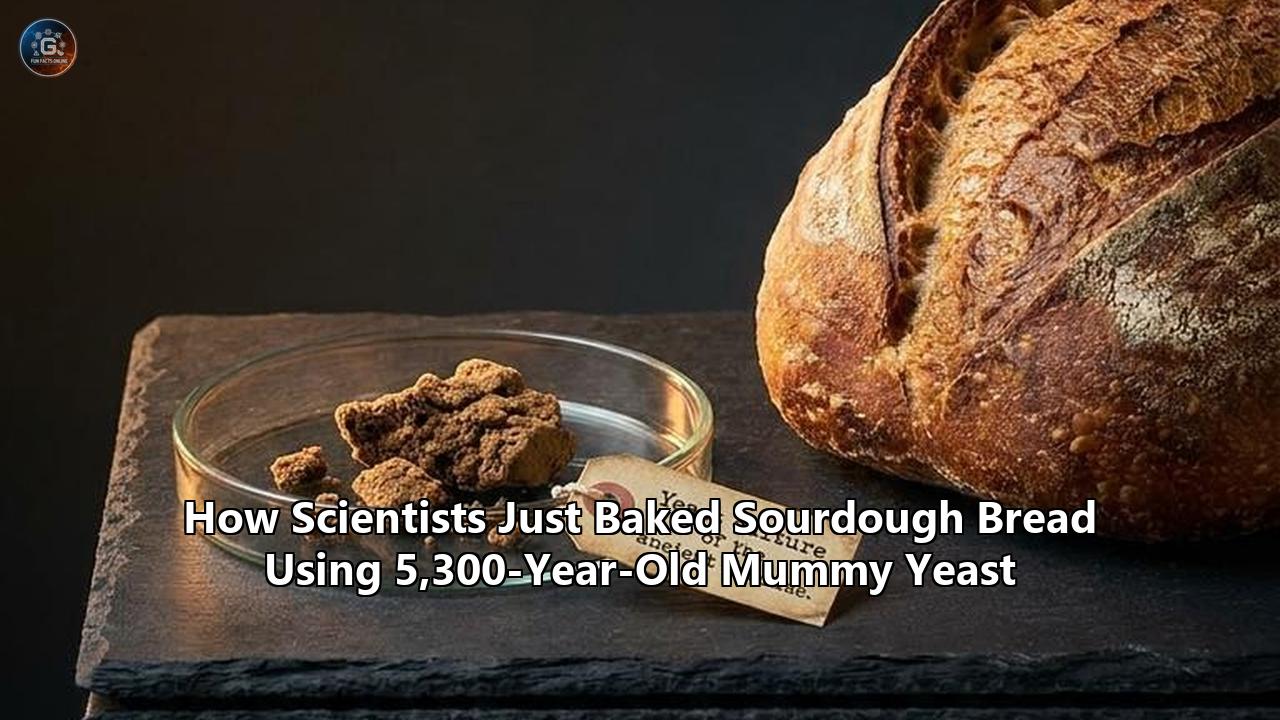
Yet, in a scientific development published on June 3, 2026, in the journal Microbiome, researchers revealed that this icy tomb is far from biologically inert. Not only is the Iceman’s body home to a thriving community of cold-adapted microorganisms, but scientists have successfully isolated, cultured, and revived living yeast strains from his remains—and used them to bake a remarkably successful loaf of sourdough bread.
"It worked," study first author Mohamed Sarhan, a microbiologist at the Eurac Research Institute for Mummy Studies in Italy, reported. "As a dough, it was very very good."
This achievement marks a major milestone in the field of culinary paleobiology, demonstrating that the microscopic builders of our ancient food systems can survive for millennia under the right conditions.
By successfully leavening bread using ancient mummy yeast harvested directly from a 5,000-year-old human body, the research team has opened up a window into prehistoric biology. It challenges long-held assumptions about preservation, reveals the surprising genetic adaptability of microscopic fungi, and introduces a completely new family of wild leavening agents to modern food science.
The Iceman’s Last Meal and His Unexpected Biological Afterlife
To understand how a team of molecular biologists ended up baking bread from a glacial mummy, one must first understand who Ötzi was and how his body became a highly specialized reservoir for biological preservation.
In September 1991, two German hikers walking through the Ötztal Alps near the Austrian-Italian border stumbled upon a human corpse protruding from a melting glacier. Initially believed to be a modern mountaineer who had met a tragic end, subsequent excavations revealed that the body was actually a incredibly well-preserved natural mummy from the Chalcolithic, or Copper Age, dating back to approximately 3300 BC.
Unlike Egyptian mummies, which were artificially desiccated, had their internal organs removed, and were treated with various resins and oils, Ötzi was frozen intact shortly after his death. He was killed by an arrow to his left shoulder, which ruptured a major artery, causing him to bleed out in a high-altitude depression.
Almost immediately, his body was covered by snow and subsequently encased in glacial ice. This natural deep-freeze preserved not only his bones and skin, but his internal organs, clothing, hunting gear, and—crucially—the complete ecosystem of microbes living inside and on him at the moment of his death.
+-------------------------------------------------------------+
|              ÖTZI THE ICEMAN: CHRONOLOGY                    |
+-------------------------------------------------------------+
| ~3300 BC:   Ötzi dies from an arrow wound in the Alps       |
| 1991 AD:    Mummy discovered by hikers in melting glacier   |
| 2010 AD:    Systematic baseline microbiotic samples taken   |
| 2019 AD:    Follow-up swabs reveal changing microbial shift |
| 2026 AD:    "Microbiome" study publishes sourdough success  |
+-------------------------------------------------------------+
Over the years, autopsies of the Iceman’s gastrointestinal tract have painted an incredibly vivid picture of his final hours. His stomach contents revealed that his last meal was a heavy, calorie-dense feast consisting of:
- Ibex (wild goat) and red deer meat
- Animal fat (tallow)
- Sloes (wild plums)
- Grains of einkorn, an ancient variety of wheat
This einkorn was found in a highly processed, finely ground state, which strongly suggests that Ötzi had consumed some form of early unleavened herb bread or dry wheat cakes shortly before he was attacked.
Because wild yeasts naturally cling to the husks of cereal grains, the very raw materials of prehistoric bread-making were present inside Ötzi’s digestive system when the ice sealed him away. For 5,300 years, those microscopic organisms slept in a state of suspended animation, preserved by the sub-zero temperatures of the Alpine ice sheets.
The Microbiome on Ice: How Researchers Cultured Living History
The discovery that Ötzi’s body was teeming with active yeasts was the result of a highly systematic, multi-year investigation led by scientists at Eurac Research.
The primary goal of the study, according to Frank Maixner, head of the Eurac Institute for Mummy Studies, was not to find baking ingredients, but to map the progression of the mummy's microbiome over time. Researchers wanted to understand if the microbes on and within the body were truly static, or if they were changing under modern museum preservation conditions.
To conduct their analysis without compromising the physical integrity of Europe’s oldest natural human mummy, the team developed a sterile, highly precise sampling protocol. They extracted:
- Skin Swabs: Collected from 12 distinct anatomical sites across the Iceman's body.
- Meltwater: Samples of the brownish condensation water that pools inside the mummy’s protective glass chamber during routine preservation procedures.
- Deep Tissue and Stomach Samples: Minor, previously extracted biopsies from the mucosal lining of the stomach and intestinal tract.
- Control Samples: Ice blocks taken from the glacier’s surface and soil samples collected from the original 1991 discovery site.
Once these samples were secured, they were subjected to a dual analytical pipeline. One path utilized shotgun metagenomic sequencing to catalog the total genetic profile of every microbe present. The second, more ambitious path attempted to culture living organisms directly from the ancient material.
                     [ STERILE SAMPLING ]
       _______________________|_______________________
      |                       |                       |
 [Skin Swabs]           [Meltwater]            [Gut Biopsies]
      |                       |                       |
      +-----------------------+-----------------------+
                              |
                     [DUAL-PATH ANALYSIS]
               _______________|_______________
              |                               |
     [Metagenomic Sequencing]       [Direct Lab Culturing]
              |                               |
       (DNA Degradation Map)          (Reviving Dormant Cells)
To the shock of the microbiological community, when the samples were placed into nutrient-rich petri dishes at low temperatures, colonies of fungi began to grow.
"We actually grew the yeasts in the laboratory," Sarhan recalled. "We cultured living colonies from samples taken from Ötzi's body. You cannot argue with a growing colony."
The team succeeded in cultivating four distinct groups of yeast. While some were harvested from the surface of his skin, one active colony was successfully grown from a sample taken deep within the Iceman's stomach cavity.
The Genetics of Living Fossils: Distinguishing Ancient DNA from Modern Dust
Whenever scientists claim to have resurrected an organism from antiquity, the scientific community greets the news with a heavy dose of skepticism. The primary concern is always contamination.
Is the yeast truly a 5,300-year-old survivor, or is it simply a modern sourdough spore that drifted into the lab from a researcher’s morning sandwich?
To prove the authenticity of their discovery, the Eurac team relied on the distinct, predictable ways that DNA degrades over vast stretches of time. When an organism dies, its genomic DNA stops replicating and begins to break down into progressively smaller fragments through a process called hydrolysis.
Additionally, a chemical process known as deamination occurs, wherein the nucleotide base cytosine slowly loses an amine group and transforms into uracil. In genetic sequencing, this shows up as a characteristic "C-to-T" (cytosine to thymine) transition at the ends of the DNA fragments.
       [ FRESH DNA ]  =======>  Long, unbroken genomic sequences

       [ ANCIENT DNA ] =======>  Short, fragmented segments with
                                 C-to-T mutations at the terminals
When the researchers sequenced the genomes of the yeast colonies, they discovered a fascinating genomic signature. The samples did not consist of pristine, uniform modern genomes. instead, they exhibited a distinct mixture of damaged, ancient DNA alongside well-preserved, freshly replicated DNA.
The presence of highly damaged, fragmented, and deaminated DNA in the sequencing reads served as a molecular timestamp, proving that these yeasts were directly descended from ancient progenitors that had colonized the body shortly after Ötzi’s death in 3300 BC.
Furthermore, the genomic comparison between yeast samples taken from the mummy in 2010 and those taken in 2019 revealed a profound evolutionary shift. The yeast genomes from 2019 displayed longer average fragment lengths and lower rates of deamination damage than the genomes from 2010.
This genomic development offered undeniable proof of ongoing biological activity: the yeast was not simply sitting dead in the freezer; it was actively dividing, replicating its DNA, and slowly replacing damaged, ancient genetic templates with fresh, healthy ones—all while stored at sub-zero temperatures.
Meet Glaciozyma: The Cold-Loving Extremophiles Redefining Active Biology
Among the four yeast species successfully cultured from the Iceman, one particular genus stood out: ---Glaciozyma---.
Unlike Saccharomyces cerevisiae—the standard baker's yeast found in grocery store packets—Glaciozyma is a genus of highly specialized psychrophilic (cold-loving) yeast. Prior to this study, species within this genus were primarily known to inhabit the earth's most extreme cryospheric environments, including the deep ice sheets of Antarctica, Alpine glaciers, and Siberian permafrost.
+------------------------------------+------------------------------------+
|       SACCHAROMYCES CEREVISIAE     |            GLACIOZYMA SPP.         |
|         (Standard Baker's Yeast)   |         (Glacial/Psychrophilic)    |
+------------------------------------+------------------------------------+
| • Optimal Temp: 30°C to 35°C       | • Optimal Temp: 4°C to 15°C        |
| • Dormant/Frozen in Sub-Zero Temps | • Metabolically Active down to -10°C|
| • High Carbon Dioxide Gas Output   | • Low, Steady Gas Production       |
| • Fast-Acting (hours)              | • Slow-Acting (days to weeks)      |
| • Bioengineered/Industrialized     | • Wild, Environmentally Sourced    |
+------------------------------------+------------------------------------+
Psychrophilic organisms have evolved a complex suite of biophysical adaptations that allow them to survive and maintain metabolic activity in conditions that would freeze a normal cell solid:
1. Membrane Fluidity Regulation
At sub-zero temperatures, the lipid bilayers that make up cell membranes typically lose their flexibility, turning rigid and brittle like cold butter. This halts the transport of nutrients into the cell and waste products out of it.
Glaciozyma prevents this by synthesizing high concentrations of polyunsaturated fatty acids (PUFAs). These fatty acids contain double bonds that introduce "kinks" into the hydrocarbon chains, preventing them from packing tightly together and keeping the cell membrane fluid and functional even at minus 10 degrees Celsius.2. Antifreeze Proteins (AFPs)
When water freezes inside or around a cell, the sharp, jagged edges of growing ice crystals can easily puncture cell walls and destroy internal organelles.
Psychrophilic yeasts secrete specialized ice-binding proteins, commonly known as antifreeze proteins. These proteins bind directly to the surface of microscopic ice crystals, halting their growth and preventing them from recrystallizing into lethal, large-scale structures.
3. Cold-Active Enzymes
Most enzymes lose their catalytic efficiency as temperatures drop, as the thermal energy required to drive chemical reactions decreases.
Glaciozyma enzymes have highly flexible, open active sites that require very little activation energy to bind with substrates, allowing cellular metabolism, respiration, and fermentation to continue in freezing environments.By examining the changes in Ötzi’s microbiome over time, the researchers discovered that Glaciozyma had undergone a massive population explosion. In samples collected from the Iceman’s skin in 2010, Glaciozyma made up roughly 85 percent of the total yeast community. By 2019, that number had surged to a staggering 98 percent.
Despite being kept in a dark, frozen museum vault, this alpine specialist had slowly but surely outcompeted every other fungal strain on the mummy's body, establishing itself as the undisputed ruler of the Iceman's external microbiome.
The Phenol Paradox: How Preservation Measures Fed the Mummy’s Microbes
The rapid growth of yeast on a 5,300-year-old body kept in a world-class conservation museum might seem like an alarming failure of bio-security. Indeed, when mummies are recovered from glacial or dry environments, conservators go to extreme lengths to prevent fungal and bacterial growth, which can secrete acids, break down collagen, and digest organic remains.
To prevent this biodegradation, the conservators of the South Tyrol Museum of Archaeology treated Ötzi's skin surface with a phenol-containing solution after his recovery in 1991. Phenol (carbolic acid) is a powerful antiseptic and antimicrobial agent that has been used in medical sterilization and tissue preservation since the Victorian era. It works by disrupting cell membranes and denaturing proteins, effectively killing most bacteria, fungi, and viruses on contact.
Yet, this chemical shield had an entirely unexpected, paradoxical effect.
[ MUSEUM CONSERVATION TEAM ]
     |
     v  (Sprays mummy with Phenol to kill mold)
[ ANCIENT YEAST STRIAN ]
     |
     v  (Possesses genes: Phenol Hydroxylase & Catechol Dioxygenase)
[ METABOLIC RESPONSE ]
     |
     +===> Breaks down Phenol into harmless Carbon & Energy
     +===> Outcompetes other microbes
     +===> Proliferates across the mummy's skin
When the Eurac team analyzed the genomes of the four revived yeast species, they made a shocking discovery: three of the four species possessed a specialized array of genes designed to break down and metabolize phenol. Specifically, their genomes contained functional pathways for two key enzymes:
- Phenol hydroxylase: An enzyme that catalyzes the conversion of toxic phenol into catechol by introducing a hydroxyl group to the aromatic ring.
- Catechol dioxygenase: An enzyme that subsequently cleaves the aromatic ring of catechol, converting it into intermediates that can enter the citric acid cycle (TCA cycle) to generate cellular energy (ATP).
In trying to sterilize the mummy, the museum had unknowingly created a highly selective evolutionary pressure cooker.
While the phenol successfully wiped out standard modern environmental contaminants, it provided a literal feast for the cold-adapted ancient mummy yeast strains. Armed with the genetic machinery to convert a toxic disinfectant into a food source, these psychrophilic yeasts slowly metabolized the preservative, driving their dramatic proliferation across the surface of the mummy's skin between 2010 and 2019.
Furthermore, the museum’s practice of regularly spraying the mummy with UV-treated water to prevent moisture loss inadvertently introduced trace nutrients and moisture, fuel that these phenol-eating, cold-loving yeasts gladly utilized to sustain their slow-motion life cycles.
Baking with the Past: The Mechanics of Cold-Adapted Sourdough Fermentation
Once the Eurac Research microbiologists successfully isolated and grew stable, living colonies of Glaciozyma and other yeast strains from Ötzi's stomach and skin, they faced a unique opportunity. While the scientific value of mapping these genomes was immense, there remained an intriguing culinary question: could these cold-adapted organisms actually perform the complex chemical work of leavening a modern loaf of bread?
To find out, Mohamed Sarhan and his team set up a sterile, experimental kitchen-laboratory. They decided to cultivate the revived yeasts into a traditional sourdough starter.
+--------------------------------------------------------------+
|            THE CHEMISTRY OF SOURDOUGH FERMENTATION           |
+--------------------------------------------------------------+
|                      [ FLOUR + WATER ]                       |
|                             |                                |
|          (Amylase enzymes break down starch to maltose)       |
|                             |                                |
|                       [ MALTOSE ]                            |
|                        ____/ \____                           |
|                       /           \                          |
|             (Yeast)  /             \  (Lactobacillus)        |
|                     v               v                        |
|             [ CO2 + Ethanol ]      [ Lactic/Acetic Acid ]    |
|                     |               |                        |
|             ( Dough Rises )        ( Sour Taste & Gluten )   |
+--------------------------------------------------------------+
Fermentation is, at its heart, a metabolic partnership between yeast and lactic acid bacteria (LAB). When flour and water are mixed, naturally occurring enzymes called amylases begin breaking down complex starches into simple sugars, primarily maltose.
In a standard sourdough starter, wild yeasts consume these sugars and produce carbon dioxide gas ($CO_2$) and ethanol as waste products. The $CO_2$ gas gets trapped within the elastic network of gluten proteins in the dough, creating tiny bubbles that cause the bread to rise.
Simultaneously, lactic acid bacteria ferment the sugars into lactic and acetic acids, lowering the pH of the dough and giving sourdough its characteristic tangy flavor and improved structural crumb.
Baking with the ancient mummy yeast isolated from Ötzi, however, presented several unique challenges that required modifying the traditional baking process:
1. Temperature Calibration
Standard sourdough starters thrive at a comfortable room temperature of 21°C to 25°C (70°F to 77°F). At these temperatures, normal wild yeasts work relatively quickly, leavening a loaf in 4 to 12 hours.
Because the yeast recovered from Ötzi is psychrophilic, it has evolved to work in cold environments. If the dough is kept too warm, the delicate, cold-active enzymes inside the yeast can easily become denatured, killing the organism.
To accommodate this, the researchers had to conduct the fermentation process at a much lower temperature, placing the dough in a refrigerated chamber at roughly 4°C to 8°C (39°F to 46°F).
2. Extended Fermentation Times (Cold Retardation)
Because enzymatic reactions occur much slower at low temperatures, the fermentation process required patience.
While a standard modern baker's yeast can double a dough's volume in an hour, the cold-adapted yeast took several days to slowly produce enough carbon dioxide to raise the dense dough. This ultra-slow fermentation had a massive, positive impact on the bread’s development.
A longer, cold fermentation allows for a far more comprehensive breakdown of starches into flavorful simple sugars and organic acids. It also gives the gluten network ample time to relax and hydrate, resulting in a incredibly complex, nuanced flavor profile that cannot be replicated in fast, high-temperature fermentations.
3. Grain Selection
To ensure historical accuracy, the researchers did not use highly processed, bleached white flour, which is a modern invention.
Instead, they sourced organic, stone-ground einkorn wheat (Triticum monococcum)—the exact same ancient grain found in the Iceman’s stomach. Einkorn is genetically simpler than modern bread wheat, containing only 14 chromosomes compared to the 42 chromosomes found in modern hybridized wheat.
It is incredibly rich in proteins, carotenoids (which give the flour a yellowish hue), and essential minerals, but it possesses a very fragile, delicate gluten structure.
   [ MODERN COMMON WHEAT ]      ======> Hexaploid (42 chromosomes)
                                        Strong, highly elastic gluten
                                        Neutral flavor profile

   [ COPPER AGE EINKORN WHEAT ] ======> Diploid (14 chromosomes)
                                        Fragile, highly soluble gluten
                                        Nutty, rich, carotenoid-dense
Despite the weak gluten structure of the einkorn and the low-temperature environment, the revived yeast performed its duties beautifully. The gas production, though slow, was incredibly steady.
When the dough was finally baked, it produced a well-leavened, golden-brown sourdough loaf with a remarkably airy crumb structure. The resulting bread was noted for having a rich, deeply complex aroma with distinct, sweet overtones—a sensory profile completely different from standard modern sourdough.
Culinary Paleobiology: From Ancient Egyptian Pots to Alpine Glaciers
While the resurrection of Ötzi’s yeast is a spectacular scientific feat, it is part of a growing, highly innovative movement known as culinary paleobiology. Over the last decade, a handful of daring scientists, historians, and gastro-archaeologists have begun looking to ancient artifacts to recover and revive the microscopic engines of human civilization.
The most prominent precursor to the Ötzi experiment occurred in 2019, when Seamus Blackley, an amateur Egyptologist and the lead designer of the original Xbox console, embarked on a mission to bake authentic ancient Egyptian bread.
+---------------------------------------------------------------------------------+
|                         CULINARY PALEOBIOLOGY TIMELINE                          |
+---------------------------------------------------------------------------------+
| 2019: Seamus Blackley extracts 4,500-year-old yeast from Egyptian pottery     |
|       using "microbiological fracking" with nutrient-rich syringes.             |
+---------------------------------------------------------------------------------+
| 2019: Israeli scientists extract 5,000-year-old yeast from ancient Philistine, |
|       Canaanite, and Judean beer vessels to successfully brew ancient ale.      |
+---------------------------------------------------------------------------------+
| 2026: Eurac Research team isolates 5,300-year-old yeast from Ötzi the Iceman    |
|       to bake sourdough bread using cold-adapted psychrophilic strains.         |
+---------------------------------------------------------------------------------+
Working with University of Queensland archaeologist Serena Love and University of Iowa microbiologist Richard Bowman, Blackley secured access to 4,500-year-old Old Kingdom baking and brewing vessels stored in the basements of Boston's Museum of Fine Arts and Harvard University's Peabody Museum.
Rather than scraping the surface of the pots—which would have yielded only modern dust and contaminants—the team developed a highly non-invasive extraction method that Blackley described as "microbiological fracking."
They placed sterile cotton pads in contact with the porous, unglazed clay of the ancient vessels and carefully injected a sterile nutrient solution into the ceramic pores using a syringe. The solution reawakened the dormant yeast spores that had been trapped inside the clay for 45 centuries, allowing them to be vacuumed back out into sterile containers.
Blackley fed this recovered ancient mummy yeast starter with freshly ground emmer and einkorn flour, eventually baking a loaf of bread that was praised for its light, airy texture and an aroma that was "much sweeter and more rich than the sourdough we are used to."
At around the same time, a team of microbiologists and archaeologists in Israel successfully isolated 5,000-year-old yeast strains from the microscopic pores of ancient ceramic jugs found at archaeological sites across the country, including those from Philistine, Canaanite, and Judean settlements. They used these ancient organisms to brew beer, demonstrating that the yeast was not only viable but capable of producing a complex, drinkable beverage with a completely unique flavor profile.
Despite these earlier triumphs, the 2026 Ötzi the Iceman study represents a significant departure from these ceramic-based experiments in several key ways:
1. Organic vs. Inorganic Reservoirs
While the Egyptian and Israeli yeasts were recovered from dry, inorganic clay pores, Ötzi’s yeast was harvested from a mummified human host.
This means researchers were able to capture yeast strains that were actively interacting with a living human body and its immediate environment, rather than organisms that had simply settled on a physical utensil.
2. Thermal Environment
The Egyptian mummies and pottery came from hot, hyper-arid desert environments. The yeasts recovered from those artifacts had survived via anhydrobiosis—a state of extreme desiccation where the organism dries out completely, halting its metabolism until moisture is reintroduced.
Ötzi’s yeast, on the other hand, survived via psychrobiosis. Encased in glacial ice, these organisms did not merely dry out; they adapted to survive, divide, and slowly evolve at temperatures below the freezing point of water.
3. Absolute Biological Continuity
Because the Egyptian pottery yeasts had to be revived from a completely dry state, there was always a risk that the revived cultures were modern organisms that had infiltrated the vessels over the centuries.
With Ötzi, the genomic evidence of ongoing, slow-motion replication of Glaciozyma inside a closed, frozen environment provides an unprecedented record of biological continuity. The yeast didn't just sleep for 5,300 years; it lived, albeit very, very slowly.
The Ethics and Philosophy of Resurrecting Ancient Microbes
The ability to extract, revive, and consume microorganisms that lived thousands of years ago is a testament to the power of modern science, but it also raises profound ethical, philosophical, and biosecurity questions.
When dealing with ancient mummies, the line between scientific discovery, historical education, and sensationalism can often become blurred.
                  [ ANCIENT PATHOGEN RISK ASSESSMENT ]
                                  |
         _________________________|_________________________
        |                                                   |
   [BENEFICIAL/BENIGN]                                  [PATHOGENIC]
  (Sourdough Yeast, Gut Flora)                     (Viruses, Toxins)
        |                                                   |
 • Safe to study/culture                             • High-containment research
 • Industrial applications                           • Strictly regulated
 • Direct culinary use                               • No environmental release
The Biosecurity Question: Resurrecting Pathogens
The primary concern associated with resurrecting ancient biological material is the potential to inadvertently reintroduce extinct or highly dangerous pathogens to the modern world.
Glaciers and permafrost are incredibly efficient biological archives, preserving not only harmless wild yeasts but ancient viruses, bacteria, and parasites.
For example, past studies on Ötzi’s stomach revealed that he carried Helicobacter pylori, a bacterium that causes stomach ulcers and gastritis, as well as the eggs of Trichuris trichiura (whipworm), an unpleasant intestinal parasite.
If scientists were to carelessly culture samples from melting glaciers or ancient remains, there is a non-zero risk of reviving a pathogenic virus or antibiotic-resistant bacterium to which modern human populations have no natural immunity.
To mitigate this risk, the researchers at Eurac Research operate under incredibly strict biosafety protocols. Every sample harvested from the Iceman is thoroughly screened using high-throughput metagenomic sequencing before any cultivation is attempted.
This genetic pre-screening allows scientists to map the entire taxonomic makeup of the sample, ensuring that no known pathogenic sequences or toxin-producing genes are present before they provide the microbes with the warm, nutrient-rich environments required to multiply.
The Preservation Dilemma
From a museum conservation standpoint, the discovery that Ötzi’s microbiome is active and changing is a double-edged sword.
On one hand, it is a scientific wonder. On the other hand, it represents a potential threat to the preservation of Europe's most famous mummy.
If psychrophilic yeasts like Glaciozyma are actively growing and metabolizing on the Iceman’s skin, could they eventually begin digesting the mummy itself?
Fortunately, the Eurac researchers have noted that despite decades of slow fungal growth, Ötzi does not show any visible signs of structural decay or biological degradation.
However, the fact that these yeasts have evolved to eat the very phenol compounds used to keep them at bay means that conservators will need to completely redesign their preservation strategies. The discovery forces a paradigm shift: a mummy can no longer be viewed as a static, inorganic museum exhibit, but must instead be managed as a highly complex, dynamic biological system.
                     [ THE CONSERVATION DILEMMA ]
                                  |
         _________________________|_________________________
        |                                                   |
   [THE MUSEUM'S GOAL]                                 [THE YEAST'S RESPONSE]
 Keep the mummy static, dry,                       Metabolizes the phenol, thrives
 and completely sterile.                           in the high-humidity, sub-zero vault.
The Humanity of Food: Sharing a Meal Across Millennia
On a more philosophical level, baking bread with ancient mummy yeast provides a profoundly human connection to our ancestors. Food is one of the most powerful cultural touchstones we have, linking generations through shared recipes, ingredients, and rituals.
For modern humans, the Copper Age is an abstract concept defined by stone tools, copper axes, and dusty museum displays. But bread is something we understand intimately.
By reviving the literal yeast strains that floated through the cold Alpine valleys where Ötzi lived, and using them to ferment the same ancient einkorn grains that he ate, we are able to share a sensory experience with a human being who lived before the construction of the Great Pyramid of Giza. It is a form of experimental archaeology that goes beyond physical replicas, allowing us to taste, smell, and digest the past.
As Seamus Blackley beautifully expressed during his Egyptian bread experiment: "It's such a magical thing, to think we can share food in a rather genuine way with our distant ancestors."
Industrial Horizons: The Commercial Future of Glacial Yeast
While the scientific and historical significance of the Ötzi yeast project is clear, the practical, commercial implications of this study are equally disruptive. The unique biophysical characteristics of cold-adapted psychrophilic yeasts have caught the attention of the global fermentation, baking, and brewing industries.
  [ INDUSTRY ]             [ COLD-ADAPTED YEAST BENEFIT ]

  Baking                   Slow, flavor-dense cold fermentation;
                           complex sourdough organic acid profiles.

  Brewing/Beverages        Energy-efficient lager fermentation;
                           completely unique ester/flavor notes.

  Biotechnology/           Low-temperature enzyme synthesis;
  Pharmaceuticals          bioremediation of toxic compounds.
1. Energy-Efficient Industrial Fermentation
In modern industrial biotechnology, maintaining optimal temperatures for microbial fermentation is a massive, energy-intensive challenge. Most industrial yeasts (Saccharomyces) require warm, controlled temperatures (between 30°C and 35°C) to operate efficiently.
In large-scale industrial bioreactors, the metabolic activity of billions of multiplying yeast cells generates significant amounts of heat. To prevent the yeast from overheating and dying, factories must run massive cooling systems constantly, consuming vast amounts of electricity.
By introducing cold-adapted yeasts like Glaciozyma to industrial fermentation, biotechnology companies could run bioreactors at ambient or even refrigerated temperatures, drastically reducing the carbon footprint and energy costs of industrial enzyme, ethanol, and biofuel production.
2. High-Altitude and Cold-Climate Agriculture
In many northern regions and high-altitude areas, standard bread-making and beer-brewing are physically challenging due to low ambient temperatures, which halt standard fermentation.
Commercial bakeries in cold climates must spend considerable energy heating their facilities to keep their dough rising.
The cultivation of psychrophilic ancient mummy yeast strains could lead to the development of specialized commercial sourdough starters designed specifically for cold-climate bakeries, allowing bread to rise naturally in unheated or outdoor environments.
3. Novel Brewing Dynamics
In the brewing industry, the temperature at which fermentation occurs has a massive impact on the flavor profile of the final product.
Lager beers, for instance, are fermented at lower temperatures (typically 7°C to 13°C) using cold-tolerant Saccharomyces pastorianus yeasts, resulting in a clean, crisp, and bright flavor profile.
By utilizing true psychrophilic yeasts like those isolated from the Iceman, craft breweries could ferment beers at even lower temperatures, producing entirely new categories of beer with unique, cold-synthesized esters, complex aromas, and flavor compounds that have never been tasted in modern brewing.
4. Bioremediation of Toxic Waste
Perhaps the most unexpected commercial application of Ötzi’s yeast lies in its ability to degrade phenol. Phenol and its chemical derivatives are widespread industrial pollutants, commonly found in the wastewater of coal conversion plants, petroleum refineries, and pharmaceutical factories. Phenol is highly toxic to aquatic life and can easily contaminate drinking water supplies.
Because three of the yeast species isolated from the Iceman have evolved to possess highly efficient, cold-active phenol-degrading enzymes, they could be deployed in environmental cleanup efforts.
In cold regions where standard microbial bioremediation is impossible due to freezing temperatures, these psychrophilic, phenol-eating yeasts could be introduced to polluted lakes, rivers, or soils to safely and naturally break down industrial toxins.
What Lies Ahead for the Iceman’s Unseen Companions
The publication of the June 2026 Microbiome study is not the end of the story, but rather the beginning of an entirely new chapter in our relationship with the past.
As genetic sequencing technologies continue to advance, scientists are realizing that archaeological artifacts and natural mummies are not static relics of stone and bone, but are instead dynamic, living micro-environments that hold the key to understanding how Earth's microbial ecosystems have evolved.
                     [ THE FUTURE OF PALEOBIOLOGY ]
                                  |
         _________________________|_________________________
        |                                                   |
   [PRESERVATION]                                    [DISCOVERY]
 Developing new, non-chemical                       Searching for dormant microbes
 sterile preservation techniques                    in permafrost mummies globally.
 for fragile artifacts.
In the coming years, researchers at Eurac Research plan to expand their search. Mohamed Sarhan and his colleagues strongly suspect that Ötzi is not an isolated case.
"We strongly suspect Ötzi is not unique – he is simply the best studied," Sarhan explained. "The conditions that preserved him – cold and low oxygen – are not exclusive to the Alps. Permafrost mummies from Siberia, Alaska, and the Arctic, as well as remains recovered from peat bogs and high-altitude glaciers in South America, share many of the same preservation characteristics."
By studying the microbiomes of these diverse, geographically separated mummies, scientists hope to compile a comprehensive, global directory of ancient, non-industrialized human microbes.
This genetic database could help us reconstruct the historical evolution of the human digestive system, showing how the transition from hunter-gatherer diets to industrialized agricultural food systems has altered our internal ecosystems.
At the same time, museum conservators are working to develop next-generation preservation technologies that can safeguard these delicate remains without triggering unwanted microbial growth.
Whether through the use of low-oxygen nitrogen chambers, advanced ultraviolet sterilization systems, or completely sterile, dry-cold vaults, the goal is to find a delicate balance: preserving the physical mummy for future generations while respecting and safely managing the microscopic survivors that have accompanied them on their long journey through the millennia.
For now, the successful baking of a 5,300-year-old sourdough loaf stands as a stunning testament to the sheer resilience of life. It is a reminder that even in the coldest, darkest, and most sterile environments, the microscopic building blocks of human culture find a way to endure, adapt, and—ultimately—rise again.
Reference:
- https://www.discovermagazine.com/unexpected-microbes-on-tzi-the-iceman-s-5-300-year-old-body-may-have-fed-on-chemicals-used-to-preserve-him-49190
- https://biz.chosun.com/en/en-science/2026/06/03/GJTIICPSNJB23H7MQX2IRPZBUA/
- https://www.livescience.com/archaeology/it-was-very-very-good-otzi-the-icemans-body-is-covered-in-ancient-yeast-and-scientists-just-used-it-to-make-a-sourdough
- https://www.iflscience.com/5300-year-old-microbes-from-otzi-the-iceman-are-still-showing-signs-of-life-and-growing-in-a-lab-83701
- https://gizmodo.com/otzi-the-icemans-microbes-still-show-signs-of-life-after-5300-years-2000766458
- https://www.malaymail.com/news/life/2026/06/03/proof-of-life-5300-year-old-icemans-gut-yeast-bakes-surprise-sourdough/222334
- https://www.smithsonianmag.com/smart-news/bread-was-made-using-4500-year-old-egyptian-yeast-180972842/
- https://www.anthropology.net/p/otzis-inner-ecosystem-what-5300-years
- https://www.alpenwild.com/staticpage/otzi-the-iceman/
- https://www.sciencealert.com/scientists-find-signs-of-active-life-in-tzi-the-iceman
- https://en.wikipedia.org/wiki/%C3%96tzi
- https://www.qsl.net/w2wdx/aquaria/diyco2.html
- https://biokeanos.com/source/Pfam
- https://allthatsinteresting.com/ancient-egypt-bread
- https://matadornetwork.com/read/bread-yeast-ancient-egypt-pots/
- https://www.straitstimes.com/world/europe/us-nato-allies-to-launch-scaled-back-baltic-sea-drills