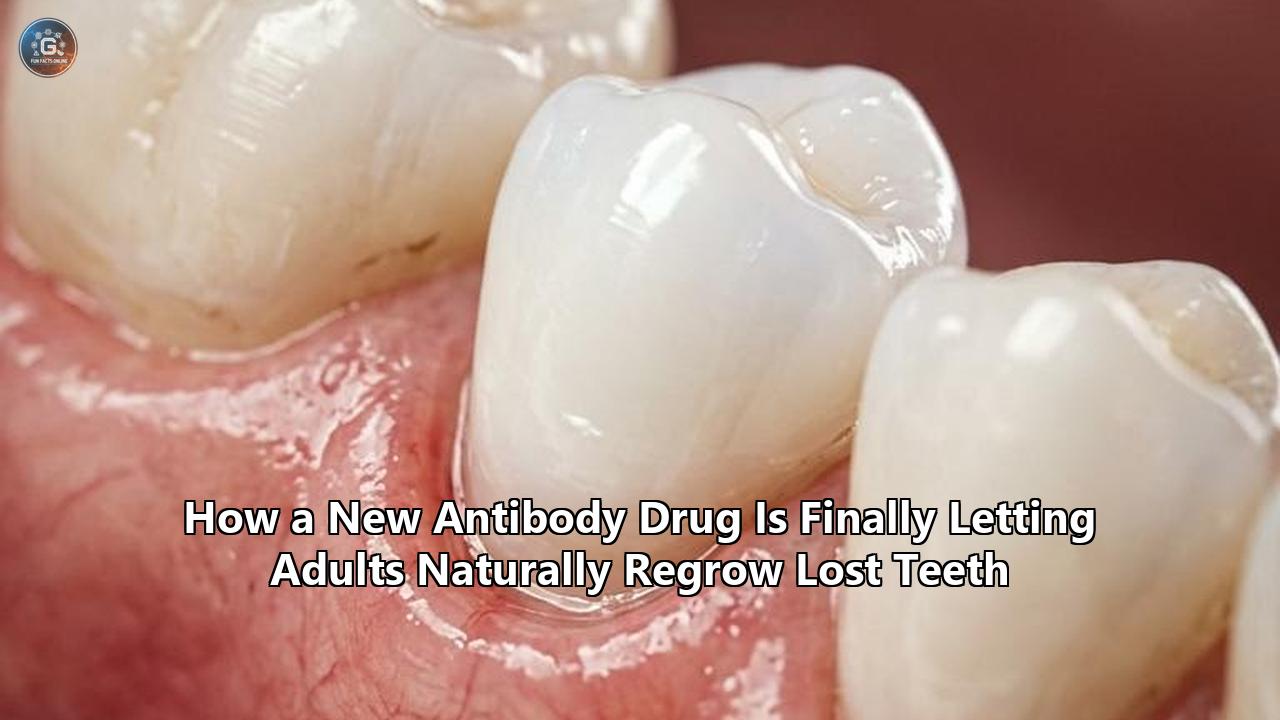
Following the successful completion of Phase 1 human safety trials involving 30 adult subjects at Kyoto University Hospital, biopharmaceutical developer Toregem BioPharma has secured $5.3 million in Pre-Series C funding to advance the world’s first anti-USAG-1 monoclonal antibody into Phase 2 clinical efficacy testing. The financing brings total development capital past $29 million—including competitive grant allocations from the Japan Agency for Medical Research and Development (AMED)—propelling the candidate molecule, designated TRG035, toward an anticipated commercial launch window of 2030.
The clinical advancement targets an unaddressed global health burden. Data compiled by the World Health Organization indicates that oral diseases affect approximately 3.5 billion people worldwide, with severe tooth loss and edentulism impacting an estimated 7% of the global adult population aged 20 and older. In the United States alone, epidemiological surveys from the Centers for Disease Control and Prevention (CDC) reveal that 26% of adults aged 65 and older have eight or fewer teeth, while roughly 36 million Americans are entirely edentulous.
Concurrently, congenital tooth agenesis affects between 0.1% and 10% of the population depending on severity: hypodontia (the absence of 1 to 5 teeth) occurs in roughly 3% to 8% of individuals, while severe oligodontia (the congenital absence of 6 or more permanent teeth) affects approximately 0.1% of children.
+-----------------------------------------------------------------------------------------+
|                  CLINICAL DEVELOPMENT SNAPSHOT: TRG035 (ANTI-USAG-1)                   |
+--------------------------+--------------------------------------------------------------+
| Investigational Molecule | TRG035 (Humanized Monoclonal IgG1 Antibody)                  |
| Primary Molecular Target | USAG-1 (Uterine Sensitization-Associated Gene-1 / SOSTDC1)  |
| Primary Signaling Axes   | Bone Morphogenetic Protein (BMP) & Wnt/beta-catenin Pathways |
| Originating Laboratory   | Dr. Katsu Takahashi, Kitano Hospital / Kyoto University      |
| Commercial Sponsor       | Toregem BioPharma Co., Ltd. (Kyoto, Japan)                   |
| Cumulative Capital Raised| >$29.0 Million (including AMED translational grants)         |
| Phase 1 Trial Parameter  | 30 healthy adult males (aged 30-64), completed safely        |
| Phase 2 Target Cohort    | Pediatric oligodontia (ages 2-7; missing >=6 teeth)          |
| Regulatory Status        | Orphan Medicinal Product (MHLW Japan, Nov 2025)             |
| Target Commercialization | 2030                                                         |
+--------------------------+--------------------------------------------------------------+
For over six decades, restorative dentistry has relied exclusively on mechanical replacements: titanium endosteal implants, cobalt-chromium partial dentures, and polymethyl methacrylate full prosthetics. The global dental implant market, valued at $5.6 billion in 2025, is expanding toward $11.0 billion by 2033 at a compound annual growth rate (CAGR) of 9.0%.
However, titanium fixtures lack a periodontal ligament, demonstrate a 15% to 20% rate of peri-implantitis within 10 years, and require surgical alveolar ridge augmentation in over 40% of cases. TRG035 presents a biological alternative: stimulating the body's latent organogenic potential via a targeted tooth regrowth drug to regenerate functional, de novo dentition directly within the alveolar bone.
The Molecular Switch: USAG-1 and the Third Dentition
Mammalian odontogenesis is genetically hardwired to generate a specific number of dental sets. While continuous-replacement animals (polyphyodonts, such as sharks and reptiles) constantly shed and produce teeth, most mammals are diphyodont, developing exactly two sets: primary (deciduous) and permanent (succedaneous).
Developmental biological research conducted over the past three decades reveals that the human jaw retains dormant embryonic tissue remnants known as dental lamina rudiments. Under normal conditions, these latent tooth buds undergo apoptosis or remain permanently arrested, suppressing the emergence of a third dentition.
                ODONTOGENIC SIGNALING DYNAMICS

     A. HOMEOSCOPIC ARREST (STANDARD ADULT PHYSIOLOGY)

        +------------------------------------------------+
        |                USAG-1 / SOSTDC1                |
        +------------------------------------------------+
                  |                             |
       (Dual-Blockade Action)        (Dual-Blockade Action)
                  v                             v
     +-------------------------+   +-------------------------+
     |   BMP Signaling Axis    |   |   Wnt / beta-Catenin    |
     | (BMP-2 / BMP-4 / BMP-7) |   |    (LRP5/6 Receptor)    |
     +-------------------------+   +-------------------------+
                  |                             |
                  +--------------+--------------+
                                 |
                                 v
        [ Complete Arrest of Dormant Third-Dentition Buds ]


     B. THERAPEUTIC NEUTRALIZATION (TRG035 ADMINISTRATION)

        +------------------------------------------------+
        |             TRG035 Monoclonal mAb              |
        +------------------------------------------------+
                                 |
                                 v  (High-Affinity Epitope Binding)
        +------------------------------------------------+
        |         Neutralized / Blocked USAG-1           |
        +------------------------------------------------+
                                 |
                   (Uninhibited Signaling Cascade)
                                 |
                  +--------------+--------------+
                  |                             |
                  v                             v
     +-------------------------+   +-------------------------+
     |      Restored BMP       |   |      Activated Wnt      |
     |   Phosphorylation of    |   |     Nuclear Complex     |
     |       Smad1/5/8         |   |      Translocation      |
     +-------------------------+   +-------------------------+
                  |                             |
                  +--------------+--------------+
                                 |
                                 v
        [ Epithelial-Mesenchymal Interaction Resumed ]
                                 |
                                 v
         [ Enamel Knot Formation & Odontoblast Budding ]
                                 |
                                 v
           [ De Novo Eruption of Functional Tooth Organ ]
The key gatekeeper of this developmental arrest is the protein product of the SOSTDC1 gene, known as Uterine Sensitization-Associated Gene-1 (USAG-1). USAG-1 is a bifunctional antagonist that simultaneously suppresses two signaling pathways critical for organogenesis:
- Bone Morphogenetic Protein (BMP) Signaling: USAG-1 binds directly to BMP ligands (including BMP-2, BMP-4, and BMP-7), preventing them from engaging type I and type II serine/threonine kinase receptors on mesenchymal stem cells. This blockade prevents the downstream phosphorylation of Smad1/5/8 proteins, halting odontoblast differentiation.
- Wnt/$\beta$-Catenin Pathway: USAG-1 interacts competitively with the low-density lipoprotein receptor-related protein 5 and 6 (LRP5/6) coreceptors, preventing canonical Wnt ligands from stabilizing cytosolic $\beta$-catenin. Without $\beta$-catenin nuclear translocation, target genes responsible for tooth germ survival and proliferation fail to transcribe.
The team led by Dr. Katsu Takahashi, Head of Oral and Maxillofacial Surgery at the Medical Research Institute Kitano Hospital in Osaka, mapped the dual-inhibition mechanism across a 15-year preclinical research campaign. In wild-type mice, USAG-1 prevents supernumerary tooth formation.
However, in USAG-1-knockout mouse models, 100% of the animals reliably sprouted extra incisors and molars without demonstrating aberrant skeletal malformations or soft-tissue neoplasms. The target protein exhibits a 97% amino acid sequence homology across mice, ferrets, canines, and humans, establishing a robust molecular rationale for cross-species translational efficacy.
Preclinical Proof-of-Concept: Quantitative Animal Models
Translating genetic knockout data into a viable therapeutic required developing an antibody capable of precisely tuning the BMP signaling threshold without inducing systemic hyperostosis. Because global Wnt activation carries oncogenic risks (specifically colorectal and hepatocellular transformation), Dr. Takahashi’s laboratory screened dozens of monoclonal antibody clones to isolate antibodies that selectively disrupted the USAG-1/BMP binding interface while preserving baseline systemic Wnt homeostasis.
+--------------------------------------------------------------------------------------------------------+
|                          PRECLINICAL ODONTOGENIC REGENERATION DATA SUMMARY                             |
+------------------+---------------------+-----------------------+---------------------+-----------------+
| Study Model      | Target Condition    | Intervention Protocol | Regeneration Rate   | Safety Outcome  |
+------------------+---------------------+-----------------------+---------------------+-----------------+
| Runx2-/- Murine  | Congenital Agenesis | USAG-1 neutralizing   | 100% molar recovery | No ectopic bone |
| Model (n=45)     | (Arrested Buds)     | mAb (Single IV/IP)    | in target quadrants | or toxicity     |
+------------------+---------------------+-----------------------+---------------------+-----------------+
| Mustela putorius | Diphyodont Dental   | Anti-USAG-1 mAb       | 100% supernumerary  | Normal pulp,    |
| Ferret (n=18)    | Formula (Similar to | (3 mg/kg systemic)    | incisor eruption    | PDL, and enamel |
|                  | Human Dentition)    |                       | (7th incisor organ) | mineralization  |
+------------------+---------------------+-----------------------+---------------------+-----------------+
| Canine Model     | Partial Alveolar    | Submucosal/Systemic   | De novo premolar    | Integrated root |
| Beagle (n=12)    | Edentulism          | Delivery              | formation observed  | & alveolar bone |
+------------------+---------------------+-----------------------+---------------------+-----------------+
Murine Genetic Rescue Experiments
In mice homozygous for mutations in the transcription factor Runx2 (a classic model for human cleidocranial dysplasia, where tooth development halts at the early bud-to-cap transition), tooth formation is entirely arrested.
Administering a single dose of anti-USAG-1 neutralizing antibody at embryonic day 15 (E15) rescued 100% of the developmentally arrested molar buds. The rescued teeth developed complete crowns, bifurcated roots, vascularized dental pulp, and functional enamel with a microhardness rating matching wild-type control dentition (mean Vickers hardness value: 360 HV $\pm$ 15).
The Diphyodont Ferret Model
Mice are monophyodonts (possessing single-generation continuously growing incisors and non-replaceable molars), making them imperfect proxies for human odontogenesis. To validate the mechanism in a true diphyodont architecture, Dr. Takahashi’s group tested the neutralizing antibody in ferrets (Mustela putorius furo), whose dental patterning closely mirrors the deciduous-to-permanent progression in humans.
The results, published in Science Advances, demonstrated that a single systemic administration of the antibody induced the full development of a de novo third-generation tooth (a 7th incisor) in 100% of the treated ferrets. Quantitative micro-computed tomography ($\mu\text{CT}$) volumetric analysis confirmed that:
- The regenerated teeth erupted precisely inside the dental arch between existing incisors.
- Crown-to-root volume ratios averaged 1.0 : 1.84, mirroring normal anatomical proportions.
- Histological sectioning verified the simultaneous formation of a vascularized dental pulp core, an intermediate dentin layer with structured dentinal tubules, a mature outer enamel cap, and a functional periodontal ligament integrating the root directly into the surrounding alveolar bone.
- Blood biochemical profiles, liver enzyme panels (ALT, AST), and systemic skeletal radiographs showed zero signs of off-target ossification or visceral toxicity over an 18-month follow-up period.
Phase 1 Clinical Architecture and Pharmacokinetic Metrics
Following formal approval from Japan’s Pharmaceuticals and Medical Devices Agency (PMDA) on March 25, 2024, investigator-initiated Phase 1 clinical trials for TRG035 commenced at Kyoto University Hospital. The study protocol was structured to evaluate safety, tolerability, and pharmacokinetics in a strictly controlled human cohort.
+---------------------------------------------------------------------------------------+
|                    TRG035 PHASE 1 CLINICAL PROTOCOL SPECIFICATIONS                    |
+--------------------------+------------------------------------------------------------+
| Trial Registry           | Japan Registry of Clinical Trials (jRCT2051240047)         |
| Trial Period             | October 2024 – Late 2025 (Formal closeout 2026)            |
| Cohort Size & Structure  | N=30 Healthy Adult Males (Aged 30–64)                      |
| Inclusion Requirement    | Congenital or acquired loss of >=1 posterior molar tooth   |
| Study Design             | Randomized, Double-Blind, Placebo-Controlled               |
| Dose Escalation Scheme   | Single-Ascending-Dose (SAD): 0.1, 0.3, 1.0, 3.0, 10.0 mg/kg |
| Delivery Route           | Single 60-Minute Intravenous (IV) Infusion                 |
| Primary Endpoints        | Adverse Events (CTCAE v5.0), Dose-Limiting Toxicities      |
| Secondary Endpoints      | Serum PK parameters, Immunogenicity (Anti-Drug Antibodies), |
|                          | High-Resolution Cone-Beam CT (CBCT) alveolar monitoring   |
+--------------------------+------------------------------------------------------------+
PHASE 1 TRIAL DOSE-ESCALATION SAFETY ESCALATOR
Dose Level Cohort Size Outcome Status
======================================================================
Level 5: 10 mg/kg [6 Subjects] --> Safety Cleared (No DLTs)
Level 4: 3 mg/kg [6 Subjects] --> Safety Cleared (No DLTs)
Level 3: 1 mg/kg [6 Subjects] --> Safety Cleared (No DLTs)
Level 2: 0.3 mg/kg [6 Subjects] --> Safety Cleared (No DLTs)
Level 1: 0.1 mg/kg [6 Subjects] --> Safety Cleared (No DLTs)
======================================================================
Placebo Controls (Nested 4:1 within each dosing cohort)The 30 male subjects were enrolled across five sequential ascending-dose cohorts (receiving 0.1 mg/kg, 0.3 mg/kg, 1.0 mg/kg, 3.0 mg/kg, or 10.0 mg/kg of TRG035 versus matching placebo). Safety monitoring focused on systemic bone density (assessed via whole-body Dual-Energy X-ray Absorptiometry [DEXA] at baseline, Day 28, Day 90, and Day 180) to ensure that the uncoupling of BMP signaling did not cause ectopic bone calcification in cardiac valves, major vascular structures, or renal parenchyma.
Key findings confirmed during the trial closeout include:
- Zero Serious Adverse Events (SAEs): No dose-limiting toxicities, systemic hypersensitivity reactions, or cytokine release syndromes were documented across any of the dose tiers.
- Pharmacokinetic Clearance: TRG035 demonstrated linear, dose-proportional pharmacokinetics characteristic of humanized IgG1 antibodies, exhibiting a terminal elimination half-life ($t_{1/2}$) of approximately 18.4 to 21.2 days, ensuring therapeutic target coverage during the critical 4-week window of initial tooth bud re-engagement.
- Absence of Ectopic Mineralization: Whole-body DEXA scans and abdominal ultrasonography confirmed zero abnormal soft-tissue calcification or pathological shifts in total-body bone mineral density ($T$-scores remained within $\pm 0.2$ of baseline across all subjects).
- Immunogenicity: Anti-drug antibody (ADA) incidence was negligible (<3.3%), with no observed neutralizing antibodies that compromised drug exposure profiles.
With the human safety and pharmacokinetics verified, the path cleared for the investigational tooth regrowth drug to enter Phase 2 efficacy testing in targeted patient populations.
Clinical Pipeline: The Two-Tier Strategy Toward 2030
The commercialization roadmap developed by Toregem BioPharma and Kitano Hospital operates along two sequential clinical indications: first resolving rare congenital agenesis, and subsequently expanding to acquired adult edentulism.
+------------------------------------------------------------------------------------+
|                TRG035 CLINICAL & REGULATORY PIPELINE MILESTONES                    |
+--------------+-------------------+---------------------+---------------------------+
| Stage        | Execution Window  | Target Population   | Primary Clinical Endpoint |
+--------------+-------------------+---------------------+---------------------------+
| Phase 1      | 2024–2025         | 30 Healthy Adult    | Safety, Tolerability,     |
| (Completed)  |                   | Males (Aged 30–64)  | Pharmacokinetics, ADAs    |
+--------------+-------------------+---------------------+---------------------------+
| Phase 2a     | 2026–2027         | Pediatric Patients  | Radiographic evidence of  |
| (Enrolling)  |                   | (Aged 2–7) with     | de novo tooth bud         |
|              |                   | Severe Oligodontia  | mineralization at 12 mos  |
+--------------+-------------------+---------------------+---------------------------+
| Phase 2b     | 2027–2028         | Adult Cohort (18–50)| Eruption rate & coronal   |
|              |                   | with Partial        | morphology in acquired    |
|              |                   | Acquired Edentulism | localized tooth loss      |
+--------------+-------------------+---------------------+---------------------------+
| Phase 3      | 2028–2029         | Global Multi-Center | Functional mastication,   |
| Pivotal      |                   | Confirmatory Cohort | occlusion alignment, and  |
|              |                   | (Japan, US, Europe) | long-term root stability  |
+--------------+-------------------+---------------------+---------------------------+
| Commercial   | 2030 Targeted     | General Dental      | Market distribution as a  |
| Launch       |                   | Practice Access     | biological alternative    |
+--------------+-------------------+---------------------+---------------------------+
TRG035 TEN-YEAR STRATEGIC TIMELINE
Year Phase / Regulatory Milestone
----------------------------------------------------------------------
2020 | Toregem BioPharma spun out from Kyoto University
2021 | Landmark Science Advances publication (Preclinical Efficacy)
2024 | PMDA Clinical Trial Approval; Phase 1 Trial Initiated (N=30)
2025 | Japan MHLW Grants Orphan Medicinal Product Designation
2026 | Phase 1 Completed; Pre-Series C Funding ($5.3M); Phase 2a Launch
2027 | Phase 2a Readouts; US FDA / EMA IND Filings for Global Trials
2028 | Phase 2b Expansion to Acquired Adult Tooth Loss Cohorts
2029 | Phase 3 Global Multi-Center Confirmatory Trials
2030 | Targeted PMDA / Global Market Authorization & Clinical Rollout
----------------------------------------------------------------------Indication 1: Congenital Anodontia and Severe Oligodontia
The Phase 2a trial protocol enrolls pediatric patients between the ages of 2 and 7 who present with severe congenital oligodontia (missing 6 or more permanent teeth). Japan’s Ministry of Health, Labour and Welfare designated TRG035 an Orphan Medicinal Product in November 2025, providing priority regulatory review, tax incentives, and extended market exclusivity upon approval.
  AGE-DEPENDENT ODONTOGENIC CAPACITY & CELLULAR DYNAMICS

  Cellular Plasticity Index (Score 0-100)
  100 |==============================
   90 |=========================
   80 |====================
   70 |===============
   60 |============
   50 |==========
   40 |========
   30 |======
   20 |====
   10 |==
    0 +---+---+---+---+---+---+---+---+---+---+
      0   5  10  15  20  25  30  40  50  60  70 (Age in Years)

      [Age 2-7 Window]: High density of viable dental lamina rudiments
      [Age 18+ Window]: Requires localized reactivation / remnant stimulation
The clinical rationale for targeting the 2-to-7 age bracket centers on cellular plasticity. During primary dentition development, the alveolar processes maintain a dense network of viable, non-fibrotic dental lamina remnants.
In children with congenital agenesis, standard titanium implants are contraindicated because osseointegrated titanium fixtures do not translate with expanding maxillary and mandibular growth, leading to severe facial asymmetry, infraocclusion, and impaction of adjacent roots. Restoring biological dentition during early development allows the emerging tooth roots to remodel the alveolar bone naturally in sync with facial growth.
Indication 2: Acquired Adult Tooth Loss
The broader clinical application—and major market driver—lies in adult patients who have lost teeth secondary to periodontal disease, deep dental caries, or physical trauma. In adult jaws, the dental lamina has largely regressed, and the alveolar bone often exhibits localized resorption.
Phase 2b testing will evaluate whether a single localized or systemic dose of TRG035 can trigger the reactivation of micro-dormant tooth buds or induce mesenchymal stem cell condensation in adult edentulous gaps. Early histological data indicate that roughly 1% of the adult human population spontaneously develops supernumerary teeth naturally, proving that adult periosteal and mesenchymal tissues retain dormant odontogenic progenitor cells.
Biologic Regrowth vs. Mechanical Restorations: A Quantitative Comparison
The clinical and structural distinction between an engineered mechanical prosthesis and a de novo biological tooth generated via antibody therapy centers on three structural components: the periodontal ligament (PDL), neurovascular pulpal sensation, and long-term alveolar bone preservation.
+---------------------------------------------------------------------------------------------------------+
|                  COMPARATIVE BIOMECHANICAL AND CLINICAL RESTORATION METRICS                             |
+------------------------------+---------------------------+-----------------------+----------------------+
| Metric / Characteristic      | Endosteal Titanium Implant| TRG035 Regrown Tooth  | Acrylic Denture Base |
+------------------------------+---------------------------+-----------------------+----------------------+
| Anchorage Interface          | Direct Osseointegration   | Periodontal Ligament  | Mucosal Retention    |
|                              | (Rigid, Ankylosed)        | (Sharpey's Fibers)    | (Frictional/Suction) |
+------------------------------+---------------------------+-----------------------+----------------------+
| Proprioceptive Sensitivity   | Low (>50 grams force      | High (1–5 grams force | Extremely Poor       |
|                              | threshold to detect)      | threshold to detect)  | (>100 grams)         |
+------------------------------+---------------------------+-----------------------+----------------------+
| 10-Year Complication Rate    | 15.0% – 20.0%             | Projected <3.0%       | 50.0% – 70.0%        |
|                              | (Peri-Implantitis)        | (Standard Decay Risk) | (Reline/Replacement) |
+------------------------------+---------------------------+-----------------------+----------------------+
| Bone Remodeling Dynamics     | 0.1–0.2 mm crestal        | Dynamic remodeling;   | Progressive, rapid   |
|                              | bone loss / year          | maintains ridge height| ridge atrophy        |
+------------------------------+---------------------------+-----------------------+----------------------+
| Orthodontic Moveability      | 0% (Immovable / Fused)    | 100% Responsive to    | Not Applicable       |
|                              |                           | Orthodontic Force     |                      |
+------------------------------+---------------------------+-----------------------+----------------------+
| Innervated Pulp Core         | Absent (Inert Titanium)   | Present (Nociceptive/ | Absent               |
|                              |                           | Immune Defensive)     |                      |
+------------------------------+---------------------------+-----------------------+----------------------+
| Average Procedure Invasiveness| High (Drilling, Bone      | Low (Intravenous      | Moderate-Low         |
|                              | Grafting, Flap Surgery)   | Infusion / Submucosal)| (Impressions)        |
+------------------------------+---------------------------+-----------------------+----------------------+
The Biomechanical Advantage of the Periodontal Ligament
Titanium implants directly osseointegrate into the jawbone, creating an ankylosed, rigid mechanical interface. Because implants lack a periodontal ligament (PDL), they cannot dissipate masticatory peak shock loads through viscoelastic collagen fiber deflection.
The sensory threshold for detecting occlusal force on an osseointegrated implant is approximately 10 times higher than that of a natural tooth (>50 grams versus 1–5 grams). Consequently, patients with implants frequently suffer from occlusal overload, resulting in ceramic crown chipping (10% to 15% over 5 years), screw loosening (8% to 12%), and microfractures in the surrounding marginal crestal bone.
In contrast, teeth generated by stimulating latent tooth buds develop a vascularized PDL complete with Sharpey’s fibers that insert directly into the cementum and surrounding bundle bone. This restored ligament provides real-time proprioceptive neurosensory feedback via trigeminal mechanoreceptors, allowing natural bite adjustments, physiologic tooth drifting, and standard orthodontic alignment.
       OCCLUSAL FORCE SENSITIVITY THRESHOLDS

       Tactile Detection Force Threshold (Grams)
       [Lower Number = Superior Sensory Proprioception]

       Natural / TRG035 Tooth | == (1 - 5 g)
       Titanium Implant       | ================================== (50+ g)
       Removable Denture      | ================================================== (100+ g)
Alveolar Bone Atrophy and Peri-Implantitis Rates
When an adult tooth is extracted, the alveolar process loses its internal mechanical tension, leading to rapid horizontal and vertical ridge resorption: an average of 40% to 60% of alveolar bone width and height is lost within the first 24 to 36 months post-extraction. While bone grafts can temporarily reconstruct ridge geometry, bone grafting fails to stimulate continuous, physiologic osteogenesis.
Furthermore, peri-implantitis—a plaque-induced chronic inflammatory breakdown of bone and soft tissue around an implant—afflicts between 15% and 20% of all functional implant sites within 10 years of loading. Managing peri-implantitis is notoriously challenging, often culminating in total implant explantation, deep bony defects, and difficult secondary reconstruction. A naturally regrown biological tooth re-establishes the junctional epithelium and supracrestal connective tissue attachment, presenting a vascularized barrier that resists deep microbial infiltration.
Health Economics: Modeling the Market Impact
The current standard of care for tooth replacement is a major driver of private out-of-pocket healthcare expenditures worldwide. In the United States, a single-tooth replacement using a surgical implant, custom abutment, and monolithic zirconia crown costs between $3,500 and $6,000. Full-arch rehabilitations using fixed All-on-4 or All-on-6 protocols routinely range from $25,000 to $55,000 per arch.
+---------------------------------------------------------------------------------------------+
|                  20-YEAR LIFETIME COST SIMULATION: PER-TOOTH REPLACEMENT                    |
+------------------------------------+--------------------------+-----------------------------+
| Restoration Modality               | Initial Procedure Cost   | 20-Year Cumulative Cost*    |
+------------------------------------+--------------------------+-----------------------------+
| Single Titanium Implant & Crown    | $3,500 – $6,000          | $7,200 – $11,500            |
| (including bone graft & abutment)  |                          | (Maintenance, Peri-implant  |
|                                    |                          | therapy, Crown replacement) |
+------------------------------------+--------------------------+-----------------------------+
| Three-Unit Conventional Bridge     | $3,000 – $5,000          | $8,500 – $13,000            |
| (abutment prep on 2 teeth)         |                          | (Recurrent decay, Root canal|
|                                    |                          | on abutment, Replacement)   |
+------------------------------------+--------------------------+-----------------------------+
| TRG035 Monoclonal Antibody Regrowth| $1,500 – $3,000          | $2,200 – $4,000             |
| (Projected biologic cycle pricing) | (Targeted infusion cycle)| (Routine hygiene & standard |
|                                    |                          | preventive cleanings)       |
+------------------------------------+--------------------------+-----------------------------+
*Calculated with standard inflation and actuarial intervention probabilities over 20 years.
The financial burden of mechanical tooth replacement stems largely from its secondary revision cycles:
- Crown Fatigue: Modern ceramic crowns require replacement every 10 to 15 years, carrying an ongoing lifetime cost of $1,200 to $2,000 per intervention.
- Bridge Failure: Three-unit fixed bridges require irreversible reduction of adjacent healthy enamel, resulting in endodontic failure of the abutment teeth in 15% of cases within 10 years.
- Prosthetic Adjustments: Acrylic full dentures require professional realignments every 24 to 36 months due to persistent mandibular bone resorption, with complete replacement necessary every 5 to 7 years.
             PROJECTED 20-YEAR CUMULATIVE RESTORATION COSTS

    Cost ($USD)
   $14,000 +---------------------------------------------------------+
   $12,000 |                                            * Bridge     |
   $10,000 |                             * Implant                   |
    $8,000 |                                                         |
    $6,000 |                                                         |
    $4,000 |                                                         |
    $2,000 |                              * TRG035 (Biologic)        |
        $0 +----+----+----+----+----+----+----+----+----+----+----+--+
           0    2    4    6    8    10   12   14   16   18   20 (Years)
At commercial scale, single-cycle monoclonal antibody therapies for localized regenerative dental medicine are modeled to enter the market between $1,500 and $3,000 per therapeutic course, significantly undercutting the cumulative procedural, surgical, and maintenance costs associated with surgical fixtures. By deploying a targeted tooth regrowth drug, the dental care model shifts from ongoing surgical maintenance to a one-time biological restoration.
Biopharmaceutical Manufacturing and Delivery Logistics
Producing recombinant humanized IgG1 monoclonal antibodies like TRG035 follows strict bioprocessing standards developed for oncology and rheumatology therapeutics. Toregem BioPharma established an upstream production protocol utilizing recombinant Chinese Hamster Ovary (CHO) cell lines operating in fed-batch bioreactor systems.
+-----------------------------------------------------------------------------------+
|               TRG035 MANUFACTURING AND FORMULATION SPECIFICATIONS                 |
+------------------------------+----------------------------------------------------+
| Expression System            | Recombinant CHO-K1 Fed-Batch Cell Line             |
| Bioreactor Volumetric Yield  | 4.2 g/L – 5.5 g/L crude IgG1 yield                 |
| Downstream Purification      | Protein A Affinity Chromatography + Viral Clear    |
| Purity / Monomer Content     | >98.5% (determined by SEC-HPLC)                    |
| Final Drug Product State     | Lyophilized cake in single-use type I glass vials  |
| Reconstitution Formulation   | Histidine-buffered saline, polysorbate 20 (pH 6.0) |
| Long-Term Storage Stability  | 2°C – 8°C (Shelf life: >=36 months validated)      |
| In-Use Administration Window | Intravenous infusion within 8 hours post-dilution  |
+------------------------------+----------------------------------------------------+
Route of Administration Analysis
Clinical studies are evaluating two primary administration routes:
- Systemic Intravenous Infusion (Current Protocol): A single 60-minute IV drip delivers weight-adjusted concentrations (1.0 to 10.0 mg/kg) systemically. This protocol ensures deep bioavailability across the maxillary and mandibular vascular beds, optimizing systemic uptake in pediatric cases where multiple teeth are absent throughout all four dental quadrants.
- Submucosal Micro-Targeted Injection (Secondary Protocol): For localized adult single-tooth edentulism, researchers are formulating a sustained-release injectable hydrogel matrix containing TRG035. Delivered directly into the mucoperiosteum of the targeted alveolar gap, this localized delivery aims to achieve maximal local antibody concentration with minimal systemic distribution, reducing total dose requirements by up to 80%.
Technical and Biological Challenges
While the Phase 1 trial established the safety of TRG035, transitioning from successful safety readouts to predictable clinical tooth formation presents distinct bioengineering and clinical challenges.
+-----------------------------------------------------------------------------------+
|                PRIMARY BIOLOGICAL HURDLES AND ENGINEERING COUNTERMEASURES         |
+-------------------------+----------------------------+----------------------------+
| Technical Challenge     | Underlying Mechanism       | Engineering Mitigation     |
+-------------------------+----------------------------+----------------------------+
| Morphological Control   | Ensuring regrown teeth     | Epigenetic spatio-temporal |
| (Crown Topography)      | match native quadrant type | signaling gradients; 3D    |
|                         | (Incisor vs Molar)         | guide matrix placement     |
+-------------------------+----------------------------+----------------------------+
| Eruption Orientation    | Risk of spatial impaction  | Pre-eruptive guided        |
| & Occlusal Guidance     | or angular displacement    | surgical splints and clear |
|                         | inside alveolar ridge      | orthodontic traction       |
+-------------------------+----------------------------+----------------------------+
| Age-Related Lamina Loss | Depletion of viable dental | Co-administration of Wnt-  |
| in Older Adults         | lamina stem cell niches    | priming factors or autolo- |
|                         | in mature alveolar bone    | gous periosteal stem cells |
+-------------------------+----------------------------+----------------------------+
| Controlled Termination  | Preventing runaway         | Strict antibody half-life  |
| of Odontogenesis        | supernumerary budding once | limits (21-day clearance)  |
|                         | gap is filled              | and single-dose protocols  |
+-------------------------+----------------------------+----------------------------+
THE FOUR PILLARS OF PREDICTABLE REGENERATION
+-----------------------------------------------+
| 1. ODONTOGENIC PRIMING (TRG035 / Anti-USAG-1) |
+-----------------------------------------------+
|
v
+-----------------------------------------------+
| 2. SPATIAL POSITIONING (Pre-Eruptive Splints) |
+-----------------------------------------------+
|
v
+-----------------------------------------------+
| 3. CORONAL MORPHOLOGY (Enamel Knot Regulation)|
+-----------------------------------------------+
|
v
+-----------------------------------------------+
| 4. OCCLUSAL INTEGRATION (Orthodontic Tracking)|
+-----------------------------------------------+Morphological Fidelity and Cusp Patterning
A primary biological challenge is guaranteeing that a newly activated tooth bud forms the anatomically correct tooth type for its specific quadrant—producing a sharp single-cusp incisor in the anterior region and a broad multi-cusped molar in the posterior region.
Crown morphology is dictated by primary and secondary "enamel knots"—transient signaling centers in the embryonic tooth bud that express specific gradients of Sonic Hedgehog (Shh), Fibroblast Growth Factors (FGF-4, FGF-9), and BMPs. In preclinical ferret models, the regrown teeth naturally adopted the exact morphology of their neighboring teeth (incisor-like in the incisal region), indicating that localized homeobox gene expression (Msx1, Pax9, Barx1) provides the required positional cues once USAG-1 suppression is lifted.
Mechanical Eruption Guidance
Once crown mineralization begins inside the mandible or maxilla, the tooth root must elongate and follow an eruption pathway toward the oral cavity. In congenital pediatric cohorts, the overlying mucosa is supple and easily penetrated by the erupting crown.
In older adults, however, dense mucosal scarring and thick cortical bone resulting from long-standing extractions may resist natural eruption. Managing adult cases will likely require combining antibody therapy with minor pre-eruptive surgical fenestrations or standard orthodontic traction to guide the newly formed crown into ideal occlusal alignment.
Global Regulatory Trajectory and Projected Timelines
The clinical and regulatory roadmap toward commercial approval in 2030 is guided by expedited orphan drug pathways in Asia, followed by global harmonized trials.
+----------------------------------------------------------------------------------------+
|                PROJECTED REGULATORY AND CLINICAL ROADMAP (2026–2030)                   |
+-------------+----------------------------------------------+---------------------------+
| Target Year | Key Regulatory Milestone                     | Primary Coordinating Body |
+-------------+----------------------------------------------+---------------------------+
| Late 2026   | Phase 2a Multi-Site Enrollment Launch        | PMDA / Kitano Hospital /  |
|             | (Japan-wide pediatric oligodontia registry)  | Kyoto University Hospital |
+-------------+----------------------------------------------+---------------------------+
| 2027        | Investigational New Drug (IND) Applications  | US Food and Drug Admin    |
|             | filed for international Phase 2b multi-center| (FDA) & EMA (Europe)      |
+-------------+----------------------------------------------+---------------------------+
| 2028        | Phase 2b Readouts & Pivotal Phase 3 Global   | Toregem BioPharma Global  |
|             | Protocol Harmonization for Acquired Loss     | Clinical Network          |
+-------------+----------------------------------------------+---------------------------+
| 2029        | Fast-Track New Drug Application (NDA) filing | Japan MHLW (Priority      |
|             | under the SAKIGAKE Designation Scheme        | Review System)            |
+-------------+----------------------------------------------+---------------------------+
| 2030        | Initial Market Authorization & Specialized   | Global Hospital Networks  |
|             | Clinical Rollout in Pediatric Centers        | & Licensed Oral Surgeons  |
+-------------+----------------------------------------------+---------------------------+
With Phase 1 safety confirmed in humans and targeted pediatric Phase 2a trials underway, TRG035 represents an important step in dental science. By dismantling the molecular barrier of USAG-1 that has held back mammalian third-dentition development for millennia, this targeted tooth regrowth drug is paving the way to replace mechanical prosthetics with biologically living, fully integrated teeth.
Key Development Milestones to Monitor
- Q4 2026: Initial radiographic readouts from Phase 2a pediatric cohorts tracking alveolar tooth bud calcification at 6- and 12-month intervals via low-dose cone-beam CT (CBCT).
- Mid 2027: Submission and clearance of U.S. FDA IND and European EMA Clinical Trial Applications (CTA) for multi-regional adult clinical trials.
- Late 2027: Publication of secondary Phase 1 biomarker data analyzing changes in systemic Bone Alkaline Phosphatase (BAP), procollagen type 1 N-terminal propeptide (P1NP), and serum C-terminal telopeptide (CTX-1).
- 2028–2029: Phase 3 randomized pivotal trial results comparing functional mastication efficiency, root canal sensitivity, and periodontal health between de novo regrown teeth and standard titanium implant controls.
- 2030: Commercial market authorization and integration into primary specialized pediatric dentistry and maxillofacial surgical protocols.
Reference:
- https://bio-research.ai/toregem-biopharma-raises-usd-5-3-million-for-phase-ii-trials-of-anti-usag-1-antibody/
- https://dentistry.co.uk/2026/06/09/tooth-regrowth-drug-first-trials-target-patients/
- https://www.fortunebusinessinsights.com/industry-reports/dental-implants-market-100443
- https://dentistry.co.uk/2026/08/18/tooth-regrowth-in-adults-what-we-know-so-far/
- https://d-nb.info/1243373717/34
- https://dimensionmarketresearch.com/report/dental-implants-market/
- https://www.grandviewresearch.com/industry-analysis/dental-implants-market
- https://www.facebook.com/identistry0/videos/a-drug-that-regrows-teeth-has-entered-phase-i-trialsin-japan-researchers-kyoto-u/1768902651158005/
- https://www.academicjobs.com/research-publication-news/tooth-regeneration-breakthrough-japan-human-trials-or-academicjobs-12437
- http://www.rexresearch.com/TakahashiToothRegeneration/TakahashiToothRegeneration.html
- https://beecurios.substack.com/p/tooth-regeneration-made-possible
- https://www.kitano-hp.or.jp/english/info/20240503
- https://okdiario.com/techy/en/goodbye-to-implants-japans-tooth-regrowth-drug-passed-its-first-human-safety-test-targeted-for-2030/5477/
- https://conciergedentalgroup.com/blog/tooth-regrowth-drug/
- https://www.mordorintelligence.com/industry-reports/dental-implants-market