In late December 2025, a public health warning broadcast from the YouTube channel of Seoul National University Hospital quietly upended a morning ritual shared by billions. Professor Yim Jae-joon, a renowned specialist in the Department of Respiratory Medicine and Chairman of the Korean TB and NTM Research Group, issued an urgent advisory to the public: "The worst thing is rinsing your mouth with showerhead water—stop this immediately".
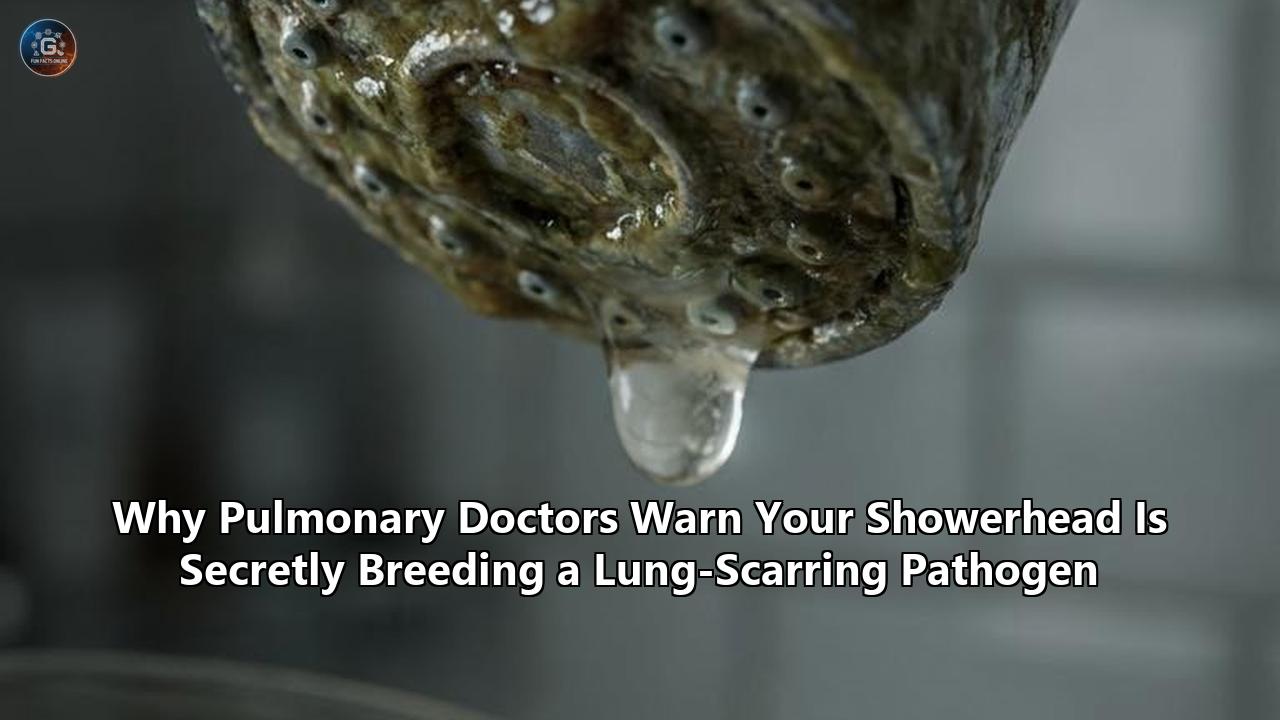
Professor Yim’s warning was not driven by concerns over transient stomach bugs or standard hard-water scale. Instead, it targeted an insidious, rising class of environmental pathogens: nontuberculous mycobacteria (NTM). These hardy, waxy-shelled bacteria naturally colonize municipal water systems and find an ideal, warm, humid incubator inside the nooks, crannies, and internal chambers of household showerheads. When the tap is turned on, the rush of water shears these bacterial colonies from their biofilms, fracturing them into a fine, microscopic mist.
For the vast majority of healthy individuals, inhaling this mist is harmless, as robust immune defenses easily sweep the micro-organisms away. However, for those with pre-existing lung conditions—such as bronchiectasis, chronic obstructive pulmonary disease (COPD), or a history of tuberculosis—as well as a specific, highly vulnerable demographic of thin, middle-aged and postmenopausal women, inhaling these aerosolized droplets can be devastating. Once inside the lungs, NTM can establish a chronic, slow-burning infection that destroys lung tissue, leaving behind a web of permanent, irreversible scars.
To mitigate these risks, pulmonary and environmental health experts have put forward several competing, and at times contradictory, advice and technologies. While Professor Yim advocates for replacing showerheads every six months and avoiding mouth rinsing, environmental microbiologists are looking deeper into the plumbing itself. They are analyzing everything from water heater temperatures and chemical sterilization protocols to the physical materials of the showerheads and advanced point-of-use filtration systems.
As the medical community sounds the alarm on these microscopic invaders, a complex debate is emerging. It pits clinical necessity against daily practicality, engineering limitations against chemical realities, and the search for an absolute physical barrier against the ecological dynamics of residential plumbing.
The Mist of Malady: Understanding the NTM Threat
To grasp the urgency behind the warnings from pulmonary doctors, one must first understand the pathogen itself. Nontuberculous mycobacteria are a broad genus of more than 200 species of bacteria that are ubiquitous in soil, dust, and water worldwide. Unlike their infamous cousin, Mycobacterium tuberculosis (the causative agent of tuberculosis), NTM are not highly contagious pathogens that jump from person to person. Instead, they are environmental opportunists. They are acquired independently through direct contact with contaminated soil or, most commonly, by inhaling aerosolized water droplets.
                     [ Municipal Water Source ]
                                 │ (Contains low levels of NTM)
                                 ▼
                    [ Residential Water Lines ]
                                 │
                                 ▼
                     [ Showerhead Biofilm ]  ◄── (Waxy NTM colonize & multiply)
                                 │
         ┌───────────────────────┴───────────────────────┐
         ▼ (Water Flow On)                               ▼ (High Humidity)
  [ Large Droplets ]                              [ Micro-Aerosols ] (<5 microns)
         │                                               │
         ▼ (Inhaled/Aspirated via Mouth)                 ▼ (Inhaled deep into Lungs)
[ Upper Airway Filtration ]                       [ Alveolar Penetration ]
         │                                               │
         ▼                                               ▼
[ Gastro-Aspiration/Cough ]                       [ Chronic NTM Colonization ]
                                                         │
                                                         ▼
                                              [ Bronchiectasis & Scarring ]
The most common culprit behind NTM lung disease (NTM-PD) in developed nations is the Mycobacterium avium complex (MAC), which includes M. avium, M. intracellulare, and M. chimaera. Other highly aggressive, rapid-growing species include Mycobacterium abscessus and Mycobacterium chelonae.
What makes these bacteria uniquely dangerous to human lungs is their highly destructive, slow-burning nature. Once NTM establish a foothold in the small airways, they trigger an inflammatory cascade. Over months and years, this persistent inflammation destroys the elastic fibers of the bronchi, leading to a permanent widening and scarring of the airways known as bronchiectasis. As the airways lose their structural integrity, they can no longer effectively clear mucus, creating a self-reinforcing cycle of mucus stagnation, bacterial proliferation, and progressive tissue destruction.
The symptoms of NTM lung disease are notoriously insidious, often mimicking other respiratory illnesses like asthma, chronic bronchitis, or standard age-related decline. Patients typically present with:
- A chronic, hacking, or productive cough that persists for months
- Unexplained, profound fatigue and lethargy
- Shortness of breath, particularly during mild physical exertion
- Low-grade fevers and drenching night sweats
- Unintentional weight loss and loss of appetite
Because these symptoms develop so slowly, many patients suffer from NTM-PD for years before receiving an accurate diagnosis. By the time a high-resolution computed tomography (HRCT) scan of the chest is performed, the damage is often extensive. The scan may reveal classic signatures: "tree-in-bud" nodular patterns, dilated and mucus-filled airways, or even large, hollowed-out cavities in the lung parenchyma that resemble the destructive hallmarks of classic tuberculosis.
Once diagnosed, the treatment of NTM lung disease is a medical marathon. Unlike standard bacterial infections that yield to a simple, week-long course of amoxicillin, NTM are notoriously drug-resistant. Eradicating the infection typically requires a grueling, multi-drug regimen consisting of three or more heavy-duty antibiotics—such as clarithromycin or azithromycin combined with rifampicin and ethambutol—taken continuously for 12 to 18 months.
These drugs carry significant side effects, ranging from severe gastrointestinal distress and liver toxicity to irreversible optic nerve damage and hearing loss. Compounding this clinical nightmare is the high recurrence rate. As Professor Yim pointed out, while tuberculosis has a recurrence rate of less than 5 percent when properly treated, NTM lung disease boasts a recurrence rate of 50 percent or higher. This is because the patient’s underlying anatomical vulnerability remains, and they are continuously re-exposed to the same environmental reservoirs: namely, their own household water lines and showerheads.
The Biofilm Fortress: How Showerhead Bacteria Risks Outsmart Municipal Systems
To understand why NTM are so prevalent in residential plumbing, one must look at how water is treated and delivered. Municipal water treatment facilities are highly successful at eliminating acute, waterborne pathogens such as Vibrio cholerae, Salmonella, and Escherichia coli. They achieve this primarily through physical filtration and the addition of chemical disinfectants, most commonly free chlorine or chloramines.
However, municipal disinfection protocols have an unintended ecological consequence. They act as a powerful selective force that inadvertently breeds and isolates chlorine-resistant super-pathogens.
The Chemistry of Waxy Defense
Mycobacteria are uniquely adapted to survive chemical onslaughts. Their cell walls are highly complex, hydrophobic, and rich in lipids, particularly mycolic acids. This thick, waxy outer coating acts as an almost impermeable physical shield, preventing chemical disinfectants from penetrating the cell. Research has demonstrated that NTM are up to 1,000 times more resistant to free chlorine than E. coli.
  [ E. coli / Standard Bacteria ]             [ NTM / Mycobacterium avium ]
     (Thin peptidoglycan layer)                (Thick, waxy mycolic acid wall)
               │                                               │
               ▼                                               ▼
   [ Chemical Disinfectant ]                       [ Chemical Disinfectant ]
               │                                               │
   (Easily penetrates cell wall)                  (Repelled by hydrophobic lipids)
               │                                               │
               ▼                                               ▼
      [ Cellular Death ]                            [ Pathogen Survives ]
When municipal water utilities treat drinking water with chlorine, they systematically wipe out the vast majority of harmless, competing environmental bacteria. This creates an ecological vacuum. The chlorine-resistant mycobacteria, surviving the chemical treatment, travel downstream through the distribution network completely unchallenged.
The Plumbing Pipe as a Nursery
Once inside a home's "premise plumbing"—the complex network of pipes, valves, and water heaters within the building's walls—the water stagnates, warms up, and loses its residual chlorine concentration. This creates the perfect environment for biofilm formation.
A biofilm is a highly structured, slimy community of micro-organisms embedded within a self-produced matrix of extracellular polymeric substances (EPS), often composed of proteins, glycoproteins, and glycolipids.
- Adhesion: Slow-growing mycobacteria settle on the inner surfaces of pipes and showerheads, binding tightly to the substrate via their hydrophobic cell walls.
- Colonization: Once attached, they secrete the sticky EPS matrix, which acts as a physical bunker.
- Protection: This slimy fortress shields the bacteria from physical shear forces, high temperatures, and any remaining chemical disinfectants in the water.
- Nutrient Trapping: The biofilm acts as a highly efficient sponge, trapping trace organic carbon and minerals from the flowing water to feed the bacterial colony within.
Understanding these showerhead bacteria risks is crucial because the showerhead represents the ultimate convergence of these biological and physical factors. It is the final terminal point of the water delivery system, subjected to rapid temperature fluctuations, long periods of water stagnation, and a high surface-area-to-volume ratio that encourages heavy biofilm growth.
The physical mechanics of showering then transform this localized biological colony into an inhalation hazard. When the water is turned on, the turbulent, high-shear flow dislodges chunks of the biofilm and individual mycobacterial cells. As the water exits the small nozzle apertures of the showerhead, the mechanical force shears the water stream into a fine aerosol spray. Because mycobacteria are highly hydrophobic, they naturally concentrate at the air-water interface of these tiny, aerosolized droplets.
The bather, breathing deeply in the warm, steamy enclosure, inhales millions of these microscopic, bacteria-laden droplets. Droplets smaller than 5 micrometers in diameter are particularly dangerous; they are small enough to bypass the physical filtration mechanisms of the upper airway and deposit themselves deep within the alveoli of the lungs, where they can bypass the body's primary defenses and establish a chronic, tissue-scarring infection.
Metal vs. Plastic: The Counterintuitive Microbiology of Showerhead Materials
When confronted with the reality of showerhead biofilms, the immediate instinct of most homeowners is to upgrade their plumbing fixtures. This usually means swapping out cheap, plastic showerheads for more expensive, "professional-grade" metal fixtures made of solid brass, chrome-plated steel, or stainless steel. Intuitively, metal feels cleaner, more sterile, and less hospitable to slime than synthetic plastic.
However, a landmark study published in mBio by a team of environmental microbiologists led by Dr. Noah Fierer at the University of Colorado Boulder revealed a deeply counterintuitive ecological reality: metal showerheads are far more likely to harbor pathogenic mycobacteria than plastic ones.
To understand why this is, we must look at the competitive microbial ecology that occurs inside a showerhead's biofilm.
  [ Metal Showerhead Interior ]                  [ Plastic Showerhead Interior ]
 (No organic carbon leaching)                   (Leaches Biodegradable Carbon)
               │                                               │
               ▼                                               ▼
   [ Ultra-Harsh Environment ]                    [ Resource-Rich Environment ]
 (Chlorine-resistant waxy NTM                   (Supports a highly diverse,
   easily survive and dominate)                   harmless microbial ecosystem)
               │                                               │
               ▼                                               ▼
[ Biofilm Dominated by NTM ]                    [ NTM Outcompeted & Crowded Out ]
 (High concentration of pathogens)               (Low concentration of pathogens)
The Plastic Paradox: Leaching as an Ecological Shield
All synthetic plastics, such as polyvinyl chloride (PVC), polyethylene, and acrylonitrile butadiene styrene (ABS), leach trace amounts of biodegradable organic carbon (BDOC) and plasticizing chemicals into the water stagnation zone of the showerhead.
To a human, the idea of chemical leaching sounds alarming. But to the microbial world, this leached carbon is a buffet. It provides a rich, abundant energy source that supports a highly diverse, complex, and active community of non-pathogenic, fast-growing environmental bacteria, such as methylotrophs and various benign Proteobacteria.
In ecology, the principle of competitive exclusion dictates that two species competing for the same limited resources cannot coexist at constant population values if other ecological factors remain equal. In a plastic showerhead, the rapid-growing, harmless bacteria feast on the leached carbon, multiply quickly, and physically crowd out the slow-growing mycobacteria. NTM are notoriously slow-growing organisms, with a generation time of up to 24 hours (compared to just 20 minutes for many common environmental bacteria). In the resource-rich, highly competitive ecosystem of a plastic showerhead, the mycobacteria are systematically outcompeted, keeping their relative abundance very low.
The Metal Monopoly: The Purity Bottleneck
Metal showerheads, by contrast, are chemically inert regarding carbon. They do not leach biodegradable organic compounds into the water. This results in an incredibly harsh, nutrient-poor, and highly chlorinated environment.
For most standard, harmless environmental bacteria, this nutrient desert—coupled with the presence of municipal chlorine—is completely unlivable. They die off rapidly.
But NTM, with their waxy, chlorine-resistant cell walls, can survive both the chlorine and the lack of nutrients. Because they have no competitors left to crowd them out, these slow-growing mycobacteria can slowly but surely colonize the metal surface. Over time, they establish a near-monopoly on the interior biofilm.
The CU Boulder study found that the relative abundance of mycobacteria in plastic showerheads was, on average, two times lower than in showerheads constructed of metal or a mix of metal and plastic.
This presents homeowners and healthcare providers with a highly challenging design tradeoff:
| Metric / Feature | Plastic Showerhead | Metal Showerhead |
|---|---|---|
| Mycobacterial Abundance | Lower (outcompeted by other bacteria) | Higher (pathogens dominate the biofilm) |
| Microbial Diversity | High (complex, mostly benign environmental biome) | Low (highly specialized, chlorine-resistant survivors) |
| Material Longevity | Low (prone to cracking, mineral buildup, thread wear) | High (durable, resistant to corrosion and thermal wear) |
| Chemical Leaching | High (leaches trace plasticizers and organic carbon) | Low (no organic compounds, minor mineral leaching depending on alloy) |
| Aesthetic / Cleanliness | Perceived as "cheaper" or harder to sanitize | Perceived as "premium" and more hygienic |
For a high-risk patient with bronchiectasis or a compromised immune system, this ecological reality forces a complete reassessment of home safety. While a solid brass showerhead may look cleaner and last a lifetime, it may actually function as a highly selective nursery for a pathogen that can scar their lungs.
The Host at Risk: Lady Windermere Syndrome and the Clinical Landscape of NTM
While the environmental prevalence of NTM is incredibly high—with studies showing mycobacteria in up to 70% of residential showerheads in some regions—the clinical reality is that the vast majority of people who shower daily never develop NTM lung disease. This highlights a crucial truth in infectious disease: pathogen exposure does not automatically equal clinical illness.
For NTM to transition from an environmental contaminant in a shower mist to a chronic, lung-scarring infection, there must be a specific intersection of pathogen virulence and host susceptibility.
               [ Host Susceptibility Factors ]
                              │
     ┌────────────────────────┼────────────────────────┐
     ▼                        ▼                        ▼
[ Structural Lung Disease ]  [ Genetic Predisposition ] [ The Classic Phenotype ]
  • Bronchiectasis             • Heterozygous CFTR        • Postmenopausal women
  • COPD / Emphysema             gene mutations           • Low Body Mass Index
  • History of Tuberculosis    • Primary Ciliary          • Tall, slender stature
  • Cystic Fibrosis              Dyskinesia               • Scoliosis / Pectus excavatum
                              │
                              ▼
                  [ Inhaled Aerosolized NTM ]
                              │
                              ▼
               [ Colonization & Tissue Damage ]
                              │
                              ▼
              [ Progressive Lung-Scarring (NTM-PD) ]
The Structural Vulnerability Group
The first class of vulnerable hosts consists of individuals with pre-existing, structural damage to their lung parenchyma or airways.
- Bronchiectasis Patients: Bronchiectasis is a disease characterized by permanently damaged, widened, and scarred airways. Because their mucociliary escalator is fundamentally broken, they cannot clear mucus or inhaled environmental pathogens effectively, making their lungs a fertile ground for NTM colonization.
- COPD and Emphysema Patients: These individuals have destroyed alveolar walls and impaired airway clearance mechanisms, making them highly susceptible to NTM infection.
- Tuberculosis Survivors: As noted by Professor Yim, patients who have successfully cleared a prior tuberculosis infection are left with structural lung damage, localized scarring, and distorted architecture that provides an ideal ecological niche for NTM to colonize.
The Lady Windermere Syndrome Phenotype
Perhaps the most intriguing and clinically challenging cohort of NTM patients consists of individuals with no prior history of lung disease. This demographic was first characterized in a landmark 1992 study by physicians Reich and Johnson, who coined the term "Lady Windermere Syndrome" (LWS)—named after the fastidious heroine of Oscar Wilde’s 1892 play, Lady Windermere's Fan.
The classic clinical phenotype of Lady Windermere Syndrome is highly consistent:
- Postmenopausal, white women, typically over the age of 60
- Tall, slender, and thin stature, with a characteristically low Body Mass Index (BMI)
- Mild skeletal abnormalities, such as scoliosis (curvature of the spine) or pectus excavatum (sunken chest)
- A high prevalence of mitral valve prolapse
Historically, Reich and Johnson hypothesized that these women developed NTM because of voluntary cough suppression. Believing that coughing in public was socially unacceptable or impolite (much like the Victorian etiquette of Lady Windermere), these women supposedly held back their coughs. This voluntary suppression allegedly prevented the natural clearing of secretions, allowing inhaled environmental mycobacteria to accumulate in the middle lobe and lingula of the lungs—the areas where LWS infections are most heavily concentrated.
Modern medicine has largely dismissed this purely behavioral theory in favor of complex genetic and anatomical explanations. Advanced genomic sequencing has revealed that many women with Lady Windermere Syndrome harbor minor, heterozygous mutations in the cystic fibrosis transmembrane conductance regulator (CFTR) gene. While these mutations are not severe enough to cause a clinical diagnosis of classic cystic fibrosis, they subtly alter the viscosity of the airway mucus, making it slightly thicker and more difficult to clear.
Furthermore, their tall, thin habitus and skeletal features (pectus excavatum and scoliosis) are associated with a long, narrow chest cavity. This unique anatomy can mechanically compress the bronchi of the middle lobe and lingula, restricting airflow and further impairing natural mucus clearance. When these anatomically and genetically predisposed individuals take a daily shower, inhaling the waxy NTM mist from a colonized showerhead, their compromised lung-clearance mechanisms cannot expel the bacteria, leading to a chronic, lung-scarring infection.
Competing Mitigation Strategies: Thermal Eradication vs. Scalding Hazards
Faced with these significant showerhead bacteria risks, public health officials, environmental microbiologists, and medical organizations have proposed several different household interventions. However, each of these strategies comes with significant tradeoffs, and the advice given to patients often conflicts depending on whether it is issued by an environmental engineer or a safety advocate.
One of the most widely debated strategies is the use of high-temperature thermal eradication within the home's water heater.
                     [ The Temperature Dilemma ]
                                  │
         ┌────────────────────────┴────────────────────────┐
         ▼                                                 ▼
 [ Set Heater to 120°F (49°C) ]                    [ Set Heater to 140°F (60°C) ]
         │                                                 │
  (Energy-Efficient & Safe)                        (Eradicates Pathogenic NTM)
         │                                                 │
         ├────────────────────────┐                        ├────────────────────────┐
         ▼                        ▼                        ▼                        ▼
[ Low Scalding Risk ]    [ Perfect Incubator ]    [ Highly Sanitary ]      [ Catastrophic Scald ]
                         (MAC thrives & multiplies                         (3rd-degree burns
                          below 125°F / 51.6°C)                             in 2-5 seconds)
The Thermal Threshold of NTM
Like all living organisms, mycobacteria have specific thermal tolerance limits. While they are highly resistant to chemical disinfectants, they are vulnerable to extreme heat.
- Below 120°F (48.9°C): NTM, particularly Mycobacterium avium, grow and multiply rapidly. This is the optimal incubation zone.
- At 131°F (55°C): The growth of most NTM species is halted, but they can survive in a dormant state for hours.
- At 140°F (60°C) or higher: NTM are rapidly killed, with the bacterial load dropping precipitously within minutes of exposure.
Because of this, environmental microbiologists, such as Dr. Joseph Falkinham (a leading researcher on household NTM exposure), strongly recommend setting residential water heaters to at least 140°F (60°C). This high heat sanitizes the water storage tank and the hot water distribution lines, preventing the formation of NTM biofilms.
The Safe Water Paradox and the Scalding Risk
However, this medical recommendation runs headlong into a massive domestic safety crisis. Since the late 1980s, the U.S. Consumer Product Safety Commission (CPSC) and the American Academy of Pediatrics have aggressively campaigned to limit residential water heater temperatures to a maximum of 120°F (48.9°C).
The reasons for this limit are clear:
- At 120°F (48.9°C), it takes more than five minutes of continuous exposure to produce a serious third-degree burn on adult skin.
- At 140°F (60°C), a third-degree burn can occur in just two seconds on adult skin, and even faster on the delicate skin of infants, young children, and the elderly.
- At 150°F (65.6°C), a third-degree burn is instantaneous.
Setting a water heater to 140°F to prevent a rare, slow-developing lung infection significantly increases the immediate, acute risk of a catastrophic scalding injury. This is a major concern for households with toddlers, elderly individuals with cognitive decline, or diabetic patients suffering from peripheral neuropathy who cannot accurately sense water temperature.
Additionally, raising water heater temperatures carries significant secondary tradeoffs:
- Energy Consumption: Maintaining a massive tank of water at 140°F rather than 120°F requires a substantial, continuous input of energy, significantly raising the household's utility bills and carbon footprint.
- The Mixing Valve Solution: To bridge this gap, engineers advocate for installing a thermostatic mixing valve directly at the outlet of the water heater or at the shower valve. This allows water to be stored in the tank at a pathogen-killing 140°F but mixes in cold water just before it exits the tap, bringing the temperature down to a safe 120°F.
- The Downstream Re-Colonization Problem: While mixing valves solve the scalding problem, they introduce a new biological flaw. The plumbing lines downstream of the mixing valve (including the shower hose and the showerhead itself) are filled with water at 120°F—the perfect incubation temperature for NTM. Any bacteria that survive the tank, or enter via the cold water line, can easily colonize the showerhead, completely undermining the thermal eradication strategy.
Chemical Disinfection vs. Resistance Selection: The Sisyphus Clean
If keeping the water hot is too dangerous or physically limited, why not simply clean the showerhead using chemical sanitizers? Pulmonary patient education portals, such as those from National Jewish Health, frequently advise patients to clean their showerheads regularly.
Two primary chemical agents are commonly recommended: white vinegar (acetic acid) and diluted household bleach (sodium hypochlorite). However, the microbiological tradeoffs of these two chemicals are stark, and choosing the wrong one can actually make the showerhead bacteria risks worse.
                     [ The Chemical Cleaning Battle ]
                                    │
         ┌──────────────────────────┴──────────────────────────┐
         ▼                                                     ▼
  [ Chlorine Bleach (Sodium Hypochlorite) ]             [ White Vinegar (Acetic Acid) ]
         │                                                     │
 (Standard Sanitizing Agent)                           (Natural Household Acid)
         │                                                     │
         ├──────────────────────────┐                          ├──────────────────────────┐
         ▼                          ▼                          ▼                          ▼
 [ Fails to Penetrate NTM ] [ Kills Benign Competitors ]  [ Penetrates Waxy Wall ] [ Disintegrates Biofilm ]
 (Waxy cell wall repels     (Clears ecological niche,     (Kills NTM after a       (Loosens scale and
  chlorine-based bleach)     allowing NTM to grow back     prolonged soak of        washes away EPS matrix)
                             stronger than before)         30-60 minutes)
The Bleach Blunder: Chemical Selective Pressure
Chlorine bleach is the gold standard for household disinfection, highly effective against mold, viruses, and standard vegetative bacteria. Yet, utilizing bleach to clean a showerhead is one of the worst mistakes a high-risk patient can make.
Because of the thick, waxy, lipid-rich mycolic acid outer membrane of mycobacteria, sodium hypochlorite is highly ineffective at penetrating and killing NTM. When a showerhead is soaked in a mild bleach solution, the chemical easily penetrates and kills off the non-pathogenic, competing bacteria in the biofilm (such as Pseudomonas or Methylobacterium).
However, the waxy mycobacteria survive. Once the bleach is rinsed away, the surviving NTM find themselves in a freshly cleared, highly advantageous environment with zero biological competition. They quickly multiply and rebuild the biofilm, resulting in a community that is far more heavily dominated by pathogenic NTM than before the cleaning. In essence, bleaching a showerhead is like weeding a garden by pulling out all the flowers and leaving the deep-rooted weeds intact.
The Vinegar Victory: Acetic Acid Penetration
In contrast, white vinegar—specifically the acetic acid it contains—has proven to be highly effective against mycobacteria. Acetic acid possesses unique chemical properties that allow it to penetrate the waxy, hydrophobic lipid bilayer of NTM cell walls, disrupting internal cellular processes and killing the pathogen.
- The Soak Protocol: To eradicate NTM, a showerhead must be completely submerged in undiluted white vinegar for a prolonged period, typically between 30 and 60 minutes. This is often achieved by filling a plastic bag with vinegar, tying it around the showerhead, and securing it with rubber bands.
- The Material Tradeoff: While highly effective at killing mycobacteria, vinegar is an acid. Over time, frequent exposure to acetic acid can chemically attack and degrade the structural materials of the showerhead. It can strip away chrome plating, corrode internal brass fittings, and break down rubber gaskets and seals, leading to leaks, altered spray patterns, and premature physical failure of the fixture.
- The Stagnation Loophole: Even if a vinegar soak successfully sterilizes a showerhead, it does absolutely nothing to treat the incoming water lines. The moment the shower is turned on, fresh water carrying trace NTM from the home's copper or PEX pipes flows into the showerhead, seeding the clean surface and starting the biofilm cycle all over again.
The Filter War: Point-of-Use Membranes vs. Kinetic Degradation Fluxion (KDF)
Faced with the challenges of heat and chemicals, many consumers and pulmonary patients are turning to dedicated water filtration systems. This has sparked a quiet war between two fundamentally different filtration technologies: Point-of-Use (POU) absolute-rated sub-micron membranes and Kinetic Degradation Fluxion (KDF-55) redox media.
    [ Incoming Water with NTM ]                       [ Incoming Water with NTM ]
                 │                                                 │
                 ▼                                                 ▼
   [ POU Sub-Micron Membrane Filter ]               [ KDF-55 Copper-Zinc Alloy Filter ]
   (Absolute physical barrier: 0.1-0.2μm)           (Electrochemical Redox Reaction)
                 │                                                 │
                 ├────────────────────────┐                        ├────────────────────────┐
                 ▼                        ▼                        ▼                        ▼
     [ 100% NTM Extrusion ]     [ Severe Flow Drop ]     [ Chemical Reduction ]   [ Zero Physical Barrier ]
     (Physically traps all      (Clogs rapidly with      (Neutralizes chlorine,   (NTM easily pass through
      bacterial pathogens)       rust and sediment)       inhibits growth)         the metal alloy media)
Point-of-Use (POU) Membrane Filters: The Absolute Barrier
POU membrane filters use hollow-fiber or pleated membrane technologies with absolute pore sizes of 0.2 or 0.1 micrometers.
- The Physics of Exclusion: Nontuberculous mycobacteria typically measure between 1.0 and 5.0 micrometers in length and 0.2 to 0.6 micrometers in width. Therefore, an absolute-rated 0.2-micron or 0.1-micron physical membrane acts as an impassable physical barrier. It physically traps 100% of NTM, ensuring that the water exiting the showerhead is completely free of mycobacterial cells.
- The Tradeoffs of Extreme Filtration:
1. Water Pressure Drop: Pushing water through such microscopic pores requires significant pressure. Installing a 0.1-micron filter on a showerhead drastically reduces the flow rate and water pressure, transforming a strong, refreshing shower into a slow, frustrating trickle.
2. Rapid Clogging: Tap water contains trace amounts of rust, sediment, calcium carbonate, and organic matter. These particles quickly accumulate on the surface of a sub-micron membrane, completely clogging it within weeks or even days, depending on the local water chemistry.
3. High Maintenance Costs: To maintain flow, these filters must be replaced frequently (often every 2 to 3 months). At $40 to $80 per replacement cartridge, this presents a significant, ongoing financial burden that is simply unsustainable for many patients on fixed incomes.
Kinetic Degradation Fluxion (KDF-55): The Chemical Redox Alternative
KDF-55 is a high-purity copper-zinc alloy that relies on a chemical process known as redox (oxidation-reduction) to treat water. When water passes through the metallic granules, the copper and zinc create a microscopic galvanic cell.
This reaction converts highly reactive, free chlorine into harmless, water-soluble chloride ions. The redox reaction also releases trace zinc and copper ions into the water, creating an electrochemical environment that is highly hostile to many micro-organisms, rendering the media bacteriostatic (inhibiting bacterial reproduction).
$$\text{Redox Reaction inside KDF Filter: } \text{Zn} + \text{Cl}_2 \rightarrow \text{Zn}^{2+} + 2\text{Cl}^-$$
The tradeoffs of KDF-55 are distinct from sub-micron membranes:
- The Pros: KDF-55 does not restrict water flow, allowing bathers to maintain a high-pressure, satisfying shower. It is also highly effective at removing chlorine and reducing heavy metals, making the water gentler on sensitive skin and hair. Additionally, KDF-55 media is highly durable and can last for six months or more before needing replacement.
- The Microbiological Flaw: KDF-55 is not a physical filter. It does not contain microscopic pores that physically trap bacteria. While the electrochemical field of the copper-zinc alloy can inhibit bacterial growth inside the filter cartridge itself, it cannot physically prevent incoming, waxy-shelled mycobacteria from passing straight through the media. Furthermore, if NTM have already colonized the showerhead downstream of the filter cartridge, a KDF-55 filter is completely useless at preventing their aerosolization.
For an immunocompromised patient trying to mitigate showerhead bacteria risks, choosing between these two systems requires balancing absolute clinical safety against physical practicality and cost. A sub-micron membrane is the only medically verified way to guarantee NTM-free shower water, but it requires accepting a dramatic drop in water pressure and high, recurring replacement costs. A KDF filter is a great solution for general water quality and chlorine reduction, but it does not provide an absolute barrier against NTM inhalation.
Relative Humidity and Dehumidification: The Ambient Environmental Approach
In March 2024, a team of researchers in Hawai'i—the U.S. state with the highest incidence rate of NTM lung disease—published a study that shifted the mitigation focus from water chemistry to the surrounding air. The study investigated the role of relative humidity (RH) in the aerosolization of NTM from showerhead biofilms, testing a simple, non-chemical, and non-invasive household intervention.
The Physics of Humidity and Aerosol Suspension
The Hawaiian researchers recognized a fundamental principle of aerosol physics: the physical behavior of an aerosol droplet is heavily dictated by the relative humidity of the surrounding air.
  [ High Humidity Bathroom (RH > 80%) ]          [ Low Humidity Bathroom (RH < 50%) ]
                 │                                               │
                 ▼                                               ▼
     [ Water Droplet Suspended ]                    [ Rapid Evaporation Loop ]
                 │                                               │
   (Water cannot evaporate; droplet               (Water rapidly evaporates, shrinking
    remains large and floating)                    droplet size and causing NTM to drop)
                 │                                               │
                 ▼                                               ▼
     [ High Inhalation Risk ]                        [ Low Inhalation Risk ]
  (Bather inhales suspended NTM for               (Bacteria settle on surfaces or are
   minutes, even after shower is off)              cleared via active ventilation)
In a typical, poorly ventilated bathroom during a hot shower, the relative humidity rapidly climbs to 80% or 90%. In this saturated air, water droplets aerosolized from the showerhead cannot evaporate. They remain stable, floating suspended in the bathroom air for prolonged periods, even after the shower is turned off. This gives the bather ample time to breathe them deep into their lungs.
In a dry bathroom (low relative humidity), the physics change dramatically. When an aerosol droplet is released into dry air, the water quickly evaporates from its outer shell. As the droplet shrinks, it loses mass and momentum, causing the suspended bacterial cell to settle onto surrounding dry surfaces (like tiles, counters, or floor mats). Once settled, the hydrophobic mycobacteria are trapped on the surface and cannot be easily inhaled, unless physically disturbed or aerosolized again.
The Intervention: Mechanical Dehumidification
The Hawai'i study tested a simple protocol: deploying a standard, commercial household dehumidifier in conjunction with opening bathroom doors and windows to vent the space immediately post-shower.
The results, though based on a small sample size, were striking. While clinically relevant NTM species were consistently detected in the aerosolized bathroom air immediately following a shower, they were completely undetectable in the air once the bathroom was actively dehumidified and ventilated.
| Feature / Metric | Active Dehumidification & Ventilation | Standard Ventilation Only (Exhaust Fan) |
|---|---|---|
| NTM Aerosol Suspension | Rapidly Reduced (droplets evaporate and settle) | Prolonged (high humidity keeps aerosols suspended) |
| System Implementation | Non-invasive (portable dehumidifier placed in room) | Structural (relying on pre-installed ceiling fans) |
| Chemical Use | Zero (completely physical process) | Zero |
| Cost Profile | Moderate upfront cost ($150-$300 for dehumidifier) | Low upfront cost (operating existing building exhaust) |
| Secondary Benefits | Prevents mold, mildew, and structural wood rot | Minor mold prevention depending on fan CFM capacity |
| Drawbacks | Requires floor space, power outlet, and manual tank draining | Often highly noisy; building exhaust fans are frequently underpowered |
This environmental approach offers a highly appealing alternative or companion to direct water filtration. It does not affect water pressure, alter water chemistry, or require complex plumbing modifications.
However, it is not without tradeoffs. A dehumidifier takes up physical space in often-cramped bathrooms, requires access to an electrical outlet (which must be carefully placed to avoid water splashing hazards), and requires the user to remember to empty the water collection tank regularly.
Furthermore, while it reduces post-shower aerosol suspension, it does not protect the bather from direct, face-to-face inhalation of the spray during the shower. For this reason, pulmonary experts view dehumidification not as a standalone solution, but as a critical tool in a multi-layered defense strategy.
The Structural Bottleneck: Why Municipalities Cannot Solve This Problem
When learning about the widespread prevalence of pathogenic NTM in domestic tap water, a common question arises: Why can't public water utilities simply increase chemical disinfection to wipe these pathogens out before they reach our homes?
This is where public health water policy meets a major structural bottleneck. Public water utilities are legally and chemically bound by safety limits that make eradicating NTM through municipal treatment practically impossible.
                     [ Municipal Treatment Trap ]
                                  │
         ┌────────────────────────┴────────────────────────┐
         ▼                                                 ▼
[ Low Chlorine / Standard Treatment ]             [ High-Dose Chemical Disinfection ]
         │                                                 │
  (Safe, compliant, low-corrosion)                  (Eradicates Pathogenic NTM)
         │                                                 │
         ├────────────────────────┐                        ├────────────────────────┐
         ▼                        ▼                        ▼                        ▼
[ Low Chemical Toxicity ] [ High NTM Colonization ] [ Toxic Byproducts ] [ Severe Pipe Corrosion ]
(Compliant with EPA laws)  (Biofilms grow in homes)  (Trihalomethanes rise  (Heavy metals like lead
                                                      beyond legal limits)   leach into drinking water)
The Toxicity Trap: Disinfection Byproducts (DBPs)
If a water utility were to raise free chlorine or chloramine concentrations to a level high enough to penetrate the waxy mycolic acid cell walls of NTM, it would create a massive chemical toxicity crisis.
When chlorine reacts with naturally occurring organic matter in raw source water, it produces a class of chemical compounds known as disinfection byproducts (DBPs). These include:
- Trihalomethanes (THMs)
- Haloacetic Acids (HAAs)
Both THMs and HAAs are highly toxic, mutagenic, and classified as Group 2B carcinogens by the International Agency for Research on Cancer. The U.S. Environmental Protection Agency (EPA) strictly regulates these byproducts, setting a maximum contaminant level of 80 parts per billion (ppb) for total THMs. Raising chlorine doses high enough to kill NTM would cause DBP levels to skyrocket far past these legal safety limits, trading a slow-developing, niche lung infection for a massive, population-wide elevation in cancer risk and acute chemical toxicity.
The Infrastructure Trap: Heavy Metal Corrosion
Highly chlorinated water is also highly corrosive. If municipal utilities pumped water with aggressive chemical concentrations through their distribution networks, it would damage the pipes.
The corrosive water would strip the protective scale lining the interiors of public and private pipes, causing heavy metals like lead and copper to leach directly into the drinking water. This chemical corrosion was a primary driver of the lead contamination crisis in Flint, Michigan.
Because of these chemical and physical limitations, public water treatment facilities must balance the risk of waterborne pathogens against chemical toxicity and infrastructure stability. Their primary mandate is to eliminate acute, highly infectious pathogens like Vibrio cholerae and E. coli, while keeping carcinogenic disinfection byproducts and corrosive properties as low as possible.
Consequently, NTM is classified as a premise plumbing problem. Once the water passes the municipal water meter and enters the private pipes of a residential home, the responsibility for water quality shifts entirely from the city utility to the individual homeowner. This makes NTM a unique public health threat: it is widely distributed through public infrastructure, but public infrastructure is fundamentally unable to address it.
Practical Actionable Protocols: A Layered Defense for High-Risk Individuals
For high-risk individuals—especially those diagnosed with bronchiectasis, COPD, or structural lung damage—mitigating showerhead bacteria risks requires a practical, layered approach. Since no single technology or advice is a silver bullet, combining several targeted interventions can dramatically reduce overall exposure.
                     [ Layered Defenses for High-Risk Bathers ]
                                         │
        ┌────────────────────────────────┼────────────────────────────────┐
        ▼                                ▼                                ▼
  [ Plumbing Adjustments ]       [ Showerhead Protocols ]       [ Bathroom Ventilation ]
  • Set water heater to 140°F    • Swap metal for plastic       • Run a dehumidifier
    (with mixing valve)    showerheads          • Run exhaust fan
  • Flush water lines before     • Soak in white vinegar        • Open bathroom window
    showering (open window) monthly      • Avoid steam rooms
To build an effective defense, high-risk individuals should implement the following protocols:
- Modify Your Shower Habits Immediately:
Stop rinsing your mouth in the shower: As Professor Yim warns, never rinse your mouth or gargle with warm water coming directly from the showerhead, as this dramatically increases the risk of aspirating the pathogen into the lungs.
Flush the line: Before stepping into the shower, turn on the hot water and let it run for one to two minutes. Leave the bathroom during this time, keeping the door closed and the exhaust fan running. This flushes out the stagnant water and dislodges the initial burst of bacteria that accumulated in the showerhead overnight.
Redirect the spray: Avoid letting the water spray directly onto your face, especially when you first turn it on, to minimize direct aerosol inhalation.
Take baths instead of showers: If you are highly vulnerable, taking a bath instead of a shower eliminates the mechanical shearing of water, reducing aerosolized mist and inhalation risks.
- Optimize Your Showerhead Hardware:
Switch to plastic showerheads: Replace premium metal fixtures with cheap, plastic models. The organic compounds leached by plastic will support a diverse, harmless bacterial community that naturally crowds out and suppresses pathogenic mycobacteria.
Replace showerheads regularly: Commit to replacing your showerhead every six months to prevent the long-term buildup of thick, waxy, and hard-to-kill biofilms.
Choose large-pore showerheads: Opt for showerheads with larger spray nozzles rather than fine-mist models, as larger droplets settle faster and are less likely to be inhaled deep into the lung alveoli.
- Implement a Monthly Chemical Clean:
Use white vinegar only: Avoid bleach or chlorine-based sanitizers.
The Soak: Once a month, unscrew the showerhead and completely submerge it in a bowl of undiluted white vinegar for 30 to 60 minutes to dissolve mineral scale and kill NTM within the biofilm. Rinse thoroughly before reinstalling.
- Control Your Bathroom Air Quality:
Deploy a dehumidifier: Place a small, commercial dehumidifier in or directly outside the bathroom. Run it during and after your shower to quickly pull moisture from the air, causing aerosolized droplets to dry up and settle out of the breathing zone.
* Maximize ventilation: Keep the bathroom exhaust fan running throughout your shower and for at least 20 minutes afterward. If possible, crack a window or open the bathroom door to encourage airflow and disperse any suspended aerosols.
Looking Forward: Unresolved Questions in Plumbing and Pulmonary Health
As pulmonary doctors, environmental microbiologists, and engineers continue to study the household transmission of NTM, several critical questions remain unanswered. Solving these mysteries will be essential to protecting public health and reducing the global burden of chronic, lung-scarring infections.
The Genetic Map of Vulnerability
While we understand the basic anatomy of Lady Windermere Syndrome, we still do not fully grasp the precise genetic mechanisms that govern susceptibility.
- Why do some postmenopausal women with mild CFTR mutations develop severe, cavitary MAC, while others with the exact same genetic profile remain healthy?
- Are there undiscovered immunological markers—such as subtle deficits in interferon-gamma or interleukin pathways—that make certain individuals uniquely vulnerable to environmental NTM?
Answering these questions will allow clinicians to develop personalized risk profiles. High-risk individuals could be identified through genetic screening long before they ever develop symptoms, allowing for early, targeted interventions in their home environments.
Designing the "Antibiofilm" Plumbing of the Future
The current debate over metal vs. plastic showerheads highlights a glaring gap in materials science and plumbing design. We are forced to choose between plastic (which leaches chemicals but suppresses NTM) and metal (which is durable but breeds NTM).
The future of plumbing lies in developing innovative materials that can prevent biofilm formation altogether. Researchers are currently exploring:
- Copper-Alloy Infusions: Utilizing the natural, contact-killing antimicrobial properties of copper without creating corrosive environments.
- Superhydrophobic Nanocoatings: Coating the interiors of showerheads and pipes with materials that prevent water from clinging to the surface, making it impossible for bacteria to establish a physical foothold.
- Self-Sanitizing Fixtures: Developing showerheads with integrated UV-C LED lights that automatically sanitize the interior stagnation chamber between uses, killing bacteria without chemicals or heat.
A Shift in Municipal Standards
Finally, we must confront the legal and regulatory gap surrounding premise plumbing pathogens. In most developed nations, water utilities are only held legally responsible for water quality up to the property line. What happens inside a home's walls is treated as a private matter.
However, as our global population ages and the prevalence of chronic lung diseases like bronchiectasis and COPD continues to climb, this hands-off approach may prove unsustainable. In the coming decades, we may see a fundamental shift in building codes, public health policies, and water safety standards.
This could include:
- Mandatory NTM filtration systems in hospitals, senior living facilities, and newly constructed residential buildings.
- Government-subsidized home water testing programs for patients diagnosed with chronic lung conditions.
- A major push to redesign domestic water heaters, mixing valves, and delivery systems to balance energy efficiency, scalding safety, and microbiological purity.
Until these structural and technical advancements arrive, the responsibility for managing showerhead bacteria risks will remain squarely on the individual. By understanding the waxy pathogen hiding in the mist, appreciating the counterintuitive ecology of biofilms, and adopting a layered defense of smart habits and home modifications, high-risk bathers can reclaim the safety of their daily shower, protecting their lungs one droplet at a time.
Reference:
- https://www.koreabiomed.com/news/articleView.html?idxno=30007
- https://medical-school.uq.edu.au/event/21635/ntm-symposium-2024
- https://www.letsbecleartoday.com/be-clear-blog/controlling-exposure-to-bacteria-with-a-one-minute-shower
- https://www.nationaljewish.org/education/health-information/infographics/is-your-shower-head-making-you-sick
- https://www.inverse.com/article/50368-infectious-bacteria-in-shower-heads-and-bathrooms
- https://www.newsweek.com/showerhead-slime-linked-lung-disease-study-reveals-1198148
- https://publications.ersnet.org/content/erjor/7/2/00574-2020
- https://pmc.ncbi.nlm.nih.gov/articles/PMC10976743/
- https://www.thoracic.org/statements/resources/mtpi/nontuberculous-mycobacterial-diseases.pdf
- https://pmc.ncbi.nlm.nih.gov/articles/PMC6849249/
- https://shibboleth.idm.home.nyu.edu/lady-windermere-syndrome
- https://thorax.bmj.com/content/72/Suppl_2/ii1
- https://www.koreabiomed.com/news/articleView.html?idxno=30007
- https://www.sciencedaily.com/releases/2018/10/181030091425.htm
- https://www.sci.news/medicine/showerhead-bacteria-lung-infections-correlation-06565.html
- https://pmc.ncbi.nlm.nih.gov/articles/PMC6212831/
- https://journals.asm.org/doi/10.1128/mbio.01614-18
- https://www.news-medical.net/news/20181104/Slime-in-showerheads-could-harbour-dangerous-lung-bacteria-finds-study.aspx
- https://www.pureshowers.co.uk/shower-filter-blog/bacteria-in-shower-heads-can-cause-illness
- https://www.thejakartapost.com/life/2018/11/10/showerhead-bacteria-may-be-linked-to-lung-disease-study
- https://www.sci.news/medicine/showerhead-bacteria-lung-infections-correlation-06565.html
- https://www.savethewater.org/water-insights/showerhead-bacteria-and-lung-infections-five-things-you-can-do-about-the-link
- https://www.pfmjournal.org/journal/view.php?doi=10.23838/pfm.2017.00135
- https://www.trifloridawatertreatment.com/bacteria-in-your-showerhead-can-make-you-sick/
- https://www.forbes.com/sites/forbes-personal-shopper/article/best-filtered-shower-head/
- https://www.pureshowers.co.uk/shower-filter-blog/kdf-55_how_does_it_work_in_a_shower_filter
- https://www.resin-products.com/kdf-55-shower-filter-benefits/
- https://aquabliss.com/blogs/healthy-water/kdf-55-filters-kinetic-degradation-fluxion
- https://www.thewatersoftenerblog.com/2025/09/context-httpsschema.html
- https://journals.asm.org/doi/10.1128/mbio.01614-18