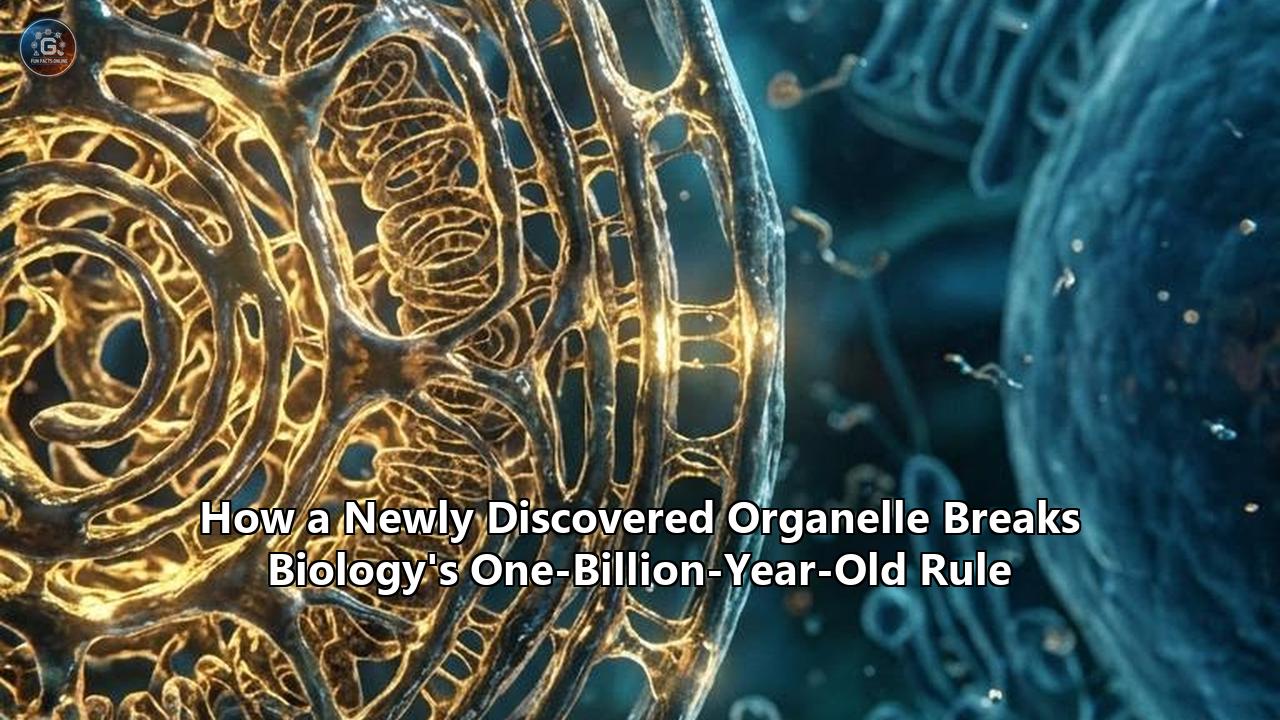
A long-standing doctrine of evolutionary cell biology was dismantled when an international research team confirmed that a common marine alga harbors a specialized cellular structure dedicated entirely to nitrogen fixation. Published in the journal Science, the discovery demonstrates that Braarudosphaera bigelowii, a single-celled eukaryotic marine alga, has permanently assimilated a nitrogen-fixing bacterium into its cellular machinery. The structure—named the "nitroplast"—is not a transient guest or an autonomous symbiont, but a fully integrated cellular organelle.
For more than a century, textbooks have taught that biological nitrogen fixation is the exclusive domain of prokaryotes. While complex organisms like legumes form partnerships with soil bacteria, no eukaryote was known to generate its own fixed nitrogen using dedicated cellular compartments. The event that produced the nitroplast represents primary endosymbiosis: the process by which a host eukaryote engulfs a prokaryote, strips its autonomy, and incorporates it permanently as an organelle. In the roughly four-billion-year history of life on Earth, this transition was known to have succeeded only twice before: when an alphaproteobacterium became the mitochondrion roughly 1.8 to 2.2 billion years ago, and when a cyanobacterium became the chloroplast roughly 1.6 billion years ago. A related event produced the photosynthetic chromatophore of the amoeba Paulinella tens of millions of years ago, but the nitroplast is the first instance of a primary endosymbiont dedicated to metabolic nitrogen reduction.
"It's very rare that organelles arise from these types of things," said Tyler Coale, a marine microbiologist and postdoctoral scholar at the University of California, Santa Cruz, and lead author of the Science investigation. "The first time we think it happened, it gave rise to all complex life. Everything more complicated than a bacterial cell owes its existence to that event. A billion years ago or so, it happened again with the chloroplast, and that gave us plants. The third known instance involves a microbe similar to a chloroplast. The organelle in this discovery has been named a nitroplast".
Dubbed the nitroplast, this newly discovered organelle shatters the rule that eukaryotes cannot internally convert atmospheric dinitrogen ($N_2$) into biologically usable ammonia ($NH_3$). Beyond revising the evolutionary tree of life, the discovery directly confronts one of the most pressing agronomic, thermodynamic, and ecological challenges facing modern civilisation: our utter dependence on industrial chemical fertilizers to sustain global food supplies.
The Problem: The Ironclad Incompatibility of Oxygen and Nitrogen Fixation
To understand why scientists long declared a eukaryotic nitrogen-fixing organelle biologically impossible, one must examine the enzyme nitrogenase. Nitrogenase is the molecular motor that drives biological nitrogen fixation, catalyzing the conversion of atmospheric dinitrogen into two molecules of ammonia:
$$\text{N}_2 + 8\text{H}^+ + 8e^- + 16\text{MgATP} \rightarrow 2\text{NH}_3 + \text{H}_2 + 16\text{MgADP} + 16\text{P}_i$$
Breaking the dinitrogen triple bond requires extraordinary activation energy; the dissociation energy of that triple bond is 945 kilojoules per mole. To achieve this at ambient temperatures and pressures, the two-component nitrogenase complex—consisting of the iron (Fe) protein (a homodimer encoded by nifH) and the molybdenum-iron (MoFe) protein (a heterotetramer encoded by nifD and nifK)—relies on low-potential electron transfer shuttled through delicate iron-sulfur ($[4\text{Fe}-4\text{S}]$) clusters and the iron-molybdenum cofactor (FeMo-co, $[7\text{Fe}-9\text{S}-\text{Mo}-\text{C}-\text{homocitrate}]$).
   Atmospheric Nitrogen (N2)
              │
              ▼
   ┌───────────────────────────────────────────────┐
   │             NITROGENASE COMPLEX               │
   │                                               │
   │   [Fe Protein: NifH Dimer]                    │
   │          │ (transfers electrons via [4Fe-4S])  │
   │          ▼                                    │
   │   [MoFe Protein: NifDK Heterotetramer]        │
   │          │ (contains P-cluster & FeMo-co)     │
   │          ▼                                    │
   │     N2  ──►  2 NH3                            │
   └───────────────────────────────────────────────┘
              ▲
              │   IRREVERSIBLY DESTROYED BY:
   Molecular Oxygen (O2)
   (Destabilizes [4Fe-4S] & FeMo-co clusters)
The fundamental biological dilemma lies in the vulnerability of these metalloclusters to molecular oxygen ($O_2$). Nitrogenase is irreversibly inactivated upon exposure to even trace amounts of oxygen; the iron protein oxidizes and loses functionality within seconds.
Eukaryotic cells are fundamentally aerobic environments. Mitochondria require constant oxygen flux to sustain oxidative phosphorylation, generating ATP across cristae membranes. Autotrophic eukaryotes such as plants and green algae present an even greater barrier: their chloroplasts continuously pump out stoichiometric quantities of oxygen via the water-splitting complex of photosystem II.
For decades, this chemical tension framed a biological dogma. Prokaryotes evolved several strategies to work around oxygen poisoning:
- Obligate anaerobes restrict nitrogen fixation to anoxic swamps and sediments.
- Specialized filamentous cyanobacteria like Anabaena segregate nitrogenase inside heterocysts—thick-walled, non-photosynthetic cells that lack photosystem II and exclude external oxygen.
- Aerobic bacteria like Azotobacter vinelandii resort to respiratory protection, burning carbon substrates at runaway speeds solely to deplete local oxygen before it poisons the enzyme.
Because eukaryotic cells are structurally compartmentalized, aerated, and energy-dense, scientists presumed that the evolutionary leap required to safely host an oxygen-sensitive, metallocluster-dependent nitrogenase inside an aerobic eukaryotic host was impossible without external biological shields.
Legumes solved this via extracellular symbiosis. When soybean, clover, or alfalfa roots are colonized by Rhizobium bacteria, the host plant builds root nodules and manufactures leghemoglobin—a heme protein that binds free oxygen with high affinity, buffering oxygen down to nanomolar concentrations around the bacteria while delivering just enough flux to let bacterial respiration run.
Yet this arrangement is a negotiation between two distinct evolutionary entities. The rhizobia retain their autonomy, trade fixed nitrogen for plant photosynthates at fluctuating exchange rates, and do not divide in direct synchronization with plant cells. For a billion years, complex life appeared barred from directly inheriting and operating the engine of nitrogen fixation within its own hereditary lineages.
The 26-Year Investigation: How an Unculturable Marine Entity Evaded Detection
The nitroplast was not identified overnight. Its unraveling traces back to 1998, when Jonathan Zehr, an oceanographer and distinguished professor of marine sciences at UC Santa Cruz, was surveying marine microbial diversity across the subtropical Pacific Ocean.
Zehr and his colleagues were hunting for uncharacterized marine diazotrophs (nitrogen-fixing organisms) using polymerase chain reaction (PCR) amplification targeting the nifH marker gene. Amid the genetic sequences pulled from ocean water, Zehr detected a puzzling sequence variant. It clearly originated from a cyanobacterium, but it matched no cultured organism on record. Zehr designated the mysterious entity "UCYN-A" (Unicellular Cyanobacteria Group A), later formally proposed as Candidatus Atelocyanobacterium thalassa.
1998: Identification of UCYN-A via nifH gene surveys in Pacific Ocean (Zehr et al.)
  │
2008: Whole-genome sequencing reveals massive gene deletions (lacks PSII, TCA cycle)
  │
2012: Fluorescent microscopy tracks physical association with alga Braarudosphaera bigelowii
  │
2020: Culturing breakthrough in Kochi, Japan by Kyoko Hagino unlocks stable laboratory strains
  │
2024: Science & Cell studies establish protein import and synchronized division (Coale, Zehr, Larabell)
  ▼
STATUS CONFIRMED: Organelle ("Nitroplast")
When Zehr’s laboratory sequenced the complete genome of UCYN-A in 2008, the data exposed a biological paradox. The organism was missing crucial segments of core metabolism:
- It lacked the genes for photosystem II, meaning it was incapable of oxygenic photosynthesis.
- It lacked the enzymes required for the tricarboxylic acid (TCA) cycle.
- It lacked the metabolic pathways to synthesize several essential amino acids and nucleotides.
Yet, it possessed an intact nif gene cluster dedicated to nitrogen fixation. UCYN-A was a cyanobacterium that could neither make its own food via classical photosynthesis nor produce its own basic building blocks, yet it spent valuable resources pulling nitrogen from the atmosphere. It could not survive alone, and for years, oceanographers could not culture it in the laboratory.
The mystery began to clear in 2012, when cell-sorting and microscopy confirmed that UCYN-A was physically bound to Braarudosphaera bigelowii, a single-celled haptophyte alga characterized by pentagonal calcite plates called pentaliths.
For the next twelve years, the scientific consensus classified UCYN-A as an obligate endosymbiont. It was presumed to live within or beside B. bigelowii, handing over fixed nitrogen compounds in exchange for organic carbon, in a marine parallel to the legume-rhizobium symbiosis.
The breakthrough required keeping the organism alive in culture. Marine haptophytes are notoriously fragile, and B. bigelowii resisted domestication for decades. The barrier was broken by Kyoko Hagino, an oceanographer and paleontologist at Kochi University in Japan. Hagino spent years isolating live single cells of B. bigelowii from coastal Japanese seawaters, designing specialized, low-stress culture media that replicated open-ocean chemical conditions. Hagino's cultures provided the first continuous laboratory supply of the pairing, allowing international teams to study the host and its putative symbiont using high-resolution proteomic and structural tools.
The Empirical Proof: Tomography, Proteomics, and the Criteria of Organellogenesis
In evolutionary biology, the boundary between an "obligate endosymbiont" and a "true organelle" is not semantic; it is structural and functional.
To cross the threshold from an independent organism living inside another to a true cellular organelle, two evolutionary criteria must be met:
- Coordinated division and morphological integration: The candidate structure cannot divide asynchronously at its own pace. Its replication, cell cycle, and physical division must be under the strict control of the host cell's regulatory machinery, scaling directly with host size and ensuring transmission to each daughter cell during mitosis.
- Genomic reduction and nuclear-encoded protein import: The candidate structure must have lost its own genes to the host's nucleus and depend on the host to synthesize and import hundreds of proteins required for its daily maintenance.
In early 2024, researchers from UC Santa Cruz, the Institut de Ciències del Mar in Barcelona, and Lawrence Berkeley National Laboratory published consecutive investigations that proved UCYN-A satisfied both criteria.
CRITERIA FOR ORGANELLOGENESIS:
┌─────────────────────────────────┬───────────────────────────────┬───────────────────────────────┐
│ Metric                          │ Endosymbiont (e.g., Rhizobium)│ Organelle (Mito, Plastid,     │
│                                 │                               │ Nitroplast)                   │
├─────────────────────────────────┼───────────────────────────────┼───────────────────────────────┤
│ Cell Cycle Integration          │ Autonomous / Environmental    │ Synchronized with Host        │
│ Replication Control             │ Symbiont-driven               │ Host-regulated                │
│ Genomic Autonomy                │ Retains complete housekeeping │ Heavily reduced genome        │
│ Protein Origin                  │ Internally synthesized        │ Nuclear-encoded & imported    │
│ Target Signal Peptides          │ Absent                        │ Conserved N-terminal tags     │
└─────────────────────────────────┴───────────────────────────────┴───────────────────────────────┘
Stoichiometric Scaling and Synchronized Division
In a paper published in Cell, a team led by Ramon Massana and Jonathan Zehr investigated the physical relationship between the alga and UCYN-A across multiple marine environments and morphotypes. They demonstrated that across different strains of B. bigelowii, the volumetric ratio of UCYN-A to the host cell remained invariant.
If the bacterium were an opportunistic endosymbiont, its population inside the alga would vary based on external nutrient concentrations—blooming when nitrogen was scarce and shrinking when fixed nitrogen was plentiful. Instead, the alga maintained a strict stoichiometric balance: larger algal cells held proportionally larger UCYN-A bodies, and smaller cells held smaller ones.
To visualize this coordination, the team turned to soft X-ray tomography (SXT) at the National Center for X-ray Tomography, based at Berkeley Lab’s Advanced Light Source (ALS Beamline 2.1). Led by Carolyn Larabell and Valentina Loconte, the beamline team captured quantitative, three-dimensional tomograms of intact, cryopreserved B. bigelowii cells throughout their mitotic cycle.
The tomograms confirmed that UCYN-A replicates and divides in coordination with the host cell’s other major organelles: the nucleus, the mitochondria, and the chloroplasts.
"We can get numbers to make quantitative statements," said Larabell, explaining the tomographic reconstruction. "We have numbers at each stage of the cell cycle to show that this isn't a quirk".
As the algal cell initiates mitosis, the nitroplast elongates and undergoes coordinated fission just prior to cytokinesis, ensuring that each daughter cell inherits precisely one nitroplast. The host does not allow the nitroplast to multiply uncontrolled, nor does it dilute it out through rapid division. The replication machinery of the structure has been subordinated to the algal cell cycle.
Algal G1 Phase        Algal S / G2 Phase      Algal Mitosis / Cytokinesis
┌──────────────┐      ┌──────────────┐        ┌─────────────────────────┐
│ [Nucleus]    │      │ [2x Nuclei]  │        │ [Daughter 1] [Daughter 2]│
│ [Mito]       │ ──►  │ [2x Mito]    │  ──►   │                         │
│ [Plastid]    │      │ [2x Plastids]│        │ Both inherit exactly    │
│ [Nitroplast] │      │ [Dividing    │        │ one functional copy     │
│              │      │  Nitroplast] │        │ of the nitroplast       │
└──────────────┘      └──────────────┘        └─────────────────────────┘
The Proteomic Smoking Gun
The final validation arrived in Tyler Coale’s study in Science. By isolating the candidate structure, researchers confirmed that this newly discovered organelle imports hundreds of nuclear-encoded proteins synthesized outside its own membranes.
Organelles like mitochondria and chloroplasts retain only vestigial remnant genomes encoding a fraction of the proteins needed for their operation. The human mitochondrion, for example, retains only 37 genes, while the remaining ~1,500 mitochondrial proteins are encoded in the cell's nuclear DNA, synthesized by cytosolic 80S ribosomes, and imported into the organelle through specialized translocase complexes (TOM and TIM).
Coale performed comparative proteomics on isolated UCYN-A bodies and intact B. bigelowii cells using mass spectrometry. The findings were definitive: UCYN-A imports roughly half of its total proteome from the algal host. The researchers identified more than 350 host-encoded proteins that were synthesized in the algal cytoplasm and transported into the nitroplast.
Host Algal Nucleus
       │
       ▼ (transcription)
  Nuclear mRNA
       │
       ▼ (translation on cytosolic 80S ribosomes)
  Host-Encoded Pre-Proteins with Transit Sequences
       │
       ▼ (targeted trafficking across nitroplast membranes)
┌────────────────────────────────────────────────────────┐
│                      NITROPLAST                        │
│                                                        │
│  Imported Enzymes:                                     │
│  • Purine & Pyrimidine Synthetases                     │
│  • Amino Acid Synthesis Pathways                       │
│  • Electron Transport Intermediates (Flavodoxin)       │
│                                                        │
│  Supplements Missing Pathways ──► Drives N2 Fixation   │
└────────────────────────────────────────────────────────┘
These imported proteins filled the gaps in UCYN-A’s missing metabolic pathways:
- Complete enzymatic chains for amino acid biosynthesis.
- Essential machinery for purine and pyrimidine biosynthesis, allowing the nitroplast to build RNA and DNA despite missing the relevant genes in its own genome.
- Electron-shuttling proteins directly involved in nitrogen fixation, including flavodoxin.
"Seeing flavodoxin in there was really surprising," Coale observed. Flavodoxin acts as a low-potential electron donor to nitrogenase under iron-limiting conditions. The alga was not merely providing passive raw nutrients like glucose or pyruvate; it was directly supplying the enzymatic machinery needed to drive and stabilize nitrogen reduction inside the nitroplast.
Genetic analysis of the imported proteins revealed conserved amino acid signal sequences at their N-termini—transit peptides that mark them for delivery across the nitroplast's double membrane.
"That's one of the hallmarks of something moving from an endosymbiont to an organelle," said Zehr. "They lose pieces of DNA, and their genes migrate to the host nucleus, where they get made and sent back in".
With host-directed protein trafficking confirmed alongside synchronized division, UCYN-A crossed the line from endosymbiont to organelle. It is a fourth primary endosymbiosis—and the first discovered in modern scientific history.
The Agricultural Bottleneck: The Haber-Bosch Dilemma
The discovery of the nitroplast arrives as global agriculture faces an unsustainable metabolic impasse.
All living systems require nitrogen. It forms the backbone of peptide chains in every protein, anchors the purines and pyrimidines of DNA and RNA, and sits at the reactive center of the porphyrin ring in chlorophyll. Atmospheric nitrogen is abundant—accounting for roughly 78% of Earth’s atmosphere—yet it is completely inert and unavailable to plants.
THE NITROGEN CYCLE UNDER INDUSTRIAL PRESSURE:
Atmospheric N2 (Abundant, Inert: 78% of air)
       │
       ├─────────────────────────────────┐
       ▼                                 ▼
[Haber-Bosch Process]          [Natural Fixation]
• High Temp (400–500°C)        • Soil Bacteria / Legumes
• High Pressure (15–25 MPa)    • Marine Diazotrophs
• Consumes 1–2% global energy  • Nitroplast (New Model)
• 450M+ metric tons CO2/yr               │
       │                                 │
       ▼                                 ▼
Agricultural Application ──────► Usable Nitrogen (NH3, NO3-)
       │
       ├─────────────────────────────────┐
       ▼                                 ▼
Crop Uptake (~50% Lost)         Runoff & Denitrification
                                • Eutrophication / Dead Zones
                                • N2O Emissions (273x GWP of CO2)
To feed human civilization, industry relies on the Haber-Bosch process, invented in the early 20th century. The process combines nitrogen gas and hydrogen (typically derived from methane through steam reforming) over iron catalysts under harsh industrial conditions:
$$\text{N}_2 + 3\text{H}_2 \xrightarrow{400-500^\circ\text{C},\; 15-25\text{ MPa},\; \text{Fe catalyst}} 2\text{NH}_3$$
The energetic and environmental costs of Haber-Bosch are substantial:
- The process consumes an estimated 1% to 2% of the world's total energy supply.
- It accounts for roughly 3% to 5% of global natural gas consumption.
- It releases more than 450 million metric tons of carbon dioxide annually, making it one of the largest single chemical contributors to global greenhouse gas emissions.
- Synthetic fertilizers are applied inefficiently. Crops take up less than 50% of applied synthetic nitrogen. The remainder leaches into groundwater, rivers, and coastal oceans, triggering widespread eutrophication and creating hundreds of hypoxic "dead zones," from the Gulf of Mexico to the Baltic Sea.
- Excess soil nitrates undergo microbial denitrification, producing nitrous oxide ($N_2O$)—a greenhouse gas with a global warming potential 273 times greater than $CO_2$ on a 100-year timescale, which also depletes stratospheric ozone.
Without synthetic fertilizers, global agricultural yields would drop, leaving roughly 48% of the world's population without enough food. Yet our current reliance on the Haber-Bosch process pushes directly against planetary chemical boundaries.
The primary crops sustaining human calories—cereals like wheat, rice, and maize—are non-legumes. They are completely incapable of biological nitrogen fixation and depend on synthetic nitrate and ammonium inputs.
For nearly half a century, synthetic biologists pursued a long-sought goal: engineering crops that could fix their own nitrogen. Until the nitroplast was confirmed, biology provided no working blueprint for how a eukaryotic cell could house that process directly.
Four Decades of Engineering Dead Ends
The quest to build self-fertilizing crops historically followed two avenues, both of which repeatedly ran into metabolic roadblocks.
PAST GENETIC ENGINEERING BOTTLENECKS:

Avenue 1: Direct Nif Gene Cluster Insertion into Plants
┌──────────────────────────────────────────────┐
│ Nucleus or Chloroplast Target                │
│                                              │
│ • Requires 16–20 bacterial genes             │
│ • Oxygen produced by PSII ruins enzyme       │
│ • Assembly machinery fails to fold FeMo-co   │
│ • Extreme ATP drag collapses photosynthetic  │
│   yield                                      │
└──────────────────────────────────────────────┘
                       │
                      FAIL
                       ▼
Avenue 2: Engineering Nodulation into Cereals
┌──────────────────────────────────────────────┐
│ Plant Root Cell Target                       │
│                                              │
│ • Requires remodeling root architecture      │
│ • Must engineer Nod-factor receptor pathways │
│ • Fails to supply sufficient leghemoglobin   │
│ • Symbionts remain competitive parasites     │
└──────────────────────────────────────────────┘
Approach 1: Engineering the nif Gene Cluster Directly into Plant Genomes
The most direct strategy was moving the bacterial nif gene operon into plants. However, biological nitrogen fixation is not driven by a single gene; it requires a tightly coordinated cassette of 16 to 20 genes.
- nifH, nifD, and nifK encode the structural subunits of the nitrogenase enzyme.
- nifE, nifN, and nifB are required to assemble the FeMo-co precursor.
- nifS and nifU build the necessary iron-sulfur clusters.
- nifV, nifW, nifZ, and nifM handle cofactor maturation and structural stabilization.
- nifF and nifJ mediate electron transport cascades.
When researchers attempted to express these bacterial genes in eukaryotic nuclear genomes (such as Nicotiana tabacum or Arabidopsis thaliana), the plants struggled to transcribe, process, and fold the foreign polycistronic transcripts correctly.
When researchers targeted the plant chloroplast—a circular, bacterial-like genome—they hit the oxygen wall. The chloroplast continuously splits water at photosystem II, releasing molecular oxygen that oxidizes the nascent NifH iron-protein dimer, destroying its activity before it can fix a single molecule of dinitrogen.
Efforts to target nitrogenase to plant mitochondria ran into similar problems. While mitochondria consume oxygen, their matrix requires residual oxygen flux to maintain electron flow across cytochrome c oxidase. Furthermore, the ATP and electron flux required by nitrogenase depleted the mitochondrial proton motive force, starving the host plant cell of baseline energy.
Approach 2: Engineering Nodulation into Cereals
The alternative approach sought to engineer cereal crops like maize and wheat to form symbiotic nodules with Rhizobium bacteria, mimicking legumes.
This required redesigning the plant root system from scratch. Plants must express high-affinity receptor kinases (such as NFR1 and NFR5) to detect bacterial lipochitooligosaccharide signaling molecules (Nod factors). They must coordinate an intracellular calcium spike, remodel the root cortex to build an infection thread, allow bacterial colonization without triggering an immune response, and synthesize leghemoglobin to insulate the newly formed nodule from oxygen.
After thirty years of research, transferring this symbiotic program into non-legumes remains incomplete. The regulatory networks span hundreds of plant genes, many of which are linked to plant immunity and development.
The confirmation of the nitroplast introduces a third way. Rather than trying to rebuild complex, multigenic legume symbioses or express isolated, oxygen-vulnerable bacterial operons in oxygen-producing chloroplasts, nature has provided a template for an autonomous, organellar nitrogen engine operating inside a eukaryotic cell.
The Biological Blueprint: How the Nitroplast Solves the Dilemma
Evolutionary analysis indicates that the nitroplast branched off from its cyanobacterial ancestor roughly 100 million years ago, during the mid-Cretaceous period. While that is young compared to mitochondria (roughly 2 billion years) or chloroplasts (roughly 1.6 billion years), it was long enough for Braarudosphaera bigelowii to solve the biochemical challenges that long stumped human synthetic biologists.
NITROPLAST'S COMPARTMENTALIZED ARCHITECTURE:

        [Host Algal Cell: Braarudosphaera bigelowii]
  ┌─────────────────────────────────────────────────────────┐
  │                                                         │
  │     Mitochondrion                                       │
  │     ┌─────────────┐                                     │
  │     │ High O2     │ ◄── Rapidly burns O2                │
  │     │ Consumption │     Generates ATP                   │
  │     └──────┬──────┘                                     │
  │            │ Physical proximity / Direct ATP Transfer   │
  │            ▼                                            │
  │   ┌─────────────────────────────────────────────────┐   │
  │   │ NITROPLAST                                      │   │
  │   │                                                 │   │
  │   │  • Photosystem II DELETED (No O2 generated)     │   │
  │   │  • Respiration pulls local O2 down to near zero │   │
  │   │  • Low-potential electrons routed to Nitrogenase│   │
  │   │  • Direct conversion: N2 ──► NH3                │   │
  │   │                                                 │   │
  │   └─────────────────────────────────────────────────┘   │
  │                                                         │
  │     Chloroplast                                         │
  │     ┌─────────────┐                                     │
  │     │ Fixes CO2   │ ──► Organic Carbon (Sugars)         │
  │     └─────────────┘                                     │
  │                                                         │
  └─────────────────────────────────────────────────────────┘
The nitroplast resolves the conflict between oxygen and nitrogenase through four structural and metabolic adaptations:
1. Permanent Erasure of Photosystem II
The nitroplast completely lost the genes encoding the photosystem II reaction center (psbA, psbD, and associated oxygen-evolving complexes). Unlike classical cyanobacteria, the nitroplast cannot split water and never produces oxygen internally. It retains photosystem I and cyclic photophosphorylation machinery, allowing it to generate ATP from light without generating oxygen.
2. Tight Spatial Association with Host Mitochondria
Tomographic reconstruction reveals that inside the cytoplasm of B. bigelowii, host mitochondria are positioned right up against the outer membrane of the nitroplast.
This close spatial arrangement serves two purposes:
- The mitochondria act as an oxygen sponge. By pulling oxygen toward their inner membranes for respiration, they lower local oxygen concentrations around the nitroplast, sheltering nitrogenase from oxidative degradation.
- The mitochondria deliver an immediate supply of ATP to meet the nitroplast's high energy demands.
3. Metabolic Division of Labor via Mixotrophy
In research published in 2024 detailing the metabolic profile of B. bigelowii, marine researchers discovered that the host alga is a mixotroph: it supplements its photosynthetic carbon fixation by phagocytosing (grazing on) co-occurring marine bacteria at night.
This night-time grazing provides an alternative stream of carbon and energy that bypasses daytime photosynthetic machinery. By segregating carbon and nitrogen metabolism across light and dark cycles, the alga balances the competing metabolic demands of nitrogen fixation and photosynthetic growth.
4. Co-opted Host-Targeted Protein Transport
The alga solved the problem of genetic control by taking over the nitroplast’s enzymatic machinery. The nitroplast shed the genes for non-essential biosynthetic pathways, leaving it metabolically dependent on the host. In return, the host cell uses N-terminal transit peptides to route metabolic intermediates, structural elements, and regulatory proteins across the nitroplast's membranes on demand.
By analyzing this transport system, scientists can now read nature's blueprint for how a eukaryotic cell manages, targets, and maintains a working nitrogenase engine.
The Solution in Action: Reverse-Engineering the Nitroplast for Biotechnology
The identification of the nitroplast shifts the engineering paradigm. Rather than designing theoretical genetic circuits from scratch, synthetic biologists now have a living model of organellar nitrogen fixation to reverse-engineer.
"This system is a new perspective on nitrogen fixation, and it might provide clues into how such an organelle could be engineered into crop plants," Coale explained following the announcement.
FOUR-STAGE ENGINEERING ROADMAP TO NITROPLAST TRANSPLANTATION:

Stage 1: Deconstruction & Cataloging (Current)
├─ Map 100% of nuclear-encoded nitroplast proteome
├─ Decode transit peptide targeting motifs
└─ Identify the translocon channel complexes across both membranes

Stage 2: Model System Reconstitution
├─ Express nitroplast transit sequences in Chlamydomonas reinhardtii
├─ Test targeted protein delivery into isolated cyanobacterial endosymbionts
└─ Replicate synchronized division under host cell-cycle regulators

Stage 3: Land Plant Integration
├─ Target synthetic nitroplast constructs into Arabidopsis and Nicotiana tabacum
├─ Couple organelle placement with leaf mitochondrial clusters for O2 buffering
└─ Measure N2-fixing rates and evaluate plant fitness / yield drag

Stage 4: Cereal Crop Optimization
├─ Introduce into staple monocots (Maize, Wheat, Rice)
├─ Optimize cyclic photophosphorylation to power nitrogenase
└─ Field-trial nitrogen-autonomous crops under zero-fertilizer regimens
Synthetic biology laboratories and agricultural consortia are already working through the steps required to translate this discovery into practical biotechnology:
1. Mapping the Nitroplast Translocon
The immediate technical hurdle is determining how proteins cross the nitroplast's membranes. In chloroplasts, protein import is run by the TOC and TIC (Translocon on the Outer/Inner Chloroplast Membrane) complexes. Mitochondria rely on TOM and TIM.
Researchers are working to isolate and identify the translocon complex of the nitroplast:
- Does the nitroplast use a modified version of the ancestral cyanobacterial Sec or Tat (Twin-Arginine Translocation) pathways?
- Or did Braarudosphaera bigelowii repurpose host endomembrane trafficking complexes to build an entirely new translocase system?
Deciphering this translocon will reveal the precise sequence motifs—the molecular "zip codes"—needed to target nuclear-encoded proteins into the organelle. Once known, geneticists can use those same signal peptides to direct foreign enzymes into the nitroplast or similar synthetic organelles.
2. Developing Synthetic Organellogenesis in Model Algae
Rather than attempting to move the nitroplast directly into complex land crops, researchers are focusing on unicellular green algae like Chlamydomonas reinhardtii.
Chlamydomonas is genetically tractable, easily transformed, and shares conserved eukaryotic metabolic pathways with land plants. Research groups are testing whether cyanobacteria with reduced genomes can be introduced into Chlamydomonas and sustained using transit peptides to supply missing metabolic enzymes.If scientists can reconstitute this symbiotic relationship in a model organism, they will establish the baseline protocols for engineering organelle-level nitrogen fixation into higher plants.
Host Nuclear DNA
   ├── [Gene: Target Protein]
   └── [Gene: Nitroplast Transit Peptide]
              │
              ▼ (Fusion Expression)
      Chimeric Pre-Protein
              │
              ▼
    Cytosolic Chaperones
              │
              ▼
   Translocon Pore Complex (Outer/Inner Nitroplast Envelope)
              │
              ▼
   Inside Nitroplast Lumen ──► Transit peptide cleaved ──► Protein folds
3. Integrating with Land Plant Organelles
For agricultural translation, synthetic biologists seeking to harness the newly discovered organelle face the challenge of integrating it into the leaves and roots of terrestrial crops.
Because the nitroplast generates its own ATP via photosystem I without producing oxygen, it could theoretically be integrated into leaf mesophyll cells alongside chloroplasts. There, it would operate during daylight hours, drawing on ambient light to power cyclic photophosphorylation while relying on neighboring mitochondria to scrub away excess oxygen generated by adjacent chloroplasts.
Alternatively, expressing the organelle in root tissues—insulated from photosynthetic oxygen entirely—would mirror legume root nodules, with mitochondrial respiration burning plant-supplied sucrose to generate both the ATP and the low-oxygen conditions required for continuous nitrogenase operation.
Formidable Hurdles: Metabolic Drag, Phylogenetics, and Cellular Transport
While the discovery provides a valuable evolutionary roadmap, the engineering obstacles between a marine haptophyte and self-fertilizing cereal crops remain substantial.
The Energetic Drag on Crop Yield
Nitrogen fixation is chemically expensive. Industrially, breaking the dinitrogen bond demands high temperatures and pressures; biologically, it requires at least 16 ATP molecules per $N_2$ fixed under ideal conditions, and frequently 20 to 30 ATP equivalents in living cells due to unavoidable proton reduction to hydrogen gas ($H_2$).
$$\text{N}_2 + 8e^- + 8\text{H}^+ + 16\text{MgATP} \rightarrow 2\text{NH}_3 + \text{H}_2 + 16\text{MgADP} + 16\text{P}_i$$
Cereals have been bred for centuries to maximize harvest index—the proportion of photosynthetic carbon invested directly into edible grain. Diverting significant amounts of ATP and reducing equivalents (ferredoxin/NADPH) toward nitrogen fixation will extract an energetic price.
Agronomists calculate that a crop fixing its own nitrogen could suffer a yield penalty of 5% to 15% unless photosynthetic efficiency is engineered to compensate. However, given that commercial fertilizers account for a major portion of a farmer's input costs and generate widespread environmental damage, a modest yield drop accompanied by zero fertilizer input may prove an advantageous economic and environmental trade-off.
THE BIOENERGETIC LEDGER:
Solar Energy Input
       │
       ▼
Photosynthesis (Generates ATP & NADPH)
       │
       ├────────────────────────────────────────┐
       ▼                                        ▼
[Grain / Biomass Yield]                 [Nitrogen Fixation]
• Diverts carbohydrates to harvest       • Consumes 16–30 ATP per N2 fixed
• High yield selection (Historic)        • Consumes 8 low-potential electrons
                                         • Potential 5–15% yield trade-off
                                         • ELIMINATES synthetic fertilizer need
The Deep Phylogenetic Chasm
Braarudosphaera bigelowii is a haptophyte, an ancient lineage of eukaryotic algae belonging to the Haptista group. Land plants (embryophytes), including all agricultural crops, belong to the Viridiplantae (green plant) lineage within the Archaeplastida.These two groups diverged more than a billion years ago:
- Their nuclear genome structures differ significantly.
- Their cytosolic ribosome profiles diverge.
- Their protein processing pathways rely on distinct signal recognition particles and chaperones.
A transit peptide that smoothly routes a protein through the cytoplasm of a haptophyte alga and into a nitroplast may not be recognized by the sorting pathways of a monocot like maize or wheat. Synthetic biologists will need to translate the nitroplast's protein import signals into molecular motifs compatible with land plant biology.
Membrane Stability and Inheritance Fidelity
In B. bigelowii, the nitroplast divides synchronously with the host, ensuring equal segregation into both daughter cells.
If synthetic biologists transfer an engineered organelle into a plant, they must ensure the host plant's cytoskeleton can align and divide it evenly during cell division. If the plant fails to coordinate that division, the organelle will be lost from daughter cells within a few rounds of mitosis, producing mosaic plants with non-functional, nitrogen-starved tissues.
What to Watch Next: The Decadal Roadmap for Nitrogen-Autonomous Agriculture
The discovery of the nitroplast rewrites basic biology while presenting a new pathway toward sustainable agriculture. Over the coming years, researchers will watch several milestones across marine biology, cell evolution, and agricultural biotechnology:
THE DECADAL OUTLOOK: MILESTONES TO WATCH
┌──────────────┬────────────────────────────────────────────────────────────────────────┐
│ Timeline     │ Key Scientific & Practical Objectives                                  │
├──────────────┼────────────────────────────────────────────────────────────────────────┤
│ 1–3 Years    │ • Complete sequencing of host Braarudosphaera bigelowii nuclear genome │
│              │ • Identification of nitroplast translocon structure via cryo-EM        │
│              │ • Clarification of how transit peptides are recognized and processed   │
├──────────────┼────────────────────────────────────────────────────────────────────────┤
│ 3–7 Years    │ • Functional reconstitution of nitroplast import in Chlamydomonas      │
│              │ • Successful transfer of modified nitroplast to plant cell cultures    │
│              │ • Characterization of mixotrophic nutrient cues in culture models      │
├──────────────┼────────────────────────────────────────────────────────────────────────┤
│ 7–15 Years   │ • First transgenic greenhouse trials of model crops (Arabidopsis,      │
│              │   tobacco) harboring functional nitroplasts                            │
│              │ • Optimization of bioenergetic budgets to prevent crop yield penalties │
│              │ • Agronomic life-cycle assessments calculating net fertilizer offset   │
└──────────────┴────────────────────────────────────────────────────────────────────────┘- Resolution of the Complete Host Genome: While the UCYN-A genome was sequenced in 2008, the complete nuclear genome of Braarudosphaera bigelowii has proved harder to assemble due to large repetitive regions and polyploidy. Sequencing and annotating the full host genome is underway, led by international consortia across the United States, Japan, and Spain. This will reveal the full catalog of host genes dedicated to maintaining the organelle.
- Structural Characterization of the Translocon: Structural biologists are using cryogenic electron microscopy (cryo-EM) to resolve the atomic structure of the membrane protein channels through which proteins enter the nitroplast. Determining the channel's structure will allow researchers to design synthetic peptides capable of ferrying custom genetic cargos into the organelle.
- Field Surveys for Hidden Organellogenesis Events: For twenty-six years, science looked directly at UCYN-A and saw only an endosymbiont. Jonathan Zehr and Ramon Massana have both noted that the oceans likely harbor other primary endosymbiotic systems that remain uncharacterized. Research vessels equipped with high-throughput imaging and single-cell sequencing are re-examining other marine endosymbioses to see if organelles handling other difficult chemical conversions have evolved unnoticed.
- Biotech Investment and Public-Private Consortia: Research into the agronomic potential of the newly discovered organelle is moving from academic oceanography into translational biotechnology. Agricultural biotechnology initiatives supported by public funding agencies and private ag-tech startups are actively investigating the nitroplast's protein targeting mechanisms, working to adapt its oxygen-protection strategies for terrestrial plant models.
The long-term trajectory of the newly discovered organelle spans both basic evolutionary biology and applied agricultural science. By proving that a eukaryotic cell can permanently integrate the machinery of nitrogen fixation, Braarudosphaera bigelowii has revealed that an evolutionary barrier long thought absolute has already been breached. The challenge now passes to synthetic biologists, who must determine whether the blueprint nature drafted in the open ocean can be translated into crops capable of feeding the world without exhausting the planet.
Reference:
- https://www.berstructuralbioportal.org/highlight/nitroplast-algal-nitrogen-fixation/
- https://asm.org/articles/2024/june/beyond-endosymbiosis-discovering-first-nitroplast
- https://www.the-scientist.com/the-first-nitrogen-fixing-eukaryotic-marine-alga-discovered-72225
- https://newscenter.lbl.gov/2024/04/17/scientists-discover-first-nitrogen-fixing-organelle/
- https://www.britannica.com/science/nitroplast
- https://als.lbl.gov/symbiotic-nitrogen-fixing-microbe-evolves-into-organelle/
- https://pmc.ncbi.nlm.nih.gov/articles/PMC11269211/
- https://en.wikipedia.org/wiki/Nitroplast
- https://www.labroots.com/trending/cell-and-molecular-biology/26976/nitrogen-fixing-endosymbiotic-organelle-discovered-marine-algae