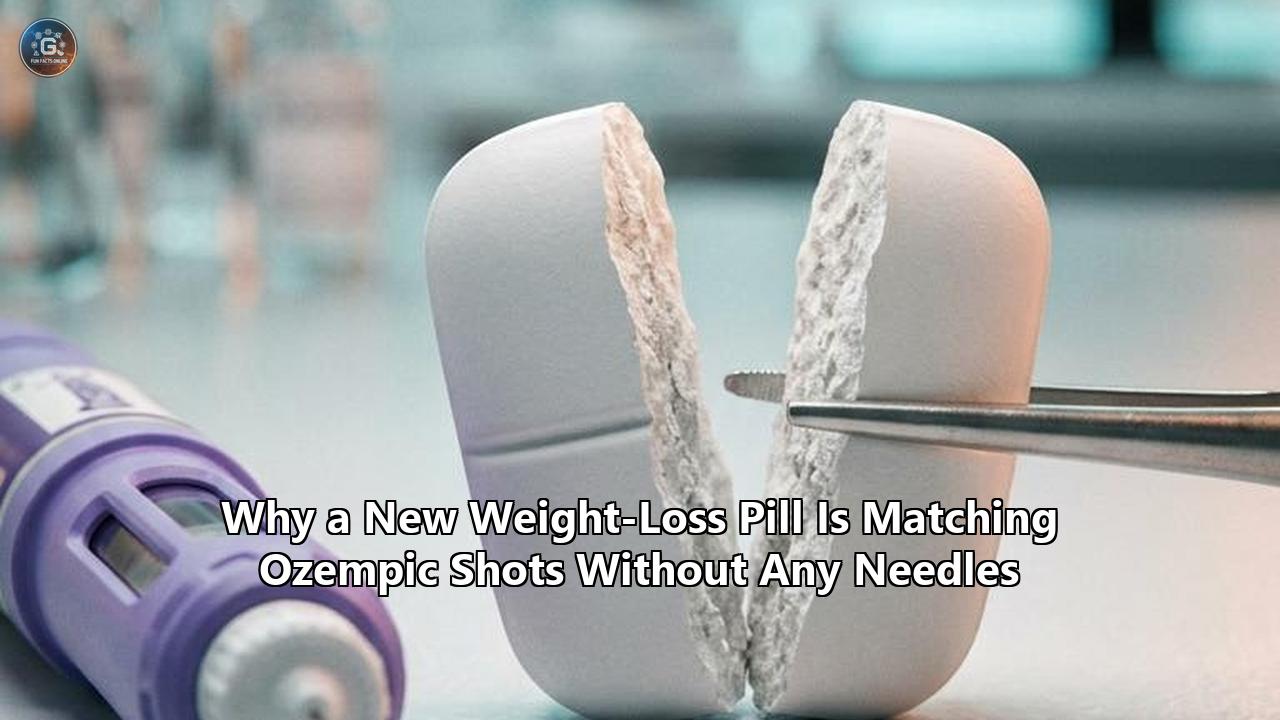
For years, the radical transformation of obesity treatment has depended on a single, inescapable mechanism: the weekly self-injection. While drugs like Ozempic, Wegovy, and Zepbound reshaped clinical medicine by offering unprecedented weight reduction, millions of patients remained sidelined by needle aversion, complex cold-chain storage requirements, and chronic manufacturing shortages.
That technological compromise has now broken down.
The U.S. Food and Drug Administration's approval of Eli Lilly’s orforglipron—marketed under the brand name Foundayo—alongside subsequent clearances by international regulators including the UK’s Medicines and Healthcare products Regulatory Agency (MHRA), has ushered in a long-anticipated shift in metabolic medicine. The landmark approval of this daily, non-peptide oral weight loss pill brings injectable-tier clinical efficacy into a simple tablet, eliminating the need for needles, dietary fasting windows, or specialized refrigeration.
The regulatory decisions follow pivotal Phase 3 clinical data published in The New England Journal of Medicine and The Lancet. In its head-to-head and placebo-controlled trials, orforglipron demonstrated body weight reductions of up to 12.4% (an average of 27.3 pounds) over 72 weeks in adults living with obesity, while dramatically outperforming existing oral therapies in patients with type 2 diabetes.
For the first time, endocrinologists, primary care physicians, and health economists are confronting a reality where the standard-of-care results of injectable GLP-1 receptor agonists can be delivered via a standard pill bottle.
CLINICAL PERFORMANCE AT A GLANCE (72-WEEK ATTAIN-1 TRIAL)
----------------------------------------------------------------------
Dosing Strength               Mean Weight Loss (%)    Mean Weight Loss (lbs)
----------------------------------------------------------------------
Placebo                       2.1%                    ~4.5 lbs
Orforglipron 6 mg             7.5%                    ~16.5 lbs
Orforglipron 12 mg            8.4%                    ~18.5 lbs
Orforglipron 36 mg            12.4%                   27.3 lbs
----------------------------------------------------------------------
Patients achieving ≥10% loss: 59.6% (at 36 mg)
Patients achieving ≥15% loss: 39.6% (at 36 mg)
Inside the Phase 3 Data: How a Daily Tablet Matches Weekly Injections
The clinical validation of orforglipron rests on two massive Phase 3 trial series: the ATTAIN program, which evaluated weight management in adults with obesity, and the ACHIEVE program, which evaluated glycemic control and body weight in type 2 diabetes.
In the landmark ATTAIN-1 study—a double-blind, randomized trial involving 3,127 adults without type 2 diabetes—investigators tracked participants receiving daily orforglipron doses of 6 mg, 12 mg, or 36 mg against a placebo group over a 72-week period. The trial met all primary and key secondary endpoints. Participants titrating to the highest dose achieved an average body weight reduction of 12.4% (27.3 pounds), compared to just 0.9% to 2.1% in the placebo group.
Nearly 60% of participants on the highest dose lost 10% or more of their total body weight, while roughly 40% achieved a reduction of 15% or greater. Furthermore, among trial participants who entered the study with prediabetes, up to 91% reverted to normoglycemia after 72 weeks of treatment.
ATTAIN-1 WEIGHT LOSS MILESTONES (36 mg Daily Dose)
  [████████████████████████████████] 59.6% achieved ≥10% Weight Loss
  [███████████████▒▒▒▒▒▒▒▒▒▒▒▒▒▒▒▒] 39.6% achieved ≥15% Weight Loss
  [███████▒▒▒▒▒▒▒▒▒▒▒▒▒▒▒▒▒▒▒▒▒▒▒▒] 18.4% achieved ≥20% Weight Loss
"In this Phase 3 study, orforglipron demonstrated strong efficacy results and safety consistent with the GLP-1 class, reinforcing its potential as a first-line treatment in primary care," said Dr. Sean Wharton, director of the Wharton Medical Clinic and lead investigator for the ATTAIN-1 study. "Obesity is a complex, global health challenge—and patients need treatment options that are both effective and easy to integrate into everyday life."
The results proved even more striking when pitted directly against existing oral GLP-1 treatments. In the ACHIEVE-3 head-to-head trial published in The Lancet, 1,698 adults with type 2 diabetes inadequately controlled on metformin were randomized to receive either daily orforglipron (up to 17.2 mg) or the highest approved dose of oral semaglutide (14 mg, marketed for diabetes as Rybelsus).
Over 52 weeks, orforglipron achieved a relative 73.6% greater weight reduction than oral semaglutide, with patients losing an average of 19.7 pounds compared to 11.0 pounds on semaglutide. Glycemic control showed a similar disparity: orforglipron drove HbA1c reductions of up to 2.2 percentage points, compared to 1.4 percentage points for oral semaglutide, with 37.1% of patients on orforglipron reaching complete glycemic normalization (HbA1c below 5.7%) compared to just 12.5% on semaglutide.
"ACHIEVE-3 provides the first head-to-head data on oral GLP-1s in type 2 diabetes, with orforglipron showing greater A1C and weight reductions than oral semaglutide," noted Dr. Julio Rosenstock, lead author of the ACHIEVE-3 trial.
Beyond weight loss and glucose metrics, the ATTAIN and ACHIEVE programs demonstrated consistent improvements in systemic cardiometabolic health. High-dose orforglipron treatment resulted in a 47.7% reduction in high-sensitivity C-reactive protein (hs-CRP)—a critical marker of systemic vascular inflammation—alongside meaningful drops in systolic blood pressure, non-HDL cholesterol, and circulating triglycerides.
Small Molecules vs. Unstable Peptides: The Biochemical Breakthrough
To understand why orforglipron represents a structural leap forward, it is necessary to examine why previous attempts to put GLP-1 therapies into pill form stumbled.
First-generation injectable GLP-1 receptor agonists like semaglutide (Ozempic/Wegovy) and tirzepatide (Mounjaro/Zepbound) are biologics. Structurally, they are synthetic peptide chains—strings of amino acids chemically designed to mimic endogenous hormones produced in the human gut.
While peptides are effective when injected directly into subcutaneous fat, they are fragile molecules. When ingested orally, human digestive enzymes, pepsin, and stomach acid break down peptide chains within seconds.
PEPTIDE vs. SMALL MOLECULE PHARMACOKINETICS
----------------------------------------------------------------------------------
Property                 Peptide GLP-1s (Semaglutide)  Small Molecule (Orforglipron)
----------------------------------------------------------------------------------
Molecular Structure      Long amino acid chain         Synthetic chemical compound
Stomach Stability        Degraded by digestive acid    Impermeable to stomach enzymes
Bioavailability          <1% (requires enhancer)       High intrinsic absorption
Dosing Precautions       Fasting; 30-min wait; limited water  None; take anytime with/without food
Storage Requirements     Refrigeration required        Room-temperature stable
Manufacturing Method     Complex bio-fermentation      Standard chemical synthesis
----------------------------------------------------------------------------------
Novo Nordisk partially bypassed this hurdle with oral semaglutide by binding the peptide to an absorption enhancer known as SNAC (salcaprozate sodium). SNAC temporarily raises local stomach pH to protect the peptide and facilitates passive uptake through the gastric mucosa.
However, this delivery mechanism imposes severe operational constraints. Patients taking oral semaglutide must wake up, take the pill on an empty stomach with no more than four ounces of plain water, and wait at least 30 minutes before eating, drinking, or taking any other oral medications. If a patient drinks a cup of coffee or takes an antacid too early, the drug’s bioavailability drops to near zero. Even under ideal conditions, less than 1% of oral semaglutide reaches systemic circulation.
The engineering of a small-molecule oral weight loss pill represents a fundamental triumph of synthetic chemistry over peptide limitations. Orforglipron is not a peptide; it is a synthetic, non-peptide organic compound originally discovered by Chugai Pharmaceutical Co. and licensed by Eli Lilly.
Because orforglipron contains no peptide bonds, gastrointestinal peptidases cannot digest it. It maintains high metabolic stability in the human digestive tract, freely crosses the intestinal epithelium, and targets GLP-1 receptors across the pancreas, brain, and gut with high specificity.
Consequently, orforglipron eliminates every dosing restriction that plagued first-generation oral incretins. Patients can take Foundayo at any time of day—morning, noon, or night—with or without food, and alongside any beverage or co-prescribed oral medication.
"The more options people have, the better," explained Dr. Avlin Imaeda, a gastroenterologist and obesity medicine specialist at Yale Medicine. "Foundayo is different from injectable GLP-1 drugs because it doesn't use peptide-based ingredients. Instead, its small-molecule structure allows it to pass through digestion intact, removing the rigid fasting windows that made earlier oral GLP-1 options difficult for patients to stick with."
Unlocking the Supply Chain: Why Synthetic Chemistry Outpaces Biologics
Beyond convenience, the transition to a daily oral weight loss pill solves the acute supply bottleneck that has plagued the anti-obesity market for half a decade.
Between 2021 and 2025, global demand for semaglutide and tirzepatide routinely overwhelmed pharmaceutical manufacturing infrastructure. Producing peptide-based biologics requires massive bio-fermentation facilities, complex chemical synthesis of amino-acid chains, sterile liquid fill-finish lines, specialized glass syringes, and multi-component auto-injector pen assemblies. Every link in that supply chain must be maintained under strict cold-chain refrigeration from factory floor to patient pharmacy shelf.
When Novo Nordisk successfully tested high-dose oral semaglutide (25 mg and 50 mg) in its PIONEER PLUS and OASIS trials—achieving ~15% weight loss—it ran directly into an active pharmaceutical ingredient (API) wall. Producing a single 50 mg daily oral dose of semaglutide requires more than 100 times the amount of raw peptide API needed for a 2.4 mg weekly injection. Allocating that much semaglutide to tablets threatened to completely exhaust the global supply needed for Ozempic and Wegovy injections, forcing the company to slow its commercial rollout.
GLOBAL SUPPLY CHAIN FACTORS: BIOLOGIC INJECTABLES VS. SMALL MOLECULE PILLS
----------------------------------------------------------------------------------
Manufacturing Stage   Biologic Injectable Pens       Small-Molecule Tablets
----------------------------------------------------------------------------------
Synthesis             Bio-fermentation & peptide     Standard organic chemical
                      chain assembly                 reaction steps
Scale Potential       Constrained by bioreactor      Massive chemical batch yield
                      capacity                       (billions of doses/year)
Packaging             Sterile syringes, glass        Standard blister packs or
                      vials, mechanical pens         plastic bottles
Logistics             End-to-end cold-chain          Room-temperature shipping
                      refrigeration (2°C to 8°C)     and shelf storage
Global Access         Restricted to high-income      Rapid deployment to retail
                      developed markets              pharmacies & developing nations
----------------------------------------------------------------------------------
Small-molecule drugs like orforglipron break this industrial bottleneck. They are manufactured via standard chemical synthesis using standard industrial reactors.
- Volume and Yield: A single chemical manufacturing facility can produce metric tons of small-molecule active ingredients annually, yielding billions of oral doses without requiring bio-fermentation tanks or sterile liquid processing lines.
- Simplified Packaging: Orforglipron eliminates auto-injector hardware, spring-loaded needles, glass cartridges, and rubber stoppers. Tablets are packaged using standard, low-cost foil blister cards or plastic pill bottles.
- Ambient Stability: Because small molecules do not denature at warm temperatures, Foundayo requires no cold-chain logistics. It can be stored, shipped, and displayed at room temperature across global supply chains, dramatically lowering distribution costs and expanding access into rural or low-resource regions where medical refrigeration is unreliable.
This manufacturing efficiency also fundamentally alters the economic calculus of anti-obesity therapy. While injectable GLP-1 therapies carry retail list prices hovering between $1,000 and $1,350 per month in the United States, the lower cost-of-goods for small-molecule pills gives manufacturers the flexibility to price tablets far more aggressively, accelerating coverage negotiations with pharmacy benefit managers (PBMs), national health systems, and commercial insurers.
Clinical Realities and Patient Preference: Overcoming Injection Barriers
Despite the clinical success of weekly injections, medical adherence data highlights significant real-world drop-off rates for injectable therapies.
Real-world claims analyses indicate that up to 45% to 50% of patients prescribed injectable GLP-1 medications discontinue therapy within 12 months. While gastrointestinal side effects account for a portion of these dropouts, needle anxiety (trypanophobia)—which affects an estimated 20% to 25% of the adult population—remains a major barrier to long-term compliance.
BARRIERS TO LONG-TERM INJECTABLE ADHERENCE
  [████████████████████] Trypanophobia / Needle Discomfort (~25%)
  [██████████████████████████] Cold-Chain Travel & Storage Hassle (~33%)
  [████████████████████████████████████] Weekly Administration Confusion (~42%)
For many patients, self-administering a weekly subcutaneous injection requires overcoming psychological friction, managing injection-site reactions (such as bruising, erythema, and localized pruritus), and carefully coordinating refrigeration during travel.
A daily oral pill aligns naturally with established healthcare habits. Most adults with metabolic syndrome, hypertension, or hyperlipidemia already manage a daily morning or evening prescription regimen. Integrating a weight-loss pill into an existing pill organizer eliminates the friction of scheduling weekly injections, disposing of medical sharps, or explaining refrigerated medication pens during business travel.
Furthermore, the introduction of Foundayo simplifies prescribing workflows for primary care providers. Prescribing injectable GLP-1s often requires clinical staff to spend time training patients on auto-injector mechanics, explaining proper skin pinch techniques, and providing disposal containers for biohazardous sharps. An oral option shifts obesity management directly into the routine primary care paradigm—prescribe, dispense, and swallow.
However, medical experts caution that oral administration does not completely eliminate adherence challenges. In the 72-week ATTAIN-1 trial, discontinuation rates across orforglipron dose groups ranged from 21% to 24%, driven primarily by gastrointestinal side effects during early dose-escalation phases.
"While eliminating needles removes a massive psychological hurdle, a daily pill requires a different kind of patient discipline," notes Dr. Robert Kushner, professor emeritus of medicine at Northwestern University Feinberg School of Medicine. "Patients who forget to take a weekly injection miss one dose every seven days. A patient who struggles with daily oral compliance can quickly lose therapeutic blood levels, leading to fluctuations in appetite control and blood sugar regulation."
The Competitive Pipeline: Beyond Orforglipron to Dual-Agonist Tablets
While Eli Lilly's Foundayo has secured early market entry as the first approved non-peptide oral GLP-1, it is entering a rapidly accelerating competitive landscape. Pharmaceutical developers are advancing second- and third-generation oral candidates engineered to match or exceed the highest-tier injectables.
EMERGING ORAL METABOLIC PIPELINE
----------------------------------------------------------------------------------
Drug Name          Developer             Mechanism of Action      Development Stage
----------------------------------------------------------------------------------
Foundayo           Eli Lilly             Small-molecule GLP-1     FDA Approved / Market
(Orforglipron)
Oral Amycretin     Novo Nordisk          Unimolecular GLP-1 +     Phase 3 Initiation
                                         Amylin Agonist
Aleniglipron       Structure             Small-molecule GLP-1     Phase 3 Preparation
(GSBR-1290)        Therapeutics
VK2735 Oral        Viking Therapeutics   Dual GLP-1/GIP Agonist   Phase 2 Phase
Oral Wegovy        Novo Nordisk          Peptide GLP-1            Phase 3 Complete
(Semaglutide 50mg)                       (High-dose + SNAC)
----------------------------------------------------------------------------------
Novo Nordisk’s Amycretin
Novo Nordisk's most promising response to small-molecule competition is amycretin—a unimolecular co-agonist that targets both the GLP-1 receptor and the amylin receptor. Amylin is a co-secreted pancreatic hormone that regulates gastric emptying, suppresses glucagon, and promotes satiety through distinct neurochemical pathways in the brain.
In Phase 2 clinical data presented in late 2025, patients with type 2 diabetes receiving once-daily oral amycretin achieved weight loss of up to 10.1% over 36 weeks, accompanied by an HbA1c reduction of 1.5 percentage points. Crucially, investigators noted that weight loss had not reached a plateau at week 36, hinting that longer treatment durations could yield weight loss numbers approaching 15% to 20%. Novo Nordisk is advancing oral amycretin into comprehensive Phase 3 global trials.
Structure Therapeutics’ Aleniglipron
Another contender in small-molecule development is aleniglipron (formerly GSBR-1290), developed by Structure Therapeutics. Published in Nature Medicine, Phase 2b data demonstrated that once-daily oral aleniglipron achieved up to 12.1% body weight loss in adults with obesity or overweight over 36 weeks.
Like orforglipron, aleniglipron is an orally available small molecule that requires no dietary restrictions and can be manufactured via standard chemical synthesis. Structure Therapeutics is optimizing dose-escalation schedules to improve gastrointestinal tolerability ahead of pivotal Phase 3 registration studies.
As pharmaceutical companies race to expand their pipelines, the development of the next-generation oral weight loss pill is moving toward multi-receptor target molecules that combine GLP-1, GIP, and glucagon or amylin pathways into a single, room-temperature tablet.
Safety, Tolerability, and the Side-Effect Landscape
The safety profile of orforglipron is consistent with the established GLP-1 receptor agonist class. Because orforglipron acts on the same neurological and gastrointestinal pathways as injectable semaglutide and tirzepatide, its adverse event profile features familiar gastrointestinal reactions.
ORFORGLIPRON ADVERSE EVENT PROFILE (Phase 3 ATTAIN-1 Data)
  [██████████████████████████████] Diarrhea (up to 26%)
  [███████████████████] Indigestion / Dyspepsia (up to 20%)
  [█████████████████] Nausea (up to 18%)
  [███████████] Vomiting & Constipation (10% - 14%)
In Phase 3 trials, the most common side effects reported were diarrhea (up to 26%), dyspepsia/indigestion (up to 20%), nausea (up to 18%), and vomiting or constipation. Gastrointestinal events were predominantly mild-to-moderate in severity, occurring mainly during the initial dose-escalation phase and diminishing over time as patients acclimated to the medication.
To minimize GI toxicity, Eli Lilly engineered a six-tier titration protocol for Foundayo, starting at a low dose of 0.8 mg daily and gradually stepping up over several weeks through intermediate strengths (2.5 mg, 5.5 mg, 9 mg, and 14.5 mg) to the maximum maintenance dose of 17.2 mg (for diabetes) or 36 mg (for obesity management).
FOUNDAYO (ORFORGLIPRON) DOSE TITRATION STEP-UP
  Step 1: 0.8 mg daily  --->  [Initial Tolerability Phase]
  Step 2: 2.5 mg daily  --->  [GI Acclimation]
  Step 3: 5.5 mg daily  --->  [Metabolic Shift]
  Step 4: 9.0 mg daily  --->  [Glycemic Response Tier]
  Step 5: 14.5 mg daily --->  [T2D Target Dose]
  Step 6: 17.2 / 36 mg  --->  [Max Maintenance Dose]
A key point of scrutiny during the development of oral small-molecule GLP-1s was liver safety. In late 2023 and early 2025, competing oral small-molecule programs—most notably Pfizer’s danuglipron—encountered setbacks when clinical trials revealed elevated liver transaminases (ALT/AST) in subset populations, leading Pfizer to abandon its daily danuglipron candidate.
Orforglipron, however, has maintained a clean hepatic safety profile. Across more than 4,500 patients evaluated in the ATTAIN and ACHIEVE clinical trial programs, researchers observed no signals of drug-induced liver injury, with liver enzyme profiles remaining comparable to placebo cohorts.
However, like all GLP-1 receptor agonists, Foundayo carries warnings regarding potential risks of gallbladder disease (cholelithiasis), pancreatitis, and hypoglycemic risk when combined with sulfonylureas or insulin.
Prescribers must also consider lean muscle mass preservation. As with injectable GLP-1s, rapid body weight reduction induced by oral small molecules includes loss of skeletal muscle alongside adipose tissue. Clinical guidelines recommend that patients taking Foundayo pair medication adherence with adequate dietary protein intake (1.2 to 1.6 grams per kilogram of body weight) and structured resistance training to preserve lean tissue mass.
Future Horizon: Price Wars, Global Access, and Market Disruption
The commercial arrival of Foundayo and the broader emergence of oral small-molecule incretins mark a structural shift in how healthcare systems handle obesity and cardiometabolic care.
TRANSITIONING THE METABOLIC CARE PARADIGM
----------------------------------------------------------------------------------
Historical Paradigm (2021–2025)             Next-Gen Paradigm (2026 Onward)
----------------------------------------------------------------------------------
• Injectable-dominated regimens             • Oral-first primary care prescriptions
• Chronic cold-chain supply constraints     • Scalable synthetic batch production
• High monthly list prices ($1,000+)        • Lower cost-of-goods pricing flexibility
• Specialist endocrinology management       • Broad primary care integration
----------------------------------------------------------------------------------
The immediate focus moves to commercial access, insurance reimbursement, and international health system reviews. In the United States, Eli Lilly has launched Foundayo through commercial retail pharmacies and its direct-to-patient telehealth platform, LillyDirect.
In Europe, following the UK MHRA's authorization, health technology assessment bodies like the National Institute for Health and Care Excellence (NICE) are evaluating orforglipron for public coverage within the National Health Service (NHS). Because NHS guidelines previously restricted injectable GLP-1 coverage due to cost and injection training burdens, a daily oral pill with lower acquisition costs could open NHS treatment access to millions of eligible patients.
Health economists anticipate that the entry of oral small molecules will trigger broader market competition. With multiple pharmaceutical companies pushing small-molecule GLP-1 candidates through Phase 2 and Phase 3 pipelines, the historical pricing power enjoyed by exclusive injectable brands will face increasing pressure. Lower production costs mean manufacturers can offer competitive rebates to secure preferred formulary placement on insurer drug lists, lowering out-of-pocket expenses for patients.
Key developments to track over the next 12 to 24 months include:
- Long-Term Cardiovascular Outcomes (CVOTs): Ongoing cardiovascular safety trials evaluating whether orforglipron matches the major adverse cardiovascular event (MACE) reductions demonstrated by injectable semaglutide in the SELECT trial.
- Expanded Clinical Indications: Phase 3 trials investigating orforglipron in obstructive sleep apnea (OSA), non-alcoholic steatohepatitis (MASH), knee osteoarthritis pain, and chronic kidney disease.
- Combination Therapies: The development of fixed-dose oral combination tablets pairing small-molecule GLP-1s with oral SGLT2 inhibitors, statins, or antihypertensives to deliver comprehensive, single-pill cardiometabolic management.
The shift from weekly subcutaneous injections to a daily oral pill marks a turning point in metabolic medicine. By marrying the clinical potency of injectable GLP-1s with the simplicity, scalability, and room-temperature stability of synthetic chemistry, oral small-molecule therapies are set to demote the needle from a medical necessity to an outdated alternative.
Summary of Key Clinical Trials
- ATTAIN-1 (Phase 3 Obesity Study): 3,127 adults without type 2 diabetes over 72 weeks. High-dose orforglipron (36 mg) achieved 12.4% mean weight loss (27.3 lbs) versus 0.9% for placebo.
- ACHIEVE-3 (Phase 3 Head-to-Head Diabetes Study): 1,698 adults with type 2 diabetes over 52 weeks. Orforglipron (17.2 mg) delivered 19.7 lbs weight loss and 2.2% HbA1c drop versus 11.0 lbs and 1.4% HbA1c drop for oral semaglutide 14 mg.
- ATTAIN-2 (Phase 3 Obesity + T2D Study): 1,613 adults over 72 weeks. High-dose orforglipron achieved 9.6% mean body weight reduction alongside significant cardiometabolic improvements.
Reference:
- https://ro.co/weight-loss/orforglipron/
- https://pharmaceutical-journal.com/article/news/mhra-approves-orforglipron-weight-loss-pill
- https://www.doctronic.ai/blog/orforglipron-oral-glp-1-weight-loss-pill/
- https://superpower.com/guides/peptides/orforglipron
- https://www.biopharminternational.com/view/lilly-s-oral-glp-1-foundayo-outperforms-oral-semaglutide-in-phase-3-type-2-diabetes-trial
- https://lilly.gcs-web.com/news-releases/news-release-details/lillys-oral-glp-1-orforglipron-demonstrated-meaningful-weight
- https://www.drugdiscoverytrends.com/lillys-oral-glp-1-drug-orforglipron-achieves-12-4-weight-loss-in-phase-3-trial-but-trails-injectable-rivals-tirzepatide-and-retatrutide/
- https://www.sciencedaily.com/releases/2026/08/260810015717.htm
- https://investor.lilly.com/news-releases/news-release-details/foundayotm-orforglipron-lillys-new-oral-glp-1-pill-weight-loss
- https://www.yalemedicine.org/news/glp-1-weight-loss-pills-what-you-need-to-know
- https://www.onthepen.com/post/orgorglipron-phase-3-data-shows-ozempic-like-results-in-pill-form
- https://www.emjreviews.com/emj-gold/news/eli-lillys-weight-loss-pill-wins-double-uk-approval/
- https://www.hcplive.com/view/novo-nordisk-s-amycretin-demonstrates-superior-weight-loss-versus-placebo
- https://bio-research.ai/novo-nordisk-s-phase-2-trial-shows-up-to-14-5-weight-loss-with-amycretin/
- https://www.fiercebiotech.com/biotech/lillys-oral-glp-1-drug-delivers-ozempic-efficacy-phase-3-diabetes-trial