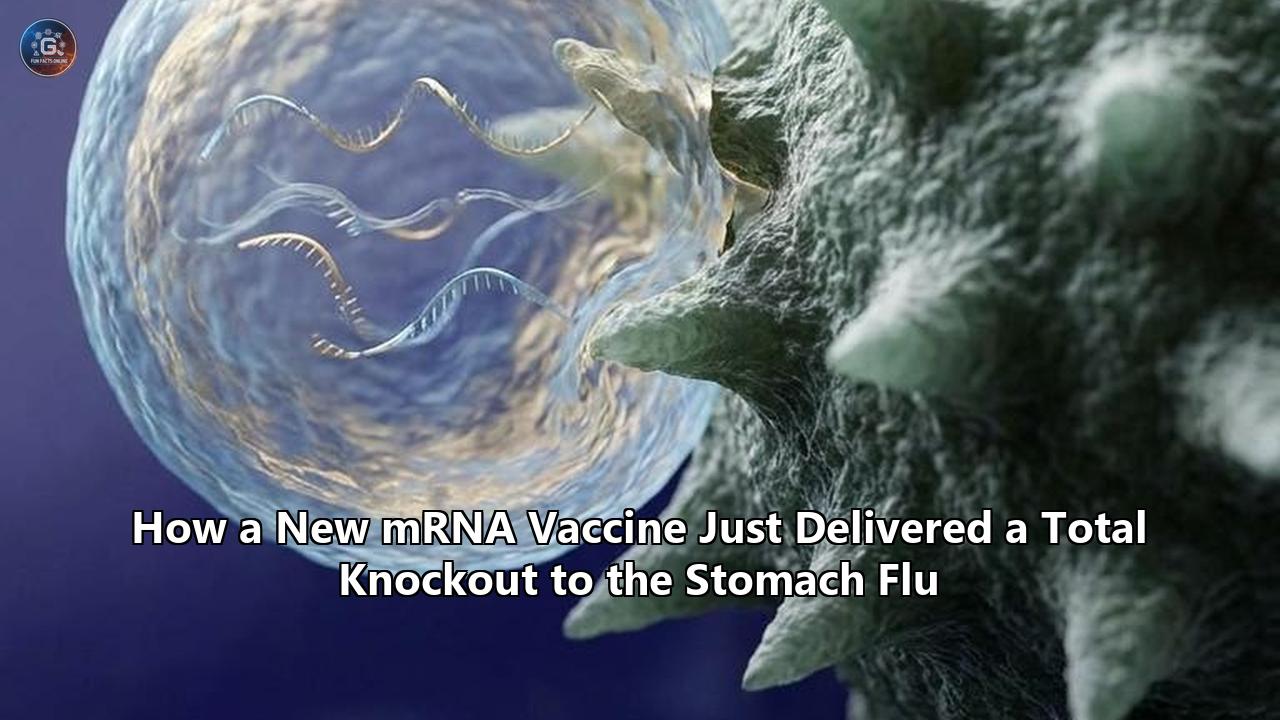
The race to develop a defense against norovirus, the notorious "stomach flu" or "winter vomiting bug," is reaching a critical inflection point. In early 2026, Moderna announced that its Phase 3 "Nova 301" clinical trial for mRNA-1403 was fully enrolled for its second Northern Hemisphere season (2025–2026). Led by a rapid recruitment drive that saw the UK's National Health Service (NHS) and private clinical sites enroll over 2,500 volunteers in just over nine weeks, the clinical trial is on track to produce definitive efficacy data. As the first stomach flu mRNA vaccine closes in on regulatory review, the medical community is watching to see if this molecular platform can succeed where traditional vaccine technologies have repeatedly failed.
The stakes are immense. Norovirus is the leading cause of non-bacterial acute gastroenteritis worldwide, responsible for an estimated 685 million infections, 200 million pediatric cases, and approximately 50,000 child deaths annually—principally in developing countries. In high-income nations, the virus is a persistent economic drain, causing $60 billion in global healthcare costs and lost productivity every year. It sweeps through cruise ships, hospitals, military barracks, schools, and eldercare facilities with relentless efficiency. Despite decades of effort, there is no approved vaccine or targeted antiviral treatment.
The sudden acceleration of Moderna’s candidate represents more than just a successful clinical trial enrollment; it sets up a head-to-head technological showdown. On one side stands mRNA, the synthetic genetic blueprint technology that rose to prominence during the COVID-19 pandemic. On the other side are competing platforms: virus-like particles (VLPs), which recently suffered a catastrophic setback in pediatric trials, and oral recombinant vector pills designed to stimulate immunity directly in the mucosal lining of the gut.
Analyzing the design, immunological mechanisms, and trade-offs of these competing scientific responses reveals why conquering this simple, non-enveloped virus has proven so difficult—and how modern vaccinology is poised to finally deliver a knockout blow.
The Landscape of Defeat: Why Norovirus Has Eluded Vaccinology for 50 Years
The search for a norovirus vaccine has been defined by a sequence of clinical dead ends. Discovered in the wake of a 1968 outbreak of acute vomiting and diarrhea at an elementary school in Norwalk, Ohio, the "Norwalk virus" was eventually identified as a positive-sense, single-stranded RNA virus belonging to the Caliciviridae family. For decades, researchers faced a fundamental obstacle: the virus could not be cultivated reliably in human cell lines. Without the ability to grow the virus in a laboratory, traditional methods of vaccine manufacturing—such as using live-attenuated or inactivated whole viruses—were completely off the table.
This forced scientists to turn to recombinant technologies. The most common approach has been the creation of virus-like particles (VLPs). When the major capsid protein of norovirus, known as VP1, is expressed in isolation, it self-assembles into empty, non-infectious shells that mimic the outer structure of the real virus. Because these VLPs lack genetic material, they cannot replicate or cause infection, but they present the immune system with the precise physical targets needed to generate neutralizing antibodies.
Despite the elegance of the VLP concept, translating it into real-world protection has been remarkably difficult due to three biological characteristics of norovirus:
- Extreme Genotypic Diversity: Norovirus is divided into at least 10 distinct genogroups and nearly 50 different genotypes. The vast majority of human infections are caused by genogroup I (GI) and genogroup II (GII) strains. Within these, a single genotype—GII.4—has been responsible for up to 70% of global outbreaks over the past two decades. However, the virus undergoes rapid antigenic drift, with new sub-variants of GII.4 emerging every few years to replace older ones. Additionally, non-GII.4 strains, such as GII.17, periodically surge and catch the immune systems of populations entirely off guard.
- Absence of Cross-Genotype Protection: Infection with one norovirus genotype does not guarantee immunity against another. A vaccine that is highly effective against GII.4 may offer virtually no protection against GI.1 or GII.17. This means any viable vaccine must be multivalent, targeting several distinct strains simultaneously without causing immunological interference.
- Fleeting Natural Immunity: Unlike measles or mumps, where a single infection can confer lifelong protection, human immunity to norovirus is notoriously short-lived. Studies suggest that natural immunity to a specific strain of norovirus begins to wane in as little as six months. The virus has been called the "perfect pathogen" because it is highly stable in the environment, infectious at incredibly low doses (as few as 18 viral particles can cause disease), and shed in massive quantities by infected individuals, all while eliciting a weak and temporary immunological memory.
To understand the promise of a stomach flu mRNA vaccine, one must first examine the biology of how the human body interacts with these transient viral antigens and why previous strategies collapsed just short of the finish line.
The Infant Paradox: Decoding the HilleVax Failure
The limitations of traditional VLP platforms were laid bare in July 2024, when the clinical-stage biotechnology company HilleVax announced the failure of its lead norovirus vaccine candidate, HIL-214.
Originally developed by Takeda Pharmaceuticals and spun out into HilleVax in 2021, HIL-214 was a bivalent VLP vaccine targeting the GI.1 and GII.4 genotypes, formulated with an aluminum hydroxide adjuvant. Structurally, it was the most advanced norovirus vaccine in development. Earlier Phase II studies in adults had demonstrated "clinical proof of concept," showing statistically significant protection against moderate-to-severe acute gastroenteritis.
Based on those adult successes, HilleVax launched the NEST-IN1 trial, a Phase IIb, randomized, double-blind, placebo-controlled study involving more than 2,800 infants across the United States and Latin America. The infants were immunized at approximately five months of age with a two-dose regimen.
The results were a major setback for the VLP approach. Out of 51 primary endpoint events of moderate-to-severe norovirus gastroenteritis recorded during the trial, 25 occurred in the vaccinated group and 26 occurred in the placebo arm. This translated to a dismal vaccine efficacy of just 5%.
HilleVax NEST-IN1 Phase IIb Infant Trial Efficacy:
+------------------------+------------------------+
| Vaccinated Group (n)   | Placebo Group (n)      |
| 25 AGE Events          | 26 AGE Events          |
+------------------------+------------------------+
|                 Efficacy: 5%                    |
+-------------------------------------------------+
The trial failed to meet any of its primary or secondary efficacy endpoints, forcing HilleVax to immediately halt pediatric development of the program, lay off 40% of its workforce, and watch its stock price plummet by over 80% in a single day.
How could a vaccine that showed clear efficacy in adults fail so completely in infants?
The answer lies in the complex immunology of early-life exposure. Adults have spent a lifetime being exposed to various norovirus strains. When an adult receives an injection of VLPs, the vaccine acts primarily as an immunological booster, reawakening and broadening a pre-existing pool of memory B and T cells. Infants, by contrast, are immunologically naive to norovirus. For them, the vaccine must perform "primary immunization," building an immune response from scratch.
The physical nature of protein-based VLPs proved insufficient for this task in infants. Recombinant protein antigens injected intramuscularly with alum adjuvants tend to drive a strong humoral (antibody) response but are less effective at stimulating the robust, multi-faceted cellular immunity—specifically CD4+ helper T cells and CD8+ cytotoxic T cells—required to establish durable protection in an unexposed immune system.
Furthermore, the physical VLPs were highly vulnerable to antibody neutralization. In infants, maternal antibodies circulating in the bloodstream can bind to the injected VLPs and clear them before the infant’s own immune system can recognize the antigen and mount a primary response.
Finally, the trial coincided with the appearance of multiple emerging GII.4 sub-variants that differed subtly from the consensus GII.4 sequence used to manufacture the vaccine’s VLPs. Because the VLP manufacturing process is slow and rigid, HilleVax could not adjust the vaccine's antigen composition to match the shifting environmental strains in real time.
The HilleVax disaster demonstrated that physical protein-based VLPs were too fragile, too slow to update, and immunologically too narrow to protect the most vulnerable populations from primary infection. It cleared the stage for a different kind of weapon: a vaccine that does not deliver pre-manufactured proteins, but instead instructs the patient's own cells to build them.
Moderna’s mRNA-1403: The Agility and Adaptability of the Genetic Blueprint
Unlike traditional approaches, the clinical development of a stomach flu mRNA vaccine relies on instructing the body's own cells to manufacture the viral proteins. Moderna's mRNA-1403 is a trivalent vaccine candidate designed to bypass the limitations of in vitro VLP manufacturing.
Rather than purifying physical VLPs in giant bioreactors using insect or yeast cell lines, mRNA-1403 uses lipid nanoparticles (LNPs) to deliver synthetic messenger RNA directly into human muscle cells. This mRNA contains the genetic codes for the major capsid protein (VP1) of three globally dominant norovirus genotypes: GI.3, GII.3, and GII.4.
Once inside the host cells, the ribosomes translate the mRNA instructions, producing the VP1 proteins. These proteins naturally assemble into empty, non-infectious VLPs inside the human body. Because the proteins are generated intracellularly and presented to the immune system over an extended period, they trigger a profoundly different and more comprehensive immune response than pre-formulated protein injections.
Moderna's Trivalent mRNA-1403 Composition:
       [ Lipid Nanoparticle (LNP) Carrier ]
                      |
     +----------------+----------------+
     |                |                |
  [ GI.3 mRNA ]   [ GII.3 mRNA ]   [ GII.4 mRNA ]
     |                |                |
     +----------------+----------------+
                      |
       (Translated by Human Ribosomes)
                      |
         [ Endogenous VLP Assembly ]
Interim data from Moderna’s Phase I/II dose-ranging trial (NCT05992935), which evaluated mRNA-1403 in healthy adults aged 18 to 80, revealed encouraging immunological markers. Presented at IDWeek and published in Open Forum Infectious Diseases, the data showed that a single intramuscular injection of mRNA-1403 elicited robust levels of serum histo-blood group antigen (HBGA)-blocking antibodies.
HBGAs are complex carbohydrates expressed on the surface of human mucosal cells in the gut. Norovirus must bind to these HBGAs to gain entry into host cells and initiate infection. Antibodies that block this binding interaction—measured via an HBGA-blocking assay—are considered the most reliable proxy, or "correlate of protection," for norovirus immunity.
Moderna’s vaccine did not just stimulate antibodies. Crucially, it generated a robust, polyfunctional, and Th1-predominant memory CD4+ and CD8+ T-cell response against all three target genotypes. This cellular response was remarkably consistent across both younger adults (18–49) and older adults (60–80).
This T-cell activation is the missing piece that failed to materialize in the infant VLP trials. By inducing a strong cellular arm alongside neutralizing antibodies, mRNA-1403 prepares the immune system to recognize and destroy infected cells, potentially offering more durable and cross-reactive protection even if the circulating virus mutates slightly away from the vaccine strain.
Furthermore, the mRNA platform possesses a logistical advantage: speed. In June 2026, during an FDA advisory panel meeting for Moderna's trivalent mRNA flu vaccine, company researchers noted that their mRNA platform allows for a mere two- to three-month turnaround from strain selection to commercial production.
If a new norovirus genotype, such as GII.17, begins to dominate globally, Moderna does not need to re-engineer a complex, cell-line-based manufacturing process. They simply swap the nucleotide sequence in their synthetic mRNA transcription template. This modular flexibility effectively neutralizes the threat of rapid viral drift that has historically paralyzed norovirus vaccine development.
Vaxart’s VXA-G1.1-NN: The Case for a Room-Temperature Pill
While Moderna seeks to conquer norovirus through the speed and immunological breadth of synthetic mRNA, a plucky competitor is taking an entirely different technological path. South San Francisco-based Vaxart is developing VXA-G1.1-NN, a bivalent oral recombinant pill vaccine designed to be swallowed rather than injected.
Vaxart’s approach is rooted in an alternate immunological philosophy: if norovirus is an enteropathogenic virus that enters the body through the gastrointestinal tract, the most effective defense should be built directly within the gut wall.
===================================================================
               Moderna (mRNA-1403) vs. Vaxart (VXA-G1.1-NN)
===================================================================
Feature          Moderna mRNA-1403           Vaxart VXA-G1.1-NN
-------------------------------------------------------------------
Platform         mRNA in Lipid Nanoparticles  Adenovirus Vector (Ad5)
Administration   Intramuscular Injection     Oral Pill (Tablet)
Storage          Cold Chain Required         Room Temperature Stable
Primary Target   Systemic IgG & T-Cells      Mucosal Secretory IgA (sIgA)
Match Speed      Extremely Fast (2-3 months) Moderate (Vector Re-design)
Efficacy Metric  Phase 3 Field Trial         Phase 2b Challenge Study
===================================================================
To achieve this, VXA-G1.1-NN utilizes a non-replicating Adenovirus Type 5 (Ad5) vector. This modified, harmless virus carries two payloads: the gene encoding the norovirus VP1 capsid protein, and a double-stranded RNA (dsRNA) molecule that acts as a Toll-like receptor 3 (TLR3) agonist. The dsRNA serves as a molecular adjuvant, signaling to the local immune cells in the gut that a pathogen is present and sparking a targeted immune response without the need for systemic inflammation.
The tablet is formulated with an enteric coating that allows it to pass safely through the highly acidic environment of the stomach. It dissolves only when it reaches the small intestine, where the Ad5 vector delivers its genetic cargo directly to the intestinal epithelial cells. These cells then synthesize the norovirus VP1 protein locally, presenting it directly to the gut-associated lymphoid tissue (GALT).
In May 2025, Vaxart published complete results from a Phase IIb clinical challenge study (NCT05212168) in Science Translational Medicine. In this trial, healthy volunteers were given either Vaxart’s oral pill vaccine or a placebo, and were subsequently "challenged" four weeks later by being intentionally exposed to live norovirus.
The trial met five of its six primary endpoints:
- Reduction in Infection: The vaccine group demonstrated a statistically significant 30% relative reduction in norovirus infection compared to the placebo group ($p=0.003$).
- Reduction in Symptoms: Vaccinated individuals who did become infected experienced a 21% relative reduction in the incidence of acute gastroenteritis, along with a significantly reduced frequency of vomiting (emesis).
- Reduced Viral Shedding: The vaccine significantly lowered the viral load found in the stool and emesis of infected individuals, which has massive implications for stopping the spread of the virus in congregate settings like cruise ships or care homes.
- Targeted Mucosal Homing: The oral pill successfully stimulated mucosal-homing B cells (expressing the integrin marker $\alpha_4\beta_7$) and led to massive increases in norovirus-specific secretory IgA (sIgA) in saliva, nasal linings, and the intestine.
In September 2025, at the 9th International Calicivirus Conference in Banff, Canada, Vaxart presented head-to-head Phase I data for its second-generation oral norovirus vaccine constructs.
These new designs produced even more striking results: a single tablet generated a 25-fold increase in GII.4 fecal IgA and a 10-fold increase in GI.1 fecal IgA over baseline. By comparison, the first-generation constructs had produced a 13-fold and 6-fold increase, respectively.
By using advanced machine learning models to analyze the trial data, Vaxart identified two clear correlates of protection: functional serum blocking antibodies and, critically, fecal IgA.
The Immunological Duel: Mucosal Secretory IgA vs. Systemic IgG
The divergence between Moderna’s injected mRNA and Vaxart’s oral tablet represents a profound debate in modern immunology: Where must the immune response occur to defeat an intestinal pathogen?
When a pathogen like norovirus enters the mouth, it travels down the esophagus and targets the enterocytes of the small intestine. To prevent the virus from docking, the body relies on secretory IgA (sIgA), a specialized class of antibody secreted directly across the mucosal membranes into the gut lumen. These sIgA antibodies act like molecular velcro, binding to the virus and neutralizing it in the gut fluid before it can ever touch an epithelial cell.
   [ INTESTINAL LUMEN (Gut Cavity) ]
            o   o   o  (Norovirus Particles)
           \ / \ / \ /
          ================= [ Mucosal sIgA Layer (Vaxart's Primary Target) ]
          ----------------- [ Intestinal Epithelial Cells ]
          ================= [ Basolateral Membrane / Bloodstream ]
               | | |
             / \ / \  (Systemic IgG Antibodies (Moderna's Primary Target) ]
Vaxart's oral pill is optimized specifically to generate this mucosal sIgA shield. By infecting mucosal cells in the gut directly with the non-replicating adenovirus, it triggers local B cells to class-switch to IgA and express mucosal homing receptors. This creates a highly localized, defensive physical barrier at the exact site of viral entry.
By contrast, an intramuscular injection of a stomach flu mRNA vaccine primarily stimulates a systemic immune response. The lipid nanoparticles enter muscle cells, which produce the VP1 proteins. These proteins drain into nearby lymph nodes, prompting the immune system to produce high titers of systemic IgG antibodies and systemic memory T cells.
Historically, immunologists believed that intramuscular injections could not generate sufficient mucosal immunity to protect against mucosal pathogens.
However, modern clinical data from mRNA vaccines has challenged this dogma. During the COVID-19 pandemic, researchers discovered that high levels of systemic IgG induced by intramuscular mRNA shots actually migrate across the mucosal tight junctions into the nose and lungs, offering protection at the site of infection.
In clinical trials of mRNA-1403, Moderna demonstrated a similar phenomenon: the high titers of serum HBGA-blocking antibodies generated by the injection successfully transudate across the gut epithelium into the intestinal lumen, effectively blocking norovirus from binding to human gut cells.
The trade-offs between these two immunological strategies are clear:
1. Efficacy Against Infection vs. Efficacy Against Disease
Because Vaxart’s pill stimulates local sIgA, it is designed to block infection entirely. In its challenge trial, it reduced actual viral infections by 30%.
Moderna's mRNA vaccine, conversely, may not completely prevent a person from becoming infected if they ingest a high dose of the virus. However, by generating massive systemic IgG and T-cell responses, it is designed to act as a "firebreak" once the virus breaches the gut wall, rapidly shutting down viral replication, preventing severe symptoms (like projective vomiting and fluid loss), and dramatically shortening the duration of the illness.
For the most vulnerable—the elderly and infants—preventing severe, dehydrating disease is the difference between a mild, self-limiting inconvenience and a life-threatening hospitalization.
2. The Problem of Anti-Vector Immunity
One major Achilles' heel of Vaxart’s platform is anti-vector immunity. Because the vaccine uses an Adenovirus Type 5 vector to deliver the norovirus gene, the patient’s immune system eventually develops neutralizing antibodies against the adenovirus itself.
If a patient takes Vaxart’s pill every year, their immune system may recognize and destroy the adenovirus vector before it can enter intestinal cells to deliver the norovirus gene, rendering booster doses progressively less effective.
Moderna’s mRNA vaccine has no such vector. The lipid nanoparticle carrier is non-immunogenic, meaning patients can receive repeated boosters year after year—or receive combination shots containing flu, RSV, COVID-19, and norovirus targets all in a single injection—without any loss of efficacy.
The Logistical Battle: Cold Chain vs. The Postal Service
Beyond immunology, the ultimate victor in the norovirus market may be decided by clinical logistics and patient preference. The contrast between an injectable LNP-formulated mRNA vaccine and an oral tablet is stark:
===================================================================
                  Logistical and Deployment Trade-offs
===================================================================
Dimension        Moderna mRNA-1403            Vaxart VXA-G1.1-NN
-------------------------------------------------------------------
Distribution     Requires clinical visits,    Can be mailed directly
                 needles, and medical staff   to homes; self-admin
-------------------------------------------------------------------
Storage          Strict cold-chain            Highly stable;
                 transportation & storage     room-temperature storage
-------------------------------------------------------------------
Adverse Events   LNP-associated systemic      Mild GI symptoms;
                 side effects (pain, fever)   highly tolerated
-------------------------------------------------------------------
Compliance       Lower due to needle-phobia   Higher due to simple,
                 and clinic requirements      oral administration
===================================================================
Cold Chain and Clinical Infrastructure
Moderna’s mRNA-1403 requires strict temperature-controlled storage and distribution. While modern LNP formulations have improved, they still must be kept frozen or refrigerated up until administration.
Furthermore, because it is an injection, it requires clinical infrastructure: pharmacists, nurses, clinic space, and needles. This makes rapid distribution during a sudden cruise ship outbreak, a military deployment, or a natural disaster highly logistically complex.
Vaxart’s VXA-G1.1-NN is stable at room temperature. Because it is a pill, it requires no cold chain, no sterile water for reconstitution, and no medical personnel to administer.
During a localized outbreak—for instance, in a nursing home or on a military vessel—thousands of doses could be distributed in a standard envelope through the postal service and self-administered by residents or soldiers immediately. This rapid-response, needle-free capability could shut down transmission chains before they paralyze institutional operations.
Reactogenicity and Patient Compliance
The physical experience of receiving these vaccines is vastly different. Lipid nanoparticles are notoriously reactogenic. In clinical trials of similar mRNA candidates, a significant percentage of patients reported transient, mild-to-moderate side effects, including injection-site pain (up to 65%), fatigue (up to 45%), headache, and muscle aches (myalgia).
While these side effects disappear within 48 hours, they represent a significant barrier to consumer uptake, especially for a disease like norovirus, which typically lasts only 2 to 3 days. Many healthy adults may choose to risk 48 hours of stomach flu rather than guarantee themselves 24 to 48 hours of post-vaccination fatigue and arm soreness.
Vaxart’s pill exhibits a highly favorable tolerability profile. In its clinical trials, the rate of adverse events was virtually identical to that of the placebo, with no vaccine-related serious adverse events reported.
The side effects are largely limited to mild, transient gastrointestinal rumbling or mild abdominal cramping. Because the vaccine does not cause systemic inflammation or LNP-induced muscle pain, patient compliance and willingness to take the vaccine annually are likely to be much higher.
The $60 Billion Prize: Economic and Societal Stakes
The race to market is fueled by massive economic incentives. Moderna estimates that a successful norovirus vaccine represents a global addressable market of $3 billion to $5 billion annually.
The economic burden of norovirus is felt acutely across several key sectors:
1. Healthcare Systems and Congregate Eldercare
In countries with socialized healthcare systems, such as the UK, norovirus places a massive burden on clinical capacity during the winter months. The virus spreads like wildfire through hospital wards, forcing hospitals to close entire units, postpone elective surgeries, and quarantine staff.
UK Health Secretary Wes Streeting noted that norovirus outbreaks cost the NHS upwards of £100 million ($130 million) annually in direct costs.
In eldercare facilities, norovirus is not just costly; it is deadly. Frail elderly patients who experience severe vomiting and diarrhea can rapidly fall into severe dehydration, leading to acute kidney injury, cardiovascular collapse, and death.
In the United States alone, norovirus causes 100,000 hospitalizations and nearly 1,000 deaths every year, primarily among the elderly.
Annual Norovirus Burden in the United States:
* Infections: 19 - 21 Million
* Outpatient Visits: 1.7 - 1.9 Million
* Emergency Dept Visits: 400,000
* Hospitalizations: ~100,000
* Deaths (primarily elderly): ~1,000
2. Active-Duty Military and Strategic Readiness
For military forces, acute gastroenteritis is a major threat to operational readiness. Troops living in close quarters—such as on naval vessels or in remote field bases—are highly vulnerable.
A single infected culinary worker on an aircraft carrier can take down hundreds of sailors in a matter of days.
Historical military data shows that during deployments of up to six months, up to 40% of personnel report episodes of acute diarrhea, with norovirus identified as the primary viral culprit. A vaccine that can be administered easily to recruits could preserve combat readiness and prevent the disruption of critical national security operations.
3. The Cruise Line and Travel Industries
The travel industry has a multi-billion-dollar interest in norovirus prevention. A single norovirus outbreak on a cruise ship can result in devastating public relations, massive cleanup costs, ruined vacations, and expensive litigation.
While cruise ship outbreaks account for only a tiny fraction of total global norovirus cases, they are highly publicized and economically damaging.
For travelers to developing nations, norovirus is a major cause of traveler's diarrhea. An effective vaccine would be highly sought after by millions of international tourists seeking to protect their health and their vacation investments.
The Regulatory and Geopolitical Minefield of 2026
As Moderna’s mRNA-1403 and Vaxart's oral pill edge closer to regulatory submission, they must navigate a changing geopolitical and public health landscape.
In early 2026, the United States Department of Health and Human Services (HHS)—under leadership of Robert F. Kennedy Jr.—canceled $500 million in federal funding for mRNA vaccine research, advocating instead for what he described as "safer," more traditional platforms. This political pushback against mRNA technology created temporary headwinds for vaccine developers.
However, the scientific consensus and regulatory apparatus have remained steadfast in their support of the technology. In June 2026, the FDA’s Vaccines and Related Biological Products Advisory Committee (VRBPAC) voted unanimously (9–0) to endorse the safety and benefits of Moderna's trivalent mRNA flu vaccine candidate.
Panelists pointed to the distinct advantages of the mRNA platform, specifically its superior T-cell activation, its ability to avoid egg-adaptive mutations during manufacturing, and its rapid turnaround time in matching emerging seasonal strains.
FDA Advisory Panel (VRBPAC) June 2026 Vote on Moderna Trivalent Flu mRNA Vaccine:
+------------------------------------+
|  YES (Benefits Outweigh Risks)     | [ 9 ]
+------------------------------------+
|  NO                                | [ 0 ]
+------------------------------------+
This unanimous regulatory endorsement of mRNA’s benefits over traditional standard-dose flu shots signals a clear path forward for Moderna’s norovirus candidate. The FDA’s willingness to embrace mRNA’s immunological advantages suggests that once the Nova 301 Phase 3 trial yields final efficacy data, the regulatory review process for mRNA-1403 could proceed rapidly.
Future Horizon: What Happens Next?
The upcoming twelve months will decide which technology ultimately claims the title of the world's first approved defense against the stomach flu. With enrollment for Moderna’s Nova 301 trial officially complete, the scientific community is waiting for the accumulation of natural norovirus cases among the 25,000 global participants.
Because norovirus is highly seasonal, the readout of the trial's final efficacy data is expected in late 2026 or early 2027.
If the trial demonstrates an efficacy rate above 65%—which Moderna's clinical leadership has stated is the threshold for a clinically meaningful benefit—it will pave the way for immediate regulatory filings globally.
===================================================================
                       Key Milestones to Watch
===================================================================
Milestone               Target Date       Significance
-------------------------------------------------------------------
Moderna Nova 301        Late 2026 /       Will reveal the real-world
Phase 3 Data Readout    Early 2027        efficacy of mRNA-1403
-------------------------------------------------------------------
Vaxart Phase 2b         Late 2026         Will test second-generation
Efficacy Initiation                       oral constructs in field
-------------------------------------------------------------------
FDA Advisory Committee  Mid 2027          Will evaluate the first
Review for mRNA-1403                      stomach flu vaccine approval
===================================================================
Meanwhile, Vaxart is actively seeking strategic partnerships and funding to push its second-generation oral pill into a Phase IIb safety and immunogenicity study. Armed with data showing massive increases in gut sIgA, Vaxart is banking on the argument that a pill that prevents infection entirely at the mucosal level is superior to an injection that only mitigates disease severity.
Ultimately, the battle against norovirus may not be a winner-take-all scenario. The distinct profiles of these two candidates point toward complementary roles in public health:
- Moderna's mRNA-1403 could become the standard of care for seasonal immunization among the most vulnerable. Given as a routine injection to infants and adults over 60, it could build a highly durable systemic and cellular defense, preventing severe dehydration, reducing hospitalizations, and saving thousands of lives every winter.
- Vaxart’s VXA-G1.1-NN could serve as the ultimate rapid-deployment tactical weapon. Its stable shelf-life and oral administration make it ideal for stockpiling by military units, travel health clinics, cruise lines, and emergency response teams. In the event of an active outbreak, distributing these pills could rapidly build a localized mucosal shield, shutting down transmission chains in closed environments within days.
For fifty years, the stomach flu has been an accepted, miserable tax on human existence. The rapid convergence of mRNA genetic engineering and mucosal biotechnology indicates that this tax is about to be repealed. Whichever technology crosses the finish line first, the real winner will be global public health, as science finally delivers a total knockout to one of the most persistent and painful viral nuisances on the planet.
References
Forbes: Moderna May Have The Best Shot At A Vaccine For Stomach Flu
Time: Norovirus is surging across the U.S.
The Guardian: World's first mRNA vaccine against norovirus trialed
MedPage Today: FDA advisory panel unanimously endorses Moderna's trivalent flu vaccine
FierceBiotech: Moderna's phase 3 norovirus study heads north again
Seeking Alpha: Moderna Infectious Diseases Pipeline Overview
Bioxconomy: Norovirus vaccine challenges and candidates
National Institutes of Health (NIH): Cellular and Humoral Immunogenicity of mRNA-1403
National Institutes of Health (NIH): Phase 1/2 safety and immunogenicity of mRNA-1403
Clinical Trials Arena: Moderna presents interim Phase I/II results for mRNA-1403
BioSpace: Vaxart's Oral Pill Vaccine Approach to Norovirus
Seeking Alpha: Moderna's norovirus pipeline and market opportunities
Clinical Trials Arena: Phase III NOVA 301 trial launched in the UK
Oxford University Press (OUP): A History of Norovirus VLP Vaccines
National Institutes of Health (NIH): Virus-like Particles as an Effective Vaccine Platform
Creative Diagnostics: Recombinant VP1-based VLP Vaccines and Candidates
Ovid: Clinical studies of norovirus virus-like particle vaccines
TrialStat: Vaxart publishes positive Phase 2b data in Science Translational Medicine
Vaxart: Science Translational Medicine publication of oral norovirus vaccine trial data
Vaxart: Head-to-Head study data of second-generation constructs
VaccineNation: HilleVax NEST-IN1 trial failures in infants
PatSnap: HilleVax Halts Infant Norovirus Vaccine after Phase IIb failure
Pharmaceutical Technology: HilleVax slashes workforce after lead vaccine trial fails
FierceBiotech: HilleVax stock crashes as infant norovirus vaccine flunks
World Health Organization (WHO): Norovirus Vaccine Pipeline and Disease Burden
National Institutes of Health (NIH): Challenges to Human Norovirus Vaccine Development
Reference:
- https://seekingalpha.com/article/4916923-moderna-the-comeback-is-now-in-full-swing
- https://www.nihr.ac.uk/story/successful-uk-delivery-time-critical-norovirus-vaccine-trial
- https://seekingalpha.com/article/4916923-moderna-the-comeback-is-now-in-full-swing
- https://time.com/7205731/norovirus-vaccine-mrna-moderna/
- https://www.bioxconomy.com/modalities/mrna-vaccine-could-end-seasonal-norovirus-outbreaks
- https://investors.vaxart.com/node/19411/pdf
- https://www.forbes.com/sites/alexknapp/2025/01/14/moderna-may-have-the-best-shot-at-a-vaccine-for-stomach-flu/
- https://www.biospace.com/drug-development/does-vaxart-hold-the-key-to-the-elusive-norovirus-vaccine
- https://www.theguardian.com/society/2024/oct/23/doctors-trial-worlds-first-vaccine-against-vomiting-bug-norovirus
- https://cdn.who.int/media/docs/default-source/immunization/pdvac/pdvac-2024/day-3/norovirus-vaccines.pdf
- https://www.fiercebiotech.com/biotech/takeda-spinout-hillevax-sees-stock-sink-80-after-norovirus-vaccine-flunks-phase-2-trial
- https://academic.oup.com/jid/article/211/6/853/2910513
- https://pmc.ncbi.nlm.nih.gov/articles/PMC12791904/
- https://pmc.ncbi.nlm.nih.gov/articles/PMC7122369/
- https://www.creative-diagnostics.com/development-of-norovirus-vaccines.htm
- https://basicmedicalkey.com/norovirus-vaccine-development/
- https://pmc.ncbi.nlm.nih.gov/articles/PMC12634205/
- https://www.ovid.com/journals/exrm/abstract/10.1586/erv.12.145~norovirus-virus-like-particle-vaccines-for-the-prevention-of?redirectionsource=fulltextview
- https://vaccinenation.org/technology/hillevax-to-discontinue-infant-norovirus-vaccine-development/
- https://synapse.patsnap.com/article/hillevax-halts-norovirus-vaccine-for-infants-after-mid-stage-failure
- https://www.pharmaceutical-technology.com/news/hillevax-slashes-workforce-by-40-after-norovirus-vaccine-trial-failure/
- https://www.medpagetoday.com/infectiousdisease/uritheflu/121851
- https://www.calicivirusconference.com/calicivirus2025/sponsor/861690/safety-and-immunogenicity-of-mrna-1403-a-multivalent-norovirus-mrna-vaccine-in-healthy-adults-interim-results-of-a-phase-12-randomized-observer-blind-placebo-controlled-dose-ranging-trial
- https://clinicaltrials.gov/study/NCT05992935
- https://www.clinicaltrialsarena.com/analyst-comment/idweek-2024-moderna-norovirus-vaccine/
- https://pmc.ncbi.nlm.nih.gov/articles/PMC11776675/
- https://trialstat.com/2025/05/vaxart-publishes-positive-complete-data-from-a-phase-2b-challenge-study-of-its-first-generation-oral-pill-norovirus-vaccine-candidate-in-science-translational-medicine/
- https://www.globenewswire.com/news-release/2025/05/14/3081601/25416/en/Vaxart-Publishes-Positive-Complete-Data-from-a-Phase-2b-Challenge-Study-of-its-First-Generation-Oral-Pill-Norovirus-Vaccine-Candidate-in-Science-Translational-Medicine.html
- https://investors.vaxart.com/news-releases/news-release-details/vaxart-publishes-positive-complete-data-phase-2b-challenge-study
- https://www.biospace.com/drug-development/does-vaxart-hold-the-key-to-the-elusive-norovirus-vaccine
- https://www.fiercebiotech.com/biotech/modernas-norovirus-phase-3-study-heads-north-again-after-struggling-find-cases
- https://www.archivemarketresearch.com/reports/norovirus-vaccine-337242
- https://www.fiercebiotech.com/biotech/vaxarts-norovirus-program-inches-forward-new-ph-2-data
- https://www.clinicaltrialsarena.com/news/modernas-norovirus-vaccine-enters-phase-iii-trials-in-the-uk/