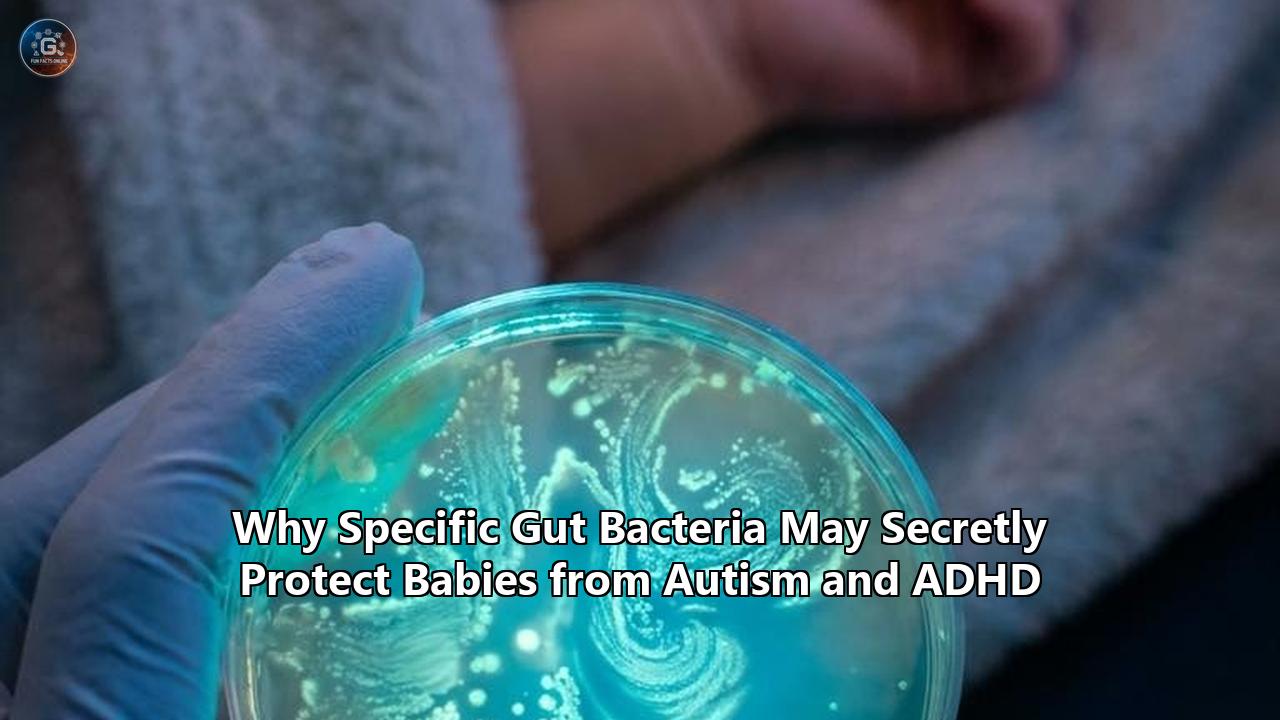
On April 10, 2026, a research paper published in the Cell Press journal Cell Press Blue quietly fundamentally altered the scientific understanding of pediatric neurodevelopment. For years, the scientific community had been locked in a circular debate regarding the origins of conditions like Autism Spectrum Disorder (ASD) and Attention-Deficit/Hyperactivity Disorder (ADHD). Were they written irrevocably into a child's DNA at conception, or were they the product of early environmental insults?
The study, titled "Epigenome-microbiome interplay in early life associates with infants' neurodevelopmental outcomes," offered a third, far more complex answer. Led by a multidisciplinary team at The Chinese University of Hong Kong, including gastroenterologist Siew Chien Ng, public health researcher Hein Min Tun, and senior gastroenterologist Francis Ka Leung Chan, the paper demonstrated that a child's developmental trajectory is not a fixed script. Instead, it is an active, ongoing "conversation" between molecular epigenetic switches present at birth and the specific bacterial species that colonize the infant gut during the first twelve months of life.
Most remarkably, the researchers identified specific "shield" bacteria—most notably Lachnospira pectinoschiza and Parabacteroides distasonis—that possess the biological capacity to step in and neutralize epigenetic risks for autism and ADHD, respectively, before behavioral symptoms ever manifest. This discovery represents a major milestone in neonatology, providing a concrete biological explanation for why some children with high genetic or epigenetic risk markers go on to develop neurotypical brains, while others do not. The study shifts our perspective on the relationship between gut bacteria and autism from one of simple association to one of active, early-life biological buffering.
The Anatomy of the Discovery: How the MOMMY Cohort Decoded the Dialogue
To understand how the research team uncovered these hidden interactions, one must examine the scale and precision of their study design. Historically, much of the research linking the microbiome to neurodevelopmental conditions was hampered by a classic "chicken-or-egg" dilemma. Most human microbiome studies were cross-sectional, examining the gut metagenomes of children who had already been diagnosed with autism or ADHD at age six or eight.
Because children on the autism spectrum frequently exhibit highly selective eating habits, gastrointestinal distress, or sensory sensitivities to food, critics argued that their altered microbiomes were merely a consequence of their neurodivergence and restricted diets, rather than a contributing cause.
[Prenatal Environment / Birth Mode (C-Section vs. Vaginal)]
                         │
                         ▼
           [Umbilical Cord Blood Epigenome]
            (DNA Methylation of Immune &
              Neurogenic Pathways)
                         │
        ┌────────────────┴────────────────┐
        ▼                                 ▼
[Infant Gut Colonization]       [Host Immune Tolerization]
(Filters which microbes live)   (Dictated by host epigenetic state)
        │                                 │
        └────────────────┬────────────────┘
                         ▼
        [First-Year Microbial Succession]
        - *Lachnospira pectinoschiza* (ASD buffer)
        - *Parabacteroides distasonis* (ADHD buffer)
                         │
                         ▼
       [Epigenetic Risk Mitigation / Buffering]
 (Metabolites cross BBB, regulate microglia pruning)
                         │
                         ▼
       [36-Month Neurodevelopmental Outcomes]
The Hong Kong team bypassed this methodological trap by utilizing the MOMMY cohort (the MOther-infant cohort), a large-scale, prospective birth cohort designed specifically to map early-life biological trajectories in East Asian populations. The researchers tracked 969 families from the third trimester of pregnancy through the children’s third birthdays.
The data collection was meticulous:
- At Birth: The team analyzed DNA methylation patterns (a primary epigenetic mechanism) from the umbilical cord blood of 571 infants, mapping the precise biological "volume dials" set during gestation.
- Infancy (Months 2, 6, and 12): They collected and sequenced stool samples from 969 infants to track the exact composition and functional capabilities of their developing microbiomes.
- Parental Context: The team analyzed gut microbiome samples from the infants' parents during the third trimester to map maternal and paternal microbial transmission.
- At 36 Months: Clinical researchers assessed the children's cognitive, behavioral, and sensory development using validated screening questionnaires to identify early, reliable indicators of ASD and ADHD.
By structuring the study longitudinally, Ng, Tun, and Chan were able to establish a clear temporal sequence. They did not just observe what the gut microbiome looked like in a toddler with autism; they tracked how the molecular landscape at birth shaped the microbial succession of infancy, and how that microbial succession in turn predicted neurodevelopmental scores at age three.
Epigenetic Switches: The Molecular Landscape at Birth
To appreciate the protective role of the infant microbiome, it is first necessary to examine the host landscape at birth. Every human cell carries the same genetic blueprint, but the epigenome determines which genes are actually read and which are silenced. DNA methylation (DNAm) is the biological process by which methyl groups are added to DNA molecules, typically at CpG sites (regions where a cytosine nucleotide is followed by a guanine nucleotide). High levels of methylation usually act as an "off" switch or a volume reducer for gene expression.
In analyzing the umbilical cord blood, the researchers found that infants who scored higher for early signs of autism and ADHD at age three exhibited hypermethylation on key groups of genes:
- Neurogenic Pathways: Genes that direct the birth, migration, and differentiation of new neurons in the developing brain.
- Neurotransmission Pathways: Genes regulating the synthesis and reception of critical chemical messengers, particularly gamma-aminobutyric acid (GABA) and dopamine, which are heavily implicated in sensory processing, focus, and emotional regulation.
- Pathogen Recognition: Genes involved in the innate immune system's ability to identify and respond to foreign microbes.
The discovery of altered methylation in pathogen-recognition genes revealed a critical biological pathway. The infant's host epigenome at birth does not just sit passively in the background; it actively orchestrates the chemical and immunological environment of the gut.
Infants who entered the world with hypermethylated immune genes had less diverse, more erratic gut microbiomes by twelve months of age. If the host immune system is chemically programmed to be hyper-reactive or immunologically blind to certain microbial cues, it will actively reject beneficial colonizers, preventing a mature, stable microbiome from taking root.
The Shield Bacteria: How Specific Strains Mitigate Risk
The core breakthrough of the study published in Cell Press Blue is that this epigenetic programming is not a life sentence. Even when a baby is born with epigenetic "volume dials" set to high-risk configurations for ASD or ADHD, the presence of specific, highly specialized gut bacteria can intervene and rewrite the biological outcome.
                 HOST EPIGENOME AT BIRTH
       (Hypermethylated neurogenic/immune genes)
                          │
         ┌────────────────┴────────────────┐
         ▼                                 ▼
   MICROBIAL DEFICIT               PROTECTIVE BACTERIA
(Absent *L. pectinoschiza* /    (Robust colonization of *Lachnospira*
    *P. distasonis*)              or *Parabacteroides*)
         │                                 │
         ▼                                 ▼
- High gut permeability             - Production of butyrate/SCFAs
- Systemic neuroinflammation        - Regulation of systemic inflammation
- Impaired microglia pruning        - Normalization of GBA signaling
         │                                 │
         ▼                                 ▼
[High ASD/ADHD Scores at Age 3]   [Neurotypical Outcomes / Buffered Risk]
The Autism Buffer: Lachnospira pectinoschiza
The study found that infants with birth-day epigenetic markers associated with ASD were significantly less likely to show behavioral signs of the condition by age three if their guts were robustly colonized by Lachnospira pectinoschiza by their twelfth month of life.
Lachnospira pectinoschiza is an anaerobic, pectin-fermenting bacterium belonging to the family Lachnospiraceae. Members of this family are recognized as premier producers of short-chain fatty acids (SCFAs), particularly butyrate and acetate, via the fermentation of complex dietary carbohydrates. In the early infant gut, SCFAs serve as the primary energy source for colonocytes (the cells lining the colon) and are crucial for the assembly of tight-junction proteins.When L. pectinoschiza is abundant, it helps secure the physical integrity of the gut barrier. Without this microbial barrier, a condition known as "leaky gut" can develop, allowing bacterial endotoxins (such as lipopolysaccharides) to slip into the bloodstream. These endotoxins trigger chronic, low-grade systemic inflammation.
Because the blood-brain barrier of an infant is highly permeable during the first year of life, circulating inflammatory cytokines can easily cross into the central nervous system. Once there, they disrupt microglia—the brain's resident immune cells—which are responsible for pruning excess synaptic connections during early childhood.
By producing butyrate and maintaining a tight gut barrier, Lachnospira pectinoschiza effectively shields the developing brain from neuroinflammatory cascades, ensuring that the critical process of synaptic pruning occurs without disruption.
This deep biological protective buffering explains why the scientific search for targeted gut bacteria and autism therapies has increasingly shifted toward specific, live anaerobic species rather than generic, store-bought probiotic strains.
The ADHD Buffer: Parabacteroides distasonis
For attention-deficit/hyperactivity disorder, the shield took a different biological form. The researchers discovered that infants with epigenetic risk markers for ADHD were protected from exhibiting early traits of the disorder if they acquired Parabacteroides distasonis early in life, with protective signatures visible as early as two months of age.
Parabacteroides distasonis is a prominent member of the phylum Bacteroidota and is known for its complex metabolic capabilities. It plays a critical role in the transformation of primary bile acids into secondary bile acids and is a major producer of succinate.In the human body, succinate is not merely an intermediate in the Krebs cycle; it acts as a signaling molecule that interacts with specific receptors (SUCNR1) on immune cells and in the central nervous system, helping to regulate metabolic homeostasis and suppress inflammatory signaling.
Furthermore, P. distasonis is a key modulator of the GABAergic system. GABA is the primary inhibitory neurotransmitter in the mammalian brain, acting as the neural "brakes" that prevent sensory overload and regulate executive function, focus, and impulse control.
Imbalances in GABA pathways are widely recognized as a hallmark of ADHD. P. distasonis modulates the synthesis of neurotransmitter precursors within the gut, sending biochemical signals up the vagus nerve to the brain.
The statistical power of this microbial shield was remarkably pronounced. In their mediation analysis, the researchers calculated that the presence of Parabacteroides distasonis in the infant gut accounted for 8% to 17% of the total statistical relationship between the birth-day epigenetic risk markers and ADHD behavioral scores at age three. For a highly complex, multifactorial neurodevelopmental condition, a single bacterial species neutralizing up to nearly a fifth of the epigenetic risk is an extraordinary finding.
Conversely, the study also identified bacterial species that appeared to amplify these risks. The presence of Haemophilus parainfluenzae and Streptococcus mitis at two months of age was statistically associated with higher (worse) ASD and ADHD behavioral scores, while the presence of Streptococcus thermophilus at six or twelve months was associated with lower, more favorable scores.
This underscores that the infant gut is a highly competitive ecological battleground, where the balance between inflammatory and anti-inflammatory species dictates early-life neurological safety.
The Disruptive Force of Birth Mode: C-Sections and Paternal Compensation
The findings of Siew Chien Ng and her colleagues also shed light on how delivery mode alters early neurodevelopment. It is well documented that infants born via Caesarean section (C-section) face a higher statistical risk of developing asthma, allergies, and neurodevelopmental conditions like autism and ADHD.
Historically, this was attributed solely to the "missing microbes" hypothesis: C-section babies bypass the birth canal, missing out on the critical initial bath of maternal vaginal and fecal microbes, and are instead colonized by opportunistic skin and hospital bacteria.
The Hong Kong study revealed that this disruption runs much deeper, exerting a direct physical impact on the epigenome itself. Infants delivered via C-section showed distinct, systemic differences in the DNA methylation of genes regulating both immune responses and neural development.
The physical process of vaginal labor—characterized by intense, natural hormonal surges and physiological stress—acts as a critical biological signal that flips molecular switches in the baby's DNA. When this process is bypassed during a surgical delivery, those switches remain in their gestational configuration, altering both early-life brain development and the infant's baseline immune tolerance.
                  VAGINAL DELIVERY VS. C-SECTION
                                │
        ┌───────────────────────┴───────────────────────┐
        ▼                                               ▼
[Vaginal Delivery]                              [C-Section Delivery]
- Natural labor stress triggers                 - Altered DNA methylation of
  healthy epigenetic switches                     neurogenic & immune genes
- Infant directly seeded with maternal          - Bypasses maternal vaginal microbiomes
  microbiomes (*Lachnospira*, etc.)             - Depleted pioneer diversity
        │                                               │
        │                                               ▼
        │                                     [Ecological Void]
        │                                               │
        │                       ┌───────────────────────┴───────────────────────┐
        │                       ▼                                               ▼
        │             [Paternal Microbes Step In]                    [No Paternal Compensation]
        │             - Father's physical contact                     - Opportunistic colonization
        │               provides key species                            (hospital microbes)
        │             - Partially restores diversity                    - High systemic risk
        │                       │                                               │
        └───────────────────────┼───────────────────────────────────────────────┘
                                ▼
              [Twelve-Month Gut Diversity Level]
Furthermore, because C-section infants do not receive the maternal vaginal microbiome, their pioneer microbial communities are depleted. However, the researchers discovered a surprising biological backup system: paternal compensation.
When maternal vaginal transmission of microbes was cut short by a C-section, the infant's gut was frequently colonized by microbes originating from the father's skin, saliva, and gut, which were transmitted through close, daily physical contact.
The paternal microbiome stepped in to partially fill the ecological vacuum, providing alternative strains of beneficial bacteria that helped guide the infant's immune development back on track. This emphasizes that the household is a shared, dynamic microbial ecosystem, where both parents contribute to the biological buffering of their child's brain.
The Universal Law of Biological Buffering
The clinical importance of the MOMMY cohort study extends far beyond autism and ADHD; it offers a compelling look at the general biological principle of developmental plasticity.
For over a century, biology was dominated by genetic determinism—the belief that our health, behavior, and capabilities are written directly into our genomic sequence. The rise of epigenetics softened this view, showing that environmental exposures can turn those genes on or off.
Yet even epigenetics retained a degree of determinism, suggesting that if a pregnant mother experienced severe stress, poor nutrition, or underwent an emergency C-section, her child's biological switches would be set to a high-risk setting.
The discovery of the protective roles played by Lachnospira pectinoschiza and Parabacteroides distasonis introduces a vital third layer: the microbiome acts as a real-time, highly adaptable biological buffer. The genome sets the initial structural template. The prenatal epigenome establishes the starting volume controls.
But the early-life microbiome functions as an active feedback system, capable of dampening or amplifying those initial genetic signals based on the bacterial species present in the gut.
This biological buffering operates through two primary pathways:
1. Epigenetic Modification Via Microbial Metabolites
Many of the key metabolites produced by a healthy gut microbiome—including short-chain fatty acids like butyrate—are known histone deacetylase (HDAC) inhibitors. HDAC inhibitors can directly modify the physical structure of chromatin, opening up tightly wound segments of DNA and allowing previously silenced genes to be expressed.
This means that beneficial gut bacteria and autism protective strains do not just treat symptoms; they may actively rewrite the epigenetic marks on the child's host cells, physically resetting those "volume dials" during the first critical year of life.
2. Neuroimmune Calibration
The early infant immune system is highly uncalibrated. Left to its own devices, a genetically or epigenetically vulnerable immune system can default to an inflammatory state, producing cytokines that disrupt normal brain wiring.
The gut microbiome acts as the primary "trainer" for the immune system, teaching regulatory T-cells to distinguish between genuine threats and harmless environmental signals.
By cultivating an anti-inflammatory gut environment, bacteria like Lachnospira keep systemic inflammation low, ensuring that the brain's internal immune environment remains calm during critical windows of neurodevelopment.
Beyond the Probiotic Hype: The Reality of Live Biotherapeutics
While these findings are encouraging, they also call for a critical re-evaluation of the commercial probiotic industry.
As the public has become increasingly aware of the connection between gut health and neurodevelopment, supermarket and pharmacy shelves have become saturated with chewable probiotic tablets, infant drops, and gut-health gummies. Many of these products claim to support mood, focus, and neurological health.
However, the vast majority of these commercial supplements rely on a narrow, easily cultivated set of bacteria—primarily Lactobacillus and Bifidobacterium species. While these strains can be helpful for general digestive comfort or recovering from a course of antibiotics, they do not possess the specific, high-level risk-mitigating properties demonstrated by the strict anaerobic strains identified in the Hong Kong study.
┌───────────────────────────────────────┬───────────────────────────────────────┐
│     Commercial Infant Probiotics      │     Live Biotherapeutic Products      │
├───────────────────────────────────────┼───────────────────────────────────────┤
│ - Mostly *Lactobacillus* &            │ - Highly specific, strict anaerobes   │
│   *Bifidobacterium*                   │   (*L. pectinoschiza*, *P. distasonis*)│
│ - Aerotolerant, easy to manufacture   │ - Extremely oxygen-sensitive, complex │
│   and scale                           │   cultivation and encapsulation       │
│ - General gut health support          │ - Target specific epigenetic risks    │
│   (acidifies the gut)                 │   and neurodevelopmental pathways     │
│ - Over-the-counter, unregulated       │ - Regulated as biological drugs       │
│   as dietary supplements              │   requiring rigorous clinical trials  │
└───────────────────────────────────────┴───────────────────────────────────────┘
Both Lachnospira pectinoschiza and Parabacteroides distasonis are highly specialized, strict anaerobes. They cannot survive in the presence of oxygen, making them incredibly difficult to cultivate, package, and keep alive on a commercial scale.
You cannot simply mix these bacteria into infant formula or press them into a shelf-stable gummy. Exposure to even trace amounts of oxygen during the manufacturing, packaging, or storage process will kill these fragile microbes, rendering the supplement biologically inert.
This realization has led to the development of Live Biotherapeutic Products (LBPs). LBPs are a new class of biological drugs defined by regulatory bodies like the U.S. Food and Drug Administration (FDA) as biological products that contain live organisms, such as bacteria, and are designed to prevent, treat, or cure a human disease or condition.
Developing LBPs for infant neurodevelopment presents unique hurdles:
- Strict Anaerobic Cultivation: Growing L. pectinoschiza on an industrial scale requires specialized, completely oxygen-free bioreactors and nitrogen-purged processing facilities.
- Infant-Safe Formulation: The delivery vehicle must protect the bacteria from the highly acidic environment of the infant stomach, yet be safe and easy to administer to a two-month-old baby without choking hazards.
- Rigorous Clinical Validation: Because these are targeted at preventing neurodevelopmental conditions, they must undergo double-blind, placebo-controlled clinical trials to prove efficacy and safety before they can be prescribed by pediatricians.
The wellness industry's focus on "gut health" must make way for a highly disciplined, strain-specific pharmaceutical approach. If we are to harness the power of gut bacteria and autism mitigation, we must treat these protective microbes not as simple dietary supplements, but as precise molecular medicines.
The Critical Window: Why the First 1,000 Days Rule the Brain
The temporal dynamics revealed by the MOMMY cohort highlight a fundamental rule of pediatric medicine: timing is everything.
The protective signature of Parabacteroides distasonis was highly pronounced when it was acquired by two months of age, while the protective effect of Lachnospira pectinoschiza was tied to its presence at twelve months of age.
These specific timelines align with critical, non-negotiable windows of human brain development.
During the first 1,000 days of life, the human brain undergoes a rapid developmental surge. Neurons are born, migrate, and establish trillions of new synaptic connections.
At the same time, the blood-brain barrier is progressively sealing, and the immune cells of the brain (microglia) are actively pruning unused neural pathways to optimize brain efficiency.
DEVELOPMENTAL TIMELINE (First 3 Years)

0 Months (Birth)
├── Epigenetic marks set in cord blood
└── Pioneer colonization begins

2 Months
├── CRITICAL WINDOW: *Parabacteroides distasonis* colonization
├── GABAergic and dopaminergic pathway calibration
└── *Disruption here increases ADHD risk score*

6 Months
├── Introduction of solid foods begins
└── Microbial diversity increases rapidly

12 Months
├── CRITICAL WINDOW: *Lachnospira pectinoschiza* colonization
├── Gut barrier sealing; systemic inflammation regulation
└── *Disruption here increases ASD risk score*

36 Months (Age 3)
├── Microbiome stabilizes toward adult-like state
├── Core neural wiring and synaptogenesis complete
└── Validation of neurodevelopmental traits (ASD/ADHD screens)
If a child's gut is severely dysbiotic during these early months, the protective microbial signals will be absent when these critical neurological decisions are being made.
Once these windows close—typically by age two or three, as the gut microbiome stabilizes into an adult-like state and the brain's synaptogenesis peaks—introducing these protective bacteria may have much less of an impact.
The concrete of the brain's baseline neuroarchitecture has already set. This biological reality explains why clinical trials of probiotics in older, school-aged children with autism or ADHD have often yielded mixed or modest results.
While correcting dysbiosis in an eight-year-old can alleviate painful gastrointestinal symptoms (such as chronic constipation or acid reflux) and help reduce secondary behavioral anxiety, it cannot rewrite the fundamental neural wiring that occurred during the first year of life.
The MOMMY cohort study demonstrates that the true potential of microbiome-based medicine lies in very early, primary prevention.
What to Watch Next
As we look toward the next decade of microbiome research, several upcoming milestones will determine whether this laboratory discovery can be successfully translated into clinical practice.
1. Long-Term Follow-Up of the MOMMY Cohort
The children in the Hong Kong study were assessed at age three. While a 36-month assessment provides a highly accurate screening tool for neurodevelopmental risk, formal clinical diagnoses of autism and ADHD are often finalized later, between the ages of five and eight.
Researchers will continue tracking the MOMMY cohort to see if these early microbial signatures remain predictive of formal diagnoses as the children enter elementary school.
2. Mechanistic Validation in Organoids and Animal Models
While the epidemiological associations found in the human cohort are incredibly strong, animal and in-vitro laboratory studies are needed to confirm direct causation.
Scientists are currently utilizing human intestinal organoids ("guts-on-a-chip") and germ-free, gnotobiotic mice to observe exactly how Lachnospira pectinoschiza and Parabacteroides distasonis communicate with human cells.
Pinpointing the exact molecules they produce—whether specific short-chain fatty acids, secondary bile acids, or outer membrane vesicles—will allow researchers to develop even more targeted therapeutics.
3. The Development of Prenatal and Early-Life Diagnostics
If a baby's epigenetic risk can be mapped at birth through umbilical cord blood, it may soon be possible to offer personalized, preventative pediatric care.
Pediatricians could identify high-risk infants on their very first day of life and closely monitor their gut microbiomes during the critical 2-month and 12-month windows.
If the protective shield bacteria are missing, clinical teams can actively encourage targeted interventions—such as supporting breastfeeding, avoiding unnecessary early antibiotics, utilizing paternal microbial transfers, or administering infant-safe live biotherapeutics.
The study from Siew Chien Ng and her team has provided the scientific community with a clear roadmap. By proving that a baby's developmental destiny is not fixed at birth, but can be actively guided and protected by the silent work of early gut bacteria, they have opened up a promising new frontier in pediatric medicine.
Our biological fate is not written in ink; it is actively negotiated, molecule by molecule, in the trillions of microscopic lives that call our bodies home.
Reference:
- https://scitechdaily.com/scientists-discover-good-gut-microbes-that-could-protect-against-autism-and-adhd/
- https://www.technologynetworks.com/genomics/news/epigenetic-and-microbiome-changes-linked-to-autism-and-adhd-411625
- https://scienceblog.com/your-babys-gut-bacteria-could-counteract-genetic-risk-factors-for-autism-and-adhd/
- https://www.reddit.com/r/InterstellarKinetics/comments/1tv2bfe/health_scientists_found_that_early_gut_bacteria/
- https://pmc.ncbi.nlm.nih.gov/articles/PMC12872196/
- https://www.researchgate.net/publication/403711318_Epigenome-microbiome_interplay_in_early_life_associates_with_infants'_neurodevelopmental_outcomes
- https://www.news-medical.net/news/20250402/New-study-explores-link-between-gut-microbiome-and-autism-spectrum-disorder.aspx
- https://www.sciencedaily.com/releases/2026/06/260602021645.htm
- https://neurosciencenews.com/microbiome-epigenetics-autism-adhd-30491/
- https://neurosciencenews.com/microbiome-epigenetics-autism-adhd-30491/
- https://scitechdaily.com/scientists-discover-good-gut-microbes-that-could-protect-against-autism-and-adhd/
- https://www.medicaleconomics.com/view/-a-healthy-gut-can-equate-to-a-healthy-body-how-physicians-can-explain-the-gut-microbiome