In the high-stakes, decades-long quest to halt the global dementia epidemic, the most promising medical breakthrough may not come from a multi-billion-dollar laboratory-engineered monoclonal antibody. Instead, it appears to be hiding in plain sight, sitting on the shelves of local pharmacies in a standard, two-dose vaccine vial.
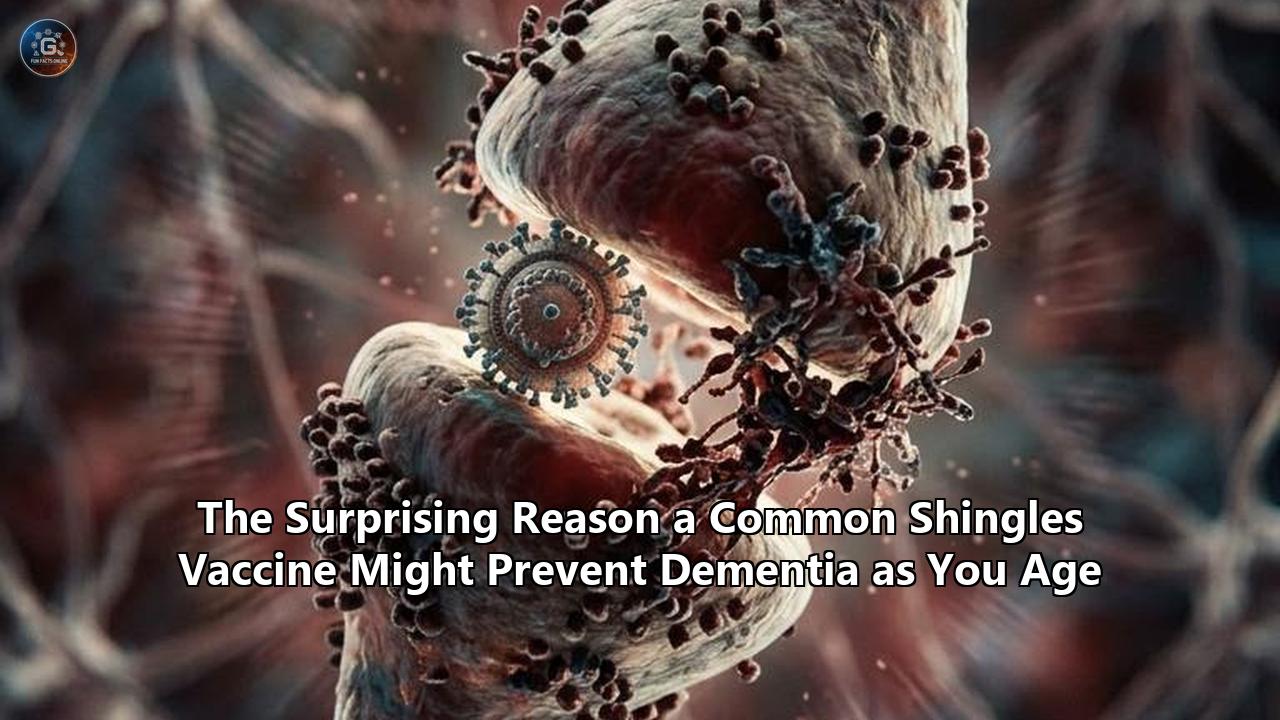
A series of massive, methodologically rigorous studies has ignited a quiet revolution across the fields of neurology, virology, and preventative medicine. The core of this excitement lies in a rapidly expanding body of clinical and real-world evidence showing that shingles vaccines—specifically Shingrix, the recombinant shingles vaccine widely administered to older adults—are associated with a dramatic and unprecedented reduction in the risk of developing Alzheimer’s disease and related dementias.
The latest chapter in this scientific detective story arrived with a comprehensive Medicare-based study led by Dr. Kaley Hayes, an assistant professor of health services, policy, and practice at Brown University’s School of Public Health. Analyzing health records from more than 500,000 Medicare beneficiaries in skilled nursing facilities, Dr. Hayes and her colleagues found that older adults who received the recombinant shingles vaccine experienced an astonishing 24% relative reduction in dementia risk over a four-year follow-up period. This translated to a six-percentage-point absolute reduction in dementia cases compared to unvaccinated peers.
"Our findings show that as many as one in every 17 dementia diagnoses may be prevented through shingles vaccination," Dr. Hayes remarked, highlighting the immense public health potential of an intervention that is already FDA-approved, widely distributed, and highly cost-effective.
These findings do not stand alone. They build directly upon a landmark study published in Nature Medicine, led by Dr. Maxime Taquet and Professor Paul Harrison at the University of Oxford. By leveraging the electronic health records of over 200,000 patients in the United States, the Oxford team compared individuals who received the newer Shingrix vaccine against those who received the older, now-discontinued Zostavax vaccine, as well as those immunized against influenza or tetanus, diphtheria, and pertussis (Tdap).
The results were clear: those who received Shingrix enjoyed a 17% reduction in the onset of dementia compared to those who received Zostavax, and a 23% to 27% lower risk than those vaccinated against the flu or Tdap. For patients who did eventually develop dementia, the vaccine delayed the diagnosis by an average of 164 days—giving families nearly half a year of additional, high-quality, cognitively intact life.
This burgeoning body of research has transformed the way neurologists think about cognitive decline. What was once viewed as a highly controversial, fringe theory—that latent viral infections and chronic systemic inflammation drive the brain degradation characteristic of Alzheimer's—has now been thrust into the scientific mainstream.
Yet, as the evidence for the shingles vaccine dementia link becomes undeniable, the scientific community has been left with a burning, existential question: Why?
How does a vaccine designed to train the immune system against the Varicella-Zoster Virus (VZV)—the pathogen responsible for chickenpox and shingles—exert such a profound, protective shield over the human brain?
The answer is proving to be a fascinating intersection of neuro-immunology, virology, and cellular bioenergetics. There are two primary, competing—yet potentially complementary—theories explaining the surprising biological reasons behind this phenomenon. The first centers on a specific, super-charged chemical ingredient within the modern shingles vaccine that may be prompting the brain's resident cleanup cells to clear out toxic plaques. The second centers on the vaccine's ability to keep a dormant, highly destructive neurotropic virus locked away in a cellular cage, preventing a devastating inflammatory cascade that slowly poisons brain tissue.
Inside the Brain's Defense Shield: Is the AS01 Adjuvant the Real Hero?
To understand why the modern shingles vaccine is so much more effective at delaying cognitive decline than its predecessor, scientists have turned their attention away from the virus itself and toward the chemical soup that carries it.
For many years, the standard shingles vaccine was Zostavax, a live-attenuated vaccine approved in 2006. While Zostavax offered moderate protection against shingles, it was largely phased out in the late 2010s in favor of Shingrix, a recombinant subunit vaccine that boasts an efficacy rate of over 90% in preventing shingles. The crucial difference between the two lies in their composition. Instead of using a weakened version of the live virus, Shingrix uses a single viral protein (glycoprotein E) combined with a proprietary, highly potent immune-boosting ingredient known as an adjuvant system: AS01.
An adjuvant is designed to sound a chemical alarm in the body, mimicking a severe infection so that the immune system mounts a massive, long-lasting defense. The AS01 adjuvant system, developed by GSK, is a liposome-based formulation containing two active immunostimulants: QS-21, a natural saponin molecule extracted from the bark of the Chilean soapbark tree (Quillaja saponaria), and MPL (3-O-desacyl-4'-monophosphoryl lipid A), a non-toxic derivative of a lipopolysaccharide found in Salmonella bacteria.
For years, scientists assumed AS01’s only job was to make the shingles vaccine work better. But a series of unexpected discoveries suggests this adjuvant may be doing something far more profound: actively re-tuning the aging human brain’s immune defense system.
The strongest evidence for the "adjuvant hypothesis" emerged in a study published in npj Vaccines, also led by Dr. Maxime Taquet and his colleagues at the University of Oxford. The researchers wanted to isolate the effects of the AS01 adjuvant from the shingles virus itself. To do this, they analyzed the health records of over 430,000 people in the United States who had received Arexvy, a newly approved vaccine protecting against Respiratory Syncytial Virus (RSV).
Crucially, Arexvy contains the exact same AS01 adjuvant system used in Shingrix.
The findings were striking. Older adults who received the Arexvy RSV vaccine experienced a 29% reduction in dementia diagnoses over the subsequent 18 months compared to those who received a standard flu vaccine, which does not contain the AS01 adjuvant. Because RSV and Varicella-Zoster are completely different viruses with entirely different pathologies, this study provided the first definitive evidence that the shingles vaccine dementia link is heavily driven by the systemic immune-stimulating properties of the AS01 adjuvant system.
To understand how a vaccine injected into the deltoid muscle of the arm can alter the pathology of the brain, we must look at microglia, the resident macrophages of the central nervous system.
[Systemic AS01 Injection]
       │
       ▼
[Activation of Toll-like Receptor 4 (TLR4) by MPL component]
       │
       ▼
[Systemic Release of Cytokines (e.g., IFN-γ, TNF-α)]
       │
       ▼
[Priming signals cross Blood-Brain Barrier (BBB)]
       │
       ▼
[Activation/Re-tuning of Senescent Microglia in the Brain]
       │
       ▼
[Phagocytic Clearance of Amyloid-Beta and Tau Aggregates]
In a healthy brain, microglia act as vigilant custodians, constantly patrolling the neural landscape to engulf and digest cellular debris, metabolic waste, and toxic protein aggregates like amyloid-beta plaques and tau tangles. However, as we age, a process known as immunosenescence occurs. Microglia become sluggish, exhausted, and dysfunctional. Instead of clearing out the toxic proteins that drive Alzheimer's disease, senescent microglia enter a state of chronic, low-grade inflammatory activation, releasing harmful cytokines that actively damage surrounding neurons while leaving amyloid-beta and tau to accumulate unchecked.
The AS01 adjuvant appears to act as a systemic reset button for these worn-out immune cells. When AS01 is introduced into the body, the MPL component stimulates Toll-like Receptor 4 (TLR4), while the QS-21 component promotes strong cell-mediated immunity. This dual action triggers a highly controlled wave of systemic cytokines, including interferon-gamma (IFN-γ) and tumor necrosis factor-alpha (TNF-α).
These signaling molecules are capable of sending priming signals across the blood-brain barrier. Upon receiving these signals, the dormant, dysfunctional microglia in the brain are effectively "re-awakened." They transition from a passive, inflammatory state into an active, highly phagocytic state.
In vitro and animal model studies have shown that microglia primed by adjuvants like AS01 exhibit a significantly enhanced capacity to bind, engulf, and degrade extracellular amyloid-beta plaques. By restoring the brain's natural waste-disposal system, the vaccine may prevent the slow, toxic accumulation of proteins that eventually chokes off neural pathways and leads to clinical dementia.
Silencing the Sleeping Giant: The Viral Reactivation and Neuroinflammation Theory
While the adjuvant hypothesis offers an elegant explanation for the superior protective qualities of newer vaccines, a second, deeply rooted theory argues that the main driver of the shingles vaccine dementia link is, in fact, the prevention of the Varicella-Zoster Virus itself.
To fully appreciate this perspective, one must understand the remarkably insidious nature of VZV.
When a person contracts chickenpox as a child, the immune system eventually clears the active infection from the skin and blood. However, the virus is never truly eradicated. Instead, VZV retreats along sensory nerve fibers to the cranial nerve ganglia, dorsal root ganglia, and autonomic ganglia. There, it enters a state of permanent latency, quiet and dormant, hiding from the immune system inside the nuclei of neurons for decades.
As the host ages, the specialized T-cell immunity that keeps VZV in check naturally wanes. When this immune surveillance drops below a critical threshold, the virus wakes up. It begins replicating, traveling back down the sensory nerves to the skin, where it causes shingles—a spectacularly painful, burning, blistering rash that can last for weeks, sometimes leaving patients with permanent nerve pain known as postherpetic neuralgia.
But the damage caused by a shingles flare-up is not confined to the skin. Emerging research shows that when VZV reactivates, it initiates a destructive, systemic inflammatory storm that directly targets the central nervous system and the delicate vasculature of the brain.
[Age-Related Decline in T-Cell Immunity]
       │
       ▼
[Reactivation of Latent Varicella-Zoster Virus (VZV)]
       │
       ▼
┌───────────────────────────────┴───────────────────────────────┐
│                                                               │
▼                                                               ▼
[Direct Neuroinflammation & Vasculopathy]            [Triggering of Latent HSV-1]
│                                                               │
▼                                                               ▼
[Damage to Brain Arteries & Stroke Risk]             [Rapid Amyloid-Beta Accumulation]
│                                                               │
└───────────────────────────────┬───────────────────────────────┘
                                │
                                ▼
                     [Accelerated Neurodegeneration]
First, active VZV has a unique affinity for blood vessels. When the virus reactivates, it can infect the adventitia of cerebral arteries, leading to a condition known as VZV vasculopathy. This infection causes the walls of the brain's blood vessels to become inflamed, thickened, and structurally weak.
Epidemiological studies have long shown that in the six months following a shingles episode, a patient’s risk of suffering a ischemic or hemorrhagic stroke increases by up to 80%. This microvascular damage, even when it does not result in a catastrophic, clinical stroke, causes a steady accumulation of micro-strokes and white matter hyperintensities—the literal structural decay that underpins vascular dementia.
Second, VZV reactivation appears to act as a biological "Trojan Horse," triggering the reactivation of other dormant pathogens residing in the brain.
The most notable of these is Herpes Simplex Virus 1 (HSV-1), the virus responsible for cold sores. HSV-1 is estimated to reside in the trigeminal ganglia of up to 70% of the adult population. While HSV-1 is typically held in check by the immune system, a reactivation of VZV in the same neural pathways can cause a localized cascade of inflammatory cytokines that essentially wakes up the dormant HSV-1.
When HSV-1 reactivates inside the brain, it directly infects neurons, causing severe localized cellular damage and neuroinflammation. Laboratory experiments conducted by researchers at Tufts University have demonstrated a terrifying biological chain reaction: when human brain tissue models are infected with VZV, the resulting inflammation triggers the reactivation of dormant HSV-1.
Once awake, active HSV-1 prompts a massive, rapid accumulation of amyloid-beta and phosphorylated tau within the brain cells.
This is because amyloid-beta is not merely a useless waste product; it is an evolutionary, highly conserved antimicrobial peptide. When the brain detects an active viral infection like HSV-1, it produces amyloid-beta to literally entomb and neutralize the virus. However, if the virus is repeatedly reactivated over years or decades, this protective response becomes chronic and pathological, leading to the dense, widespread plaque deposits that characterize Alzheimer's disease.
By providing powerful, long-lasting immunity against VZV, the shingles vaccine prevents the initial viral reactivation from ever occurring. It keeps the "sleeping giant" locked away, eliminating the localized neuroinflammation, preventing VZV vasculopathy, and blocking the downstream reactivation of HSV-1.
In doing so, the vaccine preserves the structural integrity of the brain’s blood vessels and neural networks, arresting a major environmental driver of cognitive decline.
The Natural Experiments: From the Valleys of Wales to Real-World Clinical Causality
While the biological mechanisms are compelling, the scientific community has historically been cautious about accepting observational data linking vaccines to reduced dementia risk. This skepticism is rooted in a well-known epidemiological bias known as the "healthy vaccinee effect."
In general, individuals who proactively seek out vaccines—whether for shingles, flu, or pneumonia—tend to be more health-conscious than those who do not. They are more likely to exercise, eat a balanced diet, avoid smoking, manage their blood pressure, and have higher levels of education and socioeconomic status—all factors that are independently associated with a lower risk of developing dementia.
Therefore, skeptics argued, the apparent protective effect of the shingles vaccine might simply be a statistical illusion, reflecting the healthier lifestyles of vaccinated individuals rather than any therapeutic property of the vaccine itself.
To overcome this hurdle, researchers had to find a way to study the vaccine’s effects without the confounding bias of patient choice. They found their answer in a unique, highly unusual public health policy implemented in the United Kingdom: a "natural experiment" that has provided some of the most robust, causal evidence in the history of dementia research.
In September 2013, the National Health Service (NHS) in Wales rolled out a national shingles vaccination program using the older Zostavax vaccine. However, due to a highly constrained vaccine supply, the Welsh government had to implement a strict, unyielding eligibility rule:
- Only individuals who were precisely 79 years old on September 2, 2013, were eligible to receive the vaccine.
- Anyone who had turned 80 just a few days or weeks prior to that date was deemed ineligible for the rest of their lives.
This created an extraordinary, naturally occurring laboratory. A person born on September 1, 1934, was ineligible for the vaccine, while a person born just one day later, on September 2, 1934, was fully eligible.
Because a difference of a single day in birthdate is completely random and has zero biological or socioeconomic relevance, this policy effectively sorted hundreds of thousands of Welsh citizens into two identical cohorts: one that was eligible for the shingles vaccine, and one that was not.
A team of researchers led by Dr. Pascal Geldsetzer, an assistant professor of medicine at Stanford University, realized the immense value of this setup. They tracked the health records of over 280,000 Welsh older adults for up to nine years to see how many in each group developed dementia.
The results, published in a landmark paper in Nature, were stunning.
Older adults who were eligible for the shingles vaccine experienced a 20% relative reduction in the risk of being diagnosed with dementia over the seven-year follow-up period compared to those who were born just weeks too early to qualify. Because the two groups were completely indistinguishable in terms of education, wealth, baseline health, and lifestyle behaviors, the "healthy vaccinee effect" was entirely neutralized.
"This is the strongest evidence yet that the shingles vaccine causes a reduction in dementia risk," Dr. Geldsetzer stated. "For the first time, we are able to bypass the associational bias and say with a very high degree of confidence that this is a causal relationship."
Welsh Natural Experiment (Stanford Study)
┌────────────────────────────────────────────────────────┐
│             Total Cohort: 280,000+ Welsh Adults        │
└───────────────────────────┬────────────────────────────┘
                            │
              Divided by Strict Birthdate Cutoff
                            │
            ┌───────────────┴───────────────┐
            ▼                               ▼
     [Born Sept 1, 1933]            [Born Sept 2, 1933]
     (Ineligible for Vaccine)       (Eligible for Vaccine)
            │                               │
            ▼                               ▼
     Normal Dementia Rate           20% Lower Dementia Rate
                            │
                            ▼
               [Causal Link Demonstrated]
But Dr. Geldsetzer’s team did not stop there. In a follow-up study published in the prestigious journal Cell, they investigated an even more provocative question: Could the shingles vaccine offer therapeutic benefits to individuals who already have dementia?
Using the same Welsh cohort, the researchers isolated the data of individuals who had already received a formal diagnosis of mild cognitive impairment (MCI) or early-stage dementia prior to the vaccine's rollout. They tracked these patients to see if eligibility for the shingles vaccine altered their disease progression or mortality rate.
The findings of the Cell study were nothing short of extraordinary.
Among patients living with dementia at the baseline of the study, those who were eligible for and received the shingles vaccine experienced a 29.5 percentage-point reduction in deaths directly caused by dementia over the nine-year follow-up period. While nearly half (49.1%) of the unvaccinated dementia patients died of their condition during the study, only about 30% of the vaccinated patients succumbed to the disease.
"The crucial insight from our study is that the vaccine doesn't just seem to have an effect on delaying or preventing dementia, but it also appears to benefit those who are already living with the condition," Dr. Geldsetzer explained.
This therapeutic signal suggests that neurodegeneration is not a static, irreversible trap door. Instead, it appears to be an active, ongoing battleground where the continuous replication of latent viruses, or the progressive waning of the brain's immune system, constantly fuels the fire of cognitive decline. By introducing a powerful immune stimulant or viral suppressor, the vaccine can slow down an already-active disease process, giving patients more time with their cognitive faculties intact.
Sex Differences and the Immune Response: Why Women Benefit Most
As researchers dissect the massive datasets underlying the shingles vaccine dementia link, one highly intriguing and consistent pattern has emerged: the protective effects of the vaccine are significantly more pronounced in women than in men.
In the Oxford study published in Nature Medicine, receiving the recombinant Shingrix vaccine was associated with a 22% increase in dementia-free time in women, compared to a 13% increase in men.
A similar, even more polarized trend was observed in the Welsh natural experiment. Among women, eligibility for and receipt of the vaccine reduced new diagnoses of Mild Cognitive Impairment (MCI) by 5.1 percentage points and slashed dementia-related deaths by over 50%. In contrast, the researchers found that the vaccine’s effects on MCI diagnoses and dementia deaths in men were far more modest and, in some analyses, did not reach statistical significance.
Why does this profound sex disparity exist? Scientists are investigating three primary, overlapping biological explanations.
1. Fundamental Differences in Vaccine-Induced Immune Responses
It is a well-established immunological fact that females generally mount a significantly stronger immune response to vaccinations than males. Women typically produce higher levels of neutralizing antibodies and exhibit more robust, active T-cell responses following immunization.
This heightened sensitivity to vaccines means that when a woman receives the Shingrix vaccine, the "boost" given to her immune system—and, by extension, the activation and priming of her brain’s microglia via the AS01 adjuvant—is likely far more intense and long-lasting than the response generated in a man.
2. Baseline Susceptibility to Alzheimer’s Pathology
Alzheimer's disease does not affect the sexes equally; women are disproportionately impacted, accounting for nearly two-thirds of all diagnosed cases worldwide.
Some researchers hypothesize that women may possess a higher biological vulnerability to the specific inflammatory pathways that the shingles vaccine helps to block. For instance, the apoE4 gene variant, the strongest genetic risk factor for late-onset Alzheimer’s, is known to confer a much higher risk of cognitive decline in women than in men, particularly in how it interacts with chronic neuroinflammation and viral pathogens. Because women have a higher baseline risk of developing the disease, any intervention that successfully mitigates inflammation or viral activity has a much wider statistical runway to show a powerful, protective effect.
3. The Hormonal Interface: Estrogen and Microglia
Estrogen plays a vital, protective role in the female brain, acting as a natural anti-inflammatory agent and supporting microglial function. However, during menopause, estrogen levels drop precipitously. This sudden loss of hormonal protection leaves the aging female brain highly vulnerable to chronic, low-grade neuroinflammation and the toxic accumulation of amyloid-beta.
Furthermore, post-menopausal women experience a more rapid decline in general immune function, a state that may make them highly susceptible to subclinical reactivations of latent viruses like VZV and HSV-1. By intervening at this critical stage of life with a highly potent vaccine like Shingrix, medicine may be providing post-menopausal women with the exact immunological support their brains desperately need to stave off the inflammatory cascades of dementia.
The Infectious Hypothesis of Alzheimer’s: A Historical Scientific Pivot
The mounting evidence supporting the shingles vaccine dementia link is doing more than just changing clinical recommendations; it is driving a profound, long-awaited scientific shift in how the medical community understands the very nature of neurodegenerative diseases.
For nearly four decades, the field of Alzheimer's research was dominated by a singular, unyielding dogma: the amyloid cascade hypothesis.
First proposed in the early 1990s, this theory argued that Alzheimer’s is primarily a disease of metabolic failure, where the abnormal accumulation of amyloid-beta plaques in the brain is the direct, initial cause of all downstream pathology, including tau tangles, synaptic loss, and eventual cognitive death.
This hypothesis was so deeply entrenched that it dictated the allocation of billions of dollars in research funding, the design of hundreds of clinical trials, and the focus of academic neuroscience. Researchers who dared to suggest alternative theories—such as the idea that Alzheimer’s might have an infectious or immunological origin—were routinely marginalized, denied funding, and excluded from major scientific forums. This rigid academic environment was often referred to by outsiders as the "Amyloid Mafia."
Yet, despite decades of intense focus and astronomical financial investments, drugs designed to target and clear amyloid-beta yielded deeply disappointing results. While modern monoclonal antibodies like lecanemab and donanemab succeeded in removing amyloid plaques from the brain, their clinical impact was remarkably modest, only slowing cognitive decline by roughly 27% to 35% over 18 months, all while carrying significant risks of severe brain swelling and micro-bleeds (known as ARIA, or Amyloid-Related Imaging Abnormalities).
It became glaringly obvious that clearing the plaques was not enough. Amyloid-beta was not the root cause of the fire; it was merely the ash left behind.
This realization has breathed new life into the infectious hypothesis of Alzheimer’s disease, a theory that actually dates back to the very discovery of the disease.
┌────────────────────────────────────────────────────────┐
│            The Shift in Alzheimer's Paradigms          │
├────────────────────────────┬───────────────────────────┤
│ Old: Amyloid Cascade       │ New: Infectious/Immune     │
├────────────────────────────┼───────────────────────────┤
│ • Amyloid is the cause     │ • Amyloid is a symptom    │
│ • Focus: Direct clearance  │ • Focus: Target upstream  │
│ • High-risk, expensive drug│ • Low-risk, cheap vaccine │
│ • Modest clinical impact   │ • Preventative approach   │
└────────────────────────────┴───────────────────────────┘
When Dr. Alois Alzheimer first described the pathological hallmarks of the disease in 1906, he noted not only the characteristic plaques and tangles but also prominent vascular abnormalities and signs of active neuroinflammation. In the late 20th century, pioneering researchers like Dr. Ruth Itzhaki at the University of Manchester began publishing evidence linking latent HSV-1 infections in the brain to a dramatically increased risk of Alzheimer’s, particularly in individuals carrying the APOE ε4 allele.
Dr. Itzhaki’s work, which was largely ignored or dismissed for decades, argued that the brain's accumulation of amyloid-beta is actually an active, protective defense mechanism designed to trap and neutralize invading pathogens.
The shingles vaccine data has finally vindicated these early pioneers. By demonstrating that a simple vaccine targeting a latent neurotropic virus—or a vaccine that boosts general microglial waste clearance—can reduce dementia risk more effectively than many highly expensive, targeted pharmaceuticals, the scientific community has been forced to accept a new paradigm:
Alzheimer’s disease is not a simple, inevitable wear-and-tear disease of aging. It is a chronic, progressive, immune-mediated pathology that is heavily driven and accelerated by latent pathogens and systemic inflammatory failure.Under this new framework, the accumulation of amyloid-beta and tau is viewed as a late-stage symptom of a brain that has been fighting a losing, decades-long battle against chronic inflammation, vascular damage, and viral activity. By shifting our therapeutic focus away from clearing existing plaques and toward preventing the upstream viral and immunological triggers, medicine may finally have a realistic shot at preventing dementia before it ever starts.
The Economics of Prevention: A Public Health No-Brainer
To put the clinical significance of the shingles vaccine dementia link into perspective, one must look at the staggering global economic and human toll of dementia.
Dementia is currently one of the leading causes of death and disability worldwide, affecting over 55 million people. This number is projected to skyrocket to over 150 million by 2050 as the global population ages. The economic burden is equally devastating: the global cost of dementia care is estimated at over $1.3 trillion annually, a figure that threatens to bankrupt healthcare systems in both developed and developing nations.
In this context, the development of expensive monoclonal antibody treatments represents a logistical and financial nightmare. These drugs require:
- Specialized diagnostic imaging (amyloid PET scans or spinal taps) to confirm eligibility.
- Bi-weekly or monthly intravenous infusions administered in dedicated clinics.
- Frequent, highly expensive MRI brain scans to monitor for potentially life-threatening brain bleeding or swelling.
- A price tag of $26,000 to $32,000 per year per patient, excluding the astronomical costs of administration and monitoring.
For the vast majority of the world's population, these treatments are completely inaccessible.
By contrast, the recombinant shingles vaccine (Shingrix) represents an elegant, highly democratic public health intervention. It is:
- Inexpensive: A complete, two-dose course of Shingrix costs approximately $300 to $400.
- Safe: The vaccine has an exceptional, well-documented safety profile, with side effects typically limited to temporary, mild injection-site pain, fatigue, and muscle aches.
- Scalable: Shingrix can be stored in standard medical refrigerators, shipped globally, and administered by any pharmacist, nurse, or primary care physician without the need for specialized equipment or monitoring.
If the findings of Dr. Kaley Hayes and Dr. Maxime Taquet are fully validated, the public health implications would be transformative. If administering a shingles vaccine can prevent or delay even 10% to 15% of all dementia cases, it would save global healthcare systems hundreds of billions of dollars annually, while sparing millions of families the agonizing, slow heartbreak of watching a loved one disappear into cognitive decline.
Looking Ahead: The Road to Clinical Validation
Despite the overwhelming excitement, leading researchers are quick to emphasize a critical caveat: the scientific community cannot yet officially recommend the shingles vaccine as a direct, primary therapy for the prevention of dementia.
This caution is rooted in the gold standard of evidence-based medicine: the Randomized Controlled Trial (RCT).
While the observational data from the Oxford studies and the Medicare database are incredibly massive, and the natural experiment in Wales successfully bypassed the "healthy vaccinee effect," they are still retrospective analyses of existing health records. To prove beyond a shadow of a doubt that the shingles vaccine directly causes a delay or prevention of dementia, researchers must conduct prospective, double-blind, randomized clinical trials.
"The results we've seen so far are incredibly convincing and provide a powerful rationale for further research," said Dr. Maxime Taquet. "But we must be disciplined. The next logical step is to design and execute a large-scale, randomized controlled trial to definitively confirm these findings."
Fortunately, the wheels are already in motion. Dr. Pascal Geldsetzer and his team at Stanford are actively working to raise philanthropic and private foundation funding to initiate a large-scale RCT.
┌────────────────────────────────────────────────────────┐
│             The Roadmap to Clinical Validation         │
├────────────────────────────────────────────────────────┤
│ 1. Current Phase: High-Quality Observational Data      │
│    • Oxford, Stanford, and Brown studies completed.   │
│    • Robust causal signals established.                │
├────────────────────────────────────────────────────────┤
│ 2. Next Phase: Target Identification & Recruitment      │
│    • Launch randomized controlled trials (RCTs).       │
│    • Utilize regions where vaccine uptake is low.      │
├────────────────────────────────────────────────────────┤
│ 3. Future Phase: Regulatory and Policy Shifts          │
│    • Expand global vaccine eligibility guidelines.     │
│    • Prioritize immunizations for cognitive health.    │
└────────────────────────────────────────────────────────┘
Finding a population for such a trial presents a unique logistical challenge, as Shingrix is already widely recommended for older adults in the United States, Canada, and Western Europe, making it ethically impossible to deny the vaccine to a control group in those regions. However, there are many countries—such as Japan, South Korea, and parts of Eastern Europe—where the older, less effective Zostavax is still widely used, or where shingles vaccination rates remain remarkably low. These regions could serve as the ideal staging ground for a definitive clinical trial.
In the meantime, what should the public do with this information?
For older adults, the answer is remarkably simple. The recombinant shingles vaccine is already recommended by the CDC and major global health organizations for all immunocompetent adults aged 50 and older, as well as for adults aged 19 and older who have weakened immune systems due to disease or therapy.
There is absolutely no need to wait for a specific dementia-prevention approval to get vaccinated. The vaccine’s primary benefit—the prevention of a profoundly painful, potentially debilitating shingles infection and the risk of postherpetic neuralgia—is more than enough reason to receive the two-dose series.
The fact that this simple, safe, and highly accessible vaccine might also be actively training your brain's immune cells to clear out toxic plaques, preserving your cerebral blood vessels, and shielding you from a devastating cascade of viral neuroinflammation is a spectacular, life-altering medical bonus. It is a rare, unequivocal "no-brainer" in the complex, often discouraging landscape of modern medicine.
As science continues to peel back the layers of the shingles vaccine dementia link, we are left with a powerful, forward-looking perspective. The future of healthy cognitive aging may not depend on discovering entirely new, exotic molecules. Instead, it may lie in our ability to fundamentally re-imagine the tools we already possess—using vaccines not just to prevent acute childhood diseases, but as periodic, highly strategic "immunological reboots" that keep our brains, our blood vessels, and our minds clear, resilient, and protected as we age.
Reference:
- https://www.center4research.org/shingles-vaccine-dementia-alzheimers/
- https://www.ox.ac.uk/news/2024-07-25-new-shingles-vaccine-could-reduce-risk-dementia
- https://www.medicalnewstoday.com/articles/shingles-vaccine-linked-lower-dementia-risk-older-adults-in-nursing-care
- https://www.aarp.org/health/conditions-treatments/shingles-vaccine-lowers-dementia-risk/
- https://www.alzheimersresearchuk.org/news/study-suggests-shingles-vaccine-may-reduce-dementia-risk/
- https://www.clinicaltrialsarena.com/analyst-comment/shingles-vaccine-reduce-risk-dementia/
- https://pubmed.ncbi.nlm.nih.gov/39053634/
- https://oxfordhealth.nhs.uk/news/how-do-vaccines-reduce-the-risk-of-dementia/
- https://www.ox.ac.uk/news/2025-06-25-how-do-vaccines-reduce-risk-dementia
- https://www.theguardian.com/society/2025/apr/02/study-finds-strongest-evidence-yet-that-shingles-vaccine-helps-cut-dementia-risk
- https://www.prevention.com/health/health-conditions/a69018628/shingles-vaccine-lower-dementia-risk-study/
- https://www.cidrap.umn.edu/varicella/shingles-vaccine-may-prevent-delay-or-slow-dementia-process
- https://med.stanford.edu/news/all-news/2025/03/shingles-vaccination-dementia.html
- https://pmc.ncbi.nlm.nih.gov/articles/PMC11485228/