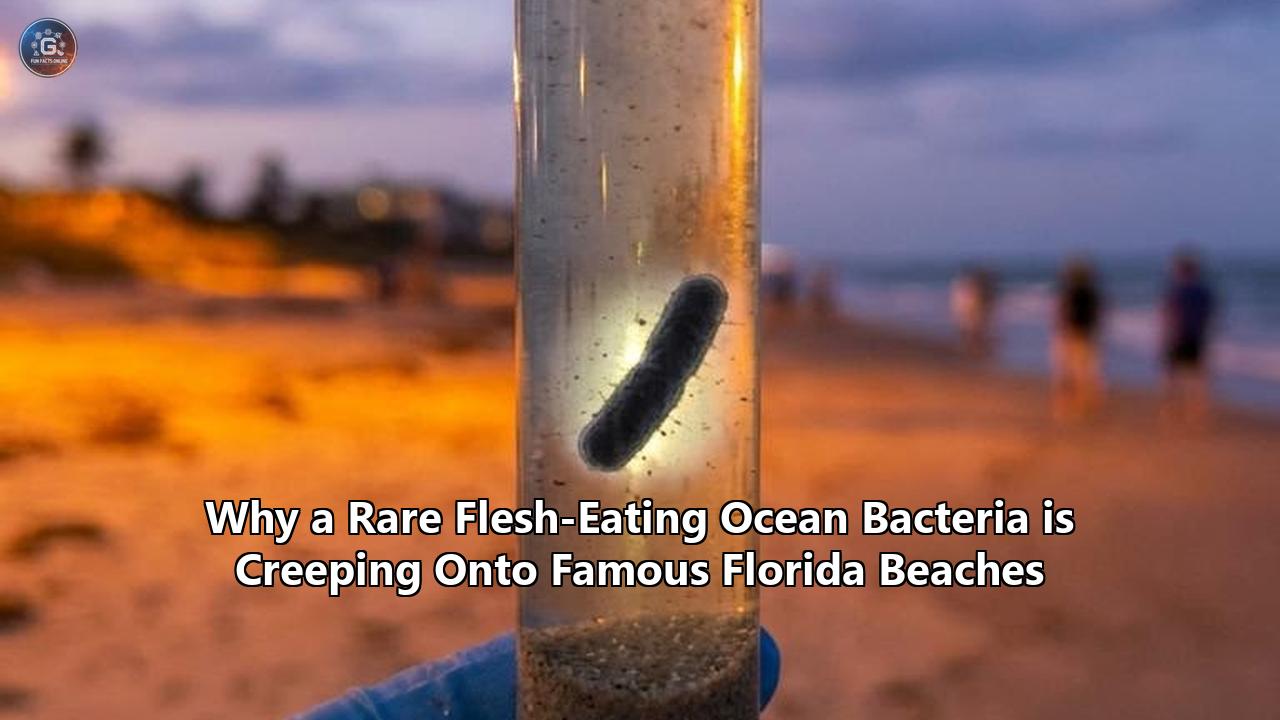
Eight confirmed cases of Vibrio vulnificus—the highly lethal, necrotizing pathogen colloquially known as the "flesh-eating bacteria"—have already been documented across Florida as of mid-June 2026. This early-season surge, confirmed by the Florida Department of Health, represents a significant increase compared to the five cases recorded at the exact same point last year, sparking alarm among public health officials, environmental scientists, and coastal communities alike.
The geographical distribution of the infections reveals that the threat is no longer confined to isolated, muddy bayous. Instead, cases have surfaced across multiple counties, spanning some of the state’s most popular residential and tourist destinations, including Miami-Dade, Palm Beach, Broward, Hillsboro, Lee, St. Johns, Okaloosa, and Marion counties.
Among the most harrowing of the recent cases is that of Joziah Thompson, a physically robust 17-year-old who contracted Vibrio vulnificus in early June 2026 after swimming at a local Florida park. The teenager spent a grueling week in the hospital fighting for his life against a rapid, tissue-destroying infection, leaving his family to spearhead a public campaign for more aggressive water-monitoring systems.
Another recent victim, a 74-year-old man from St. Johns County, required an emergency above-the-knee amputation to prevent the pathogen from entering his bloodstream after a brief swim with an open cut. Though he survived after extensive medical intervention, the ordeal required multiple skin grafts and months of intensive rehabilitation.
As summer temperatures rise and beach tourism peaks, the sudden early-season surge of the deadly flesh eating bacteria florida health officials are tracking has brought renewed urgency to an ecological and medical crisis. The phenomenon is not a random act of nature, but the predictable consequence of a warming climate, intensifying storm cycles, and nutrient-saturated coastal waters.
What is Vibrio Vulnificus? Demystifying the "Flesh-Eating" Moniker
To understand why this bacterium is creeping onto Florida’s beaches, it is first necessary to separate biological reality from media sensationalism. Vibrio vulnificus is a Gram-negative, motile, curved rod-shaped bacterium belonging to the family Vibrionaceae. It is a halophilic (salt-loving) organism that has existed in marine environments for millions of years, historically living in symbiotic harmony with marine copepods and other zooplankton. It is a close relative of Vibrio cholerae, the pathogen responsible for cholera.
Despite its terrifying reputation, the term "flesh-eating" is technically a misnomer. Vibrio vulnificus does not actually consume human tissue as a food source. Instead, when the bacteria enter the human body, they release an aggressive arsenal of virulence factors—specifically cytolytic hemolysins, metalloproteases, and repeats-in-toxin (RTX) exoproteins—that cause rapid cell death and tissue necrosis.
The Pathological Mechanism
The clinical progression of a wound-initiated Vibrio vulnificus infection, known medically as necrotizing fasciitis, is notoriously swift.
[Bacterial Entry via Micro-wound]
               │
               ▼
[RTX Toxin (RtxA) Binds to Host Cells]
               │
               ▼
[Rapid Pore Formation & Cytoskeletal Collapse]
               │
               ▼
[Metalloprotease Secretion (VvpE)] ──► [Vascular Permeability & Edema]
               │
               ▼
[Hemorrhagic Bullae & Tissue Necrosis]
               │
               ▼
[Systemic Invasion & Septic Shock] (50% Mortality)- Invasion: The bacteria find purchase in a microscopic breach in the skin—a minor scratch, an insect bite, a fresh tattoo, or a shaving nick.
- Toxin Release: Once inside, the bacterium utilizes its RtxA toxin to bind to target host cells, prompting rapid pore formation, cytoskeletal collapse, and cellular lysis.
- Tissue Destruction: Simultaneously, the bacterium secretes the metalloprotease VvpE, which degrades extracellular matrix proteins and basement membranes, dramatically increasing vascular permeability. This causes rapid, painful swelling (edema) and the formation of characteristic dark, hemorrhagic fluid-filled blisters called bullae.
- Bloodstream Invasion: Within hours, the infection can breach the deep fascia, dissecting muscle from skin. If the bacteria escape into the bloodstream, they trigger septic shock, severe hypotension, and multi-organ failure.
According to the Centers for Disease Control and Prevention (CDC), approximately one in five people infected with Vibrio vulnificus die, sometimes within 24 to 48 hours of developing symptoms. For cases that progress to bloodstream infections, the mortality rate skyrockets to 50%, with survivors frequently requiring limb amputations or extensive skin grafting to survive.
The Ecological Engine: Why Florida is Ground Zero
Florida’s unique geography makes it a premier incubator for Vibrio vulnificus. The state is characterized by shallow coastal shelves, thousands of miles of shoreline, and an extensive network of freshwater rivers that empty into the ocean, creating massive expanses of brackish water.
Brackish water—a mixture of fresh and salt water commonly found in estuaries, bays, tidal creeks, and coastal lagoons—is the optimal environment for Vibrio species. The bacterium thrives in salinity ranges between 0.5% and 2.5% NaCl, and reproduces most aggressively when water temperatures exceed 20°C (68°F), with growth rates peaking at temperatures above 25°C (77°F).
┌─────────────────────────────────────────────────────────────┐
│              VIBRIO VULNIFICUS HABITAT PROFILE              │
├─────────────────┬───────────────────────────────────────────┤
│ Salinity Range  │ 0.5% – 2.5% NaCl (Brackish/Estuarine)     │
├─────────────────┼───────────────────────────────────────────┤
│ Optimal Temp    │ > 25°C (> 77°F)                           │
├─────────────────┼───────────────────────────────────────────┤
│ Primary Reservoir│ Shellfish (Oysters), Estuary Sediment    │
└─────────────────┴───────────────────────────────────────────┘
Understanding the unique behavior of the flesh eating bacteria florida is currently reporting across several counties requires looking closely at the state's hydrology. In systems like the Indian River Lagoon on the East Coast, Tampa Bay on the West Coast, and the numerous bayous of the Panhandle, water circulation is often restricted.
During the hot late-spring and summer months, these shallow, stagnant water bodies heat up rapidly under the intense Florida sun. At the same time, summer afternoon thunderstorms dump millions of gallons of freshwater runoff into these bays, lowering the salinity of the coastal ocean to the exact range where Vibrio thrives.
Furthermore, these coastal waterways are heavily impacted by human activity. Nitrogen and phosphorus from agricultural fertilizers, residential manicured lawns, and failing septic systems wash into estuaries. This nutrient overload fuels massive phytoplankton and algal blooms.
As these blooms die and decay, they sink to the seafloor, creating a carbon-rich organic sediment layer. Vibrio vulnificus is a highly efficient saprophytic organism; it feeds on this decaying organic matter, allowing its populations to explode in the benthic sediment. When swimmers, boaters, or fishermen wade through these shallow areas, they disturb the sediment, suspending millions of active bacterial cells into the water column where they can easily contact open wounds.
The Hurricane and Flood Effect: Spikes in the Wake of Extreme Weather
While the steady background rise of water temperatures is a chronic driver of Vibrio growth, extreme weather events act as acute multipliers. The historical data from Florida’s Department of Health reveals a stark and undeniable correlation between major hurricanes and massive spikes in Vibrio vulnificus cases.
In 2024, Florida experienced a devastating storm season, culminating in Hurricane Helene. The resulting storm surges and extensive coastal flooding pushed warm, brackish gulf water miles inland, submerging coastal communities in counties like Citrus, Hernando, Hillsborough, Lee, Pasco, Pinellas, and Sarasota.
In the immediate aftermath of the storm, as residents waded through standing floodwaters to salvage their belongings or clear debris, they were exposed to highly concentrated bacterial populations. Consequently, Florida saw a record-breaking 82 cases of Vibrio vulnificus and 19 deaths in 2024.
YEARLY VIBRIO VULNIFICUS TRENDS IN FLORIDA
═══════════════════════════════════════════
2024 (Helene Surge):   82 Cases | 19 Deaths  ████████████████████ 82
2025 (Baseline):       33 Cases | 5 Deaths   ████████ 33
2026 (As of Mid-June): 8 Cases  | 0 Deaths   ██ 8 (Early season surge)
During a hurricane or major tropical storm, several physical and ecological changes occur simultaneously to create a "perfect storm" for bacterial proliferation:
- Inland Dispersal: Storm surges lift sediment-bound Vibrio populations and carry them inland, trapping them in shallow, stagnant roadside ditches, retention ponds, and flooded streets that quickly heat up in the post-storm sun.
- Salinity Drop: Torrential rainfall lowers the salinity of coastal marine waters, expanding the brackish zone further out to sea and closer to major public beaches.
- Structural Damage and Exposure: Hurricanes cause widespread damage to wastewater treatment facilities, leading to sewage overflows that pump massive amounts of organic nutrients into the water, providing an unlimited food source for bacterial growth.
- Physical Wounds: Emergency responders, utility workers, and residents clearing debris suffer high rates of minor cuts, punctures, and abrasions, creating direct entry points for the pathogen.
In 2025, the state saw a return to a more typical baseline, with 33 confirmed cases and five deaths, largely due to a lack of catastrophic, direct-hit hurricanes in densely populated coastal areas. However, the early arrival of eight cases in mid-June 2026 suggests that the baseline bacterial density in Florida’s coastal waters is steadily climbing, even in the absence of a major tropical cyclone.
The Medical Frontline: Diagnosis, Treatment, and the Siderophilic Secret
For physicians working in Florida’s emergency rooms and urgent care clinics, Vibrio vulnificus represents one of the most high-stakes challenges in clinical medicine. Because the pathogen replicates with astonishing speed, a delay of even a few hours in initiating treatment can mean the difference between life and death, or between saving a limb and amputation.
"Vibrio infections can spread quickly through wounds exposed to coastal waters and in some cases become life-threatening."
— Dr. Norman Beatty, UF Health Infectious Disease Specialist
One of the primary complications of treating Vibrio vulnificus is that the early symptoms of a wound infection are frequently mistaken for more common, less aggressive skin conditions, such as cellulitis caused by Staphylococcus or Streptococcus.
Initial symptoms typically present as localized redness, mild swelling, and pain at the site of the wound. However, within hours, the pain becomes excruciating and entirely disproportionate to the physical appearance of the wound—a classic clinical indicator of necrotizing fasciitis. This is rapidly followed by the appearance of dark, purplish blisters, high fever, chills, and progressive systemic toxicity.
┌──────────────────────────────────────────────────────────────────┐
│               CLINICAL PRESENTATION OF VIBRIO                    │
├─────────────────────┬────────────────────────────────────────────┤
│ Early (0-12 hrs)    │ Redness, localized swelling, pain          │
├─────────────────────┼────────────────────────────────────────────┤
│ Intermediate (12-24)│ Hemorrhagic bullae, severe systemic fever, │
│                     │ chills, rapid tissue necrosis              │
├─────────────────────┼────────────────────────────────────────────┤
│ Late (24-48 hrs)    │ Septic shock, multi-organ failure, severe  │
│                     │ hypotension, death                         │
└─────────────────────┴────────────────────────────────────────────┘
"People who are most at risk are immunocompromised—people with cirrhosis, people on chemo, anybody who has a compromised immune system of any kind," warns Dr. Edward Hirsch, an infectious disease specialist at HCA Florida University Hospital. "It progresses to making a hole in whatever part of your body got infected."
The Iron Connection: Why Certain Patients are Vulnerable
The extreme virulence of Vibrio vulnificus in specific patient populations is rooted in a fascinating biochemical dependency: iron. Vibrio vulnificus is a highly siderophilic, or "iron-loving," organism. It requires vast quantities of free iron to synthesize cellular components and replicate at its maximum speed.
In a healthy human body, free iron is virtually nonexistent. It is safely bound inside hemoglobin, or sequestered by transport and storage proteins such as transferrin and ferritin, rendering it inaccessible to invading microbes.
However, individuals with chronic liver disease (such as cirrhosis, hepatitis, or non-alcoholic fatty liver disease), chronic kidney disease, diabetes, cancer, or hereditary hemochromatosis (iron overload) possess significantly elevated levels of free, unbound iron in their blood and tissues.
[Healthy Individual]
  └─► Free Iron Sequestered by Transferrin/Ferritin
        └─► Vibrio Growth Suppressed (Mild localized infection)

[Immunocompromised / Liver Disease Patient]
  └─► Elevated Free Iron in Blood
        └─► Vibrio Captures Iron via Siderophores
              └─► Uncontrolled Bacterial Replication & Systemic Sepsis
When Vibrio vulnificus enters the bloodstream of a siderophilic patient, it deploys specialized iron-acquisition systems (including Vulnibactin, a powerful catecholamide siderophore) to strip iron from host proteins.
Fueled by this abundance of iron, the bacteria undergo an exponential growth phase, overwhelming the host's immune system. Consequently, patients with pre-existing liver disease are estimated to be up to 80 times more likely to develop fatal bloodstream infections compared to healthy individuals.
Standard Treatment Protocol
Once a clinician suspects Vibrio vulnificus, there is no time to wait for laboratory confirmation. Blood and wound cultures are drawn, but empirical treatment must begin immediately. The standard medical response is a aggressive, multi-pronged approach:
- Dual Antibiotic Therapy: The CDC and the Infectious Diseases Society of America (IDSA) recommend combining a third-generation cephalosporin (such as ceftazidime or ceftriaxone) with a tetracycline analog (typically doxycycline). This combination targets both cell wall synthesis and bacterial protein production, maximizing the bactericidal effect.
- Surgical Debridement: Antibiotics alone are often insufficient to treat necrotizing fasciitis because the rapid destruction of blood vessels (thrombosis) prevents the drugs from reaching the infected tissue. Surgeons must perform emergency debridement, physically cutting away all necrotic skin, fat, and fascia to halt the physical spread of the pathogen.
- Amputation: If the infection has progressed down a limb and cannot be arrested by debridement, immediate amputation is performed to save the patient's life.
Climate Change and the Northern Migration of Vibrio
While the immediate focus of health officials remains on public safety along Florida's coastline, marine biologists and epidemiologists are looking at a much larger, more alarming geographic trend. The "creeping" of Vibrio vulnificus is not merely occurring from Florida's estuaries onto its popular tourist beaches; the entire bacterial belt is migrating northward up the Eastern Seaboard of the United States.
  ┌────────────────────────────────────────────────────────┐
  │     GEOGRAPHIC EXPANSION OF VIBRIO VULNIFICUS          │
  ├────────────────────────────────────────────────────────┤
  │                                                        │
  │  ▲  [Northeastern Seaboard: NY, CT, MA]                │
  │  │  - Emerged as seasonal hotspot in recent years      │
  │  │  - Warming waters allow winter survival             │
  │  │                                                     │
  │  ▲  [Mid-Atlantic: DE, MD, NJ, VA]                     │
  │  │  - High concentrations in Delaware & Chesapeake Bays │
  │  │                                                     │
  │  ●  [Gulf Coast & Florida Peninsula]                   │
  │     - Historical ground zero                           │
  │     - Year-round presence in south Florida waters      │
  │                                                        │
  └────────────────────────────────────────────────────────┘
Historically, Vibrio vulnificus was considered a regional health concern, primarily restricted to the warm, shallow waters of the Gulf of Mexico and the southern Atlantic coast. It was highly unusual to document cases north of the Chesapeake Bay.
However, peer-reviewed studies published in journals such as Scientific Reports and Nature Climate Change demonstrate that the geographic range of Vibrio vulnificus infections has expanded northward by several hundred miles over the last three decades.
In recent years, seasonal cases of Vibrio vulnificus have been confirmed in Delaware, New Jersey, New York, and Connecticut, with some isolates recovered as far north as the coast of Massachusetts.
This northern migration is driven by two main factors:
- Rising Sea Surface Temperatures (SST): Ocean temperatures along the Atlantic coast are rising at a rate faster than the global average. This warming trend expands the geographic window of warm coastal waters (above 20°C) required for Vibrio replication. Areas that once had waters too cold to support the bacterium are now ideal habitats for several months of the year.
- Shortened Winter Dormancy: In the past, cold winter temperatures (below 10°C) would cause Vibrio populations to plunge into a dormant, non-culturable state, effectively resetting the ecosystem each year. With winters becoming milder, the bacteria survive in higher numbers in estuarine sediment through the colder months, allowing populations to rebound much earlier and more aggressively in the spring.
The implications of this northern migration are profound. Beachgoers, fishermen, and medical professionals in the Mid-Atlantic and Northeastern states have historically had little to no experience with Vibrio vulnificus.
Unlike in Florida, where emergency room doctors are trained to recognize the early signs of marine bacterial infections, clinicians in northern states may miss the critical window for diagnosis, leading to higher rates of severe complications and mortality.
The Policy Debate: Water Monitoring, Public Warnings, and Tourism Concerns
The rising prevalence of Vibrio vulnificus on Florida's beaches has reignited a fierce policy debate at the intersection of public health, environmental conservation, and coastal economics.
Florida’s economy is heavily reliant on tourism, with its world-famous beaches serving as the primary draw for millions of domestic and international visitors each year. Consequently, local business owners, resort developers, and municipal officials are highly sensitive to any news that could portray the water as unsafe or hazardous.
This economic sensitivity has led to criticism from public health advocates who argue that the state is not doing enough to actively monitor and publicize bacterial risks.
Following her son's near-fatal encounter with the pathogen, Tirzah Thompson has become a prominent voice advocating for a comprehensive, real-time water monitoring system. "That's why I'm pushing for a system put in place to know the bacteria levels in local waters. I don't want this to happen to any other children," she told news outlets.
"My son is 5-foot-11 and 225 pounds. What if this was a 5-year-old who doesn't have the strength to fight something off like this?"
— Tirzah Thompson, mother of survivor Joziah Thompson
The Flaws in Current Water Monitoring Systems
Currently, the state of Florida operates the Florida Healthy Beaches Program, managed by the Department of Health. The program conducts bi-weekly water quality testing at hundreds of public beaches across the state. However, the program has a major systemic limitation: it primarily tests for Enterococcus bacteria.
┌─────────────────────────────────────────────────────────────┐
│          CURRENT BEACH MONITORING INADEQUACIES              │
├─────────────────┬───────────────────────────────────────────┤
│ Indicator       │ Enterococcus (Fecal Coliform)             │
├─────────────────┼───────────────────────────────────────────┤
│ Source          │ Sewage leaks, agricultural/wildlife runoff│
├─────────────────┼───────────────────────────────────────────┤
│ Target Organism │ Vibrio vulnificus                         │
├─────────────────┼───────────────────────────────────────────┤
│ Ecological Type │ Naturally occurring marine bacterium      │
├─────────────────┼───────────────────────────────────────────┤
│ The Blindspot   │ A beach can have zero sewage contamination│
│                 │ (passing Enterococcus tests), but harbor  │
│                 │ high, lethal concentrations of Vibrio.    │
└─────────────────┴───────────────────────────────────────────┘Because Vibrio vulnificus is a naturally occurring marine organism, its abundance is dictated by salinity, water temperature, and dissolved organic carbon—not fecal contamination.
A beach can have pristine water clarity and test completely free of sewage runoff, yet still harbor highly dangerous concentrations of Vibrio in its warm, brackish shallows. Under current protocols, there are no routine, statewide testing mechanisms specifically designed to quantify or alert the public to Vibrio levels.
The Scientific and Logistical Challenges of Vibrio Monitoring
Implementing a reliable, real-time monitoring system for Vibrio vulnificus is, however, highly complex:
- High Spatiotemporal Variability: Unlike sewage-based bacterial plumes that disperse slowly and predictably, Vibrio populations can fluctuate dramatically within a few hours or across a few yards of a single beach. Factors like tidal cycles, localized solar heating of shallow pools, and the disturbance of bottom sediments can cause bacterial concentrations to swing by orders of magnitude.
- Complex Testing Methodologies: Culturing Vibrio vulnificus requires specialized, selective agar media (such as Thiosulfate-Citrate-Bile Salts-Sucrose, or TCBS agar) and incubated enrichment processes. While PCR-based DNA assays can detect the bacterium rapidly, they are expensive, require specialized laboratory equipment, and do not always distinguish between living, highly virulent strains and dead or dormant cells.
- Risk Communication Dilemma: Public health agencies struggle with how to communicate Vibrio risk without causing disproportionate panic. Because the absolute risk of contracting Vibrio vulnificus remains low for healthy individuals, placing permanent "flesh-eating bacteria" warning signs at public beaches could devastate local tourism economies while providing little actionable benefit to the majority of beachgoers.
A Beachgoer's Survival Guide: How to Stay Safe on Florida Beaches
While the scientific and political debates continue, the immediate responsibility for risk mitigation falls on individual beachgoers, swimmers, and seafood consumers.
While media coverage of the flesh eating bacteria florida is home to can induce anxiety, contracting a severe infection is preventable. By understanding the biology of the pathogen and adopting simple, common-sense safety protocols, residents and tourists can safely enjoy Florida's coastal treasures.
                  ┌─────────────────────────────┐
                  │    BEACHGOER SAFETY MATRIX  │
                  └──────────────┬──────────────┘
                                 │
         Is there an open wound, scratch, cut, or new tattoo?
                                 │
                ┌────────────────┴────────────────┐
                ▼ YES                             ▼ NO
       [STAY OUT of Brackish]              [ENJOY THE WATER]
       [And Estuarine Waters]                     │
                │                                 ▼
                │                      Post-swim: Wash with soap
                │                      and fresh water. Clean any
                │                      scratches immediately.
                ▼
        If water exposure occurs:
        Wash immediately. Monitor for
        redness, pain, or fever. Seek
        ER treatment if symptoms appear.
1. Assess Your Personal Risk Profile
Before heading to the beach, honestly assess your health status. If you fall into any of the following high-risk categories, you should exercise extreme caution, and completely avoid swimming or wading in brackish, estuarine, or coastal waters:
- Chronic liver disease (cirrhosis, hepatitis, fatty liver disease)
- Hemochromatosis or elevated iron levels
- Diabetes
- Cancer (especially those undergoing active chemotherapy)
- Chronic kidney disease
- HIV/AIDS or other immune-suppressing conditions
- Regular use of immune-suppressing medications (such as corticosteroids or biologics)
2. Inspect Your Skin for Breaches
The single most common pathway for Vibrio vulnificus skin infections is through a pre-existing wound. Before entering coastal waters:
- Check for Wounds: Thoroughly inspect your body for any open cuts, scrapes, insect bites, blisters, surgical incisions, or recent punctures. Even minor scratches or raw skin from shaving can serve as a portal for the bacteria.
- Avoid Water-Resistant Bandage Fallacies: Many beachgoers believe that liquid bandages, waterproof band-aids, or plastic wraps will completely protect a wound from seawater. In practice, these barriers can peel, tear, or trap contaminated water against the wound, compounding the risk. If you have an active open wound, the safest course of action is to stay out of the water entirely.
- Avoid Aquatic Injury Exposures: If you sustain a cut, scrape, or puncture wound while in the water—such as from stepping on a sharp seashell, a barnacle-encrusted piling, or a fish hook—exit the water immediately.
3. Choose Your Swim Locations Wisely
Not all coastal waters carry the same concentration of bacteria.
- Steer Clear of Brackish Outlets: Avoid swimming near the mouths of freshwater rivers, coastal canals, storm runoff drains, or within shallow, enclosed bays and salt marshes. These areas feature the low-salinity, high-temperature brackish environments where Vibrio thrives.
- Prefer High-Energy Open Beaches: Clean, high-salinity ocean water on open, wave-swept Atlantic or Gulf beaches is generally much lower in Vibrio concentrations because the high salinity and constant water movement are less conducive to bacterial pooling.
- Avoid Post-Storm Swimming: Do not go swimming, wading, or boating in coastal waters for several days following heavy summer rainstorms, tropical storms, or hurricanes.
4. Practice Rigorous Post-Swim Hygiene
- Shower Immediately: As soon as you exit the water, rinse your entire body thoroughly with fresh, clean water and soap.
- Wash Beach Gear: Wash toys, life jackets, water shoes, and fishing gear with fresh water and soap after use, and allow them to dry completely under direct sunlight, which naturally kills Vibrio cells.
- Treat Minor Scratches Promptly: If you notice any minor scratches or irritation after swimming, wash the area with antibacterial soap, apply an over-the-counter antibiotic ointment (such as bacitracin or neomycin), and keep the area dry.
5. Culinary Safety: The Shellfish Connection
While dermal wound exposure is responsible for the rapid tissue-destroying infections, ingesting contaminated seafood is another primary pathway for Vibrio vulnificus.
Because oysters, clams, and mussels are filter feeders, they strain microscopic organic particles from the water column, concentrating Vibrio cells in their tissues. When consumed raw or undercooked, these shellfish can introduce millions of active bacteria directly into the human gastrointestinal tract.
┌─────────────────────────────────────────────────────────────┐
│              SHELLFISH COOKING SAFETY STANDARDS             │
├─────────────────┬───────────────────────────────────────────┤
│ Preparation Type│ Safety Instruction                        │
├─────────────────┼───────────────────────────────────────────┤
│ Shucked Oysters │ - Boil for at least 3 minutes             │
│                 │ - Fry at 375°F (190°C) for 3 minutes      │
│                 │ - Broil 3 inches from heat for 3 minutes  │
│                 │ - Bake at 450°F (230°C) for 10 minutes    │
├─────────────────┼───────────────────────────────────────────┤
│ In-Shell        │ - Boil until shells open, then continue  │
│ Shellfish       │   boiling for an additional 5 minutes     │
│                 │ - Steam until shells open, then continue  │
│                 │   steaming for an additional 9 minutes     │
├─────────────────┼───────────────────────────────────────────┤
│ Crucial Note    │ Discard any shellfish that fail to open   │
│                 │ during the cooking process.               │
└─────────────────┴───────────────────────────────────────────┘
Contrary to popular culinary myths, bathing raw oysters in hot sauce, lemon juice, or alcohol does not kill the bacteria. Only sustained thermal exposure can render contaminated shellfish safe to eat.
Forward-Looking Perspective: What to Watch as Summer 2026 Unfolds
As the summer of 2026 progresses, scientists, public health agencies, and coastal communities will be watching several key variables that will dictate the future trajectory of Vibrio vulnificus in Florida and beyond.
1. The 2026 Hurricane Season Forecast
The National Oceanic and Atmospheric Administration (NOAA) has predicted an active hurricane season for 2026, driven by sustained, record-high sea-surface temperatures across the tropical Atlantic and the transition to La Niña conditions.
If major tropical storms make landfall along Florida’s densely populated coastlines, we could see a repeat of the extreme infection clusters documented during the 2024 season. Public health departments are actively preparing post-storm communication strategies to warn residents about the dangers of floodwaters, with a specific focus on those clearing debris.
2. Emerging Rapid Biosensor Technologies
One of the most promising technological developments is the ongoing research into field-deployable, rapid biosensors. Scientists at institutions like the University of Florida’s Emerging Pathogens Institute are working on paper-based microfluidic diagnostic strips that can detect Vibrio DNA in water samples within minutes.
If successfully scaled and commercialized, these rapid tests could allow lifeguards, park rangers, and commercial shellfish harvesters to perform on-site water testing, enabling dynamic, real-time safety postings similar to air-quality indices.
3. Bacteriophage Therapy as an Alternative to Antibiotics
With the rise of antibiotic-resistant bacterial strains posing a global threat to clinical medicine, researchers are increasingly looking at bacteriophages—viruses that specifically target and destroy bacterial cells—as a potential therapy for Vibrio vulnificus infections.
Laboratory trials have identified several highly specific lytic phages that can rapidly destroy Vibrio cells in tissue models. While still in the experimental stages, phage therapy could eventually provide a critical tool for treating patients with advanced, antibiotic-refractory infections, potentially reducing the necessity of life-altering amputations.
4. Adapting to the Changing Microbial Landscape
Ultimately, the creeping of Vibrio vulnificus onto famous beaches is a reminder that our relationship with the oceans is changing. The warming of coastal waters is altering the marine microbiome, shifting the ecological balance in favor of opportunistic pathogens.
Adapting to this reality does not mean abandoning the beaches, but it does require a fundamental shift in our public health frameworks, our environmental monitoring programs, and our personal risk-awareness when stepping into the surf.
Reference:
- https://www.wusf.org/health-news-florida/2026-06-12/florida-is-up-to-eight-cases-of-vibrio-vulnificus-so-called-flesh-eating-bacteria-in-2026
- https://www.cbsnews.com/miami/news/florida-vibrio-vulnificus-cases-2025-deaths-decline-danger-remains/
- https://wjdx.iheart.com/content/2026-06-01-increase-in-cases-of-deadly-flesh-eating-bacteria-sparks-concerns/
- https://gizmodo.com/teen-fighting-for-life-after-catching-flesh-eating-bacteria-from-florida-park-2000773010
- https://www.floridahealth.gov/diseases-and-conditions/disease/vibrio-infections/
- https://www.fox13news.com/news/florida-reports-four-deaths-from-flesh-eating-bacteria-so-far-2025
- https://www.cbsnews.com/miami/news/flesh-eating-bacteria-florida-waters-miami-dade-june-2026/
- https://outbreaknewstoday.substack.com/p/florida-vibrio-vulnificus-cases-rise
- https://www.wuft.org/2026-06-10/new-flesh-eating-bacteria-case-found-in-marion-county
- https://www.floridainjurylawyer-blawg.com/flesh-eating-bacteria-in-south-florida-what-to-know/