For half a century, the medical consensus surrounding human metabolism rested on a seemingly complete foundation: hormones issue the orders, and cells simply obey. If blood glucose rises, the pancreas secretes insulin, which commands the liver and muscles to pack away the excess energy as a starchy substance called glycogen. If glucose drops, glucagon sounds the alarm, and the glycogen is broken down. This broadcast system was considered the definitive mechanism governing metabolic storage.
On April 23, 2026, that textbook model was officially dismantled.
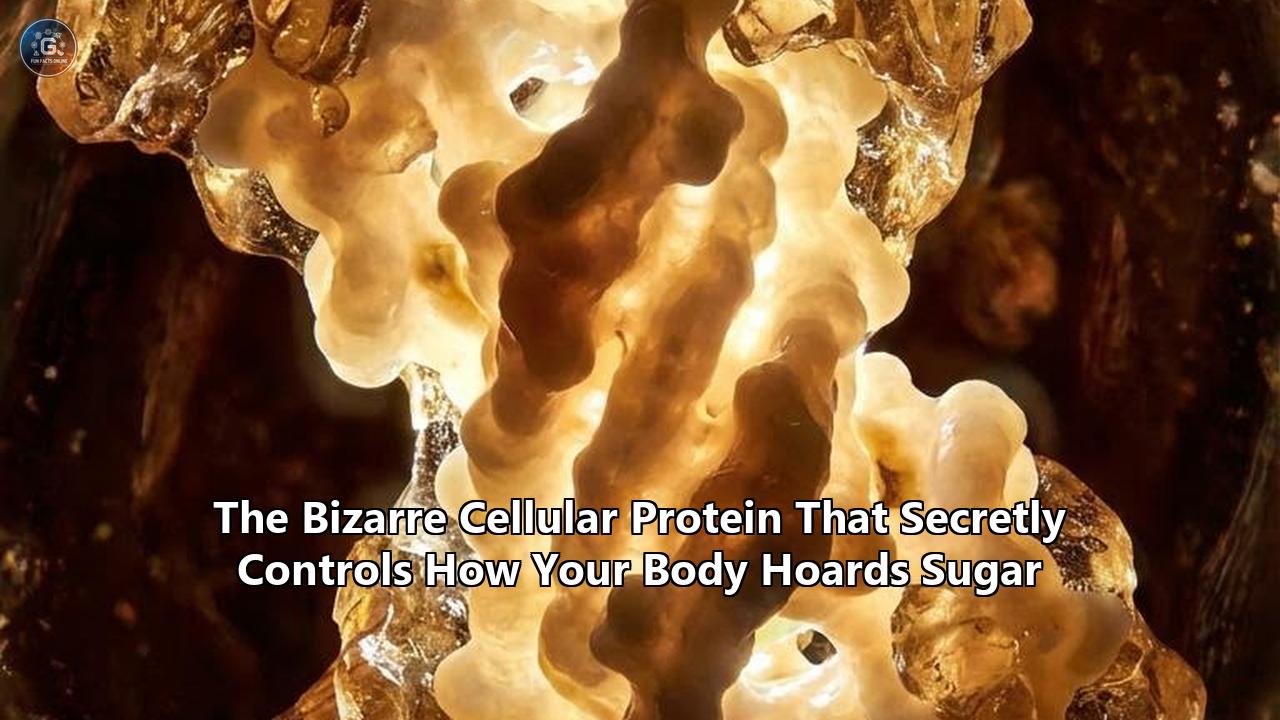
Researchers at the Walter and Eliza Hall Institute of Medical Research (WEHI) in Melbourne, publishing in the journal Nature, revealed a hidden, secondary control network operating entirely inside the cell. They discovered that glycogen is actively and directly regulated by ubiquitin—a highly conserved cellular protein long known strictly as the "garbage tag" that flags damaged proteins for destruction. The WEHI team proved that ubiquitin does not just bind to other proteins; it attaches directly to sugars, physically dictating the rules of how body stores sugar and when it releases it for energy.
The findings overturn fifty years of accepted biology. Up to one percent of all ubiquitin in the liver is actually attached to glycogen, waiting in the background. During periods of fasting, the concentration of these ubiquitin tags spikes, acting as the primary catalyst that dismantles the glycogen to release energy. By artificially increasing this ubiquitination in the lab, researchers successfully forced cells to deplete their glycogen reserves.
"It's quite likely biology books will need to be amended as a result of our findings," said Professor David Komander, co-lead author and head of WEHI's Ubiquitin Signalling Division. "We've uncovered a second pathway where glycogen can be directly regulated – likely on demand."
Dr. Simon Cobbold, who co-led the study alongside Komander and PhD student Marco Jochem, noted the protein’s uncredited role in human survival. "Ubiquitin is really an unsung hero that has been quietly working in the background all this time, keeping us alive."
The discovery immediately fractures the monolithic approach to treating metabolic conditions. For decades, pharmaceutical interventions have relied almost exclusively on mimicking or suppressing systemic hormones. By uncovering a local, intracellular mechanism that directly controls sugar hoarding, the WEHI team has initiated a high-stakes scientific divergence: the traditional endocrine approach to metabolic disease is now competing with the prospect of direct protein-level intervention.
The Macro Command vs. The Micro Controller
To understand the magnitude of this discovery, it is necessary to contrast the orthodox model of metabolism with the newly revealed ubiquitin pathway. They operate on entirely different architectural principles.
The traditional insulin-glucagon dynamic functions like a radio broadcast. The pancreas acts as the transmission tower, releasing hormones into the bloodstream that flood the entire body. Every tissue equipped with the appropriate receptors receives the signal simultaneously. When a patient develops insulin resistance—the hallmark of Type 2 diabetes—the receptors on the cell surface become deaf to the broadcast. The pancreas shouts louder by pumping out more insulin, but the liver and muscle tissues refuse to initiate the process of storing glucose.
The newly discovered ubiquitin pathway, by contrast, functions like a physical deadbolt on the inside of the cell door. It does not require a systemic broadcast. Instead, specialized enzymes attach ubiquitin molecules directly to the stored glycogen mass. This process, known as ubiquitination, physically flags the sugar reserves for lysosomal degradation, routing the glycogen to the cell's internal recycling centers through a pathway called glycophagy. It is a localized, autonomous mechanism that overrides external hormone signals.
These competing physiological models present distinct tradeoffs. The hormonal broadcast system is efficient for coordinating the entire organism, but it is highly vulnerable to systemic interference. If the hormone receptors fail, the entire network collapses. The intracellular ubiquitin system is hyper-localized; it provides a cellular fail-safe. If the systemic signals break down, cells still possess an internal mechanism to control how body stores sugar, breaking down reserves to survive localized stress.
The clinical implications of this dual architecture are profound. For decades, drug developers assumed that if insulin signaling failed, the only solution was to force the issue with synthetic insulin or receptor agonists. The WEHI data suggests an alternative: bypassing the broken receptor entirely and manually triggering the cell's ubiquitin system to flush the hoarded sugar.
The Analytical Blind Spot: Traditional Proteomics vs. NoPro-Clipping
Why did a mechanism involving one of the most heavily studied proteins in biology remain entirely invisible until 2026? The answer lies in a deep structural flaw within the technology used to study cellular biology.
For decades, researchers studying ubiquitin relied on traditional mass spectrometry workflows. These systems are specifically calibrated to identify peptide bonds—the chemical links that hold proteins together. When scientists harvested cells to study ubiquitination, they deployed enzymes that chopped up proteins, isolated the ubiquitin fragments, and washed away all "non-proteinaceous" debris. Glycogen is not a protein; it is a complex, branching polysaccharide. Consequently, the very extraction methods designed to study ubiquitin routinely washed the ubiquitinated sugar down the drain.
To bypass this technological limitation, the WEHI team engineered a radically different analytical approach. Over four years, Cobbold, Komander, and Jochem developed a technique they named "NoPro-clipping" (Non-Proteinaceous clipping).
The NoPro-clipping workflow is a structural departure from conventional mass spectrometry preparation. It utilizes specific viral and bacterial proteases, referred to as "clippases," which sever the ubiquitin molecule at its C-terminus. This surgical cut leaves behind a tiny, characteristic "GlyGly" chemical signature directly on the attached substrate. The researchers then utilize a transpeptidase enzyme to fuse a small synthetic peptide onto that GlyGly mark.
This final step is the critical innovation. By attaching a protein-like tail to the sugar molecule, NoPro-clipping acts as a molecular disguise. It tricks standard proteomics equipment into seeing the non-protein sugar.
"Without our tools and method, this remarkable process would have remained invisible," Cobbold stated. "That's the beauty of NoPro-clipping – it's allowing us to study a canvas of molecules the ubiquitin field has overlooked all this time."
When comparing traditional proteomics to NoPro-clipping, the tradeoffs are evident. Traditional targeted assays are fast, standardized, and highly optimized for rapid drug screening. However, they suffer from inherent confirmation bias; they only find what they are programmed to see. NoPro-clipping is complex, highly specialized, and generates massive, unwieldy datasets that require months of bioinformatic analysis. Yet, it operates without blinders. By capturing ubiquitinated sugars, lipids, and small metabolites, NoPro-clipping exposes the vast, uncharted territory of non-protein cellular signaling.
Therapeutic Tradeoffs: Systemic Hormones vs. Targeted Ubiquitin Modulators
The WEHI discovery arrives at a volatile moment in pharmaceutical history. The market for metabolic disease is currently dominated by GLP-1 receptor agonists—drugs like semaglutide (Ozempic, Wegovy) and tirzepatide (Mounjaro). These therapeutics manage blood sugar and drive weight loss by aggressively amplifying the body's systemic hormone signals, delaying gastric emptying, and suppressing the appetite centers in the brain.
The contrast between the GLP-1 approach and a hypothetical ubiquitin-based therapeutic highlights two vastly different philosophies of metabolic intervention.
The GLP-1 strategy is fundamentally systemic. It alters the entire patient. The tradeoffs are well-documented: while highly effective at driving down blood glucose and body mass, these drugs often strip away lean muscle tissue alongside fat. They require continuous, lifelong administration, and because they cross the blood-brain barrier to alter neurotransmission, they can induce profound changes in mood and gastrointestinal function.
A therapy derived from the WEHI discovery would theoretically pursue the exact opposite strategy. Instead of flooding the organism with hormonal mimics, a ubiquitin-modulating drug would be highly targeted. The WEHI team demonstrated that increasing the ubiquitination of glycogen directly decreases glycogen levels inside the cell. By designing a small molecule that selectively activates the specific E3 ligases (the enzymes that attach ubiquitin) responsible for tagging glycogen in the liver, drug developers could force the liver to empty its sugar reserves without altering brain chemistry or digestive speed.
This approach addresses the core mechanical issue of how body stores sugar without the collateral damage of systemic hormone disruption. By preventing the liver from hoarding excess glycogen, a targeted ubiquitin therapeutic could alleviate the hepatic fat accumulation that drives insulin resistance, effectively reversing the metabolic gridlock at its source.
However, the risks associated with ubiquitin modulation are severe. The ubiquitin-proteasome system is the cellular equivalent of a nuclear waste management facility. It tightly regulates the turnover of almost all cellular proteins, including the tumor suppressors that prevent cancer and the misfolded proteins that cause neurodegeneration.
The tradeoff in targeting ubiquitin is the high potential for disastrous off-target effects. If a drug inadvertently triggers the ubiquitination of the wrong substrate, it could mistakenly destroy essential structural proteins. Conversely, if a drug inhibits the removal of ubiquitin (targeting enzymes known as deubiquitinases, or DUBs), the cell could choke on its own metabolic waste. The commercial viability of this new pathway will depend entirely on precision—proving that the specific enzymes linking ubiquitin to sugar can be isolated and controlled without destabilizing the rest of the cell's recycling infrastructure.
The Genetic Dilemma: Enzyme Replacement vs. Substrate Reduction
While Type 2 diabetes represents the largest commercial market, the most immediate application for this discovery lies in the treatment of rare, often fatal genetic disorders known as Glycogen Storage Diseases (GSDs).
Conditions like Pompe disease, McArdle’s disease, and Lafora disease are caused by inherited mutations in the enzymes responsible for breaking down glycogen. Without these enzymes, abnormal, poorly branched glycogen molecules (polyglucosan bodies) build up inside tissues, physically crushing muscle fibers, destroying liver function, and triggering severe neurological decline. In these patients, the normal biological process of how body stores sugar becomes a lethal mechanical failure.
The current standard of care for several of these diseases is Enzyme Replacement Therapy (ERT). ERT involves continuously infusing patients with synthetic versions of the missing enzymes. The approach has saved lives, but a comparative analysis reveals severe limitations. ERT functions as a blunt instrument. The infused enzymes circulate in the blood, but they struggle to penetrate deeply into skeletal muscle and cardiac tissue. Furthermore, the sheer cost of manufacturing complex biological enzymes places ERT out of reach for many healthcare systems, and patients frequently develop immune responses that neutralize the infused drugs.
Recent attempts to improve upon ERT have focused on mRNA therapies—delivering genetic instructions to force the patient's own liver to manufacture the missing enzyme. While promising, this still relies on replacing a broken gear in a failing machine.
The WEHI discovery introduces a completely different therapeutic vector: ubiquitin-mediated substrate reduction.
Rather than attempting to replace the missing digestive enzyme, clinicians could utilize the ubiquitin system to manually tag the toxic glycogen masses for alternative disposal. The WEHI researchers observed that ubiquitinated glycogen is directed to lysosomes through an independent glycophagy pathway. If a drug could artificially hyper-activate this ubiquitin tagging process in the muscle cells of a Pompe disease patient, it could essentially bypass the genetic defect, forcing the cell to clear the suffocating sugar hoards using its own intrinsic garbage disposal system.
This represents a shift from "enzyme replacement" to "substrate clearance." The tradeoff here is a matter of pathway dependency. ERT tries to restore the natural metabolic pathway, which is heavily reliant on precise cellular conditions like calcium homeostasis. Ubiquitin substrate reduction would rely on a secondary, compensatory pathway. If the lysosomal capacity of the cell is already overwhelmed by the disease, funneling more ubiquitinated sugar into the recycling centers might induce cellular toxicity. Researchers will need to determine if the glycophagy pathway has the bandwidth to handle the massive glycogen loads seen in GSD patients.
What Happens Next
The discovery that a protein acts as the secret arbiter of glycogen storage is not the end of a research cycle; it is the opening of a new, highly competitive frontier. The WEHI researchers are already in early discussions with investors to explore practical clinical applications and drug development.
The immediate next steps require extreme molecular mapping. While the team proved that ubiquitin attaches to glycogen, they must now identify the exact molecular machinery executing the tagging. The human genome encodes over 600 different E3 ubiquitin ligases. Pinpointing which specific ligases attach ubiquitin to glycogen, and which deubiquitinases remove it, will provide the actual targets for small-molecule drug design.
Furthermore, the implications of NoPro-clipping extend far beyond sugar. By proving that ubiquitin regulates non-protein substrates, the WEHI team has cast doubt on other areas of cellular biology. If ubiquitin can tag complex sugars, it is highly probable that it also regulates lipids, nucleic acids, and other critical metabolites. The fundamental definitions of how cells organize, store, and dispose of their internal resources are currently being re-evaluated.
The transition from a systemic, hormone-centric view of metabolism to an intracellular, protein-mediated model forces a reassessment of metabolic medicine. For half a century, science viewed the liver and muscle cells as passive biological warehouses, merely responding to the hormonal commands of insulin and glucagon. The revelation that these cells utilize ubiquitin to actively manage their own reserves demonstrates that metabolism is not a strict top-down hierarchy. It is a distributed network, equipped with internal fail-safes and hidden molecular override switches.
The task now is to figure out how to safely operate those switches. If researchers can engineer therapeutics that precisely modulate this ubiquitin-glycogen connection, they will secure the ability to override metabolic dysfunction at the cellular level, fundamentally changing the prognosis for millions living with both common and rare metabolic diseases.
Reference:
- https://www.wehi.edu.au/news/sweet-discovery-rewrites-understanding-of-how-our-bodies-store-sugar/
- https://programme.conventus.de/hupo-2024/program/program-points/3bf39ff6-65f0-45b3-bc03-c109736cc496
- https://www.wehi.edu.au/news/sweet-discovery-rewrites-understanding-of-how-our-bodies-store-sugar/
- https://melbourne-insider.au/new-discovery-sugar-storage-regulation/