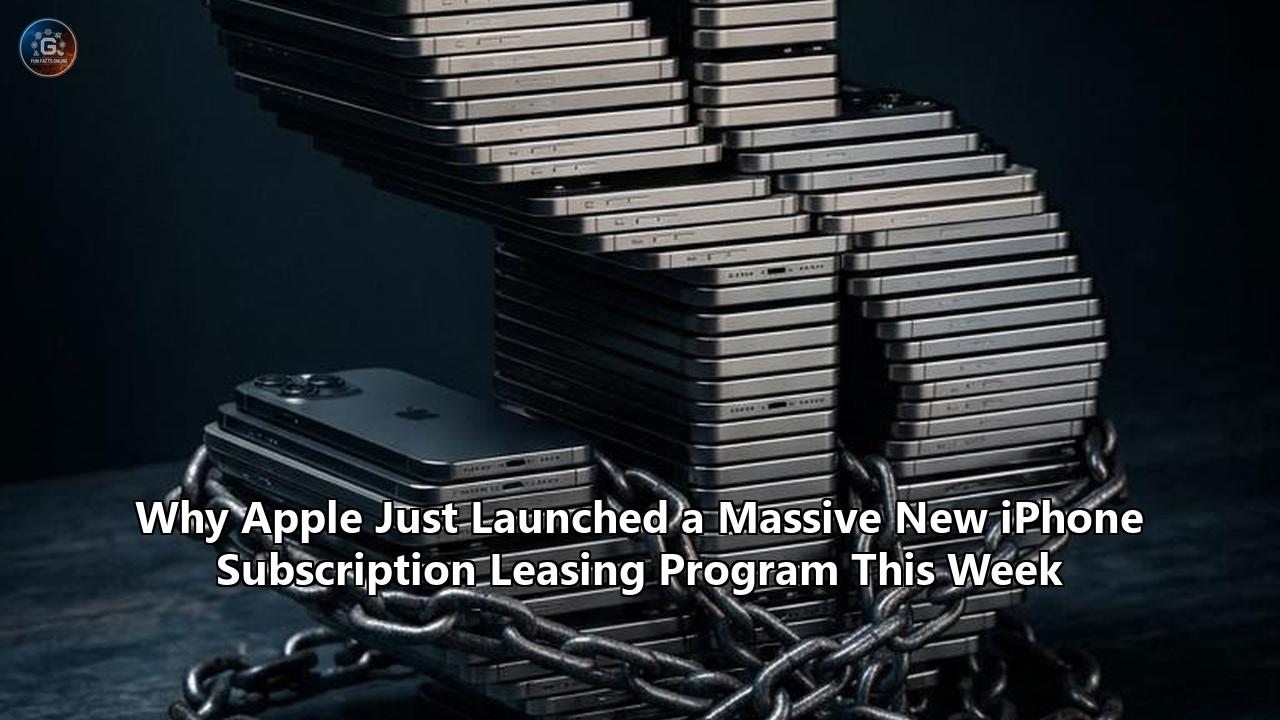
Apple officially launched its long-rumored hardware leasing initiative, branded as Apple Upgrade, across its United States retail footprint, online store, and mobile application. Developed in direct partnership with fintech firm Klarna, the program fundamentally alters how consumers access Apple’s primary hardware ecosystem by establishing a unified, multi-tier hardware leasing framework.
The announcement marks the immediate sunsetting of Apple’s decade-old iPhone Upgrade Program and its standard, zero-interest installment plans in the United States. In their place, Apple Upgrade introduces a monthly subscription architecture spanning four key product lines: iPhones (starting at $17.99 per month), Apple Watches (starting at $11.99 per month), Macs (starting at $24.99 per month), and iPads (starting at $11.99 per month).
┌─────────────────────────────────────────────────────────────────────────────┐
│                       APPLE UPGRADE LEASING ARCHITECTURE                   │
├─────────────────┬──────────────────┬──────────────────┬─────────────────────┤
│ Device Tier     │ Starting Price   │ Lease Term       │ End-of-Term Options │
├─────────────────┼──────────────────┼──────────────────┼─────────────────────┤
│ iPhone          │ $17.99 / month   │ 12 or 24 months  │ 1. Return & Exit    │
│ Apple Watch     │ $11.99 / month   │ 12 or 24 months  │ 2. Upgrade Model    │
│ Mac             │ $24.99 / month   │ 24 or 36 months  │ 3. Buy Outright     │
│ iPad            │ $11.99 / month   │ 24 or 36 months  │ 4. Auto Month-Month │
└─────────────────┴──────────────────┴──────────────────┴─────────────────────┘
The service requires applicants to undergo a soft credit inquiry processed entirely through Klarna, decoupling financial underwriting risk from Apple’s balance sheet while eliminating hard credit score hits for consumers during eligibility checks.
Crucially, the program decouples AppleCare+ protection—which was previously bundled into the original iPhone Upgrade Program—shifting extended coverage into an optional add-on. At the end of the specified lease term (12 or 24 months for mobile devices; 24 or 36 months for computers and tablets), users face three primary paths: return the hardware and exit the agreement, exercise a one-time buyout option to retain ownership, or roll the agreement over into a new hardware generation. Should a consumer take no action upon contract expiration, the lease automatically transitions into a month-to-month extension for up to six months before triggering a mandatory buyout charge.
The structural implications of this shift extend far beyond simple consumer payment flexibility. By transitioning hardware sales into a operationalized hardware-as-a-service model, Apple is responding directly to macroeconomic tailwinds, rising bill-of-materials costs, lengthening consumer upgrade cycles, and the financial complexities of maintaining high average selling prices in an inflationary hardware environment.
This launch serves as a definitive case study in modern corporate finance, product tier management, and ecosystem lock-in.
Strategic Framework: Hardware-as-a-Service (HaaS) in High-CapEx Consumer Tech
To understand why Apple replaced its existing financing mechanisms with a cross-category leasing infrastructure, one must evaluate the structural challenges facing consumer hardware manufacturers. High-end consumer tech has matured into a market defined by three intersecting dynamics: extended replacement cycles, soaring bill-of-materials (BOM) costs, and consumer resistance to traditional multi-thousand-dollar cash expenditures.
+-----------------------------------------------------------------------------+
|                        MACRO HARDWARE ENGINE TRILEMMA                      |
+-----------------------------------------------------------------------------+
|                                                                             |
|            [ Lengthening Upgrade Cycles ]                                  |
|            (Average ownership expanded from 24 to 38+ months)               |
|                           ▲                                                 |
|                           │                                                 |
|                           │                                                 |
|                           ▼                                                 |
|  [ Record Bill-of-Materials Costs ] ◄────────► [ High Retail Price Ceiling ] |
|  (AI memory/chip pricing surges)              (Consumer price resistance)   |
|                                                                             |
+-----------------------------------------------------------------------------+
Historically, hardware manufacturers operated on transactional revenue models. A consumer purchased a device outright or financed it through zero-interest loans, creating a sharp spike in recognized revenue followed by multi-year cash flow droughts. Over the past decade, average smartphone replacement cycles expanded from 24 months to over 38 months in primary Western markets. Incremental yearly hardware leaps—while impressive—no longer compel annual cash outlay from the mass market.
When replacement cycles stretch, two financial problems emerge for publicly traded hardware enterprises:
- Revenue Volatility and Cyclicality: Quarterly performance becomes hyper-dependent on autumn launch quarters, making long-term capital allocation and supply chain planning subject to violent consumer demand shifts.
- Depressed Customer Lifetime Value (LTV): A consumer who upgrades every 3.5 years generates significantly lower gross margin over a decade than one who remits a monthly fee to continuously access the platform.
The launch of the Apple Upgrade leasing program represents a systematic attempt to convert high-CapEx, transactional hardware sales into predictable, annuity-style recurring revenue streams.
By lowering the initial barrier to entry, Apple transforms an $1,199 upfront purchasing friction into a predictable $17.99 monthly utility payment. This shift preserves high average selling prices (ASPs) without pushing price-sensitive consumers out of the premium product ecosystem.
TRANSACTIONAL MODEL vs. HARDWARE-AS-A-SERVICE (HaaS)

Traditional Model:
Year 1: [ $1,199 Outright Purchase ] ──► Year 2: $0 ──► Year 3: $0 ──► Year 4: [ $1,199 Purchase ]
Total Revenue over 4 Years: $2,398 | Upgrades: 2

HaaS Leasing Model:
Year 1: [$17.99/mo = $215.88] ──► Year 2: [$17.99/mo = $215.88] + Hardware Refurb/Resale Value
Year 3: [$17.99/mo = $215.88] ──► Year 4: [$17.99/mo = $215.88] + Hardware Refurb/Resale Value
Total Cash Flow: Continuous Monthly Yield + Secondary Market Monetization Loop
From a corporate strategy perspective, this model aligns hardware monetization with software platform business models. When hardware is delivered as a subscription service, the device itself functions as a physical gateway that locks the user into profitable software, cloud, and services tiers—including Apple One, iCloud+, Apple Music, and Apple Pay revenue shares.
Macro Catalysts: Inflationary Pressures and Supply Chain Constraints
The timing of Apple Upgrade’s roll-out responds directly to macro supply chain realities that surfaced across 2025 and 2026. The technology hardware sector has faced severe cost inflation driven by soaring semiconductor fabrication expenses, rising supply chain logistics costs, and a global supply squeeze in high-bandwidth memory and advanced NAND flash storage.
       [ Global Memory & Semiconductor Cost Spike ]
                            │
                            ▼
     [ Elevated Hardware Manufacturing / BOM Costs ]
                            │
                            ▼
     [ Risk of Reduced ASPs & Shrinking Unit Volumes ]
                            │
                            ▼
   ┌─────────────────────────────────────────────────┐
   │ SOLUTION: The Unified Leasing Infrastructure    │
   │ - Subsidizes retail sticker price shock          │
   │ - Excludes entry-level baseline SKUs             │
   │ - Pushes consumers directly into high-ASP tiers  │
   └─────────────────────────────────────────────────┘
Driven by datacenter AI compute demand, memory component prices spiked dramatically over the past 18 months. Hardware vendors faced a difficult choice: absorb margin compression across flagship lines or pass cost increases directly to consumers through higher retail list prices. Choosing the latter risked triggering demand destruction, particularly among middle-tier consumer segments already squeezed by broader inflationary forces.
Apple’s pricing strategy for the newly launched iphone subscription program directly addresses this challenge. Leasing structures soften price increases by spreading higher unit costs over monthly payment periods. An extra $120 price bump on a flagship smartphone represents a sharp friction point when presented as an upfront total of $1,199 versus $1,079. However, within a 24-month lease architecture, that same $120 delta manifests as a modest $5 per month adjustment, insulating unit demand from consumer sticker shock.
Strategic Exclusion of Entry-Level Hardware
A critical detail in Apple’s launch architecture is the selective exclusion of baseline devices. The company notably excluded entry-level models—such as the base-tier iPad, Apple Watch SE, entry-level iPhone SKUs, and the base MacBook Neo—from the program.
                     ELIGIBILITY TIER STRUCTURE

   ELIGIBLE FOR APPLE UPGRADE        EXCLUDED FROM LEASING PROGRAM
   ┌───────────────────────────┐     ┌───────────────────────────┐
   │ • iPhone 17 / 17 Pro / Air│     │ • Base iPhone 16          │
   │ • Apple Watch Ultra / 11  │     │ • Apple Watch SE          │
   │ • iPad Pro / Air / Mini   │     │ • Entry-level Base iPad   │
   │ • MacBook Pro / M5 Air    │     │ • MacBook Neo             │
   └───────────────────────────┘     └───────────────────────────┘
                 ▲                                 │
                 │                                 │
                 └────── PUSHES CONSUMERS TO ──────┘
                         HIGHER-ASP HARDWARE
This structural exclusion is a deliberate mix-management strategy designed to achieve several business objectives:
- Pulsing Demand Toward Mid-to-High Margins: By restricting leasing terms to higher-tier hardware (e.g., iPhone Pro, iPad Air/Pro, M-series Pro laptops), Apple forces consumers seeking low monthly payments to buy up the product ladder. A customer who might otherwise buy a $499 entry-level device upfront is incentivized to step up to a $799 flagship model because the monthly lease price ($17.99/mo) feels immediately manageable.
- Protecting Residual Value Metrics: Lower-end, entry-level hardware deteriorates faster in the secondary market on a percentage-of-MSRP basis. Mid-to-premium tier Apple hardware retains exceptional residual value over 12-to-36 months. Because hardware leasing economics depend heavily on the price recovered when returned units are refurbished and resold, excluding fast-depreciating base products protects program margins.
- Preserving Cash Buyers for Entry Tiers: Consumers seeking budget-tier hardware generally exhibit lower overall lifetime value within the services ecosystem. Apple reserves low-margin entry hardware for standard transactional cash purchases while reserving low-friction subscription access for premium devices with high services attachment rates.
Financial Engineering: The Klarna Partner Model and Off-Balance-Sheet Risk
Perhaps the most significant structural evolution in Apple Upgrade is its operational backing. When Apple originally piloted hardware financing via the legacy iPhone Upgrade Program, it relied on traditional bank underwriting via Citizens One. Later, in 2022, Apple signaled an intention to bring financial services entirely in-house through its "Apple Pay Later" initiative, taking on credit risk, regulatory compliance, and debt provisioning on its own balance sheet.
That internal approach hit severe headwinds. Managing consumer loan books, establishing loan-loss reserves, navigating state-by-state lending regulations, and managing capital adequacy requirements proved to be an operational distraction from Apple's core business model. The company ultimately shuttered its proprietary first-party loan originations.
┌─────────────────────────────────────────────────────────────────────────────┐
│                       KLARNA PARTNERSHIP LEASING FLOW                       │
└─────────────────────────────────────────────────────────────────────────────┘

  [ Consumer ] ──( 1. Soft Credit Check / Selection )──► [ Apple Store / Web ]
       │                                                         │
       │                                               ( 2. Orders Hardware )
       ▼                                                         ▼
  [ Klarna Financing Engine ] ◄──( 3. Underwriting Risk )─── [ Apple Inc. ]
       │                                                         │
       ├─────── ( 4. Pays Full Wholesale/Net Value )─────────────┤
       │                                                         │
       └─────── ( 5. Collects Monthly Payments )───────────────► │ (Recognizes Cash)
The selection of Klarna as the exclusive provider for Apple Upgrade solves these capital and balance sheet challenges through an off-balance-sheet partnership model:
- Credit Risk Transfer: Apple offloads credit default risks directly to Klarna. If a leased customer defaults on monthly payments, Klarna—not Apple—absorbs the credit loss and manages collections.
- Capital Efficiency: Operating an internal hardware leasing portfolio for hundreds of millions of global devices would tie up tens of billions of dollars in working capital. Under the Klarna partnership, Klarna funds or syndicates the upfront capital required to acquire the hardware from Apple, allowing Apple to recognize cash upfront while preserving its capital for cash returns, R&D, and corporate investments.
- Frictionless Onboarding via Soft Credit Checks: Traditional loan origination often involves hard credit pulls that lower credit scores and increase checkout abandonment. Klarna utilizes real-time soft credit inquiries that assess borrower risk in seconds without impacting credit scores, dramatically raising conversion rates at point-of-sale.
COMPARISON OF FINANCING ARCHITECTURES

Metric                 Legacy iPhone Upgrade Program     Apple Upgrade Leasing Program
--------------------------------------------------------------------------------------
Primary Partner        Citizens One                      Klarna
Underwriting Approach  Hard Credit Check                 Soft Credit Check
Balance Sheet Impact   Joint Exposure / Third-Party Bank Off-Balance-Sheet Risk Transfer
Product Coverage       iPhone Only                       iPhone, Watch, Mac, iPad
Protection Bundling    Mandatory AppleCare+              Optional Separate Add-On
Asset Ownership        Consumer (Loan to Own)            Apple/Klarna (Lease with Buyout)
Accounting Treatment Under US GAAP (ASC 842 and ASC 606)
From a corporate accounting perspective, the shift from retail hardware sales to structured leasing changes revenue timing and income statement mechanics.
Under traditional retail accounting (US GAAP ASC 606 - Revenue from Contracts with Customers), when a customer buys an iPhone, Apple recognizes 100% of the net transaction price at point-of-sale, deducting allowances for returns and warranties.
Under a hardware leasing structure governed by US GAAP ASC 842 (Leases), revenue recognition depends on whether the lease is classified as an Operating Lease or a Sales-Type Lease:
                              US GAAP ACCOUNTING SPLIT
                                         │
        ┌────────────────────────────────┴────────────────────────────────┐
        ▼                                                                 ▼
[ SALES-TYPE LEASE STRUCTURE ]                                [ OPERATING LEASE STRUCTURE ]
• Present value of payments equals fair value                 • Apple/Klarna retains ownership risks
• Apple recognizes hardware sale price UPFRONT                • Monthly payments recognized ratably
  at transaction closing via Klarna                             over the 12-to-36 month term
• Secondary market resale recognized upon return              • Hardware asset remains on balance sheet,
                                                                depreciating over useful life
By partnering with Klarna, Apple structures the financing arrangement so that Klarna pays Apple the wholesale/net value of the device upfront at the time of purchase. Klarna then carries the lease contract and collects recurring payments over time.
This hybrid arrangement enables Apple to retain immediate cash inflow and revenue recognition for accounting purposes, while presenting the end-consumer with a seamless subscription payment model.
Operating Mechanics: OS-Level Enforcement and Secondary Market Loops
Hardware subscription models carry an operational risk unique to physical goods: asset loss and payment delinquency. Unlike software services, where access can be revoked by turning off cloud permissions, hardware leasing involves handing a $1,500 physical asset to a consumer.
To make the iphone subscription program scalable, Apple embedded hardware management features directly into its operating system layer.
┌─────────────────────────────────────────────────────────────────────────────┐
│                    iOS OS-LEVEL SUBSCRIPTION ENFORCEMENT                   │
└─────────────────────────────────────────────────────────────────────────────┘

  [ Active Monthly Subscription ] ──────► Full Unrestricted Device Access
                 │
                 ▼ (Payment Delinquency / Default Triggered)
  ┌───────────────────────────────────────────────────────────────────────────┐
  │ SYSTEM RESTRICTED MODE ENGAGED                                           │
  │ • Third-Party App Execution: LOCKED OUT                                 │
  │ • Media & Browser Functionality: DISABLED                                │
  │ • Critical Utility Sandbox REMAINS ACTIVE:                               │
  │   - Emergency Calls / Phone App                                          │
  │   - Apple Health Data / Medical ID                                       │
  │   - System Settings & Wallet (For Billing Updates)                       │
  └───────────────────────────────────────────────────────────────────────────┘
                 │
                 ▼ (Payment Resolved)
  [ Restores Full Functionality Over-the-Air (OTA) ]
System-Level Hardware Management
In recent iOS releases, Apple introduced system daemons designed to monitor hardware subscription status. If a lease agreement falls into delinquent status or is reported breached by Klarna, the operating system shifts the device into a "System Restricted Mode" via over-the-air updates:
- Restricted App Access: Third-party applications, media playback, web browsing, and camera execution are suspended.
- Preservation of Core Utilities: To maintain safety and regulatory compliance, restricted mode leaves fundamental utility features active, including emergency phone calling, Apple Health/Medical ID access, basic Settings, and the Apple Wallet interface so users can resolve delinquent payments.
- Hardware Lockout: If a device is declared stolen or fully defaulted, Apple can render the system board permanently inactive via cryptographic hardware locks, eliminating the resale value of stolen devices on gray markets.
This software enforcement layer reduces default rates and asset recovery costs, giving Klarna and Apple high visibility into device health and location status throughout the contract term.
The Circular Reverse-Logistics Monetization Engine
The financial foundation of any hardware leasing model rests on residual value management. Leasing is profitable only if returned hardware can be monetized effectively. Apple’s reverse-logistics infrastructure provides a distinct advantage over competitors attempting similar subscription programs.
┌─────────────────────────────────────────────────────────────────────────────┐
│                      REVERSE LOGISTICS & VALUE HARVESTING                   │
└─────────────────────────────────────────────────────────────────────────────┘

       [ End-of-Lease Return (Month 12, 24, or 36) ]
                            │
                            ▼
     ┌──────────────────────────────────────────────┐
     │  Apple Automated Diagnostic & Inspection Hub │
     └──────────────────────┬───────────────────────┘
                            │
            ┌───────────────┴───────────────┐
            ▼                               ▼
 [ HIGH-GRADE HARDWARE ]         [ HEAVILY DAMAGED ASSETS ]
            │                               │
            ▼                               ▼
 • Refurbished Certification     • Component Harvesting
 • Secondary Market Resale         (Daisy / Recycling Robots)
 • Enterprise / Fleet Leasing    • Gold, Rare Earth Elements,
 • High Gross Margin Realization   Cobalt Closed-Loop Supply
When a lease contract expires and the consumer returns their device to upgrade, Apple routes the unit through its automated diagnostic and reconditioning system:
- Grade-A Units (Certified Refurbished): Units with minor wear are deep-cleaned, fitted with new outer shells and batteries, and sold through Apple’s Certified Refurbished store at 80-85% of original retail value, yielding high secondary gross margins.
- Grade-B/C Units (Secondary Emerging Markets & Insurance Replacement): Middle-tier hardware is funneled into international distributor channels, enterprise hardware leasing programs, or deployed as replacement inventory for AppleCare service claims.
- End-of-Life Units (Automated Recycling): Badly damaged or obsolete devices are routed to Apple’s proprietary recycling technology (such as its "Daisy" and "Taz" disassembly robots), recovering high-purity aluminum, cobalt, gold, and rare earth elements for reuse in new production lines.
HARDWARE ASSET MONETIZATION LIFECYCLE

Phase 1: Initial Lease (Months 1–24)
───────► Generates predictable monthly leasing cash flows ($17.99–$45.00/mo)

Phase 2: Refurbished Resale (Months 25–36)
───────► Recovered device is refurbished and resold on secondary markets (~75% value recovery)

Phase 3: Service / Component Recycling (Months 37+)
───────► Used for warranty replacement pools or dismantled for raw materials
Through this multi-stage lifecycle, Apple extracts value from a single manufactured unit multiple times over a four-to-five-year period, lowering net manufacturing costs across product generations.
Consumer Economics: Calculating the True Cost of Access
To evaluate why consumers opt into hardware leasing versus traditional cash or credit purchases, we must examine the financial mechanics facing the buyer.
Consider a consumer evaluating a flagship device priced at $1,199 upfront under three distinct acquisition channels: Direct Cash Purchase, Standard 24-Month Credit Financing, and the newly introduced Apple Upgrade Program.
┌─────────────────────────────────────────────────────────────────────────────┐
│                      FINANCIAL BREAKDOWN: THREE PATHS                       │
├─────────────────────────┬───────────────────┬────────────────┬──────────────┤
│ Metric                  │ Cash Purchase     │ Standard Loan  │ Apple Upgrade│
├─────────────────────────┼───────────────────┼────────────────┼──────────────┤
│ Upfront Outlay          │ $1,199.00         │ $0.00          │ $0.00        │
│ Monthly Payment         │ $0.00             │ $49.95 / month │ $17.99 / mo  │
│ Contract Duration       │ N/A               │ 24 Months      │ 24 Months    │
│ Out-of-Pocket over 24m  │ $1,199.00         │ $1,198.80      │ $431.76      │
│ End-of-Term Ownership   │ Full Ownership    │ Full Ownership │ Return / Buy │
│ Net Cost after Resale*  │ ~$699.00 Net      │ ~$698.80 Net   │ $431.76 Net  │
└─────────────────────────┴───────────────────┴────────────────┴──────────────┘
* Assuming a $500 estimated secondary market trade-in recovery value at Month 24.
Comparative Analysis of Consumer Scenarios
Scenario A: Upfront Cash Outlay ($1,199)
The consumer pays the full retail price out of pocket on day one. At month 24, assuming standard device wear, the secondary market trade-in value is approximately $500. The net cost of ownership for two years of device usage is:
$$\text{Net Cost} = \$1,199 - \$500 = \$699$$
This path requires significant upfront liquid capital and forces the consumer to manage secondary market sales or trade-in logistics to recover residual value.
Scenario B: Standard Installment Financing ($49.95/month)
The cost is spread evenly across 24 months. Total out-of-pocket spend equals $1,198.80. If the consumer sells the device at month 24 for $500, the net cost remains identical to Scenario A:
$$\text{Net Cost} = \$1,198.80 - \$500 = \$698.80$$
However, the consumer must handle residual resale execution to recoup that value.
Scenario C: Apple Upgrade Leasing ($17.99/month)
Under the newly introduced hardware subscription structure, the consumer pays $17.99 per month over 24 months, resulting in an aggregate outlay of $431.76. At month 24, the consumer simply returns the hardware to Apple and upgrades to the next-generation device without dealing with third-party buyers, trade-in friction, or resale price volatility.
$$\text{Net Cost} = \$431.76$$
   TWO-YEAR CUMULATIVE OUT-OF-POCKET CASH OUTFLOW

   $1,400 ──┐
            │                                 [ Cash Outright: $1,199 ]
   $1,200 ──┤                                 ─────────────────────────
            │                                 [ Standard Loan: $1,198.80 ]
   $1,000 ──┤                                 ────────────────────────────
            │
     $800 ──┤
            │
     $600 ──┤
            │                                 [ Apple Upgrade Lease: $431.76 ]
     $400 ──┤                                 ────────────────────────────────
            │
     $200 ──┤
            │
       $0 ──┴─────────────────────────────────────────────────────────────
            Month 1                                               Month 24
For consumers who systematically upgrade every 12 to 24 months, the leasing program cuts cumulative cash outlays over the lease period compared to unmanaged purchases. It eliminates friction while providing access to current hardware generations.
End-of-Lease Inaction Default: The Month-to-Month Auto-Convert
To prevent consumer drop-off and ensure predictable cash flows, Apple structured an end-of-term transition mechanism into the subscription contract.
                    END-OF-LEASE EXPIRATION WORKFLOW
                                   │
                                   ▼
                   [ 24-Month Lease Term Concludes ]
                                   │
         ┌─────────────────────────┼─────────────────────────┐
         ▼                         ▼                         ▼
   [ Action 1 ]              [ Action 2 ]              [ Action 3 ]
  Return Hardware         Exercise Buyout           Upgrade Device
   & Exit Program             Option Fee             & Renew Contract
         │                         │                         │
         ▼                         ▼                         ▼
  Lease Concludes           Device Owned              New Lease Begins
                                                             │
                                                             │ (NO ACTION TAKEN)
                                                             ▼
                                                ┌───────────────────────────┐
                                                │ Month-to-Month Auto-      │
                                                │ Extension Mode (Max 6 mos)│
                                                └─────────────┬─────────────┘
                                                              │
                                                              ▼ (After 6 months)
                                                ┌───────────────────────────┐
                                                │ Mandatory Full Buyout     │
                                                │ Fee Applied Automatically │
                                                └───────────────────────────┘
If a consumer takes no explicit action at the end of their lease, the contract does not simply terminate. Instead, it automatically transitions into a month-to-month extension for up to six months, often at an elevated rate. If the user still takes no action after six months, the system processes an automated purchase charge, transferring ownership of the aging unit to the consumer while clearing the lease from Apple and Klarna's books.
This behavioral default mechanic converts passive user delay into higher customer lifetime value, ensuring that hardware assets are either systematically recycled back into Apple's supply chain or fully paid off by the user.
Strategic Lessons: Key Takeaways for Corporate Strategy Execs
Apple’s shift to a unified hardware leasing ecosystem offers several valuable lessons for corporate strategists, product leaders, and financial executive teams operating across consumer tech, hardware, and automotive sectors.
┌─────────────────────────────────────────────────────────────────────────────┐
│                      FIVE CORE STRATEGIC LESSONS                            │
├─────────────────────────────────────────────────────────────────────────────┤
│ 1. Decouple Protection Plans to Lower On-Ramp Barriers                      │
│ 2. Use Off-Balance-Sheet Partners to Neutralize Financial Risk              │
│ 3. Restrict Leasing Eligibility to Defend ASPs and Drive Upsells            │
│ 4. Build System-Level OS Daemons for Asset Security                         │
│ 5. Displace Legacy Channel Intermediaries (Wireless Carriers)               │
└─────────────────────────────────────────────────────────────────────────────┘
Lesson 1: Lower Friction by Unbundling High-Margin Add-Ons
Under the legacy iPhone Upgrade Program, Apple bundled AppleCare+ coverage directly into the mandatory monthly fee. While this maximized service coverage, it elevated the baseline monthly entry price, driving up consumer cost sensitivity.
In the new program, Apple unbundled AppleCare+, offering hardware leasing at a significantly lower baseline monthly price ($17.99/mo) while offering protection plans as an opt-in attachment at checkout.
UNBUNDLED VS. BUNDLED SUBSCRIPTION EFFICIENCY

Legacy Bundled Model:
[ Base Hardware Cost ] + [ Mandatory AppleCare+ Protection ] = $35.00/mo Entry Friction
(Higher psychological drop-off at point of sale)

New Unbundled Model:
[ Base Hardware Leasing Fee ] = $17.99/mo Entry Hook
   └─► Optional AppleCare+ Add-On ($8.99/mo) = Selected by high-risk users at checkout
(Lower baseline headline price yields higher sales funnel conversion)Lesson 2: Transfer Credit Risk to Specialized Partners
Hardware manufacturers are rarely equipped to act as specialized consumer underwriting institutions. Early attempts to directly manage balance sheet lending introduce regulatory scrutiny, credit defaults, and bad-debt provisioning requirements that distract from core engineering and product goals.
By partnering with Klarna, Apple retains its direct consumer relationship and point-of-sale branding while offloading risk management, regulatory compliance, and debt collection to an experienced partner.
Strategic Takeaway: Leverage specialized point-of-sale underwriting partners to finance hardware subscriptions. This insulates your core business balance sheet from debt and default risks while delivering a seamless, branded customer experience.Lesson 3: Restrict Program Eligibility to Drive Up-Market Migration
Rather than offering leasing across all product categories, Apple restricted the service to mid-to-high-tier SKUs, deliberately excluding low-end baseline models.
                             PRODUCT MATRIX STRATEGY

    ENTRY-LEVEL TIERS                           PREMIUM-LEVEL TIERS
  (MacBook Neo, Base iPad)                     (MacBook Pro, iPhone Pro)
   ┌──────────────────────┐                     ┌──────────────────────┐
   │ Cash / Upfront Only  │                     │ Apple Upgrade Access │
   └──────────┬───────────┘                     └──────────▲───────────┘
              │                                            │
              │                                            │
              └────── PUSHES COST-SENSITIVE BUYERS ────────┘
                      TO LEASE HIGH-MARGIN PRODUCTS
This strategic exclusion encourages cost-sensitive buyers to move up-market. When presented with the choice between spending $499 upfront for a base device or paying $17.99 per month for a flagship Pro model, consumers routinely choose the lower monthly outlay for superior hardware.
Strategic Takeaway: Do not offer hardware leasing across every SKU. Reserve low-friction leasing for high-margin, premium tiers to encourage up-market migration and maximize average selling prices (ASPs).Lesson 4: Deep Integration of Software Enforcement Mechanics
Leasing physical assets requires effective access control. Apple solved this challenge by integrating lease verification directly into the iOS kernel and system architecture, creating a soft lockout mechanism that protects device value while encouraging payment compliance.
Strategic Takeaway: Hardware-as-a-Service models require system-level security controls. Build device management features directly into your firmware and software stack to protect assets without requiring costly physical asset recovery efforts.Disruption Across Channels: Disintermediating Wireless Carriers
The launch of a unified cross-category hardware subscription program poses a direct challenge to traditional telecommunications carriers like Verizon, AT&T, and T-Mobile.
                  CHANNEL CONTROL CONFLICT

  HISTORICAL TELECOM LOCK-IN MODEL:
  [ Carrier Store ] ──( 36-Month Bill Credit Lock )──► [ Consumer ]
  * Consumer tied to wireless network; Apple secondary to carrier relationship.

  DISRUPTIVE DIRECT APPLE LEASING MODEL:
  [ Apple Store / App ] ──( Direct Lease )──► [ Consumer ] ──( Unlocked Device )──► [ Any Carrier ]
  * Consumer loyalty centers on Apple; carriers reduced to commoditized bandwidth pipelines.
For over a decade, wireless carriers maintained customer retention through 36-month bill-credit financing promotions. By offering "free" hardware subsidized over three-year service contracts, carriers locked consumers into network service plans.
Apple Upgrade breaks this carrier hold through several mechanisms:
- Shorter Upgrade Horizons: While carrier financing plans increasingly stretched to 36 months to hide price increases, Apple Upgrade offers flexible 12- and 24-month upgrade cycles, appealing to users who want current hardware every year.
- Device Carrier Neutrality: Hardware leased through Apple Upgrade arrives unlocked, empowering users to switch wireless carriers instantly via eSIM provisioning without forfeiting hardware balances or lease terms.
- Cross-Category Ecosystem Bundling: Wireless carriers can easily finance phones, but struggle to offer cohesive, multi-device financing across laptops, tablets, and smartwatches. Apple Upgrade provides a single subscription agreement spanning a user's entire hardware stack.
FINANCING MODEL COMPARISON: CARRIERS VS. APPLE

Feature                 Carrier Bill Credit Plans        Apple Upgrade Leasing Program
---------------------------------------------------------------------------------------
Contract Duration       36 Months (Extended)             12, 24, or 36 Months (Flexible)
Carrier Locking         Locked to Network                Unlocked (eSIM Dynamic Switching)
Product Scope           Phones, select Cellular Watches  iPhones, Macs, iPads, Apple Watches
Upgrade Flexibility     Requires Early Payoff Fees       Seamless Annual Upgrades Built-In
Customer Loyalty Point  Tied to Wireless Operator        Tied Direct to Apple Ecosystem
By removing carriers from the hardware financing equation, Apple reclaims control of the point-of-sale customer relationship, reducing carrier leverage and commoditizing mobile network operators into simple data utility pipelines.
Legal, Regulatory, and Consumer Protection Frameworks
As hardware subscriptions scale, they face evolving legal and regulatory landscapes across both domestic and international markets.
┌─────────────────────────────────────────────────────────────────────────────┐
│                       REGULATORY & COMPLIANCE MATRIX                        │
├──────────────────────────┬──────────────────────────────────────────────────┤
│ Regulatory Domain        │ Compliance Requirement                           │
├──────────────────────────┼──────────────────────────────────────────────────┤
│ FTC "Click-to-Cancel"    │ Mandatory transparent, one-click online          │
│ Mandates                 │ lease termination workflows                      │
├──────────────────────────┼──────────────────────────────────────────────────┤
│ CFPB Auto-Renewal Rules  │ Strict disclosures on end-of-term auto-convert   │
│                          │ month-to-month lease fees                         │
├──────────────────────────┼──────────────────────────────────────────────────┤
│ Right-to-Repair          │ Mandated availability of repair parts; limits on │
│ Legislation              │ software-locking damaged leased units            │
├──────────────────────────┼──────────────────────────────────────────────────┤
│ EU Consumer Credit       │ Stringent affordability assessments and credit   │
│ Directives (EU CCD2)     │ check disclosures for BNPL/leasing frameworks    │
└──────────────────────────┴──────────────────────────────────────────────────┘
Key regulatory focus areas for the iphone subscription program include:
1. Consumer Financial Protection Bureau (CFPB) & FTC Oversight
Regulators are placing auto-renewing subscription models and Buy Now, Pay Later (BNPL) services under increased scrutiny. The FTC’s "Click-to-Cancel" rules mandate that companies make terminating a lease or subscription as simple as signing up.
Apple’s end-of-lease auto-convert feature—which transitions inactive contracts into month-to-month fees for up to six months before triggering a mandatory buyout charge—must provide clear, unambiguous advance notice to avoid regulatory enforcement actions over unfair or deceptive practices.
2. EU Consumer Credit Directive II (CCD2)
While Apple Upgrade launched initially in the US market, expanding the program into the European Union requires navigating the EU’s updated Consumer Credit Directive.
CCD2 introduces strict affordability assessments, mandatory credit checks, and standardized pre-contractual information requirements for BNPL and consumer leasing structures, requiring Klarna and Apple to adapt their soft credit check models for European rollouts.
3. Right-to-Repair Integration
Leasing agreements typically mandate that returned devices be free of unapproved third-party repairs to retain full value. However, evolving Right-to-Repair legislation across US states and EU member states prohibits OEMs from penalizing consumers who use independent repair providers for routine maintenance.
Apple’s lease return policies must balance protecting secondary market trade-in values with complying with fair-repair regulations.
Market Outlook: What to Monitor Next
The launch of Apple Upgrade represents a fundamental evolution in consumer technology monetization. As Apple scales this hardware subscription framework, several key performance metrics and market developments will determine its long-term impact on the industry:
┌─────────────────────────────────────────────────────────────────────────────┐
│                          FUTURE MILESTONES TO WATCH                         │
└─────────────────────────────────────────────────────────────────────────────┘

  1. Global Rollout Speed
     └── Expansion beyond US borders into UK, EU, Japan, and Australia

  2. Enterprise & SMB Fleet Integration
     └── Unified B2B leasing managed via Apple Business Essentials

  3. Bundling with Apple One Services
     └── Potential "All-in-One" hardware + services master subscription

  4. Competitive Responses
     └── Counter-leasing launches from Samsung, Google, and PC OEMs
1. Expansion of the Services Hardware Bundle
Watch for Apple to experiment with merging its hardware leasing structure directly with Apple One service bundles. A unified tier offering an iPhone Pro, AppleCare+, iCloud storage, Apple Music, and Apple TV+ for a single monthly fee of $49.99 would represent the ultimate realization of Hardware-as-a-Service, creating unparalleled ecosystem lock-in.
2. International Expansion Timelines
While the initial launch focuses exclusively on the United States, expansion into international markets (UK, EU, Canada, Japan, Australia) will require localized partnerships with regional BNPL and financing entities. How effectively Klarna scales this underwriting framework internationally will dictate global adoption rates.
3. Competitive Responses from Samsung and Google
The broader consumer electronics ecosystem will be forced to respond. Samsung and Google have experimented with installment financing options, but neither offers a unified, multi-category leasing program spanning phones, watches, tablets, and laptops. Expect competing OEMs to forge strategic partnerships with alternative financing providers (e.g., Affirm, Citizen, or regional banks) to launch rival hardware subscription ecosystems.
4. Impact on Enterprise Procurement
While initial marketing targets retail consumers, small-to-medium businesses (SMBs) represent a high-growth adoption vector. By routing hardware fleet procurement through flexible, predictable operational expenditures (OpEx) rather than capital outlays (CapEx), SMBs can streamline employee hardware deployments via Apple Upgrade integrated with Apple Business Essentials.
Conclusion: The New Playbook for Consumer Hardware
Apple’s roll-out of Apple Upgrade signals a permanent shift in how premium hardware is monetized, distributed, and lifecycle-managed. By combining software-level access controls, off-balance-sheet financing, unbundled insurance options, and circular supply-chain recycling, Apple has established a structural playbook for high-cap hardware enterprises in an inflationary era.
For business leaders across industries, the message is clear: The future of hardware monetization lies in lowering initial purchase friction, extracting recurring platform value, and turning unit sales into continuous customer relationships.
Reference:
- https://www.apple.com/newsroom/2026/07/apple-upgrade-launches-in-the-united-states/
- https://www.engadget.com/2219945/apple-may-unveil-a-new-device-subscription-service-as-soon-as-next-week/
- https://www.androidauthority.com/apple-upgrade-program-launch-3691973/
- https://www.thurrott.com/apple/339773/apple-upgrade-leasing-program-for-iphone-ipad-mac-and-apple-watch-launches-in-the-us
- https://en.softonic.com/articles/goodbye-iphone-upgrade-program-hello-apple-upgrade-what-we-know-about-apples-new-hardware-subscription
- https://www.pcmag.com/news/apple-may-soon-launch-subscription-style-leasing-program-for-iphones-macs
- https://skyline-wire.vercel.app/articles/apple-explores-new-hardware-subscription-model-for-iphone-users-wbzrc
- https://9to5mac.com/2026/07/21/apples-new-hardware-subscription-sounds-great-except-for-one-limitation/
- https://www.idropnews.com/rumors/report-apple-hardware-upgrade-program-launch/266536/