The Post-Flight Eye Infection Surge
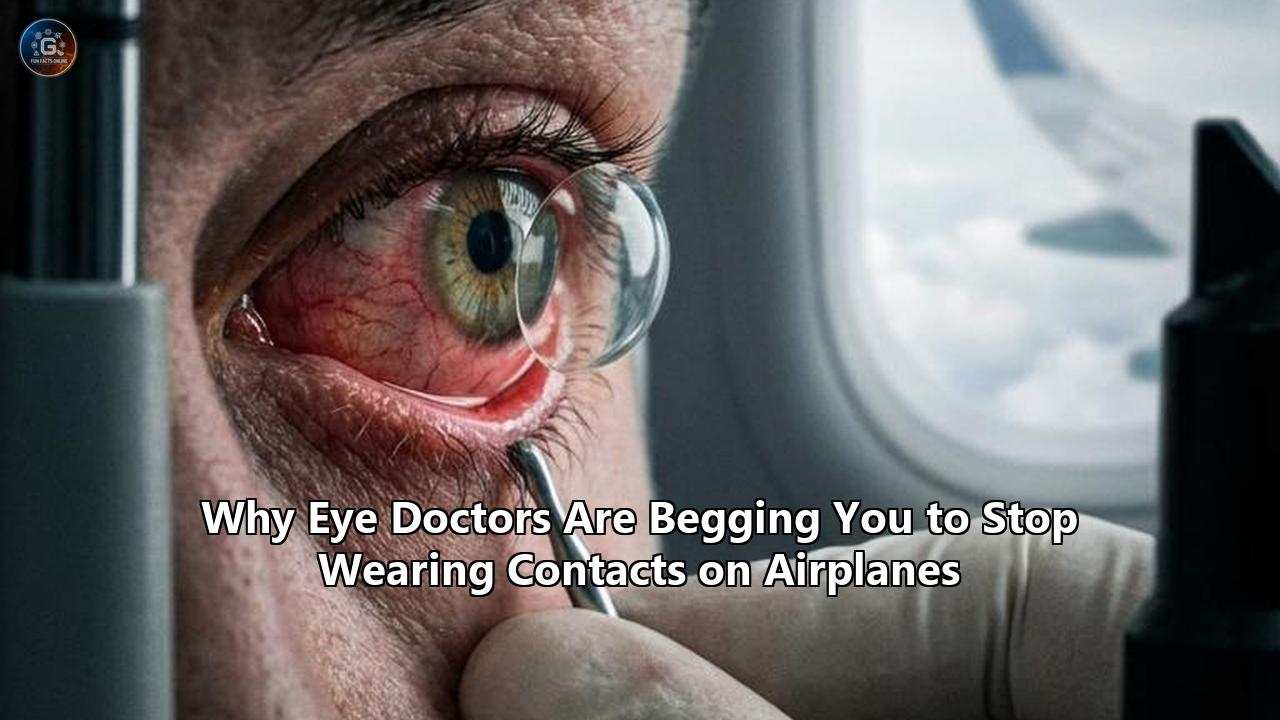
Eye clinics across the globe are sounding an alarm as the 2026 spring and summer travel seasons ramp up, reporting a sharp, seasonal spike in severe corneal infections directly linked to long-haul flights. Ophthalmologists are issuing urgent warnings against wearing contacts on airplanes, citing a dangerous intersection of aviation engineering, human physiology, and passenger behavior.
Patients are stepping off transatlantic and cross-country flights with red, painful, light-sensitive eyes, often dismissing the early symptoms as simple travel fatigue. Within 24 hours, many of these cases escalate into microbial keratitis—a severe, sight-threatening infection that can cause permanent scarring.
"Some contact lenses are FDA approved to be slept in, but when you sleep in them, you increase your risk for infection, and a lot of people have problems with those," notes Dr. Eric Polk, OD, FAAO. When placed in the hostile microclimate of a commercial aircraft cabin, those baseline risks multiply exponentially.
The Unique Physiology of the Human Cornea
To understand why eye doctors are begging passengers to switch to glasses before boarding, one must first understand how the human eye survives. Unlike almost every other tissue in the human body, the cornea—the clear, dome-shaped front surface of the eye—contains absolutely no blood vessels. If it did, our vision would be obscured by a web of red veins.
Because it lacks a vascular blood supply, the cornea must extract the oxygen it needs to survive directly from the ambient air. Oxygen dissolves into the tear film coating the surface of the eye and diffuses through the cellular layers of the cornea. When you are awake and walking around outdoors, your cornea is continuously bathed in atmospheric oxygen.
When you place a contact lens over the eye, you are effectively placing a plastic or silicone barrier over this breathing tissue. Modern contact lenses are designed with high "oxygen transmissibility" (often measured as Dk/t), allowing gas to pass through the microscopic pores of the material. Under normal conditions at sea level, this system works perfectly. The cornea gets enough oxygen to maintain its normal metabolic functions.
However, when oxygen levels drop, the cornea is forced to abandon aerobic respiration and switch to anaerobic metabolism. This backup system is highly inefficient and produces a byproduct called lactic acid. As lactic acid accumulates in the corneal tissue, it alters the osmotic balance, drawing excess water into the cells. The result is corneal edema, or swelling. A cornea that swells by more than 15% is considered pathological. The tissue becomes cloudy, vision blurs, and the tight junctions between the surface epithelial cells begin to break apart, destroying the eye's natural armor against microscopic invaders.
Aerospace Engineering: The Reality of the Cabin Environment
The trigger for this biological cascade lies in the engineering of commercial aviation. At cruising altitudes of 35,000 to 40,000 feet, the outside atmosphere is lethal. It is freezing, thin, and contains entirely too little oxygen to sustain human consciousness. To keep passengers alive, aircraft utilize Environmental Control Systems (ECS) that pull in outside air, compress it, heat it, and pump it into the cabin.
This mechanical process creates two distinct environmental conditions that turn contact lenses into a liability.
Depressurization and Hypoxia
First, commercial airline cabins are not pressurized to sea level. Doing so would place immense structural stress on the fuselage. Instead, cabins are typically pressurized to an equivalent altitude of 6,000 to 8,000 feet above sea level. At this artificial altitude, the partial pressure of oxygen is significantly lower than it is on the ground.
For a passenger breathing normally, this slight drop in oxygen is mostly imperceptible, perhaps causing a mild sense of fatigue. But for the avascular cornea, which is already suffocating under a layer of synthetic hydrogel, this reduction in ambient oxygen is critical. The pressure gradient that normally forces oxygen through the contact lens and into the tear film is weakened, initiating the early stages of corneal hypoxia.
The Humidity Crisis
The second, and arguably more destructive, factor is the complete lack of moisture. The atmosphere at 35,000 feet contains almost zero water vapor. When this air is pulled into the engines, compressed, and fed into the cabin, it remains incredibly dry.
Standard indoor environments maintain a relative humidity of 40% to 60%. Aboard a commercial flight, cabin humidity plummets to between 10% and 20%, and can sometimes drop as low as 5% on extended flights. This is drier than the Sahara Desert.
This lack of ambient moisture fundamentally alters the behavior of contact lenses.
The Hydrogel Paradox: Why Lenses Turn Hostile
Soft contact lenses are made of hydrogel or silicone hydrogel polymers. These materials are hydrophilic, meaning they love water. Depending on the brand, a standard contact lens is composed of 38% to over 70% water. This high water content is what makes the lens soft, pliable, and comfortable on the eye.
But water obeys the laws of physics, specifically evaporation and equilibrium. When a passenger sits in a cabin with 10% humidity, the dry air immediately begins wicking moisture away from any available source. The contact lens acts like a microscopic sponge. As the dry cabin air evaporates water from the front surface of the lens, the polymer matrix pulls moisture from the back surface to compensate. The back surface, in turn, drains the eye's natural tear film.
Within 30 minutes of takeoff, the rapid evaporation takes a severe toll. The contact lens literally begins to dry out and shrink. As it dehydrates, several alarming physical changes occur:
- Loss of Oxygen Permeability: Water is the primary conduit for oxygen transfer in standard hydrogel lenses. As the lens loses its water content, its oxygen transmissibility plummets, accelerating the corneal hypoxia caused by the lower cabin pressure.
- Mechanical Friction: A fully hydrated lens floats effortlessly on the tear film. A dehydrated lens stiffens and loses its lubricity. Every time the passenger blinks, the stiffened edges of the lens scrape against the delicate conjunctiva and the corneal epithelium, causing mechanical micro-abrasions.
- The Suction Cup Effect: As the lens shrinks, its base curve changes, causing it to tighten around the cornea like a suction cup. This restricts the natural exchange of tears underneath the lens, trapping cellular debris, proteins, and bacteria against the surface of the eye.
This explains why passengers wearing contacts on airplanes frequently experience a gritty, scratching sensation, blurred vision, and red eyes just a few hours into a flight.
The In-Flight Nap: A Perfect Storm for Infection
The physical and environmental challenges of the aircraft cabin are compounded by human behavior. The low hum of the engines, dim lighting, and sheer exhaustion of travel naturally invite passengers to sleep. Falling asleep with contact lenses in is the exact scenario eye doctors fear most.
When you close your eyes, you instantly cut off the cornea from the surrounding air. The oxygen supply drops to near zero, supplied only by the tiny blood vessels lining the inside of the eyelid. When a contact lens is added to the equation, it acts as a barricade, starving the cornea almost entirely.
The Centers for Disease Control and Prevention (CDC) warns that sleeping in contact lenses makes an individual six to eight times more likely to develop a serious eye infection. On an airplane, this risk is magnified. The cornea, already battered by low humidity, friction, and mild hypoxia, swells significantly during an in-flight nap. The microscopic abrasions caused by the dehydrated lens offer a direct pathway past the eye's defenses.
Furthermore, the space between the contact lens and the cornea transforms into a dark, warm, moist, and stagnant incubator. Without the mechanical sweeping action of the eyelid blinking to flush away debris, bacteria that normally live harmlessly on the skin or eyelashes can become trapped against the vulnerable corneal tissue.
The Microbial Threat: What Actually Invades the Eye
When the corneal epithelium is compromised, the eye becomes susceptible to opportunistic pathogens. Medical professionals diagnosing post-travel eye infections frequently encounter a rogue's gallery of aggressive bacteria and microorganisms.
Pseudomonas Aeruginosa
The most notorious culprit is Pseudomonas aeruginosa, a fast-moving, highly aggressive bacterium. It is exceptionally skilled at binding to the surface of contact lenses and exploiting microscopic wounds in the cornea. Once it gains entry, Pseudomonas releases proteases—enzymes that literally digest the collagen proteins making up the clear stroma of the cornea.
A Pseudomonas infection can escalate with terrifying speed. What begins as a slightly red, irritated eye upon landing can evolve into a full-blown corneal ulcer within 24 hours. The patient experiences agonizing pain, severe light sensitivity (photophobia), and a thick, yellowish discharge. If left untreated, the bacteria can perforate the cornea entirely, leading to catastrophic vision loss or the need for a total corneal transplant.
Acanthamoeba Keratitis
Though less common than bacterial infections, Acanthamoeba keratitis is another severe threat, particularly for travelers who bypass proper hygiene. Acanthamoeba is a microscopic, free-living amoeba found in tap water, well water, and even dust. If a passenger removes or adjusts their lenses in the airplane lavatory using tap water instead of sterile saline—a frequent mistake, as airplane tap water is notoriously unsterile—the amoeba can latch onto the lens.
Acanthamoeba infections are notoriously difficult to treat, often requiring months of aggressive, toxic eye drops administered around the clock, and they carry a high risk of permanent blindness.Screen Time and the Blink Rate Drop
Sleep is not the only behavioral risk factor aboard an aircraft. The modern long-haul flight is a marathon of digital consumption. Passengers spend hours staring at seatback screens, tablets, or smartphones, binge-watching movies or catching up on work.
This intense visual focus triggers a physiological response: the blink rate plummets. A healthy adult in normal conversation blinks approximately 15 to 20 times per minute. Each blink acts like a windshield wiper, spreading a fresh, smooth layer of tears over the cornea and the contact lens, washing away debris and replenishing moisture.
When staring at a digital screen, the blink rate drops by half, or even more, to just 5 to 7 blinks per minute. In an environment with 10% humidity, going ten seconds between blinks is an eternity for the tear film. The tears evaporate rapidly, leading to instantaneous dry spots on the lens.
By the time the passenger finally blinks, the eyelid drags painfully over a dry, sticky plastic surface. This condition, known as digital eye strain, exacerbates every other issue in the cabin environment, accelerating dehydration, tightening the lens fit, and increasing the risk of mechanical damage to the cornea.
The Ripple Effect: Economics and Ruined Vacations
The fallout from wearing contacts on airplanes extends beyond anatomy and microbiology; it represents a significant medical and economic disruption. When a passenger steps off a plane in a foreign country with a developing corneal ulcer, the logistics of their trip immediately collapse.
Navigating a foreign healthcare system for emergency ophthalmology services is stressful, expensive, and time-consuming. A severe microbial keratitis infection requires hourly antibiotic drops, forcing the patient to stay confined to a dark hotel room instead of enjoying their vacation or attending crucial business meetings.
The economic cost of treating a severe corneal infection easily runs into the thousands of dollars, encompassing specialist fees, advanced fortified antibiotics, and potential long-term follow-up care. In cases where permanent scarring occurs, the patient may suffer irreversible vision loss, forever altering their quality of life. The preventative measure—simply taking the lenses out before boarding—costs nothing.
Actionable Advice: How to Protect Your Vision at 35,000 Feet
The consensus among eye care professionals is absolute: the safest strategy is to avoid the risk entirely by wearing prescription glasses during the flight. Glasses provide zero obstruction to corneal oxygen exchange, are unaffected by low humidity, and allow passengers to sleep safely and comfortably without the fear of waking up to a severe infection.
However, for individuals who insist on wearing contacts on airplanes, mitigating the dangers requires a strict, proactive regimen. Eye doctors recommend the following protocols to survive the hostile cabin environment:
Switch to Daily Disposables
If lenses must be worn, single-use daily disposable lenses are far safer than monthly or bi-weekly lenses. Monthly lenses accumulate microscopic layers of protein, calcium, and lipids over time, creating a rougher surface that traps bacteria and dries out faster. A fresh daily lens has a pristine surface. Moreover, if a daily lens becomes unbearably dry or contaminated during a flight, it can simply be thrown away.
Use Contact Lens-Approved Artificial Tears
Do not rely on water or standard redness-relief drops, which contain vasoconstrictors that can worsen irritation. Passengers should carry travel-sized bottles of preservative-free artificial tears specifically formulated for contact lenses. Applying these drops every 30 to 60 minutes physically replaces the moisture stolen by the cabin air, keeping the lens hydrated and moving freely over the cornea.
Practice the 20-20-20 Rule
To combat the plummeting blink rate associated with seatback screens and digital devices, travelers must force themselves to break visual focus. The 20-20-20 rule dictates that every 20 minutes, the viewer should look at something 20 feet away for at least 20 seconds. This simple act resets the focusing muscles of the eye and naturally induces a flurry of full, complete blinks, restoring the tear film.
Systemic Hydration
The tear film is generated by the body's internal water supply. Relying on alcohol or highly caffeinated beverages during a flight acts as a diuretic, dehydrating the body systemically and severely reducing tear production. Passengers should drink water continuously throughout the flight to ensure the lacrimal glands have the resources they need to produce tears.
The Absolute Red Line: No Sleeping
If a passenger feels their eyelids getting heavy, the lenses must come out. There is no compromise on this rule. The combination of hypoxia, dehydration, and closed eyelids is too dangerous to risk, even for a short 30-minute nap. Contact lenses should be stored in a clean case with fresh sterile solution, or thrown away if using dailies, before falling asleep.
The Future of Flight and Eyecare
As aviation technology advances, there are incremental improvements on the horizon. Next-generation aircraft, such as the Boeing 787 Dreamliner and the Airbus A350, utilize composite fuselages that can withstand higher internal pressures without fatiguing. As a result, these cabins are pressurized to a lower equivalent altitude (around 6,000 feet) and can maintain slightly higher humidity levels. While these environments are less hostile than older aluminum aircraft, they still fall drastically short of the conditions necessary to keep contact lenses safely hydrated and oxygenated over long periods.
Simultaneously, the optical industry continues to refine silicone hydrogel polymers, engineering lenses with exceptionally high oxygen transmissibility and surface treatments designed to resist dehydration. These advancements buy passengers more comfort and time, but they cannot rewrite the fundamental laws of biology. A piece of plastic covering an avascular tissue in a hyper-dry, pressurized environment will always carry inherent risks.
The ongoing battle is one of public awareness. Until the fundamental physics of commercial flight change, eye doctors will continue their campaign, urging travelers to prioritize the health of their vision over the short-term convenience of their lenses. The next time the seatbelt sign turns off and the cabin lights dim, the smartest move a passenger can make is to reach for their glasses. The microscopic world is unforgiving, and a healthy cornea is a terrible thing to lose to a transatlantic nap.
Reference:
- https://ophthalmology.wustl.edu/risks-of-sleeping-in-contact-lenses-and-benefits-of-lasik/
- https://www.vision-institute.com/falling-asleep-contacts-mean-eyes/
- https://marlton.refocuseyedoctors.com/article/sleeping-in-contact-lenses/
- https://lasikatl.com/deoxygenation-risks-from-contact-lenses-signs-causes-and-solutions/
- https://www.ncbi.nlm.nih.gov/books/NBK234096/
- https://oasis-optometry.com/holiday-travel-tips-how-to-keep-your-contacts-comfortable-on-flights/
- https://www.acuvue.com/en-us/eye-health/contacts-showering-sleep-flying/
- https://www.researchgate.net/publication/12264207_Air_quality_and_ocular_discomfort_aboard_commercial_aircraft
- https://www.completefamilyeyecaretexas.com/why-you-should-never-sleep-in-your-contact-lenses/
- https://www.aoa.org/healthy-eyes/vision-and-vision-correction/environments