On March 17, 2026, researchers at Northwestern Medicine published a study in the Proceedings of the National Academy of Sciences that exposed a devastating cellular betrayal inside the human brain.
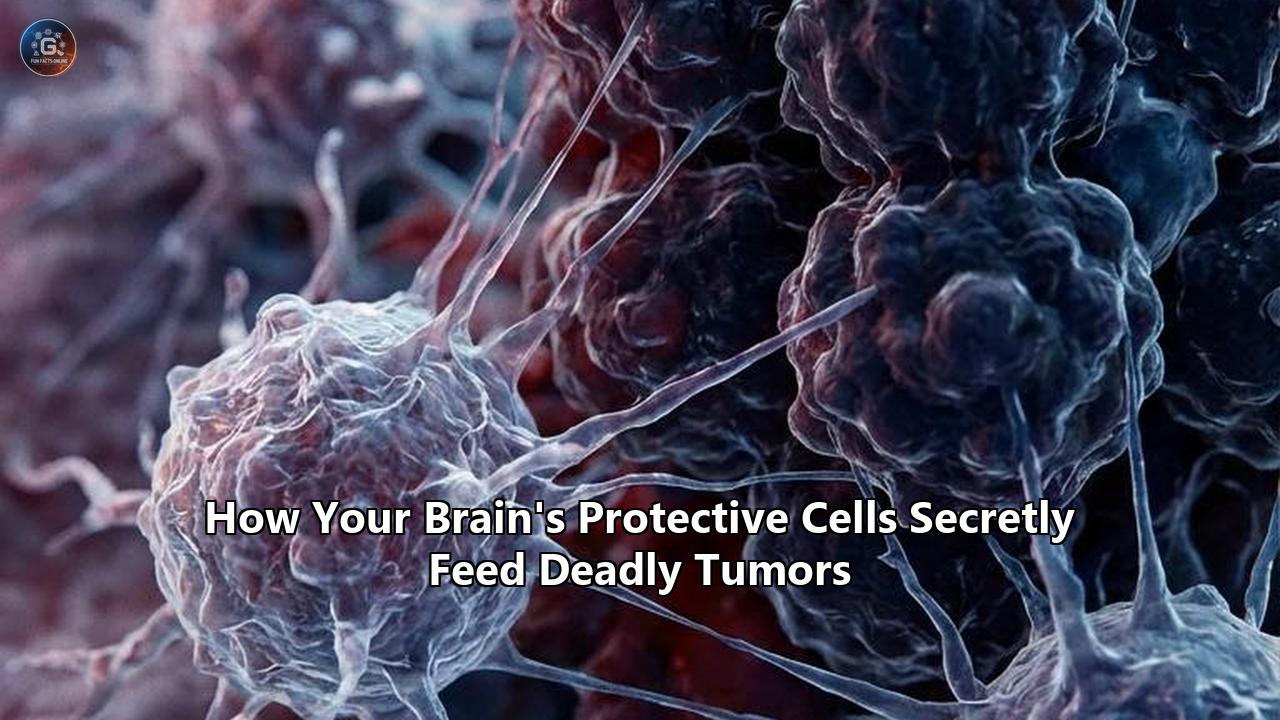
Scientists discovered that specialized immune cells, known as microglia, are actively metabolizing fructose to suppress the body’s immune response and feed the most aggressive form of brain cancer, glioblastoma. By hijacking a specific fructose transporter called GLUT5, the tumor forces these protective sentinels to abandon their defensive posts and instead construct a metabolic shield around the cancer.
When the research team genetically engineered mouse models to remove this fructose transporter, the results were immediate and absolute.
"Across several mouse models, when we removed the fructose transporter, the tumors simply didn't grow," said Jason Miska, senior author of the study and assistant professor of neurological surgery at Northwestern University Feinberg School of Medicine. "It was far more dramatic than we anticipated."
The findings offer a rare, concrete vulnerability in a disease that has defied medical intervention for decades. Glioblastoma is the most common and deadliest primary brain cancer in adults, maintaining a dismal five-year survival rate of less than 7%. The standard of care—surgical resection followed by radiation and the chemotherapy drug temozolomide—has barely shifted in 20 years.
This newly identified metabolic pathway clarifies exactly why traditional therapies fail. The brain’s own defensive infrastructure is secretly operating as a supply line for the tumor. By identifying the specific sugars and lipids these hijacked cells use to fuel the cancer, neuro-oncologists are now pivoting from conventional attacks to a strategy of metabolic starvation and immune reprogramming.
The Architecture of a Cellular Betrayal
To understand the challenge revealed by the Northwestern discovery, it requires looking at the highly specialized ecosystem of the central nervous system.
The brain is an immunologically privileged site, shielded from the rest of the body by the blood-brain barrier. Because peripheral immune cells cannot easily cross this barrier, the brain relies on its own resident cells to maintain order. The two most prominent defenders are microglia and astrocytes.
Microglia are the primary immune sentinels of the central nervous system. They constantly scavenge the brain for damaged neurons, infectious agents, and cellular debris. When they detect a threat, they typically adopt a pro-inflammatory state, releasing cytokines to destroy pathogens.
Astrocytes, named for their star-like shape, are support cells that maintain the neural microenvironment. They regulate the flow of substances through the blood-brain barrier, provide nutrients to neurons, and synthesize cholesterol, which cannot cross into the brain from the peripheral bloodstream.
When a glioblastoma tumor forms, it does not just invade healthy tissue; it actively recruits and corrupts these surrounding cells. As the tumor takes root, it secretes signaling molecules that chemically reprogram both microglia and astrocytes. Instead of attacking the rogue cancer cells, the microglia and astrocytes become integral components of the tumor microenvironment (TME).
For years, pathologists observed massive clusters of these glial cells swarming around glioblastoma tumors. The initial assumption was that the brain was mounting a fierce defense. Recent molecular profiling has proven the exact opposite.
"We have misinterpreted astrocytes and thought it is protecting the brain, but it was really helping the tumor," noted Frank Winkler, a neuro-oncologist at the University Hospital Heidelberg, following foundational research into astrocyte behavior. "It always seemed like the brain is defending itself and it's fighting the tumor, but now we know the astrocytes aren't actually helping."
This cellular corruption is a primary driver of rapid brain tumor development. The tumor creates an immunosuppressive, "cold" environment. It forces the microglia to shift from an aggressive, tumor-killing phenotype (M1) to an anti-inflammatory, tissue-repairing phenotype (M2). Concurrently, the tumor manipulates astrocytes into overproducing cholesterol, which the rapidly dividing glioma cells consume to build new cell membranes.
The cancer essentially turns the brain's local police force into an elite protection detail, ensuring its own survival while blocking external medical interventions.
The Fructose Anomaly: A Unique Metabolic Engine
The exact mechanics of how these cells are suppressed have long remained a mystery. The Northwestern Medicine study provides the missing metabolic link by isolating the role of fructose.
Metabolic reprogramming is a hallmark of cancer. Tumors typically alter their energy production methods to survive in hostile, oxygen-deprived environments—a phenomenon widely known as the Warburg effect. However, most research has historically focused on how the tumor cells themselves process energy. The Northwestern team looked instead at the surrounding corrupted immune cells.
Using flow cytometry and advanced genetic sequencing, the researchers analyzed the distinct cellular populations within glioblastoma tumors, including brain-resident microglia, infiltrating macrophages (immune cells that manage to cross over from the bloodstream), and the glioma cells themselves.
They found that microglia uniquely express the GLUT5 transporter, making them the only immune cells within the tumor microenvironment capable of metabolizing fructose.
In other parts of the body, such as the colon, high fructose consumption is heavily associated with severe inflammation and aggressive cancer progression. In the brain, the biological math reverses. When the glioblastoma forces the microglia to consume fructose, it triggers an anti-inflammatory response. This localized suppression of inflammation prevents the body's natural killer cells and T-cells from recognizing and attacking the tumor.
"Fructose consumption is associated with so many bad inflammatory outcomes in patients," Miska explained. "What's interesting here is that in the brain, it seems to be working differently. It still helps the tumor grow, but now we're seeing something very different in the brain than we see in the rest of the body."
This reliance on fructose creates a highly specific vulnerability. When the research team removed the GLUT5 transporter in mice, the microglia could no longer consume the sugar. Starved of this metabolic input, the microglia reverted to their natural, highly inflammatory state.
This reversion acted like an alarm bell within the brain. The newly inflammatory microglia began producing signaling molecules that rapidly multiplied CD8+ T-cells, the immune system’s primary cancer-killing units.
"This not only makes the microglia themselves more inflammatory, but it also causes those T-cells and B-cells that are in the tumor to be more activated and create more inflammatory molecules that we have shown are required for rejection of brain tumors," said Leah Billingham, a postdoctoral fellow and co-first author of the study.
By identifying this highly specific metabolic pathway, researchers have isolated a mechanism that drives aggressive brain tumor development, opening the door for targeted chemical interventions that do not rely on highly toxic, broad-spectrum chemotherapy.
The Broader Clinical Challenge: Why Standard Treatments Fail
Understanding the biological hijacking of microglia and astrocytes explains why clinical outcomes for glioblastoma patients have remained virtually stagnant since the early 2000s.
Approximately 10,000 people die from glioblastoma each year in the United States, and over 200,000 worldwide. The disease typically affects adults between the ages of 45 and 70. Despite aggressive surgical resection—where neurosurgeons attempt to remove as much of the visible tumor as safely possible—the cancer almost invariably returns.
The recurrence is driven by glioma stem cells hidden deep within the surrounding tissue. These stem-like cells are highly adaptable, resistant to radiation, and capable of initiating new tumor growth. Because the surrounding microglia and astrocytes remain in a chemically corrupted state, they actively shelter these remaining stem cells from postoperative therapies.
Furthermore, the physical structure of the brain complicates the delivery of modern oncological drugs. The blood-brain barrier is composed of tightly packed endothelial cells that protect the central nervous system from circulating toxins and pathogens. While this barrier keeps the brain safe from systemic infections, it also blocks nearly 98% of small-molecule drugs and virtually all large-molecule biologics, including most modern immunotherapies.
Systemic treatments administered intravenously simply bounce off the barrier. The drugs that do make it through are often quickly neutralized by the immunosuppressive environment maintained by the corrupted microglia.
For a therapy to successfully halt early brain tumor development and prevent recurrence, it must do three things simultaneously: bypass the blood-brain barrier, survive the hostile tumor microenvironment, and strip the cancer of its local cellular support.
Strategic Solutions: Developing Metabolic Inhibitors
Armed with a precise understanding of how the tumor feeds itself and suppresses the local environment, research institutions and biotechnology firms are developing a new class of treatments focused on metabolic starvation and immune re-education.
The most immediate application of the Northwestern study is the development of synthetic GLUT5 inhibitors. Because the GLUT5 transporter is uniquely expressed by microglia in the brain, a drug designed to block this specific receptor could cut off the fructose supply without damaging surrounding healthy neurons.
Miska and his team are currently screening pharmaceutical compounds that can block cells from absorbing fructose. The goal is to identify a viable transport inhibitor that can be tested in human preclinical trials. If successful, this drug would not be used in isolation, but rather as a biological crowbar to pry open the tumor's defenses before administering standard treatments.
"Once we can get our hands on something that is promising as a fructose transport inhibitor, we will then take it into preclinical stages where we add standard-of-care therapies for brain tumors or immunotherapies and see if we can sensitize them," Miska stated.
Simultaneously, other research groups are targeting the lipid and cholesterol pathways managed by astrocytes. Because glioblastoma cells cannot synthesize their own cholesterol, they rely entirely on local astrocytes to supply the lipids necessary for rapid cellular division. Recent studies have demonstrated that administering targeted cholesterol-lowering agents directly into the neural microenvironment can effectively starve the tumor, slowing its expansion and reducing its structural integrity.
By choking off both the fructose supply to the microglia and the cholesterol supply from the astrocytes, scientists aim to force the tumor microenvironment to collapse in on itself, leaving the naked cancer cells vulnerable to radiological and chemical attack.
Bypassing the Barrier: Nanomedicine and Nasal Delivery
Even with perfect metabolic inhibitors, the blood-brain barrier remains a formidable obstacle. To solve the delivery problem, bioengineers are completely rethinking how drugs enter the central nervous system.
In late 2025, researchers introduced a radically different approach to penetrating the brain's defenses: nanomedicine delivered via nasal drops. Lead investigator Dr. Alexander Stegh developed highly specialized molecules called spherical nucleic acids (SNAs).
Instead of relying on intravenous drips that must fight through the bloodstream, this treatment leverages the unique anatomical pathway of the trigeminal nerve, which directly connects the nasal cavity to the brain. Administered as a simple nasal spray, the SNAs travel along the nerve pathway, entirely bypassing the blood-brain barrier to reach the tumor site directly.
Once inside the tumor microenvironment, these SNAs are programmed to target the exact immunosuppressive mechanisms utilized by the corrupted microglia and macrophages. The nucleic acids attach to a specific protein called cGAS on the surface of the immune cells. This attachment forcefully triggers the STING signaling pathway, prompting the immediate production of interferons.
The sudden flood of interferons essentially overrides the tumor's chemical reprogramming. It wakes the microglia and macrophages from their suppressed M2 state, mobilizing them alongside natural killer cells to actively hunt and destroy the cancer cells.
In animal models, this localized, noninvasive delivery method resulted in powerful tumor control with minimal systemic side effects, as the drug was never circulated through the rest of the body. While human clinical trials are still pending, the noninvasive nature of nasal delivery represents a massive logistical leap forward for neuro-oncology.
CAR-T Cells: Re-engineering the Immune Arsenal
Beyond metabolic inhibitors and nanomedicine, leaders in immunotherapy are upgrading cellular treatments to survive the toxic environment of the brain.
Chimeric Antigen Receptor (CAR) T-cell therapy has been highly successful in treating liquid cancers like leukemia, but it has historically failed against solid tumors like glioblastoma. When standard CAR-T cells are injected into a brain tumor, the corrupted microglia immediately release suppressive cytokines that exhaust and neutralize the therapeutic cells.
To counter this, researchers at the University of Basel and University Hospital Basel recently developed a highly modified version of CAR-T therapy specifically designed to survive in a hostile brain environment.
The Swiss research team engineered their therapeutic T-cells with a secondary genetic blueprint. When these CAR-T cells encounter the tumor, they not only attack the cancer cells directly, but they also secrete a specialized molecule that blocks the signals the tumor uses to hijack the surrounding environment.
This local blockade prevents the glioblastoma from communicating with the microglia and macrophages. Cut off from the tumor's chemical influence, the local immune cells revert to their natural defensive state and join the CAR-T cells in the attack. In trials using mice implanted with human glioblastoma cells, this multi-angle approach allowed the engineered T-cells to eradicate the cancer entirely.
By treating the tumor not just as a mass of rogue cells, but as an active, communicative ecosystem, therapies can begin to dismantle the cancer from the inside out, turning the tumor's own conscripted army against it.
The Path Forward: Combinatorial Therapies and Clinical Milestones
The discovery of microglial fructose metabolism and the expanding knowledge of astrocyte cholesterol pathways mark a definitive shift in how the medical community approaches brain cancer. The era of treating glioblastoma with blunt-force trauma—relying solely on broad radiation and systemic chemotherapy—is coming to an end.
The path forward relies on combinatorial therapies. Future treatment protocols will likely involve a sequenced attack: first, administering a GLUT5 inhibitor or cGAS-STING nasal spray to wake up the suppressed microglia and block the metabolic supply lines; second, deploying targeted immunotherapies like engineered CAR-T cells into the newly vulnerable tumor environment; and finally, using surgical and radiological methods to eliminate the remaining cancer cells.
As researchers transition these breakthroughs from animal models to human application, several critical milestones are approaching. The immediate focus for groups like Miska's at Northwestern will be identifying a safe, human-tolerated fructose transport inhibitor and clearing the regulatory hurdles for Phase I clinical trials. Concurrently, the efficacy of nasal delivery systems will need to be proven in human patients, ensuring that therapeutic payloads can reliably reach deep-seated brain tumors via the trigeminal nerve.
We are looking at a fundamental recalculation of tumor biology. Glioblastoma is an apex predator of human diseases precisely because it turns the brain's most vital guardians into its most loyal servants. By understanding exactly how these cells are fed, manipulated, and suppressed, researchers are finally designing the tools required to break the tumor's control, offering genuine momentum in a field that has spent decades waiting for a breakthrough.
Reference:
- https://www.biotechniques.com/cancer-research/glioblastoma-hijacks-sugar-metabolism-to-evade-immune-attack/
- https://www.the-scientist.com/astrocytes-feed-glioblastoma-promoting-tumor-growth-mouse-study-70595
- https://binaytara.org/cancernews/article/what-to-know-about-glioblastoma-awareness-day-2025
- https://www.spandidos-publications.com/10.3892/ijmm.2024.5426
- https://pubmed.ncbi.nlm.nih.gov/38632627/
- https://pmc.ncbi.nlm.nih.gov/articles/PMC12528180/
- https://www.news-medical.net/news/20260317/Blocking-fructose-metabolism-may-improve-brain-tumor-immunotherapy-response.aspx
- https://timesofindia.indiatimes.com/life-style/health-fitness/nasal-drops-for-brain-cancer-a-breakthrough-nanomedicine-approach-to-treating-glioblastoma/articleshow/125759226.cms
- https://www.sciencedaily.com/releases/2024/11/241112123734.htm