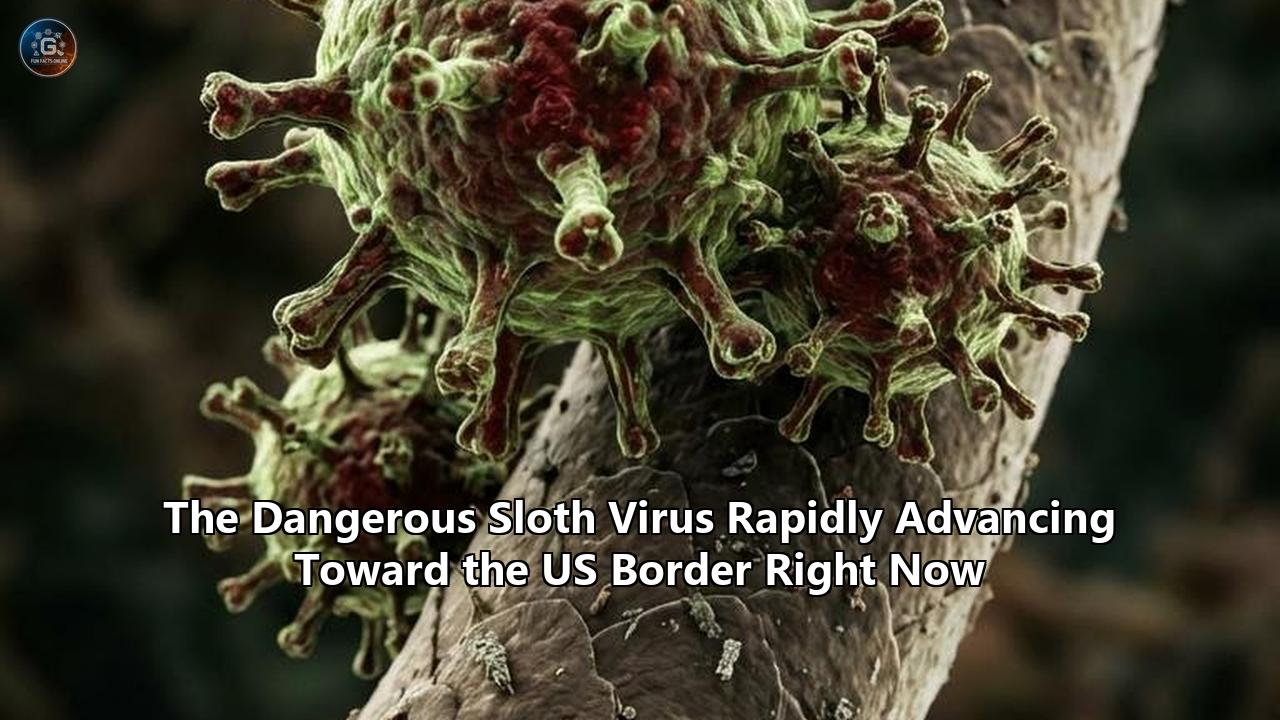
On April 14, 2026, Mexican health authorities confirmed the country’s first cluster of locally transmitted Oropouche virus cases in the southern states of Chiapas and Tabasco. Identified through enhanced arbovirus surveillance and verified by centralized RT-PCR testing, these infections represent a critical geographical escalation. The patients possess no recent travel history, indicating that local populations of biting midges have become active carriers of the pathogen. Situated roughly 1,200 miles south of the Texas border, this cluster abruptly shifts the threat profile for the United States from a theoretical travel-importation risk to an advancing territorial front.
The Oropouche virus (OROV), an arthropod-borne orthobunyavirus historically confined to the deep Amazon basin, has spent the last two years executing a relentless northward expansion. After surging through Brazil—which reported a staggering 11,900 cases and five fatalities by August 2025—the virus crossed the Caribbean to ignite an unprecedented epidemic in Cuba, generating over 4,100 locally acquired cases by late 2025. Now, it has established a foothold on the North American mainland.
As the pathogen advances, federal and state health agencies find themselves divided over the optimal response strategy. The US Centers for Disease Control and Prevention (CDC) and state entities like the Texas Department of State Health Services (DSHS) currently categorize the risk of sustained local transmission as low, relying on standard travel advisories and localized monitoring. In stark contrast, Mexican health officials are urgently overhauling their public health infrastructure, rapidly reallocating resources from dengue abatement to aggressive midge surveillance. This divergence highlights a profound policy tradeoff: the economic caution of a wait-and-see approach versus the resource-intensive reality of preemptive border-region containment.
Analyzing the Oropouche crisis requires a forensic examination of competing diagnostic technologies, vector control methodologies, and vaccine development platforms. The virus presents unique biological and epidemiological characteristics that defy the established playbooks written for Zika and Dengue.
The Clinical Reality: Decoding the Biphasic Threat
When patients present at clinics, sloth virus symptoms often mimic those of overlapping endemic arboviruses, yet the underlying clinical trajectory diverges in dangerous ways. The colloquially named "sloth fever" initiates with a sudden and aggressive onset. Patients typically report high fever, profound joint and muscle pain, severe headache, chills, and intense photophobia (sensitivity to light).
However, diagnosing Oropouche based solely on physical presentation requires comparing its progression against Dengue and Chikungunya. Dengue frequently progresses to hemorrhagic manifestations—plasma leakage, severe bleeding, and platelet collapse. Oropouche, conversely, rarely causes hemorrhagic fever. Instead, its primary distinguishing clinical feature is its biphasic nature. Up to 70 percent of individuals infected with OROV experience a deceptive recovery followed by a severe relapse of symptoms days or even weeks later. This staggering recurrence rate drastically alters patient management, requiring prolonged outpatient monitoring that strains rural healthcare clinics far more than a monophasic viral infection.
Beyond the grueling relapse cycle, the neuroinvasive potential of the current circulating lineage (the BR-2015-2024 sub-clade) presents a severe contrast to historical data. Prior to 2024, Oropouche was generally considered a self-limiting, non-lethal febrile illness. The modern outbreaks have shattered this consensus. During the 2024–2025 Caribbean surge, Cuban health authorities documented that out of 626 confirmed cases, 119 patients developed severe neurological manifestations, including encephalitis, meningoencephalitis, and Guillain-Barré syndrome.
Furthermore, the demographic impact reveals competing clinical priorities. The clinical community previously treated OROV as a generalized adult affliction. The emergence of vertical transmission—from mother to fetus—has fundamentally rewritten the risk matrix. In 2024, the Brazilian Ministry of Health confirmed multiple instances where OROV infection during pregnancy resulted in fetal demise, stillbirths, and severe congenital defects, including microcephaly. Maternal-fetal medicine specialists monitoring pregnant patients for sloth virus symptoms draw inevitable comparisons to the 2015 Zika epidemic, yet they face a distinct disadvantage: the vectors driving Oropouche are vastly more difficult to avoid and control.
The Vector War: Midges vs. Mosquitoes
The primary mechanism of OROV transmission pits public health infrastructure against an unconventional adversary: Culicoides paraensis, a species of biting midge commonly known as the "no-see-um". While secondary vectors like Culex and Aedes mosquitoes may play a marginal role, the midge drives the current explosive urban outbreaks. Comparing the biological realities of the midge with the Aedes aegypti mosquito exposes the fatal flaws in current municipal vector control strategies.
Vector Biology and Biting Behavior
The Aedes aegypti mosquito is a highly adapted urban dweller, breeding in clean, stagnant water—tires, flower pots, and discarded plastics. It is a diurnal feeder, primarily biting in the early morning and late afternoon. In contrast, the Culicoides midge is microscopic, measuring a mere 1 to 3 millimeters in length. Its size allows it to easily pass through standard commercial mosquito nets and standard window screens. This anatomical difference instantly nullifies millions of dollars of preventive infrastructure distributed by global health organizations across Latin America and the Caribbean.
Breeding Environments and Abatement Tradeoffs
The environmental requirements for reproduction dictate the municipal response. Mosquito abatement heavily relies on eliminating standing water. Midges, however, require moist, decaying organic matter. They breed prolifically in agricultural waste—cacao husks, rotting banana stumps, dense leaf litter, and compost heaps.
This creates a brutal tradeoff for agricultural economies like those in Chiapas and Tabasco. To aggressively control the midge population, municipal workers must systematically clear organic agricultural debris. This sanitation approach is highly labor-intensive and directly disrupts local farming practices.
Alternatively, governments can deploy chemical interventions. Ultra-low volume (ULV) insecticidal fogging is a cornerstone of mosquito control. Yet, midges exhibit different resting behaviors, often sheltering deep within dense vegetation or organic matter where aerosolized chemicals cannot penetrate. Furthermore, midges are weak flyers, rarely traveling more than a few hundred meters from their breeding sites unless carried by strong winds. This creates hyper-localized clusters of infection rather than the broad, sweeping transmission zones typical of mosquito-borne diseases. Consequently, public works departments must choose between broad, environmentally toxic chemical spraying that yields marginal results against midges, or highly targeted, biologically disruptive organic waste clearing that requires massive manpower.
Surveillance Technologies: Genomic Wastewater Tracking vs. Sentinel Animal Monitoring
Tracking the expansion of OROV toward the US border requires deploying advanced surveillance architectures. Currently, a massive operational divide exists between the highly capitalized public health systems of the global north and the resource-constrained epidemiological networks of the endemic south.
Traditional Sentinel Surveillance
Historically, predicting an OROV outbreak relied on sentinel animal surveillance. The virus naturally circulates in a sylvatic (forest) cycle among pale-throated sloths, non-human primates, and wild birds. Field epidemiologists traditionally capture and test these animals for viral antibodies to detect heightened sylvatic activity before it spills over into human populations.
This approach offers a high degree of ecological accuracy but demands substantial field logistics, specialized veterinary epidemiology, and inherent biological risks to researchers. Furthermore, once the virus successfully transitions into an urban cycle—where midges transmit the virus directly between humans—sentinel animal monitoring loses its predictive value.
Next-Generation Genomic Surveillance
Conversely, the United States and the United Kingdom have pivoted heavily toward proactive genomic surveillance. When the UK Health Security Agency (UKHSA) detected its first imported cases of OROV in returning travelers in 2025, the response integrated sophisticated viral sequencing to monitor for potential local vector establishment.
At the US-Mexico border, agencies are scaling up wastewater surveillance. By continuously sampling municipal wastewater for OROV RNA, public health officials can detect community-level viral shedding days or weeks before clinical diagnoses are confirmed in local hospitals.
The tradeoff between these systems is stark. Sentinel surveillance maps the absolute origin of the threat in the wild but operates too slowly to prevent urban outbreaks. Genomic wastewater tracking offers rapid, population-level early warning systems but cannot pinpoint the specific individuals infected or identify the exact vector species driving the transmission. As the virus breaches the 1,200-mile mark from Texas, the US strategy relies almost entirely on border wastewater sequencing and syndromic clinical reporting, abandoning the upstream ecological monitoring that might have predicted the Mexican cluster earlier.
Diagnostic Bottlenecks: Centralized RT-PCR vs. The Race for Point-of-Care RDTs
When a patient arrives at a border clinic in southern Texas or a rural hospital in Tabasco, the immediate clinical priority is differentiation. Are they suffering from Dengue, Zika, Malaria, or Oropouche? The technological divide in diagnostics dictates the speed and efficacy of the public health response.
The Gold Standard: Real-Time PCR
Currently, definitive diagnosis of OROV relies on Real-Time Polymerase Chain Reaction (RT-PCR) testing. RT-PCR is highly sensitive and specific, capable of identifying the viral RNA during the acute phase of the infection (typically the first three to five days).
However, RT-PCR mandates a highly centralized laboratory infrastructure. Samples must be collected, stored in precise cold-chain conditions, and transported to state-level facilities. In regions like Chiapas, this logistical chain can delay confirmation by 72 hours to over a week. During an explosive outbreak driven by a fast-breeding vector, a seven-day diagnostic delay renders isolation and hyper-localized vector abatement entirely moot.
The Deficit of Rapid Diagnostic Tests (RDTs)
The glaring absence of antigen-based Rapid Diagnostic Tests (RDTs) for OROV severely limits frontline triage. RDTs—similar to the lateral flow tests used universally for COVID-19 or Dengue NS1 antigen tests—provide actionable results within 15 minutes at the point of care.
Developing an RDT for Oropouche involves immense biochemical hurdles. OROV belongs to the Orthobunyavirus genus, which includes closely related pathogens that can cause severe antibody cross-reactivity. Creating a monoclonal antibody that targets an OROV-specific nucleocapsid protein without returning false positives for other circulating bunyaviruses requires extensive protein engineering.
The tradeoff for health ministries is an agonizing calculation of accuracy versus operational speed. Relying strictly on PCR ensures immaculate epidemiological data but blinds local authorities during the critical first days of an outbreak. Approving and deploying lower-sensitivity, cross-reactive RDTs would empower rural doctors to immediately mandate bed nets (even if marginally effective against midges) and initiate supportive care, but risks misallocating scarce resources based on false positives. As of early 2026, the WHO's Oropouche R&D roadmap places the development of highly specific point-of-care diagnostics at the absolute forefront of its priorities.
Vaccine Architecture: Competing Platforms for an Orphaned Pathogen
Despite causing over half a million estimated infections since its discovery in Trinidad in 1955, Oropouche virus has never been the target of a sustained, well-funded vaccine development program. It has languished as an "orphaned pathogen," ignored by major Western pharmaceutical conglomerates because it historically impacted highly localized, impoverished communities in the Amazon basin. The sudden leap to Cuba, the fatalities in Brazil, and the imminent threat to the US border have radically altered the financial and scientific incentives, triggering a rapid evaluation of competing vaccine platforms.
The World Health Organization (WHO), alongside the Coalition for Epidemic Preparedness Innovations (CEPI) and the UKHSA, convened a Coordinated Outbreak Response and Confidential (CORC) working group to chart the OROV R&D roadmap. The scientific community is currently debating the tradeoffs of three primary vaccine architectures.
mRNA and Lipid Nanoparticle Platforms
The success of mRNA technology during the SARS-CoV-2 pandemic positions it as the fastest route to clinical trials. By sequencing the genetic code of the Cuban sub-clade (BR-2015-2024), developers can rapidly synthesize mRNA instructions that code for OROV surface glycoproteins.
The primary advantage of mRNA is speed and adaptability. If the tripartite, segmented RNA genome of OROV undergoes genetic reassortment—swapping segments with another bunyavirus to create a novel strain—the mRNA sequence can be updated in weeks.
However, the tradeoffs are severe when mapped against the geographic reality of OROV. mRNA vaccines require ultra-cold chain storage (often -70°C to -20°C). Distributing lipid nanoparticles into the deep Amazon, the rural Caribbean, or the agricultural lowlands of southern Mexico is a logistical nightmare. Furthermore, mRNA platforms typically require multiple doses to achieve durable neutralizing antibody titers, an enormous barrier for nomadic or highly remote populations.
Live-Attenuated Vaccines
Traditional virology advocates for the development of a live-attenuated virus (LAV) vaccine. By passing the virus through non-human cell lines in a laboratory until it loses its virulence, scientists can create a weakened version of the pathogen that perfectly mimics a natural infection.
The biological advantage is profound: LAVs generally require only a single dose and provoke an exceptionally robust and durable immune response, activating both CD4+ and CD8+ T-cell memory alongside neutralizing antibodies.
Yet, the developmental timeline for LAVs spans years, not months. More critically, LAVs carry an inherent risk of reversion to virulence and are strictly contraindicated for pregnant individuals and immunocompromised patients. Given that pregnant women face the most catastrophic outcomes from OROV infection—fetal death and congenital microcephaly—a vaccine platform that excludes this highly vulnerable demographic represents a massive strategic failure.
Recombinant Viral Vectors
The middle ground involves recombinant viral vector platforms, utilizing a harmless adenovirus (such as the ChAdOx1 platform used for Oxford-AstraZeneca) to deliver OROV DNA to host cells. This technology balances the durability of the immune response with a safer profile for pregnant populations. Additionally, viral vector vaccines offer superior thermostability, allowing for standard refrigeration (2°C to 8°C), which is vastly more compatible with the cold-chain capabilities of developing nations.
Deciding which platform to aggressively fund requires health consortiums to weigh the immediate urgency of the border crisis against the long-term goal of eradicating the pathogen from its endemic reservoirs.
The Economic Modeling: Direct Healthcare Costs vs. Biphasic Workforce Disruption
Evaluating the macroeconomic threat of Oropouche requires looking beyond the raw mortality statistics. With a Case Fatality Rate (CFR) estimated at roughly 0.02 percent, the virus is rarely lethal. Instead, its economic devastation stems from its capacity to paralyze regional workforces and overwhelm specialized healthcare units.
The economic modeling of an OROV outbreak forces a comparison between direct medical expenditures and indirect productivity losses.
Direct Medical Expenditures
Direct costs are heavily concentrated on the extreme tails of the clinical spectrum. While 95 percent of patients recover with basic supportive care (hydration, rest, and antipyretics like acetaminophen), the remaining fraction exacts a massive toll on the healthcare system.
Patients who develop severe neuroinvasive complications—viral meningitis or encephalitis—require immediate admission to Intensive Care Units (ICUs). In regions like Chiapas and Tabasco, the per capita availability of ICU beds is severely limited. The financial burden of a two-week ICU stay, coupled with the necessity for lumbar punctures, continuous neurological monitoring, and long-term physical rehabilitation, quickly drains regional health budgets.
Furthermore, the teratogenic effects of the virus—causing birth defects and microcephaly—generate an immense, multi-decade healthcare commitment. Providing specialized pediatric neurology, physical therapy, and lifelong assisted care for children affected by congenital Oropouche syndrome presents an ongoing economic burden that state health departments must forecast decades into the future.
Indirect Productivity Losses and the Relapse Phenomenon
However, the most pervasive economic impact arises from the unique clinical progression of the disease. The biphasic nature of sloth virus symptoms creates an unpredictable pattern of workforce absenteeism. In a standard viral outbreak, an infected employee might miss five to seven days of work, recover, and return to their post with durable immunity.
Oropouche shatters this predictable timeline. An infected agricultural worker or factory employee will typically suffer acute incapacitation for a week, return to work believing the infection has cleared, and then abruptly collapse a week later as the secondary phase of the illness triggers another wave of fever, crushing joint pain, and debilitating fatigue.
This staggered, unpredictable absenteeism wreaks havoc on supply chains, agricultural harvests, and manufacturing operations. Factory managers cannot reliably plan production schedules when up to 70 percent of their recovering workforce is statistically likely to suffer a severe clinical relapse within a 30-day window. Comparing the economic damage of OROV to that of Dengue reveals that while Dengue may cause higher acute mortality, Oropouche generates a more prolonged, systemic drag on regional economic output due to its biphasic persistence.
Cross-Border Public Health Policies: Containment vs. Endemic Adaptation
As the virus establishes local transmission clusters just 1,200 miles south of Texas, national governments are deploying highly contrasting public health doctrines. Analyzing these competing policies reveals the geopolitical friction inherent in managing a rapidly expanding, vector-borne threat.
The United States Doctrine: Localized Vigilance and Travel Advisories
The US response, spearheaded by the CDC and border state health departments, is currently anchored in a doctrine of localized vigilance and travel restriction. The CDC has issued Level 1 travel health advisories, urging heightened precautions and advising pregnant women to categorically reconsider nonessential travel to affected areas, including Brazil, Cuba, Colombia, and now specific regions of Mexico.
Domestically, the strategy relies on identifying and isolating imported cases. During the 2024 and 2025 surges, states like Florida and New York documented dozens of travel-associated cases. The underlying assumption of the US policy is that while the Culicoides midges exist in the southeastern United States, the high prevalence of air conditioning, sealed residential architecture, and aggressive municipal vector control will prevent the virus from transitioning from isolated imported cases into sustained, autochthonous (local) transmission.
The tradeoff of this policy is its reactivity. By treating OROV primarily as a foreign travel threat, domestic public health messaging remains muted. If local midges in the US Gulf Coast successfully acquire the virus from a returning traveler and begin transmitting it within border communities, the transition from "travel risk" to "endemic threat" will happen faster than public awareness can pivot.
The Latin American Doctrine: Endemic Adaptation and Resource Allocation
In contrast, health ministries in Brazil, Cuba, and now Mexico are forced into a doctrine of endemic adaptation. Border closures, quarantine mandates, and travel bans are universally recognized by epidemiologists as ineffective against vector-borne diseases. A midge does not respect a passport checkpoint, and infected wild birds do not observe international borders.
Instead, Latin American policies focus heavily on syndromic surveillance and vector habitat disruption. Brazil's Fiocruz institute has deployed massive genomic sequencing networks to track the exact viral lineage moving across its states. Mexico's immediate response to the Tabasco and Chiapas clusters involved deploying field teams to clear organic agricultural waste and educate rural populations on the specific limitations of standard mosquito nets against midges.
The friction between these approaches is palpable. The US relies heavily on restricting human movement and maintaining an architectural fortress (air conditioning and screens). Latin America, lacking universal access to hermetically sealed housing, must engage in direct biological warfare against the vector’s breeding environment.
Environmental Drivers: Deforestation vs. Climate Migration
Understanding why OROV suddenly broke out of its historical Amazonian constraints requires comparing competing ecological models. The explosive geographic expansion is likely driven by a convergence of human land-use changes and global climate shifts, each requiring different long-term policy interventions.
The Deforestation Hypothesis
The first model attributes the spillover to aggressive deforestation and the expansion of the agricultural frontier. As commercial logging, cattle ranching, and large-scale farming push deeper into the Amazon and Central American rainforests, the natural sylvatic cycle is violently disrupted.
When the natural hosts of the virus (sloths and non-human primates) are displaced or killed, the infected midges seek alternative mammalian blood meals. Human loggers, miners, and agricultural workers establish camps directly within these disrupted ecotones. Once a human is infected and returns to a peri-urban or urban environment, local midges bite the human, acquire the virus, and spark an urban transmission chain.
If deforestation is the primary driver, the necessary policy response involves strict land-use management, enforcing ecological buffer zones around agricultural developments, and heavily monitoring the health of wild primate populations.
The Climate Migration Hypothesis
The competing (and complementary) model focuses on climate change. Culicoides paraensis is highly sensitive to temperature and humidity parameters. Historically, the thermal band capable of supporting year-round midge breeding was restricted to the deep tropics.
As global average temperatures rise, the isotherms (lines of equal temperature) shift poleward. Regions that previously experienced winter die-offs of vector populations now offer extended, humid breeding seasons. This climate migration theory explains the rapid establishment of the virus in previously unaffected higher-latitude regions. The confirmation of local transmission in Chiapas and Tabasco strongly supports the hypothesis that the vector’s viable geographic range is actively expanding northward.
If climate migration is the dominant force, localized land-use policies will fail to contain the spread. Instead, northern countries must permanently adapt their public health infrastructure to account for a wider variety of tropical pathogens establishing permanent residency within their borders.
Resolving the North American Animal Reservoir Question
As public health officials look toward the summer of 2026, a critical, unresolved scientific question dominates the epidemiological models: Can North American wildlife serve as competent amplifying hosts for the Oropouche virus?
In South America, the virus relies on sloths, marmosets, and wild birds to maintain its sylvatic cycle. For OROV to become permanently endemic in the United States, it must find a local mammalian or avian host capable of developing high enough viral titers in their blood to infect local midges.
Researchers are currently racing to conduct experimental infection studies on native North American species. If species such as raccoons, opossums, or local migratory birds are proven to be competent reservoirs, the epidemiological calculus completely changes. The virus would no longer require a continuous chain of human-to-human transmission to survive the winter. It could retreat into the wild animal population, quietly circulating until the summer midge population explodes, triggering seasonal human outbreaks across the southern United States.
Conversely, if North American wildlife is immune or dead-end hosts for OROV, public health officials only need to manage the human-midge-human urban cycle. This would make the pathogen significantly easier to eradicate from the US Gulf Coast through aggressive, targeted vector abatement and isolation of infected individuals.
Future Milestones and the Critical Need for Convergence
The confirmation of the Mexican cluster on April 14, 2026, serves as a definitive warning. The Oropouche virus is no longer an obscure anomaly relegated to the textbooks of tropical medicine. It is a highly adaptable, rapidly moving pathogen exploiting the vulnerabilities of a globally connected, ecologically disrupted world.
The coming months will dictate the trajectory of the virus in North America. By July 2026, the WHO's CORC working group is expected to release the preliminary results of the first phase I clinical trials for experimental OROV vaccine candidates. Simultaneously, biotechnology firms are pushing rapid diagnostic antigen tests through emergency use authorization pathways to provide border clinics with the triage tools they desperately need.
However, technology alone cannot compensate for fragmented public health doctrines. As health ministries monitor returning travelers and agricultural workers for the sudden onset of sloth virus symptoms, the disparity between the highly capitalized genomic surveillance of the global north and the underfunded, reactive systems of the endemic south remains the greatest vulnerability.
If the United States relies strictly on a defensive, border-centric posture while ignoring the ecological and epidemiological realities driving the virus through Central America and Mexico, containment will fail. The unique biology of the midge, the agonizing biphasic clinical relapse, and the devastating teratogenic risks demand a unified, cross-border scientific convergence. The pathogen has adapted to new vectors, new climates, and new hosts. The global public health apparatus must now prove it can do the same.
Reference:
- https://www.vax-before-travel.com/2026/04/14/oropouche-virus-threat-texas-stalls-southern-mexico
- https://researchexperts.utmb.edu/en/publications/baseline-mapping-of-oropouche-virology-epidemiology-therapeutics-/
- https://economictimes.indiatimes.com/news/international/world-news/sloth-fever-outbreak-what-you-need-to-know-about-the-deadly-virus-spreading-in-us-europe/articleshow/112845509.cms?from=mdr
- https://www.advisory.com/daily-briefing/2024/08/21/oropouche
- https://globalriskatlas.com/en/%F0%9F%8C%8D-brazil-oropouche-cases-surge-to-11900-in-2025/
- https://www.independent.co.uk/news/health/sloth-virus-uk-symptoms-cases-oropouche-disease-brazil-b2809360.html
- https://thetab.com/2025/08/14/oh-god-sloth-virus-has-arrived-in-the-uk-but-heres-why-you-dont-need-to-panic
- https://cdn.who.int/media/docs/default-source/documents/epp/tag-co-vac/risk_evaluation_oropouchevirus_june-2025.pdf?sfvrsn=be6c8cf4_5&download=true
- https://travel.gc.ca/travelling/health-safety/travel-health-notices/534
- https://pmc.ncbi.nlm.nih.gov/articles/PMC12023788/
- https://insightscaremagazine.com/uk-reports-first-case-of-deadly-oropouche-sloth-virus/
- https://pmc.ncbi.nlm.nih.gov/articles/PMC13030507/
- https://cdn.who.int/media/docs/default-source/consultation-rdb/oropouche-roadmap.pdf?sfvrsn=726b3146_7&download=true
- https://www.gavi.org/vaccineswork/viral-outbreaks-are-always-horizon-here-are-viruses-infectious-disease-expert