The Discovery of Monoecy1: A Shared Genetic Switch
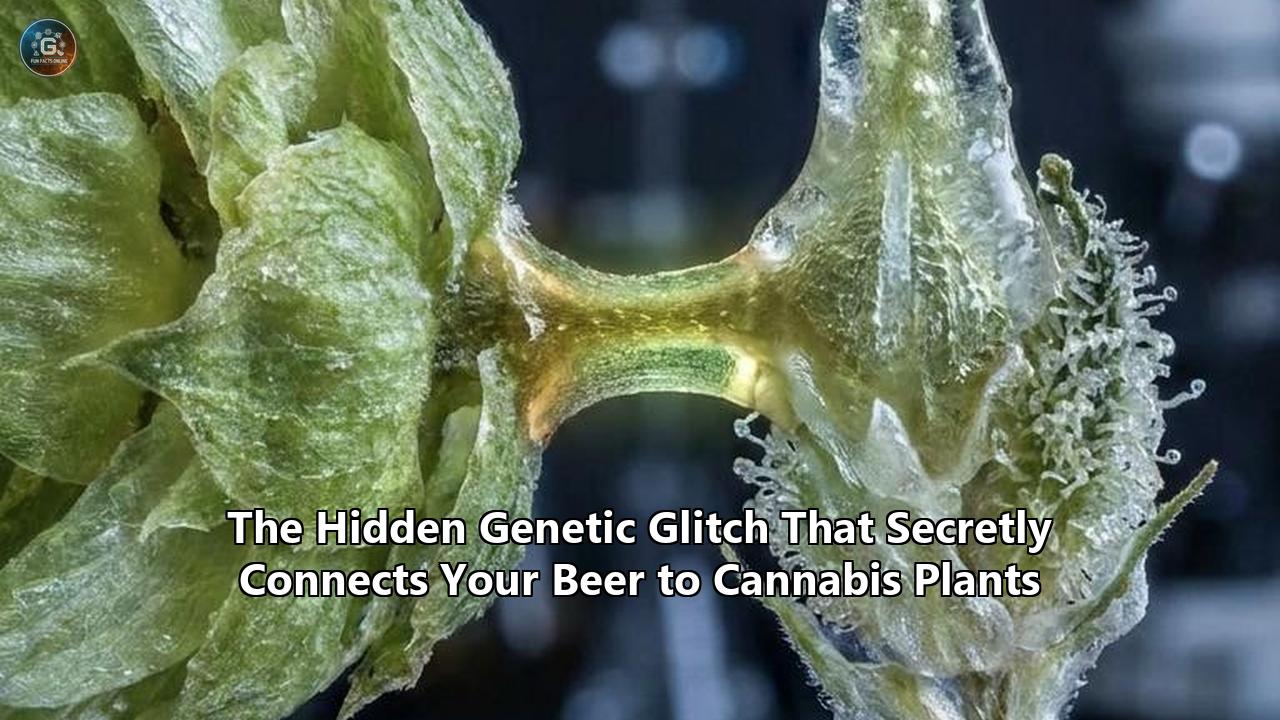
In April 2026, researchers at University College Dublin (UCD) published findings in the journal New Phytologist that resolved a long-standing botanical mystery tying the commercial brewing industry directly to the cannabis sector. The study pinpointed a highly specific genetic switch, designated as Monoecy1, located on the X chromosome of both Cannabis sativa and Humulus lupulus (hops). This microscopic stretch of DNA contains three closely linked genes that operate in tandem to control whether a plant develops as male, female, or hermaphroditic.
For decades, plant biologists understood that both hops and cannabis rely on an XY sex-determination system—a rarity in the plant kingdom, where the vast majority of species are hermaphroditic (monoecious) and produce both male and female reproductive organs on the same plant. While it was established that female cannabis and hop plants possess two X chromosomes (XX) and males possess an X and a Y (XY), the exact location of the sex-determining genes remained hidden within gigabases of repetitive genetic code.
"We were quite surprised when a lot of evidence pointed to a small region on the X chromosome as a key driver of sex determination, because in many other species, including humans, the Y chromosome determines sex," stated Matteo Toscani, a PhD researcher at UCD and the study’s first author. Associate Professor Rainer Melzer, the senior author, added that identifying which specific genes out of thousands actually flipped the reproductive switch had previously been an insurmountable hurdle.
The isolation of Monoecy1 proves that the sexual reproductive architecture of both plants predates their evolutionary split. When the two species diverged roughly 27.8 million years ago, this precise region of the X chromosome was conserved. The retention of this specific genetic cluster across tens of millions of years of evolutionary isolation highlights the profound biological anchoring that defines the cannabis and hops relationship.
The immediate impact of this discovery extends far beyond academic botany. Both the multi-billion-dollar brewing industry and the rapidly expanding global cannabis market rely almost exclusively on unpollinated female plants. The isolation of Monoecy1 provides commercial breeders with an exact molecular target for early sex identification, genetic screening, and targeted gene editing, completely altering how these crops will be cultivated on an industrial scale.
The Genomic Glitch: Anatomy of a 27.8-Million-Year Divergence
To understand why the discovery of Monoecy1 is a structural catalyst for agricultural reform, one must analyze the deep evolutionary divergence of the Cannabaceae family.
Chloroplast DNA analysis, combined with fossil pollen data extracted from the Tibetan Plateau, indicates that Cannabis and Humulus shared a common ancestor before initiating a permanent biological schism. During this epoch, genetic drift forced the ancestral population to adapt to diverging ecological pressures. They lost a closely related sibling genus, Dorofeevia, which went extinct roughly 20 million years ago, leaving cannabis and hops as the sole surviving genera in their immediate phylogenetic clade.
However, the divergence was not a clean split. It was characterized by a massive genomic "glitch" involving Long Terminal Repeats (LTRs) and aggressive retrotransposon activity. Transposons are essentially genetic parasites—sequences of DNA that copy and paste themselves throughout a genome, often causing the host DNA to bloat significantly.
Following their separation, the hop genome experienced a localized explosion of these repetitive elements. Today, the Humulus lupulus genome has bloated to a staggering 2,570 to 2,800 Megabases (Mb), making it roughly the same size as the human genome. In stark contrast, Cannabis sativa managed to keep its genetic architecture relatively lean, maintaining a genome size of approximately 830 Mb.
Despite the hop genome becoming more than three times the size of the cannabis genome, the underlying structural code remained eerily similar. Both species exhibit roughly equivalent percentages of repetitive genetic content—64% to 65% in cannabis and 60.1% to 64% in hops. The vast expanse of the hop genome is largely composed of empty biological space—stretches of duplicated DNA that do not code for active proteins but instead reflect millions of years of viral insertions and transposon expansion.
This deep cyto-nuclear discordance has historically made sequencing the hop genome exceptionally difficult. Prior to recent advancements by Pacific Biosciences and researchers at Oregon State University, early attempts to assemble the hop genome resulted in fragmented, unreadable data blocks. The sheer volume of LTRs obscured the functional genes hidden beneath the noise.
The identification of Monoecy1 by the UCD team proves that amidst this chaotic genomic expansion, the core survival mechanisms of the Cannabaceae family remained locked in place. The cannabis and hops relationship is not merely morphological—as observed by Italian botanist Andrea Cesalpino in 1583 when he first grouped them based on leaf structure and reproductive habits—but is fundamentally anchored at the deepest layers of their chromosomal architecture.
Biochemical Crossover: Terpenes, Cannabinoids, and Linoleic Acid
The retention of shared genetics between the two species goes beyond sex determination. It bleeds heavily into their biochemical outputs, directly affecting the flavor profiles of craft beer and the therapeutic properties of medical cannabis.
In a landmark sequencing of the "Cascade" hop cultivar—a variety developed by the USDA in the 1960s that effectively launched the modern American craft beer movement—researchers at Oregon State University uncovered a distinct molecular parallel. Hidden within the massive 2.8 Gb hop genome were gene structures that bear a striking resemblance to cannabidiolic acid synthase (CBDAS).
In cannabis, CBDAS is the specific enzyme responsible for producing cannabidiolic acid (CBDA), the direct chemical precursor to CBD (cannabidiol). The discovery of a CBDAS-like homolog expressed in multiple tissues of the hop plant does not mean that brewing hops are secretly producing CBD. Rather, it suggests that the ancient genetic pathways utilized by cannabis to synthesize complex cannabinoids were not entirely discarded by hops during their evolutionary split. Instead, these pathways were likely mutated, suppressed, or repurposed to manufacture the alpha acids (humulone) and beta acids (lupulone) that give beer its characteristic bitterness and microbial resistance.
The overlap extends to essential fatty acids. Detailed analyses of Cannabaceae seeds reveal that both hemp seeds and hop seeds rely on linoleic acid (LA) as their primary fatty acid. Furthermore, phylogenetic trees analyzing terpene synthases—the enzymes responsible for creating the aromatic oils in both plants—demonstrate that these gene families expanded aggressively in both species. The myrcene, pinene, and caryophyllene that deliver the sharp citrus or pine aromas in a hazy India Pale Ale (IPA) are biologically identical to the terpenes producing the pungent aromas in commercial cannabis strains.
This biochemical mirroring is a direct consequence of their shared ancestry. The genes dictating secondary metabolite production simply took different evolutionary forks, guided by different ecological stressors, yet the foundational enzyme structures remain overlapping.
Who Is Affected?
The discovery of the Monoecy1 region and the mapping of the shared X-chromosome architecture instantly impacts two distinct, highly lucrative agricultural sectors. Both the brewing industry and the cannabis industry are bound by a biological vulnerability: the presence of male plants is disastrous for commercial yields.
The Commercial Brewing and Hop Industry
In 2019, the production of hops in the United States alone was valued at over $600 million, driven relentlessly by the global demand for heavily hopped craft beers like IPAs. Hops are cultivated strictly for the unfertilized female flower cones, known as strobiles. These cones contain the lupulin glands, which secrete the resins and essential oils required for brewing.
If a male hop plant is permitted to mature and release pollen into a commercial hop yard, the female flowers will reallocate their metabolic energy away from producing alpha acids and essential oils, focusing instead on seed production. Seeded hop cones contain elevated levels of fatty acids, which rapidly oxidize and impart rancid, off-flavors into beer. Consequently, male hop plants are aggressively eradicated from commercial fields. The only place male hops are tolerated is within tightly controlled breeding facilities where new cultivars are developed.
The Global Cannabis and Hemp Industry
The economic dynamics in the cannabis industry mirror the hop industry precisely. Whether cultivated for high-THC recreational marijuana or high-CBD medical hemp, the commercial product is the unfertilized female flower, commonly referred to as sinsemilla (Spanish for "without seed"). The glandular trichomes on female cannabis flowers synthesize the vast majority of the plant's cannabinoids and terpenes.
Pollination by a male plant destroys the commercial value of a cannabis crop. A pollinated female stops producing heavy resin and redirects its energy into growing seeds. For biomass hemp farmers growing for CBD extraction, a seeded field means drastically reduced cannabinoid yields and processing complications.
Agricultural Scientists and Plant Geneticists
For researchers, the Cannabaceae family has now become a premier model organism for studying the evolution of plant sex chromosomes. Old sex chromosomes are exceptionally rare in the plant kingdom, and the late stages of sex chromosome evolution remain poorly understood. The XY system shared by cannabis and hops is now recognized as one of the oldest and most diverged ever documented in plants, featuring a highly degenerated Y chromosome. Geneticists studying evolutionary degradation—how and why the Y chromosome loses its functional genes over millions of years—now possess a complete, comparative map between a lean genome (cannabis) and a bloated genome (hops).
What Changes? The Shift in Agricultural Mechanics
The isolation of Monoecy1 triggers an immediate shift in how these plants are bred, propagated, and cultivated on a mass scale. The changes move the industries away from reactive cultivation toward proactive genomic management.
The Elimination of Phenotypic Sexing
Historically, cannabis and hop farmers engaged in phenotypic sexing. Because the sex of the plants becomes visible only after they transition from the vegetative stage to the flowering stage, cultivators had to spend weeks or months expending water, electricity, fertilizer, and physical space on plants whose sex was unknown. Once the pre-flowers emerged, manual labor was required to walk the rows, visually identify the male pollen sacs, and physically uproot the male plants before they could mature and cross-pollinate the crop.
With the mapping of the Monoecy1 region, breeders can now develop universal, highly precise sex-linked molecular markers. A simple polymerase chain reaction (PCR) test on a leaf punch from a two-week-old seedling will determine its sex with absolute certainty. This molecular screening eliminates the resource drain of raising male plants to maturity, optimizing field and greenhouse space exclusively for female production.
The Obsolescence of Chemical Feminization
Currently, the cannabis industry relies heavily on chemical intervention to produce "feminized" seeds. Breeders take a genetically female plant (XX) and spray it with chemical stress agents, most commonly silver thiosulfate or colloidal silver. The silver ions inhibit the plant's ethylene receptors, causing the female plant to produce male pollen sacs. Because the plant lacks a Y chromosome, the pollen it drops contains only X chromosomes. When this pollen fertilizes another female plant, the resulting seeds are 99.9% guaranteed to be female (XX).
While effective, this process is stressful to the plant, chemically toxic, and labor-intensive. The discovery of the exact Monoecy1 gene cluster opens the door to non-chemical feminization. Using CRISPR-Cas9 or similar gene-editing technologies, geneticists can directly manipulate the Monoecy1 switch. By silencing or activating the three closely linked genes within this region, breeders could force monoecy (hermaphroditism) or complete sex reversal without the use of heavy metal sprays. This creates a cleaner, more stable lineage of feminized seeds for both the hop and cannabis markets.
Cross-Species Trait Introgression
Because the genetic blueprint of the cannabis and hops relationship is now mapped down to the chromosomal level, agricultural scientists can begin transferring highly desirable traits between the two species without relying on traditional cross-pollination.
Hops are exceptionally resilient plants, naturally resistant to a variety of pests and capable of growing in harsh, cold climates. They possess expanded gene families enriched for disease resistance. Cannabis, particularly highly inbred commercial strains, often suffers from severe susceptibility to powdery mildew, botrytis (bud rot), and various aphid infestations. By analyzing the syntenic blocks (regions of chromosomes that are identically arranged between the two species), geneticists can identify the specific disease-resistance alleles in hops and potentially edit those precise sequences into the cannabis genome.
Conversely, cannabis possesses extreme drought tolerance and rapid growth cycles compared to the seasonal, photoperiod-dependent hop bines. Transferring the genetic markers for rapid vegetative growth from cannabis into commercial hops could allow hop farmers to achieve multiple harvests per year, completely altering the economics of the brewing supply chain.
Short-Term Consequences: Economics and Intellectual Property
The immediate aftermath of the UCD discovery will be felt primarily in the agricultural technology and intellectual property (IP) sectors.
1. The Rush for Diagnostic PatentsBiotechnology firms heavily invested in agricultural diagnostics will immediately race to patent proprietary PCR primers and field-testing kits based on the Monoecy1 sequence. The goal will be to develop lateral flow assays—similar to rapid COVID-19 antigen tests—that allow farmers to crush a leaf in a solution, dip a test strip, and instantly read the sex of a hop or cannabis plant in the field. The intellectual property rights to the most accurate, field-ready test utilizing the UCD data will be worth tens of millions of dollars, given the sheer volume of seeds planted globally each year.
2. Drastic Cost Reductions for Biomass ProducersFor large-scale hemp farmers planting hundreds of acres for CBD or fiber extraction, molecular sexing at the seedling stage drastically alters profit margins. Early sexing removes the labor costs associated with manual culling and the yield losses caused by accidental pollination. A single missed male plant in a 50-acre hemp field can release millions of pollen grains, downgrading the quality of the surrounding harvest from premium extract-grade flower to low-value seeded biomass. By guaranteeing a 100% female crop prior to transplanting into the field, large-scale agricultural operations mitigate one of their highest risk factors.
3. Uniform Monoecious Crops for Hemp FiberWhile the recreational and medical sectors demand strict female crops, the industrial hemp fiber sector operates differently. For fiber production, uniform monoecious crops (plants exhibiting both male and female traits) are highly desirable because they produce a consistent stalk diameter and allow for simultaneous harvesting of fiber and seed. With the Monoecy1 genes mapped, breeders can rapidly stabilize monoecious hemp lines, accelerating the production of industrial hemp for textiles, bioplastics, and building materials (hempcrete).
4. Enhanced Hop Breeding ProgramsThe craft beer industry's insatiable demand for novel flavor profiles relies on hop breeders crossing wild hop varieties with commercial staples. Wild hops introduce genetic diversity, but integrating them requires identifying male plants with the potential to pass on high-yield and disease-resistant traits to female offspring. Historically, assessing a male hop's genetic potential was a blind gamble, as males do not produce the lupulin glands that dictate flavor. With the complete genomic map and sex markers available, hop breeders can now sequence wild male hops and accurately predict which terpene synthases and alpha-acid pathways they carry, vastly accelerating the development of new, exotic hop varieties for the brewing market.
Long-Term Consequences: Synthesizing the Cousins
Looking ten to twenty years into the future, the structural clarification of the Cannabaceae divergence points toward aggressive biotechnological convergence. As legislative barriers surrounding cannabis continue to fall globally, the scientific firewall between hops and cannabis will dissolve.
1. Bioengineered Organisms and Recombinant CannabinoidsThe discovery by Oregon State University that the hop genome contains sequences homologous to cannabidiolic acid synthase (CBDAS) is a foundational stepping stone. The long-term trajectory of this research leads inevitably to the genetic modification of the hop plant to produce cannabinoids.
Currently, producing CBD, THC, and rare cannabinoids like CBG or THCV requires cultivating cannabis, which remains heavily regulated, heavily taxed, and federally illegal in many jurisdictions. Hops, however, are an unregulated, globally traded agricultural commodity. If biotechnologists successfully use CRISPR to reactivate or insert the missing promoter sequences into the dormant CBDAS-like genes within the hop genome, Humulus lupulus could be engineered to synthesize CBD within its lupulin glands.
This would fundamentally disrupt the global pharmaceutical and wellness markets. Extracting CBD from a federally legal hop field in Washington State or Germany would bypass the labyrinth of cannabis compliance laws, drastically lowering the wholesale cost of therapeutic cannabinoids.
2. Hop-Flavored Cannabis and Cannabis-Flavored HopsBecause the terpene synthase gene families are shared and mapped, breeders will begin executing precision edits to swap flavor profiles. The craft beer industry frequently seeks out hops that mimic the "dank," resinous, and tropical fruit aromas of high-grade marijuana. Conversely, cannabis breeders often attempt to isolate the exact citrus and pine profiles of hops like Citra, Mosaic, or Cascade.
With the genomes fully annotated, researchers can identify the exact genetic cassette responsible for the flavor profile of a Cascade hop and splice it into a cannabis strain, creating a marijuana flower that tastes and smells chemically identical to a pale ale. Similarly, a hop could be engineered to express the precise terpene ratios of a famous cannabis strain, allowing brewers to create a "cannabis-infused" beer using only hops, avoiding the regulatory nightmare of actual THC or CBD infusion.
3. Solving the Evolutionary Riddle of the Y ChromosomeFrom a purely scientific perspective, the deepest long-term consequence lies in evolutionary biology. The human Y chromosome has been slowly degenerating for millions of years, losing hundreds of functional genes. Biologists study plant sex chromosomes to understand this trajectory, but most plant sex chromosomes are evolutionarily "young," having emerged only a few million years ago.
The cannabis and hops relationship provides an unparalleled window into deep chromosomal time. Because their XY system is 27.8 million years old, their Y chromosomes are in an advanced state of decay. By comparing the exact sequences of the degenerated hop Y chromosome against the degenerated cannabis Y chromosome, geneticists can observe which specific genes were critical enough to be preserved by both species, and which were allowed to mutate into oblivion. This data allows evolutionary biologists to build predictive models for how sex chromosomes in other species, including mammals, might degrade over the next several million years.
Future Outlook: Unresolved Questions and Upcoming Milestones
The UCD publication identifying Monoecy1 is a watershed moment, but it opens a new frontier of unresolved scientific and regulatory questions that will dictate the next decade of Cannabaceae research.
1. The Role of Epigenetics in Sex DeterminationWhile Monoecy1 contains the core genes responsible for sex expression, plant sex is notoriously fluid under severe environmental stress. Extreme heat, drought, or altered photoperiods can occasionally force a genetically female (XX) cannabis plant to produce male pollen sacs—an evolutionary survival mechanism known as "rodelization." Researchers must now determine how environmental stressors interact with the Monoecy1 region at an epigenetic level. Does environmental stress trigger DNA methylation that temporarily switches these genes on or off? Mapping the epigenetic triggers will allow indoor growers to perfectly calibrate their climate controls to ensure the Monoecy1 switch remains locked in the female position.
2. The Regulatory Battle Over CRISPR HopsThe craft beer industry fiercely guards its reputation for natural ingredients. While CRISPR-Cas9 does not introduce foreign DNA (unlike traditional GMOs), it does involve laboratory manipulation of the genome. If geneticists succeed in using the Monoecy1 data to create a gene-edited, guaranteed-female hop variety, will the brewing industry accept it? The European Union has historically maintained stringent regulations on gene-edited crops. Watching how regulatory bodies in Germany, the Czech Republic, and the United States handle the introduction of CRISPR-sexed hops will serve as a bellwether for the future of agricultural biotechnology.
3. The Final Assembly of the Y ChromosomeWhile the X chromosome and the Monoecy1 region have been mapped, fully sequencing the heavily degenerated Y chromosome in both species remains an ongoing challenge. The Y chromosome is a chaotic graveyard of repeated sequences, dead transposons, and degraded gene fragments. Upcoming milestones in sequencing technology, likely driven by advancements in ultra-long-read platforms like Oxford Nanopore, will be required to bridge the remaining gaps. Fully resolving the Y chromosome will finalize the genetic map, providing the ultimate blueprint of how a single ancestral plant on the Tibetan Plateau split into two of the most economically and culturally significant crops in human history.
The convergence of genomics, craft brewing, and commercial cannabis has moved out of the theoretical realm and into the laboratory. By isolating the microscopic genetic machinery that survived a 27.8-million-year divergence, science has not just solved a botanical mystery; it has handed breeders the exact code required to rewrite the agricultural future of both industries. The hidden genetic glitch is no longer hidden, and the boundaries separating the hop yard from the cannabis greenhouse are about to disappear.
Reference:
- https://news.oregonstate.edu/news/scientists-advance-understanding-hop-genome-which-could-aid-brewers-medical-researchers
- https://www.researchgate.net/publication/400115415_The_Evolution_of_Hop_Breeding_Integrating_Molecular_Markers_and_Genomic_Insights
- https://www.cibio.up.pt/en/events/genomic-analysis-of-cannabis-and-hop-sex-chromosomes/