
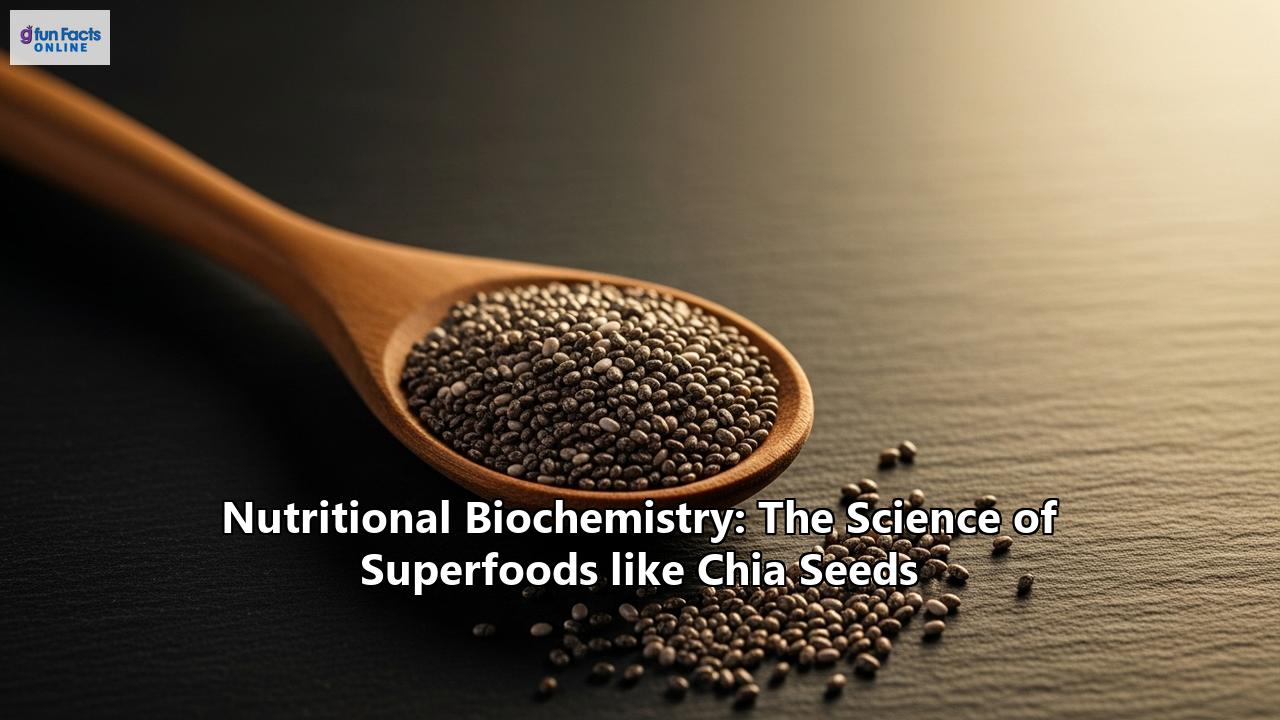
Nutritional Biochemistry: Unlocking the Power of Superfoods like Chia Seeds
In the ever-evolving world of nutrition, the term "superfood" has captured the public's imagination, conjuring images of exotic berries and ancient grains imbued with near-magical health properties. But beyond the marketing hype lies a fascinating scientific field that seeks to understand how these foods work at a molecular level: nutritional biochemistry. This discipline delves into the intricate dance of nutrients within our bodies, exploring how the compounds in our food are absorbed, metabolized, and utilized to influence our health, prevent disease, and enhance our overall well-being. By examining the chemical components of foods and their metabolic, physiological, and biochemical functions, nutritional biochemistry provides the scientific foundation for understanding the power of what we eat.
This article will journey into the heart of nutritional biochemistry, using the tiny yet mighty chia seed as our guide. We will unravel the science behind its "superfood" status, exploring its rich history, its impressive nutritional profile, and the biochemical mechanisms that underpin its purported health benefits.
The Rise of a Tiny Giant: A Journey Through the History of Chia
Long before chia seeds graced the shelves of modern health food stores and became a staple in smoothies and puddings, they were a cornerstone of ancient Mesoamerican civilizations. The word "chia" itself is derived from the Mayan word for "strength," a testament to the seed's revered status. For the Aztecs and Mayans, chia was more than just a food; it was a form of medicine, a ritual offering, and even a currency.
Historical records, such as the Florentine Codex which documents Aztec life, provide detailed accounts of chia cultivation and its various uses. These ancient peoples recognized the seed's exceptional ability to provide sustained energy. Aztec warriors were said to have consumed chia seeds to fuel their long and arduous journeys, with a single tablespoon believed to be enough to sustain a person for 24 hours. The Tarahumara people of Mexico, renowned for their incredible long-distance running abilities, have a long-standing tradition of consuming a chia-based drink called "iskiate" to enhance their endurance.
The Aztecs also utilized chia for medicinal purposes, using it to alleviate joint pain, soothe irritated skin, and even treat eye infections. The seeds were so highly valued that they were given as an annual tribute to rulers and used in religious ceremonies as offerings to the gods. However, with the Spanish conquest of the Aztec and Mayan empires in the 16th century, the cultivation of chia was largely suppressed due to its religious significance and replaced by other crops like corn.
For centuries, the chia seed remained largely forgotten by the wider world, until a group of scientists, nutritionists, and agriculturalists initiated a project in the 1990s to rediscover the lost nutritional plants of the Aztec civilization. This project brought the remarkable properties of the chia seed back into the spotlight, paving the way for its modern-day resurgence as a celebrated superfood.
A Nutritional Powerhouse: Deconstructing the Chia Seed
The modern acclaim for chia seeds is firmly rooted in their extraordinary nutritional density. These tiny seeds, which can be black or white, are packed with an impressive array of macronutrients, micronutrients, and bioactive compounds. A typical serving of two tablespoons (about 28 grams) of chia seeds offers a wealth of nutrients.
Macronutrient Profile:- Fiber: Chia seeds are an exceptional source of dietary fiber, boasting nearly 10 grams in a two-tablespoon serving. This fiber is predominantly soluble fiber, which forms a gel-like substance when mixed with liquid. This unique property contributes to feelings of fullness and plays a crucial role in digestive health and blood sugar regulation.
- Protein: For a plant-based food, chia seeds have a high protein content, providing all nine essential amino acids, making them a complete protein source. This makes them an excellent addition to vegetarian and vegan diets.
- Fat: Chia seeds are rich in healthy fats, particularly omega-3 fatty acids. In fact, they are one of the richest plant-based sources of alpha-linolenic acid (ALA), a type of omega-3 fatty acid that is essential for heart and brain health.
Beyond the macronutrients, chia seeds are a treasure trove of essential minerals and vitamins. They are a significant source of calcium, phosphorus, and magnesium, all of which are vital for bone health. They also contain notable amounts of iron, zinc, and B vitamins like niacin and thiamine.
Furthermore, chia seeds are packed with a variety of phytochemicals, which are bioactive compounds produced by plants that can have beneficial effects on human health. These include a range of powerful antioxidants such as:
- Quercetin: This flavonoid is known for its anti-inflammatory properties and its ability to scavenge free radicals, which are unstable molecules that can damage cells.
- Kaempferol: Another flavonoid found in chia seeds, kaempferol also exhibits antioxidant and anti-inflammatory effects.
- Caffeic Acid and Chlorogenic Acid: These phenolic acids are potent antioxidants that help protect the body's cells from oxidative stress.
- Myricetin and Rosmarinic Acid: These compounds further contribute to the impressive antioxidant capacity of chia seeds.
The synergistic action of these various nutrients and phytochemicals is what truly defines the "superfood" status of chia seeds, contributing to their wide range of potential health benefits.
The Biochemical Symphony: How Chia Seeds Work in the Body
The remarkable health effects of chia seeds are not just a matter of their impressive nutritional content but are a result of the intricate biochemical mechanisms through which these nutrients interact with our bodies.
The Power of Fiber: Digestion, Blood Sugar, and Gut HealthThe high soluble fiber content of chia seeds is central to many of their health benefits. When chia seeds are exposed to liquid, the soluble fiber on their outer layer absorbs water and forms a viscous, gelatinous substance. This gelling action has several profound effects on the digestive system and beyond.
- Slowing Digestion and Promoting Satiety: The gel formed by chia seeds in the stomach slows down the digestion and absorption of carbohydrates. This gradual release of energy helps to prevent sharp spikes and crashes in blood sugar levels, which is particularly beneficial for individuals with insulin resistance or type 2 diabetes. Furthermore, the bulking effect of the fiber promotes a feeling of fullness, or satiety, which can help with weight management by reducing overall calorie intake.
- Nourishing the Gut Microbiome: The soluble fiber in chia seeds acts as a prebiotic, meaning it serves as food for the beneficial bacteria residing in our gut. As these gut microbes ferment the fiber, they produce short-chain fatty acids (SCFAs) like butyrate, propionate, and acetate. These SCFAs are not just waste products; they are powerful signaling molecules that play a crucial role in maintaining gut health. Butyrate, for example, is the primary energy source for the cells lining the colon, helping to maintain the integrity of the gut barrier. A healthy gut barrier is essential for preventing harmful substances from entering the bloodstream and for reducing inflammation throughout the body. Recent studies have shown that the intake of chia fiber can lead to an increase in beneficial "probiotic strains" like Lactobacillus and Enterococcus.
Chia seeds are celebrated for their high content of the plant-based omega-3 fatty acid, alpha-linolenic acid (ALA). While the body's conversion of ALA to the more potent long-chain omega-3s, EPA and DHA (found in fatty fish), is limited, ALA itself possesses significant health benefits, particularly in modulating inflammation.
Inflammation is a natural and essential process for healing and fighting off infections. However, chronic low-grade inflammation is a key driver of many modern diseases, including heart disease, diabetes, and arthritis. The omega-3 fatty acids in chia seeds can help to counteract this chronic inflammation through several biochemical pathways. They can be incorporated into cell membranes, influencing the production of signaling molecules called eicosanoids. Omega-3s tend to produce less inflammatory eicosanoids compared to the omega-6 fatty acids that are more prevalent in the typical Western diet. This shift in the balance of omega-3 to omega-6 fatty acids can help to create a less inflammatory internal environment.
The Antioxidant Shield: Neutralizing Oxidative StressOur bodies are constantly under attack from free radicals, which are highly reactive molecules that can damage cells, proteins, and DNA. This damage, known as oxidative stress, is implicated in aging and a wide range of chronic diseases. Antioxidants are molecules that can neutralize these harmful free radicals, protecting our cells from damage.
Chia seeds are a rich source of a variety of potent antioxidants, including quercetin, kaempferol, caffeic acid, and chlorogenic acid. These compounds work synergistically to provide a powerful defense against oxidative stress. Quercetin, for instance, has been shown to inhibit the oxidation of LDL ("bad") cholesterol, a key step in the development of atherosclerosis (the hardening and narrowing of arteries). The antioxidants in chia seeds not only protect our own cells but also protect the delicate omega-3 fatty acids within the seeds themselves from going rancid, a testament to their potency.
The Science of Health: What the Research Says About Chia Seeds
The impressive nutritional profile and biochemical properties of chia seeds have prompted a wealth of scientific research into their potential health benefits. While many of the findings are promising, it is important to critically evaluate the evidence, particularly from human clinical trials.
Cardiovascular Health: A Mixed but Hopeful PictureHeart disease remains a leading cause of death worldwide, and diet plays a crucial role in its prevention and management. Chia seeds, with their high fiber, omega-3, and antioxidant content, have been a major focus of research in this area.
Several studies have suggested that chia seeds can have a positive impact on cardiovascular risk factors. A recent meta-analysis of clinical trials in overweight adults found that chia supplementation significantly lowered systolic blood pressure and triglyceride levels. Another meta-analysis of 10 randomized controlled trials concluded that chia seed consumption modestly decreased total cholesterol, LDL cholesterol, and triglycerides, while increasing HDL ("good") cholesterol. These effects are likely due to the combined action of soluble fiber, which can bind to cholesterol in the digestive system and prevent its absorption, and ALA, which can reduce inflammation and improve blood lipid profiles.
However, the evidence is not entirely consistent. Some systematic reviews and individual studies have found no significant effects of chia seeds on blood pressure or lipid profiles. The reasons for these discrepancies are likely multifactorial, including differences in study design, dosage, duration, and the characteristics of the study participants. It is also important to note that many studies have used surrogate markers of cardiovascular disease rather than clinical endpoints like heart attacks or strokes. Therefore, while the existing evidence is encouraging, more high-quality, long-term studies are needed to definitively establish the role of chia seeds in cardiovascular disease prevention.
Blood Sugar Control: A Topic of Ongoing InvestigationGiven their high fiber content and ability to slow carbohydrate digestion, chia seeds have been proposed as a beneficial food for individuals with type 2 diabetes or those at risk of developing the condition. Theoretically, the gel-forming properties of chia seeds should lead to a more gradual rise in blood sugar levels after a meal.
Some studies have supported this hypothesis. A systematic review and meta-analysis from 2018 found that higher doses of chia seeds were associated with a lower postprandial (after-meal) blood glucose response. Another study in patients with well-managed type 2 diabetes showed a reduction in systolic blood pressure after chia seed consumption.
However, more recent and comprehensive meta-analyses have cast some doubt on the effectiveness of chia seeds for glycemic control. A 2024 meta-analysis of eight randomized controlled trials found no significant impact of chia seed consumption on fasting blood glucose, HbA1c (a marker of long-term blood sugar control), or insulin levels. The authors of this study concluded that while chia seeds are a nutrient-dense food, their role in glycemic control appears to be minimal based on the current evidence. Another systematic review and meta-analysis in patients with type 2 diabetes also found no glucose-lowering efficacy.
These conflicting findings highlight the complexity of nutritional research and the need for further investigation. It is possible that the effects of chia seeds on blood sugar are more pronounced when consumed as part of a whole dietary pattern rather than as an isolated supplement.
Digestive Health and Weight ManagementThe high fiber content of chia seeds makes them a valuable tool for promoting digestive health. The soluble fiber in chia acts as a prebiotic, nourishing the beneficial bacteria in the gut and leading to the production of health-promoting short-chain fatty acids. The insoluble fiber in chia seeds adds bulk to the stool, which can help to prevent constipation and promote regular bowel movements.
In terms of weight management, the ability of chia seeds to promote satiety and reduce appetite is well-documented. The combination of fiber, protein, and healthy fats can help you feel fuller for longer, potentially leading to a reduction in overall calorie intake. However, studies on the direct impact of chia seeds on weight loss have yielded mixed results. Some studies have shown a significant decrease in body weight when chia seeds are consumed as part of a calorie-restricted diet, while others have found no effect. It is important to remember that no single food can cause weight loss in isolation; it must be part of a balanced diet and a healthy lifestyle.
Bone Health: A Plant-Based Source of Essential MineralsChia seeds are an excellent source of several minerals that are crucial for bone health, including calcium, phosphorus, and magnesium. In fact, on a per-gram basis, chia seeds contain more calcium than milk. This makes them a valuable food for individuals who do not consume dairy products, such as vegans or those with lactose intolerance. Observational studies have suggested a link between the intake of these nutrients and improved bone mineral density. While more research is needed to specifically determine the impact of chia seeds on bone health in humans, their impressive mineral profile makes them a worthy addition to a bone-healthy diet.
A Comparative Look: Chia Seeds vs. Other Superfoods
To truly appreciate the unique qualities of chia seeds, it is helpful to compare them to other popular superfoods, such as flax seeds, hemp seeds, and quinoa.
Chia vs. Flax Seeds:Both chia and flax seeds are nutritional powerhouses, rich in fiber, protein, and omega-3 fatty acids. However, there are some key differences:
- Fiber: Chia seeds have a slight edge in terms of total fiber content, particularly soluble fiber, which is responsible for their gelling properties.
- Omega-3s: Flax seeds are the richest plant-based source of ALA, containing slightly more than chia seeds.
- Lignans: Flax seeds are an exceptionally rich source of lignans, a type of phytoestrogen with antioxidant properties that has been linked to a reduced risk of certain cancers. Chia seeds contain lower amounts of lignans.
- Digestion: The nutrients in chia seeds are readily available without the need for grinding. Flax seeds, on the other hand, have a tough outer hull, and they must be ground to unlock their full nutritional benefits.
Hemp seeds, also known as hemp hearts, are another popular super seed with a distinct nutritional profile:
- Protein: Hemp seeds are the clear winner in the protein department, containing significantly more protein per serving than both chia and flax seeds. Like chia, hemp is also a complete protein.
- Omega-3s: Hemp seeds contain a good balance of omega-6 and omega-3 fatty acids, but their total omega-3 content is lower than that of chia and flax seeds.
- Fiber: Hemp seeds contain less fiber than chia and flax seeds.
- Micronutrients: Hemp seeds are a particularly good source of minerals like iron and zinc.
Quinoa is often lauded as a super-grain (though it is technically a seed) for its impressive nutritional profile:
- Protein: Both chia and quinoa are complete proteins, containing all nine essential amino acids.
- Fiber: Chia seeds contain significantly more fiber than quinoa.
- Omega-3s: Chia seeds are a much richer source of omega-3 fatty acids than quinoa.
- Culinary Uses: Quinoa is typically cooked and consumed as a grain substitute, while chia seeds are more versatile and can be used in a variety of raw and cooked applications.
Ultimately, the "best" superfood depends on your individual nutritional needs and dietary goals. For a fiber boost, chia seeds are an excellent choice. For a plant-based protein powerhouse, hemp seeds are a great option. And for a wealth of omega-3s and lignans, ground flax seeds are a top contender. A varied diet that includes a mix of these superfoods is likely the most beneficial approach.
From Ancient Staple to Modern Delicacy: Incorporating Chia into Your Diet
One of the greatest appeals of chia seeds is their incredible versatility. Their mild, nutty flavor allows them to be easily incorporated into a wide range of dishes, both sweet and savory. Here are some creative and delicious ways to add these nutritional powerhouses to your daily routine:
The Classic Chia Pudding:This is perhaps the most well-known and beloved way to enjoy chia seeds. The basic recipe is simple: mix chia seeds with a liquid of your choice (such as almond milk, coconut milk, or dairy milk) and a touch of sweetener (like maple syrup or honey). Let the mixture sit for at least a few hours or overnight in the refrigerator until it thickens to a pudding-like consistency. From there, the possibilities are endless. You can create a variety of flavors by adding ingredients like:
- Chocolate: Stir in some unsweetened cocoa powder for a rich and decadent treat.
- Fruity: Blend in fresh or frozen berries for a vibrant and refreshing pudding.
- Peanut Butter and Jelly: Swirl in some natural peanut butter and a spoonful of your favorite jam for a nostalgic and satisfying breakfast.
- Tropical: Use coconut milk as your base and top with mango and pineapple for a taste of the tropics.
- Smoothies: Add a tablespoon of chia seeds to your favorite smoothie for an extra boost of fiber, protein, and healthy fats.
- Overnight Oats: Combine chia seeds with rolled oats, milk, and your favorite toppings for a quick and easy grab-and-go breakfast.
- Baking: Incorporate chia seeds into muffins, breads, and cookies to enhance their nutritional profile.
- Egg Replacer: For vegan baking, a "chia egg" can be made by mixing one tablespoon of ground chia seeds with three tablespoons of water and letting it sit for a few minutes until it forms a gel.
- Jam: The gelling properties of chia seeds make them a fantastic substitute for pectin in homemade jams. Simply simmer your favorite fruit with a little sweetener and stir in some chia seeds until the mixture thickens.
- Salad Topping: Sprinkle chia seeds over salads for an added crunch and a nutritional boost.
- Yogurt and Cereal Topper: Stir a spoonful of chia seeds into your yogurt or sprinkle them over your cereal for an easy way to increase your fiber and nutrient intake.
- Thickener for Soups and Sauces: The gelling ability of chia seeds makes them a natural and healthy way to thicken soups, stews, and sauces.
While you can eat chia seeds dry, it is generally recommended to soak them before consumption. Soaking activates their gel-like texture, making them easier to digest and potentially increasing the bioavailability of their nutrients. When consumed dry, chia seeds can absorb a significant amount of water in the digestive tract, which, in rare cases, could pose a choking hazard, especially for individuals with swallowing difficulties.
Potential Downsides and Considerations: A Balanced Perspective
Despite their numerous health benefits, it is important to be aware of some potential side effects and considerations associated with chia seed consumption, especially when consumed in large quantities.
- Digestive Issues: The high fiber content of chia seeds, while beneficial, can also cause digestive discomfort such as bloating, gas, and constipation, particularly if you are not accustomed to a high-fiber diet. It is best to introduce chia seeds into your diet gradually and to ensure you are drinking plenty of water to help the fiber move through your digestive system.
- Allergies: Although rare, allergic reactions to chia seeds can occur. Individuals with known allergies to other seeds, such as sesame or mustard, may have a higher risk of reacting to chia seeds.
- Medication Interactions: The omega-3 fatty acids in chia seeds can have a blood-thinning effect. If you are taking blood-thinning medications (anticoagulants), it is important to speak with your healthcare provider before consuming large amounts of chia seeds, as they could potentially enhance the effect of the medication. Similarly, because chia seeds may lower blood pressure and blood sugar, individuals taking medications for these conditions should also consult with their doctor.
- Phytates and Nutrient Absorption: Like many seeds, nuts, and grains, chia seeds contain phytates, which are compounds that can bind to minerals like calcium and zinc and reduce their absorption. However, the impact of phytates on overall nutrient status is generally not a concern for individuals consuming a balanced and varied diet. Soaking the seeds may help to reduce their phytate content.
There is no official recommended daily allowance for chia seeds. However, most experts suggest a daily intake of one to two tablespoons (about 15-30 grams) is a safe and effective amount for most people to reap their health benefits without experiencing adverse effects.
Conclusion: Embracing the Science of Superfoods
The journey of the chia seed, from an ancient source of strength to a modern-day superfood, is a compelling illustration of the power of nutritional biochemistry. By understanding the intricate interplay of nutrients at a molecular level, we can move beyond the hype and appreciate the true value of foods like chia.
While no single food can be a panacea for all our health woes, incorporating nutrient-dense superfoods like chia seeds into a balanced and varied diet can be a powerful tool for promoting health and well-being. Their rich history, impressive nutritional profile, and the fascinating biochemical mechanisms behind their health benefits make them a worthy addition to any diet. As nutritional biochemistry continues to unravel the mysteries of how food impacts our bodies, we can look forward to an even deeper understanding of how to harness the power of nature's superfoods for a healthier and more vibrant life.
Reference:
- https://premiumgoldflax.com/blogs/more-about-flax/chia-vs-flax-vs-hemp
- https://pmc.ncbi.nlm.nih.gov/articles/PMC11406937/
- https://www.researchgate.net/publication/378227453_Role_of_Chia_Seed_Salvia_hispanica_L_Supplements_in_Managing_Type_2_Diabetes_Mellitus_A_Systematic_Review_and_Meta-analysis
- https://examine.com/research-feed/study/dpnEm0/
- https://www.ancientgrains.com/black-chia-seeds/chia-seed-history-and-origin
- https://www.eatingwell.com/chia-seed-recipes-that-aren-t-pudding-11690626
- https://www.suncakemom.com/recipes/the-role-of-chia-seeds-in-ancient-civilizations/
- https://scielo.isciii.es/pdf/nh/v32n5/06revision04.pdf
- https://examine.com/research-feed/study/1Yej21/
- https://www.uc.edu/news/articles/2024/10/uc-biologist-talks-about-ancient-aztecs-love-for-chia.html
- https://goldfoodsusa.com/origin-evolution-and-future-of-chia-seeds/
- https://www.canr.msu.edu/news/chia_seeds
- https://academic.oup.com/nutritionreviews/article-abstract/76/4/219/4858537
- https://biteswithblair.com/flax-seeds-vs-chia-seeds-vs-hemp-seeds/
- https://timesofindia.indiatimes.com/life-style/health-fitness/health-news/chia-seeds-for-heart-how-to-use-these-tiny-seeds-to-lower-cholesterol-and-blood-pressure/photostory/124320573.cms
- https://cullennutritionsimplified.com/hemp-vs-flax-vs-chia/
- https://timesofindia.indiatimes.com/life-style/food-news/stop-eating-fake-rice-simple-tricks-to-detect-adulteration-fast/articleshow/124335597.cms
- https://stanceequitec.com.au/article/compare-super-seeds-chia-vs-hemp-vs-flax
- https://www.benexia.com/the-impact-of-chia-fiber-on-a-healthy-gut-microbiota/
- https://pmc.ncbi.nlm.nih.gov/articles/PMC9834868/
- https://economictimes.indiatimes.com/news/international/us/tiny-seeds-big-impact-dieticians-list-7-amazing-health-benefits-of-chia-you-cant-ignore/articleshow/124310074.cms?from=mdr
- https://scielo.isciii.es/scielo.php?pid=S0212-16112015001100006&script=sci_abstract&tlng=en
- https://www.ejfood.org/index.php/ejfood/article/download/381/210/1306
- https://www.tandfonline.com/doi/full/10.1080/23311932.2023.2220516
- https://pmc.ncbi.nlm.nih.gov/articles/PMC6994964/
- https://www.benexia.com/wp-content/uploads/2022/01/Intro-issue-2-STAY-TUNED-ABOUT-CHIA-FIBER-clean.pdf
- https://www.researchgate.net/publication/26691401_Chia_seed_does_not_promote_weight_loss_or_alter_disease_risk_factors_in_overweight_adults
- https://www.psychreg.org/study-finds-chia-seeds-may-not-lower-blood-glucose-levels-diabetes-patients/
- https://pubmed.ncbi.nlm.nih.gov/38917708/
- https://pmc.ncbi.nlm.nih.gov/articles/PMC9696280/
- https://nicoleosinga.com/2015/10/26/chia-flax-hemp-oh-my-comparison-of-super-seeds/
- https://andianne.com/six-healthy-chia-pudding-recipes/
- https://twohealthykitchens.com/chia-pudding-recipes/
- https://www.healthline.com/nutrition/35-ways-eat-chia-seeds
- https://foolproofliving.com/yogurt-chia-pudding/
- https://www.cabidigitallibrary.org/doi/pdf/10.5555/20220307689