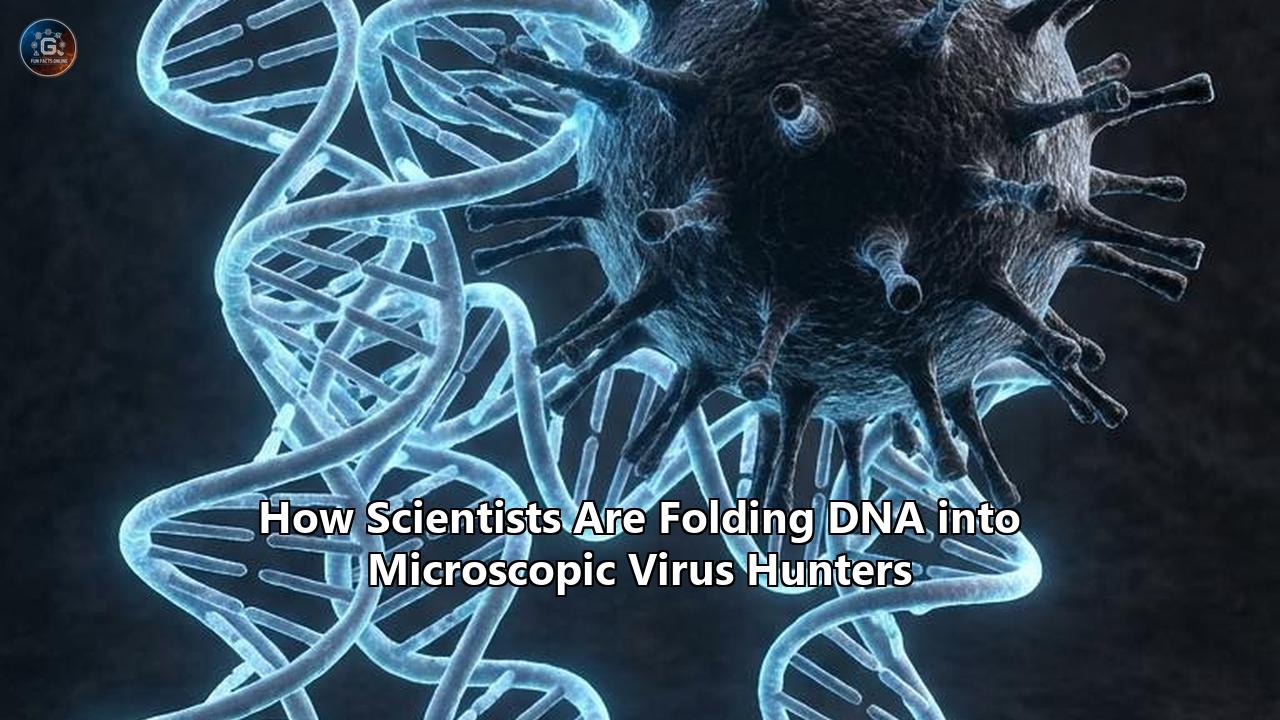
Viruses present a unique thermodynamic and biological problem. Unlike bacteria, which are living organisms with their own metabolisms, cellular walls, and reproductive machinery, viruses are essentially inert packages of genetic information wrapped in a protein shell. Because they lack a metabolism, you cannot poison them. Antibiotics, which target the metabolic pathways or cell wall synthesis of bacteria, are useless against viral infections. To disable a virus, a pharmaceutical must intercept specific protein interactions during the brief window when the pathogen is actively hijacking a host cell's replication machinery.
This biological reality explains why, out of more than 200 known viral pathogens that infect humans, we have highly effective acute treatments for fewer than a dozen. For diseases ranging from Dengue and Zika to Marburg and severe strains of influenza, the standard medical approach remains supportive care. The immune system either clears the infection, or the patient succumbs.
But structural biologists and biophysicists are currently pursuing an entirely different approach to viral neutralization. Instead of relying on chemical interventions to disrupt viral replication, researchers are deploying physical interventions. By folding genetic material into precise, microscopic geometric cages, scientists are manufacturing DNA virus hunters—programmable, nanoscale traps designed to swallow pathogens whole and lock them away before they can ever touch a human cell.
To understand how a strand of genetic code can be transformed into a mechanical trap, we have to dismantle the conventional view of DNA. In this context, DNA is not acting as a carrier of genetic information. It is acting as a physical building material.
The Architecture of Molecular Weaving
The foundation of this technology relies on a method known as "DNA origami," first formalized in 2006 by computer scientist and bioengineer Paul Rothemund at the California Institute of Technology. Rothemund realized that the predictable, interlocking nature of Watson-Crick base pairing—where adenine (A) always binds to thymine (T), and cytosine (C) always binds to guanine (G)—could be exploited for structural engineering.
A standard DNA double helix has a width of exactly two nanometers. A single full turn of the helix spans 3.4 nanometers. Because these dimensions are absolutely rigid and mathematically predictable, it is possible to calculate exactly where a specific sequence of base pairs will end up in three-dimensional space.
Rothemund’s method involves two primary components:
- The Scaffold: A very long, single strand of viral DNA. The universal gold standard for this is the genome of the M13 bacteriophage, a virus that harmlessly infects E. coli bacteria. The M13 genome consists of exactly 7,249 nucleotides. Its sequence is entirely mapped and understood.
- The Staples: Hundreds of short, synthetic DNA strands, typically 20 to 60 base pairs in length. These are custom-designed by computer algorithms.
Think of the M13 scaffold as a very long, loose piece of yarn. The synthetic staples act as microscopic clamps. Each staple is programmed with two distinct sequences that are complementary to two widely separated regions on the long scaffold strand.
Here is a thought experiment to visualize the process: Imagine laying a 100-foot rope on the ground. If you take a plastic clamp and attach it to the rope at the 10-foot mark, and then attach the other end of the clamp to the rope at the 40-foot mark, you force the rope to buckle and form a loop. By applying hundreds of specifically engineered clamps, you can force the single long rope to fold back and forth upon itself, weaving together to form a rigid shape.
In the laboratory, this process is driven by thermodynamics. Researchers mix the long scaffold strand and the hundreds of short staple strands in a buffer solution rich in magnesium ions (which help overcome the natural electrostatic repulsion between the negatively charged DNA backbones). The mixture is heated to roughly 90°C (194°F). At this temperature, all hydrogen bonds break, and the DNA exists as loose, chaotic single strands.
Then, the thermal annealing process begins. The temperature is slowly and precisely lowered over several hours or days. As the solution cools, the short staple strands, driven by the basic laws of chemistry, find their complementary matches on the long scaffold. Because the staples are short and highly concentrated, they bind to the scaffold before the scaffold has a chance to tangle with itself. The molecules self-assemble, pulling the scaffold into flat sheets, tubes, or complex polyhedrons with nanometer precision.
Designing the Geodesic Trap
For over a decade, DNA origami was largely used to create two-dimensional shapes or small 3D novelties to prove the viability of the physics. But capturing a functional, human-infecting virus requires massive, robust three-dimensional structures with deep interior cavities.
This leap in scale was spearheaded by biophysicist Hendrik Dietz and his biomolecular nanotechnology laboratory at the Technical University of Munich (TUM), in collaboration with physicists like Seth Fraden at Brandeis University. Their objective was to construct a shell capable of engulfing a whole virion.
Viruses themselves are masterpieces of natural engineering. They protect their delicate genetic payloads inside capsids—highly symmetrical protein shells. The Hepatitis B virus, for example, utilizes a capsid made of 180 identical protein subunits that self-assemble into an icosahedron. Dietz’s team decided to use the pathogen's own mathematical design against it.
An icosahedron is a geometric solid consisting of 20 equilateral triangles meeting at 12 vertices. To build an artificial viral envelope, the TUM researchers used DNA origami to design highly stable, flat triangular plates. Each DNA triangle was engineered with specific binding points—often described as molecular "Lego" pegs—along its outer edges.
By altering the exact angle and placement of these edge bonds, the researchers could program the flat triangles to automatically snap together at specific angles when mixed in a solution. The self-assembly of these plates yielded massive hollow spheres and half-shells.
The scale of these molecular constructions is unprecedented in synthetic biology. The TUM laboratory successfully assembled hollow DNA icosahedrons ranging in mass from 43 Megadaltons to an astonishing 925 Megadaltons, comprising up to 180 individual triangular subunits. To put this in perspective, a typical antibody molecule has a mass of about 0.15 Megadaltons. The internal cavities of these DNA structures reach up to 280 nanometers in diameter.
This specific diameter is critical. An adeno-associated virus (AAV) is roughly 25 nanometers wide. The Zika virus is about 50 nanometers. SARS-CoV-2 measures approximately 100 nanometers. The DNA cavities engineered by the TUM team are spacious enough to swallow these pathogens whole.
The Mechanics of the Lock Down
Building an empty microscopic cage is only the first step. The shell must be programmed to actively ensnare a passing virus. To achieve this, the inside of the DNA cage is lined with specific virus-binding molecules.
The entrapment relies on two distinct biophysical principles: avidity and steric occlusion.
1. The Power of AvidityIn pharmacology, researchers usually focus on affinity—the absolute strength of a single bond between a drug molecule and a viral protein. If the affinity is low, the drug falls off, and the virus escapes.
The DNA trap, however, utilizes avidity. Avidity describes the accumulated strength of multiple, simultaneous weak interactions. A helpful analogy is Velcro. A single microscopic hook and loop in a strip of Velcro has incredibly low affinity; you can pull them apart with almost zero effort. But when thousands of these hooks and loops are engaged simultaneously across a surface area, the accumulated avidity makes the Velcro strip impossible to pull apart laterally.
Researchers line the interior walls of the DNA icosahedron with dozens of binding molecules. When a virus drifts into the open aperture of the DNA shell, one of its spike proteins briefly attaches to a binder. In an open environment, it might quickly detach. But inside the cramped cavity of the DNA shell, the virus is immediately forced into contact with five, ten, or twenty other binding molecules simultaneously. Once the virus is tethered by multiple points of contact, the collective avidity becomes insurmountable. The virus is permanently anchored to the interior wall of the trap.
2. Steric OcclusionOnce the virus is physically tethered inside the shell, the infection cycle is broken via "steric occlusion". This is a principle of physical chemistry where a reaction is prevented simply because the molecules cannot physically reach each other due to a spatial barrier.
A virus must physically dock with a receptor on the surface of a human cell to inject its genetic material. SARS-CoV-2, for instance, requires its spike protein to make direct, unimpeded contact with the ACE2 receptor on human respiratory cells. If the virus is locked inside a massive DNA half-shell, the physical bulk of the DNA structure acts like a microscopic bumper car. The virus's spike proteins are permanently shielded. The pathogen can bounce against the exterior of a human cell all day, but the DNA wall physically blocks the spike protein from ever touching the ACE2 receptor. The virus is rendered entirely inert.
Broad-Spectrum Trapping: The Heparan Sulfate Strategy
Early iterations of the DNA trap utilized highly specific monoclonal antibodies glued to the inside of the shell. If researchers wanted to catch a Hepatitis B virus, they lined the shell with Hepatitis B antibodies.
However, customizing a trap for every distinct viral strain is computationally expensive and leaves humans vulnerable to rapidly mutating viruses. If a virus mutates its spike protein—as occurs frequently with influenza and coronaviruses—the highly specific antibodies inside the trap might fail to recognize it.
To solve this, bioengineers executed a brilliant lateral move by exploiting a universal vulnerability in viral biology.
Before a virus can hunt for its specific target receptor (like ACE2 for coronaviruses or CD4 for HIV), it must first arrest its movement as it floats through the extracellular fluids of the human body. To do this, many entirely unrelated viruses have evolved a generic, background affinity for Heparan Sulfate Proteoglycans (HSPGs). HSPGs are long, negatively charged sugar molecules that coat the surface of almost all human and animal cells.
Viruses use human HSPGs like the arrester cables on an aircraft carrier. When a virus brushes against a cell surface, it grabs onto the sticky HSPGs to slow down, anchor itself, and then "roll" along the cell surface until it bumps into its specific entry receptor.
In late 2022, the TUM research team published a study in ACS Nano demonstrating a broad-spectrum trap. Instead of lining the interior of the DNA cages with specific antibodies, they synthesized artificial heparan sulfate and coated the inner walls of the DNA icosahedrons with it.
The results proved that the trap did not need to be individually tailored to specific pathogens. The heparan sulfate coating successfully tricked a massive variety of viruses into docking. In a single, unified shell design, the researchers successfully trapped and neutralized adeno-associated viruses, chikungunya, dengue, human papillomavirus (HPV), norovirus, polio, rubella, and SARS-CoV-2.
By exploiting the widespread evolutionary reliance on HSPGs, the DNA virus hunters transformed from a highly targeted sniper rifle into a broad-spectrum net capable of halting multiple, unrelated viral families without requiring redesigns for new variants.
Engineering Armor for the Human Bloodstream
Proving that a DNA cage can trap a virus in a sterile laboratory petri dish is a monumental achievement in physics. But deploying that same trap inside the human body presents a hostile biochemical engineering challenge.
The human body is exceptionally hostile to free-floating DNA. During millions of years of evolution, humans developed harsh defense mechanisms against viral and bacterial DNA. Our blood serum and interstitial fluids are heavily patrolled by nucleases—specialized enzyme scavengers that act as molecular scissors. When nucleases encounter bare, unprotected DNA strands in the bloodstream, they immediately cleave the phosphodiester bonds holding the nucleotides together, shredding the DNA into harmless raw materials.
If you inject an unprotected DNA origami structure into a human vein, the nucleases will dismantle the trap in a matter of minutes, releasing any captured viruses back into the host.
To make the traps viable for clinical use, researchers had to design molecular armor. They employ a multi-stage chemical hardening process:
Ultraviolet Cross-linking:The raw DNA cages are first irradiated with specific wavelengths of ultraviolet (UV) light. While base-pairing holds the scaffold and staples together via weak hydrogen bonds, UV light forces adjacent thymine bases to form covalent bonds with each other. This physical cross-linking fuses the structure together, making it far more rigid and resistant to physical shearing forces.
Oligolysine Coating:Next, the structures are treated with oligolysine, a short peptide chain heavily populated by the amino acid lysine. DNA has a highly negative electrical charge due to its sugar-phosphate backbone. Oligolysine is strongly positively charged. When introduced into the solution, the oligolysine instantly wraps around the DNA structures, neutralizing the electrical charge and physically blocking the nuclease enzymes from accessing the DNA backbone.
PEGylation (Polyethylene Glycol):Finally, the exterior of the trap is coated with polyethylene glycol (PEG). PEGylation is a well-established technique in pharmacology. The PEG molecules attract a dense shell of water molecules around the trap. This hydration sphere acts as a molecular cloaking device, hiding the synthetic DNA structure from the body's immune macrophages and preventing the traps from aggregating or clumping together in the bloodstream.
With this three-layered armor—UV crosslinking, oligolysine, and PEGylation—the survival time of the synthetic DNA structures in mammalian blood serum was extended from mere minutes to over 24 hours. This provided a sufficient half-life for the empty cages to circulate, encounter viral pathogens, and lock them down before the traps themselves were degraded.
The Inside-Out Trap: Vaccines and B-Cell Activation
While researchers in Germany focused on using DNA icosahedrons to trap live viruses, a parallel application of the same DNA origami technology emerged at the Massachusetts Institute of Technology (MIT). Instead of building empty cages to catch viruses, engineers realized they could build solid DNA geometric shapes to simulate viruses, creating highly advanced synthetic vaccines.
Traditional recombinant vaccines work by injecting isolated viral proteins (antigens) into the body to train the immune system. However, free-floating proteins do not physically resemble a virus. A true virus is a nanoparticle with a highly structured, symmetrical geometry, studded with spike proteins spaced out at exact, repeating intervals.
Human B cells—the immune cells responsible for producing long-lasting antibodies—have evolved over millions of years to look for this specific spatial arrangement. B cell receptors are clustered in ways that require antigens to be spaced roughly 5 to 10 nanometers apart in a rigid grid to trigger a maximum immune response. When B cells encounter loose, randomly floating proteins, the response is often weak or short-lived.
In 2020, MIT researchers Mark Bathe and Darrell Irvine published research in Nature Nanotechnology detailing how DNA origami could solve this spatial problem.
Using the same computer algorithms that design the TUM virus traps, the MIT team engineered spherical DNA structures precisely the size of a natural virus. But instead of putting binding molecules on the inside, they programmed the DNA staples to display chemical tethers on the outside.
"The DNA structure is like a pegboard where the antigens can be attached at any position," Bathe explained regarding the architecture.
By anchoring HIV and SARS-CoV-2 spike proteins to the outside of the DNA sphere at exact, calculated distances, the researchers created a synthetic "dummy" virus. The DNA particle contained absolutely no viral genetic material, making it 100% incapable of replication or infection. However, to a circulating human B cell, the highly ordered, symmetrical array of antigens on the DNA surface looked exactly like a lethal, fully formed pathogen.
In laboratory tests using human immune cells, these DNA-scaffolded antigens provoked an aggressively strong B-cell response. Furthermore, because the DNA pegboard is generic, it can be easily updated. If a new variant of a coronavirus emerges, researchers do not have to develop an entirely new vaccine delivery mechanism. They simply synthesize the new variant's spike protein and plug it into the existing DNA pegboard, vastly accelerating the timeline for vaccine deployment.
The Economics of Mass Manufacturing
For the first decade of its existence, DNA origami was plagued by a fatal economic flaw: the cost of raw materials.
Synthesizing custom DNA staples in a laboratory using solid-phase chemical synthesis is extremely expensive. In the early 2010s, producing a single milligram of a complex DNA origami structure could cost tens of thousands of dollars. The technology was strictly limited to microscopic experiments. If these cages were ever to be used as therapeutics, the cost needed to drop by several orders of magnitude.
The solution came by abandoning chemical synthesis and returning to biotechnology—specifically, using custom-engineered bacteria as microscopic factories.
Hendrik Dietz’s laboratory pioneered a method to scale up production biologically. Instead of synthesizing the short staple strands chemically, researchers engineered specific bacteriophages containing modified genomes. They inserted specialized genetic sequences called "DNAzymes" (DNA enzymes) into the genome.
These engineered bacteriophages are introduced into massive bioreactors filled with a broth of E. coli bacteria. The phages infect the bacteria and force them to replicate billions of copies of the engineered DNA.
The key to this process is the DNAzyme sequences. Once the massive quantity of DNA is harvested from the bacteria, the researchers introduce a high concentration of zinc ions into the vats. The zinc triggers the DNAzymes, causing the long strands of DNA to auto-cleave—literally cutting themselves apart at highly specific, pre-programmed locations.
The single long strand cleanly chops itself into the hundreds of individual, perfectly sequenced short staple strands required for the origami folding process.
By offloading the heavy lifting of chemical synthesis to the biological replication machinery of E. coli, the cost of producing structural DNA plummeted. Production costs were reduced a thousand-fold, shifting the paradigm of DNA manufacturing from expensive boutique chemical synthesis to industrial-scale agricultural brewing. This biotechnological leap was the prerequisite that allowed startups to begin viewing structural DNA as a viable pharmaceutical product.
Clearance and Clinical Application
Once the trap captures a virus in the bloodstream, what happens to it? The human body cannot permanently store microscopic cages filled with inert pathogens.
The end-game for these traps relies on the natural waste disposal systems of the human immune system. While the PEGylation coating provides temporary armor, it is not permanent. Over a period of 24 to 48 hours, the hydration shell begins to degrade in the turbulent environment of the bloodstream.
As the DNA traps lose their protective coatings, they become visible to macrophages—large, amoeba-like white blood cells that act as the garbage collectors of the immune system. Macrophages recognize the DNA structures and the enclosed viral proteins as foreign debris. The macrophage engulfs the entire complex in a process called phagocytosis.
Once engulfed, the trap and the trapped virus are pulled into a highly acidic internal compartment of the macrophage called a lysosome. Here, aggressive enzymes and acid effectively melt both the synthetic DNA shell and the biological virus down into basic amino acids and simple sugars. The components are then recycled by the body or filtered out by the kidneys and excreted. The DNA virus hunters leave behind no toxic metabolites.
The clinical pipeline for this technology is actively taking shape. In Germany, a synthetic biology startup named Capsitec was spun out of the Technical University of Munich to commercialize the viral traps.
The initial clinical targets are acute systemic viral infections where no current antiviral therapeutics exist. For a patient presenting with an advanced hemorrhagic fever like Dengue or a severe acute respiratory distress syndrome caused by an influenza variant, the traps could be administered via intravenous infusion. The billions of circulating shells would act as a rapidly acting viral sponge, drastically lowering the viral load in the blood and giving the patient's own immune system the vital time it needs to mount a natural defense.
Further down the line, researchers envision alternative delivery mechanisms. Because the structures can be engineered to withstand varying pH levels, the DNA traps could potentially be formulated into nasal sprays. Sprayed directly into the mucosal lining of the respiratory tract at the first sign of an infection, the shells could intercept aerosolized viruses like SARS-CoV-2 or Influenza A before they ever breach the epithelial cells of the throat and lungs.
The Thought Experiment: A Mechanical Immunity
Consider the standard timeline of a novel viral outbreak. A pathogen leaps from an animal reservoir into the human population. Because the virus is novel, human immune systems have no pre-existing B-cell memory to fight it. Pharmacologists scramble to identify the virus's specific metabolic vulnerabilities to design an antiviral drug, a process that can take years. Meanwhile, vaccine development requires isolating the viral spike protein, ensuring it is safe, and inducing an immune response—a process that historically takes up to a decade, though recently compressed to roughly a year.
During that gap, the virus spreads unhindered.
Now, apply the concept of programmable structural biology to that same outbreak. Within 48 hours of isolating the novel virus, its physical dimensions and outer receptor affinities are mapped using cryo-electron microscopy.
Because the DNA icosahedron is a generic, modular platform, its underlying geometry does not need to be redesigned or re-approved by regulators from scratch. Researchers merely adjust the computer algorithm to print a new set of inner binding molecules—perhaps a slightly modified heparan sulfate array or a novel aptamer—that corresponds to the new virus's sticky exterior.
The new instructions are fed into the bioreactors. Within weeks, vats of E. coli are pumping out the precise DNA staples needed to fold billions of custom traps. The intervention is not chemical; it is physical. We do not need to understand the complex, cascading intracellular pathways the virus uses to replicate inside the host. We only need to know how big the virus is, and what it uses to grab onto our cells.
We build a box of the exact requisite size, line it with the correct biological adhesive, and flood the bloodstream with it. The traps physically block the virus from interacting with human tissue.
This represents a profound shift in how we conceptualize the treatment of infectious disease. For over a century, pharmacology has relied almost exclusively on chemistry—the use of small molecules to disrupt metabolic functions. But viruses, existing on the threshold between chemistry and pure geometry, are uniquely resistant to conventional drugs.
By utilizing programmable genetic material not to transmit information, but to construct physical, mechanical barriers at the nanometer scale, structural biologists are opening an entirely new front in infectious disease management. As researchers continue to refine the manufacturing economics and bodily half-life of these molecular cages, we are moving toward a reality where pathogenic outbreaks are no longer fought solely by inducing physiological responses, but by deploying highly engineered, microscopic architecture.
Reference:
- https://www.macfound.org/fellows/class-of-2007/paul-rothemund
- https://cms-cdn.lmu.de/media/17-physik/17-softmatter/downloads/l2b_dna_origami_2020_english-2.pdf
- https://www.cambridge.org/core/books/abs/structural-dna-nanotechnology/dna-origami-and-dna-bricks/4D637B092FF79116CA6C770C00024DF2
- https://www.dietzlab.org/research/
- http://www.bcas.cas.cn/perspective/201905/t20190517_209848.html
- https://www.tum.de/en/news-and-events/all-news/press-releases/details/34361
- https://pubs.acs.org/doi/10.1021/acsnano.1c11328
- https://www.brandeis.edu/now/2021/july/viruses-engineering-mrsec.html
- https://www.darkdaily.com/2022/02/18/german-researchers-develop-dna-origami-that-traps-and-neutralizes-certain-viruses/
- https://medium.com/@jennifer_45057/using-dna-origami-to-neutralize-viruses-1a71c63bb8e8
- https://cordis.europa.eu/article/id/430560-neutralising-viruses-with-dna-origami-traps
- https://www.the-scientist.com/origami-dna-traps-could-keep-large-viruses-from-infecting-cells-70900
- https://pubmed.ncbi.nlm.nih.gov/36323320/
- https://theinnovator.news/using-dna-origami-to-neutralize-viruses/