
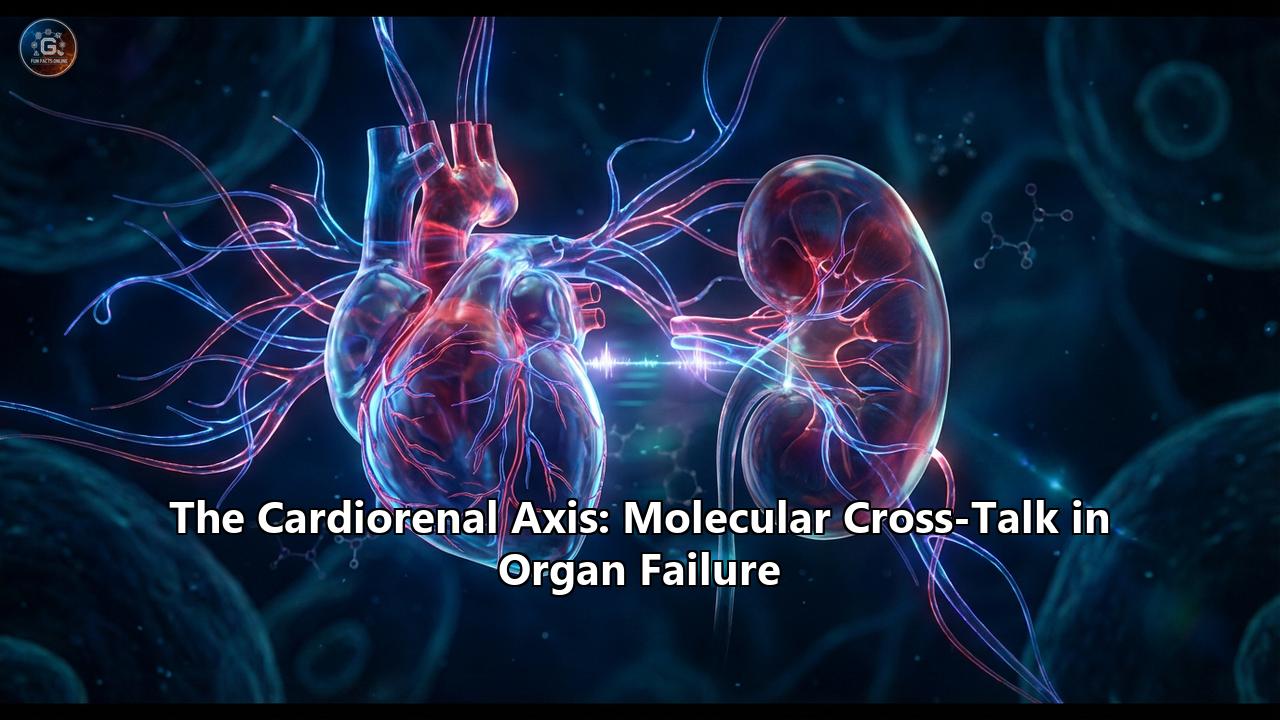
The concept of the human body as a collection of isolated organs—a heart that pumps, a kidney that filters, a lung that breathes—is an anatomical convenience, not a biological reality. Nowhere is this distinction more blurred, or more clinically critical, than in the intimate and often deadly embrace between the heart and the kidney. This is the Cardiorenal Axis.
For decades, medicine treated heart failure and kidney failure as separate entities, often managed by different specialists in different wings of the hospital. But the body knows no such boundaries. When the heart falters, the kidney suffers; when the kidney fails, the heart breaks. This bidirectional relationship, known clinically as Cardiorenal Syndrome (CRS), represents one of the most complex, lethal, and intellectually fascinating frontiers in modern medicine.
To understand CRS is to look beyond the macroscopic mechanics of blood flow and urine output. It requires a descent into the microscopic and molecular world—a world of "cross-talk" where organs speak to one another through chemical messengers, genetic signals, and metabolic shifts. This is the story of that conversation.
I. The Historical and Clinical Landscape
From Robert Bright to Claudio Ronco
The realization that the heart and kidney are inextricably linked is not new. In 1836, the pioneering physician Robert Bright—famous for describing "Bright’s Disease"—observed that patients with advanced renal disease often possessed enlarged, structurally abnormal hearts. He was the first to posit that "altered blood" from the failing kidney could poison the heart.
However, for nearly two centuries, this connection was viewed largely through a hydraulic lens. The heart was the pump; the kidney was the filter. If the pump failed, the filter dried up (low perfusion). If the filter clogged, the pump got backed up (volume overload). This "hemodynamic hypothesis" dominated medical thought until the early 21st century.
It was only in 2008, under the leadership of Claudio Ronco and the Acute Dialysis Quality Initiative, that the medical community formalized the definition of Cardiorenal Syndrome. They established a classification system based on two axes: primary organ dysfunction (heart vs. kidney) and acuity (acute vs. chronic).
- Type 1 (Acute Cardiorenal): Acute heart failure (e.g., cardiogenic shock) leads to acute kidney injury (AKI).
- Type 2 (Chronic Cardiorenal): Chronic heart failure causes progressive chronic kidney disease (CKD).
- Type 3 (Acute Renocardiac): Acute kidney injury (e.g., contrast nephropathy) causes acute cardiac dysfunction (arrhythmias, heart failure).
- Type 4 (Chronic Renocardiac): Chronic kidney disease (CKD) leads to cardiovascular disease (LV hypertrophy, atherosclerosis).
- Type 5 (Secondary): Systemic conditions (sepsis, diabetes, amyloidosis) simultaneously attack both organs.
While this classification was a triumph of clinical taxonomy, it barely scratched the surface of the why. Why does a patient with stable heart failure suddenly develop kidney failure despite normal blood pressure? Why does a young dialysis patient have the calcified arteries of an 80-year-old? The answers lay in the molecular cross-talk.
II. The Hemodynamic Foundation: Pushers and Pullers
Before diving into molecular biology, we must acknowledge the physical forces at play. The hemodynamic interaction is often described as a balance of "forward flow" and "backward pressure."
- The Forward Failure (Low Flow): When the heart cannot pump effectively (reduced cardiac output), the kidney perceives a threat. Specialized baroreceptors in the carotid sinus and afferent arterioles of the kidney sense this "low volume" state. In response, the kidney aggressively retains salt and water to boost blood pressure. In a healthy person, this is life-saving. In a heart failure patient, it is disastrous, leading to fluid overload.
- The Backward Failure (Congestion): Modern research has revealed that venous congestion is perhaps even more damaging than low flow. The kidney is encapsulated in a tight fibrous sheath. When the right side of the heart fails, pressure backs up into the inferior vena cava and eventually the renal veins. Because the kidney cannot expand, this increased venous pressure collapses the delicate microcirculation within the kidney, halting filtration. This concept has spurred the development of novel "pusher" (perfusion-assist) and "puller" (decongestion) mechanical devices.
However, hemodynamics alone cannot explain the full picture. Clinical trials have shown that even when flow is restored, kidney function often does not recover. This suggests that there is a "molecular memory" of damage—a biochemical conversation that continues long after the physical pressure is relieved.
III. The Molecular Symphony of Destruction
The "cross-talk" between heart and kidney is mediated by a vast network of neurohormonal and inflammatory pathways. When dysregulated, this homeostatic conversation turns into a symphony of destruction.
1. The Neurohormonal Axis: The Old Guard
The Renin-Angiotensin-Aldosterone System (RAAS) and the Sympathetic Nervous System (SNS) are the "first responders" to organ stress.
- RAAS Activation: When renal blood flow drops, the kidney releases renin. This sets off a cascade producing Angiotensin II, a potent vasoconstrictor. Angiotensin II saves the immediate circulation but slowly destroys both organs. It induces cardiac hypertrophy (thickening of the heart muscle) and renal fibrosis (scarring of the kidney). It also stimulates Aldosterone, which causes sodium retention and promotes collagen deposition in the heart and kidney, stiffening both organs.
- Sympathetic Overdrive: The failing heart screams for help via the nervous system, triggering a massive release of epinephrine and norepinephrine. This "fight or flight" response becomes permanent. The constant bombardment of catecholamines is toxic to cardiomyocytes (heart cells) and induces constriction of renal blood vessels, starving the kidney of oxygen.
2. The Cytokine Storm: Chronic Inflammation
In CRS, the body enters a state of sterile, chronic inflammation. This is not an infection; it is a metabolic fire.
- The Source: Venous congestion in the gut causes the intestinal wall to swell and leak (the "leaky gut" hypothesis). Bacterial toxins, primarily Lipopolysaccharides (LPS), translocation into the bloodstream.
- The Response: The immune system recognizes these toxins and launches an attack. Macrophages release pro-inflammatory cytokines like Tumor Necrosis Factor-alpha (TNF-α) and Interleukin-6 (IL-6).
- The Damage: These cytokines are cardiodepressants—they directly reduce the contractility of the heart. Simultaneously, they attack the kidney, causing tubular cell death. Recent attention has focused on the NLRP3 Inflammasome, a protein complex inside cells that acts as a sensor for danger. In CRS, the NLRP3 inflammasome is perpetually activated, churning out IL-1β and IL-18, driving fibrosis in both organs.
3. Oxidative Stress: The Rusting of the Axis
Every cell needs oxygen to produce energy, a process that creates byproducts called Reactive Oxygen Species (ROS). In health, antioxidants neutralize ROS. In CRS, this balance collapses.
- NO Bioavailability: The endothelium (lining of blood vessels) normally produces Nitric Oxide (NO) to keep vessels relaxed and healthy. ROS destroys NO, leading to "endothelial dysfunction." The blood vessels become stiff and constricted, increasing the workload on the failing heart and choking the kidney.
- The Vicious Cycle: Angiotensin II and cytokines stimulate enzymes (like NADPH oxidase) to produce more ROS. This "oxidative stress" literally rusts the cellular machinery, damaging DNA and proteins.
IV. Deep Dive: The Metabolic Crisis and Mitochondrial Dynamics
Perhaps the most exciting recent discovery in cardiorenal medicine is that both heart and kidney failure are fundamentally metabolic diseases.
The "Fetal Switch"
The adult heart is a voracious consumer of energy, deriving 70-80% of its ATP from Fatty Acid Oxidation (FAO). It’s a high-efficiency engine. The kidney, specifically the proximal tubule, is also highly dependent on FAO.
In Cardiorenal Syndrome, both organs run out of fuel. To survive the low-oxygen environment, they revert to a primitive, "fetal" metabolic state. They switch from burning efficient fats to burning inefficient glucose (glycolysis).
- The Cost: While glycolysis requires less oxygen, it produces far less energy (ATP). The heart becomes "energy starved," unable to relax between beats (diastolic dysfunction). The kidney tubular cells, unable to maintain the massive energy gradient needed to filter blood, shut down or die.
- Key Regulators: This switch is driven by the downregulation of PGC-1α (the master regulator of mitochondrial biogenesis) and PPAR-α. Therapeutic strategies aiming to "force" the organs back to FAO are currently under investigation.
Mitochondrial Fission and Fusion: The Dance of Death
Mitochondria are not static batteries; they are dynamic organelles that constantly fuse together (fusion) and split apart (fission) to maintain health.
- Fusion (Mfn1, Mfn2, OPA1): Healthy mitochondria fuse to share resources and dilute damaged DNA.
- Fission (Drp1): Damaged mitochondria split off to be recycled.
In CRS, this dance is disrupted. The protein Drp1 is upregulated, driving excessive fission. The mitochondria fragment into tiny, dysfunctional spheres that spew out ROS and trigger cell suicide (apoptosis). Concurrently, Mfn2 (Mitofusin-2) is downregulated. The ratio of Mfn2 to Drp1 is now considered a molecular thermometer of cardiorenal health. Restoring this balance—inhibiting fission or promoting fusion—is a prime target for future drugs.
V. Deep Dive: The Fibrotic Scar (The Point of No Return)
If inflammation is the fire, fibrosis is the scar that remains. Fibrosis is the final common pathway of almost all forms of CRS. It is the replacement of functional tissue (heart muscle, kidney tubules) with inert collagen scar tissue.
- Galectin-3: This protein has emerged as the "conjunction junction" of cardiorenal fibrosis. Secreted by macrophages, Galectin-3 activates fibroblasts in both the heart and kidney, turning them into myofibroblasts (scar-builders). High levels of Galectin-3 in the blood predict poor outcomes in heart failure and rapid progression of kidney disease. It is a dual-organ biomarker and a potential drug target.
- The TGF-β Superhighway: Transforming Growth Factor-beta (TGF-β) is the master cytokine of fibrosis. In the setting of CRS, Angiotensin II signaling triggers massive TGF-β release. This pathway is insidious because it is self-perpetuating; once the scarring starts, it changes the mechanical stiffness of the tissue, which in turn stimulates more TGF-β release.
VI. Deep Dive: Epigenetics and Novel Communication
How does a failing heart "tell" the kidney to start scarring? The answer may lie in Extracellular Vesicles (EVs) and MicroRNAs (miRNAs).
Extracellular Vesicles: The Cargo Ships
Cells release tiny bubbles called exosomes or extracellular vesicles. We used to think these were cellular garbage bags. We now know they are addressed mail packages. A stressed heart releases EVs filled with specific proteins and genetic material. These EVs travel through the blood, land in the kidney, and dump their cargo, effectively reprogramming the kidney cells to mimic the heart's pathology.
MicroRNAs: The Genetic Switches
Inside these EVs are microRNAs—tiny strands of RNA that silence specific genes.
- miR-21: The villain. It is upregulated in both heart and kidney fibrosis. It blocks anti-fibrotic pathways, effectively taking the brakes off scar formation.
- miR-29: The protector. It normally suppresses collagen production. In CRS, miR-29 is downregulated, allowing fibrosis to run rampant.
- miR-133: Muscle-specific. When heart muscle is damaged, miR-133 levels drop, leading to hypertrophy.
- miR-192: Kidney-specific. Early in diabetic kidney disease, its levels rise, driving glomerular injury.
This "genetic crosstalk" implies that we might one day treat CRS not with pills, but with infusions of "antagomirs" (molecules that neutralize bad miRNAs) or mimics (that replace good ones).
VII. The Gut-Cardiorenal Axis: The Third Organ
We cannot talk about the heart and kidney without mentioning the gut. As renal function declines, the kidney can no longer clear toxic metabolites. Simultaneously, gut edema alters the microbiome (dysbiosis).
- Uremic Toxins: Bacteria in the gut break down dietary amino acids (like tryptophan and tyrosine) into precursors that the liver turns into toxins: Indoxyl Sulfate and p-Cresyl Sulfate.
- TMAO (Trimethylamine N-oxide): Derived from choline (found in red meat/eggs), TMAO is produced by gut bacteria and oxidized in the liver.
These toxins accumulate in the blood of CRS patients. They are "cardiotoxins"—they directly stiffen the heart and induce arrhythmias. They are also "nephrotoxins"—they damage renal tubules. Thus, the gut acts as a reservoir of poison that perpetuates the cycle of failure.
VIII. Diagnostic Frontiers: Beyond Creatinine
For decades, we relied on Serum Creatinine to check kidneys and Ejection Fraction to check hearts. Both are flawed. Creatinine is a "lagging indicator"—by the time it rises, 50% of kidney function may be lost.
We are moving toward "structural biomarkers" that detect damage before function is lost:
- NGAL (Neutrophil Gelatinase-Associated Lipocalin): The "troponin of the kidney." It spikes in urine/blood hours after kidney injury, long before creatinine moves.
- KIM-1 (Kidney Injury Molecule-1): A marker of tubular injury.
- Soluble ST2 & Galectin-3: Markers of fibrosis and stress, offering prognosis beyond standard BNP testing.
IX. The Therapeutic Revolution
The last five years have witnessed a Golden Age in cardiorenal therapeutics. We have moved from simply managing hemodynamics (diuretics) to targeting the molecular core.
- SGLT2 Inhibitors (The Game Changer): Drugs like Empagliflozin and Dapagliflozin were designed for diabetes. They stunned the world by proving to be potent treatments for heart failure and kidney disease, even in non-diabetics.
Mechanism: They restore the "tubuloglomerular feedback," reducing pressure inside the kidney's filter. They also shift metabolism back toward ketone bodies (a "superfuel" for the heart and kidney) and reduce inflammation.
- GLP-1 Receptor Agonists: The FLOW Trial (2024) showed that Semaglutide, a weight-loss/diabetes drug, significantly reduces kidney failure and cardiac death in CKD patients. It works by reducing oxidative stress and inflammation, independent of weight loss.
- Non-Steroidal MRAs (Finerenone): Unlike older spironolactone which caused dangerous potassium spikes, Finerenone selectively blocks the mineralocorticoid receptor, preventing fibrosis without the side effects. The FINEARTS-HF trial solidified its role in heart failure.
X. Conclusion
The Cardiorenal Axis is a reminder of the biological unity of the human organism. It is a story of how a hemodynamic insult transforms into a molecular tragedy, mediated by ancient pathways of inflammation, metabolic survival, and genetic signaling.
As we peel back the layers—from the gross anatomy of congestion to the sub-cellular dance of mitochondrial fission—we find new hope. We are no longer just treating "heart failure" or "kidney failure." We are treating the Cardiorenal Syndrome, aiming our therapies at the molecular cross-talk that binds these two vital organs together. The future of medicine lies in this space between: the intersection where the heart meets the kidney.
Detailed Deep-Dive Sections (Expanding on Key Concepts)
The Role of the Sympathetic Nervous System (SNS) in Detail
In the acute phase of heart failure, the SNS acts as a compensatory mechanism to maintain cardiac output and perfusion pressure to vital organs. However, chronic SNS overactivation has deleterious effects on both the heart and the kidneys. In the heart, norepinephrine exerts direct toxic effects on cardiomyocytes, inducing apoptosis and necrosis, and promotes pathological hypertrophy and fibrosis. In the kidneys, increased sympathetic nerve activity leads to vasoconstriction of the afferent and efferent arterioles, reducing renal blood flow (RBF) and glomerular filtration rate (GFR). Furthermore, SNS activation stimulates the release of renin from the juxtaglomerular cells, thereby activating the RAAS, which further exacerbates vasoconstriction and sodium retention.
The phenomenon of "sympathetic crashing" is also relevant in acute cardiorenal syndrome (Type 1 CRS). In the setting of acute decompensated heart failure, the sudden surge in catecholamines can lead to acute kidney injury through rapid ischemia and intra-renal redistribution of blood flow away from the cortex (where the glomeruli are) to the medulla. This "cortical steal" phenomenon leaves the filtration units of the kidney hypoxic and vulnerable to necrosis.
Adenosine Signaling and the Macula Densa
A critical, often overlooked mechanism is the Tubuloglomerular Feedback (TGF). The macula densa is a cluster of specialized cells in the kidney that senses salt delivery. In heart failure, despite fluid overload, the amount of salt reaching the distal part of the kidney is often low (because the proximal tubule is reabsorbing it all avidly). However, when we treat these patients with diuretics, or in early stages of diabetes, salt delivery changes.
Adenosine plays a dual role here. In the kidney, adenosine constricts the afferent arteriole (reducing GFR). In the rest of the body, it is a vasodilator. This paradox is central to the mechanism of SGLT2 inhibitors. By blocking glucose and sodium reabsorption in the proximal tubule, SGLT2 inhibitors increase sodium delivery to the macula densa. The macula densa "senses" this salt and releases adenosine. This adenosine constricts the afferent arteriole, reducing the "hyperfiltration" pressure that damages the kidney over time. This is a primary way these drugs preserve kidney function—by essentially "resting" the glomerulus.
Epigenetics: The Memory of Disease
Why do patients who have their blood sugar or blood pressure controlled still progress to organ failure? This is called "Metabolic Memory" or the "Legacy Effect." The mechanism is epigenetic.
DNA methylation and Histone modification (acetylation/methylation) can "lock" cells into a pathological state. For example, a transient spike in blood sugar or a period of ischemia can induce specific histone methylation marks (like H3K4me1) on the promoters of pro-inflammatory genes (like NF-kB). Even when the sugar or ischemia is gone, these marks remain, keeping the inflammatory genes "primed" and easy to activate.
In CRS, studies have mapped aberrant DNA methylation patterns in the myocardium and renal tubule cells. These "epigenetic scars" explain why early intervention is so critical. Once the chromatin structure has been remodeled to a "failure phenotype," reversing it requires more than just standard drugs—it may require novel epigenetic therapies (like histone deacetylase inhibitors) currently in pre-clinical development.
The Immune System: The Role of the Spleen
Surprisingly, the spleen has emerged as a player in the cardiorenal axis. The "Cardio-Splenic Axis" involves the release of immune cells from the spleen in response to cardiac stress. Following a myocardial infarction or acute heart failure event, the spleen discharges a reservoir of monocytes. These monocytes travel to the kidney, infiltrate the tissue, and differentiate into inflammatory macrophages. This creates a "second hit" to the kidney, causing AKI even if hemodynamics are stable. This suggests that modulating the splenic release of immune cells could be a strategy to protect the kidney during heart attacks.
Therapeutic Horizons: What Comes Next?
Precision Medicine and AI
The future of CRS management will likely move away from the "one size fits all" approach. Artificial Intelligence (AI) is being used to analyze patterns in biomarkers (proteomics and metabolomics) to identify which "subtype" of CRS a patient has.
- Is their CRS driven by volume overload? (Diuretics + Mechanical support)
- Is it driven by fibrosis? (Finerenone + Anti-fibrotics)
- Is it driven by mitochondrial failure?* (Mitochondrial therapeutics)
Gene Therapy
With the identification of specific targets like SERCA2a (a calcium pump in the heart that fails in CRS) and Klotho (an anti-aging protein produced by the kidney that protects the heart), gene therapy vectors are being designed to replenish these proteins. Viral vectors (AAV) carrying the gene for Klotho have shown promise in animal models of CRS, reducing cardiac hypertrophy and renal fibrosis simultaneously.
The "Bionic" Approach
We are seeing the integration of bio-electronic medicine. Implantable devices that stimulate the Vagus Nerve are being tested. Vagal stimulation activates the "Cholinergic Anti-inflammatory Pathway," which dampens the cytokine storm and improves heart rate variability. Early trials suggest this could protect the kidney from ischemic injury during heart failure.
Final Thoughts on the "Super-Organ"
The separation of cardiology and nephrology is a historical accident, not a biological necessity. The heart and kidney behave as a Super-Organ, a coupled oscillator where the failure of one dampens the other. The "Cardiorenal Axis" is not just a list of pathways; it is the fundamental regulator of human homeostasis—blood pressure, volume, oxygenation, and metabolism.
As we stand on the brink of new discoveries in RNA therapeutics, mitochondrial reprogramming, and microbiome modulation, the outlook for patients with Cardiorenal Syndrome is brighter than ever. The key lies in respecting the connection, listening to the cross-talk, and treating the system as a whole.
Reference:
- https://www.researchgate.net/publication/361537641_Cardiorenal_syndrome_a_Bright_idea_with_earlier_roots
- https://pmc.ncbi.nlm.nih.gov/articles/PMC8822507/
- https://encyclopedia.pub/entry/15766
- https://pubmed.ncbi.nlm.nih.gov/39131074/
- https://www.researchgate.net/figure/The-dynamic-balance-of-mitochondrial-fission-and-mitochondrial-fusion-maintains-the_fig2_349481388
- https://www.mdpi.com/1422-0067/23/23/14725
- https://pmc.ncbi.nlm.nih.gov/articles/PMC4587696/
- https://www.researchgate.net/figure/The-role-of-miR-21-in-cardiorenal-syndrome-The-underlying-mechanisms-of-CRS-are-still_fig1_341416745
- https://pmc.ncbi.nlm.nih.gov/articles/PMC3087823/
- https://www.frontiersin.org/journals/pharmacology/articles/10.3389/fphar.2020.00726/full
- https://karger.com/doi/10.1159/000544817
- https://www.mdpi.com/1422-0067/24/9/8209
- https://pmc.ncbi.nlm.nih.gov/articles/PMC4228691/