
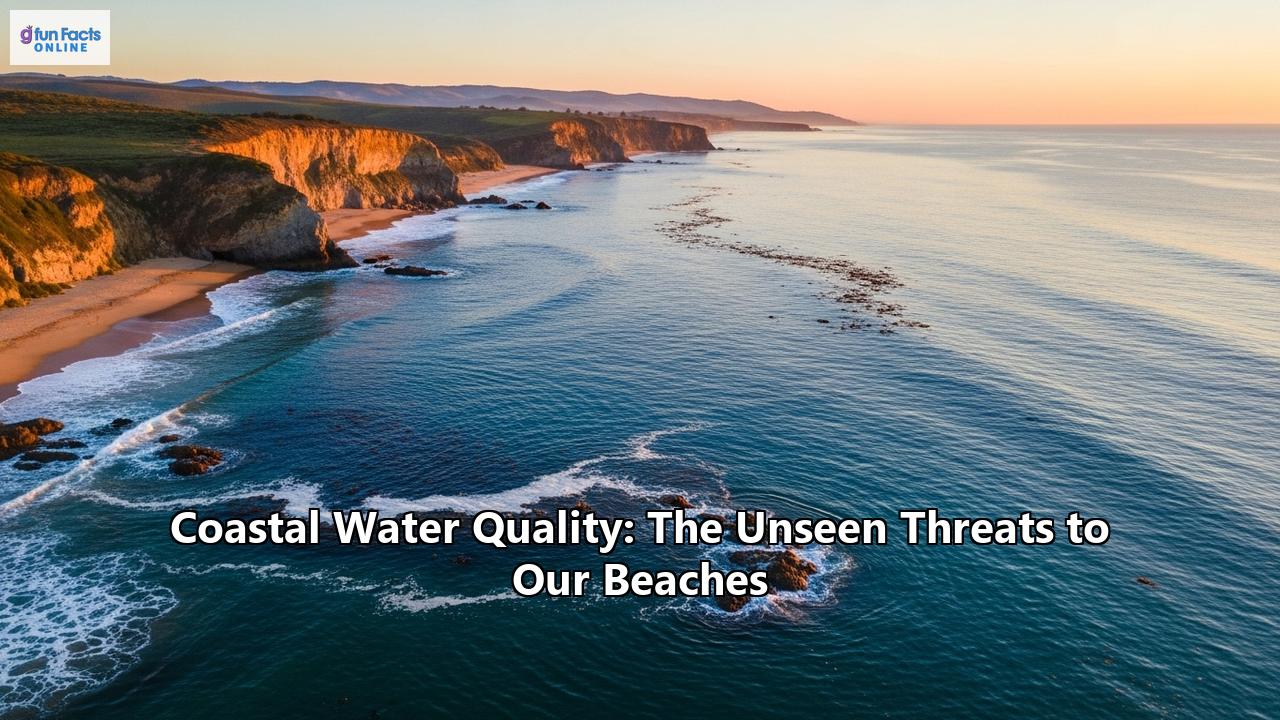
The Invisible Tide: Unmasking the Unseen Threats to Our Coastal Waters
The familiar rhythm of waves crashing on a sandy shore, the salty air, and the vast expanse of the ocean meeting the sky—these are the images that our love for the coast is built upon. We flock to beaches for recreation, solace, and a connection to the natural world. We see the plastic bottles and bags washed ashore, and we lament the visible signs of pollution. But what if the greatest dangers are the ones we cannot see? Lurking beneath the shimmering surface of our coastal waters is a cocktail of invisible threats, a complex and hazardous brew of microscopic plastics, persistent chemicals, excess nutrients, and dangerous pathogens. These unseen contaminants pose a grave risk not only to the delicate marine ecosystems that define our coastlines but also to our own health and economic well-being.
More than 80% of all marine pollution originates from land-based sources, a staggering statistic that highlights how our activities, even those far from the shore, have a direct impact on the sea. This article delves into the hidden world of coastal water pollution, unmasking the unseen threats that are silently degrading our beloved beaches and estuaries, and exploring the path forward to protect these vital natural resources.
The Plastic Plague: Beyond the Visible Debris
The image of a sea turtle entangled in a plastic bag has become a powerful symbol of ocean pollution. While this visible debris is a significant problem, it is merely the tip of the iceberg. The more insidious threat lies in what this plastic becomes: microplastics.
A Universe of Tiny Terrors
Microplastics are minuscule plastic fragments, typically defined as being smaller than five millimeters in length. They are pervasive in the marine environment, with one United Nations report estimating there could be as many as 51 trillion microplastic particles in the seas. These particles originate from two main sources:
- Primary Microplastics: These are plastics that are intentionally manufactured to be small. They include the microbeads once common in facial scrubs and cosmetics, as well as plastic pellets and powders used in industrial processes. Another major source is the laundering of synthetic clothing, which releases countless tiny fibers into wastewater systems. Even the abrasion of tires on roads contributes a significant amount of these fine particles, which are then washed into waterways. It's estimated that primary microplastics account for 15-31% of all microplastics in the oceans.
- Secondary Microplastics: The vast majority of microplastics in the ocean, between 69-81%, are secondary. These are formed from the breakdown of larger plastic items like bottles, bags, and fishing nets. Over time, exposure to sunlight, wave action, and other environmental factors causes these larger pieces to become brittle and fragment into ever-smaller pieces, eventually becoming micro- and even nanoplastics.
These particles are now found in every corner of the marine environment, from shorelines and the sea surface to the deepest ocean trenches. Approximately 70% of marine plastic debris is believed to be deposited in sediments, with the rest floating in coastal areas or on the surface.
An Ecosystem Under Siege
The small size of microplastics makes them readily available to a wide array of marine organisms. From the tiniest plankton to the largest whales, marine life often mistakes these plastic particles for food. Ingestion can lead to a host of physical problems, including internal injuries, digestive blockages, and a false sense of fullness that can lead to malnutrition and starvation. Studies have documented microplastic ingestion in a huge range of species, including those vital to commercial fisheries like lobsters and shellfish, creating a direct pathway for these plastics to enter the human food chain.
Beyond the physical harm, microplastics act like toxic sponges. Their high surface-area-to-volume ratio allows them to adsorb and concentrate other harmful pollutants from the surrounding water, such as heavy metals, pesticides, and persistent organic pollutants (POPs). When an organism ingests a piece of microplastic, it gets a concentrated dose of these associated toxins. This process of bioaccumulation, where toxins build up in an organism's tissues, can be magnified up the food chain—a phenomenon known as biomagnification. Predators consume prey that has ingested plastics, accumulating an even greater toxic load.
The implications for human health are still being uncovered, but the presence of microplastics in our food and drinking water is a growing concern. These particles have been found to cause cellular damage, oxidative stress, and inflammation in laboratory studies, though the long-term effects of exposure are not yet fully understood.
The Chemical Soup: A Persistent and Invisible Poison
Our modern world is built on a complex array of chemicals. They are in our non-stick pans, our medicines, our industrial processes, and our agricultural fields. Unfortunately, many of these chemicals do not simply disappear after use. They are washed into our rivers and, ultimately, our coastal waters, creating a persistent and toxic chemical soup.
"Forever Chemicals": The PFAS Problem
Per- and polyfluoroalkyl substances (PFAS) are a large group of man-made chemicals known for their resistance to heat, water, and oil. This has made them incredibly useful in a vast range of products, from non-stick cookware and stain-resistant fabrics to firefighting foams. However, the same chemical properties that make them so useful also make them incredibly persistent in the environment—earning them the nickname "forever chemicals."
PFAS enter coastal ecosystems through multiple pathways, including industrial discharge and wastewater effluent. Studies have found alarmingly high concentrations of these chemicals in small coastal ecosystems known as micro-estuaries, often exceeding levels considered safe for recreational activities. These areas, which serve as critical habitats and nurseries for many marine species, are becoming sinks for these dangerous pollutants.
The long-term effects of PFAS on marine life are a significant concern for scientists. Because they persist for decades, they can accumulate in organisms, leading to potential health problems. Research is ongoing to understand the full scope of their ecotoxicity, including their impact on the reproductive, developmental, and immune systems of coastal fish and invertebrates.
The Unintended Prescription: Pharmaceuticals in Our Waters
The widespread use of pharmaceuticals has been a boon for human health, but it has an unintended environmental consequence. A significant portion of the medicines we consume are not fully broken down by our bodies and are excreted into the wastewater system. Furthermore, improper disposal of unused medications—flushing them down the toilet or throwing them in the trash—adds to this burden.
Conventional wastewater treatment plants were not designed to remove these complex chemical compounds. As a result, a cocktail of pharmaceuticals, from antidepressants and birth control hormones to antibiotics and painkillers, is continuously discharged into rivers and coastal waters. This constant, low-level release makes these chemicals "pseudo-persistent" in the environment; even if they degrade, they are endlessly replenished.
The impact on marine life can be profound and disturbing. Even at very low concentrations, these biologically active compounds can interfere with the health of non-targeted organisms. Documented effects include:
- Hormone Disruption: Traces of synthetic estrogens from oral contraceptives have been shown to cause the feminization of male fish, altering their reproductive organs and impacting their ability to breed.
- Behavioral Changes: Exposure to residues of psychiatric drugs, such as antidepressants, has been found to alter fish behavior, making them take more risks and disrupting their natural movement and migration patterns, which can leave them more vulnerable to predators.
- Antibiotic Resistance: The continuous presence of antibiotics in the marine environment can contribute to the development of antibiotic-resistant bacteria. This resistance can spread to marine organisms and potentially to humans who consume seafood or come into contact with the water, posing a serious public health threat.
Benthic flora, like seaweed, can accumulate pharmaceuticals at concentrations thousands of times higher than the surrounding water, making them potential bioindicators of this type of pollution.
The Heavy Metal Burden
Heavy metals like lead, mercury, cadmium, and arsenic are naturally occurring elements, but human activities such as mining, industrial waste, and agricultural runoff have dramatically increased their concentration in coastal environments. Unlike organic pollutants, these metals are non-degradable and persist indefinitely in the ecosystem.
Once in the seawater, heavy metals can be taken up by marine organisms. The free ionic form is considered the most toxic. Benthic organisms, such as clams and worms that live in the sediment where metals accumulate, are particularly vulnerable. This contamination can lead to impaired growth, reduced reproductive success, and increased mortality. Like other pollutants, heavy metals biomagnify up the food chain, reaching dangerous concentrations in top predators and posing a risk to human consumers of seafood. Climate change is exacerbating this threat, as rising water temperatures and ocean acidification can increase the bioavailability and toxicity of some metals, making them more readily absorbed by marine life.
The Nutrient Overload: Too Much of a Good Thing
Nutrients like nitrogen and phosphorus are essential for life. However, when they flood into coastal waters in excessive amounts, they can trigger a destructive chain reaction known as eutrophication.
From Fertilizer to "Dead Zones"
The primary sources of this nutrient pollution are human activities. Agricultural runoff carries fertilizers rich in nitrogen and phosphorus from fields into rivers and streams. Urban and industrial wastewater, including sewage discharges, also contribute significant loads. Sixty-five percent of the estuaries and coastal waters in the contiguous U.S. that have been studied are considered moderately to severely degraded by these excessive nutrient inputs.
This flood of nutrients acts like a super-fertilizer for algae, leading to explosive growths known as harmful algal blooms (HABs), sometimes referred to as "red tides" or "blue-green algae." These blooms can have several devastating effects:
- Oxygen Depletion: When the massive amounts of algae in a bloom die, they sink and are decomposed by bacteria. This decomposition process consumes vast amounts of dissolved oxygen in the water, creating hypoxic (low-oxygen) or anoxic (no-oxygen) conditions. These areas are often called "dead zones" because most marine life, including fish and shellfish, either flee or suffocate.
- Toxicity: A small percentage of algal species produce potent toxins. These toxins can cause mass die-offs of fish, marine mammals, and seabirds. They can also accumulate in shellfish like oysters and clams, making them poisonous to humans who consume them. This can lead to a range of illnesses, including amnesic, diarrhetic, neurotoxic, and paralytic shellfish poisoning.
- Habitat Destruction: Dense algal blooms can block sunlight from reaching the seafloor, killing off essential seagrass beds that serve as vital nursery habitats for many species. Some blooms can also smother coral reefs.
The Ripple Effect on Society
The socio-economic impacts of HABs are immense. Fishery closures due to toxic blooms can result in millions of dollars in lost income for commercial fishing communities. The devastation of bay scallop industries and collapses in seafood sales have been directly linked to specific HAB events.
Tourism and recreation are also hit hard. Discolored water, unpleasant odors from decaying algae, and massive fish kills can drive visitors away from coastal areas, leading to significant losses for hotels, restaurants, and charter boat operations. The costs associated with monitoring for HABs and cleaning up their aftermath add another layer of economic burden. Furthermore, there are direct public health costs from people who become ill after swimming in or inhaling toxins from the blooms, with hospital visits for respiratory and gastrointestinal illnesses increasing during red tide events.
The Unseen Swimmers: A Pathogen Soup
A day at the beach should be a time for fun and relaxation, not a source of illness. Yet, our coastal waters, particularly after heavy rainfall, can harbor a host of unseen microbial threats.
The Sewage Connection
The most common source of disease-causing microorganisms, or pathogens, in our beach water is sewage. Failing septic systems, aging and overwhelmed wastewater treatment plants, and combined sewer overflows—systems that carry both sewage and stormwater—can all release untreated or partially treated human waste into coastal waters. Stormwater runoff itself is a major contributor, washing fecal waste from pets and wildlife from our streets and lawns directly into the ocean.
Swimming in water contaminated with these pathogens exposes people to a range of illnesses, most commonly acute gastrointestinal illness (gastroenteritis), with symptoms like nausea, vomiting, diarrhea, and stomach pain. Other potential health problems include infections of the eyes, ears, nose, and skin. While most of these illnesses are mild, they can be more severe for vulnerable populations like children, the elderly, and those with weakened immune systems.
More serious, though rarer, diseases can also be contracted, including hepatitis, salmonellosis, and infections from dangerous pathogens like Vibrio vulnificus, sometimes referred to as "flesh-eating bacteria." Studies have shown a clear link between swimming near storm drains after rainfall and a higher risk of these adverse health outcomes. In a startling discovery, researchers have even found that sewage-related bacteria can be aerosolized by breaking waves, meaning people can be exposed not just by swimming in the water, but by simply breathing the air at a contaminated beach.
The Vibrio Threat and a Warming World
The bacterium Vibrio vulnificus thrives in warm, brackish coastal waters. It can cause severe, life-threatening wound infections, especially in individuals with open sores or compromised immune systems. As climate change warms ocean temperatures, the geographic range of Vibrio is expanding northward into areas where it was previously rare. The incidence of Vibrio infections in the U.S. has been steadily increasing, a trend that scientists believe is correlated with rising water temperatures and changing salinity patterns. More intense storms and hurricanes, also linked to climate change, can further promote Vibrio growth by flushing nutrients into coastal waters and altering salinity levels.
The Hidden River: Submarine Groundwater Discharge
Not all pollution flows into the sea through rivers and pipes. A significant and often overlooked pathway is submarine groundwater discharge (SGD). This is the process by which groundwater from the land flows directly into the coastal ocean, seeping through the sediments of the seafloor.
This "hidden river" can be a major conveyor of pollutants. As groundwater moves through the soil and rock, it can pick up contaminants from sources like septic systems, agricultural fertilizers, and industrial sites. Because this process is invisible and occurs over long time scales, it can carry a long and concentrated history of pollution directly into coastal ecosystems.
Studies have shown that SGD can be a significant source of nutrients, heavy metals, pharmaceuticals, and pathogens to coastal waters. In some locations, the amount of nutrients delivered by SGD can be comparable to or even exceed the amount delivered by rivers, making it a powerful driver of eutrophication and harmful algal blooms. This unseen flow complicates coastal management, as the source of pollution may not be immediately obvious, and the legacy of past contamination can continue to impact water quality for decades.
The Climate Change Amplifier
The threats discussed are not occurring in a vacuum. They are being amplified and accelerated by the overarching crisis of climate change, which is profoundly altering our coastal environments.
- Warming Waters: As we have seen, rising water temperatures expand the habitat for harmful pathogens like Vibrio. They also fuel the intensity of HABs and can alter the toxicity of chemical pollutants like heavy metals.
- Sea Level Rise: As sea levels rise, coastal wastewater infrastructure like septic systems and sewer lines are more susceptible to flooding and failure, leading to increased sewage spills. Rising seas also contribute to saltwater intrusion, where saltwater pushes further inland into coastal aquifers, contaminating freshwater supplies and altering the chemical balance of estuaries.
- Extreme Weather: Climate change is fueling more intense and frequent storms. Heavy rainfall overwhelms stormwater and sewer systems, washing a torrent of pollutants—from nutrients and pathogens to plastics and chemicals—from the land into the sea.
- Ocean Acidification: The absorption of excess carbon dioxide from the atmosphere is making the ocean more acidic. This acidification can affect the entire food web and can interact with other pollutants, potentially altering their chemical behavior and impact.
In essence, climate change acts as a threat multiplier, making our coastal waters more vulnerable to the unseen pollutants we are already sending their way. The combination of pollution and climate change creates a powerful and destructive synergy that threatens the very foundation of coastal ecosystems.
Charting a Course for Cleaner Coasts: A Multifaceted Approach to Solutions
The challenges facing our coastal waters are complex and interconnected, but they are not insurmountable. Addressing these unseen threats requires a concerted effort that combines technological innovation, robust policy, nature-based solutions, and individual action.
Turning the Tide with Technology and Infrastructure
A crucial front in the battle for clean water is upgrading our aging and inadequate water infrastructure. This includes:
- Advanced Wastewater Treatment: Investing in modern wastewater treatment plants that can effectively remove not just solids and pathogens, but also the complex chemical compounds found in pharmaceuticals and the excess nutrients that fuel algal blooms. Innovative technologies like membrane filtration, advanced oxidation, and microbial fuel cells are showing promise in making treatment more efficient and effective. Some systems even focus on destroying "forever chemicals" like PFAS.
- Smart Stormwater Management: Moving away from systems that simply channel polluted runoff directly into waterways. Green infrastructure solutions like permeable pavements, rain gardens, and vegetated bioswales can help capture and filter stormwater where it falls. AI-driven systems are even being developed to predict rainfall and manage water flow in real-time to prevent overflows and flooding.
- Decentralized Systems: For some communities, innovative decentralized systems offer a path forward. These include on-site water reuse systems for large buildings that can recycle up to 95% of wastewater, and source-separation toilets that can turn waste into valuable fertilizer, dramatically reducing the pollutant load on centralized facilities.
The Power of Policy and Prevention
While technology can treat pollution, the most effective strategy is often to prevent it at its source. This requires strong policies and regulations at the local, national, and international levels. Key actions include:
- Banning Harmful Substances: Phasing out or banning the use of certain harmful materials, such as single-use plastics and microbeads in cosmetics, has proven effective. Similar efforts could target the most persistent and toxic chemicals.
- Regulating Pollution Sources: Implementing and enforcing stricter limits on industrial discharges and agricultural runoff is essential. This can be incentivized through policies that support farmers in adopting sustainable practices like using organic fertilizers and creating buffer zones along waterways.
- Extended Producer Responsibility (EPR): This policy approach makes manufacturers responsible for the entire lifecycle of their products, including their disposal. This can incentivize the design of products that are less toxic, more durable, and easier to recycle.
Harnessing the Power of Nature
Nature itself offers some of the most elegant and effective solutions to pollution. Restoring and protecting coastal ecosystems can build resilience and actively improve water quality.
- Living Shorelines: Restoring natural habitats like mangrove forests, salt marshes, and oyster reefs can create "living shorelines." These ecosystems are incredibly effective at filtering pollutants from the water, stabilizing shorelines against erosion, and providing critical habitat for marine life. Bivalves like oysters are particularly powerful, as a single oyster can filter dozens of gallons of water per day.
- Blue Carbon Ecosystems: Coastal habitats like seagrass meadows and tidal marshes are not only important for biodiversity but are also powerful "blue carbon" sinks, capturing and storing vast amounts of carbon dioxide from the atmosphere, thus helping to mitigate climate change. Protecting these ecosystems is a win-win for water quality and the climate.
The Ripple Effect of Individual Action
Government and industry have a massive role to play, but individual choices, when multiplied across communities, can create a powerful current of change. Simple actions in our daily lives can help reduce the flow of unseen pollutants to our coasts:
- Reduce Plastic Consumption: Opt for reusable bags, water bottles, and coffee cups. Avoid products with excessive plastic packaging.
- Mind the Drain: Never flush unused medications down the toilet or pour chemicals, fats, or oils down the drain. Use phosphate-free detergents and soaps.
- Responsible Yard Care: Use organic fertilizers and avoid pesticides. If you have a pet, always pick up their waste.
- Conserve Water: Using less water reduces the burden on wastewater treatment systems, which in turn reduces the volume of effluent discharged into the environment.
- Get Involved: Participate in or organize local beach cleanups. Support organizations working to protect our oceans and advocate for stronger environmental policies in your community.
The unseen threats to our coastal waters are a stark reminder that the health of our planet is intimately connected to our own actions. The shimmering surface of the sea can no longer be a veil that hides the consequences of our pollution. By unmasking these invisible dangers and committing to a new era of stewardship, we can ensure that the timeless allure of our coasts is preserved for generations to come—a place of beauty, recreation, and thriving life, both seen and unseen.
Reference:
- https://oceanservice.noaa.gov/facts/eutrophication.html
- https://www.surfrider.org/news/the-effects-of-a-changing-climate-on-water-quality
- https://www.marinebiodiversity.ca/5-proven-strategies-to-combat-marine-pollution-and-restore-ocean-health/
- https://www.preventionweb.net/news/climate-change-driving-dangerous-bacteria-farther-north
- https://www.betterhealth.vic.gov.au/health/healthyliving/Beaches-and-water-quality
- https://pubmed.ncbi.nlm.nih.gov/10401868/
- https://hab.whoi.edu/impacts/impacts-socioeconomic/
- https://rehis.com/news/vibrio-in-seafood-likely-to-increase-due-to-climate-change/
- https://www.numberanalytics.com/blog/coastal-water-quality-climate-change-guide
- https://pmc.ncbi.nlm.nih.gov/articles/PMC6602088/
- https://pmc.ncbi.nlm.nih.gov/articles/PMC5543702/
- https://coastalscience.noaa.gov/science-areas/habs/assessing-environmental-and-economic-impacts/
- https://www.gu.se/en/study-gothenburg/submarine-groundwater-discharge-a-source-of-carbon-nutrients-pharmaceuticals-and-heavy-metals-to-the-ocean
- https://www.iaea.org/newscenter/news/new-crp-assessing-effects-of-nutrient-pollution-on-harmful-algal-blooms
- http://publications.europa.eu/resource/cellar/97a059da-46d4-11e9-a8ed-01aa75ed71a1.0001.03/DOC_1
- https://www.efsa.europa.eu/en/news/vibrio-bacteria-seafood-increased-risk-due-climate-change-and-antimicrobial-resistance
- https://par.nsf.gov/servlets/purl/10147816
- https://fred.ifas.ufl.edu/media/fredifasufledu/economic-impact-analysis/reports/FRE_WCIND_SWFMIA_Harmful_Algal_Bloom_Report_2018.pdf
- https://www.coastalwiki.org/wiki/Submarine_groundwater_discharge
- https://www.advancedsciencenews.com/eutrophication-and-harmful-algal-blooms-in-streams-lakes-and-coastal-waters/
- https://oceanservice.noaa.gov/hazards/beach-dangers/
- https://www.epa.gov/beaches/what-affects-human-health-beach
- https://smartwatermagazine.com/news/uc-san-diego/study-finds-sewage-bacteria-ocean-spray
- https://publicintegrity.org/environment/hidden-epidemics/vibrio-deadly-bacteria-coastal-waters-climate-change-health/
- https://mers.uab.cat/research-line/submarine-groundwater-discharge/
- https://www.bohrium.com/paper-details/submarine-groundwater-discharge-impacts-on-coastal-nutrient-biogeochemistry/812482180335796224-72054
- https://www.epa.gov/climateimpacts/climate-change-impacts-coasts
- https://www.numberanalytics.com/blog/climate-change-impacts-coastal-water-quality
- https://prism.sustainability-directory.com/scenario/coastal-ecosystem-restoration-and-hazard-mitigation/
- https://atlas-scientific.com/blog/water-pollution-solutions/
- https://www.knowledge-sourcing.com/resources/thought-articles/top-10-innovations-in-water-and-wastewater-treatment-technologies/
- https://aquacycl.com/blog/13-new-technologies-that-are-changing-the-wastewater-treatment-landscape/
- https://emerald.vc/technology-to-make-our-water-system-more-resilient/
- https://sswm.info/sites/default/files/reference_attachments/OTTERPOHL%20et%20al.%202002%20Innovative%20technologies%20for%20decentralised%20wastewater%20management%20in%20urban%20and%20periurban%20areas.pdf
- https://oursharedseas.com/solutions/solutions-pollution/
- https://pharosproject.eu/blog/the-role-of-nature-based-solutions-in-marine-ecosystem-restoration/
- https://www.cleanenergywire.org/news/protecting-restoring-coastal-ecosystems-key-climate-change-mitigation-report
- https://www.oceans-research.com/protecting-oceans-10-ways-to-contribute/