
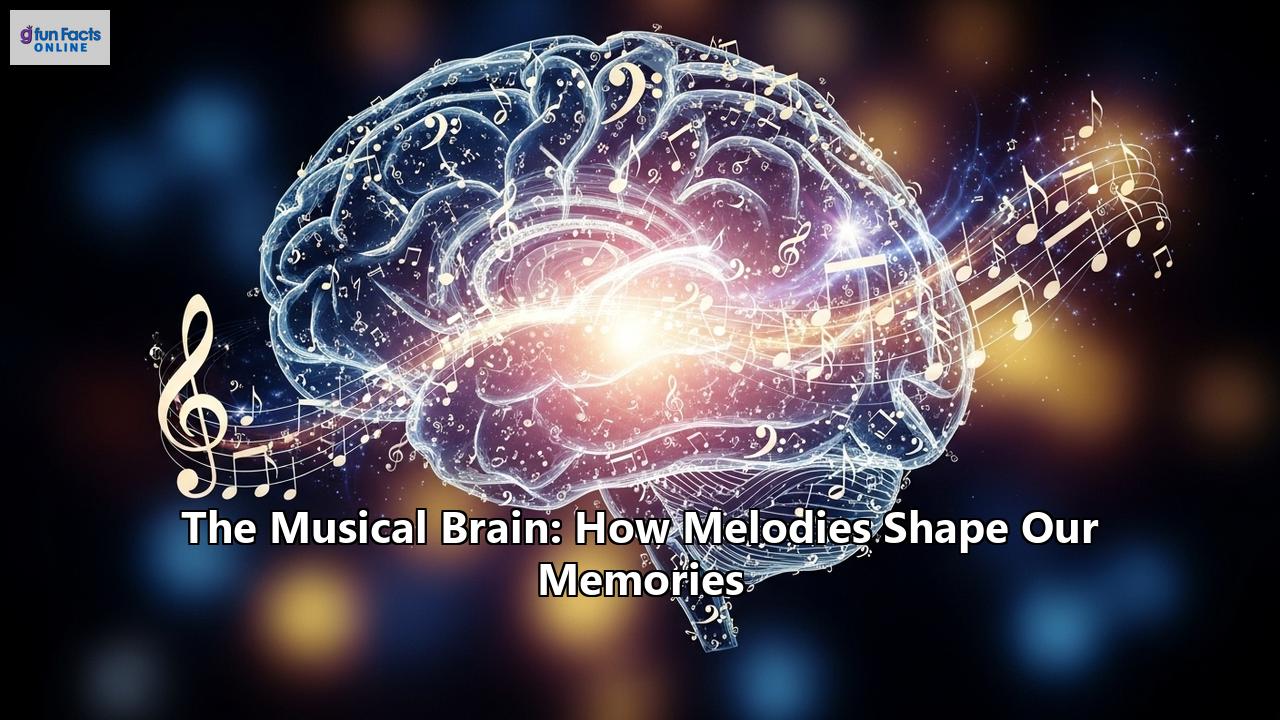
Music is a universal language, a force that transcends cultural and temporal boundaries. It can make us dance, it can make us weep, and, most mysteriously, it can transport us through time. A few notes from a long-forgotten song can instantly unlock a flood of vivid memories, bringing back the sights, sounds, and feelings of a moment we thought was lost forever. This phenomenon, familiar to so many, is not mere nostalgia; it is a testament to the profound and intricate relationship between music and the human brain. The melodies we hear are not just fleeting sounds; they are potent architects of our memories, shaping our personal histories and tethering us to our past selves.
This deep connection is rooted in the very wiring of our neural architecture. When music enters our ears, it embarks on a complex journey through the brain, engaging a vast network of regions responsible for processing sound, emotion, movement, and, crucially, memory. This is not a passive experience. The brain actively participates, predicting patterns, creating emotional responses, and forging lasting associations that bind melodies to moments. This interplay is so powerful that music can often reach parts of the memory that are otherwise inaccessible, a quality that has made it an invaluable therapeutic tool for those with memory loss.
In this exploration of the musical brain, we will journey deep into the neuroscience of how melodies shape our memories. We will uncover how different elements of music are processed and how they link to our cognitive and emotional centers. We will examine the powerful phenomenon of music-evoked autobiographical memories, those personal soundtracks that define our lives. We will also investigate the practical applications of this knowledge, from enhancing learning and concentration to providing a beacon of hope for individuals grappling with dementia and other neurological conditions. The story of music and memory is the story of what it means to be human—a narrative written in the key of life, with every note and every melody holding the power to remind us of who we are.
The Symphony of the Brain: How We Process Music
Before a melody can trigger a memory, the brain must first make sense of it. The process of listening to music is far from simple; it is a sophisticated operation that involves a symphony of coordinated activity across multiple brain regions. It's a "total brain workout," as described by researchers from Johns Hopkins Medicine, engaging the brain in a way that few other activities can. This complex neurological dance transforms simple sound waves into the rich, emotional, and memorable experience we know as music.
The Journey from Sound Wave to Brain SignalThe journey begins when sound waves—vibrations traveling through the air—reach our ears. These vibrations are funneled into the inner ear, where the snail-shaped cochlea, filled with fluid and thousands of tiny hair cells, translates them into electrical signals. These signals are then sent via the auditory nerve to the brainstem. From there, they are relayed to the primary auditory cortex, located in the temporal lobe of the brain, which acts as the main hub for processing sound.
But this is just the first step. The brain doesn't just hear a collection of sounds; it perceives music. This involves a distributed network of brain areas that work together to analyze the various components of the musical piece. Advanced imaging techniques like functional magnetic resonance imaging (fMRI) and positron emission tomography (PET) scans have revealed that listening to music is a full-brain experience, lighting up a wide array of cortical regions.
A Division of Labor: Decoding Pitch, Rhythm, and MelodyThe brain cleverly divides the task of musical analysis among different specialized regions. This modular system allows for the efficient processing of music's core elements:
- Pitch, Melody, and Harmony: The primary auditory cortex is central to recognizing and understanding pitch and tone. It works to analyze a song's melody (the sequence of notes) and harmony (the combination of notes played together). Research indicates a particular emphasis on the right hemisphere's auditory cortex for perceiving pitch and melody. Further studies have identified specific areas in the medial prefrontal cortex and the superior temporal gyri that are sensitive to tonality, the overall harmonic structure of a piece.
- Rhythm and Tempo: Our ability to perceive and move to a beat is handled by a network that includes the belt and parabelt areas of the right hemisphere, as well as the cerebellum and the frontal and parietal cortices. Rhythm, being a pattern of movement or sound, deeply engages the brain's motor systems, which is why music so often compels us to tap our feet or nod our heads.
- Timbre and Texture: Timbre, the unique quality of a sound that distinguishes a violin from a piano playing the same note, is also processed within the auditory cortices. This allows us to identify different instruments and voices within a complex musical arrangement.
Recent research has uncovered an even more nuanced process. A 2024 study published in Science Advances revealed that the brain performs two tasks simultaneously when hearing a melody. It uses some of the same neurons involved in processing speech to track the pitch of each note, while a separate, music-specific set of neurons works to predict the upcoming notes in the sequence. This discovery highlights that while music and speech share some neural pathways, music also activates unique mechanisms within the brain.
The Predictive Brain and the Pleasure of SurpriseA key aspect of music processing is the brain's remarkable ability to make predictions. As we listen to a piece of music, our brains are constantly forming expectations about what will come next based on our previous musical experiences. This predictive process, centered in the prefrontal cortex, is fundamental to our enjoyment.
Composers play with these expectations, creating patterns of tension and resolution. When a song unfolds as we expect, it can be satisfying. But often, the greatest pleasure comes from the element of surprise—a clever chord change or an unexpected melodic turn that defies our predictions in a pleasing way. This delicate balance between predictability and novelty keeps our brains engaged and is a key reason why music captivates us so deeply. It's a cognitive and emotional game that makes listening a dynamic and interactive experience.
Ultimately, the brain's intricate processing of music lays the essential groundwork for memory formation. By deconstructing music into its fundamental components and analyzing its structure, the brain prepares the melody to be encoded and linked with our experiences, emotions, and personal histories, turning a simple tune into a powerful key that can unlock the past.
The Bridge Between Sound and Memory: Neural Mechanisms
The transformation of a melody into a lasting memory is a neurochemical marvel. It occurs at the intersection of the brain’s auditory networks and its core memory systems. This process isn't just about storing a tune; it's about weaving that tune into the fabric of our lives, linking it with emotions, events, and people. Several key brain structures and processes form the bridge that connects the music we hear to the memories we cherish.
The Brain's Memory HubsAt the heart of memory formation lies a network of interconnected brain regions, each playing a distinct role. When we experience an event while a particular song is playing, these regions work in concert to create a multisensory memory snapshot.
- The Hippocampus: The Memory Conductor: Deep within the temporal lobe, the hippocampus acts as the brain's primary memory conductor. It is crucial for the formation of new episodic memories—the "what, where, and when" of our life events. When you hear a song, the hippocampus helps to bind the auditory information with other contextual details of the moment, effectively creating a single, cohesive memory. Studies show that music engages the hippocampus, suggesting it plays a central role in both laying down new memories associated with music and retrieving old ones.
- The Prefrontal Cortex: The Executive Producer: Located at the front of the brain, the prefrontal cortex is involved in higher-order cognitive functions, including working memory and memory retrieval. When a song triggers a memory, the prefrontal cortex helps to bring that memory into our conscious awareness. It's like the executive producer that sorts through the archives of the hippocampus and decides which memories to play back. Research has specifically identified the medial prefrontal cortex as an area that becomes highly active when we hear a familiar song that is tied to a personal memory.
- The Amygdala: The Emotional Colorist: Music's incredible power to evoke emotion is central to its mnemonic strength. The amygdala, an almond-shaped structure near the hippocampus, is the brain’s emotion-processing center. It attaches emotional significance to our experiences, including the music we hear. Post-learning arousal, which can be triggered by emotionally potent music, causes the release of hormones like norepinephrine that act on the amygdala and hippocampus to strengthen memory consolidation. This is why songs heard during intensely emotional periods—whether of great joy or profound sadness—become so deeply ingrained in our memory. The melody becomes a shorthand for the feeling itself.
The connection between music, emotion, and memory is also fueled by the brain's chemical messengers.
- The Dopamine Rush: When we listen to music we enjoy, especially our favorite songs, the brain releases dopamine, a neurotransmitter associated with pleasure and reward. This is the same chemical involved in the rewarding feelings we get from food, love, and other pleasurable activities. This dopamine rush creates a positive feedback loop: we enjoy the song, the brain rewards us with dopamine, and this rewarding experience makes the song and any associated memories more likely to be remembered. This explains why we tend to revisit preferred music so often, reinforcing its connection to our personal histories.
- Neuroplasticity: Rewiring the Brain: The brain is not a static organ; it is constantly changing and adapting based on our experiences, a phenomenon known as neuroplasticity. Music is a particularly powerful driver of this change. Both listening to music and, even more so, playing a musical instrument can induce significant structural and functional changes in the brain. For instance, musical training can lead to an increase in the volume of gray matter in brain regions associated with auditory processing and motor control. It can also strengthen the connections between different brain areas. This enhanced brain plasticity not only improves musical skills but also has broader cognitive benefits, including for memory. Studies have shown that musicians have more developed left planum temporales and exhibit greater word memory, illustrating how musical engagement can physically reshape the brain to support memory functions.
In essence, the brain doesn't just passively record a melody. It actively embraces it, tagging it with emotion via the amygdala, filing it away for later retrieval with the help of the hippocampus and prefrontal cortex, and rewarding the experience with a flood of dopamine. This intricate neural process ensures that music becomes more than just sound; it becomes an inseparable part of our personal narrative, a durable bridge to our past.
Music-Evoked Autobiographical Memories (MEAMs): Our Personal Soundtrack
One of the most compelling demonstrations of the link between music and memory is the phenomenon of the music-evoked autobiographical memory, or MEAM. This is the experience of hearing a piece of music and being involuntarily transported back to a specific time and place in one's past. These memories are often surprisingly vivid and saturated with emotion, acting as a personal soundtrack that has the power to reconnect us with former versions of ourselves.
What Makes MEAMs So Special?MEAMs are not just any memories; they have distinct qualities that have been the subject of extensive research.
- Vivid and Detailed: When a song triggers an autobiographical memory, the recollection is often rich with sensory and contextual detail. People report not just remembering an event, but re-experiencing it—the sights, the sounds, and the feelings of the moment.
- Highly Emotional: Music is deeply tied to the brain's emotional centers, and as a result, MEAMs are typically suffused with feeling. Interestingly, studies have shown that even sad-sounding music can evoke positive memories, a phenomenon known as positive reminiscence. This suggests that music has a unique capacity to cast a warm, nostalgic glow over our past, allowing us to regulate our emotions and maintain a positive sense of self.
- Often Involuntary: Many MEAMs surface spontaneously, without any conscious effort to recall the past. A song might come on the radio during a routine task like driving or housework, and suddenly, a powerful memory emerges from the depths of the mind. Research from Durham University found that music triggers significantly more involuntary memories than other sensory cues like food, underscoring the unique power of music in spontaneously unlocking our pasts.
A fascinating aspect of autobiographical memory is the "reminiscence bump," a well-documented tendency for older adults to have a disproportionately high number of memories from their adolescence and early adulthood (roughly ages 10 to 30). This effect is particularly pronounced for MEAMs. Music from our teenage years and early twenties seems to be encoded with exceptional power.
There are several reasons for this. This period of life is a time of firsts—first love, first car, leaving home, forming one's identity. These novel and emotionally charged experiences are naturally more memorable. Music is often deeply intertwined with our social lives and identity formation during these years, acting as a constant companion and a badge of who we are. As a result, the popular songs of our youth become indelibly linked to this crucial and formative period of self-discovery.
The Music Itself Matters: How Sound Shapes MemoryNot all music triggers memories in the same way. Emerging research shows that the acoustic properties of a song can influence the type and quality of the memory it evokes. A large-scale 2025 study from Goldsmiths, University of London, revealed fascinating connections:
- High-Energy Music: Upbeat, high-energy tracks, like pop anthems or dance music, tend to spark memories of social events, such as parties, concerts, or road trips. These memories are often characterized by feelings of excitement and amusement.
- Low-Energy Music: Quieter, acoustic, or classical tracks are more likely to elicit memories that are perceived as more deeply personal, unique, and important. These recollections are often associated with feelings of calmness, sadness, romance, or a sense of aesthetic appreciation.
This suggests that our brains subconsciously categorize our memories not just by event, but by the emotional and energetic texture of the accompanying music.
Furthermore, the study confirmed that while the acoustic profile of a song is influential, a personal connection matters even more. Memories tied to self-selected, personally significant songs were consistently rated as more vivid, emotional, and detailed than those triggered by more generic chart hits from a particular era. This highlights the importance of personal preference and the emotional resonance of a song in its power as a memory cue. Hearing a song you love is one thing; hearing your song is something else entirely.
In the grand library of our minds, MEAMs are special volumes, bound in the sounds of our lives. They are a testament to how melodies become anchors for our most cherished, formative, and emotional experiences, creating a personal soundtrack that can, with just a few notes, bring the past rushing back in startling clarity.
Music as a Learning Tool: Enhancing Cognitive Function
Beyond its power to unlock memories of the past, music can also play a significant role in helping us form new ones. Its influence on our cognitive state—our ability to focus, pay attention, and encode information—has made it a subject of great interest in the fields of education and psychology. While some popular ideas have been sensationalized, the underlying science confirms that music, when used correctly, can be a potent tool for learning and memory enhancement.
The "Mozart Effect": Myth vs. RealityPerhaps the most famous claim about music and cognition is the "Mozart Effect," the idea that listening to classical music, particularly Mozart, can make you smarter. This notion exploded in popularity in the 1990s, leading to a surge in parents playing classical music for their infants.
However, the science behind this popular trend is more nuanced. The original study showed a temporary improvement in spatial-reasoning skills, not a general increase in IQ. Subsequent research has largely debunked the idea that listening to Mozart has a unique, magical effect on intelligence. Instead, scientists now believe that the positive cognitive effects observed are more likely related to arousal and mood. Listening to music you enjoy can put you in a better mood and make you more alert, which can in turn improve performance on certain cognitive tasks. The effect isn't specific to Mozart; it can be achieved with any music that optimally stimulates the listener.
Music for Focus, Concentration, and New MemoriesWhile the "Mozart Effect" may be a myth, the broader principle that music can influence our ability to concentrate and learn holds true. The key lies in choosing the right kind of music for the task at hand.
- Improving Concentration: Studies have shown that music can help improve focus, especially in environments with high cognitive demands. The ideal music for concentration is typically instrumental, with a slow tempo and a repetitive or ambient nature. This type of music can help to mask distracting background noise, promote a state of calm focus, and even make monotonous tasks more enjoyable. Lyrics, on the other hand, can be distracting, as they engage the language-processing centers of the brain, competing for cognitive resources with the task you are trying to focus on.
- Laying Down New Memories: Research has demonstrated that music doesn't just help us retrieve stored memories; it can also help us lay down new ones. When information is paired with a melody, it can create a powerful mnemonic device. This is the principle behind why we learn the alphabet through a song or use musical jingles to remember phone numbers or advertising slogans. The structure, rhythm, and repetition inherent in music provide a scaffold that makes it easier for the brain to encode and, later, retrieve information. The melody acts as a retrieval cue, a "soundtrack" that, when replayed, can spark the recollection of the associated facts.
The most profound cognitive benefits of music seem to come not from passive listening, but from active musical engagement, particularly learning to play an instrument. This is a demanding process that requires sustained attention, fine motor skills, and the integration of multiple senses. This intense training drives significant neuroplastic changes in the brain.
Numerous studies have highlighted the long-term cognitive advantages of musical education:
- Enhanced Verbal Memory: A study found that musically trained individuals showed greater activation in the left hemisphere of the brain, an area typically associated with language processing, and also demonstrated superior word memory. Another study showed that just 10 weeks of musical instrument training could improve verbal memory in older adults.
- Improved Executive Functions: Musicians often exhibit enhanced executive functions, which include skills like problem-solving, task switching, and strategic planning. These abilities are honed by the complex demands of reading music, coordinating movements, and listening to others while playing in a group.
- Protection Against Cognitive Decline: There is growing evidence that lifelong musical engagement may help to build cognitive reserve, which can delay the onset of age-related cognitive decline and dementia. One review found that older adults who played an instrument had a decreased risk of developing dementia.
In conclusion, while music may not be a simple shortcut to genius, its ability to influence our mood, improve our focus, and structure information makes it a valuable aid for learning. The act of creating a tune or even just listening to one can serve as an "auditory post-it note," helping our brains to better organize and remember information. The most lasting benefits, however, come from the deep, active engagement of musical training, which can sharpen the mind and build a more resilient brain for years to come.
When Memory Fades: Music's Therapeutic Power
In the face of devastating neurodegenerative diseases like Alzheimer's and other forms of dementia, which systematically dismantle a person's memory and sense of self, music has emerged as a remarkable and profoundly humane form of therapy. When words fail and recent memories evaporate, a familiar melody can often cut through the fog, providing a rare and precious link to the past, to emotion, and to identity. This therapeutic power is not based on anecdotal evidence; it is grounded in the unique way the brain stores musical memories.
The Resilience of Musical MemoryOne of the most striking observations in dementia care is that musical memory often remains intact long after other forms of memory have significantly deteriorated. A person who may not recognize their own family members might still be able to recall the lyrics to a song from their youth.
The reasons for this extraordinary resilience are believed to be twofold:
- Distributed Neural Network: As we've seen, music processing is not confined to one specific "music center" in the brain. Instead, it engages a widespread network of regions, including those involved in auditory perception, motor control, emotion, and memory. Musical memories are therefore stored throughout the brain. As diseases like Alzheimer's progress, they typically cause damage to specific brain areas, such as the hippocampus, which is critical for forming new memories. Because musical memories are so widely distributed, they are more likely to survive even when parts of the brain are damaged. The long-term memory of music often remains accessible until the very late stages of the disease.
- The Power of Emotion and Repetition: Music is deeply emotional and often heard repeatedly over a lifetime. This combination of emotional salience and repetition helps to create very strong and durable memory traces. The neuronal pathways associated with these beloved songs become well-worn, making them more resistant to the ravages of neurodegenerative disease.
Board-certified music therapists use these unique properties of music to achieve a variety of therapeutic goals for individuals with memory loss. Music therapy is a non-pharmacological intervention that can significantly improve the quality of life for both patients and their caregivers.
- Improving Mood and Reducing Agitation: Agitation, anxiety, and depression are common symptoms in dementia patients. Music therapy has been shown to be an effective tool for calming agitation and improving mood. Listening to familiar and beloved music can evoke happy emotions, reduce stress hormones, and provide a sense of comfort and security.
- Stimulating Cognitive Function and Recall: While music therapy cannot reverse cognitive decline, it can help to maximize existing function. Playing music from a person's "reminiscence bump" (their late teens and early twenties) is a particularly effective way to stimulate autobiographical memory recall. This act of remembering can help to reinforce a person's sense of identity and connection to their own life story. Studies have shown that music-based interventions can lead to measurable improvements in cognitive function and autobiographical memory access.
- Enhancing Communication and Social Connection: As dementia progresses, individuals often lose their ability to communicate verbally. Music provides an alternative, non-verbal means of expression and connection. Patients might clap, tap their feet, or even sing along to a familiar tune, allowing them to express themselves and interact with others. These shared musical moments can also improve social engagement between patients and their caregivers, fostering positive interactions like eye contact and shared smiles, and helping loved ones reconnect with the person they feel they have lost.
The key to successful music therapy is personalization. The music must be familiar and meaningful to the individual. Therapists and caregivers often work with families to create personalized playlists that feature songs from the person's youth, favorite artists, or music associated with important life events like weddings or holidays.
The approach can be as simple as playing music during daily activities like meals or bathing to create a calmer atmosphere. It can also involve more structured, interactive sessions, such as singing, playing simple instruments, or moving to music, all guided by a trained therapist.
The profound impact of this therapy is perhaps best captured by the countless stories from caregivers who have witnessed a loved one, previously withdrawn and unresponsive, "come alive again" when they hear the music of their past. It is a powerful reminder that even when memory seems to be gone, the melodies that have shaped a life can still resonate deep within the brain, offering moments of clarity, joy, and connection.
Beyond the Obvious: Broader Implications and Future Directions
The powerful bond between music and memory extends far beyond nostalgic reverie and dementia care. The growing understanding of how music engages the brain is opening up exciting new frontiers in neurological rehabilitation, mental health treatment, and personalized medicine. As researchers continue to map the intricate neural pathways of music processing, they are uncovering its potential to heal and retrain the brain in a variety of contexts.
Music in Neuro-RehabilitationFor patients recovering from brain injuries, such as stroke or traumatic brain injury (TBI), music is proving to be a valuable therapeutic tool. These conditions can often impair motor function, speech, and memory.
- Motor Recovery: Rhythmic entrainment, the brain's tendency to synchronize its motor responses to an external rhythm, can be harnessed to help patients recover movement. Rhythmic auditory stimulation has been shown to improve gait and movement in patients with Parkinson's disease, stroke, and cerebral palsy by providing a steady, predictable auditory cue that helps to organize motor output.
- Speech Recovery: For individuals with aphasia (a language disorder often caused by a stroke in the left hemisphere of the brain), a technique called Melodic Intonation Therapy (MIT) can be remarkably effective. MIT uses musical elements like melody and rhythm to help patients regain their ability to speak. By "singing" simple phrases, patients can engage the undamaged right hemisphere of the brain to facilitate language production, effectively creating a new pathway for speech.
- Cognitive Rehabilitation: Music can also be used to address the cognitive deficits, including memory problems, that often accompany brain injuries. Engaging in musical activities can help to stimulate brain plasticity and rebuild neural connections that have been damaged.
The deep link between music, emotion, and memory also makes it a promising intervention for various mental health conditions.
- Depression: Music therapy has been found to be an accepted and effective treatment for mood disorders. It can help to alleviate symptoms of depression by providing an outlet for emotional expression, reducing stress, and stimulating the brain's pleasure and reward systems. Creating personalized playlists of uplifting music can be a simple yet powerful tool for mood regulation.
- Post-Traumatic Stress Disorder (PTSD): Memories of traumatic events are a hallmark of PTSD. New research is exploring whether music can be used to reshape the emotional quality of these memories. By pairing a traumatic memory with calming or positive music, it might be possible to change the emotional associations tied to that memory, reducing its distressing impact. This area of research is still in its early stages but holds significant therapeutic potential.
The field is rapidly evolving, driven by advances in neuroimaging technology and data analysis. Future research is likely to focus on several key areas:
- Personalized Musical Medicine: As we learn more about how individual brains respond to different types of music, we may be able to develop highly personalized "musical prescriptions." Imagine a future where a doctor could prescribe a specific playlist, tailored to an individual's neural profile and personal history, to aid in memory enhancement, mood regulation, or cognitive rehabilitation.
- The "Dark Side" of Musical Memory: While the focus is often on the positive effects, it's also important to understand the potential downsides. Can music be used to plant false memories? In what situations is music a distraction that hinders rather than helps learning? A 2025 study noted that music can sometimes hinder memory depending on its familiarity and structure, highlighting the need for a more nuanced understanding. Answering these questions will provide a more complete picture of music's influence on memory.
- Technological Integration: The integration of music-based therapies with new technologies like virtual reality (VR) and biofeedback systems could lead to even more immersive and effective interventions. For example, a patient could navigate a virtual environment from their past while listening to the corresponding music, creating a powerful multisensory experience to stimulate memory recall.
The study of the musical brain is revealing that music is not just a cultural artifact or a form of entertainment. It is a fundamental tool that can stimulate the brain, access deep emotional and memory circuits, and promote healing and growth. The future of this field promises not only to deepen our understanding of this most human of art forms but also to harness its power to improve cognitive health and well-being across the lifespan.
Conclusion
The relationship between music and memory is one of the most beautiful and intricate collaborations in the human experience. It is a dance of sound and synapse, emotion and electricity, that begins with the simple vibration of a sound wave and culminates in the rich tapestry of our personal history. We have journeyed through the symphony of the brain, witnessing how it deconstructs melodies into pitch and rhythm, and how it then reassembles them, infused with the emotional color of the moment, into lasting memories.
We've seen that this connection is not a matter of chance but a product of precise neural engineering. The hippocampus, prefrontal cortex, and amygdala work in concert, using the universal language of music to write, file, and retrieve the stories of our lives. This process gives rise to the powerful phenomenon of the music-evoked autobiographical memory, where a single song can act as a key, unlocking vivid, detailed, and deeply personal moments from our past. The soundtrack of our youth, in particular, remains a potent force throughout our lives, a testament to a time of profound self-discovery scored to the music of an era.
The practical implications of this deep bond are transformative. Music has proven to be far more than just a source of pleasure; it is a powerful tool for cognitive enhancement and therapeutic healing. It can sharpen our focus for learning, help us lay down new memories, and, through the dedicated practice of musical training, physically reshape our brains for the better. Most profoundly, music offers a lifeline in the face of memory's decline. For those living with Alzheimer's and dementia, the resilience of musical memory provides a precious link to a past that seems to be slipping away, offering moments of lucidity, communication, and joy that can restore a sense of self and connection.
The melodies we have loved do not fade. They become a part of us, woven into the very fabric of our being. They are the anthems of our triumphs, the laments of our sorrows, and the quiet background music to the ordinary, beautiful moments that constitute a life. The study of the musical brain affirms what poets and music lovers have always sensed: that music is one of the most powerful and enduring forces that shapes who we are. It is the soundtrack to our existence, and its notes continue to resonate within us, a permanent and precious archive of the memories that make us whole.
Reference:
- https://imotions.com/blog/insights/research-insights/the-profound-power-of-music-how-music-affects-the-brain/
- https://www.kennedy-center.org/education/resources-for-educators/classroom-resources/media-and-interactives/media/music/your-brain-on-music/your-brain-on-music/your-brain-on-music-the-sound-system-between-your-ears/
- https://www.levinemusic.org/about/news/how-music-affects-memory-and-concentration/
- https://www.nm.org/healthbeat/healthy-tips/emotional-health/music-as-medicine-alzheimers-dementia
- https://memoryandcompany.com/blog/music-therapy-for-people-with-memory-loss/
- https://www.hopkinsmedicine.org/health/wellness-and-prevention/keep-your-brain-young-with-music
- https://pdfs.semanticscholar.org/5e26/e0bd960c0b0a7e42cd2052be01e76a40fd3f.pdf
- https://en.wikipedia.org/wiki/Neuroscience_of_music
- https://pmc.ncbi.nlm.nih.gov/articles/PMC5618809/
- https://www.kulturellahjarnan.se/en/nyheter/culture-and-cognition/how-our-brains-process-music/
- https://neurosciencenews.com/music-processing-brain-25634/
- https://en.wikipedia.org/wiki/Music-evoked_autobiographical_memory
- https://www.news-medical.net/news/20250820/Surprising-brain-effect-Music-uniquely-targets-detailed-memory-via-arousal.aspx
- https://pmc.ncbi.nlm.nih.gov/articles/PMC10765015/
- https://durham-repository.worktribe.com/file/1280299/1/Published%20Journal%20Article%20%28Advance%20online%20version%29
- https://pmc.ncbi.nlm.nih.gov/articles/PMC11578034/
- https://www.durham.ac.uk/research/current/thought-leadership/2023/02/the-power-of-music-for-reconnecting-us-with-our-past/
- https://www.psychiatrist.com/news/songs-that-shape-our-memories/
- https://www.uclahealth.org/news/article/how-music-therapy-helps-older-adults
- https://musicandmemory.org/resources/
- https://arborsatmilford.com/announcement/music-memory-the-benefits-of-music-therapy-for-alzheimers-patients/
- https://www.musictherapy.org/assets/1/7/FactSheet_Music_Therapy_and_Dementia_Care_2021.pdf
- https://www.sciencedaily.com/releases/2024/08/240828224256.htm