
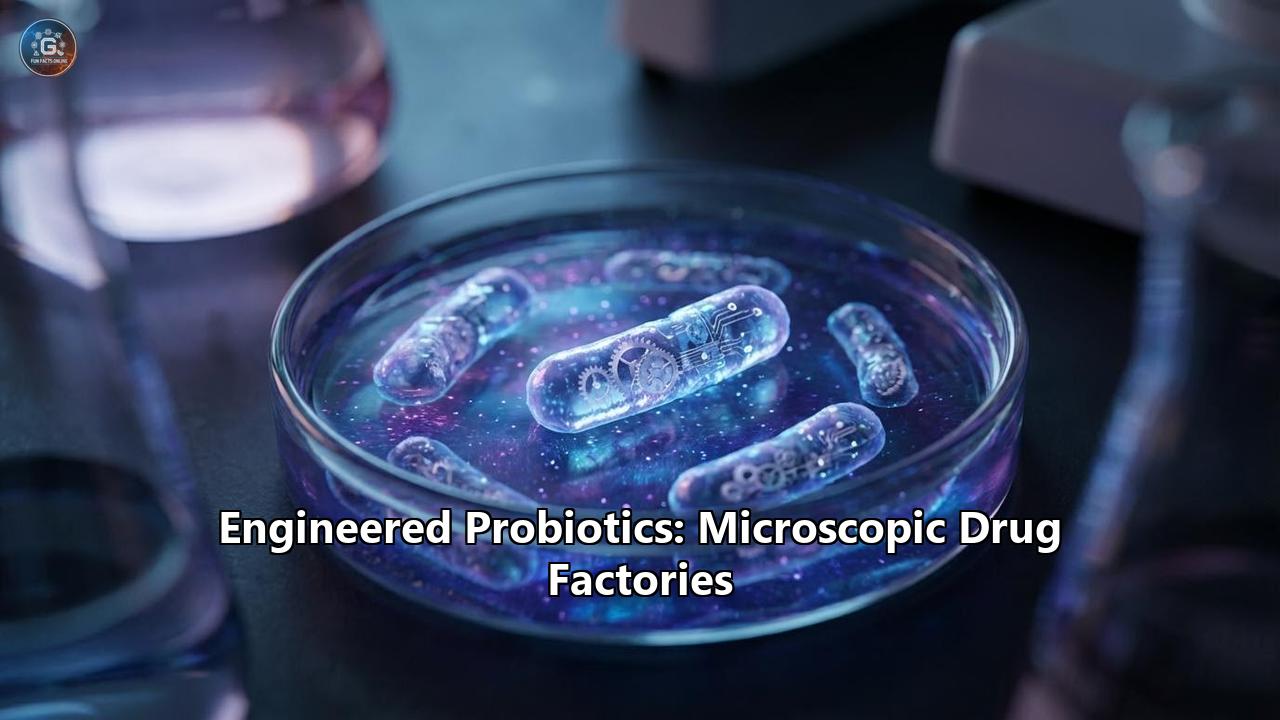
Imagine swallowing a standard-looking capsule, but instead of delivering a static, finite chemical payload, it unleashes billions of intelligent, programmable microscopic factories into your body. Once inside, these microscopic agents do not blindly flood your bloodstream. Instead, they navigate your gastrointestinal tract, seek out specific disease biomarkers, manufacture highly targeted therapeutic drugs exactly when and where they are needed, and then self-destruct when their mission is complete.
This is no longer the realm of science fiction. Welcome to the era of engineered probiotics—often referred to as "living therapeutics" or "Genetically Engineered Microbial Medicines" (GEMMs). By fusing the ancient, symbiotic relationship we share with the microbiome together with the bleeding-edge precision of synthetic biology, scientists are rewriting the rules of modern pharmacology.
For over a century, the medical community has recognized the health benefits of native probiotics—the naturally occurring beneficial bacteria found in fermented foods and dietary supplements. Strains of Lactobacillus and Bifidobacterium have long been utilized to soothe digestion and support generalized immune health. However, traditional probiotics are inherently limited. They are static entities, subject to the harsh and unpredictable environments of the human gut, and their clinical benefits are often generalized, modest, and highly variable from patient to patient.
Engineered probiotics represent a paradigm shift. Through the advent of CRISPR-Cas9 genome editing, advanced synthetic gene circuits, and refined microbial chassis, researchers are upgrading these humble microbes into sophisticated, programmable bioreactors. These living drug factories can diagnose a disease state, compute a biological response, and synthesize complex biotherapeutic molecules—such as monoclonal antibodies, anti-inflammatory cytokines, or tumor-destroying toxins—directly in vivo.
The implications for human health are staggering. From hunting down elusive metastatic cancer cells and reversing autoimmune disorders, to metabolizing toxic byproducts in rare genetic diseases and accelerating chronic wound healing, engineered bacteria are poised to become a central pillar of 21st-century precision medicine.
The Blueprint of a Living Drug Factory
To understand how a microbe becomes a drug factory, one must look at the intersection of genetic engineering and computational logic. Standard pharmaceuticals are manufactured in massive, stainless-steel bioreactors under highly controlled laboratory conditions. With living therapeutics, the bioreactor is the bacterium itself, operating within the complex ecosystem of the human body.
Chassis Selection: Choosing the Right Microbial VehicleThe foundation of any engineered probiotic is its "chassis"—the base organism selected for modification. The chassis must be safe (non-pathogenic), robust enough to survive the acidic plunge through the stomach, and capable of colonizing the intended target site. Escherichia coli Nissle 1917 (EcN) is currently the gold standard in the field. Originally isolated during World War I from a soldier who mysteriously survived a severe outbreak of dysentery, EcN has a proven safety profile and is highly amenable to genetic manipulation. Other popular chassis include Lactobacillus reuteri, Lactococcus lactis, Bifidobacterium, and even attenuated strains of Salmonella, which possess a unique affinity for infiltrating solid tumors.
Genetic Circuits and BiosensorsOnce a chassis is selected, synthetic biologists install "genetic circuits" into the bacterium's DNA. Much like electrical circuits in a computer, these biological circuits use Boolean logic (AND, OR, NOT gates) to dictate bacterial behavior.
The first component of the circuit is the biosensor. Engineered probiotics are equipped with specialized promoter regions that act as molecular antennas. These sensors are designed to detect highly specific environmental cues indicative of disease. For instance, a biosensor might be programmed to react to tetrathionate (a biomarker of intestinal inflammation), abnormal pH levels, hypoxia (low oxygen), or the presence of a specific pathogenic toxin.
Spatiotemporal Drug SynthesisWhen the biosensor detects its target trigger, the genetic circuit flips to the "ON" position, initiating the transcription and translation of a therapeutic transgene. This is where the magic happens. Rather than forcing the patient to endure systemic injections of a drug—which often leads to severe off-target side effects—the engineered probiotic synthesizes the drug locally and temporally. Once the inflammation subsides or the target biomarker drops below a certain threshold, the circuit turns "OFF," halting drug production. This dynamic, sense-and-respond capability distinguishes living therapeutics from every other class of medication in existence.
Oncology’s New Frontier: Tumor-Hunting Bacteria
One of the most thrilling and rapidly advancing applications of engineered probiotics is in the realm of oncology. Solid tumors are notoriously difficult to treat. They build dense, fibrotic walls around themselves, harbor immunosuppressive microenvironments, and feature chaotic, leaky blood vessels. The core of a solid tumor is often necrotic and highly hypoxic (oxygen-starved). While these conditions repel the body's immune cells and restrict the penetration of conventional chemotherapy drugs, they are an absolute paradise for anaerobic and facultative anaerobic bacteria.
Bacterial Tropism and the Hypoxic CoreCertain bacterial strains naturally exhibit "tumor tropism"—a phenomenon where bacteria administered into the bloodstream selectively migrate toward, and rapidly multiply within, the hypoxic cores of solid tumors. In preclinical murine models, engineered bacteria have been shown to accumulate in tumor tissue at concentrations up to a thousand times higher than in healthy organs.
Researchers are harnessing this natural homing ability to turn bacteria into tumor-destroying Trojan horses. Instead of relying on passive diffusion, these microbes actively swim into the tumor depths, bypassing the barriers that stymie traditional nanomedicines.
Programmable AssassinsOnce nested inside the tumor, the bacteria get to work. Recent studies have successfully engineered E. coli devices to specifically target and eliminate breast cancer cells. By expressing specialized nanobodies on their surface (facilitated by the Ag43 autotransporter protein system), these bacteria can firmly bind to HER2 receptors, which are overexpressed in aggressive breast cancers.
Upon binding to the cancer cell, the microbe triggers a synthetic protein secretion circuit. Utilizing a secretion tag (such as YebF), the bacteria pump out a pore-forming toxin known as HlyE. This toxin effectively punches holes in the cancer cell membrane, leading to targeted cell death. Because the bacteria only synthesize and secrete the toxin when bound to the HER2 receptor in the tumor microenvironment, healthy surrounding tissues remain entirely unharmed.
Engineered Bacteria-Nano Hybrid SystemsThe frontier of bacterial oncology is moving toward "bacteria-nano hybrid systems". These intelligent platforms represent a fusion of synthetic biology and advanced materials science. In these systems, engineered bacteria are coupled with functional nanomaterials, such as pH-responsive hydrogels or gold nanorods.
The microbe acts as the active navigation system, driving the nanoparticle payload deep into the poorly vascularized tumor regions. Once anchored in the tumor, the bacteria can be triggered by external stimuli—such as a specific wavelength of near-infrared light or localized heat—to release massive doses of chemotherapeutics or immunomodulatory cytokines (like TNF-α and IL-12). These locally secreted cytokines not only kill cancer cells but also shatter the tumor's immunosuppressive shield, recruiting the patient’s own macrophages and dendritic cells to join the fight.
Taming the Fire Within: Inflammatory Bowel Disease (IBD)
While bacterial cancer therapies often involve intravenous delivery, the most natural habitat for engineered probiotics is the human gastrointestinal tract. Consequently, some of the most mature clinical applications for living therapeutics are targeting gastrointestinal disorders, particularly Inflammatory Bowel Disease (IBD), which encompasses Crohn's disease and ulcerative colitis.
IBD is characterized by chronic, debilitating inflammation of the digestive tract, driven by a dysregulated immune system and severe intestinal dysbiosis (an imbalance of the gut microbiota). In a healthy gut, the epithelial barrier is protected by a thick mucus layer and secured by "tight junction" proteins that prevent luminal antigens and pathogens from leaking into the bloodstream. In IBD patients, this barrier is compromised, leading to a perpetual cycle of immune hyperactivation.
Cytokine Factories in the ColonTraditional treatments for IBD involve systemic immunosuppressants or biologic injections, which carry high costs, diminishing efficacy over time, and severe side effects, including increased susceptibility to systemic infections. Engineered probiotics offer a localized, precision-medicine alternative.
Over two decades ago, foundational proof-of-concept studies demonstrated that Lactococcus lactis could be engineered to secrete human Interleukin-10 (IL-10), a potent anti-inflammatory cytokine, directly at the site of intestinal inflammation. Modern iterations of these probiotics are infinitely more advanced. Equipped with smart biosensors, today's engineered strains can continuously monitor the gut for reactive oxygen species (ROS) or inflammatory markers. When a flare-up is detected, the bacteria initiate a multi-pronged defense: they pump out targeted IL-10 to calm the immune system, secrete antioxidants to scavenge tissue-damaging ROS, and release factors that upregulate the expression of MUC2 (the primary component of intestinal mucus) to actively rebuild the gut barrier.
Pioneering GEMMs: The Novome Biotechnologies StoryThe leap from preclinical theory to human clinical reality in the gut microbiome space is being spearheaded by innovative biotech firms. A prime example is Novome Biotechnologies, a clinical-stage company that has developed a proprietary platform for Genetically Engineered Microbial Medicines (GEMMs).
Novome's approach is revolutionary because it solves one of the greatest challenges in microbiome therapy: colonization control. The human gut is a fiercely competitive ecosystem. When a foreign probiotic is introduced, it is usually rapidly outcompeted by the trillions of native bacteria and flushed from the system within days. To ensure their engineered drug factories can set up shop and survive, Novome created a brilliant dietary lock-and-key system.
Their engineered strains are designed to depend on a specific, seaweed-derived prebiotic polysaccharide (a privileged carbon source) that humans do not naturally consume and native gut bacteria cannot easily digest. By taking a daily dose of this seaweed prebiotic, a patient creates an exclusive ecological niche for the engineered probiotic. If the patient stops taking the prebiotic, the engineered bacteria are swiftly starved out and eliminated from the body, providing an ultimate, highly controllable safety switch.
In late 2021, Novome announced a massive multi-year collaboration with Genentech to utilize this GEMMs platform to discover and develop novel bacterial strains specifically engineered to target and treat Inflammatory Bowel Disease. The ability to controllably engraft a microbe and dial its abundance up or down simply by adjusting the dose of a seaweed prebiotic represents a watershed moment in pharmacology.
Metabolic Alchemy: Correcting Rare Diseases from the Gut
Beyond treating inflammation, engineered probiotics can function as auxiliary organs, quietly cleaning the blood and metabolizing toxic compounds from within the intestines. This "metabolic assistance" is proving to be life-changing for patients suffering from rare, inborn errors of metabolism.
Enteric Hyperoxaluria and Kidney StonesEnteric hyperoxaluria is a severe condition where the body absorbs dangerously high levels of oxalate from the diet, leading to recurrent, debilitating kidney stones and, eventually, chronic kidney failure. Novome Biotechnologies utilized its GEMMs platform to create NOV-001, a combination product featuring an engineered bacterial strain (NB1000S) programmed to aggressively degrade oxalate in the gastrointestinal tract, paired with its prebiotic control molecule (NB2000P).
By breaking down oxalate in the gut before it can be absorbed into the bloodstream and filtered by the kidneys, NOV-001 essentially acts as a localized metabolic shield. In a landmark Phase 1 clinical trial, the company successfully demonstrated the safe colonization of the human gut with this therapeutically engineered microbe, proving that humans can safely host synthetic drug factories that operate on a daily, tightly regulated basis.
Phenylketonuria (PKU) and Ammonia ClearanceSimilar metabolic strategies are being deployed for Phenylketonuria (PKU), a genetic disorder where patients cannot break down the amino acid phenylalanine. If left untreated, phenylalanine accumulates to neurotoxic levels, causing severe cognitive impairment. Traditional treatment requires a lifelong, punishingly strict diet. However, clinical trials have explored the use of engineered E. coli Nissle strains programmed to express enzymes that metabolize phenylalanine within the gut, essentially doing the metabolic heavy lifting that the patient's own liver cannot do.
Wound Healing and the Skin Microbiome
While the gut and solid tumors dominate the headlines, living therapeutics are also making profound strides in topical applications, particularly for chronic wound healing and skin trauma recovery.
Patients with diabetes frequently suffer from chronic foot ulcers—wounds that refuse to heal due to poor circulation, localized immune deficiency, and persistent bacterial infections. Traditional treatments involve aggressive antibiotics and expensive, fragile stem cell therapies that carry a risk of immune rejection. Engineered probiotics offer a resilient, non-cellular (in the human tissue sense), yet living system that provides continuous paracrine signaling to damaged tissue.
Recent breakthroughs have featured genetically engineered Lactobacillus reuteri strains designed to express human chemokines, such as CXCL12. When applied to a wound bed, these bacteria act as localized therapeutic factories. The continuous secretion of CXCL12 dramatically accelerates wound repair by promoting angiogenesis (the formation of new blood vessels), modulating the local immune response, and stimulating the migration of native skin cells to close the wound. Because these engineered probiotics self-replicate, their therapeutic potency is sustained over time, eliminating the need for constant reapplication of highly unstable, expensive recombinant growth factors. Following highly successful results in murine and minipig models, these CXCL12-producing strains have progressed into human Phase II clinical trials, signaling a new dawn in advanced dermatological care.
Combatting Superbugs: The Anti-Pathogen Probiotics
The rise of antimicrobial resistance (AMR) is one of the most pressing threats to global public health. Broad-spectrum antibiotics are akin to dropping a nuclear bomb on the microbiome—they wipe out the invading pathogen, but they also annihilate the patient's beneficial bacteria, leaving the ecosystem vulnerable to opportunistic superbugs.
Engineered probiotics are the ultimate targeted strike force. Through synthetic biology, researchers have developed "sense-and-destroy" microbes. For example, in the battle against Clostridioides difficile (C. diff)—a notorious, drug-resistant bacterium that causes severe, life-threatening diarrhea—scientists are modifying safe yeasts like Saccharomyces boulardii and bacteria to act as microbial delivery systems.
These engineered sentinels patrol the gut. When they detect the specific chemical signatures or toxins released by C. diff or Cholera, their genetic circuits activate. In response, they synthesize and release highly specific antimicrobial peptides (AMPs) or toxin-neutralizing binding proteins that annihilate the pathogen while leaving the surrounding, healthy microbiome completely untouched. This precise, sniper-like approach to infection control could eventually render broad-spectrum antibiotics obsolete for certain gastrointestinal infections.
Mind and Microbes: Engineering the Gut-Brain Axis
One of the most theoretically fascinating frontiers of living therapeutics is their application to neurology and mental health via the gut-brain axis. It is a well-established biological fact that the enteric nervous system in the gut is in constant communication with the brain via the vagus nerve, and that the native microbiome heavily influences the production of neurotransmitters like serotonin and dopamine.
Recent studies are actively investigating how biocatalysis by genetically engineered gut bacteria can be harnessed to purposefully produce neuromodulators or neurotransmitters. By operating as miniature drug factories within the intestines, these modified microbes could theoretically provide a continuous, stable supply of neuroactive compounds to alleviate symptoms of depression, anxiety, or neurodegenerative diseases. While this specific application is still in its early preclinical stages, the concept of treating the brain by modifying the bugs in the gut illustrates the boundless potential of synthetic microbiology.
The Containment Conundrum: Biosafety and "Kill Switches"
For all their miraculous potential, living therapeutics carry inherent risks that standard chemical drugs do not. Unlike a static pill, engineered probiotics are alive. They can grow, mutate, evolve, and exchange genetic material with other bacteria. The idea of releasing genetically modified organisms (GMOs) into the human body—and, subsequently, into the environment via the patient's waste—presents significant regulatory and ecological challenges.
What happens if an engineered microbe mutates and loses its ability to stop producing a drug? What if it transfers its antibiotic-resistance markers (often used during the engineering process) to a pathogenic strain of bacteria in the gut?
To address these valid concerns, synthetic biologists have spent the last decade perfecting the ultimate biological fail-safes: Kill Switches and Biocontainment Firewalls.
- Auxotrophy (Dietary Locks): As demonstrated by Novome Biotechnologies, making the bacteria metabolically dependent on a synthetic amino acid or a rare, non-human dietary compound ensures that the bacteria simply cannot survive outside the specific environment of the treated patient.
- Temperature Sensors: Some genetic circuits are wired to the human body's exact temperature. If the bacterium is excreted and hits the colder temperatures of the external environment or the sewage system, a genetic "kill switch" activates, producing an enzyme that shreds the bacterium’s own DNA.
- Genomic Integration: Instead of placing the therapeutic genes on floating plasmids (which are easily shared between bacteria through horizontal gene transfer), scientists now integrate the synthetic circuits directly into the bacterium's chromosomal DNA, drastically reducing the risk of rogue genetic proliferation.
- Self-Limiting Circuits: Microbes can be programmed to count their own cell divisions. After a certain number of generations, or after a specific period of time has elapsed, the bacteria initiate programmed cell death (apoptosis).
These stringent, multi-layered biocontainment strategies are transforming engineered probiotics from a theoretical ecological hazard into one of the most rigorously controlled therapeutic platforms in medical history.
The Regulatory Frontier and Future Outlook
The clinical translation of engineered bacteria requires navigating a complex regulatory landscape. Regulatory bodies like the FDA and the EMA are being forced to adapt their frameworks to accommodate drugs that are alive, dynamic, and responsive. The successful completion of early-phase clinical trials—such as those by Novome for hyperoxaluria and researchers testing CXCL12-expressing microbes for wound healing—proves that these hurdles are surmountable.
As we look toward the 2030s, the evolution of living therapeutics will likely merge with other cutting-edge disciplines. We will see the rise of personalized engineered probiotics, where a patient’s unique microbiome is sequenced, and a bespoke bacterial strain is synthesized specifically to integrate into their distinct biological ecosystem. Advances in machine learning and single-cell sequencing are already being used to predict how specific engineered strains will interact with host immunity, allowing scientists to rapidly prototype highly stable genetic circuits.
Furthermore, the integration of 3D bioprinted intestinal models and microfluidic "gut-on-a-chip" systems is drastically accelerating the preclinical testing phase, bypassing the limitations of traditional animal models and bringing these microscopic factories to human trials faster than ever before.
Conclusion
The evolution from consuming fermented foods for vague digestive health to deploying programmable, CRISPR-edited microbial robots represents one of the most profound leaps in the history of medicine. Engineered probiotics are transcending the definition of dietary supplements to become fully autonomous, microscopic drug factories.
By turning the very organisms that inhabit us into targeted healers, we are unlocking the ability to treat solid tumors without the collateral damage of chemotherapy, to calm the raging fires of autoimmune diseases from within the gut lining, to perform complex metabolic alchemy for those with rare genetic disorders, and to hunt down superbugs with molecular precision.
Challenges remain, particularly concerning long-term genetic stability, regulatory standardization, and the vast complexity of host-microbiome interactions. Yet, with every successful clinical trial and every advancement in synthetic biology, the promise of living therapeutics comes closer to everyday reality. The future of medicine may not be found in a traditional chemistry lab, but rather in the programmable, microscopic universe thriving within us.
Reference:
- https://www.medboundhub.com/t/living-pharmacies-engineered-gut-microbes-as-on-demand-drug-factories/13727
- https://www.thepharmaletter.com/ones-to-watch/novome-biotechnologies
- https://www.frontiersin.org/journals/bioengineering-and-biotechnology/articles/10.3389/fbioe.2022.870675/full
- https://www.eurekalert.org/news-releases/1111755
- https://apnews.com/9468ac7b57b4f2090af79f28db58759d
- https://pubs.acs.org/doi/10.1021/acssynbio.3c00723
- https://www.mdpi.com/1999-4923/17/10/1349
- https://academic.oup.com/burnstrauma/article/doi/10.1093/burnst/tkaf068/8300240
- https://pubmed.ncbi.nlm.nih.gov/40252271/
- https://pmc.ncbi.nlm.nih.gov/articles/PMC12328466/
- https://pubs.acs.org/doi/abs/10.1021/acssynbio.3c00723
- https://www.frontiersin.org/journals/microbiology/articles/10.3389/fmicb.2025.1696524/full
- https://www.altapartners.com/novome-biotechnologies-and-genentech-enter-into-a-strategic-collaboration-to-develop-targets-against-inflammatory-bowel-disease/
- https://pmc.ncbi.nlm.nih.gov/articles/PMC12865409/
- https://pmc.ncbi.nlm.nih.gov/articles/PMC12584474/
- https://www.researchgate.net/publication/399921279_Engineered_probiotics_for_inflammatory_bowel_disease_therapy_mechanisms_delivery_strategies_and_precision_medicine
- https://www.cellandgene.com/doc/inside-novome-biotechnologies-phase-study-of-nov-0001
- https://www.microbiometimes.com/novome-biotechnologies-reports-positive-results-from-a-phase-1-study-of-nov-001/
- https://protomag.com/genetics/should-we-monkey-with-the-microbiome/