
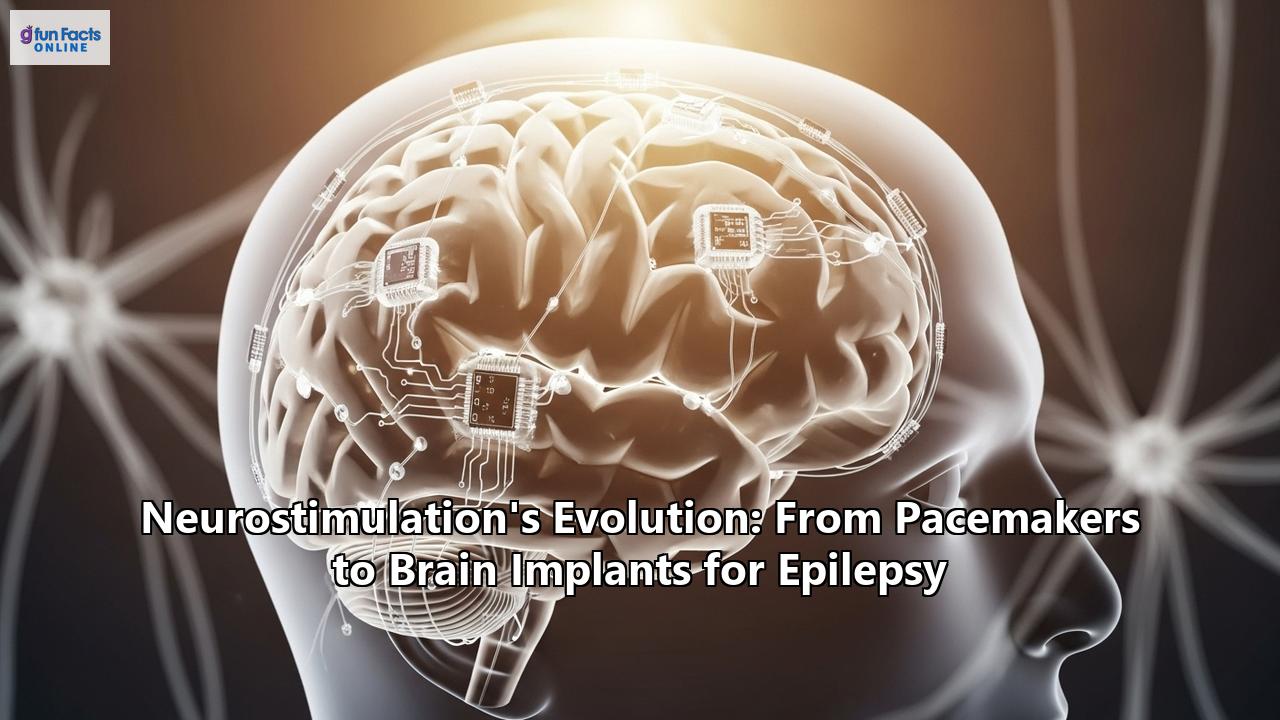
From the gentle, crackling spark of discovery to the sophisticated, life-altering technologies of today, the story of neurostimulation is a testament to human ingenuity and our relentless pursuit of understanding the body's intricate electrical circuitry. It is a journey that begins not in a modern laboratory, but in the ancient world, with the curious application of nature's own electrical marvels. This narrative winds its way through centuries of scientific inquiry, from rudimentary experiments with static electricity to the development of devices that can regulate the heart's rhythm and, now, even calm the storms of an epileptic brain.
Ancient Sparks: The Dawn of Electrical Healing
The concept of using electricity for therapeutic purposes is surprisingly ancient. As far back as 46 AD, the Roman physician Scribonius Largus documented the use of the torpedo fish, or electric ray, to alleviate the pain of headaches. Patients would be instructed to stand on the live fish on a moist shore until the numbing sensation traveled up their leg, a primitive form of what we now know as transcutaneous electrical nerve stimulation (TENS). Similarly, in the 11th century, the Persian physician Ibn-Sidah proposed using the same electric fish to treat epilepsy by placing them between the eyebrows. These early explorations, while lacking a scientific framework, demonstrated a fundamental, albeit intuitive, understanding that external electrical forces could influence the body's internal state.
The 17th and 18th centuries marked a turning point, as scientific pioneers began to unravel the mysteries of electricity. The invention of the Leyden jar in the mid-1700s, a device capable of storing an electrical charge, provided a more controlled and reproducible source of electricity than the unpredictable discharge of a fish. This innovation paved the way for more systematic investigations. In 1746, Jean Jallabert used a Leyden jar to stimulate the muscles of a paralyzed locksmith's arm, leading to involuntary contractions, increased blood flow, and eventual muscle regeneration. A decade later, Leopoldo Caldani observed that a dissected frog's leg would twitch when a Leyden jar was discharged nearby, a discovery that captivated the scientific community and fueled the idea of electricity as a potential "miracle cure."
Perhaps one of the most famous figures to be intrigued by these developments was Benjamin Franklin. He conducted his own experiments on using electrical stimulation for pain relief, though his use of high-voltage shocks often resulted in more discomfort than cure. Nevertheless, the seed of an idea had been firmly planted: the body's functions could be influenced, and potentially corrected, by the application of electricity.
The true scientific genesis of neurostimulation, however, can be traced to the late 18th century and the groundbreaking work of Luigi Galvani. In 1791, his experiments demonstrating that electrical stimulation of a frog's nerves could induce muscle contraction gave birth to the field of bioelectricity. Galvani's discoveries provided the first concrete evidence that electricity was the language of the nervous system, the very medium through which commands were sent from the brain to the muscles. This fundamental insight laid the conceptual groundwork for all subsequent neurostimulation technologies.
The 19th century saw a surge in experimentation with electrical stimulation for a wide range of neurological and psychiatric conditions, including paralysis and even depression. German psychiatrists, in particular, became early adopters of electrotherapy. In 1884, Sir Victor Horsely pioneered the use of intraoperative neurostimulation to identify the specific area of the cortex responsible for epileptic seizures in a patient, a technique that remains crucial in neurosurgery today. However, the field was also rife with a variety of methods and a lack of standardized protocols, leading to often contradictory and inconclusive results. This, coupled with the advent of more drastic interventions like electroconvulsive therapy (ECT) in the 1930s, led to a temporary decline in the popularity of direct current stimulation.
Despite these setbacks, the early 20th century witnessed the emergence of devices like the "Electreat," a popular, early version of the modern TENS unit, used for all manner of pain conditions. The modern era of neurostimulation, however, truly began to take shape in the mid-20th century, propelled by a deeper understanding of neurophysiology and significant technological advancements.
A pivotal moment came in the 1960s with the formulation of the Melzack-Wall gate control theory of pain. This theory proposed that the spinal cord contains a neurological "gate" that either blocks pain signals or allows them to proceed to the brain. The theory suggested that this gate could be "closed" by stimulating other non-painful sensory nerves. This provided a scientific rationale for the use of electrical stimulation for pain relief and spurred a more informed evolution of clinical neurostimulation.
It was during this period that the first implantable medical devices began to appear. While the cardiac pacemaker, first developed in the 1950s, is perhaps the most well-known early example of a device that used electrical impulses to regulate a bodily function, its development ran parallel to and informed the burgeoning field of neurostimulation. In the late 1960s, Medtronic received FDA approval to distribute the first devices specifically for the treatment of pain. Dr. Norman Shealy is credited with introducing neurostimulation into mainstream clinical practice with his development of a stimulating lead for the dorsal columns of the spinal cord, initially used to treat a terminally ill cancer patient.
The applications of neurostimulation soon expanded beyond pain management. Soviet scientists in the 1960s began using electrical muscle stimulation (EMS) to train elite athletes, claiming significant gains in strength. This technique, which involves stimulating muscles to contract, also found applications in physical rehabilitation for preventing muscle atrophy and restoring function in individuals with injuries or paralysis.
The late 20th century witnessed a rapid expansion in the targets and applications of neurostimulation. Deep brain stimulation (DBS), initially explored for pain, began to be investigated for movement disorders like Parkinson's disease in the 1980s. This technique involves implanting electrodes deep within the brain to modulate the activity of specific neural circuits.
It was also during this time that the seeds for using neurostimulation to treat epilepsy were sown. While early attempts with torpedo fish had hinted at this possibility centuries earlier, the modern era of neurostimulation for epilepsy began in earnest with the development of Vagus Nerve Stimulation (VNS). The first VNS device was implanted in a patient with drug-resistant epilepsy in 1987. This marked a significant milestone, offering a new therapeutic avenue for patients whose seizures were not controlled by medication.
The VNS Therapy System, as it came to be known, received FDA approval in 1997 for treating drug-resistant partial-onset seizures in adults and adolescents. This paved the way for a revolution in the treatment of epilepsy, demonstrating that modulating the activity of a peripheral nerve—the vagus nerve in the neck—could have profound effects on the brain's electrical activity.
The journey from the crude application of electric fish to the precise, programmable neurostimulation devices of today is a remarkable one. It is a story of incremental discoveries, technological leaps, and a deepening understanding of the body's electrical self. The success of pacemakers in regulating the heart's rhythm provided a powerful proof-of-concept for implantable electrical devices. This, combined with a growing understanding of the nervous system, set the stage for the development of brain implants for epilepsy, a technology that continues to evolve and offer hope to millions.
The Heart's Metronome: How Pacemakers Paved the Way
The development of the cardiac pacemaker is a pivotal chapter in the history of medical technology, a story of innovation that not only revolutionized cardiology but also laid the essential groundwork for the broader field of implantable neurostimulation devices. The journey to create a reliable, implantable device that could regulate the heart's rhythm was fraught with challenges, but its ultimate success provided the technological and conceptual framework that would later be adapted for treating neurological disorders like epilepsy.
The heart, at its core, is an electrical organ. Its rhythmic contractions are driven by a natural pacemaker, a small group of cells known as the sinoatrial (SA) node, which generates electrical impulses that spread throughout the heart muscle, causing it to beat. When this natural pacemaker falters, the heart's rhythm can become dangerously slow, fast, or irregular, a condition known as arrhythmia.
The idea of using external electrical stimulation to restart a stopped heart or regulate its beat had been explored since the late 18th century. However, it wasn't until the 20th century that the technology began to catch up with the concept. In 1950, Canadian engineer John Hopps, while researching hypothermia, discovered that he could restart a stopped dog's heart by applying an external electrical stimulus. This led him to develop the world's first external cardiac pacemaker, a bulky, AC-powered device that, while life-saving, was far from a practical long-term solution.
A significant breakthrough came in 1957 when American electrical engineer Earl Bakken, co-founder of Medtronic, developed the first wearable, battery-powered, external pacemaker. This device, about the size of a paperback book, could be worn by patients, granting them a degree of mobility that was previously impossible. Bakken's invention was a direct response to a request from Dr. C. Walton Lillehei, a pioneering open-heart surgeon at the University of Minnesota, who needed a reliable way to pace the hearts of his young patients recovering from surgery.
While these external devices were a major step forward, the ultimate goal was a fully implantable pacemaker that could provide long-term, continuous pacing without the need for external wires. The primary obstacles to achieving this were the development of a reliable, long-lasting power source and the creation of biocompatible materials that could be safely implanted in the body.
The first successful implantation of a fully internal pacemaker occurred in 1958 in Sweden. The device, designed by engineer Rune Elmqvist, used a rechargeable battery and was implanted in a patient named Arne Larsson by surgeon Åke Senning. Although this first device failed after only a few hours, a second, improved version was implanted that lasted for several days. Over his lifetime, Larsson would receive a total of 26 different pacemakers.
In the United States, the first implantable pacemaker was developed by Dr. William Chardack and engineer Wilson Greatbatch. Their design, which utilized a non-rechargeable mercury-zinc battery, was first successfully implanted in a human patient in 1960. This event is widely considered the beginning of the modern era of cardiac pacing.
The development of the implantable pacemaker was a triumph of biomedical engineering, but its significance extends far beyond cardiology. The challenges that were overcome in its creation—miniaturization of electronics, development of long-lasting power sources, and the use of biocompatible materials—were the very same challenges that would need to be addressed in the development of implantable neurostimulation devices.
The pacemaker demonstrated that it was possible to safely and effectively implant an electronic device in the human body to modulate its electrical activity over long periods. It provided a powerful proof-of-concept that would inspire and guide the development of a whole new class of medical devices. The technologies developed for cardiac pacing, such as hermetically sealed titanium casings to protect the electronics from the body's corrosive fluids, and flexible, durable leads to deliver the electrical impulses to the target tissue, were directly transferable to the field of neurostimulation.
Furthermore, the success of the pacemaker instilled a sense of confidence in the medical community and the public that implantable electronic devices could be a viable and effective treatment option for a range of chronic conditions. This acceptance was crucial for the later adoption of neurostimulation therapies for conditions like chronic pain, movement disorders, and, eventually, epilepsy.
In essence, the cardiac pacemaker was the trailblazer, the technological forerunner that cleared the path for the development of more complex and sophisticated implantable devices. The lessons learned in creating a device to regulate the simple, rhythmic beat of the heart provided the foundation upon which the intricate and nuanced field of brain stimulation for epilepsy would be built.
From a Steady Beat to a Calm Mind: The Leap to Brain Implants for Epilepsy
The conceptual and technological leap from the rhythmic pacing of the heart to the intricate modulation of the brain's electrical activity represents one of the most significant advancements in modern medicine. While the cardiac pacemaker provided the foundational technology for implantable devices, the application of this technology to the brain, a far more complex and delicate organ, required a new level of understanding and sophistication. The story of how neurostimulation evolved from a device that ensures a steady heartbeat to one that can quell the electrical storms of an epileptic seizure is a testament to the convergence of neuroscience, engineering, and clinical innovation.
Epilepsy, at its core, is a neurological disorder characterized by recurrent, unprovoked seizures. These seizures are the result of abnormal, excessive, or synchronous neuronal activity in the brain. For centuries, the primary treatment for epilepsy was medication. However, for a significant portion of patients—up to 40%—antiepileptic drugs are not effective in controlling their seizures. This group of patients, diagnosed with drug-resistant or medically refractory epilepsy, faced a grim prognosis with limited treatment options.
For some of these patients, resective surgery—the surgical removal of the small area of the brain where seizures originate—can be a cure. However, this option is only available to a select group of patients whose seizures originate from a single, well-defined area that can be safely removed without causing significant neurological deficits. For the many patients for whom surgery is not an option, there was a desperate need for new therapeutic approaches.
The idea of using electrical stimulation to treat epilepsy was not entirely new. As mentioned earlier, there were historical accounts of using electric fish for this purpose, and in the late 19th century, surgeons had used electrical probes to map the brains of epilepsy patients. However, the development of a practical, implantable neurostimulation device for epilepsy did not begin in earnest until the latter half of the 20th century.
The success of deep brain stimulation (DBS) for movement disorders in the 1980s and 1990s provided a crucial stepping stone. DBS demonstrated that implanting electrodes into deep brain structures and delivering continuous electrical stimulation could effectively modulate the abnormal brain activity that caused the symptoms of diseases like Parkinson's and essential tremor. This success raised a tantalizing question: could a similar approach be used to disrupt the abnormal brain activity that leads to epileptic seizures?
The brain, however, is a far more complex target than the heart. The heart's electrical system is relatively straightforward, with a single, predictable pathway. The brain, on the other hand, is a vast and intricate network of billions of neurons, with countless interconnected circuits. Identifying the precise location to stimulate to prevent seizures, and determining the optimal stimulation parameters, was a monumental challenge.
The first major breakthrough in neurostimulation for epilepsy came not from direct brain stimulation, but from a more indirect approach: Vagus Nerve Stimulation (VNS). The vagus nerve is a long cranial nerve that extends from the brainstem down to the abdomen, playing a key role in regulating a wide range of bodily functions. The rationale behind VNS was that stimulating this nerve could send signals up to the brain and modulate the activity of brain regions involved in seizure generation.
After promising results in animal studies, the first VNS device was implanted in a human patient in 1987. The VNS Therapy system consists of a small, pacemaker-like generator implanted in the chest and a lead wire that is tunneled under the skin and wrapped around the vagus nerve in the neck. The device is programmed to deliver intermittent electrical pulses to the nerve, typically for 30 seconds every 5 minutes.
In 1997, after rigorous clinical trials demonstrated its safety and efficacy, the VNS Therapy system received FDA approval, becoming the first neurostimulation device specifically for the treatment of epilepsy. This was a landmark moment, offering a new treatment option for patients with drug-resistant epilepsy who were not candidates for surgery.
While VNS was a major step forward, it was not a cure. The therapy typically reduces seizure frequency by about 50%, and some patients experience side effects such as hoarseness, coughing, and shortness of breath during stimulation. Nevertheless, VNS proved that neuromodulation was a viable strategy for epilepsy treatment and paved the way for the development of more direct and sophisticated brain stimulation technologies.
The next major evolution in neurostimulation for epilepsy was the development of responsive neurostimulation (RNS). The RNS System, which received FDA approval in 2014, represents a significant paradigm shift from the open-loop stimulation of VNS to a more intelligent, closed-loop system.
The RNS System consists of a small neurostimulator implanted in the skull and leads with electrodes that are placed directly on the surface of the brain or into the brain tissue at the site where seizures are believed to originate. The key innovation of the RNS system is its ability to continuously monitor the brain's electrical activity, or electrocorticograms (ECoGs). Using sophisticated algorithms, the device can detect the specific patterns of brain activity that precede a seizure. When these patterns are detected, the device delivers a short burst of electrical stimulation directly to the seizure focus, with the goal of disrupting the abnormal activity and preventing the seizure from occurring.
This "smart" approach to neurostimulation offers several advantages. By only stimulating when necessary, it can potentially be more effective and have fewer side effects than continuous stimulation. Furthermore, the RNS system provides an unprecedented window into the brain, recording and storing ECoG data that can be invaluable for neurologists in understanding a patient's seizure patterns and optimizing their treatment.
The most recent addition to the neurostimulation arsenal for epilepsy is the use of deep brain stimulation (DBS) targeting a specific brain structure called the anterior nucleus of the thalamus (ANT). The thalamus is a deep brain structure that acts as a central relay station for information flowing to and from the cerebral cortex. The ANT is a key node in the brain's limbic system, a network of structures involved in emotion, memory, and seizure propagation.
The rationale for targeting the ANT is that it is a critical chokepoint in the spread of seizures throughout the brain. By stimulating this nucleus, it may be possible to disrupt the propagation of seizure activity, even if the seizures originate in a different part of the brain. In 2018, after a large, randomized controlled trial demonstrated its efficacy, the FDA approved DBS of the ANT for the treatment of drug-resistant focal epilepsy.
The evolution from pacemakers to these sophisticated brain implants for epilepsy represents a remarkable journey of scientific and technological progress. The development of VNS, RNS, and DBS has provided new hope for millions of patients who previously had none. While these therapies are not a cure for epilepsy, they represent a major step forward in our ability to manage this challenging condition.
Looking to the future, the field of neurostimulation for epilepsy continues to evolve at a rapid pace. Researchers are exploring new brain targets, developing more sophisticated stimulation paradigms, and working to create smaller, more powerful, and longer-lasting devices. The ultimate goal is to develop therapies that are not only more effective in controlling seizures but also have fewer side effects and are tailored to the individual needs of each patient.
The journey from a simple device that keeps the heart beating to a complex system that can listen to and respond to the brain's own electrical language is a testament to the power of human innovation. As our understanding of the brain continues to grow, so too will our ability to develop new and even more effective neurostimulation therapies for epilepsy and a wide range of other neurological and psychiatric disorders.
A Symphony of Circuits: How Neurostimulation Tames the Epileptic Brain
To understand how a carefully applied electrical current can prevent or reduce epileptic seizures, it's essential to first appreciate the brain as an electrical organ. The brain is a complex network of billions of neurons that communicate with each other through electrical and chemical signals. A thought, a memory, a movement—all are the result of precisely orchestrated patterns of electrical activity. An epileptic seizure, in its simplest terms, is a disruption of this harmony, a sudden, uncontrolled burst of electrical activity that overwhelms the brain's normal functioning.
Neurostimulation for epilepsy works by introducing its own electrical signals into this complex network. The goal is not to overpower the brain's activity, but rather to modulate it, to gently guide it back towards a more stable, less seizure-prone state. The exact mechanisms by which this is achieved are still being fully elucidated, but research has revealed several key ways in which neurostimulation can exert its therapeutic effects.
Vagus Nerve Stimulation (VNS): The Indirect Approach
Vagus Nerve Stimulation (VNS) is the oldest and most widely used form of neurostimulation for epilepsy. It takes an indirect approach, targeting the vagus nerve in the neck rather than the brain itself. The vagus nerve is a major information highway, with about 80% of its fibers sending signals from the body up to the brain. By stimulating this nerve, VNS can influence the activity of a wide range of brain regions.
The precise anti-seizure mechanism of VNS is not fully understood, but it is believed to work through several pathways:
- Modulation of Neurotransmitters: VNS has been shown to increase the levels of certain neurotransmitters in the brain, particularly norepinephrine and serotonin. These neurotransmitters play a crucial role in regulating mood, alertness, and, importantly, seizure threshold. By boosting their levels, VNS can make the brain less susceptible to seizures.
- Desynchronization of Brain Activity: Seizures are characterized by hypersynchronous firing of neurons. VNS is thought to disrupt this synchrony, making it more difficult for a seizure to start and spread. It's like clapping out of rhythm at a concert—a few out-of-sync claps can disrupt the coordinated applause of the entire audience.
- Changes in Blood Flow: VNS has been shown to alter blood flow in specific brain regions, particularly the thalamus, a key relay center for sensory information and a critical node in many seizure networks. These changes in blood flow may reflect underlying changes in neuronal activity that contribute to the anti-seizure effect.
One of the unique features of VNS is its "on-demand" stimulation capability. In addition to the regularly scheduled stimulation, patients are given a magnet that they can swipe over the device in their chest when they feel a seizure coming on. This triggers an extra burst of stimulation that can sometimes stop a seizure in its tracks.
Responsive Neurostimulation (RNS): The "Smart" Device
The Responsive Neurostimulation (RNS) System takes a more direct and targeted approach. It is a closed-loop system, meaning it both monitors and stimulates the brain. The key to RNS is its ability to detect the specific "electrical fingerprint" of a patient's seizures.
The RNS system is implanted directly in the skull, with electrodes placed at the seizure focus—the area of the brain where the seizures originate. These electrodes continuously record the brain's electrical activity, or electrocorticograms (ECoGs). This data is analyzed in real-time by the device's sophisticated algorithms.
When the device detects a pattern of brain activity that is characteristic of the onset of a seizure, it delivers a brief, targeted burst of electrical stimulation directly to that area. The goal is to "nip the seizure in the bud," disrupting the abnormal electrical activity before it can spread and cause a full-blown seizure.
The RNS system is a truly personalized form of therapy. The detection and stimulation parameters are tailored to each individual patient based on their unique seizure patterns. Over time, the device learns and adapts, becoming more and more effective at recognizing and responding to the patient's seizures.
In addition to its therapeutic effects, the RNS system provides an invaluable diagnostic tool. The recorded ECoG data can be reviewed by neurologists, providing a detailed, long-term picture of a patient's seizure activity. This information can be used to optimize the device's settings and to gain a deeper understanding of the patient's epilepsy.
Deep Brain Stimulation (DBS): Targeting the Brain's Relay Station
Deep Brain Stimulation (DBS) for epilepsy targets a specific structure deep within the brain called the anterior nucleus of the thalamus (ANT). The thalamus is often described as the brain's "relay station," as it plays a critical role in transmitting information between different parts of the brain. The ANT is a key node in the limbic system, a network of brain structures that is often involved in the generation and spread of seizures.
The rationale behind DBS of the ANT is that by stimulating this central hub, it is possible to disrupt the propagation of seizures throughout the brain, regardless of where they originate. It's like creating a roadblock on a major highway—even if there are accidents on the side roads, you can prevent them from causing a major traffic jam on the main thoroughfare.
The DBS system consists of a pacemaker-like device implanted in the chest and leads that are surgically implanted into the ANT. The device delivers continuous, high-frequency stimulation to this target. This stimulation is thought to work by "jamming" the abnormal signals that are trying to pass through the ANT, preventing them from spreading and triggering a seizure.
While the exact mechanisms are still being investigated, DBS of the ANT is believed to work by:
- Inhibiting Neuronal Activity: The high-frequency stimulation may actually inhibit the activity of the neurons in the ANT, making it more difficult for them to transmit seizure signals.
- Modulating Network Activity: By stimulating this key hub, DBS can have widespread effects on the entire seizure network, making it less excitable and less prone to seizures.
- Promoting Neuroplasticity: Over time, the continuous stimulation may induce long-term changes in the brain's circuitry, a phenomenon known as neuroplasticity. These changes may make the brain more resistant to seizures in the long run.
Each of these neurostimulation therapies offers a unique approach to taming the epileptic brain. VNS takes an indirect route, modulating brain activity from the periphery. RNS is a "smart" device that listens and responds to the brain's own language. DBS targets a central relay station to disrupt the spread of seizures. While the specific mechanisms may differ, they all share a common goal: to restore harmony to the brain's electrical symphony and to provide relief for patients who have long suffered from the debilitating effects of epilepsy. The ongoing research in this field promises to further unravel the complexities of these mechanisms, leading to even more effective and personalized neurostimulation therapies in the future.
Living with the Current: The Patient's Journey
For individuals with drug-resistant epilepsy, the decision to undergo neurostimulation therapy is a significant one, often marking a turning point in a long and arduous journey. It is a path that involves careful consideration, a major surgical procedure, and a process of ongoing adjustment and management. Understanding the patient's experience—from the initial evaluation to life with an implanted device—is crucial for appreciating the profound impact of this technology.
The Road to Neurostimulation: Is it the Right Choice?
The journey typically begins after a patient has tried and failed to achieve seizure control with multiple antiepileptic medications. At this point, they are considered to have drug-resistant epilepsy and may be referred to a comprehensive epilepsy center for further evaluation.
The first step is a thorough workup to confirm the diagnosis and to determine if the patient is a candidate for resective surgery. This evaluation often includes:
- Video-EEG Monitoring: The patient is admitted to the hospital for several days, and their brain activity is continuously monitored with an electroencephalogram (EEG) while they are also being videotaped. This allows the medical team to capture seizures and to correlate the electrical activity in the brain with the physical manifestations of the seizure.
- Neuroimaging: High-resolution magnetic resonance imaging (MRI) of the brain is performed to look for any structural abnormalities, such as scarring, tumors, or malformations, that could be the cause of the seizures.
- Neuropsychological Testing: A comprehensive battery of tests is administered to assess the patient's cognitive function, including memory, language, and problem-solving skills. This provides a baseline against which to measure any changes after treatment and can also help to identify the location of the seizure focus.
If this evaluation reveals a single, well-defined seizure focus that can be safely removed, resective surgery is typically recommended, as it offers the best chance for a complete cure. However, if surgery is not an option—because the seizure focus cannot be identified, there are multiple seizure foci, or the focus is in an area of the brain that controls critical functions like language or movement—then neurostimulation becomes a primary consideration.
The choice between the different types of neurostimulation—VNS, RNS, or DBS—is a complex one that depends on a variety of factors, including the type and location of the seizures, the patient's individual anatomy and preferences, and the expertise of the medical team. This decision is typically made in a multidisciplinary conference, where neurologists, neurosurgeons, neuropsychologists, and other specialists review the patient's case and make a recommendation.
The Surgical Procedure: A Leap of Faith
Once the decision has been made to proceed with neurostimulation, the next step is the surgical implantation of the device. While the specifics of the surgery vary depending on the type of device being implanted, all involve a significant surgical procedure performed under general anesthesia.
- VNS Implantation: This is the least invasive of the three procedures. A small incision is made in the chest to create a pocket for the generator, and a second incision is made in the neck to access the vagus nerve. The lead is then tunneled under the skin from the chest to the neck and wrapped around the vagus nerve.
- RNS Implantation: This is a more complex procedure that requires a craniotomy—the surgical removal of a small piece of the skull. The surgeon carefully places the leads with the electrodes on the surface of the brain or into the brain tissue at the predetermined seizure focus. The neurostimulator itself is then placed in the opening in the skull, where it sits flush with the surface.
- DBS Implantation: This is also a major neurosurgical procedure that involves placing the leads deep within the brain. The patient's head is placed in a stereotactic frame, which allows the surgeon to precisely target the anterior nucleus of the thalamus. Small holes are drilled in the skull, and the leads are carefully advanced to the target. The generator is then implanted in the chest, similar to a VNS device, and the leads are tunneled under the skin to connect to it.
Recovery from the surgery typically involves a hospital stay of one to several days. As with any surgery, there are risks, including infection, bleeding, and pain at the incision sites. There are also risks specific to the neurostimulation device, such as lead breakage or migration. However, in the hands of an experienced surgical team, these risks are relatively low.
Life with a Device: A New Normal
Life with a neurostimulation device is a process of adjustment and ongoing management. After the initial healing period, the device is turned on and programmed by the neurologist. This is not a one-time event, but rather the beginning of a collaborative process between the patient and their medical team to find the optimal stimulation parameters.
- Programming Sessions: The patient will have regular follow-up appointments to have the device programmed. During these sessions, the neurologist uses a handheld programmer to communicate with the implanted device and to adjust the stimulation settings. This is a gradual process of trial and error, as the team works to find the settings that provide the best seizure control with the fewest side effects.
- Managing Side Effects: Each type of neurostimulation has its own potential side effects. VNS can cause hoarseness, coughing, and a tingling sensation in the neck during stimulation. RNS and DBS have a lower risk of these types of side effects, but there is a small risk of neurological deficits related to the placement of the electrodes. Most side effects are mild and can be managed by adjusting the stimulation parameters.
- Battery Replacement: The batteries in neurostimulation devices do not last forever. Depending on the device and the stimulation settings, the battery will need to be replaced every 3 to 10 years. This requires a minor surgical procedure to replace the generator.
- The "New Normal": For many patients, life with a neurostimulation device becomes a "new normal." They learn to live with the device, to manage its side effects, and to appreciate the freedom that comes with improved seizure control. While neurostimulation is not a cure for epilepsy, it can be a life-changing therapy. Many patients experience a significant reduction in seizure frequency and severity, which can lead to improved quality of life, greater independence, and a renewed sense of hope.
For patients with drug-resistant epilepsy, the journey to and through neurostimulation is a challenging one, but it is also one that is filled with the promise of a better future. It is a testament to their resilience and to the power of a technology that is transforming the lives of people with this devastating condition.
The Future is Electric: What's Next in Neurostimulation for Epilepsy?
The field of neurostimulation for epilepsy is in a constant state of evolution. Fueled by rapid advancements in neuroscience, engineering, and data science, researchers and clinicians are continually pushing the boundaries of what is possible. The journey from the first rudimentary electrical treatments to the sophisticated implantable devices of today has been remarkable, but the future promises even more targeted, effective, and less invasive therapies.
Smarter and More Responsive Systems
The development of the Responsive Neurostimulation (RNS) system marked a paradigm shift towards "closed-loop" or "smart" devices that can sense and respond to brain activity in real time. The future of neurostimulation will undoubtedly build upon this concept, leading to even more intelligent and autonomous systems.
Future devices will likely incorporate more sophisticated algorithms, potentially using artificial intelligence and machine learning, to more accurately predict the onset of seizures. This could allow for pre-emptive stimulation that stops a seizure before it even begins, perhaps even before the patient is aware that anything is amiss. These systems could also learn and adapt over time, continuously optimizing stimulation parameters to provide the most effective therapy for each individual patient.
New Targets and Expanded Indications
While the current FDA-approved neurostimulation therapies for epilepsy target the vagus nerve, the seizure focus, and the anterior nucleus of the thalamus, researchers are actively exploring a range of other potential targets in the brain. These include other deep brain nuclei, such as the centromedian nucleus of the thalamus, as well as specific regions of the cerebral cortex.
There is also growing interest in using neurostimulation to treat not just the seizures themselves, but also the cognitive and mood-related comorbidities that are so common in people with epilepsy. For example, some studies are investigating whether certain types of brain stimulation can improve memory or reduce the symptoms of depression and anxiety in this population.
Miniaturization and Improved Hardware
One of the major trends in all of medical technology is miniaturization, and neurostimulation is no exception. Future devices will be smaller, less invasive, and more comfortable for patients. This could include the development of "leadless" devices that can be implanted directly at the target site without the need for bulky generators and tunneled wires.
There is also a great deal of research focused on improving the power sources for these devices. This includes the development of longer-lasting batteries, as well as novel technologies such as wireless charging or even devices that can be powered by the body's own energy.
Less Invasive and Non-Invasive Approaches
While the current generation of implantable neurostimulation devices has been life-changing for many patients, the need for invasive surgery remains a significant barrier for some. As a result, there is a great deal of interest in developing less invasive or even completely non-invasive forms of neurostimulation.
One promising area of research is focused ultrasound, which can be used to temporarily and reversibly modulate the activity of deep brain structures without the need for surgery. Other non-invasive techniques, such as transcranial magnetic stimulation (TMS) and transcranial direct current stimulation (tDCS), are also being investigated for their potential to treat epilepsy. While these technologies are still in the early stages of development, they hold the promise of a future where the benefits of neurostimulation can be delivered without the risks and recovery time of surgery.
A Personalized Approach
Perhaps the most exciting and overarching trend in the future of neurostimulation is the move towards a more personalized approach. The "one-size-fits-all" model of treatment is being replaced by a paradigm where therapies are tailored to the individual needs of each patient.
This will be driven by a deeper understanding of the unique "fingerprint" of each patient's epilepsy, including the specific brain networks involved, the underlying genetic factors, and the presence of any comorbidities. By integrating this information with data from advanced imaging and neurophysiological recordings, it will be possible to select the optimal neurostimulation therapy for each patient, to choose the most precise target, and to program the device with the most effective stimulation parameters.
The future of neurostimulation for epilepsy is bright. As our ability to listen to, understand, and interact with the brain's electrical language continues to grow, so too will our ability to develop therapies that are safer, more effective, and more personalized. The journey that began with a curious fish on a Roman shore is far from over. In fact, it is just entering its most exciting chapter, one that promises to bring new hope and a better quality of life to millions of people around the world living with epilepsy.
Reference:
- https://en.wikipedia.org/wiki/Neurostimulation
- https://radiologykey.com/a-history-of-neurostimulation/
- https://soomamedical.com/history-of-neuromodulation/
- https://neupsykey.com/history-of-neurostimulation/
- https://clinicalgate.com/history-of-neurostimulation/
- https://pubmed.ncbi.nlm.nih.gov/28629678/
- https://www.numberanalytics.com/blog/evolution-neurostimulation-therapies
- https://www.neuromodulation.com/brief-history-neuromodulation
- https://en.wikipedia.org/wiki/Electrical_muscle_stimulation
- https://apcp.csp.org.uk/content/guide-use-electrical-stimulation-paediatric-neurodisability
- https://www.frontiersin.org/journals/medical-technology/articles/10.3389/fmedt.2021.696543/full
- https://www.neuromodulation.com/fact_sheet_epilepsy
- https://pmc.ncbi.nlm.nih.gov/articles/PMC5862118/