
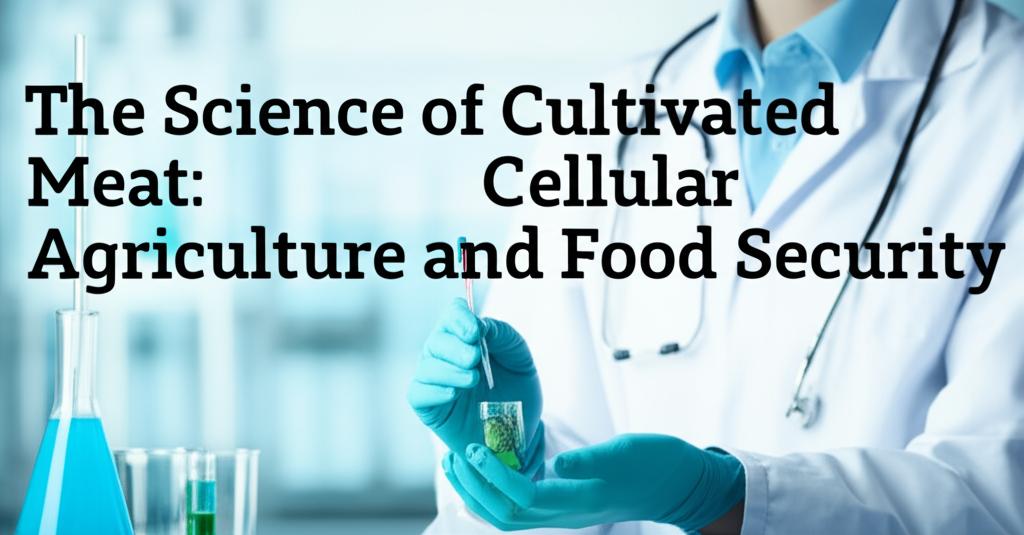
Cultivated meat, also referred to as cultured or lab-grown meat, is genuine animal meat produced by cultivating animal cells in a controlled laboratory setting. This differs from plant-based meat alternatives as it uses actual animal cells, aiming to replicate the taste and texture of conventional meat.
The Production Process:The creation of cultivated meat involves several key steps:
- Cell Isolation: The process begins with obtaining a small sample of cells, typically stem cells or muscle cells, from an animal via a minimally invasive biopsy. These cells possess the ability to multiply and differentiate into various tissue types.
- Cell Culture: The isolated cells are then placed in a nutrient-rich culture medium. This medium provides the essential nutrients, such as amino acids, glucose, vitamins, inorganic salts, and growth factors, necessary for the cells to proliferate.
- Bioreactors: The cells are grown in bioreactors, also known as cultivators. These controlled environments mimic the conditions within an animal's body, providing an oxygen-rich atmosphere and maintaining optimal temperature for cell growth and differentiation.
- Scaffolding: To help cells organize into a structure resembling meat, a scaffold is often used. This can be edible or non-edible and provides a framework for the cells to grow on, forming muscle, fat, and connective tissues.
- Differentiation and Harvesting: Changes in the culture medium composition and cues from the scaffolding trigger the immature cells to differentiate into the desired cell types. Once the cells have matured and formed muscle tissue, they are harvested, prepared, and packaged into final products. The entire process, from cell isolation to harvest, typically takes between two to eight weeks.
Cellular agriculture, and specifically cultivated meat, holds significant potential to address global food security challenges:
- Increased Food Supply: As the global population is projected to reach nearly 10 billion by 2050, the demand for protein is expected to increase substantially. Cultivated meat offers a way to increase the supply of animal-sourced products without further expanding conventional animal agriculture, which is resource-intensive.
- Resource Efficiency: Compared to traditional livestock farming, cultivated meat production is anticipated to use significantly fewer resources. Studies suggest potential reductions in land use by up to 90% and water use by up to 66%.
- Reduced Environmental Impact: Cultivated meat has the potential to significantly lower greenhouse gas emissions, by as much as 92% if produced using renewable energy, compared to conventional beef. It can also reduce agriculture-related pollution, deforestation, and biodiversity loss.
- Enhanced Food Safety: Because it's produced in a controlled, sterile environment, cultivated meat is expected to have a lower risk of contamination from foodborne pathogens, such as those stemming from enteric waste during slaughter. Additionally, the production process typically does not require antibiotics, which could help combat the growing issue of antibiotic resistance.
- Resilience to Climate Change: Cultivated meat production is independent of seasonal and climatic changes that can impact traditional agriculture, offering a more stable and predictable food source.
- Diversification of Food Sources: It provides an alternative protein source, diversifying food options and reducing reliance on a single mode of production, which can be vulnerable to disruptions.
The cultivated meat industry has seen rapid growth since the first cultivated meat burger was unveiled in 2013. By 2024, the sector had expanded to over 175 companies across six continents, attracting over $3.1 billion in investments. Regulatory approvals for cultivated meat products have been granted in Singapore and the United States. For instance, the Singapore Food Agency approved the world's first cultivated chicken product in December 2020. In the U.S., UPSIDE Foods and GOOD Meat received USDA approval to sell cultivated chicken in June 2023. More recently, in 2024, Israel approved a cultivated beef product, and the UK cleared cultivated chicken for pet food.
Challenges and the Future:Despite the promising outlook, the cultivated meat industry faces several hurdles:
- Scaling Production and Cost: Currently, the cost of producing cultivated meat is high, primarily due to the expense of bioreactors, growth media, and growth factors. Achieving industrial-scale production at a price point competitive with conventional meat remains a significant challenge. However, ongoing research and technological advancements are focused on reducing these costs. Some analyses suggest cultivated meat could be cost-competitive by 2030.
- Consumer Acceptance: Public perception and acceptance of cultivated meat are crucial for its success. Concerns exist regarding the "naturalness" of the product, potential long-term health effects, and taste. Transparent communication and consumer education will be vital.
- Regulatory Landscape: While some countries have established regulatory pathways, many are still developing frameworks for the approval and labeling of cultivated meat products.
- Technological Hurdles: Further innovation is needed in areas like cell line development (including adaptation and genetic engineering to improve traits like growth rate and nutritional content), the development of cost-effective and animal-component-free culture media, and optimizing bioreactor design for large-scale production.
- Nutritional Equivalence: While cultivated meat is made from the same cell types as conventional meat, ensuring an identical or enhanced nutritional profile, including micronutrients like B vitamins, is an ongoing area of development. Some companies are exploring engineering cells to improve nutritional attributes.
- Social and Economic Impacts: The rise of cultivated meat could have significant impacts on traditional farming sectors and rural economies. Addressing these potential disruptions and ensuring a "just transition" that considers the livelihoods of farmers and other stakeholders in the current food system is important.
Cellular agriculture and cultivated meat represent a transformative approach to food production with the potential to significantly enhance global food security and sustainability. By offering a method to produce real animal meat with a reduced environmental footprint, improved food safety, and greater resilience, it could play a pivotal role in feeding a growing global population. While challenges related to cost, scale, regulation, and consumer acceptance remain, ongoing innovation and investment are driving the industry forward, bringing the prospect of cultivated meat becoming a mainstream food option closer to reality.