
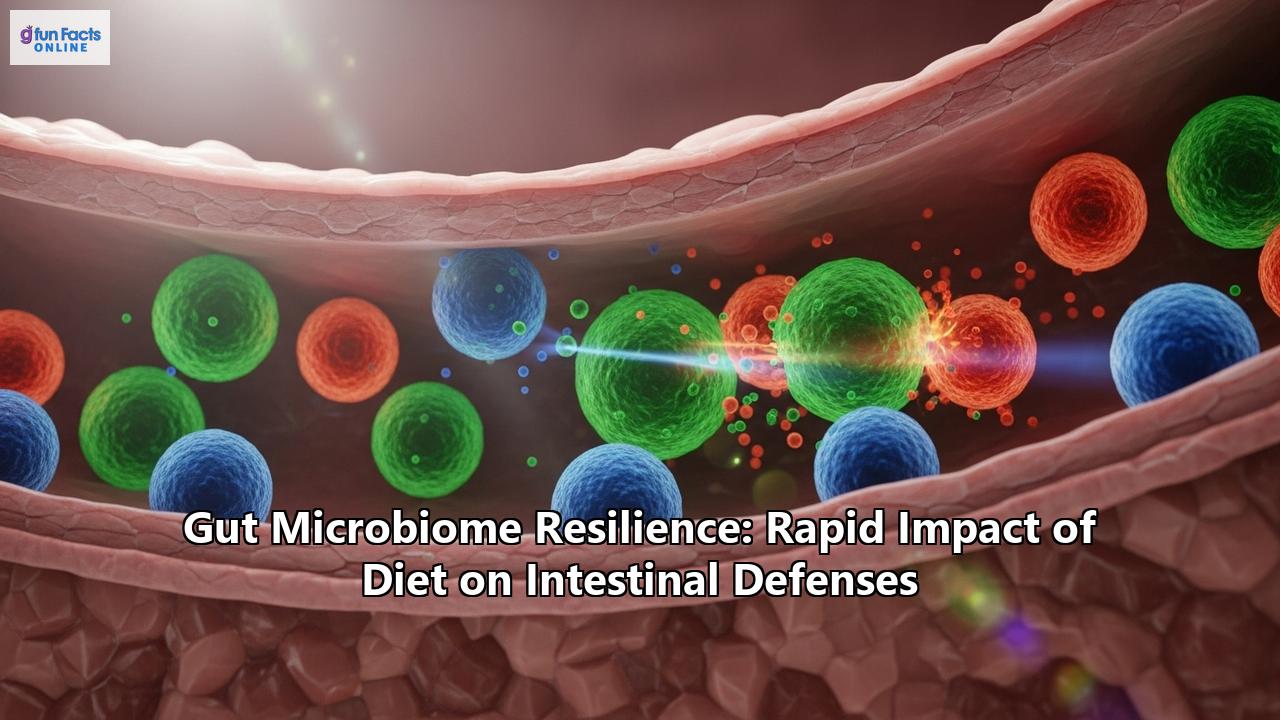
Our gut is a bustling metropolis, home to trillions of microorganisms, collectively known as the gut microbiome. This intricate ecosystem plays a critical role in our overall health, influencing everything from digestion and nutrient absorption to immune system function and even our mood. Emerging research highlights the remarkable resilience of this internal world and, crucially, how swiftly it can be shaped by what we eat, directly impacting our intestinal defenses.
The gut microbiome is a dynamic entity, constantly adapting to various factors including age, genetics, and environmental exposures. However, diet stands out as a major modulator, capable of inducing significant shifts in microbial composition and function within a remarkably short timeframe – sometimes in as little as 24 to 72 hours. This rapid response underscores the powerful and immediate influence our dietary choices have on the delicate balance of our intestinal inhabitants and, consequently, our body's first line of defense.
The Gut Barrier: Our Inner ShieldAt the forefront of our intestinal defenses is the gut barrier, a complex, multi-layered system designed to allow the absorption of essential nutrients while preventing harmful substances, toxins, and pathogenic microbes from entering the bloodstream. Key components of this barrier include a protective mucus layer, a single layer of intestinal epithelial cells tightly bound together by proteins, and immune cells that reside in the gut lining.
The health and integrity of this barrier are intimately linked to the composition and activity of our gut microbiome. Beneficial gut bacteria contribute to barrier function in several ways:
- Nourishing Gut Cells: They ferment dietary fibers that our bodies cannot digest on their own, producing short-chain fatty acids (SCFAs) like butyrate, propionate, and acetate. Butyrate, in particular, serves as a primary energy source for the cells lining the colon, helping to maintain their health and integrity.
- Strengthening Tight Junctions: SCFAs also play a role in reinforcing the tight junctions between intestinal epithelial cells, effectively "sealing" the gut lining and preventing "leaky gut."
- Modulating Mucus Production: Some bacteria influence the thickness and quality of the mucus layer, a critical physical barrier that traps and eliminates pathogens.
- Competitive Exclusion: A diverse and thriving community of beneficial microbes can outcompete harmful bacteria for nutrients and attachment sites on the gut wall, limiting their ability to colonize and cause infection.
- Immune System Priming: The gut microbiota continuously communicates with the immune cells in the gut, helping to "train" them to distinguish between harmless commensal bacteria and dangerous pathogens. This interaction is crucial for mounting appropriate immune responses.
The remarkable aspect is how quickly dietary changes can ripple through this system, bolstering or weakening our intestinal defenses:
- Fiber's Fortifying Effect: Diets rich in diverse dietary fibers – found in fruits, vegetables, whole grains, and legumes – are paramount for a resilient gut. These fibers, also known as microbiota-accessible carbohydrates (MACs), serve as fuel for beneficial bacteria. An increased intake of fiber can rapidly boost the populations of SCFA-producing bacteria, thereby enhancing gut barrier integrity and reducing inflammation. Studies have shown that increasing dietary fiber can lead to a thicker mucus layer and increased production of SCFAs, strengthening intestinal defenses. Conversely, a low-fiber diet can lead to a depletion of these beneficial microbes and a thinner mucus layer, potentially compromising barrier function.
- The Power of Polyphenols: These natural compounds, abundant in plant-based foods like berries, nuts, seeds, tea, and dark chocolate, are also metabolized by the gut microbiota. They can promote the growth of beneficial bacteria and have anti-inflammatory effects, contributing to a healthier gut environment.
- Fermented Foods – A Boost of Good Bugs: Foods like yogurt, kefir, kimchi, sauerkraut, and kombucha introduce live microorganisms (probiotics) directly into the gut. Regular consumption of fermented foods has been shown to increase microbial diversity and decrease markers of inflammation. One study demonstrated that a 10-week diet rich in fermented foods led to an increase in overall microbial diversity.
- The "Western Diet" Detriment: Conversely, diets high in processed foods, saturated fats, simple sugars, and artificial additives, often referred to as the "Western diet," can have a rapid and detrimental impact on the gut microbiome and intestinal defenses. Such diets tend to decrease microbial diversity, favor the growth of pro-inflammatory bacteria, and can impair gut barrier function, potentially leading to increased intestinal permeability ("leaky gut"). Studies have shown that a high-fat, low-fiber "American" diet can induce mucosal inflammation within just two weeks. High sugar intake has also been linked to a negative impact on the intestinal barrier by promoting bacteria that can degrade the mucus layer.
- Protein and Fat – Quality Matters: While essential, the type and amount of protein and fat also influence the gut microbiota. High intake of animal protein and certain fats, particularly saturated fats, can alter microbial composition and promote inflammatory pathways if not balanced with fiber and plant-based foods. For instance, high-fat diets can increase bile acid secretion, which has antimicrobial properties and can shift the microbial balance, sometimes favoring species associated with inflammation.
Gut microbiome resilience refers to the ability of this microbial community to maintain its structure and function in the face of disturbances (like a course of antibiotics or a poor dietary choice) and to quickly return to a balanced state. While a single healthy meal can initiate positive shifts, long-term dietary patterns are crucial for cultivating a truly resilient gut microbiome.
A consistently diverse, plant-rich diet, abundant in fiber and polyphenols, and potentially supplemented with fermented foods, fosters a diverse and robust microbial ecosystem. This diversity is a key characteristic of a healthy and resilient gut, making it better equipped to withstand challenges and support strong intestinal defenses.
Practical Steps for Rapidly Supporting Your Intestinal Defenses:- Embrace Fiber Diversity: Aim for a wide variety of fruits, vegetables, legumes, nuts, seeds, and whole grains daily. Different types of fiber feed different beneficial bacteria.
- Color Your Plate: Include a spectrum of colorful plant foods to ensure a rich intake of polyphenols.
- Incorporate Fermented Foods: Add yogurt, kefir, kimchi, or other fermented options to your routine.
- Limit Processed Foods, Sugar, and Unhealthy Fats: Be mindful of ingredients in packaged foods and prioritize whole, unprocessed options.
- Stay Hydrated: Water is essential for maintaining the mucosal lining and overall gut health.
- Consider Prebiotics and Probiotics: While a food-first approach is ideal, targeted prebiotic (fibers that feed beneficial bacteria) and probiotic (live beneficial bacteria) supplements may offer additional support in certain situations, though it's best to consult with a healthcare professional.
The connection between our diet, gut microbiome, and intestinal defenses is a dynamic and rapidly responsive system. By making conscious, informed food choices, we can quickly influence the composition and activity of our gut microbes, thereby strengthening our internal shield and fostering greater overall health and resilience. The power to fortify our intestinal defenses is, quite literally, on our plates.
Reference:
- https://www.healthline.com/nutrition/gut-microbiome-and-health
- https://my.clevelandclinic.org/health/body/25201-gut-microbiome
- https://gut.bmj.com/content/73/11/1893
- https://www.bmj.com/content/361/bmj.k2179
- https://www.mdpi.com/1422-0067/25/10/5561
- https://www.tandfonline.com/doi/full/10.1080/09637486.2020.1852537
- https://journals.plos.org/plosone/article?id=10.1371/journal.pone.0086366
- https://www.frontiersin.org/journals/microbiology/articles/10.3389/fmicb.2020.572921/full
- https://foodandmoodcentre.com.au/2016/07/diet-and-the-gut-microbiota/
- https://www.autoimmuneinstitute.org/research_updates/how-diet-impacts-gut-immunity-and-autoimmune-disease-risk/
- https://pmc.ncbi.nlm.nih.gov/articles/PMC9455721/
- https://www.mdpi.com/2304-8158/14/3/492
- https://www.mdpi.com/2227-9059/13/2/329
- https://www.frontiersin.org/journals/immunology/articles/10.3389/fimmu.2022.866059/full
- https://www.frontiersin.org/journals/microbiology/articles/10.3389/fmicb.2025.1527755/full
- https://med.stanford.edu/news/all-news/2021/07/fermented-food-diet-increases-microbiome-diversity-lowers-inflammation
- https://gut.bmj.com/content/70/7/1287
- https://www.mdpi.com/2072-6643/17/3/396