
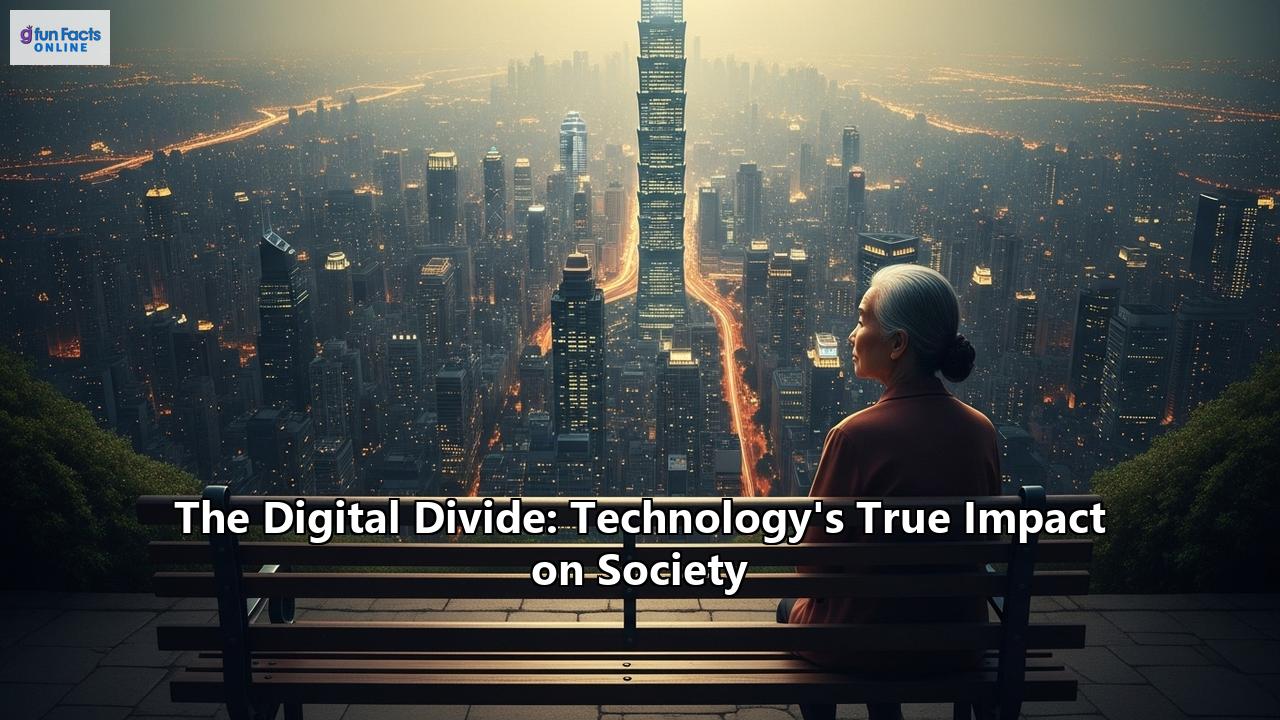
In a world increasingly shaped by algorithms and connectivity, the promise of a digital future brims with possibilities. Yet, beneath this veneer of progress lies a chasm that threatens to cleave society in two: the digital divide. This is not merely a gap in access to technology but a multifaceted issue that mirrors and magnifies existing social and economic inequalities. It is the invisible barrier that separates the "haves" from the "have-nots" in the Information Age, determining who can participate in the digital world and who is left behind.
The term "digital divide" first emerged in the 1990s, initially describing the disparity in access to telephones and later, personal computers and the internet. However, its meaning has evolved. Today, it encompasses a complex web of factors, including the affordability of devices and internet services, the skills needed to navigate the digital landscape, and the quality and availability of that access. It's a divide that exists not only between developed and developing nations but also within the most affluent societies, carving lines between urban and rural populations, the young and the elderly, and across different socioeconomic and racial groups.
The COVID-19 pandemic starkly illuminated the real-world consequences of this divide. As schools shifted to remote learning, students without reliable internet access or suitable devices were left struggling to keep up. Adults seeking employment found that job applications had moved almost exclusively online, creating yet another hurdle for those on the wrong side of the divide. Access to essential services like telemedicine and even booking vaccination appointments became a challenge for those lacking digital literacy. This global crisis laid bare the uncomfortable truth: in the 21st century, digital access is not a luxury, but a fundamental necessity for full participation in society.
This article will delve into the multifaceted nature of the digital divide, exploring its historical roots, its profound impact on education, healthcare, economic mobility, and civic engagement. We will examine the underlying causes that perpetuate this gap and explore the innovative solutions and strategies being implemented by governments, non-profits, and the private sector to bridge it. As we stand at a technological crossroads, understanding and addressing the digital divide is not just a matter of social equity; it is a critical step towards building a more inclusive and prosperous future for all.
The Widening Gulf: Understanding the Dimensions of the Digital Divide
The digital divide is not a simple binary of those who have internet and those who do not. It is a complex spectrum of inequality with multiple, intersecting dimensions. To truly grasp its impact, we must move beyond the initial concept of the "access divide" and explore the more nuanced layers of this societal challenge.
The First-Level Divide: The Gap in Access
The most fundamental aspect of the digital divide is the "first-level" or "access" divide. This refers to the physical availability of technology, including computers, smartphones, and, most importantly, affordable and reliable internet service. For many, the cost of devices and internet plans remains a significant barrier. This is particularly true for low-income households, where the choice between paying for internet and other essential needs is a harsh reality.
Geography also plays a crucial role. Urban areas often have better infrastructure and more choices for internet service providers, while rural and remote communities are frequently left with slow, unreliable, or non-existent connections. In the United States, for example, millions of Americans, particularly in rural areas, lack access to high-speed broadband. This disparity is not unique to one country; it is a global phenomenon that separates well-connected urban centers from underserved rural regions.
The Second-Level Divide: The Skills and Usage Gap
Simply providing access to technology is not enough to bridge the digital divide. The "second-level" divide focuses on inequalities in digital literacy and the skills required to effectively use technology. Many people, especially older adults or those with limited educational backgrounds, may lack the confidence or knowledge to navigate the complexities of the digital world. This can range from basic tasks like sending an email or using a search engine to more advanced skills needed for online banking, accessing government services, or participating in online learning.
Even with access and basic skills, the "usage gap" reveals further disparities. The way people use the internet can vary significantly, with some primarily using it for entertainment and social media, while others leverage it for educational advancement, career opportunities, and civic engagement. This difference in usage patterns can further entrench existing inequalities, as those who use the internet for more empowering purposes are more likely to reap its benefits.
Beyond Access and Skills: A Deeper Dive into the Divides
The digital divide extends beyond access and skills to encompass several other critical dimensions:
- The Economic Opportunity Divide: In an increasingly digital economy, access to technology is directly linked to economic opportunities. Many jobs now require online applications, and remote work has become more prevalent. Those without reliable internet access or the necessary digital skills are at a significant disadvantage in the job market, limiting their career progression and economic mobility.
- The Democratic Divide: The internet has become a vital platform for political discourse, civic engagement, and accessing government information. The democratic divide refers to the gap between those who use the internet to participate in political life and those who do not. This can lead to a less informed and less engaged citizenry, potentially undermining democratic processes.
- The Global Digital Divide: This refers to the vast disparities in technology access and usage between developed and developing countries. While internet penetration rates have been increasing globally, there is still a significant gap between more industrialized nations and those with fewer resources. This global divide has profound implications for international development, trade, and the ability of developing nations to compete in the global economy.
Understanding these different facets of the digital divide is crucial for developing effective solutions. It is not enough to simply provide more computers or internet connections. We must also address the underlying issues of affordability, digital literacy, and the social and economic barriers that prevent people from fully participating in the digital world.
The Roots of Division: Unpacking the Causes of the Digital Divide
The digital divide is not a naturally occurring phenomenon; it is a product of deep-seated social and economic inequalities. To effectively address this issue, we must first understand the complex interplay of factors that create and perpetuate this technological gap.
The primary drivers of the digital divide can be broadly categorized into socioeconomic factors, geographical disparities, and personal characteristics.
Socioeconomic Status: The Great Determiner
Income and Affordability: At its core, the digital divide is an economic issue. The cost of computers, smartphones, and high-speed internet service can be prohibitive for low-income individuals and families. Even when subsidized options are available, the ongoing expense of a monthly internet bill can be a significant burden. The stark reality is that for many, the choice between digital access and other basic necessities is a constant struggle.
Education: Educational attainment is another powerful predictor of digital inclusion. Individuals with higher levels of education are more likely to have the skills and confidence to use technology effectively. They are also more likely to understand the benefits of the internet and be motivated to use it for a wider range of purposes. Conversely, those with lower levels of education may lack the foundational literacy and critical thinking skills needed to navigate the complexities of the digital world.
Geographical Location: The Urban-Rural Chasm
The digital divide often manifests as a geographical divide between urban and rural areas. Urban centers typically have more robust and competitive telecommunications infrastructure, leading to better and more affordable internet access. In contrast, rural and remote communities often face a lack of investment in broadband infrastructure, resulting in limited or no high-speed internet options. The high cost of extending fiber optic cables and other infrastructure to sparsely populated areas is a major deterrent for service providers. This leaves many rural residents cut off from the opportunities and services that are readily available to their urban counterparts.
Personal Characteristics: Age, Disability, and More
Age: The "grey digital divide" is a well-documented phenomenon, with older adults being significantly less likely to use the internet than younger generations. While this gap is narrowing, it remains a significant challenge. The reasons for this are multifaceted, including a lack of familiarity with technology, physical challenges such as vision or dexterity issues, and a perception that the internet is not relevant to their lives.
Disability: Individuals with disabilities often face unique barriers to digital inclusion. Websites and software may not be designed with accessibility in mind, making them difficult or impossible to use for people with visual, hearing, or motor impairments. The cost of assistive technologies can also be a significant barrier.
Gender: While the gender gap in internet use has been narrowing in many parts of the world, it remains a significant issue in some regions. In some cultures, social norms and a lack of educational and economic opportunities can limit women's access to and use of technology.
The causes of the digital divide are complex and interconnected. It is a reflection of broader societal inequalities that have been translated into the digital realm. Addressing this challenge requires a multi-pronged approach that goes beyond simply providing technology and addresses the root causes of exclusion.
The Ripple Effect: Society-Wide Consequences of the Digital Divide
The digital divide is not just a matter of technological inequality; it has far-reaching consequences that impact every facet of society. The inability to access and effectively use digital tools can create a vicious cycle of disadvantage, exacerbating existing inequalities and creating new ones.
Education: A Widening Knowledge Gap
In the 21st century, education is increasingly intertwined with technology. From online research and digital textbooks to virtual classrooms and collaborative projects, the internet has become an indispensable learning tool. However, for students on the wrong side of the digital divide, this reliance on technology creates significant educational disadvantages.
Students without reliable internet access at home struggle to complete homework assignments, access online learning resources, and communicate with their teachers. The COVID-19 pandemic brought this issue into sharp focus, as millions of students were forced into remote learning environments without the necessary tools to succeed. This "homework gap" can lead to lower grades, decreased engagement, and ultimately, a diminished educational experience. The lack of digital skills can also hinder students' preparedness for higher education and the modern workforce, where digital literacy is a fundamental requirement.
The Economy and Employment: A Barrier to Mobility
The digital divide has a profound impact on economic mobility and the overall health of the economy. In today's job market, digital skills are no longer optional; they are essential. The majority of job applications are now submitted online, and many companies use online platforms for recruitment and hiring. Those who lack internet access or the skills to navigate these platforms are at a significant disadvantage in their job search.
Furthermore, the rise of the "gig economy" and remote work has created new opportunities for those with digital access and skills. However, for those without, these opportunities remain out of reach. This creates a two-tiered workforce, where those who are digitally connected can take advantage of flexible work arrangements and new income streams, while those who are not are left behind. The digital divide also hinders entrepreneurship and small business development, as access to online markets, marketing tools, and financial services is crucial for success in the modern economy.
Healthcare: A Growing Disparity in Access and Outcomes
The integration of technology into healthcare has the potential to improve access to care, enhance patient outcomes, and reduce costs. Telemedicine, electronic health records, and online health information are just a few examples of how technology is transforming the healthcare landscape. However, the digital divide can create significant disparities in healthcare access and quality.
Patients without internet access or digital skills may struggle to schedule appointments, communicate with their doctors, access their medical records, or find reliable health information online. The rise of telemedicine, while a lifeline for many, can be a barrier for those who lack the necessary technology or the ability to use it. This can be particularly detrimental for older adults, individuals with chronic conditions, and those living in rural areas, who may have the most to gain from virtual consultations. The inability to access and use digital health tools can lead to delayed diagnosis, poor management of chronic diseases, and ultimately, worse health outcomes.
Civic Engagement and Social Inclusion: A Divided Society
The internet has become the modern public square, a space for political discourse, community organizing, and accessing essential government services. The digital divide can lead to a "democratic divide," where those without internet access are excluded from these important aspects of civic life. They may miss out on important information from their local government, be unable to participate in online discussions about community issues, or face barriers when trying to access services like voter registration or unemployment benefits.
Beyond civic engagement, the digital divide can also lead to social isolation. In an increasingly connected world, the internet is a primary tool for staying in touch with family and friends, participating in social groups, and feeling connected to a wider community. For those who are not online, particularly older adults or those with mobility issues, the lack of digital connection can exacerbate feelings of loneliness and isolation.
The consequences of the digital divide are not confined to a single area of life; they are interconnected and mutually reinforcing. Addressing this challenge is not just about providing technology; it's about ensuring that everyone has the opportunity to participate fully in all aspects of modern society.
Bridging the Chasm: Strategies for Digital Inclusion
Closing the digital divide is a complex challenge that requires a multifaceted and collaborative approach. There is no single solution; rather, a combination of strategies is needed to address the various dimensions of this issue. Governments, the private sector, non-profit organizations, and community leaders all have a crucial role to play in building a more digitally inclusive society.
Expanding Access: Building the Infrastructure of Opportunity
The foundation of digital inclusion is affordable and reliable broadband internet service. This requires significant investment in infrastructure, particularly in underserved rural and remote areas. Governments can play a key role in funding and incentivizing the expansion of broadband networks, much like they did with the expansion of electricity and telephone service in the 20th century. Public-private partnerships can also be an effective way to leverage the resources and expertise of the private sector to achieve public policy goals.
Beyond infrastructure, affordability is a major hurdle. Subsidies and low-cost internet plans for low-income households can help to make internet access more accessible. Programs that provide affordable or refurbished computers and other devices are also essential.
Fostering Digital Literacy: Empowering People with Skills
Providing access to technology is only the first step. To truly bridge the digital divide, we must also equip people with the skills and confidence to use it effectively. This requires a commitment to digital literacy training at all levels of society.
- In Schools: Digital literacy should be integrated into the curriculum from an early age, ensuring that all students graduate with the skills they need to succeed in a digital world.
- In Libraries and Community Centers: Public libraries and community centers can serve as vital hubs for digital literacy training, offering classes and one-on-one support for people of all ages and skill levels.
- In the Workplace: Employers can play a role by providing digital skills training for their employees, helping them to adapt to new technologies and advance in their careers.
Designing for Inclusion: Making Technology Accessible to All
Technology should be designed with everyone in mind, including people with disabilities and older adults. This means adhering to accessibility standards for websites and software, ensuring that they can be used by people with a wide range of abilities. It also means creating user-friendly interfaces that are intuitive and easy to navigate.
Public institutions and private companies should also consider the diverse needs of their users when designing and delivering online services. This includes providing information in multiple languages, offering support through various channels (online, phone, in-person), and ensuring that online content is relevant and useful to a wide audience.
The Power of Collaboration: Working Together for a Common Goal
Bridging the digital divide is a shared responsibility. Governments, at all levels, can create policies and programs that promote digital equity. The private sector can contribute by investing in infrastructure, offering affordable services, and designing inclusive technologies. Non-profit organizations and community groups can play a vital role in providing digital literacy training, raising awareness, and advocating for the needs of their communities.
By working together, we can create a comprehensive and sustainable approach to closing the digital divide. This is not just about giving people access to technology; it's about empowering them to use it to improve their lives, strengthen their communities, and participate fully in the digital future.
The Road Ahead: The Future of the Digital Divide in an Era of Rapid Technological Advancement
As we look to the future, it is clear that technology will continue to evolve at a breathtaking pace. The rise of artificial intelligence, the expansion of 5G networks, and the proliferation of the Internet of Things (IoT) will undoubtedly reshape our world in profound ways. While these advancements hold immense promise, they also have the potential to both exacerbate and alleviate the digital divide.
Emerging Technologies: A Double-Edged Sword
Artificial Intelligence (AI): AI has the potential to personalize education, making learning more accessible and effective for students in underserved communities. It can also power assistive technologies that help people with disabilities to navigate the digital world. However, the increasing use of AI in areas like hiring and lending could also perpetuate existing biases and create new forms of discrimination if not developed and deployed equitably.
5G and Satellite Internet: The rollout of 5G networks and the development of satellite internet solutions, such as SpaceX's Starlink, have the potential to bring high-speed internet to previously unconnected areas. This could be a game-changer for rural and remote communities, closing the access divide that has long been a major barrier to digital inclusion. However, the cost and availability of these new technologies will be critical factors in determining their impact on the digital divide.
The Internet of Things (IoT): The IoT, which connects everyday objects to the internet, has the potential to revolutionize healthcare through remote patient monitoring and smart home devices that can assist older adults and people with disabilities. However, the increasing reliance on connected devices also raises concerns about privacy, security, and the potential for a new "device divide" between those who can afford and manage these technologies and those who cannot.
A Shifting Landscape: The Evolving Nature of the Divide
As technology evolves, so too will the nature of the digital divide. While the "first-level" access divide may narrow as internet connectivity becomes more ubiquitous, the "second-level" skills and usage divide is likely to become even more pronounced. The ability to critically evaluate information, protect one's privacy online, and adapt to new technologies will become increasingly important skills.
Furthermore, new divides may emerge. The "data divide," for example, could separate those who have control over their personal data and can use it to their advantage from those whose data is exploited without their knowledge or consent. The "algorithmic divide" could create disparities between those who understand and can navigate a world increasingly governed by algorithms and those who are subject to their opaque and potentially biased decisions.
A Call to Action: Building a More Inclusive Digital Future
The future of the digital divide is not predetermined. It will be shaped by the choices we make today. To ensure that the benefits of technological advancement are shared by all, we must be proactive and intentional in our efforts to promote digital equity.
This requires a long-term commitment from all sectors of society. Governments must continue to invest in infrastructure and digital literacy, while also creating policies that protect consumers and promote fairness in the digital marketplace. The tech industry has a responsibility to design inclusive and accessible products, and to consider the ethical implications of their innovations. Educators, community leaders, and individuals all have a role to play in fostering a culture of lifelong learning and digital citizenship.
The digital divide is one of the most pressing social and economic challenges of our time. But it is not insurmountable. By working together, we can build a future where technology is a tool for empowerment, not a source of division. A future where everyone, regardless of their background or circumstances, has the opportunity to participate, to learn, and to thrive in the digital age.
Reference:
- https://www.britannica.com/topic/digital-divide
- https://robertsmith.com/blog/examples-of-the-digital-divide/
- https://en.wikipedia.org/wiki/Digital_divide
- https://www.techtarget.com/whatis/definition/digital-divide
- https://www.utwente.nl/en/centrefordigitalinclusion/Blog/02-Digitale_Kloof/
- https://www.oxfordbibliographies.com/abstract/document/obo-9780199756810/obo-9780199756810-0222.xml
- https://www.internetsociety.org/blog/2022/03/what-is-the-digital-divide/
- https://www.investopedia.com/the-digital-divide-5116352
- https://onfra.io/blogs/digital-divide-causes-consequences-and-solutions/
- https://www.ncbroadband.gov/digital-divide/closing-digital-divide
- https://www.repsol.com/en/energy-and-the-future/people/digital-divide/index.cshtml
- https://tcf.org/content/report/disconnected-digital-divide-harms-workers-can/
- http://www.digitaldividecouncil.com/the-impacts-of-digital-divide/
- https://unhabitat.org/programme/legacy/people-centered-smart-cities/addressing-the-digital-divide
- https://robertsmith.com/blog/bridging-the-digital-divide/