
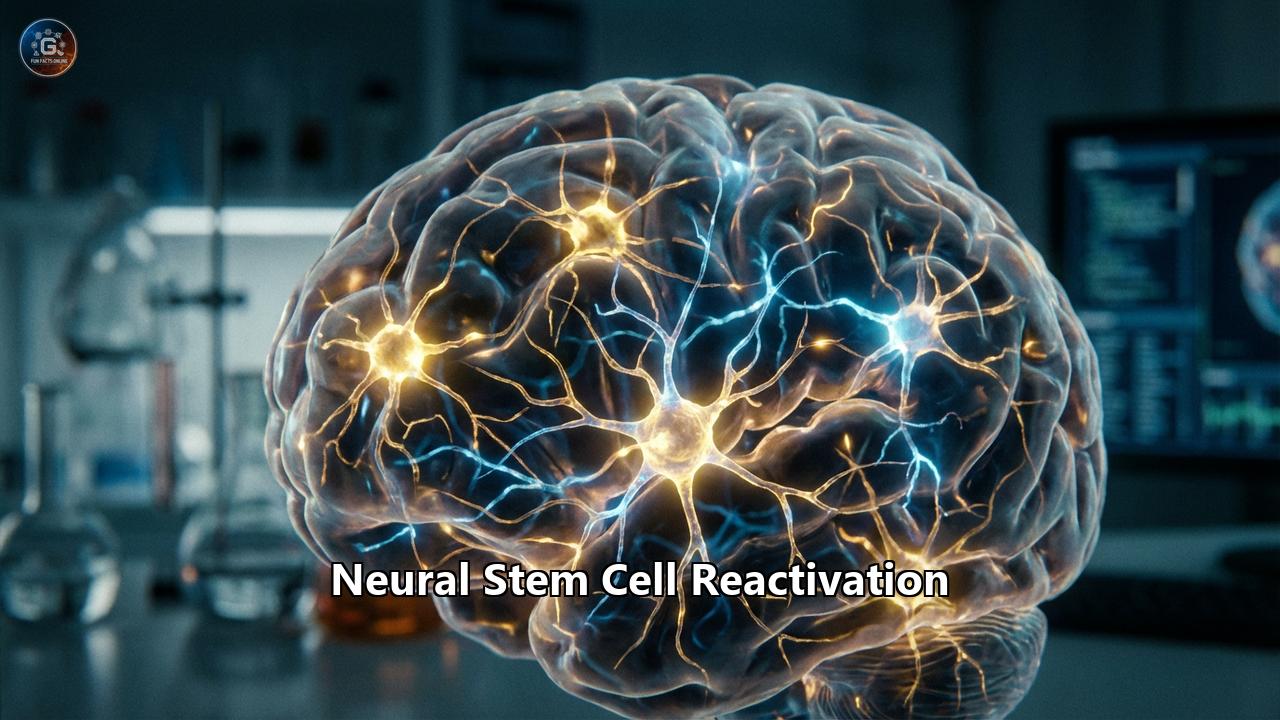
In the vast and intricate universe of the human body, the brain has long been considered the final frontier—a static, immutable command center that, once developed, could only decline. For decades, the central dogma of neuroscience held a somber truth: we are born with a fixed number of neurons, and once they are lost to aging, injury, or disease, they are gone forever. This belief cast a long shadow over the treatment of neurodegenerative diseases like Alzheimer's, Parkinson's, and the general cognitive decline associated with aging.
However, a biological revolution has quietly dismantled this dogma. Deep within the recesses of the adult brain, specifically in the subventricular zone (SVZ) lining the lateral ventricles and the subgranular zone (SGZ) of the hippocampus, lie reservoirs of potential: Neural Stem Cells (NSCs). These cells possess the remarkable ability to self-renew and differentiate into new neurons (neurogenesis), astrocytes, and oligodendrocytes. Yet, for most of our adult lives, these cells remain in a state of "deep sleep" known as quiescence.
The science of Neural Stem Cell Reactivation—waking these sleeping giants—is now one of the most promising fields in regenerative medicine. It offers a tantalizing possibility: what if we could repair the brain from within? What if we could trigger the brain's own repair mechanisms to reverse the damage of stroke, trauma, and dementia?
This comprehensive guide explores the cutting-edge science of NSC reactivation. We will journey through the molecular switches that control these cells, the metabolic and epigenetic reprogramming required to wake them, and the lifestyle and pharmacological interventions that can harness this power today.
Part 1: The Sleeping Giants – Understanding Neural Stem Cell Quiescence
To understand how to reactivate neural stem cells, we must first understand why they sleep. Quiescence is not merely a passive state of inactivity; it is an actively maintained, highly regulated state of suspended animation. It is an evolutionary safeguard. If all stem cells were active simultaneously, the pool would be exhausted rapidly, leading to premature aging of the brain. Quiescence preserves the "stemness" of these cells for times of critical need.
The Neurogenic Niche: A Specialized Microenvironment
NSCs do not float in a void; they reside in a specialized microenvironment called the neurogenic niche. This niche is a bustling hub of cellular communication involving endothelial cells (blood vessels), astrocytes, microglia (immune cells), and the extracellular matrix (ECM).
- Vascular Interaction: Quiescent NSCs (qNSCs) often extend processes that contact blood vessels. This "vascular niche" provides direct access to systemic signals—hormones, cytokines, and nutrients. It acts as a sensor, allowing the stem cell to "taste" the blood and determine if the body is in a state of health or stress.
- The "Anchor" of Adhesion: Quiescence is physically enforced by adhesion molecules. qNSCs are anchored to the niche via proteins like VCAM1 and N-cadherin. These anchors do more than hold the cell in place; they transmit inhibitory signals that suppress the cell cycle. To wake up, an NSC must literally "let go" of its anchors.
Molecular Guardians of Sleep
Several powerful signaling pathways actively suppress NSC activation. These are the "brakes" that must be released for regeneration to occur.
- BMP Signaling (Bone Morphogenetic Protein): In the adult brain, BMP4 acts as a potent sedative. It binds to receptors (BMPR-IA/II) on the NSC surface, triggering a cascade that activates Smad1/5/8. These proteins move to the nucleus and induce the expression of Id (Inhibitor of differentiation) genes. Id proteins block the molecular machinery required for cell division, effectively locking the cell in the G0 phase of the cell cycle.
- Notch Signaling: This pathway is critical for maintaining the "stem cell identity." High levels of Notch signaling, driven by ligands like Delta-like 1 (Dll1) presented by neighboring cells, induce the expression of Hes1 and Hes5. These transcription factors repress pro-neural genes (like Ascl1), preventing premature differentiation and ensuring the cell remains a stem cell.
- The Hippo Pathway: A conserved pathway that controls organ size, Hippo signaling keeps NSCs dormant by inhibiting the nuclear translocation of YAP/TAZ. When the Hippo pathway is active, YAP is phosphorylated and degraded in the cytoplasm. When the pathway is inhibited (e.g., by mechanical stretching or specific growth factors), YAP enters the nucleus to drive the expression of cell proliferation genes.
Part 2: The Awakening – Mechanisms of Reactivation
Reactivation is the transition from the dormant "G0" phase to the active "G1" and "S" phases of the cell cycle. This transition is not a simple on/off switch but a complex biological metamorphosis involving metabolic rewriting, epigenetic remodeling, and protein clearance.
1. Metabolic Reprogramming: The Engine Switch
One of the most profound discoveries in recent years is that quiescent and active stem cells run on different fuels.
- The Fatty Acid Oxidation (FAO) Reliance: Quiescent NSCs function like a hybrid car running on battery power. They rely heavily on Fatty Acid Oxidation (FAO) to meet their low energy demands. The enzyme Cpt1a (Carnitine palmitoyltransferase 1a) is the gatekeeper here, shuttling fatty acids into the mitochondria to be burned. This process is efficient and produces fewer reactive oxygen species (ROS), protecting the long-lived stem cell from DNA damage.
- The Glycolytic Switch: Upon activation, the NSC must undergo a massive metabolic shift. It switches from burning fat to burning sugar. This phenomenon, known as aerobic glycolysis (or the Warburg effect, similar to cancer cells), allows for the rapid production of biomass (nucleotides, amino acids, lipids) needed to build a new cell. Key enzymes like Hexokinase 2 (HK2) and Lactate Dehydrogenase A (LDHA) are upregulated.
- The Mitochondria's Role: During the deep sleep of quiescence, mitochondria are often fused and elongated. Upon activation, they fragment (fission) to distribute energy production to daughter cells. Interestingly, the transition to a fully mature neuron eventually requires a switch back to Oxidative Phosphorylation, the most efficient way to power the electrically active neuron.
2. Protein Quality Control: Taking Out the Trash
Over time, quiescent cells accumulate damaged proteins. Before an NSC can divide safely, it must clean house.
- Lysosomes and Autophagy: Reactivation triggers a surge in lysosomal activity. The lysosome is the cell's recycling center. A transcription factor called TFEB coordinates this clearance. If autophagy is blocked, the waking NSC is likely to die from "proteotoxic stress" (an overdose of its own garbage).
- Aggresomes: Recent studies show that during division, the NSC may unevenly segregate damaged proteins, dumping the "aggresome" (clump of bad proteins) into one daughter cell (which may die or differentiate) while keeping the other daughter cell (the new stem cell) pristine.
3. Epigenetic Remodeling: Unlocking the Library
The DNA in a quiescent cell is tightly wound around histone proteins, making pro-growth genes inaccessible. Reactivation requires physically opening these genomic books.
- TET Enzymes and DNA Demethylation: The TET (Ten-Eleven Translocation) family of enzymes, particularly TET1 and TET2, plays a hero's role. They actively remove methyl groups (molecular "off" switches) from DNA, converting 5-methylcytosine (5mC) to 5-hydroxymethylcytosine (5hmC). This demethylation is essential for activating genes related to neurogenesis, such as NeuroD1.
- Histone Modifications: Enzymes like HDACs (Histone Deacetylases) act as the librarians. HDAC2 and HDAC3 are critical for silencing stem cell maintenance genes and allowing the expression of neuronal differentiation genes. The "bivalent" chromatin state—where genes are poised with both "go" and "stop" markers—allows NSCs to rapidly switch fate upon receiving the right signal.
Part 3: Lifestyle Factors – Biohacking Your Brain's Stem Cells
You do not need a laboratory to influence your neural stem cells. Every day, your choices regarding movement, food, and sleep are sending powerful chemical signals to your neurogenic niches.
1. Exercise: The Most Potent Natural Activator
If there were a drug that mimicked the effects of aerobic exercise on the brain, it would be the best-selling pharmaceutical in history.
- The Muscle-Brain Connection (Irisin): When you engage in endurance exercise, your muscles express a protein called FNDC5, which is cleaved to form the hormone Irisin. Irisin travels through the bloodstream, crosses the blood-brain barrier, and induces the expression of Brain-Derived Neurotrophic Factor (BDNF) in the hippocampus.
- BDNF – The Fertilizer: BDNF is often called "Miracle-Gro for the brain." It binds to TrkB receptors on NSCs, directly promoting their survival, proliferation, and differentiation into functional neurons.
- Lactate as Signaling Molecule: During intense exercise, muscles produce lactate. Once demonized as a waste product causing fatigue, lactate is now known to cross into the brain and serve as a preferred fuel source and signaling molecule that stimulates VEGF (Vascular Endothelial Growth Factor), increasing blood flow to the niche and supporting neurogenesis.
2. Diet and Fasting: The Metabolic Trigger
- Calorie Restriction (CR) and Intermittent Fasting (IF): Evolutionarily, hunger is a signal to sharpen the mind to find food. Fasting triggers a "metabolic switch" from glucose to ketone bodies. This rise in ketones (specifically beta-hydroxybutyrate) inhibits HDACs, leading to increased expression of BDNF. Furthermore, fasting increases the hormone Ghrelin, which has been shown to bind to Ghsr receptors in the hippocampus, promoting synaptic plasticity and neurogenesis.
- Polyphenols: Compounds found in plants act as "hormetic" stressors—mild toxins that trigger a beneficial defense response.
Resveratrol (Grapes/Red Wine): Activates SIRT1, a longevity gene that modulates mitochondrial function and promotes NSC survival.
Curcumin (Turmeric): Has been shown to activate the Wnt/beta-catenin pathway, a critical driver of NSC proliferation that is often suppressed in Alzheimer's disease.
Blueberry Anthocyanins: These cross the blood-brain barrier and have been shown in animal models to reverse age-related declines in neurogenesis, likely by dampening inflammation (microglial activation) in the niche.
- The Gut-Brain Axis: Your gut bacteria produce Short-Chain Fatty Acids (SCFAs) like butyrate when they ferment fiber. Butyrate is a natural HDAC inhibitor that travels to the brain and promotes the expression of neurotrophic factors. A healthy microbiome is essentially a factory for neurogenic drugs.
3. Sleep: The Glymphatic Cleanse
Sleep deprivation is a potent suppressor of cell proliferation.
- Circadian Clocks: NSCs have their own internal clocks. Disrupting your sleep-wake cycle (circadian dysrhythmia) desynchronizes specific genes (like Per2 and Bmal1) that regulate the timing of the cell cycle.
- Glymphatic Clearance: During deep sleep, the brain's glymphatic system opens up, flushing out metabolic waste and toxins (like beta-amyloid). Failure to clear these toxins creates an inflamed "toxic niche" that forces NSCs into a deep, non-responsive dormancy or senescence.
Part 4: Pharmacological Frontiers – The Race for a Regeneration Drug
While lifestyle is powerful, it may not be enough for advanced neurodegenerative diseases. Scientists are hunting for "small molecules"—drugs that can penetrate the brain and precisely toggle the molecular switches of reactivation.
1. Metformin: The Unexpected Neuro-Regenerator
Originally a diabetes drug, Metformin is now a superstar in longevity research.
- Mechanism: It activates AMPK (AMP-activated protein kinase), a cellular energy sensor. Activated AMPK mimics the effects of fasting and exercise.
- Pathway: Metformin has been shown to activate the aPKC-CBP pathway, which directly promotes the differentiation of NSCs into neurons. It also inhibits ferroptosis (iron-dependent cell death), protecting the newly formed cells in a hostile environment like a spinal cord injury or an Alzheimer's brain.
2. Allopregnanolone: The Neurosteroid Hope
Allopregnanolone (Allo) is a natural metabolite of progesterone.- Mechanism: It acts as a positive allosteric modulator of the GABA-A receptor. This modulation causes an efflux of chloride ions in immature neurons (which, counter-intuitively, is excitatory in early development), leading to a voltage-gated calcium influx. This calcium surge activates kinases that drive the expression of cell cycle genes.
- Clinical Status: It is currently in Phase 2 clinical trials (e.g., NCT04838301) for Alzheimer's disease. Early results suggest it can promote neurogenesis, reduce beta-amyloid burden, and improve cognitive performance.
3. BMP and Notch Inhibitors
Since BMP and Notch are the "brakes," inhibitors of these pathways are being investigated as "accelerators."
- Dorsomorphin (Compound C) & LDN-193189: These are small molecule inhibitors of the BMP type I receptors (ALK2/3/6). By blocking the BMP "sleep signal," they force stem cells to wake up and adopt a neural fate. While potent in the petri dish (in vitro), the challenge remains delivering them safely to the brain without causing side effects in other tissues (like bone, where BMP is essential).
- ALK2 Inhibitors (e.g., K02288): More selective inhibitors are being developed to target specific receptors involved in the quiescence mechanism, minimizing off-target effects.
4. NSI-189
This novel compound, developed specifically for major depressive disorder, works by stimulating neurogenesis in the hippocampus. While its exact molecular target remains partially elusive, clinical trials have shown it can increase hippocampal volume, suggesting a successful reactivation of the neurogenic pool.
Part 5: Therapeutic Applications and the Future
The implications of mastering NSC reactivation are staggering.
- Alzheimer’s Disease (AD): In AD, the brain is not just losing neurons; the "replacement service" (neurogenesis) is broken. The niche becomes clogged with amyloid plaques, and inflammation (via microglia) suppresses NSC activity. Therapies like Allopregnanolone or metformin, combined with anti-inflammatory treatments, aim to reopen this service. New trials (e.g., NCT06775964) are even testing the infusion of autologous mesenchymal stem cells to reduce inflammation and "reboot" the niche.
- Stroke and Traumatic Brain Injury (TBI): After a stroke, the brain attempts a "spontaneous recovery" where NSCs migrate toward the injury site. However, they often fail to survive or differentiate because the injury site lacks the proper support structures. Reactivation therapies aims to enhance this natural migration and provide a "survival cocktail" (like BDNF mimics) to ensure these new recruits become functional neurons.
- Depression and Anxiety: It is now understood that many antidepressants (SSRIs) work not just by increasing serotonin, but by stimulating neurogenesis in the hippocampus. A smaller hippocampus is a hallmark of chronic depression. "Neurogenic hypothesis" suggests that reactivating NSCs is the mechanism* of recovery from depression.
Conclusion: The Era of Maintenance
We are moving from an era of treating symptoms to an era of maintaining biological potential. Neural Stem Cell Reactivation represents a paradigm shift. It suggests that the adult brain is not a decaying ruin, but a garden that has gone dormant for winter. With the right "springtime" cues—whether they be molecular drugs, metabolic shifts through diet, or the mechanical signals of exercise—we can coax the garden back to bloom.
The future of brain health lies not just in protecting what we have, but in awakening what we have always held in reserve. The sleeping giants are ready; we are finally learning the language to wake them.
Reference:
- https://pmc.ncbi.nlm.nih.gov/articles/PMC3602516/
- https://pmc.ncbi.nlm.nih.gov/articles/PMC9755066/
- https://pearl.plymouth.ac.uk/cgi/viewcontent.cgi?article=2839&context=pms-research
- https://pmc.ncbi.nlm.nih.gov/articles/PMC5878882/
- https://www.researchgate.net/figure/Metformin-Enhances-Neuronal-Differentiation-of-Adult-Neural-Precursors-by-Activating-the_fig6_284233568
- https://www.researchgate.net/publication/365162866_Allopregnanolone_Regenerative_therapeutic_to_restore_neurological_health
- https://pmc.ncbi.nlm.nih.gov/articles/PMC6724768/
- https://clinicaltrials.gov/study/NCT06775964
- https://www.researchgate.net/publication/236640018_A_New_Class_of_Small_Molecule_Inhibitor_of_BMP_Signaling
- https://pmc.ncbi.nlm.nih.gov/articles/PMC4889468/