
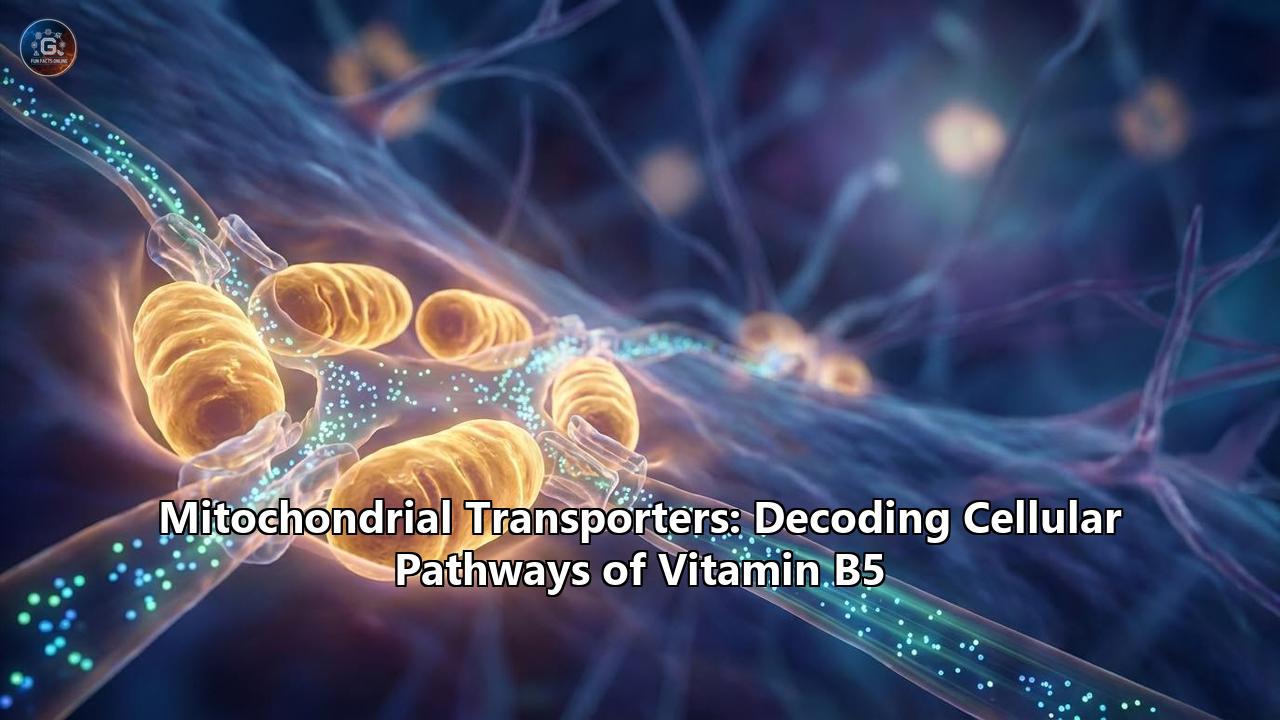
Deep within the microscopic cosmos of the human body, a relentless logistical operation is underway. It is a system of transport, transformation, and energy production so precise that even the slightest disruption can ripple through the entire organism. At the heart of this metabolic engine lies a ubiquitous but frequently overlooked nutrient: Vitamin B5, or pantothenic acid. Derived from the Greek word pantos, meaning "from everywhere," Vitamin B5 is found in nearly all plant and animal foods. Yet, its commonplace nature belies its extraordinary biological significance.
Pantothenic acid is not merely a vitamin; it is the fundamental building block of Coenzyme A (CoA), a master molecule that dictates over 4% of all known cellular enzymatic reactions. While CoA operates throughout the cell, its most critical and dynamic theater of action is inside the mitochondria—the dual-membraned organelles famous for generating the adenosine triphosphate (ATP) that powers our lives.
But how does a water-soluble vitamin consumed in our diet ultimately become the chemical catalyst that fuels the mitochondrial furnace? The answer lies in a fascinating sequence of cellular pathways and a highly specialized gatekeeper: the mitochondrial transporter SLC25A42. Decoding the cellular pathways of Vitamin B5 reveals not only the secrets of human metabolism but also profound insights into neurodegeneration, metabolic diseases, and the biology of aging itself.
The Journey from Plate to Cell: The Uptake of Pantothenic Acid
The story of Vitamin B5 begins on our plates. Foods rich in the vitamin—such as avocados, organ meats, mushrooms, sunflower seeds, and whole grains—provide pantothenic acid primarily in the form of bound Coenzyme A or phosphopantetheine. Because these complex molecules are too large to be directly absorbed by the digestive tract, they must first be broken down.
In the lumen of the small intestine, a sequence of digestive enzymes, including pyrophosphatases and pantetheinase, systematically dismantles dietary CoA, ultimately liberating free pantothenic acid. Once freed, the vitamin is ready for absorption. At low, physiological concentrations, pantothenic acid is pulled into the intestinal enterocytes by a specialized active transport protein known as the Sodium-Dependent Multivitamin Transporter (SMVT), which is encoded by the SLC5A6 gene. This hardworking transporter does not exclusively carry Vitamin B5; it also shuttles biotin (Vitamin B7) and the antioxidant lipoic acid across the cellular membrane.
Once inside the bloodstream, free pantothenic acid travels to cells throughout the body. It crosses the blood-brain barrier to nourish neurons, enters the liver to facilitate detoxification, and penetrates muscle tissues to support endurance. Upon reaching a target cell, SMVT once again ushers the vitamin across the plasma membrane, bringing it into the cellular fluid, the cytosol, where its true transformation begins.
The Cytosolic Transformation: Synthesizing Coenzyme A
Pantothenic acid in its raw form is biologically inactive. To unlock its potential, the cell must convert it into Coenzyme A through a highly conserved, five-step biochemical assembly line known as the PCA pathway.
- Phosphorylation: The first and most critical rate-limiting step is catalyzed by an enzyme called Pantothenate Kinase (PANK). PANK adds a phosphate group to pantothenic acid, creating 4'-phosphopantothenic acid. This step is tightly regulated; if the cell already has abundant CoA, the end-product acts as a feedback inhibitor, signaling PANK to slow down.
- Amino Acid Addition: Next, the enzyme phosphopantothenoylcysteine synthetase (PPCS) links the molecule to the amino acid cysteine, utilizing ATP in the process. This addition introduces a crucial sulfur atom, which will later become the highly reactive "thiol" group of the finished CoA molecule.
- Decarboxylation: The enzyme phosphopantothenoylcysteine decarboxylase (PPCDC) then removes a carboxyl group, converting the molecule into 4'-phosphopantetheine. (Interestingly, this intermediate can also be diverted to form the Acyl Carrier Protein, or ACP, which is essential for synthesizing fatty acids in the cytosol).
- Adenylation: An enzyme called phosphopantetheine adenylyltransferase (PPAT) attaches an adenosine monophosphate (AMP) molecule, forming dephospho-CoA.
- Final Phosphorylation: Finally, dephospho-CoA kinase (DPCK) adds a terminal phosphate group, completing the synthesis of the mighty Coenzyme A. In human cells, the last two steps are actually performed by a single bifunctional enzyme known as Coenzyme A synthase (COASY).
The newly forged CoA is a biochemical powerhouse. Its terminal sulfur-containing thiol group acts as a molecular "hook," grabbing onto carbon chains (acyl groups) and transferring them between different enzymes. Yet, despite being manufactured in the cytosol, a massive portion of the cell's CoA pool is required inside the mitochondria to run the engines of the Krebs cycle and fatty acid oxidation.
There is, however, a massive architectural hurdle: the inner mitochondrial membrane is famously impermeable. It is a fortified wall designed to maintain the electrochemical gradient necessary for ATP production. Large, charged molecules like CoA cannot simply diffuse across it. They require a specialized door.
SLC25A42: The Gatekeeper of the Mitochondrial Matrix
For decades, scientists hypothesized the existence of a specific transporter that ferried Coenzyme A into the mitochondria, but its identity remained a mystery. It was not until the 21st century that researchers finally isolated and biochemically characterized the protein responsible for this monumental task: Solute Carrier Family 25 Member 42, or simply SLC25A42.
The SLC25 family is a massive group of mitochondrial carrier proteins that act as molecular turnstiles, connecting the metabolic pathways of the cytosol with those of the mitochondrial matrix. SLC25A42 is the dedicated mitochondrial transporter for Coenzyme A.
Embedded deep within the inner mitochondrial membrane, SLC25A42 operates via a highly specific counter-exchange mechanism. It imports the bulky, fully formed CoA molecule (or its precursor, dephospho-CoA) from the intermembrane space into the mitochondrial matrix. Because physics demands a balance of charge and matter, the transporter must simultaneously export a molecule out of the matrix. SLC25A42 achieves this by swapping incoming CoA for intramitochondrial (deoxy)adenine nucleotides or adenosine 3',5'-diphosphate (PAP).
This continuous revolving door ensures that the mitochondria have a steady supply of Vitamin B5-derived CoA, without which the entire cellular power grid would collapse.
The Metabolic Fireworks: Coenzyme A Inside the Mitochondria
Once SLC25A42 successfully imports CoA into the mitochondrial matrix, the molecule immediately goes to work. The sheer diversity of reactions reliant on CoA is staggering, positioning Vitamin B5 as a lynchpin of human health.
1. The Tricarboxylic Acid (TCA) Cycle (Krebs Cycle):The primary function of the mitochondria is to harvest electrons from the food we eat to generate ATP. This occurs via the TCA cycle. As glucose is broken down into pyruvate in the cytosol, pyruvate enters the mitochondria where the Pyruvate Dehydrogenase Complex converts it into Acetyl-CoA—a CoA molecule carrying a two-carbon acetyl group. Acetyl-CoA is the absolute starting point of the TCA cycle. Later in the cycle, the enzyme alpha-ketoglutarate dehydrogenase requires CoA to form succinyl-CoA. Without Vitamin B5 to supply the CoA, the Krebs cycle would instantly halt, and cellular suffocation would ensue.
2. Beta-Oxidation of Fatty Acids:When the body needs to burn fat for fuel, triglycerides are broken down into free fatty acids. These fatty acids are transported into the mitochondria (via the carnitine shuttle) where they undergo beta-oxidation. This process systematically chops long-chain fatty acids into two-carbon Acetyl-CoA units, which are then fed into the TCA cycle. Every single step of fatty acid breakdown is dependent on Coenzyme A. Thus, metabolic flexibility—the ability to switch from burning carbs to burning fat—is entirely dependent on adequate mitochondrial B5.
3. Amino Acid Catabolism and Heme Biosynthesis:Proteins and amino acids can also be used for energy, specifically branched-chain amino acids (BCAAs) like leucine, isoleucine, and valine. The breakdown of these amino acids in the mitochondria requires CoA to form intermediates like isovaleryl-CoA and succinyl-CoA. Furthermore, succinyl-CoA (a B5 derivative) is combined with the amino acid glycine to initiate the synthesis of porphyrins and heme. Heme is the iron-containing core of hemoglobin, the protein that carries oxygen in our blood. Therefore, a hidden consequence of Vitamin B5 metabolism is its indispensable role in oxygen transport.
When the Pathways Break: Mitochondrial Transporter Diseases
The importance of the SLC25A42 transporter and the B5-to-CoA pathway becomes painfully obvious when genetic mutations occur.
If a child inherits two defective copies of the SLC25A42 gene, they develop a severe autosomal recessive mitochondrial disease. Because CoA cannot efficiently enter the mitochondria, the organelles starve. The clinical manifestations are devastating and highly variable: profound muscle weakness (myopathy), developmental regression, epilepsy, severe encephalopathy, and lactic acidosis. Lactic acid builds up because, unable to process pyruvate through the mitochondria via Acetyl-CoA, the cell is forced to rely entirely on anaerobic glycolysis, producing lactate as a byproduct.
Recent in vitro studies on fibroblasts from patients with SLC25A42 mutations have shown a fascinating metabolic rescue. When these cells were flooded with high doses of pantothenic acid, it pushed the cytosolic production of CoA to such high levels that it partially compensated for the defective transporter, stabilizing clinical parameters and improving mitochondrial respiration. This highlights the incredible therapeutic potential of targeted Vitamin B5 supplementation in specific genetic disorders.
A related and equally tragic genetic condition occurs slightly earlier in the B5 pathway. Mutations in the PANK2 gene cause a disease known as Pantothenate Kinase-Associated Neurodegeneration (PKAN). Interestingly, while PANK1 and PANK3 operate in the cytosol, the PANK2 isoform is uniquely localized to the mitochondria, specifically in neurons. When PANK2 is mutated, the brain's neurons fail to synthesize enough CoA locally.
Because CoA is required for lipid metabolism and the mitochondrial synthesis of iron-sulfur clusters, a lack of it causes a catastrophic buildup of iron in the basal ganglia of the brain. On an MRI, this iron accumulation presents as the famous "eye-of-the-tiger" sign. Children with PKAN suffer from progressive dystonia, rigidity, and dysarthria. Experimental treatments involving CoA supplementation and high-dose pantothenate derivatives are currently being researched to bypass the defective PANK2 enzyme and restore neuronal mitochondrial function.
Beyond Disease: Vitamin B5 in Anti-Aging and Stress Resilience
While rare genetic disorders highlight the extremes of Vitamin B5 deficiency, the everyday optimization of the B5-CoA axis is gaining massive traction in the fields of longevity, anti-aging, and biohacking. As we age, mitochondrial function naturally declines. The mitochondrial membranes become less efficient, oxidative stress increases, and metabolic flexibility wanes.
Ensuring a robust supply of pantothenic acid guarantees that the SLC25A42 transporter has an ample pool of cytosolic CoA to import, thereby keeping the mitochondrial engines running cleanly.
1. The Adrenal Connection and Stress:Vitamin B5 is frequently dubbed the "anti-stress vitamin." Inside the mitochondria of the adrenal glands, massive amounts of cholesterol are converted into steroid hormones, including cortisol, aldosterone, and sex hormones like progesterone and testosterone. This steroidal synthesis requires continuous inputs of Acetyl-CoA. During periods of chronic physical or psychological stress, the body's demand for cortisol skyrockets, rapidly depleting cellular stores of Vitamin B5. Adequate B5 intake ensures the adrenal glands can maintain hormone production without falling into metabolic exhaustion.
2. Neurological Longevity:In the nervous system, Acetyl-CoA (derived from Vitamin B5) is combined with choline to synthesize acetylcholine, a primary neurotransmitter responsible for memory, focus, and muscle contraction. Optimizing mitochondrial CoA levels helps preserve cognitive function and protects against age-related neurodegeneration by ensuring neurons have both the energy and the chemical messengers they need to thrive.
3. Skin Health and Cellular Repair:In the world of dermatology, Vitamin B5 (often applied topically as dexpanthenol or panthenol) is revered for its regenerative properties. But its internal, mitochondrial role is just as vital. Epidermal cells rely on mitochondrial ATP to power cell turnover and wound healing. Furthermore, the Acyl Carrier Protein (which requires the B5 derivative 4'-phosphopantetheine) drives the synthesis of structural lipids, keeping the skin barrier hydrated, plump, and resistant to the inflammatory markers of aging.
The Symbiosis of Diet and the Microbiome
While we acquire Vitamin B5 from a varied diet, it is worth noting that we are not entirely alone in our quest for this nutrient. Deep within our large intestine, trillions of commensal bacteria possess the enzymatic machinery to synthesize pantothenic acid from scratch. The colonocytes lining our gut express the very same SMVT (SLC5A6) transporters found in the small intestine, allowing us to absorb the B5 produced by our microbiome.
This beautiful symbiosis ensures that, historically, human beings rarely suffered from severe pantothenic acid deficiency. (The only recorded instances occurred during severe starvation events, such as among prisoners of war during WWII, which resulted in "burning feet syndrome"—a severe neuropathy caused by CoA depletion in peripheral nerves). However, modern diets high in processed grains—which lose up to 88% of their pantothenic acid content during refining—coupled with compromised gut microbiomes, mean that sub-optimal B5 levels might be more common than previously believed.
Unlocking the Power of the Cell
The story of Vitamin B5 is a testament to the staggering complexity of human biology. A simple water-soluble compound, ingested via a mushroom or a piece of salmon, must run a gauntlet of digestive enzymes, hitch a ride on an SMVT cellular transporter, and undergo a multi-enzyme metamorphosis in the cytosol. Finally, as the newly minted Coenzyme A, it must be carefully threaded through the inner mitochondrial membrane by the dedicated SLC25A42 transporter.
Once inside the mitochondrial matrix, this molecular workhorse turns the gears of the Krebs cycle, incinerates dietary fats for energy, helps build the iron complexes that carry our oxygen, and synthesizes the hormones that govern our response to the world.
Understanding the cellular pathways of Vitamin B5 bridges the gap between basic nutrition and advanced cellular biology. It reminds us that achieving longevity, vibrant energy, and resilience against disease is not simply about counting calories. It is about feeding the intricate, microscopic logistics networks that sustain life. By decoding the secrets of mitochondrial transporters like SLC25A42, science is paving the way for targeted metabolic therapies, pushing the boundaries of what is possible in treating neurodegeneration and optimizing human vitality. Pantothenic acid may be "from everywhere," but its ultimate destination—the humming core of the mitochondria—is the true foundation of human health.
Reference:
- https://www.jneurosci.org/content/25/3/689
- https://www.broadinstitute.org/publications/broad6508
- https://www.ncbi.nlm.nih.gov/books/NBK563233/
- https://swissovit.com/blogs/news/have-you-know-what-our-vitamin-b-complex-can-slow-down-the-aging-process-of-your-body
- https://www.rupahealth.com/biomarkers/vitamin-b5
- https://coremedicalgrp.com/b5-why-is-it-used-in-anti-aging-acne-medication/
- https://pmc.ncbi.nlm.nih.gov/articles/PMC5048368/
- https://academic.oup.com/hmg/article/21/24/5294/665439
- https://www.frontiersin.org/journals/aging-neuroscience/articles/10.3389/fnagi.2022.848919/full