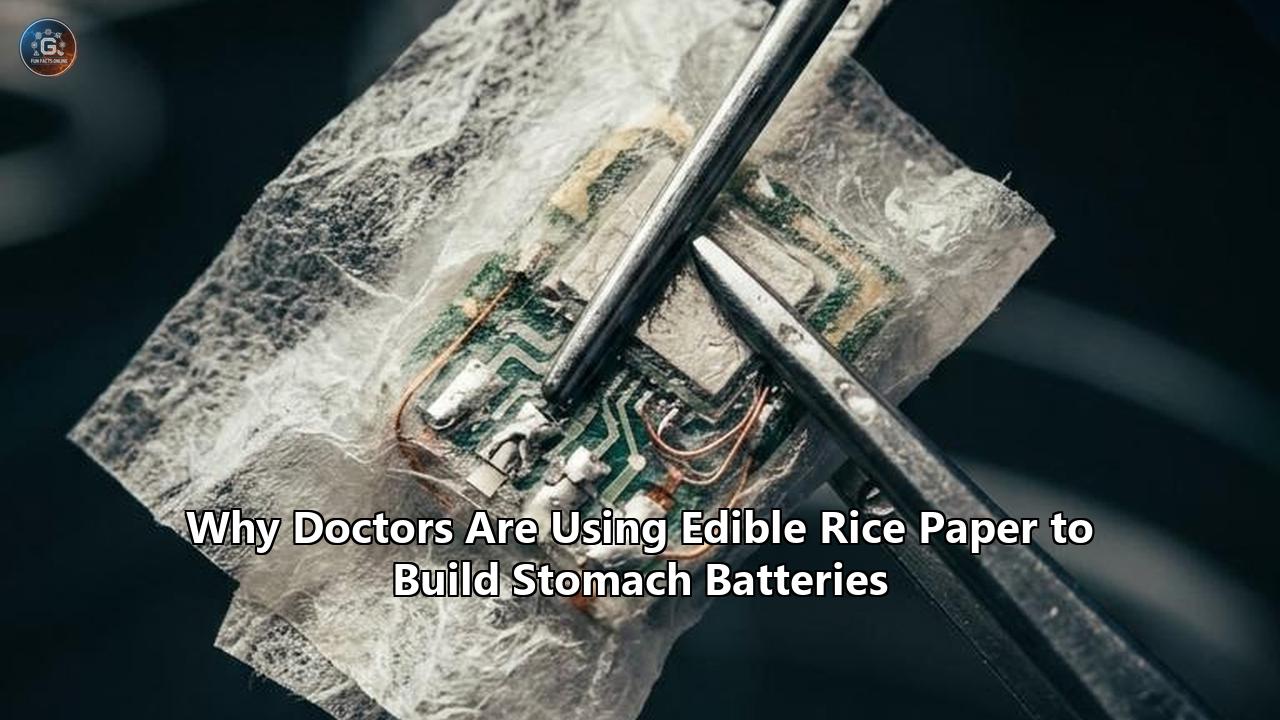
On September 21, 2026, researchers at the Massachusetts Institute of Technology and Brigham and Women’s Hospital published preclinical results in Nature Chemical Engineering detailing a functioning ingestible battery built from layers of cellulose nanofibrils—a fibrous architecture modeled directly on edible rice paper. In live swine trials, the swallowable power cell generated an open-circuit voltage of up to 1.84 volts, operated continuously inside the gastric cavity for three days, and powered active diagnostic and therapeutic hardware before beginning to break down into non-toxic dietary components.
The device, developed by a multidisciplinary team led by gastroenterologist and biomedical engineer Dr. Giovanni Traverso and former postdoctoral fellow Dr. Mehmet Girayhan Say, directly confronted the central physical hazard of gastrointestinal bioelectronics: rigid, toxic power storage. In testing, the cell powered an esophageal radio-frequency identification (RFID) tag that wirelessly tracked medication adherence across a 1.5-meter range, as well as a gastric electroceutical capsule that delivered controlled electrical pulses to the stomach lining. That electrical stimulation provoked endocrine cells in the gastric mucosa to produce a 36.3% mean surge in systemic levels of ghrelin, the hunger-signaling hormone, without causing tissue burns, mucosal irritation, or systemic toxicity.
+-----------------------------------------------------------------------------------+
|               BIORESORBABLE RICE-PAPER GASTRIC BATTERY ARCHITECTURE               |
+-----------------------------------------------------------------------------------+
|  [ Protective Bilayer: Beeswax + Candelilla Wax (Barrier to Gastric Fluid) ]      |
+-----------------------------------------------------------------------------------+
|  [-] Anode: Biocompatible Magnesium (Mg) Alloy Foil                               |
+-----------------------------------------------------------------------------------+
|  [=] Matrix / Separator: Porous Cellulose Nanofibrils (Edible "Rice Paper" Sheet) |
|      Infused with Biodegradable Ionic-Liquid Gel Electrolyte                      |
+-----------------------------------------------------------------------------------+
|  [+] Cathode: Molybdenum Trioxide (MoO3) Nanoparticles + Activated Carbon Binder   |
+-----------------------------------------------------------------------------------+
|  [ Protective Bilayer: Beeswax + Candelilla Wax (Tuned Hydrophobic Breakdown) ]   |
+-----------------------------------------------------------------------------------+
Ingestible devices have promised non-invasive diagnostics and targeted therapies for decades. Yet clinics have remained wary of deploying active electronic capsules at scale because conventional button cells—relying on concentrated lithium, silver oxide, or zinc chemistries—behave as internal chemical hazards if they stall against the mucosal wall. By utilizing an edible, paper-like scaffold that dissolves harmlessly once its energy payload depletes, this MIT-led trial turns everyday confectionery engineering into an actionable medical framework.
Using this breakthrough as an operational lens reveals how gastroenterology and biomedical engineering are abandoning permanent hardware paradigms in favor of biologically transient systems. Examining why doctors are turning to edible rice paper to build edible stomach batteries reveals fundamental shifts in internal drug delivery, electroceuticals, biocompatible material science, and the regulatory mechanics of human healthcare.
Anatomy of a Rice-Paper Gastric Battery: Electrochemical Engineering with Food Chemistry
Traditional dry-cell and button-cell batteries rely on dense, non-degradable components: lithium perchlorate, nickel, cadmium, organic solvent electrolytes, and steel casings. If exposed to stomach acid and digestive fluids, these elements trigger rapid caustic reactions, release heavy metals, or generate localized electrolytic currents that hydrolyze tissue fluids into caustic sodium hydroxide. Designing an internal power source meant to be swallowed, used, and digested requires replacing toxic galvanic materials with chemicals that the human body can metabolize.
Chemical Reactions Powering the Bioresorbable Battery:

1. Anode Oxidation (Negative Terminal):
   Mg(s)  -->  Mg2+  +  2e-
   Standard Potential (E0) = -2.37 V vs SHE

2. Cathode Reduction (Positive Terminal):
   MoO3(s)  +  xLi+ (or xH+)  +  xe-  -->  LixMoO3 (or HxMoO3)
   Operating Potential = ~+0.5 V to +0.8 V vs SHE

3. Combined Cell Voltage:
   V_cell = E_cathode - E_anode = ~1.77 V to 1.84 V (Peak Open-Circuit)
The bioresorbable battery developed by Traverso’s team relies on an integrated stack of materials chosen specifically because their chemical breakdown leaves behind only trace minerals and organic fibers that clear through standard metabolic routes:
- The Anode (Negative Electrode): Constructed from a high-purity magnesium (Mg) alloy. Magnesium serves as an optimal galvanic electron donor due to its high electrochemical potential ($E^\circ = -2.37\text{ V}$ versus standard hydrogen electrode). Biochemically, magnesium is an essential human electrolyte; the entire anode mass of this capsule contains less than 15% of the standard Recommended Daily Allowance (RDA) of dietary magnesium.
- The Cathode (Positive Electrode): Engineered from molybdenum trioxide ($\text{MoO}_3$) blended with pharmaceutical-grade activated carbon. Molybdenum trioxide functions as an efficient intercalation host for migrating cations, maintaining high charge-transfer kinetics while operating at physiological temperatures. Activated carbon creates an interconnected, high-surface-area conductive network that maximizes electrical percolation throughout the composite.
- The Electrolyte: Rather than corrosive acids or volatile organic solvents, the internal ionic highway uses a biodegradable ionic-liquid gel. This gel matrix stabilizes ion migration across the inter-electrode gap without drying out prematurely or causing localized chemical burns if breached.
- The Separator and Matrix (The Rice-Paper Scaffold): The structural core holding these electrodes in precise alignment is a porous membrane formed from plant-derived cellulose nanofibrils (CNF). Inspired directly by the edible starch-and-cellulose wrappers used in Asian confections (such as Nougat or White Rabbit candy), this micro-structured cellulose sheet exhibits high tensile flexibility, liquid wettability, and mechanical stability under hydraulic stress. Its porous network lets ions pass freely while acting as a physical barrier preventing internal short-circuits.
- The Encapsulation Shell: The entire electrochemical assembly is dip-coated in a tailored lipid bilayer combining beeswax and candelilla wax (extracted from Euphorbia cerifera). This wax jacket serves as a protective moisture barrier, delaying gastric acid infiltration so the battery does not dissolve before completing its medical task.
+---------------------------------------------------------------------------------------------+
|                 COMPARISON OF INGESTIBLE AND TRANSIENT BATTERY PLATFORMS                     |
+----------------------+--------------------+--------------------+----------------------------+
| Metric / Feature     | Standard Button    | IIT Food Battery   | MIT Rice-Paper Bioresorb-  |
|                      | Cell (Silver/Li)   | (Caironi et al.)   | able Cell (Traverso et al.)|
+----------------------+--------------------+--------------------+----------------------------+
| Primary Anode        | Zinc / Lithium     | Riboflavin (B2)    | Magnesium Alloy Foil       |
| Primary Cathode      | Silver Oxide/MnO2  | Quercetin          | Molybdenum Trioxide + C    |
| Separator Substrate  | Porous Polymer     | Nori Seaweed Sheet | Cellulose Nanofibrils (CNF)|
| Operating Voltage    | 1.55 V to 3.0 V    | 0.65 V             | 1.77 V to 1.84 V           |
| Current Output       | 10–50 mA           | 48 microamperes    | 1.5 to 3.5 milliamp-hours  |
| In Vivo Lifespan     | Weeks / Indefinite | ~12–60 minutes     | Up to 72 hours (3 days)    |
| Bioresorbability     | 0% (Strict Toxic   | 100% Edible        | 100% Resorbable Cell       |
|                      | Retrieval Risk)    | Foodstuff          | Core (Substrate & Electrodes)|
| Mechanical Robustness| Rigid Metal Can    | Soft / Semi-Solid  | Flexible, Paper-like Sheet |
+----------------------+--------------------+--------------------+----------------------------+
Earlier edible battery attempts—such as the system introduced in 2023 by Mario Caironi’s group at the Istituto Italiano di Tecnologia (IIT), which utilized riboflavin, quercetin, nori seaweed, and beeswax—demonstrated proof of concept for food-grade electronics. However, that platform produced an open-circuit potential of only 0.65 volts and supplied 48 microamperes of current for roughly 12 minutes.
By contrast, the MIT team’s cellulose-scaffolded design achieved 1.84 volts—surpassing the potential of conventional silver-oxide cells—and sustained discharge profiles across 72 hours inside living subjects. The cellulose matrix holds its structural integrity under the stomach's mechanical churning, preventing the delamination that degraded earlier organic power sources.
Preclinical Validation: The Pig Trials and Active Gastric Interventions
A fundamental challenge of gastrointestinal engineering is moving from benchtop saline baths to the turbulent reality of an operating digestive tract. The human stomach is a mechanically hostile chemical reactor: hydrochloric acid driven by proton pumps pushes the luminal pH down to 1.5–2.0, while peristaltic waves exert grinding shear stresses up to 150 mmHg (known as the Migrating Motor Complex).
To test whether the rice-paper power cell could function under these forces, Traverso’s team turned to swine models. The porcine gastrointestinal system closely matches human gastric anatomy, mucosal thickness, transit kinetics, and enzymatic activity. The researchers fabricated two distinct physical configurations for testing:
- A 7.5-millimeter circular disc cell: Engineered to fit inside a standard size "000" gelatin capsule, designed for minimal esophageal resistance and low-profile gastric monitoring.
- A 24-millimeter by 8-millimeter rectangular bar: Built for higher-drain applications, delivering up to 3.5 milliampere-hours (mAh) of total electrical capacity.
+---------------------------------------------------------------------------------+
|                   PORCINE IN VIVO VALIDATION ARCHITECTURE                       |
+---------------------------------------------------------------------------------+
|                                                                                 |
|  [Ingestion / Capsule Deployment]                                               |
|         │                                                                       |
|         ├───> Device 1: Size "000" Gelatin Capsule (7.5 mm Disc Battery)        |
|         │     └─ Function: Esophageal / Gastric RFID Compliance Tag             |
|         │     └─ Telemetry: 1.5-Meter Continuous Wireless Link                  |
|         │     └─ Clinical Target: Inpatient Medication Non-Adherence Tracking   |
|         │                                                                       |
|         └───> Device 2: 24 mm Rectangular Bar Cell                              |
|               └─ Function: Gastric Electroceutical Capsule                      |
|               └─ Stimulation: Biphasic Electrical Pulses to Mucosa (20 min)     |
|               └─ Endocrine Response: +36.3% Systemic Ghrelin Surge              |
|               └─ Tissue Safety: 0% Mucosal Necrosis / Biopsy-Confirmed Safety   |
|                                                                                 |
|  [Post-Operational Phase: 72+ Hours]                                            |
|         │                                                                       |
|         ├───> Wax Barrier Thinning & Water Permeation                           |
|         ├───> Mg & MoO3 Electrodes Hydrolyze into Soluble Dietary Ions          |
|         └───> Porous Cellulose Nanofibril Core Breaks Down via Hydrolysis       |
+---------------------------------------------------------------------------------+
The RFID Medication Ingestion Sentinel
Medication non-adherence accounts for approximately 125,000 preventable deaths annually in the United States alone and generates an estimated $100 billion in unnecessary healthcare expenditures. Traverso’s team wired the 7.5 mm circular paper battery to a wireless RFID tracking sensor. Once swallowed by the swine, the capsule dissolved its external gelatin shell in esophageal fluids, instantly activating the battery circuit.
The cell powered an onboard antenna that transmitted a continuous data signal across a 1.5-meter radius to an external telemetry receiver. This broadcast verified that the pig had swallowed the medication and documented the capsule's passage across the gastroesophageal junction in real time.
The Electroceutical Stomach Stimulator
The second test addressed gastroparesis—a debilitating stomach-paralyzing disorder common in advanced diabetes—and clinical anorexia. Currently, treating refractory gastroparesis requires surgically tunneling neurostimulation leads through the abdominal wall to place a permanent gastric pacemaker.
The MIT team wired the 24 mm rectangular paper battery into an electroceutical pill. Upon entering the stomach cavity, the capsule settled against the epithelial lining, delivering a programmed train of micro-electrical pulses directly into the mucosal wall for 20 minutes.
The electrical field stimulated gastric neuroendocrine cells without burning or disrupting tissue. Blood draws from three fasted swine showed that the brief stimulation cycle generated an average 36.3% spike in systemic blood concentrations of ghrelin, the primary physiological peptide driving hunger and gastric emptying.
Full-thickness mucosal biopsies harvested after the experiment confirmed that the paper battery’s stable electrical discharge caused zero cell death, focal burning, or disruption to the stomach lining.
+------------------------------------------------------------------------------------+
|               PORCINE EXPERIMENTAL OUTCOMES (GASTRIC PACING CELL)                  |
+---------------------------+--------------------------------+-----------------------+
| Physiological Parameter   | Baseline (Sham / Pre-Stim)     | Active Stimulation    |
+---------------------------+--------------------------------+-----------------------+
| Peak Electrical Potential | 0.00 V                         | 1.84 V (Drop to 1.45V |
|                           |                                | over 72 hours)        |
| Serum Ghrelin Surge       | 0.0%                           | +36.3% Mean Increase  |
| Local Mucosal Burn Radius | 0.0 mm                         | 0.0 mm (Zero Necrosis)|
| Epithelial Histology      | Intact mucosal barrier         | Intact mucosal barrier|
| Structural Breakdown      | Intact capsule                 | Full matrix dissolution|
|                           |                                | within target window  |
+---------------------------+--------------------------------+-----------------------+
When evaluated by outside specialists, the device's operational stability across three full days in a live animal stood out. John Rogers, a professor of materials science and biomedical engineering at Northwestern University who was not involved in the work, noted the achievement:
"It's quite impressive that the battery can operate in a stable and reliable fashion as the overall device passes through the GI system in a large animal model."
The Broader Pattern: From Permanent Encasement to Transient Bioelectronics
This MIT demonstration represents more than a novel materials exercise. It signals a broader shift across medical hardware: moving away from permanent, hermetically sealed enclosures and toward transient bioelectronics.
THE BIOELECTRONIC RETROFIT CONTINUUM

1960s–2000s: The Era of Permanent Encasement
  - Paradigm: Hermetically sealed titanium shells, laser-welded cans, platinum leads.
  - Failure Mode: Chronic foreign-body response, infection seeding, dangerous revision surgeries.
  - Clinical Assumption: Electronics are toxic contaminants that must be isolated from tissue.

2010s: The Early Bioresorption Wave
  - Paradigm: Dissolvable polymer sutures extended to silicon nanomembranes and silk matrices.
  - Failure Mode: Micro-milliwatt power starvation; devices required tethered external RF coils.
  - Clinical Assumption: Transient systems are viable for sensing, but lack internal energy density.

Present Day: The Ingestible Autonomous Platform
  - Paradigm: Edible stomach batteries built from micronutrient foils and cellulose matrices.
  - Clinical Reality: High-voltage (1.84 V) internal power with pre-programmed, benign dissolution.
  - Clinical Assumption: Devices should exist only for their therapeutic window, then metabolize.
For more than six decades, the foundational doctrine of medical device engineering was permanence. Pacemakers, deep-brain neurostimulators, and cochlear implants were designed to withstand biological degradation indefinitely. Engineers shielded electronics inside thick titanium cans and fluoropolymer seals.
When researchers first attempted to miniaturize these diagnostics into swallowable pills—a field initiated by capsule endoscopy tools like the PillCam in the early 2000s—they simply shrunk this permanent architecture. They loaded standard miniature zinc-air, lithium, or silver-oxide button batteries inside rigid plastic shells sealed with medical-grade epoxies.
However, that approach ignores how the digestive tract actually works. The human gastrointestinal tract is transient, dynamic, and self-clearing. Unlike the brain or heart, the stomach and intestines rarely require permanent hardware installations. Instead, clinical interventions inside the gut are naturally temporary:
- Measuring localized inflammatory flare-ups across a 24-hour ulcer assessment.
- Confirming compliance for a specific morning drug dose.
- Triggering an acute burst of electrical pacing to clear a food bolus through a paralyzed pylorus.
- Sampling the transient metabolomic shifts of the microbiome after a test meal.
Applying permanent electronic design philosophies to temporary digestive therapies creates serious clinical problems. Standard button batteries pose severe mechanical and chemical risks.
Every year, more than 3,500 children and adults in the United States accidentally swallow button batteries. When a rigid coin cell lodges against the wet mucous membrane of the esophagus or stomach wall, its electrical potential hydrolyzes biological water, generating a rapid pool of caustic hydroxide ions:
$$2\text{H}_2\text{O} + 2e^- \longrightarrow \text{H}_2\uparrow + 2\text{OH}^-$$
This caustic chemical accumulation causes severe liquefactive necrosis that can burn through esophageal walls, erode adjacent aortic branches, and trigger fatal hemorrhages within two hours of contact.
Even when enclosed in diagnostic plastic pills, non-degradable capsules carry a persistent 1% to 3% risk of retention in healthy patients, jumping to over 8% in patients with inflammatory strictures from Crohn’s disease. When an undigested device gets stuck, doctors must perform emergency endoscopic extractions or open surgical laparotomies to remove the trapped battery before it leaks toxic metals.
The rice-paper gastric battery demonstrates that bioengineers no longer have to design medical hardware around permanent industrial parts. By building edible stomach batteries using soft, digestible materials, researchers are demonstrating that medical electronics can match the temporary nature of biological processes.
This news highlights five core design principles that are driving modern transient bioelectronics:
Principle 1: Match Device Longevity to Pathophysiological Windows
A foundational mistake in early ingestible electronics was over-engineering longevity. Designing an internal gut sensor to last six months when its diagnostic question is answered within two hours creates unnecessary clinical risks. Traverso’s team used their paper battery to establish a better rule: the functional operating lifespan of an internal medical device should be programmed to decay alongside its therapeutic window.
+----------------------------------------------------------------------------------+
|                   KINETIC CONTROL OF BATTERY RESORPTION                          |
+----------------------------------------------------------------------------------+
|                                                                                  |
|  [0 to 24 Hours: Active Clinical Window]                                         |
|  Gastric Fluid --> Attacking Outer Hydrophobic Candelilla Wax Film               |
|  Electron Flow: 1.84 V Open-Circuit | High Internal Power Output                 |
|  Device Function: Continuous RFID Telemetry + Mucosal Electroceutical Pacing     |
|                                                                                  |
|  [24 to 72 Hours: Controlled Decline]                                            |
|  Gastric Acid Penetrates Beeswax Barrier --> Reaches Cellulose Matrix            |
|  Voltage Curve: Stable Drop (1.84 V -> 1.60 V -> 1.45 V)                         |
|  Device Function: Secondary Data Logging, Threshold Signaling                    |
|                                                                                  |
|  [72+ Hours to 2 Weeks: Programmed Dissolution]                                  |
|  Hydrolysis of Nanofibrils | Mg Anode Dissolves: Mg + 2H+ -> Mg2+ + H2           |
|  MoO3 Cathode Hydrolyzes to Soluble Molybdates: MoO3 + H2O -> H2MoO4             |
|  Device Function: Completely Terminated. System Metabolized as Trace Minerals    |
+----------------------------------------------------------------------------------+
The researchers tuned the battery's active lifespan by adjusting the ratios of its wax coatings. Beeswax is malleable and provides short-term waterproofing, but breaks down quickly under gastrointestinal shear forces and bile salt emulsification. Candelilla wax, packed with dense straight-chain hydrocarbons and natural resin esters, resists moisture penetration and delays acid infiltration.
By layering these two waxes over the porous cellulose nanofibril matrix, the team created a protective barrier that shields the magnesium and molybdenum electrodes from stomach acid for an exact, predictable duration:
- For the first 24 hours, the protective bilayer kept the internal chemistry completely dry, sustaining a peak potential of 1.84 V.
- Between 24 and 72 hours, gastric moisture slowly broke through the wax barrier, gently lowering output to 1.6 V on day two and 1.45 V by day three.
- After 72 hours, fluid fully saturated the porous paper core, dissolving the active electrodes into soluble dietary ions and breaking down the outer structure.
+---------------------------------------------------------------------------------------+
|                    THE SPECTRUM OF CLINICAL TRANSIENT WINDOWS                         |
+-----------------------+---------------------+-------------------+---------------------+
| Medical Objective     | Clinical Window     | Required Lifespan | Degradation Target  |
+-----------------------+---------------------+-------------------+---------------------+
| Ingestion Confirma-   | Esophageal transit  | 10–30 minutes     | 2–6 hours           |
| tion (Smart Pill)     | (acute)             |                   |                     |
| Acute Post-Op Motility| Pyloric / Duodenal  | 6–12 hours        | 24 hours            |
| Reset (Ileus pacing)  | stimulation         |                   |                     |
| Targeted Microbiome   | Small bowel transit | 24–48 hours       | 4–7 days            |
| Metabolite Mapping    | profiling           |                   |                     |
| Transient Inflamma-   | Gastric mucosal     | 72 hours          | 14 days (complete   |
| tory Bowel Tracking   | ulcer survey        |                   | clearance)          |
+-----------------------+---------------------+-------------------+---------------------+
Programming the degradation profile to match the clinical task eliminates the risk of devices lingering in the body. If a patient suffers from intestinal dysmotility or mechanical bowel strictures, the power source simply dissolves instead of causing an obstruction.
Principle 2: Micronutrient Electrochemistry and the Tolerable Intake Ceiling
Deploying bioresorbable electronics requires a different design metric than building consumer devices. Consumer batteries maximize volumetric energy density ($Wh/L$) above all else. In contrast, swallowable power sources must balance energy density against the Tolerable Upper Intake Level (UL) of its chemical byproducts.
The primary limit on the size and output of edible stomach batteries is human metabolic toxicology. Every milliampere-hour extracted from an ingestible cell comes from chemical elements that the digestive system and kidneys must process once the device dissolves.
+---------------------------------------------------------------------------------------+
|                 METABOLIC MASS BALANCE: INGESTED CELL VS. DIETARY CEILING             |
+--------------------+---------------------+--------------------+-----------------------+
| Elemental Sub-     | Total Amount in     | Recommended Daily  | Tolerable Upper       |
| stance             | MIT Battery Cell    | Allowance (RDA)    | Intake Level (UL)     |
+--------------------+---------------------+--------------------+-----------------------+
| Magnesium (Mg)     | ~10 to 25 mg        | 310 to 420 mg      | 350 mg (supplemental) |
| Molybdenum (Mo)    | ~0.15 to 0.40 mg    | 0.045 mg (45 µg)   | 2.000 mg (2,000 µg)   |
| Cellulose (CNF)    | ~50 to 100 mg       | 25,000 to 38,000 mg| Not Established       |
|                    |                     | (Dietary Fiber)    | (Completely Non-toxic)|
| Carbon (Activated) | ~15 to 30 mg        | Not Applicable     | >10,000 mg (Standard  |
|                    |                     | (Medical Adsorbent)| ER Clinical Dosage)   |
| Natural Waxes      | ~30 to 60 mg        | Not Applicable     | Gram-scale Safe Food  |
|                    |                     | (Dietary Fats)     | Additive (GRAS)       |
+--------------------+---------------------+--------------------+-----------------------+
Analyzing this mass balance illustrates how the MIT design avoids systemic toxicity:
- Magnesium Safety Margin: The 10–25 mg of magnesium in the battery accounts for a tiny fraction of the 350 mg supplemental upper limit. Once oxidized into $Mg^{2+}$ ions by gastric acid and cell discharge, it enters the normal intestinal ion pool, where it is either absorbed or safely eliminated by renal excretion.
- Molybdenum Dynamics: Molybdenum trioxide requires careful mass budgeting. While trace molybdenum serves as an essential cofactor for sulfite oxidase and xanthine oxidase, high intakes (above 2.0 mg per day) can trigger hyperuricemia and gastrointestinal symptoms. By capping the cathode mass at roughly 0.4 mg of active molybdenum, the MIT team kept the exposure well below the 2.0 mg human ceiling, while providing enough material to deliver 1.84 volts and 3.5 mAh of energy.
- Cellulose Matrix Degradation: The edible rice-paper-like cellulose nanofibrils break down safely. While the human stomach lacks cellulase enzymes to fully digest cellulose fibrils into simple sugars, the porous nanofibrils do not release sharp or abrasive fragments. Instead, they soften into non-digestible dietary roughage that passes easily through peristalsis.
Designing within established biochemical thresholds lets engineers treat power cells as temporary chemical formulations, turning the body's digestive and urinary systems into natural waste clearance routes.
Principle 3: Soft Scaffolding Beats Rigid Enclosures
Building an ingestible battery involves more than packing non-toxic chemistry into a box; the mechanical packaging must withstand gastric forces without injuring surrounding tissue. Traditional electronic devices use stiff, non-deformable materials that behave as mechanical irritants inside the gut. If a rigid capsule presses against the mucosal wall during contractions, it creates focal pressure points that can restrict blood flow and cause pressure ulcers.
The MIT study demonstrates the advantages of using soft, plant-based scaffolds instead of rigid casings. Choosing a porous network of cellulose nanofibrils provides three key physical properties:
PHYSICAL STRESS PROFILES INSIDE THE HUMAN GASTRIC CAVITY

A. Rigid Coin-Cell Failure Mode:
   Gastric Contraction Wave (100–150 mmHg)
   ═══════════════════════════════════════════════════════════════>
   [ Rigid Steel Enclosure ] ──> Focuses force on tiny point of tissue
                                 Risk: Point-pressure ischemia & mucosal erosion

B. Cellulose Nanofibril (Rice-Paper) Response:
   Gastric Contraction Wave (100–150 mmHg)
   ~~~~~~~~~~~~~~~~~~~~~~~~~~~~~~~~~~~~~~~~~~~~~~~~~~~~~~~~~~~~~~~>
   ( Flexible Paper Scaffold ) ──> Deforms elastically, spreads load across area
                                  Maintains internal layer contact without cracking
1. Mechanical Flexibility Under Peristaltic Shear
During digestion, the stomach generates powerful rolling contractions that crush food against the pylorus. Rigid electronic components resist these forces, leading to high shear stress at the interface between the device and soft tissue.
In contrast, the cellulose nanofibril structure deforms elastically under stress. Like an edible rice-paper wrapper, the matrix flexes and rolls with gastric contractions without delaminating or breaking. This mechanical compliance prevents internal short circuits while sparing the delicate gastric mucosa from focal bruising or erosion.
2. High Porosity and Controlled Electrolyte Wetting
For a battery to supply high current, its electrolyte must stay in continuous contact with the electrode surfaces. Traditional solid bioplastics often wet unevenly, creating dry pockets that bottleneck internal conductivity.
The porous network of cellulose nanofibrils acts as an efficient sponge. It wicks the biodegradable ionic-liquid gel across the entire electrode area, sustaining smooth ion transport during physical movement and preventing the sudden voltage drops seen in earlier prototypes.
+---------------------------------------------------------------------------------------+
|                    STRUCTURAL SCAFFOLD COMPARISON MATRIX                              |
+-----------------------+--------------------+--------------------+---------------------+
| Mechanical Property   | Molded Bioplastic  | Solid Gelatin Film | Cellulose Nanofibril|
|                       | (PLA/PLGA)         | (Collagen Base)    | ("Rice-Paper" Core) |
+-----------------------+--------------------+--------------------+---------------------+
| Tensile Flexibility   | Poor (Brittle at   | Moderate (Becomes  | Excellent (Retains  |
|                       | room temp)         | slimy/soft)        | fibrous strength)   |
| Electrolyte Diffusion | Very Low (Requires | Moderate (Dissolves| High (Open porous   |
| Rate                  | bulk hydration)    | prematurely)       | capillary network)  |
| Shear Stress Resis-   | Fragile to fracture| Poor (Tears under  | High (Interwoven    |
| tance                 |                    | peristalsis)       | nanofiber web)      |
| In Vivo Delamination  | Frequent           | High               | Minimal             |
| Risk                  |                    |                    |                     |
+-----------------------+--------------------+--------------------+---------------------+
3. Safe, Fragment-Free Dissolution
When hard molded plastics degrade through bulk erosion, they often break into small, rigid fragments with sharp edges that can scratch the delicate lining of the small intestine.
Because the cellulose nanofibril sheet is held together by hydrogen-bonded plant fibers, it dissolves through gentle surface shedding. It softens and peels away layer by layer, breaking into soft micro-fibers that blend safely into standard digestive chyme.
Principle 4: Solving the Hospital Retrieval Crisis and Waste Footprint
Beyond internal safety, bioresorbable electronics address practical operational and economic headaches for health systems: post-procedure retrieval costs and electronic waste.
CLINICAL COSTS: PERMANENT CAPSULES VS. BIORESORBABLE SYSTEMS

Permanent Capsule Strategy:
  1. Diagnostic Ingestion
  2. Patient Monitoring
  3. Evacuation Failure / Stricture Impaction (1–8% of cohorts)
  4. Diagnostic Abdominal X-Ray ($500 - $1,200)
  5. Emergency Endoscopic Snare Extraction ($3,000 - $10,000)
  6. Clinical Complications: Anesthetic risk, potential perforation

Bioresorbable "Rice-Paper" Strategy:
  1. Diagnostic Ingestion
  2. Patient Monitoring
  3. Complete In Situ Resorption (No retention possible)
  4. Trace Mineral Excretion / Safe Municipal Dissolution
  Total Hospital Extraction Expense: $0
Eliminating the Hospital Retrieval Expense
When gastroenterologists deploy today's video-capsule endoscopy tools (such as Medtronic’s PillCam or AnX Robotica's NaviCam), they must ensure that the pill actually exits the body. If a patient has an undiagnosed stricture, vascular compression, or severe diverticular disease, the rigid pill can become permanently trapped.
Diagnosing and treating capsule retention requires expensive clinical steps: series of abdominal radiographs, fluoroscopic follow-ups, and specialized endoscopic snare retrieval under conscious sedation. If the trapped capsule lodges deep in the ileum, doctors must perform invasive double-balloon enteroscopy or laparoscopic surgery to cut the device out.
These complications can add between $3,000 and $10,000 to the patient’s bill and expose them to avoidable surgical hazards. An ingestible device that simply dissolves into safe dietary compounds completely eliminates the danger of impaction, taking retrieval costs off the board.
+---------------------------------------------------------------------------------------+
|                    THE MUNICIPAL ENVIRONMENTAL IMPACT EQUATION                        |
+---------------------------------------------------------------------------------------+
| If 15,000,000 chronic disease patients take one smart diagnostic pill per week:       |
|                                                                                       |
|  * Standard Micro-Coin Cells:                                                         |
|    - 780,000,000 toxic button batteries flushed into municipal water systems yearly. |
|    - 1,500+ metric tons of lithium, silver oxide, and persistent heavy metals.        |
|    - High risk of soil leeching and corrosive municipal water contamination.          |
|                                                                                       |
|  * Bioresorbable "Rice-Paper" Batteries:                                              |
|    - 0 button cells flushed into public waste systems.                                |
|    - Breaks down into simple magnesium and molybdate salts, plant fibers, and wax.     |
|    - Fully compatible with municipal wastewater treatment and soil ecology.          |
+---------------------------------------------------------------------------------------+
The Municipal E-Waste Dilemma
The second issue looms as digital medicine expands. Healthcare is moving quickly toward smart pharmacotherapy: oral pills embedded with sensors that verify medication adherence, evaluate gut microbiology, and send pharmacokinetic updates straight to a patient's medical records.
If millions of patients with hypertension, diabetes, or psychiatric conditions begin taking battery-powered smart pills daily, our existing infrastructure cannot handle the waste. Traditional diagnostic capsules are flushed down the toilet after passing through the patient.
Flushing hundreds of millions of button cells into city sewers would leach lithium, cobalt, nickel, and silver into public wastewater streams, contaminating sewage sludge used in agriculture. Edible stomach batteries solve this environmental bottleneck at the source. The materials simply dissolve inside the gut or break down into benign organic components within wastewater environments.
Principle 5: Overcoming the Bioelectronic Bottleneck: What Still Doesn't Dissolve?
While the MIT study proves that an edible rice-paper battery can safely deliver high voltage inside the body, it also highlights the central technical challenge facing temporary medical electronics: the non-degradable silicon bottleneck.
+-----------------------------------------------------------------------------------+
|               BIORESORBABLE STATUS OF CURRENT MIT PROTOTYPE                       |
+------------------------------------+----------------------------------------------+
| Ingestible Component Layer         | Biodegradability Status                      |
+------------------------------------+----------------------------------------------+
| Magnesium Anode Foil               | 100% Bioresorbable (Dissolves via Hydrolysis)|
| Molybdenum Trioxide Cathode        | 100% Bioresorbable (Metabolized Trace Salt)  |
| Cellulose Nanofibril (Paper) Core  | 100% Biodegradable (Passes as Plant Fiber)   |
| Beeswax / Candelilla Wax Sealant   | 100% Bioabsorbable (Natural Lipid Excretion) |
| Active RFID Microchip              | 0% Bioresorbable (Excreted Whole via Gut)    |
| Printed Stimulator Circuit Board   | 0% Bioresorbable (Rigid Polymer Excreted)    |
+------------------------------------+----------------------------------------------+
In the swine experiments, the paper battery dissolved completely as planned. However, the microchip driving the RFID signal and the printed circuit board managing the electroceutical pulses did not degrade; they remained intact and passed through the animals' digestive tracts whole.
This split highlights the current reality of ingestible bioelectronics: we have succeeded in building edible power sources and transient sensors, but creating fully degradable computing logic remains a tough engineering problem.
As bioelectronics pioneer John Rogers pointed out regarding the MIT study:
"Making every part of the device bioresorbable could eliminate the risk of a leftover component becoming lodged in the gastrointestinal tract."
+----------------------------------------------------------------------------------+
|                   THE THREE FRONTIERS OF DISSOLVABLE LOGIC                       |
+----------------------------------------------------------------------------------+
|                                                                                  |
|  1. Ultra-Thin Silicon Nanomembranes (Si NMs)                                    |
|     - Strategy: Shaving monocrystalline silicon down to <30 nm thicknesses.      |
|     - Chemistry: Si + 4H2O --> Si(OH)4 (Biocompatible Orthosilicic Acid) + 2H2   |
|     - Benefit: High-speed switching speeds, dissolves in human tissue over weeks.|
|                                                                                  |
|  2. Organic Electrochemical Transistors (OECTs)                                  |
|     - Strategy: Printing circuits using conductive polymers and natural dyes.    |
|     - Ingredients: Indanthrone blue, melanin pigments, silk fibroin dielectric.  |
|     - Benefit: True non-toxic digestion; challenges remain in gate latency.     |
|                                                                                  |
|  3. Soluble Metal Circuit Interconnects                                          |
|     - Strategy: Sputtering ultra-thin traces using zinc, magnesium, and iron.    |
|     - Mechanism: Hydrolyzes into trace bio-minerals upon exposure to moisture.   |
|     - Benefit: Eliminates rigid copper/epoxy printed circuit boards entirely.    |
+----------------------------------------------------------------------------------+
To eliminate non-degradable silicon chips, materials scientists are pursuing three parallel solutions:
- Monocrystalline Silicon Nanomembranes: If silicon is shaved down to nanometer thicknesses (less than 30–50 nanometers), its hydrolysis rate accelerates dramatically. Bulk silicon takes centuries to break down, but ultra-thin silicon nanomembranes dissolve in neutral bio-fluids over days or weeks, hydrolyzing cleanly into orthosilicic acid ($\text{Si(OH)}_4$), a non-toxic compound that the body clears naturally through urine.
- Organic Semiconductor Architectures: Teams like Mario Caironi's group at IIT are developing edible transistors built from organic dyes and plant-derived conductors. Using natural dyes (like indanthrone) alongside cellulose or caramel substrates, these systems aim to replace silicon microchips with fully digestible organic logic gates.
- Transient Conductive Traces: Standard copper, silver, and lead-tin solders are being replaced by micro-sputtered lines of zinc, magnesium, tungsten, or edible gold foil (the thin leaf used by confectioners). These metals conduct electricity effectively, yet dissolve safely into trace mineral salts when exposed to moisture.
Regulatory and Translation Roadmaps: Navigating the FDA's Combination Labyrinth
Bringing an edible, battery-powered paper pill to human clinical trials requires clearing complex regulatory hurdles. The fundamental question for healthcare authorities: Is this ingestible device a medical instrument, an ingestible pharmaceutical, or a novel combination product?
+------------------------------------------------------------------------------------+
|                FDA REGULATORY CLASSIFICATION PATHWAY (INGESTIBLE CELLS)             |
+------------------------------------------------------------------------------------+
|                                                                                    |
|                  Primary Mode of Action (PMOA) Assessment                          |
|                                     │                                              |
|         ┌───────────────────────────┴────────────────────────────┐                 |
|         ▼                                                        ▼                 |
|   [Device Lead: CDRH]                                      [Drug Lead: CDER]       |
|   Center for Devices and                                   Center for Drug         |
|   Radiological Health                                      Evaluation & Research   |
|   Focus: Diagnostic RFID, Sensing,                         Focus: Ingestible Depot |
|   Targeted Electroceutical Stimulation                     Release, Pharmacokinetics|
|         │                                                        │                 |
|         └───────────────────────────┬────────────────────────────┘                 |
|                                     ▼                                              |
|                     [Office of Combination Products]                               |
|                     Evaluation Framework Under 21 CFR Part 3                       |
|                                     │                                              |
|         ┌───────────────────────────┴────────────────────────────┐                 |
|         ▼                                                        ▼                 |
|   ISO 10993 Biocompatibility                               GRAS Compliance         |
|   - Cytotoxicity Testing                                   - 21 CFR Part 170-199   |
|   - Mucosal Irritation Checks                              - Food-Grade Chemistry  |
|   - Systemic Toxicity Assays                               - Heavy Metal Clearances|
+------------------------------------------------------------------------------------+
In the United States, the Food and Drug Administration (FDA) evaluates these technologies through its Office of Combination Products under 21 CFR Part 3:
- CDRH (Center for Devices and Radiological Health): Governs systems where the primary mode of action is physical, diagnostic, or electrical. The MIT electroceutical pill—which stimulates gastric endocrine pathways using an electrical current—falls under this review branch. CDRH reviews the device against strict electrical safety standards, demanding proof that current densities ($A/cm^2$) will not trigger localized heating, mucosal burns, or irregular cardiac rhythms.
- CDER (Center for Drug Evaluation and Research): Asserts regulatory jurisdiction when the battery powers a drug-dispensing capsule or where the digested materials enter systemic circulation. CDER treats dissolving battery components (such as molybdenum trioxide) under the same toxicology standards applied to active pharmaceutical ingredients and excipients.
- The Food Excipient Overlap (GRAS): A key advantage of using edible materials is regulatory familiarity. Materials like beeswax, candelilla wax, activated carbon, and cellulose nanofibrils already hold Generally Recognized As Safe (GRAS) status under FDA food additive regulations (21 CFR Parts 170–189). Using ingredients with established food-additive track records lets bioengineers avoid years of foundational toxicology screening, accelerating the path to human trials.
+----------------------------------------------------------------------------------------+
|                     CLINICAL TRANSLATION MILESTONES: 2026–2030                         |
+-------------------+---------------------+----------------------------------------------+
| Phase / Target    | Estimated Window    | Key Deliverables & Validation Criteria       |
+-------------------+---------------------+----------------------------------------------+
| Preclinical       | Q4 2026 – Q4 2027   | Manufacturing standardization, shelf-life    |
| Optimization      |                     | hermetic packaging, simulated gastric testing|
| Human Phase I     | 2028                | Safety validation of 7.5 mm RFID swallowable |
| (First-in-Human)  |                     | compliance tag (SAFARI platform) in healthy  |
|                   |                     | human subjects (n=20 to 50)                  |
| Human Phase II    | 2029                | Clinical testing of electroceutical pacing   |
| (Therapeutic)     |                     | capsule in patients with severe diabetic     |
|                   |                     | gastroparesis and clinical cachexia          |
| Market Clearance  | 2030+               | De Novo or 510(k) FDA clearance for transient|
| (Commercialization|                     | diagnostic smart pills                       |
+-------------------+---------------------+----------------------------------------------+
Traverso’s group is currently standardizing fabrication to ensure uniform layer thickness, consistent wax coatings, and stable shelf lives before starting human subjects testing. The researchers project that clinical trials for the RFID-based medication compliance system (named the SAFARI system) will begin in approximately two years.
Lessons for Next-Generation Medical Device Design
The MIT team's success in building an ingestible, rice-paper-based power cell provides clear takeaways for engineers, physicians, and medical technology leaders:
1. Let the Anatomy Dictate the Material Selection
For years, biomedical engineering tried to force stiff consumer-electronics hardware into delicate, mobile human organ systems. The edible paper battery proves that matching the physical properties of the target organ—using soft, deformable cellulose instead of rigid metals—improves performance while protecting surrounding tissue from injury.
2. Design for Disappearance
Permanence should no longer serve as the default standard for internal medical devices. When treating conditions with short clinical windows—such as diagnostic surveys, acute motility interventions, or dose confirmations—devices should be designed to degrade on schedule. Engineering a product to dissolve into safe, digestible metabolites eliminates costly removal procedures, avoids foreign-body reactions, and prevents clinical complications.
3. Borrow Proven Techniques from Non-Medical Industries
The breakthrough behind this bioresorbable power cell came from merging battery electrochemistry with the physical architecture of confectionery rice paper and traditional wax coatings. Borrowing materials and fabrication methods from the culinary, food-packaging, and paper-manufacturing sectors offers a practical path toward developing inexpensive, non-toxic components for clinical medicine.
4. Build Devices Around Human Metabolic Budgets
Biocompatibility requires more than ensuring a material will not irritate tissue; it requires accounting for how the body will clear that material once broken down. By calculating how electrode masses compare to Recommended Dietary Allowances and Tolerable Upper Intake Levels, engineers can turn the body's natural metabolic pathways into a built-in disposal system for internal electronics.
The Path Forward: What to Watch Next
As bioresorbable electronics move from animal validation toward human clinical use, several key milestones will show whether paper-based power cells can deliver on their clinical promises:
- Manufacturing Uniformity and Quality Control: In early animal trials, researchers noted slight performance variations between individual hand-assembled battery units. Transitioning from manual laboratory assembly to automated roll-to-roll paper manufacturing will be essential to ensure consistent layer thickness, uniform electrolyte distribution, and precise wax coatings.
- Shelf-Life Stability: An ingestible battery built with edible, moisture-sensitive materials must survive months of storage in pharmacy warehouses and clinic supply rooms without degrading before use. Developers must design oxygen- and moisture-proof packaging—such as nitrogen-flushed blister packs—that protect delicate cellulose layers until the moment a patient swallows the capsule.
- First-in-Human Clinical Trial Readouts: The planned human trials for Traverso’s SAFARI adherence system will reveal how the paper battery performs across real-world human digestive systems, with varying stomach acidities, diverse microbiome populations, and fluctuating gastrointestinal transit times.
- Progress on Fully Resorbable Logic: Watch for breakthroughs in organic semiconductor transistors and ultra-thin silicon nanomembranes. The ultimate clinical milestone will arrive when engineers combine an edible rice-paper battery with a fully dissolvable microchip, creating an advanced smart capsule that completes its mission and vanishes entirely within the body.
Swallowing an edible, battery-powered paper pill may sound unusual, but it represents an essential step toward safer, less invasive healthcare. By looking past rigid industrial electronics and embracing soft, metabolically compatible materials, bioengineers are proving that the most effective internal medical tools are those designed to do their job, step aside, and leave no trace behind.
Reference:
- https://colombiaone.com/2026/09/22/paper-battery-ingestible-devices/
- https://perexpteamworks.com/en/edible-batteries-power-medical-devices/
- https://www.livescience.com/health/scientists-made-a-paper-battery-you-can-swallow-to-power-internal-medical-devices
- https://finance.biggo.com/news/2d8e4038-da0f-471f-a111-b0bc13b96642
- https://news.lavx.hu/article/bioresorbable-batteries-could-power-safer-ingestible-medical-devices
- https://climate.mit.edu/posts/batteries-safely-break-down-gi-tract-could-improve-ingestible-devices
- https://allatra.media/news/science-swallowable-battery-powers-capsules-in-pigs
- https://qz.com/764705/edible-batteries-for-ingestible-medical-devices-targeted-drug-delivery
- https://www.facebook.com/NaturePortfolioJournals/posts/a-swallowable-paper-battery-that-can-power-medical-devices-inside-the-body-befor/1584853063670954/
- https://www.facebook.com/Brainylogy/videos/206/1587528709540948/
- https://www.advancedsciencenews.com/a-battery-made-from-food-makes-edible-electronics-palatable/
- https://www.311institute.com/researchers-have-created-an-edible-battery-thats-safe-to-eat/
- https://www.facebook.com/fromquarktoquasars/posts/scientists-have-built-a-swallowable-paper-battery-that-can-power-medical-devices/1658247135913212/
- https://www.dc.mit.edu/home
- https://publicasta.com/good_tech_news/bioresorbable_batteries_for_ingestible_medical_devices
- https://www.popsci.com/technology/edible-battery-prototype/
- https://www.sciencealert.com/scientists-create-a-fully-rechargeable-battery-made-entirely-from-food
- https://www.livescience.com/health/scientists-made-a-paper-battery-you-can-swallow-to-power-internal-medical-devices
- https://www.researchgate.net/profile/Niora-Fabian
- https://ground.news/article/paper-battery-prototype-could-power-devices-inside-the-body-for-days
- https://cordis.europa.eu/article/id/447369-introducing-the-first-ever-edible-battery